REVIEW · CUSCO
Cusco: 4-Day Lares Trek to Machu Picchu with Panoramic Train
Book on GetYourGuide →Operated by TreXperience · Bookable on GetYourGuide
Warming up in the Andes changes everything. This 4-day Lares Trek pairs serious mountain time with a true Machu Picchu arrival, plus a Vistadome panoramic train ride that makes the last leg feel like part of the show. I especially love the cultural stops: weaving traditions in the region and the living Inca town of Ollantaytambo.
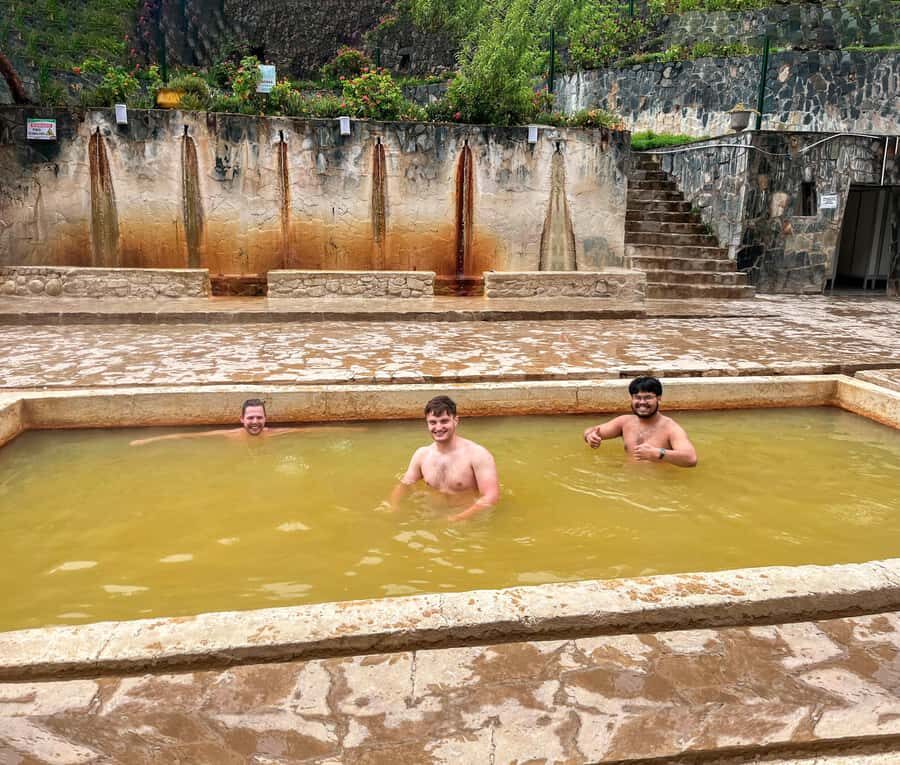
Second, I like that the itinerary mixes big sights with moments to breathe—like soaking in the Lares hot springs while you look up at the peaks. The one consideration: altitude and cold are real. Nights at campsite height and the higher pass day can take more out of you than expected, even if you are in good shape.
In This Review
- Why This Lares Trek + Vistadome Combo Makes Sense
- Key Highlights Worth Your Time
- Day 1: Cusco Markets, Ancashmarca, Puyas de Raimondi, and Blue Lagoon Soaking
- Day 1 reality check
- Day 2: Condor Pass at 4,750 m and the Andean Wildlife Valleys
- What to know about the second day
- Day 3: Downhill into the Sacred Valley, Maras Salt Mines, and Ollantaytambo
- Day 3 reality check
- Day 4: Sunrise Machu Picchu Walk-Through and Vistadome Back to Ollantaytambo
- Optional extras you should consider
- Price and Logistics: Is $690 Actually Good Value?
- What you still need to budget separately
- Guides, Chefs, and the Human Stuff That Changes the Feel
- What to Pack for Lares Trek Cold Nights and Big Elevation
- Who This Trek Suits Best (and Who Should Skip It)
- Should You Book This Cusco Lares Trek to Machu Picchu with Panoramic Train?
- FAQ
- Is Machu Picchu entrance included?
- Does the tour include hot springs and salt mines?
- Are meals included during the trek?
- Do I need a sleeping bag or trekking poles?
- What languages will the guide speak?
- Is this trek suitable for mobility impairments or wheelchair users?
Why This Lares Trek + Vistadome Combo Makes Sense
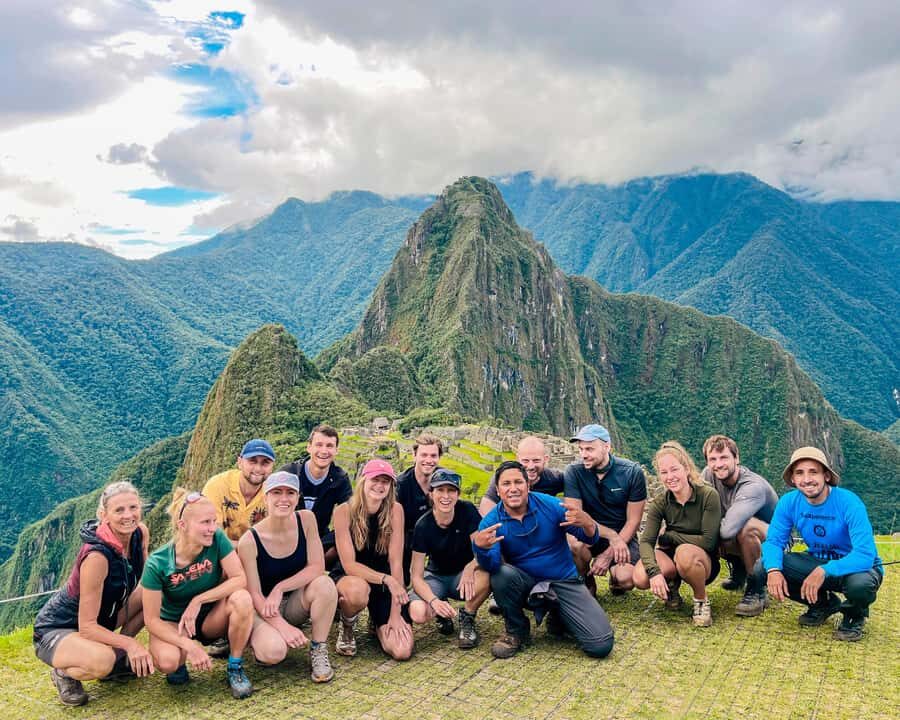
Most Machu Picchu routes feel like a straight line: walk, arrive, rush, repeat. This one feels more like a journey. You do a scenic trek through quieter Andean valleys, then you finish with a guided Machu Picchu visit at sunrise timing and a train ride with wide views.
The trekking portion also feels more grounded in everyday life. You are not only chasing viewpoints. You’re meeting people, learning how textiles connect to identity, and seeing how salt harvesting works at Maras. That mix tends to make Machu Picchu land harder—in a good way—because you’ve already been living in the Andes for a few days.
Key Highlights Worth Your Time
- Lares hot springs views: soak after hiking, not before. You earn it.
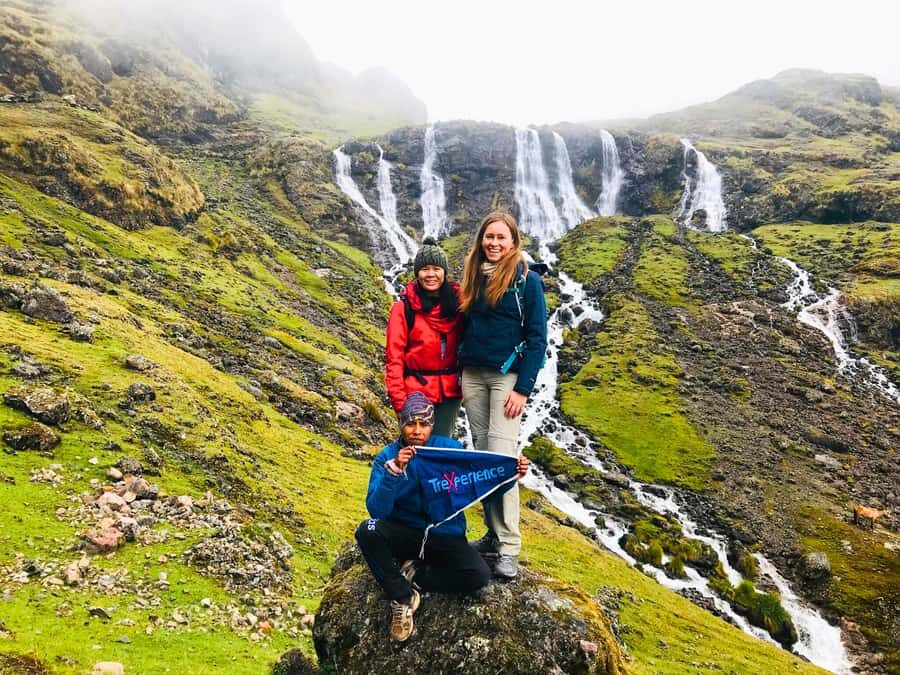
- Condor Pass at 4,750 m: big views and a traditional offering ceremony.
- Rare plants and Inca-era stops: Puyas de Raimondi and Ancashmarca along the way.
- Salt mines of Maras: a living craft you can walk through.
- Ollantaytambo, still living: not a museum town vibe.
- Sunrise Machu Picchu + Vistadome return: guided walking plus panoramic comfort.
You can also read our reviews of more hiking tours in Cusco



Day 1: Cusco Markets, Ancashmarca, Puyas de Raimondi, and Blue Lagoon Soaking
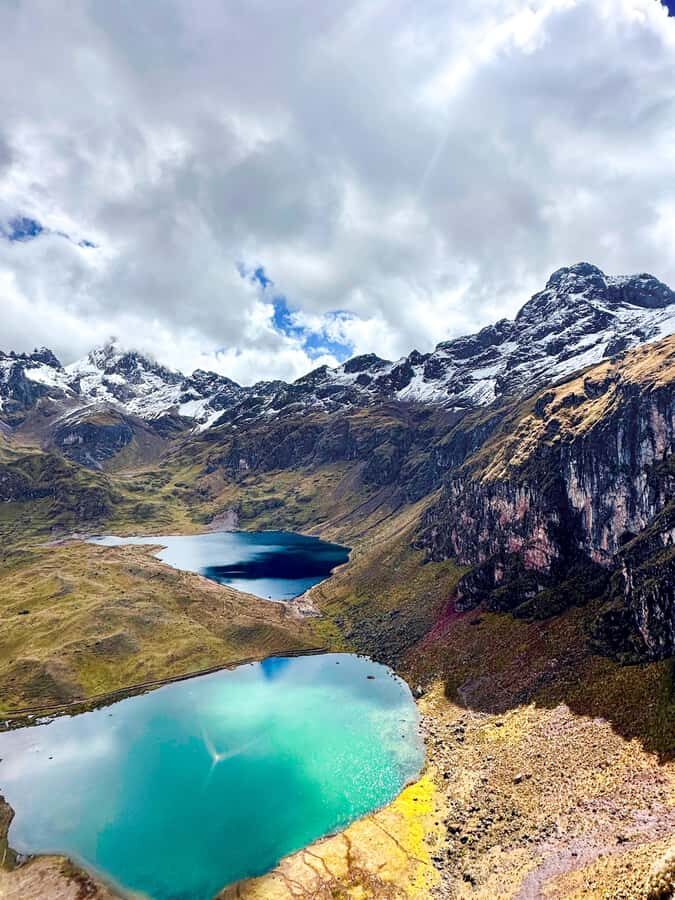
Day 1 starts with an early pickup from Cusco (or the Sacred Valley) and a quick foundation for what you’ll see. You’ll pass through Calca’s market for a local flavor and then visit Ancashmarca, an ancient Inca site that helps set the tone: this route is about land and people, not just Instagram points.
You then head toward a high plateau where you may spot Puyas de Raimondi, a rare plant known for its tall flowering spires. Even if you’ve never heard of it before, it’s the kind of stop that makes you look twice at the details of the Andes. You’re already climbing, so this works as an acclimatization bonus and a reminder that altitude shapes everything.
After that, the emotional payoff hits: you unwind in the Lares Hot Springs and then hike into the camping area near the Blue Lagoon at about 3,900 m. The timing matters. You’re not just tired—you’re tired and cold, which makes the hot water feel like a reset button.
Before sleep, you’ll have coca tea, dinner, and time for stargazing. That can be surprisingly memorable if the sky is clear. Just remember: stargazing also means cold air. Plan to bundle up.
Day 1 reality check
If you’re sensitive to altitude, keep your expectations modest on this first hiking stretch. The route includes high elevations early, so pace yourself.
Day 2: Condor Pass at 4,750 m and the Andean Wildlife Valleys
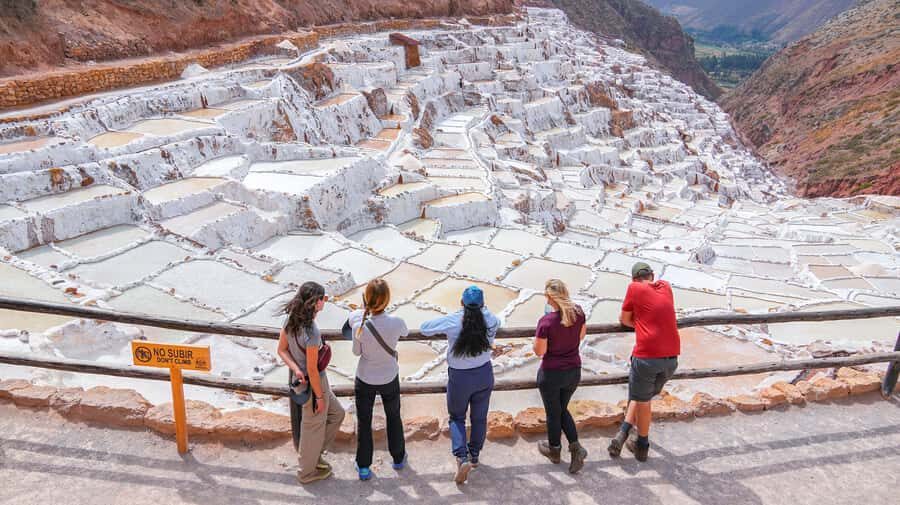
Day 2 begins gently with coca tea or coffee at your tent, then breakfast. The climb starts as a steady ascent through valleys with lakes and chances to spot Andean wildlife. This is a day where the views are earned gradually. Instead of one big moment, you get a slow reveal of ridgelines, colors, and the feel of being in high-country terrain.
At Condor Pass (4,750 m), the rewards are wide and obvious: snowy peaks, turquoise lagoons, and open sky. You’ll also take part in a traditional offering ceremony before descending. This is not just a photo stop. It’s a cultural moment tied to how people relate to the mountains, and it helps the day feel more meaningful than a workout with scenery.
Lunch is hot—served in Acopata—and then you continue hiking through valleys with llamas and alpacas. If you’ve only seen those animals in other people’s videos, seeing them alongside your own route changes the whole mental picture. Arriving at Canchacancha village (about 3,750 m) is a nice shift from wilderness to community.
You’ll meet local families and practice a few Quechua phrases, and then you finish the day with dinner and mountain views from the campsite area.
What to know about the second day
This is the heavy day for elevation. Even if the hike feels manageable, your breathing might not match what you’re used to at sea level. Small slow steps beat fast strides.
You can also read our reviews of more tours and experiences in Cusco

Day 3: Downhill into the Sacred Valley, Maras Salt Mines, and Ollantaytambo
Day 3 starts with breakfast and a calmer rhythm focused on community and transition. You’ll explore Canchacancha village, including homes and the school, with an option to donate supplies. This kind of stop is only as good as the way your group behaves. Be respectful, ask questions when invited, and keep the donation portion simple and thoughtful.
Then the route shifts into the Sacred Valley with a long four-hour downhill hike. It’s a change from high-pass climbing into a more varied agriculture scene—potatoes up top, then corn and avocado lower down. That downhill matters because it can be easier on altitude stress, but it can be harder on your knees if you rush.
At Huaran (about 2,700 m), you’ll stop for a picnic lunch. Then you say goodbye to your muleteers and chef, which is a quiet moment that reminds you how much logistics goes into a trek like this.
Next: Salineras Maras, the famous salt mines. You’ll learn how traditional salt harvesting works here—tiny channels and a landscape shaped by process over centuries. It’s one of those places where the math of nature is visible: water movement, evaporation, and human timing.
From there you go to Ollantaytambo, described as the last living Inca town. That’s a key phrase. You’re not only walking ruins. You’re in a place where people still live with the town’s Inca layout.
Finally, you board for Aguas Calientes, have dinner, and spend the night in a comfortable 3-star hotel. This hotel night is a real value point: after two nights of camping, you get real walls, real beds (as described), and a chance to recover.
Day 3 reality check
Downhill can feel easier than uphill but still be tough. Wear footwear that supports your ankles, and don’t let adrenaline set your pace.
Day 4: Sunrise Machu Picchu Walk-Through and Vistadome Back to Ollantaytambo
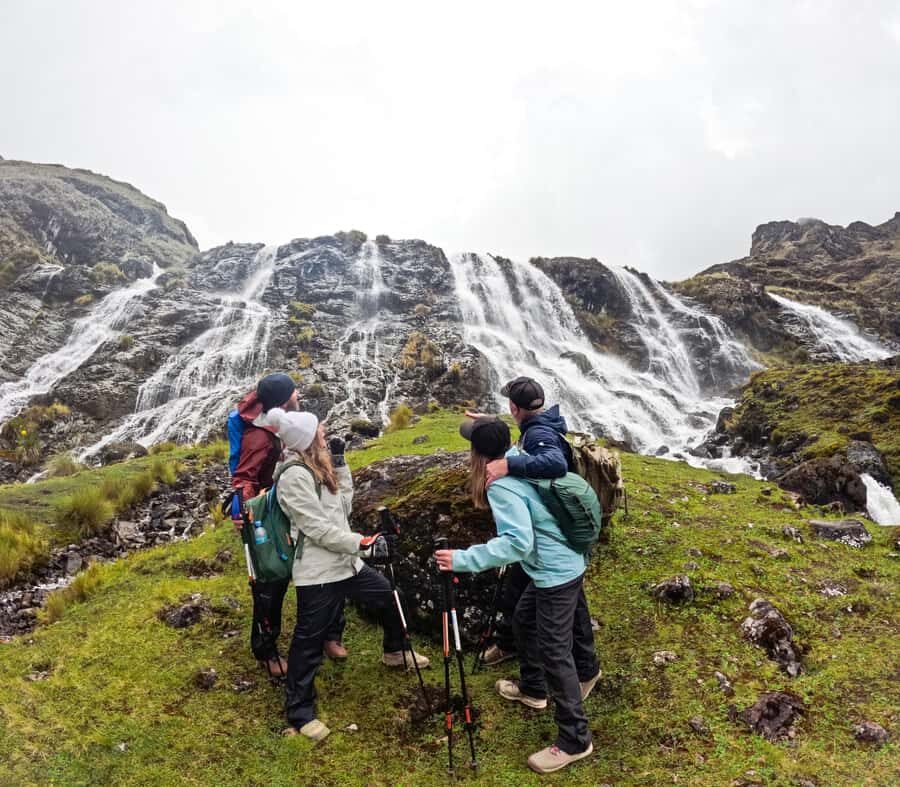
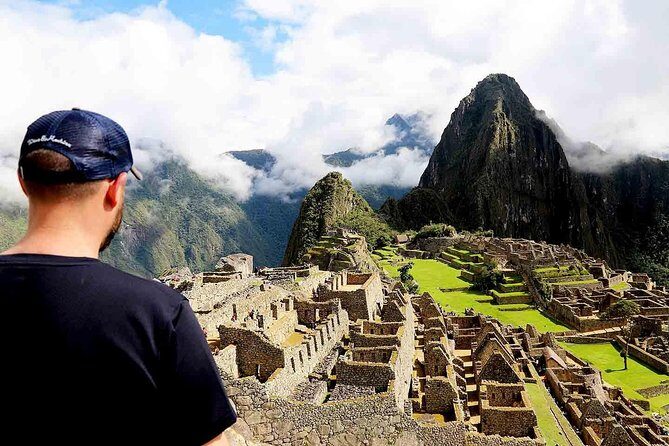
The fourth day is built around an early start. You’ll have breakfast at the hotel, then take the bus to Machu Picchu. The goal is arrival right as the sun is rising over the citadel. That timing is huge. Morning light can flatten shadows, make stone details pop, and keep the air cooler for walking.
You’ll visit iconic viewpoints for those must-have panoramic photos, then join your guide for a 2–3 hour guided walking tour through key areas of the site. This isn’t a drive-by. You’ll learn about Inca engineering and what life likely looked like in the city’s daily rhythms. You also get the benefit of a guide translating what you’re seeing into something you can actually understand.
After the tour, you return to Aguas Calientes for lunch and downtime. Then you switch gears to comfort: you board the Vistadome train, which is designed for wide views. When the countryside starts to blur into a gentler pace, it feels like the trip is finally exhaling.
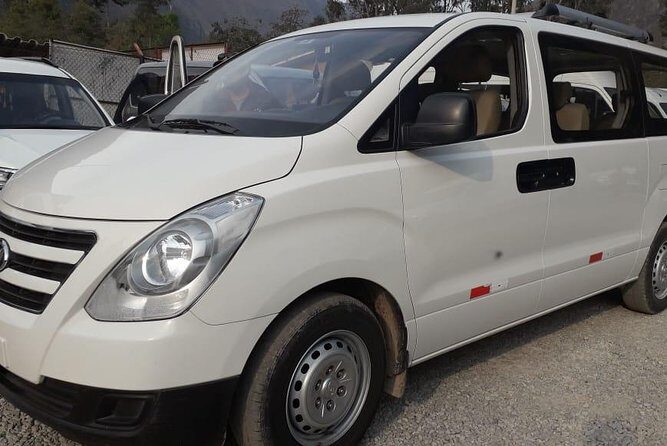
From Ollantaytambo, you take a private transfer back to Cusco by evening. That part matters because it turns a great day into a clean ending. You’re not left trying to stitch together transport.
Optional extras you should consider
Entrance tickets to Huayna Picchu or Machu Picchu Mountain are optional add-ons, not included. If you want those steeper viewpoints, check availability before you commit to the main ticket plan.
Price and Logistics: Is $690 Actually Good Value?
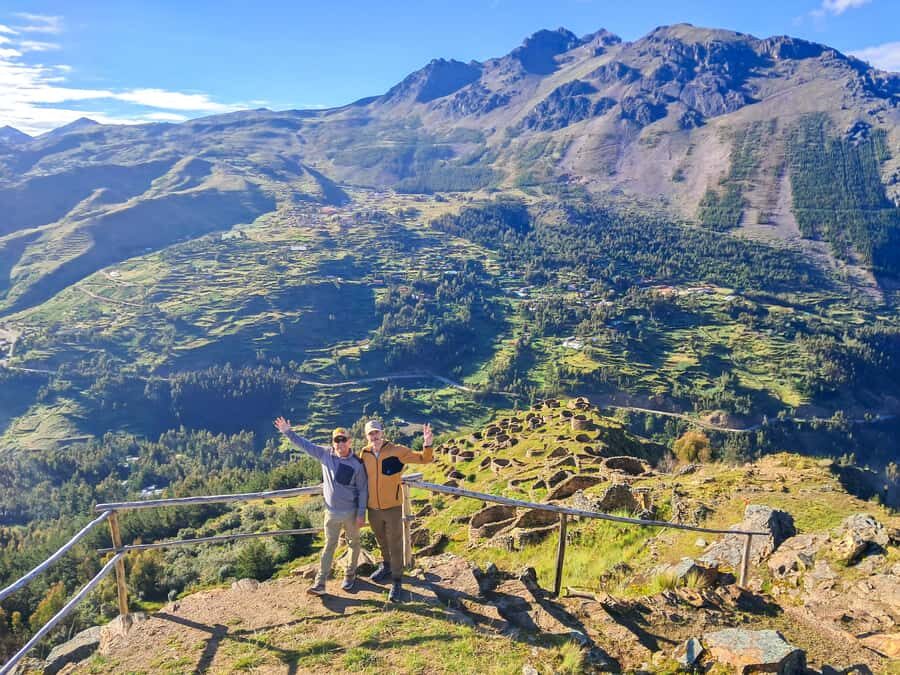
At $690 per person for four days, this isn’t a budget impulse buy. You are paying for several expensive pieces working together:
- Guided trek with a certified professional guide
- Machu Picchu entrance included
- Lares hot springs and Maras salt mines entrances included
- Two nights of scenic camping plus one night in a 3-star hotel
- Meals during the trek (4 breakfasts, 3 lunches, 3 dinners)
- Horses and muleteers to transport food and equipment
- Round-trip transport: buses to Machu Picchu and the Vistadome return train
Most self-planning versions of this kind of trip end up costing similar money after you figure out guiding, site tickets, and the logistics of camping staff. Here, you get a guided structure plus transport, which reduces stress and mistakes. You also get that muleteer-led duffle service—your camping gear is limited to a personal duffle bag up to 7 kg, which makes a big difference on the trail.
What you still need to budget separately
Lunch on the final day in Aguas Calientes is not included. Optional Machu Picchu mountain add-ons also cost extra. And you’ll want to travel with insurance even though it’s not included.
Guides, Chefs, and the Human Stuff That Changes the Feel
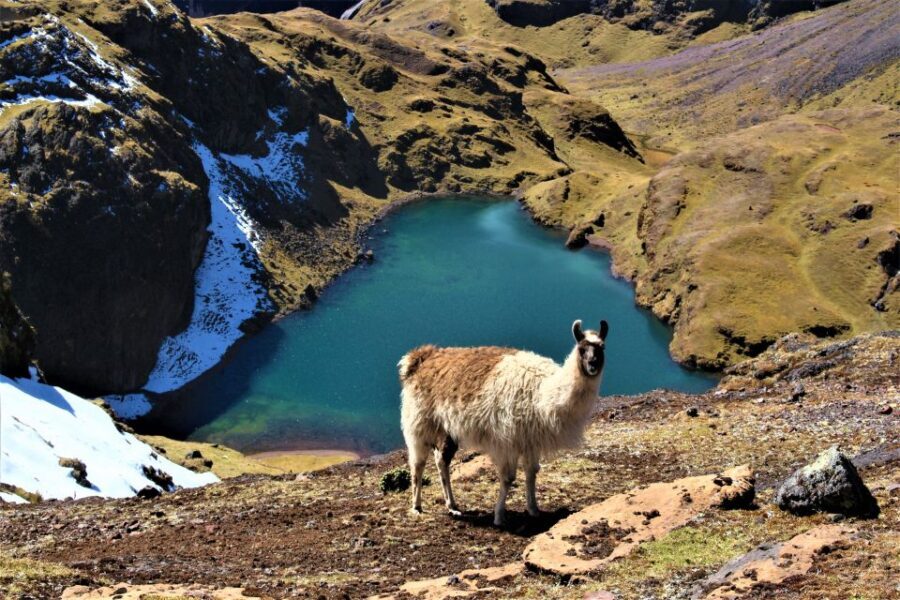
The trek is only as good as the people running it. This experience is led by a certified professional tour guide, and you can expect English or Spanish support.
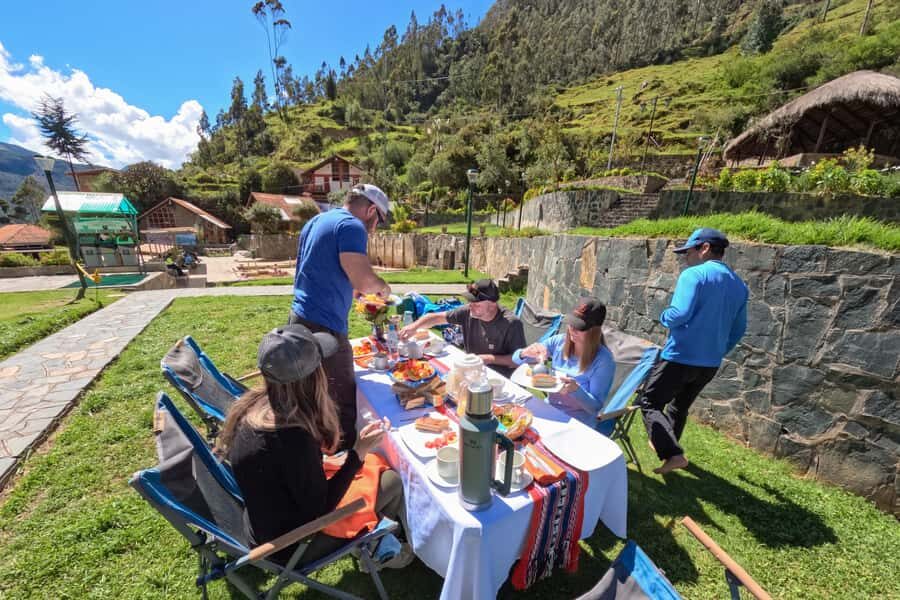
I also like that dietary needs are taken seriously. The booking info asks you to advise special dietary needs ahead of time, and at least one past group got vegan meals handled well by the chefs. Trek food can be bland in the wrong hands. Here, it’s meant to be real fuel you can taste.
Two guide names have come up in strong feedback: Manolo and Filio. That’s a good sign for consistency, but even if you get someone else, the structure stays the same: guide-led pacing, cultural context, and an emphasis on keeping you on the route safely.
And yes, the trekking chefs matter. Expect hearty meals designed for altitude. After a day of hiking, you notice when food is prepared with care.
What to Pack for Lares Trek Cold Nights and Big Elevation
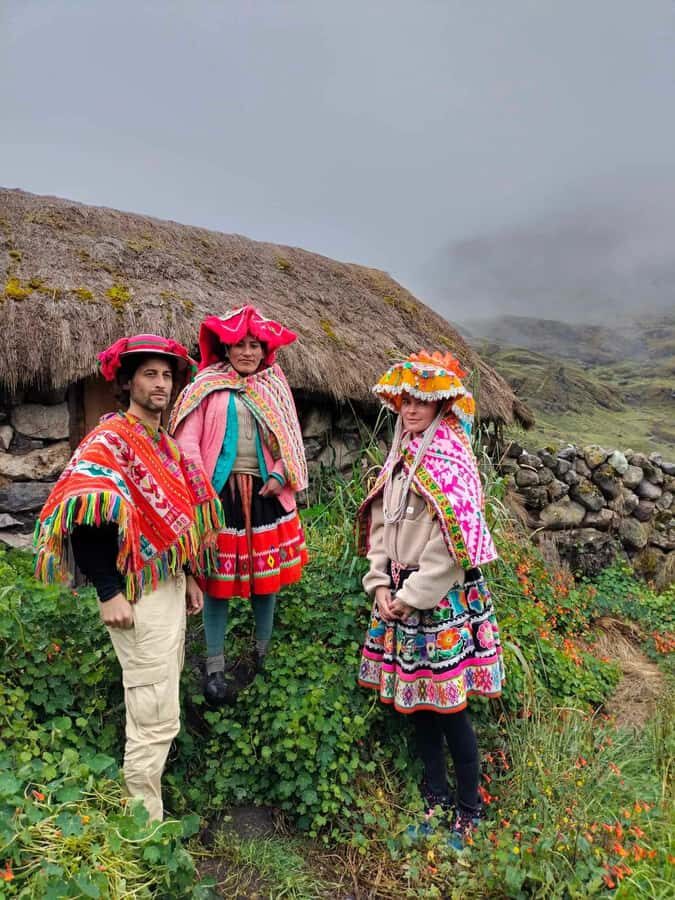
This trek is active, and the Andes will test your planning. Use what’s listed as your base, then tune it to the season.
Bring:
- Passport (required for entry planning)
- Comfortable hiking shoes
- Sun hat, sunglasses, and sunscreen
- Rain gear
- Insect repellent
- Layered weather-appropriate clothing
- Toiletries and hand sanitizer or tissues
- Cash (for anything not included)
Don’t bring:
- Weapons or sharp objects, and no smoking or alcohol on the trip.
- Also avoid littering—simple rules, but they matter.
Sleeping comfort matters. A sleeping bag, air mattress, and trekking poles are not included, but you can rent them on request. This is one of those “small details” that changes comfort from fine to miserable, so don’t ignore it.
Who This Trek Suits Best (and Who Should Skip It)
This is best for you if:
- You’re a reasonably fit hiker who can handle a high-elevation trek
- You want more than Machu Picchu photos—you want culture, crafts, and community stops
- You like structured guidance and warm meals after long walking days
It may not be for you if:
- You’re pregnant or have back problems, mobility impairments, or heart problems
- You use a wheelchair
- You’re not comfortable with cold nights and altitude effects
One honest consideration from real experience with this route: reduced oxygen and nighttime cold can limit your physical comfort. Even if the hikes are “doable,” your body might still feel slower than you expect.
Should You Book This Cusco Lares Trek to Machu Picchu with Panoramic Train?
If you want a classic Machu Picchu finale without losing the best part—three days of high-Andes walking plus culture—this is a strong pick. I think it’s especially good value for people who don’t want to juggle permits, transport, and camping logistics alone.
Book it if you:
- Want Lares hot springs and Maras salt mines in the same trip
- Like the idea of a guided 2–3 hour Machu Picchu tour at sunrise
- Appreciate having muleteers and horses handle heavy gear so you can focus on walking
Skip it if you:
- Know you struggle with altitude or cold nights
- Need accessibility options not supported here
- Only want the lightest sightseeing with no trekking component
One last practical note: the trip is listed as non-refundable, so make sure your calendar is firm before you pay.
FAQ
Is Machu Picchu entrance included?
Yes. Entrance fees to Machu Picchu are included as part of the tour.
Does the tour include hot springs and salt mines?
Yes. Entrance to Lares Hot Springs and the Maras Salt Mines (Salineras de Maras) is included.
Are meals included during the trek?
Yes. You get 4 breakfasts, 3 lunches, and 3 dinners as part of the trekking days. Lunch on the final day in Aguas Calientes is not included.
Do I need a sleeping bag or trekking poles?
A sleeping bag, air mattress, and trekking poles are not included, but they are available for rent upon request.
What languages will the guide speak?
The live tour guide speaks Spanish and English.
Is this trek suitable for mobility impairments or wheelchair users?
No. It is listed as not suitable for mobility impairments and wheelchair users. It is also not suitable for people with heart problems, back problems, or pregnancy.