REVIEW · CUSCO
6-Day Tour of Cusco and Machu Picchu
Book on Viator →Operated by Kantu Peru Tours · Bookable on Viator
Six days in Peru can feel like an art class.
This tour strings together Cusco classics, Sacred Valley stops, and a guided Machu Picchu visit, then adds the early grind of Rainbow Mountain. What makes it interesting is the pace: you’re not just sightseeing—you’re moving through the Inca story in the order it was built, from city walls to terraces to salt pools.
I especially like the way the itinerary handles logistics for Machu Picchu: bus coordination from Aguas Calientes, a guide-led route inside, and clear timing so you can still explore on your own after the official portion. I also like that the tour includes lodging, key transport legs, and guided time with English-speaking leadership, so you’re not constantly figuring things out at altitude. Names like coordinator Eddie and guides Catherine and Jessie/Jessenia show up in the details as examples of how communication and guiding can really shape your day.
One possible drawback: this is a group tour with shared pick-ups, and the hotel quality is not uniform since the package starts with 2-star lodging. If you’re picky about room comfort, plan to either accept basic digs or consider an upgrade.
In This Review
- Key things that make this tour worth your attention
- Cusco arrival and the altitude game plan you’re given
- Qorikancha to Sacsayhuaman: the Cusco Inca sites that set the theme
- Sacred Valley with Pisac and Ollantaytambo: trains, terraces, and alpacas
- Machu Picchu morning with passport checks and a guide-led route
- Moray terraces and Maras salt mines: Inca science in two forms
- Rainbow Mountain hike at dawn: what the early start really means
- Your final day in Cusco and the airport timing
- Price and value: what $683 gets you, and what it doesn’t
- Who this Cusco to Machu Picchu tour is best for
- Should you book Kantu Peru Tours for this 6-day Cusco and Machu Picchu plan?
- FAQ
- How long is this Cusco and Machu Picchu tour?
- Where do I meet the tour at the start?
- What kind of hotel does the tour include?
- Is Machu Picchu entrance included?
- Do I need to bring my passport for Machu Picchu?
- Is the Machu Picchu experience guided?
- How does the Rainbow Mountain day work?
- What meals are included?
- What’s not included in the price?
- If I need to cancel or change, can I get a refund?
Key things that make this tour worth your attention
- Airport meet-up in Cusco so you’re not left scrambling the moment you land
- Cusco city circuit with Qorikancha, Sacsayhuaman, Q’enqo, Puca Pucara, and Tambomachay
- Sacred Valley day with Pisac, Urubamba, and Ollantaytambo, plus alpaca and llama interaction
- Machu Picchu ticket support and guided route with a 2-hour guided visit
- Moray and Maras salt mines pairing for a strong mix of engineering and everyday Inca tech
- Rainbow Mountain hike at dawn with a realistic plan for the steep finish and Cusipata lunch
Cusco arrival and the altitude game plan you’re given
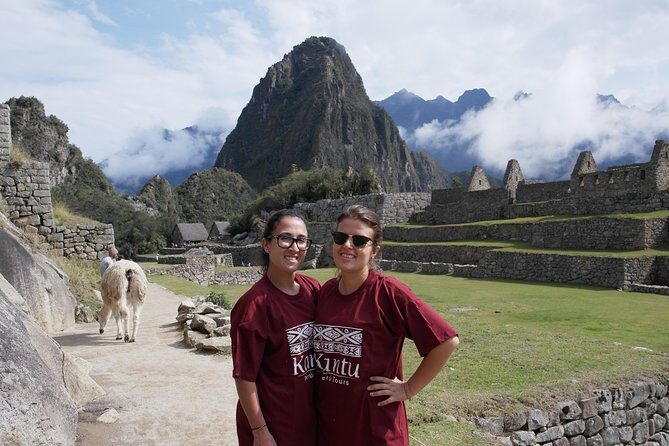
Cusco is beautiful, but the altitude is the real boss fight. The tour starts the moment you land at Velazco Astete Airport, with a representative waiting to drive you toward your hotel and give you quick orientation. You’ll get practical notes on altitude sickness, plus restaurant guidance and general city tips. It’s not medical advice, but it’s the kind of early prep that helps you pace yourself from day one.
The schedule is designed around rest and acclimatization. After you check in, you’ll have time to settle and eat something light before your afternoon Cusco city tour. That matters, because a rushed arrival can turn the first day into a headache festival.
Also pay attention to how the tour handles your documents. For Machu Picchu, the passport you bring must match what was used for the reservation. Even if you’re traveling with digital copies, bring the actual passport—this tour is explicit about it. If you’re cutting it close on travel day changes, it’s worth double-checking your passport number early.
Finally, a quick heads-up: this is a group experience. That means pick-ups and transport may involve a little waiting or route adjustments while everyone gets assembled. It’s usually workable, but if you hate delays, keep expectations flexible.
You can also read our reviews of more tours and experiences in Cusco
Qorikancha to Sacsayhuaman: the Cusco Inca sites that set the theme
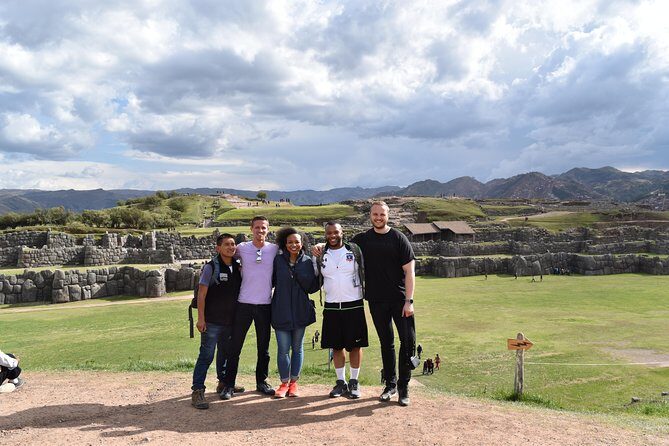
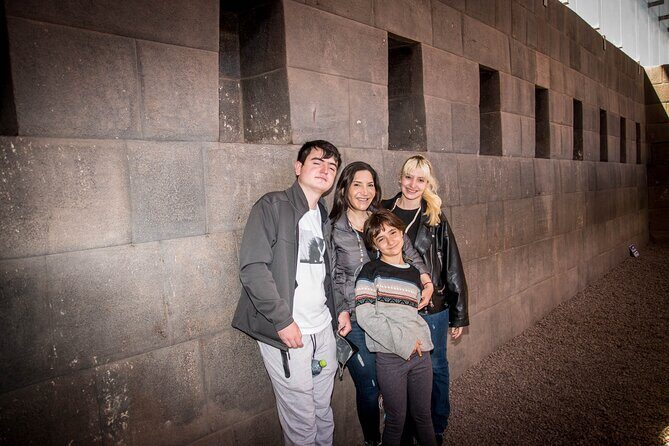
Your Cusco day tour is built like a guided history lesson, starting with the Inca heart of the city. The first stop is Qorikancha (Temple of the Sun), also known as Koricancha. The tour lists admission for this stop, and you’ll spend about 1 hour 30 minutes there. This is a strong start because it shows you how the Incas wrapped sacred power into the urban grid.
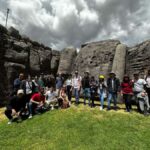
Next comes Sacsayhuaman, with megalithic construction that still feels unreal when you’re standing in front of it. From there the itinerary keeps you moving through the surrounding Inca sites: Q’enqo (temple associated with the puma), Puca Pucara (fortress), and Tambomachay (the water temple). The payoff here is context—once you’ve seen the walls and carved stone, it’s easier to understand what you’ll later see in the Sacred Valley and around Machu Picchu.
Timing-wise, the day tour ends around 6:30 pm. That’s a good structure because you can get dinner without burning your whole evening. Just remember: Cusco evenings at altitude can make you sleepy fast, so it’s smart to eat, hydrate, and plan tomorrow’s early start.
Sacred Valley with Pisac and Ollantaytambo: trains, terraces, and alpacas
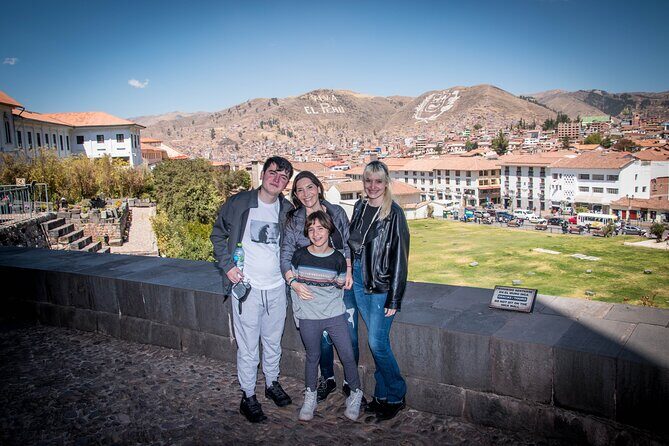
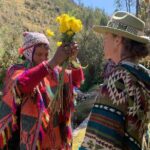
The Sacred Valley is where the tour turns scenic, social, and practical all at once. You start around 8:00 am, meeting your tour leader at the hotel. There’s a moment built in for alpacas and llamas—an alpaca and llama show where you can feed the animals. It’s short, but it breaks up the morning driving and gives you a more grounded, local-feeling start.
Then you head toward viewpoints before arriving at Pisac, an archaeological site your guide explains in detail. Pisac is especially worth it when someone helps you connect the terraces and structures to Inca planning rather than treating it like random ruins. The tour gives you about 1 hour at Pisac.
From there, the route goes to Urubamba for lunch and then on to Ollantaytambo, another major Inca town with large constructions, including what’s described as a temple for the sun above the hill. This part of the day matters because Ollantaytambo is also the staging point for your rail leg. By the time you reach the station, you’re not just hopping on a train—you’re continuing an Inca corridor with purpose.
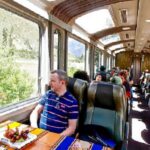
The train ride takes you to Aguas Calientes, where you stay overnight. This is a smart move for Machu Picchu because it reduces day-of stress. You’ll be in the right town to catch the early bus and beat the rush.
Only caution: group logistics can mean the transport and language groupings change midstream. If you’re traveling with someone who’s sensitive to uncertainty, pack patience for a day where the bus may adjust to match the tour language mix.
Machu Picchu morning with passport checks and a guide-led route
Machu Picchu is the reason most people book this tour, so the structure of the day really matters. The tour runs your Machu morning early, after breakfast, and times everything according to your ticket. Your guide assists you with control, and again: bring the passport that matches your reservation.
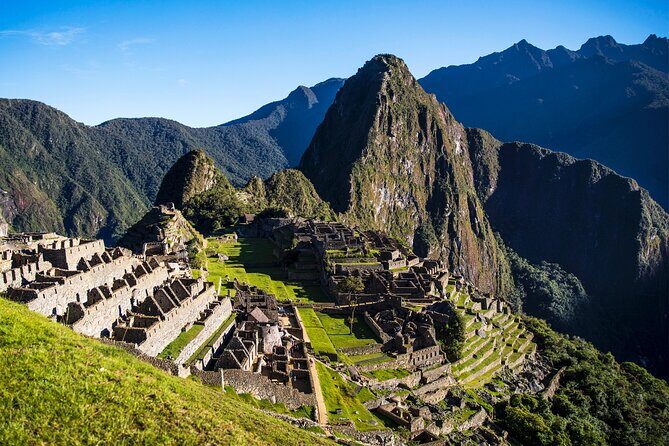
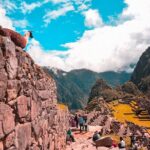
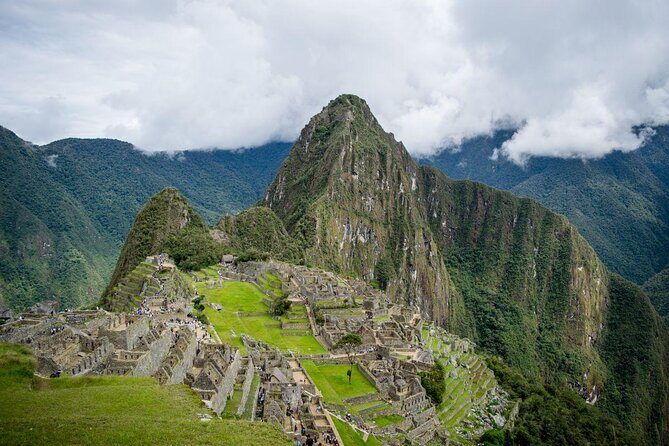
From there, you take the bus up and get your timing handled. Your guide takes you to the viewpoint first, so you get the classic photo angles. Then the tour begins with the guided route through key areas, including the quarry, Temple of the Sun, main square, sundial, and Temple of the Condor.
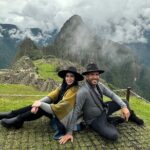
One rule you should take seriously: after you take photos from the classic view area, you won’t be allowed to return to that classic view again. That’s not a random inconvenience—it changes how you should behave. Take your photos, but also take a breath. The best Machu experiences come when you can look up and really read what’s in front of you, not just document it.
After the guided portion, you have time to explore on your own. Your guide will point out when to return to the bus to Aguas Calientes. In the afternoon, you can eat lunch in Aguas Calientes and then head back by train to Ollantaytambo, where a representative helps you get back to Cusco that night.
The practical strength here is the pacing: you get a guided route, but you still get freedom after. That combination helps if you love history but also want quiet moments on your own.
Moray terraces and Maras salt mines: Inca science in two forms
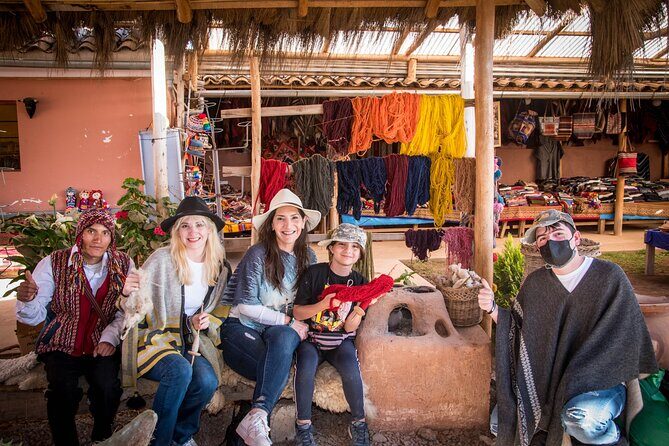
Day 4 is one of the most “Inca-brain” days on the schedule. You start with a pickup after breakfast and head to Chinchero, where you’ll see a weaving demonstration. This stop matters because it connects material culture to the rest of the day. It’s easier to see Inca engineering as living knowledge when you also watch people working with textiles.
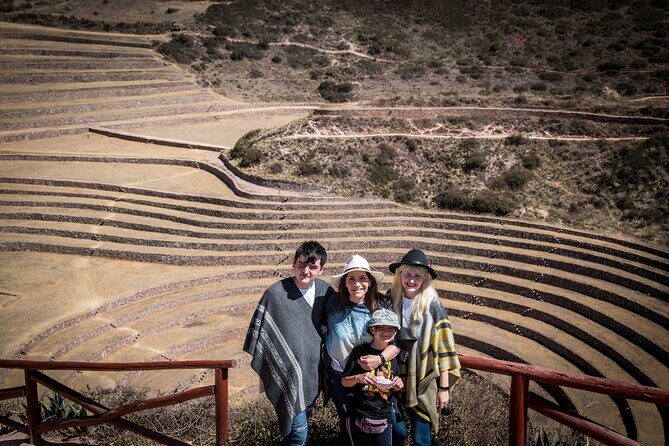
Then you go to Moray, the terrace system built inside a big hole in the ground. “Moray” is described as meaning circular in Quechua, and it’s presented as an important Inca laboratory. Whether you picture it as controlled growing conditions or experimentation in microclimates, what matters for you is the visuals: terraces that look geometric and intentional, not just impressive.
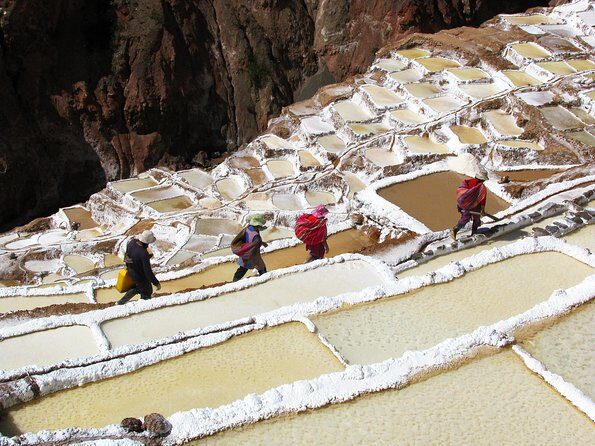
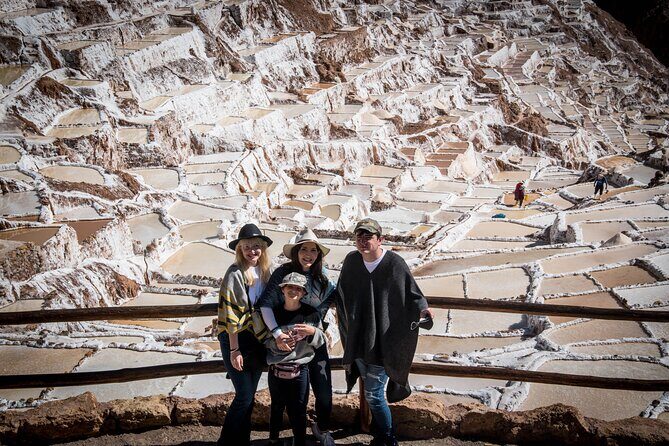
Next comes Salinas de Maras, the natural salt mines. The description is clear: a salty spring feeds thousands of small pools, and the locals use techniques similar to what the Incas practiced. This is a great contrast day. Machu Picchu is dramatic and monumental; Maras is practical and ongoing. It helps you see how Inca systems still shape daily work.
After returning to Cusco, you get a free afternoon. That’s valuable. Use it to walk around the city center, grab dinner where you actually want, or just rest. A day like this can be tiring because you’re moving and looking a lot.



Rainbow Mountain hike at dawn: what the early start really means
Rainbow Mountain is listed as a hike over 16,000 feet above sea level, and the tour starts early—pickup is at 4:00 am. You drive to Cusipata where you’ll have breakfast, then continue toward the start of the hike. The timing here is designed to get you to the classic view before the day gets too hot and crowded.
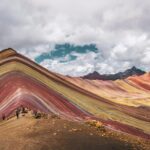
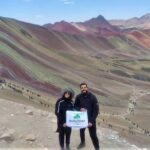
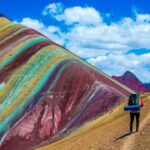
The hike begins around 15,420 ft and takes about 2 hours, described as a gentle uphill at first with the last 30 minutes becoming steep. Then you reach the classic view area around 16,732 ft. At the summit, you’re rewarded with the rainbow effect and views that include the Apu Ausangate, described as the highest glacier in the Cusco region.
Here’s the key thing to understand as a practical traveler: the tough part isn’t only altitude. It’s the combination of early timing, thin air, and that steep finish. This tour notes it as a steady hike, but you should still expect your body to work.
After the summit, you return to transport and have lunch at Cusipata. The meals are described as traditional food, basic but clean. You then head back to Cusco around 6:00 pm, which means your day ends before you’re totally cooked.
One more tip: if you’re not a strong hiker, ask your guide how to manage pacing at the steep section. The tour doesn’t promise an easy version of the hike—it gives you the plan and the schedule, and your job is to match your effort to the ascent.
Your final day in Cusco and the airport timing
Day 6 is simple and dependent on your flight. The tour includes an airport transfer from your hotel, with pickup a few hours before your departure to reduce the risk of delays. It’s the right kind of finish after several early starts.
This is also a good day to double-check your passport and any small items you carried for the trek—sunglasses, a light jacket, and anything you used for the hike. With the schedule tight, you don’t want to be searching for things while you’re thinking about catching a flight.
Price and value: what $683 gets you, and what it doesn’t
At $683 per person, this tour is trying to bundle the heavy costs: 5 nights of 2-star lodging, train service to Machu Picchu, buses to and from Aguas Calientes, a guided Machu visit, entrance ticket to Machu Picchu Circuit 2 (subject to availability), and multiple guided tours across Cusco and the Sacred Valley region. It also includes hotel pickup/drop-off and transport by private vehicle, plus specified meals (a buffet lunch in the Sacred Valley and two lunches total).
That bundle can feel like good value if you’d otherwise be hiring guides for each day and paying separately for train and entrance tickets. Machu Picchu alone can drain budgets when you book everything piecemeal, so having it packaged helps.
What you should watch: food and drinks are not included unless specified, and flights are not included at all. Also, hotels are 2-star to start. One traveler paid extra to upgrade rooms and found better options after the fact, so if comfort matters, consider budgeting for a possible room upgrade.
Who this Cusco to Machu Picchu tour is best for
This is a strong fit if you want structure without micromanaging: you’ll get guides, transport, entrance timing, and a clear rhythm across Cusco, Sacred Valley, and Machu Picchu. You’ll also like it if you enjoy learning in a guided format—this tour explicitly frames each stop as Inca history and culture, not just photo stops.
It’s also a decent choice for people who can handle altitude. The tour includes altitude sickness info at arrival, and it notes most travelers can participate. Still, Rainbow Mountain is a serious hike at altitude, and Machu Picchu days are long. If you have health concerns, ask your doctor before you go and talk to the operator about how they handle pace.
If you hate early mornings, this probably isn’t for you. The 4:00 am Rainbow Mountain start is non-negotiable in the schedule.
Should you book Kantu Peru Tours for this 6-day Cusco and Machu Picchu plan?
I’d book it if you want an organized route with the biggest hits—Cusco Inca sites, Sacred Valley highlights, a guided Machu Picchu circuit, and Rainbow Mountain—without building your own day-by-day plan.
I’d think twice if you’re sensitive to group-day variations (pickup timing changes, language-group shifting, and mixed hotel comfort). A few details, like guide quality varying by day, can matter when you’re paying for guided interpretation. If you care most about comfort and smoothness, you might budget for upgrades and go into the early mornings with eyes open.
If you’re flexible, curious, and ready for altitude, this package is set up to get you from Cusco’s stone walls to Machu Picchu’s viewpoints with less stress than DIY—plus the bonus of a Rainbow Mountain hike that’s as challenging as it is photogenic.
FAQ
How long is this Cusco and Machu Picchu tour?
It’s a 6-day tour, with tours spread across Cusco, the Sacred Valley, Aguas Calientes, and day trips including Moray, Maras salt mines, and Rainbow Mountain.
Where do I meet the tour at the start?
You meet at Velazco Astete Airport in Cusco, Peru, with a listed start time of 10:00 am.
What kind of hotel does the tour include?
The tour includes 5 nights in 2-star hotels.
Is Machu Picchu entrance included?
Yes. The tour includes an entrance ticket to Machu Picchu, Circuit 2, subject to availability.
Do I need to bring my passport for Machu Picchu?
Yes. You need your passport, and it must match the one used for the reservation.
Is the Machu Picchu experience guided?
Yes. You get a guided tour in Machu Picchu, listed as 2 hours, plus assistance with the bus and timing.
How does the Rainbow Mountain day work?
You get picked up early (around 04:00 am), drive to breakfast in Cusipata, hike toward Vinicunca/Rainbow Mountain (with a steep finish in the last 30 minutes), then return for lunch in Cusipata and come back to Cusco around 06:00 pm.
What meals are included?
The tour includes a buffet lunch in the Sacred Valley and two lunches total. Food and drinks are otherwise not included unless specified.
What’s not included in the price?
Flights (international and domestic) and food and drinks unless specified.
If I need to cancel or change, can I get a refund?
No. This experience is non-refundable and cannot be changed for any reason.