REVIEW · CUSCO
Sacred Valley Tour with Maras Moray and Lunch.
Book on Viator →Operated by Destino Peru Viajes · Bookable on Viator
Chasing the Sacred Valley in one day. This tour pairs Moray terraces and Maras salt mines with Chinchero textiles and Inka sites around Cusco, while keeping the pace practical (and early starts help with the crowds). The day is guided by Emil/Emilio/Emill or Jesús, and you get real context at each stop, plus included oxygen kit support for high altitude comfort.
What I like: you also get a quick acclimatizing stop at Chinchero with mate de Muña and a textile explanation that’s hands-on, not museum-only. And the itinerary smartly includes both the big-name ruins and local craft stops, like a salt-chocolate tasting and a goldsmith workshop. A possible drawback: you’ll need to budget extra for the big-site entry fees and the Salineras Maras charge, on top of the advertised price.
Long day, but it’s built to flow. You start at 6:40 am in Cusco and end back in the same place, with transport between sites and set visiting windows that help you see a lot without feeling abandoned in the middle of nowhere. The small group limit (max 15 people) is the kind of detail that often makes the timing work better—especially when you’re bouncing between multiple archaeological areas. Still, it’s not a light day: expect long drives and a final stretch that finishes strong but runs late.
In This Review
- Quick hits before you go
- Why this Sacred Valley route works for most people
- Price and what you really get for $27.26
- The 6:40 am start: what it buys you (and what it asks of you)
- Chinchero: textiles first, ruins second
- Sara Textiles Chinchero (comfort + craft context)
- Complejo Arqueologico Chinchero (photo time with guide context)
- Moray’s circular terraces: the Inka experiment you can read
- Inkac Qachi chocolate tasting: a small stop with big payoff
- Salinas de Maras: 5,400+ salt squares in the high light
- Buffet lunch at PACHAY VALLE SAGRADO RESTAURANT
- Ollantaytambo: Inka architecture as a living citadel
- Pisac’s longer stretch: your final major archaeology block
- Ending at Plaza Regocijo: a clean wrap-up to the day
- The guides (Emil and Jesús) are part of the value
- Who should book this Sacred Valley day tour
- Should you book this Sacred Valley tour with Maras Moray and Lunch?
- FAQ
- How long is the Sacred Valley tour?
- What time does the tour start and where do we meet?
- What is included in the price?
- What extra tickets or fees are not included?
- Is this a small group tour?
- What’s the cancellation policy?
Quick hits before you go
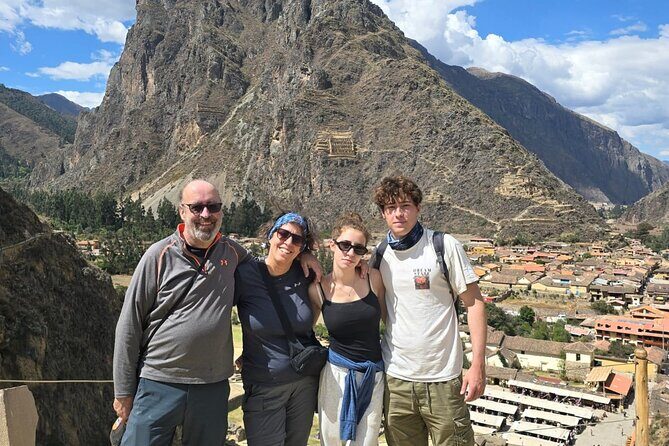
- Early pickup at 6:40 am so you can hit key viewpoints before the worst of the lines
- Acclimatization support with a Muña tea moment plus an included oxygen kit
- Packed itinerary that stays orderly, with stops timed so you have time to look and take photos
- Moray + Maras in the same day, which saves time compared to doing them separately
- Lunch at PACHAY VALLE SAGRADO RESTAURANT with a buffet spread of Peruvian dishes
- Small group max of 15, which helps the day feel smoother on packed routes
Why this Sacred Valley route works for most people
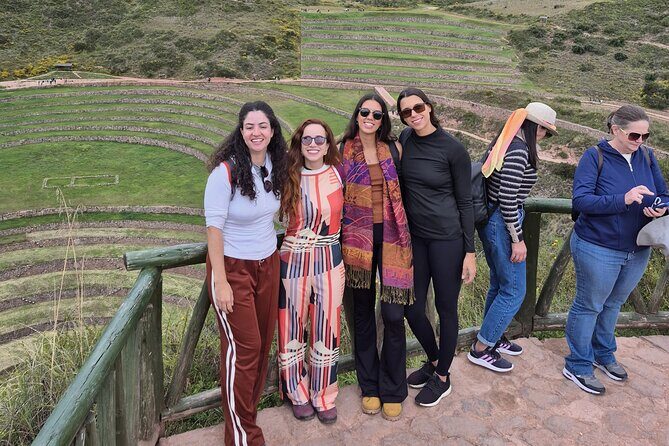
The Sacred Valley is huge in “wow factor,” but it can also be huge in “time cost.” This tour is interesting because it strings together the classic highlights around Cusco in a single day: Chinchero first, then Moray and Maras, then the bigger Inka sites of Ollantaytambo and Pisac. That’s a lot of ground, yet the plan isn’t just a checklist. It’s built so you get context before you see the next place.
I also like how the day starts with culture you can actually use. Chinchero’s textile stop isn’t just shopping time—it’s there to explain how Andean textiles are made, what the colors signal, and how the symbols carry meaning. That turns later ruins and agriculture into something you can interpret, not just stare at.
One more practical win: you’re not doing this solo. With an expert guide, transport, and a group size capped at 15, you’re less likely to lose time figuring out logistics. The reviews also highlight punctual pick-up and good pacing, including arriving earlier than the crowd at some stops.
You can also read our reviews of more tours and experiences in Cusco

Price and what you really get for $27.26

The headline price is $27.26 per person, which is strikingly low for a full-day outing. Here’s the part you should watch: the price does not include key admission fees. Specifically, you’ll pay 70.00 PEN for the tourist ticket (noted as a single payment for access to the parks) and 20.00 PEN for Salineras Maras.
So how do you judge the value? For me, the value is the bundle: expert guide, tourist transport, buffet lunch, and an oxygen kit. The guide-led timing matters on routes with many stops. You’re also getting free moments that would otherwise cost you something—like the Muña tea and the salt-chocolate tasting at the Inkac Qachi store.
Also, the itinerary is long—about 11 to 12 hours—which means you’re paying for a full day of movement and interpretation. If you’re trying to do this region efficiently without renting a car or piecing together separate day trips, the all-in transport + guide structure can feel like good money.
The 6:40 am start: what it buys you (and what it asks of you)
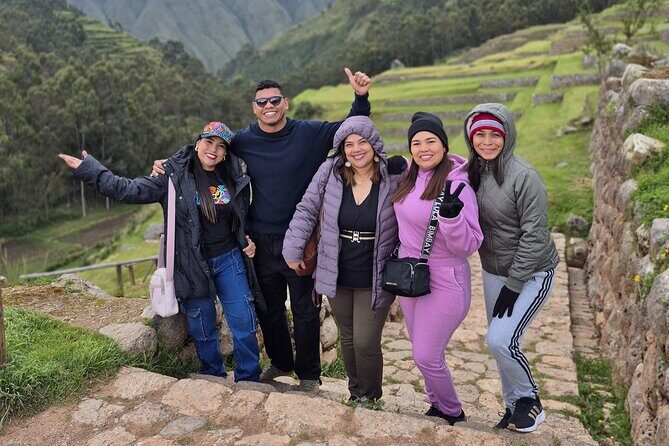
You meet at Plaza Regocijo (address listed as F2M9+5X2) and start at 6:40 am. That early start isn’t just for convenience. It’s the difference between seeing places at a manageable moment versus walking through dense tour groups.
The day runs long, so the real “cost” is energy. You’ll be on the move between multiple regions of the Sacred Valley, and some locations sit farther away from others (Pisac, in particular, comes with a longer travel stretch). If you’re coming directly from Cusco and you’re still adjusting to altitude, you’ll want to take the comfort items seriously: the tour includes a kit and oxygen.
One small clue about how well the day is managed: many reviews mention timing that avoids the thickest crowds and a pace that doesn’t feel rushed at each stop.
Chinchero: textiles first, ruins second
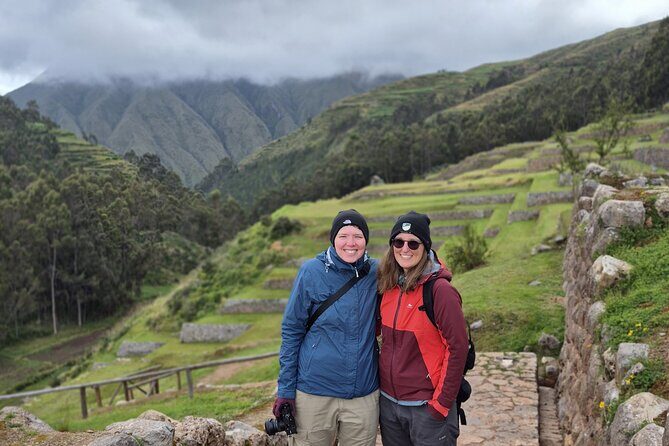
Chinchero is where the day becomes more than just scenery.
Sara Textiles Chinchero (comfort + craft context)
You spend about 30 minutes there after a short travel time. This is where you can take mate of Muña and learn about Andean textiles—their iconography, how colors are interpreted, and how production works. The stop even fits an acclimatization goal, which makes it a smart early choice.
Why this matters: textiles in the Andes aren’t just decorative. They’re a language of sorts, showing identity and knowledge passed through generations. If you understand that, later stops feel more connected to real life rather than isolated stones.






Complejo Arqueologico Chinchero (photo time with guide context)
Then you move to the archaeological complex for about 30 minutes, with a guide-led explanation and time to take pictures. Admission is not included for this site, so remember to keep track of what you’ve already paid for with the tourist ticket.
The Chinchero section is also a good way to “wake up” mentally. You’ll get a blend of human-scale craft and then step up to Inka-era architecture, which keeps the day balanced.
Moray’s circular terraces: the Inka experiment you can read
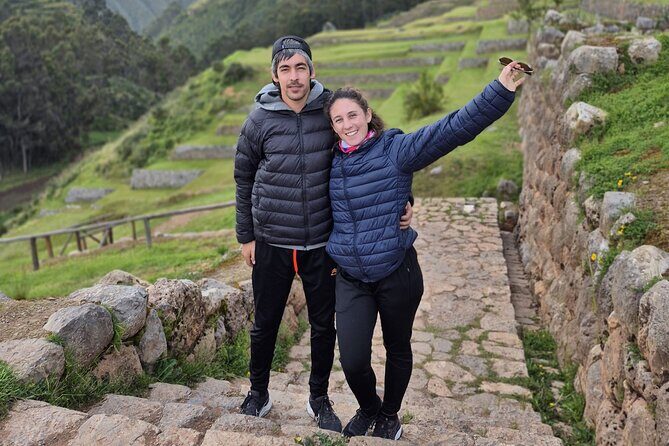
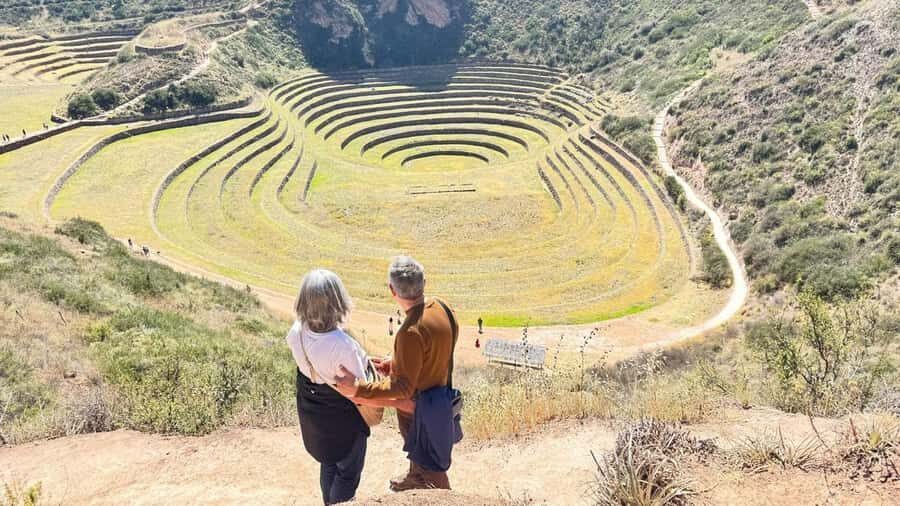
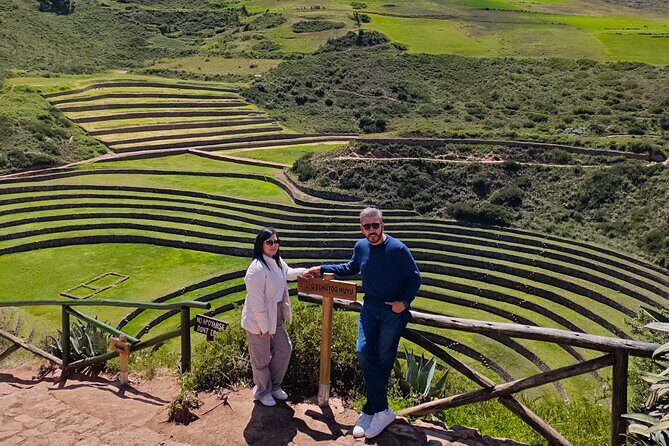
Next comes Moray (Zona Arqueologica Moray). You get roughly 25 minutes on site, plus travel and a guide explanation that frames what you’re looking at.
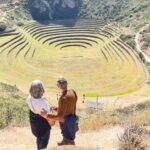
Moray’s terraces are distinctive: agricultural terraces shaped like circles. The key idea shared here is experimentation—how the Inkas tested growing conditions. Even if you only have a short window, this stop feels different from a typical ruin visit because it explains how humans adapted farming to conditions like temperature and microclimates.
Practical note: admission isn’t included for Moray. If you’re planning finances, this is one of the places the tourist ticket generally covers.
The payoff is that you leave Moray with a clearer mental model for why the Sacred Valley was so valuable to the Inkas. You start seeing agriculture, technology, and design as part of one system.
Inkac Qachi chocolate tasting: a small stop with big payoff
This is one of those “blink and you miss it” moments that can still make the day better.
At the Inkac Qachi Store, you have about 20 minutes and can taste chocolate with salt, plus two products from the area. The tasting being included matters because it gives you a direct sensory break between archaeological stops. It also connects food to place, which fits the theme of the day: local knowledge used for daily life.
If you’re a fan of food-oriented stops, this one lands well. You get a quick culture snack without turning the schedule into a shopping detour.
Salinas de Maras: 5,400+ salt squares in the high light
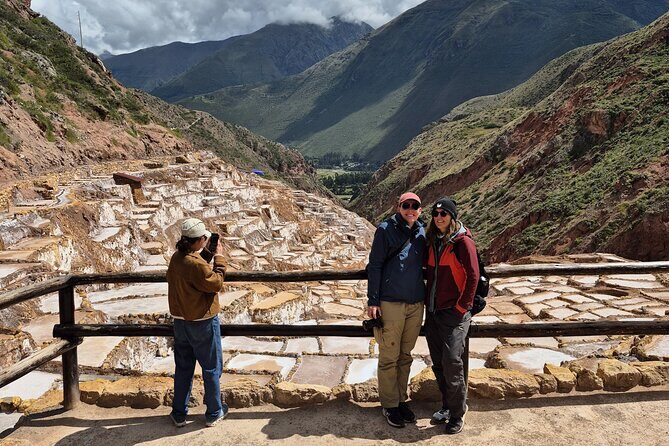
Then you hit the big visual: Salinas de Maras.
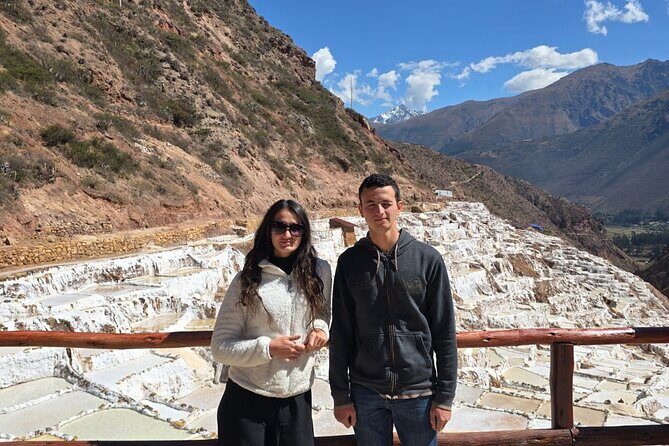
You’ll visit for about 30 minutes, and the description is very specific: you’ll see more than 5,400 pink salt grounds extracted in an artisanal way, with mineral wealth that’s exported beyond Peru. You should plan for the separate Salineras Maras payment of 20.00 PEN.
What makes Maras special, beyond the photos, is scale and pattern. Those salt pans create geometry you can actually track with your eyes. It’s not just a viewpoint—it’s a working landscape that shows human labor in a very visible form.
If the weather is clear, this is a high-light stop. If it’s cloudy, you’ll still get the structure, but the color effect may be less dramatic. Either way, give your eyes time to adjust: from a distance it looks uniform, but up close you’ll notice how the pans vary.
Buffet lunch at PACHAY VALLE SAGRADO RESTAURANT
Lunch is about 50 minutes at PACHAY VALLE SAGRADO RESTAURANT. It’s described as a buffet with Peruvian food ranging from local dishes to national favorites, served at a recognized restaurant for an economical price.
This is one of the smartest parts of the day plan. You’re traveling and walking on and off all day. A buffet keeps options flexible, and it reduces stress if you’re picky. It also gives you a real pause before the late-afternoon archaeological push.
A practical tip: pace yourself. If you know you’ll keep moving after lunch, don’t go too heavy on the biggest plates. You still need energy for Ollantaytambo and Pisac.
Ollantaytambo: Inka architecture as a living citadel
After travel time, you spend about 60 minutes at Ollantaytambo. The site is framed as a magnificent attraction where Inka architecture stands out, described as a living Inka citadel.
This is where the day shifts from “science and salt” back to “power and settlement.” Ollantaytambo tends to feel more grounded than some other ruins because it’s tied to how people moved, built, and controlled space.
Admission for this site isn’t included, so your tourist ticket matters here too.
The guide’s role is big at this stop. With a good explanation, you can spot how the architecture relates to movement and defense, rather than seeing it as a collection of walls.
Pisac’s longer stretch: your final major archaeology block
Pisac comes next at Parque Arqueologico Pisac, with a notably longer travel time noted in the schedule. Once you arrive, you have about 30 minutes to explore.
This is the “endurance” section of the day. You’ll likely feel the hours stacking up, especially after the drive. But Pisac is often worth that final push because it rounds out the day’s arc: agriculture and experiments, salt production, then settlements and major Inka sites.
Admission isn’t included here, either. The tourist ticket setup becomes important now, since you’ve hit multiple sites that rely on it.
Ending at Plaza Regocijo: a clean wrap-up to the day
Finally, you return to Plaza Regocijo, completing the circuit around Cusco-area Sacred Valley sites. The schedule says about 1 hour 5 minutes for the return travel.
This matters more than it sounds. A lot of day trips end with you stranded far from your hotel. Here, ending back at the same meeting point helps you plan the night: dinner, packing for the next day, and a calm finish instead of scrambling.
From the reviews, the best-run versions of this itinerary get you back without chaos—especially because the guide and driver timing are part of the experience’s strengths.
The guides (Emil and Jesús) are part of the value
Many reviews name the guides. Emil/Emilio/Emill and Jesús come up repeatedly as friendly and informative, with cultural explanations at each stop and a clear walk-through of the day at the beginning.
What that means for you: when the itinerary includes places that could feel unrelated—textiles, agriculture experiments, salt extraction, and ruins—your guide becomes the “thread.” The reviews also mention arriving before crowds and having enough time without a constant rush. That’s exactly what makes a one-day plan feel enjoyable instead of exhausting.
If you care about understanding what you’re seeing, this is the kind of tour where the guide makes the difference.
Who should book this Sacred Valley day tour
This works best if you want:
- One-day efficiency from Cusco without arranging multiple separate tours
- A mix of agriculture (Moray), production (Maras salt), and ruins (Ollantaytambo and Pisac)
- A lunch plan that’s actually included and timed into the day
- A small group size (max 15) and a schedule that aims to beat the worst crowds
It may not be ideal if:
- You hate long drive days and want a slower, fewer-stop experience
- You’re unwilling to pay on top of the base price for the tourist ticket and Salineras Maras entry
Should you book this Sacred Valley tour with Maras Moray and Lunch?
I’d book it if your goal is to see the Sacred Valley highlights in a single day with solid structure. The combination of Moray + Maras plus Chinchero and two major Inka sites hits the biggest “Sacred Valley story” beats. Add included buffet lunch, transport, and an oxygen kit, and it becomes a good deal for a long day.
My main caution is the budget math. Before you go, total up the base cost plus 70 PEN for the tourist ticket and 20 PEN for Salineras Maras. If that extra spending doesn’t fit your plan, you might prefer a shorter itinerary that targets fewer paid sites.
If you want a day that feels full but still managed—especially with Emil or Jesús guiding your understanding—this is a strong choice.
FAQ
How long is the Sacred Valley tour?
The tour runs about 11 to 12 hours.
What time does the tour start and where do we meet?
You start at 6:40 am from Plaza Regocijo (F2M9+5X2, Cusco).
What is included in the price?
The tour includes an expert guide, buffet lunch, a kit and oxygen, and tourist transport.
What extra tickets or fees are not included?
You’ll need to pay 70.00 PEN for the tourist ticket (access to the parks) and 20.00 PEN for Salineras Maras.
Is this a small group tour?
Yes. The maximum group size is 15 travelers.
What’s the cancellation policy?
You can cancel for a full refund if you cancel at least 24 hours before the experience’s start time (free cancellation).
If you want, tell me your travel dates and whether you’re more interested in ruins, food, or the salt/sci-stuff side of the Sacred Valley, and I’ll help you decide if this schedule matches your style.