REVIEW · CUSCO
Cusco’s historical tour and San Pedro Market bites
Book on GetYourGuide →Operated by Auqui adventures · Bookable on GetYourGuide
Cusco hits you fast, and this tour helps you read it. I love how it pairs San Pedro Market bites with classic sightseeing, so you get Inca-and-Spanish Cusco on your tongue and in your eyes. I also like that the route includes the Temple of the Sun (Qorikancha) and the famous twelve-sided stone, all while your guide points out details you’d miss on your own.
One possible drawback: it is a lot of walking on old streets at high altitude. If you deal with altitude symptoms or fatigue easily, you’ll want to think carefully before joining, since this isn’t a sit-and-stare option.
In This Review
- Key highlights you’ll actually feel during the tour
- Starting in the Plaza de Armas zone: where Cusco’s two worlds overlap
- San Pedro Market bites: fruit, bread, and the ingredients behind everyday Cusco food
- Qorikancha and the Temple of the Sun, viewed from the outside
- The Twelve-sided stones: why this stop feels like a puzzle
- Hidden alleys and ancient courtyards: the Cusco you only get on foot
- San Blas artisan streets and the route toward the viewpoint
- The San Blas viewpoint and the toast you finish with
- Inca Palace and Inca’s School: how the guide ties the city together
- Price and value: what $30 buys you in Cusco
- What to bring (and what to skip) so the day feels good
- Who this tour is best for (and who should pick another style)
- Should you book this Cusco historical tour and San Pedro Market bites?
- FAQ
- How long is the Cusco historical tour with San Pedro Market bites?
- Where is the meeting point?
- Is the tour in English?
- What food and drinks are included?
- Do you visit major attractions inside?
- What is the group size?
- Is this tour suitable for altitude sickness or heart problems?
- Can I get a refund if my plans change?
Key highlights you’ll actually feel during the tour
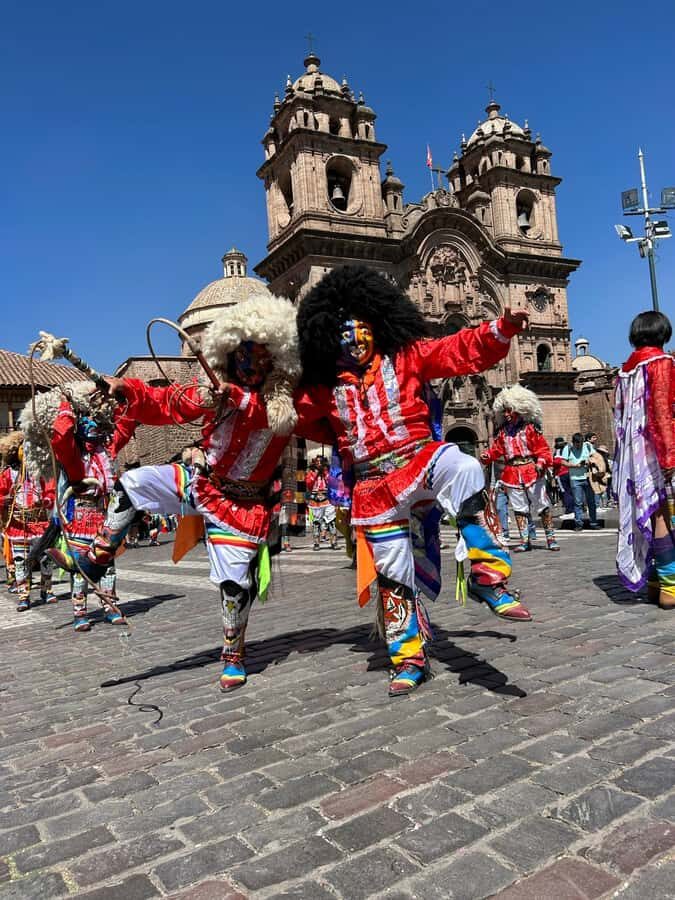
- San Pedro Market tastings that go beyond snacks and explain what you’re eating
- Walter and the small-group feel (up to 10 people), so your questions get answered
- Qorikancha and other major sites outside without the rush of trying to do everything yourself
- Twelve-sided stone stop plus hidden alleys and courtyards for real street-level Cusco
- San Blas viewpoint and a food-and-drink toast to close out the day
Starting in the Plaza de Armas zone: where Cusco’s two worlds overlap
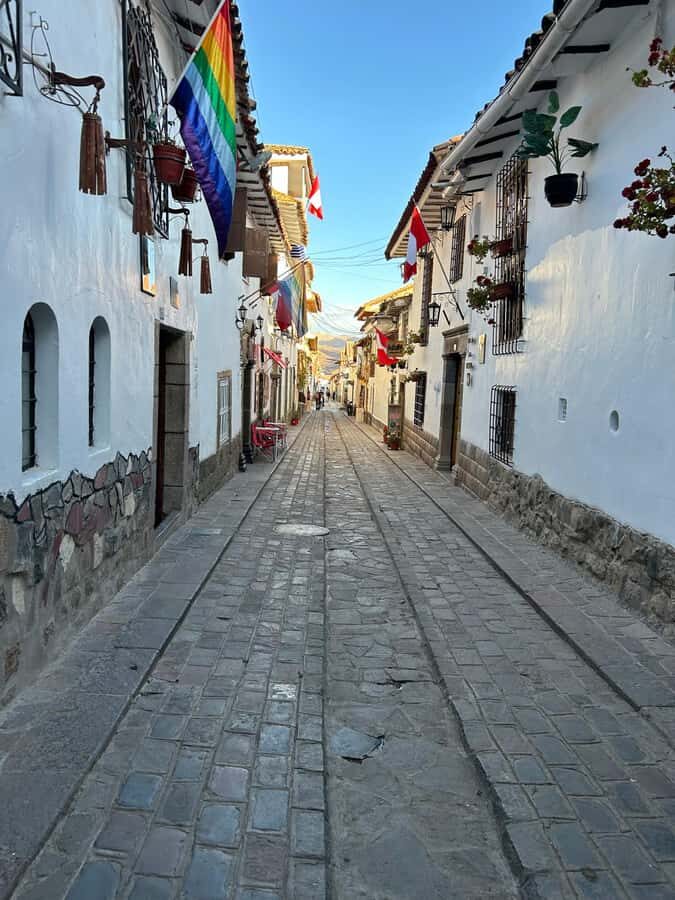
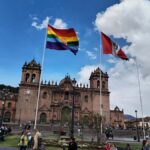
Your morning starts near Portal de Carnes 254, with the meeting point outside of McDonald’s. From there, you head toward Plaza de Armas, where Cusco shows its two layers clearly: Inca foundations below, Spanish-era buildings above.
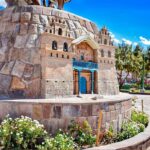
You’ll get quick stops that include the Main Square Cathedral (outside) and the Society of Jesus (outside). Even without going inside, these landmarks help you understand the layout of the city and why it matters for what you’ll see later in San Blas and around Qorikancha.
What I like here is the pacing. Instead of dumping facts at you nonstop, the guide builds context as you walk, then you start spotting the story in doorways, stonework, and street angles.
You can also read our reviews of more historical tours in Cusco
San Pedro Market bites: fruit, bread, and the ingredients behind everyday Cusco food
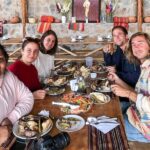
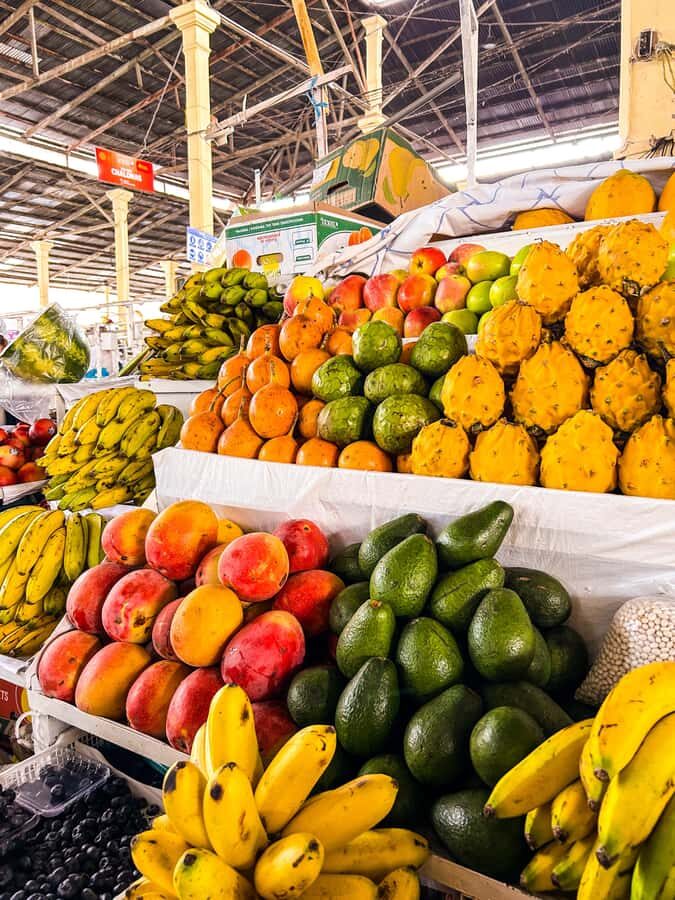
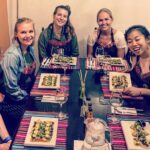
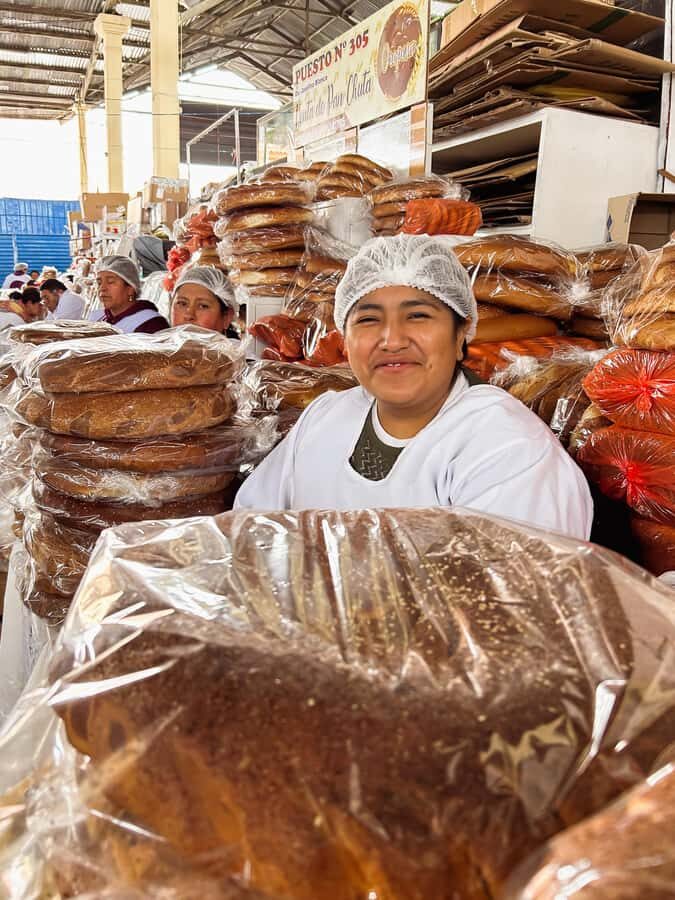
The heart of the taste experience is San Pedro Market, where your guide takes you through the traditional stalls and gives you a reason to pay attention. You’ll sample local flavors and also learn what’s behind the staples: potatoes, quinoa, cheeses, and other foods that are central to Peruvian cooking.
Expect the market to feel like a classroom, but with real snacks. You’ll taste things like traditional fruits and breads, and the guide connects them to local ingredients you’ll keep seeing around Cusco.
Practical tip: markets can be busy and the ground can be uneven. Bring a water bottle and go slow when you step into the crowd so you don’t end up rushing your tastes.
Qorikancha and the Temple of the Sun, viewed from the outside
A key stop is Qorikancha, the Temple of the Sun, visited from the outside. This matters because it keeps the focus on how the site fits into Cusco today, not just what you can photograph from one spot.
Your guide ties the Temple of the Sun to the Inca worldview and explains why this kind of place was so important. You’ll also see it as part of the broader Inca-South American stone and city-planning legacy, not as a standalone monument.
Even if you’re not a history-nerd, this stop works because the guide’s commentary helps you notice the small tells in the architecture. You’ll leave with a better sense of how power, religion, and city life all sat in the same space.
The Twelve-sided stones: why this stop feels like a puzzle
After the market, the tour shifts into walking mode through alleys and courtyards. This is where Cusco turns from postcard to maze, and the guide helps you not get lost in the details.
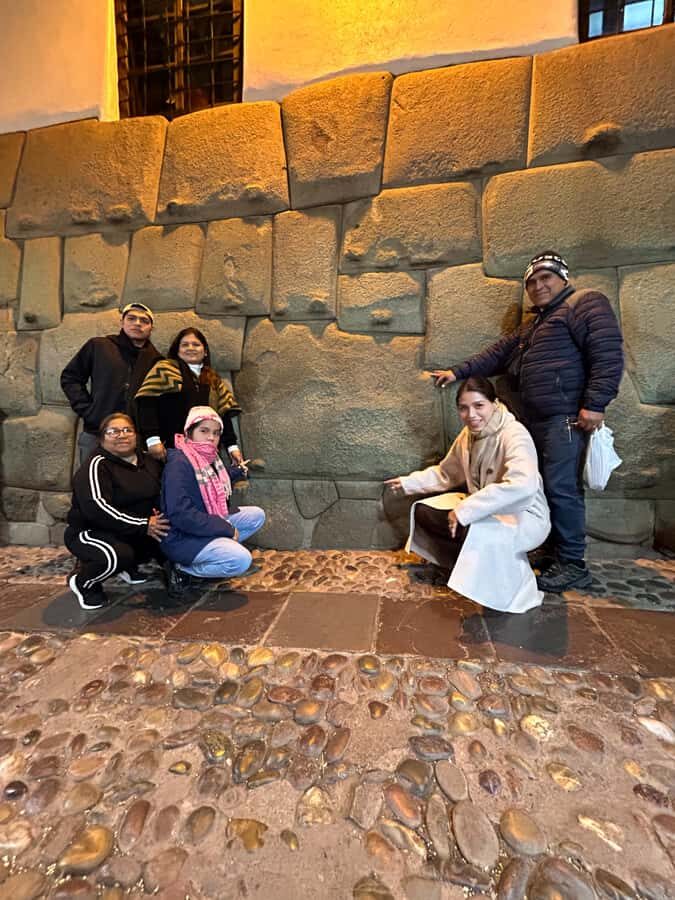
One standout moment is the twelve-sided stones (often referred to as the Twelve Angles Stone). The stop is quick, but it hits hard: you’ll look at the stonework pattern and hear an explanation for why people still talk about it.
Here’s the value for you: this is one of those places where a guide makes the difference. Without context, it can look like impressive stone and that’s it. With context, it becomes a clue in the larger Inca design story.
Hidden alleys and ancient courtyards: the Cusco you only get on foot
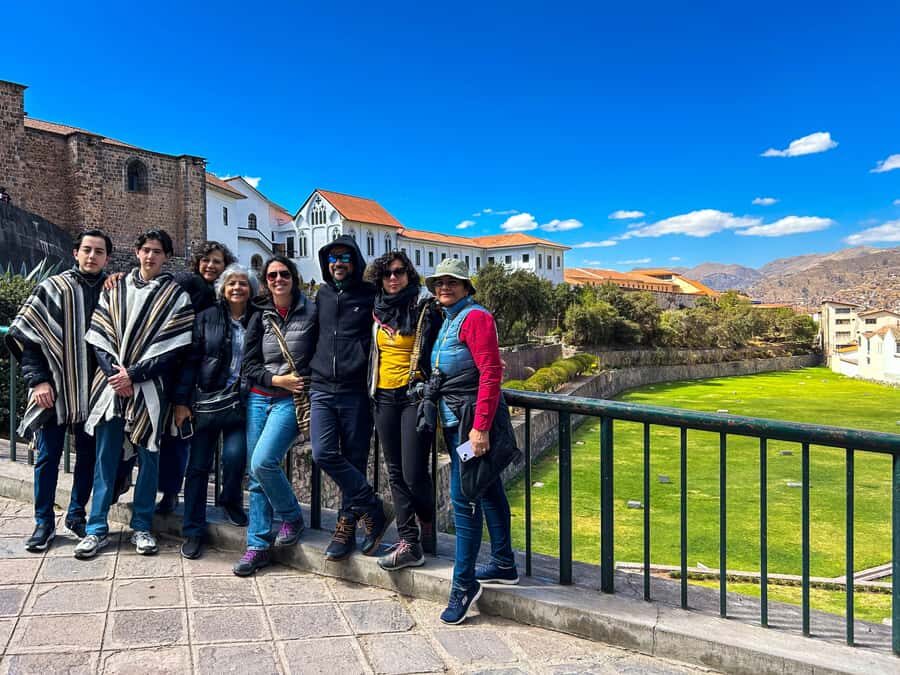
The tour includes time moving through hidden alleys and ancient courtyards, which is where Cusco’s personality shows up. You get small architectural moments, side-street views, and a chance to see the city as a lived space, not a museum list.
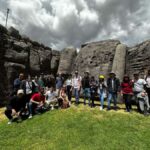
Because you’re walking as a small group, the guide can slow down and point out specific architectural details along the way. In a group this size (limited to 10 participants), you’re not yelling over a crowd. You can actually ask a question and keep going.
The downside is simple: this route is meant for moving. If your legs feel heavy due to altitude, you’ll want to pace yourself and take short breaks when the guide does.
You can also read our reviews of more shopping tours in Cusco
San Blas artisan streets and the route toward the viewpoint
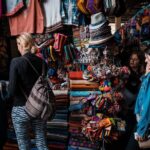
You’ll spend time in the San Blas area, known for its artisan energy and colonial-era street feel. This part of the walk is calmer than the market and often more fun in a wandering sense, because your guide’s comments help you see what you’re looking at.
The streets here are also a good reminder of how Cusco is built: narrow paths, uneven stone, small corners that open into views. The guide keeps the flow moving but still allows time to look up and enjoy the setting.
I like this stretch because it changes your brain from tasting and learning into noticing. And when you reach the final view, you’ll be ready for the payoff.
The San Blas viewpoint and the toast you finish with
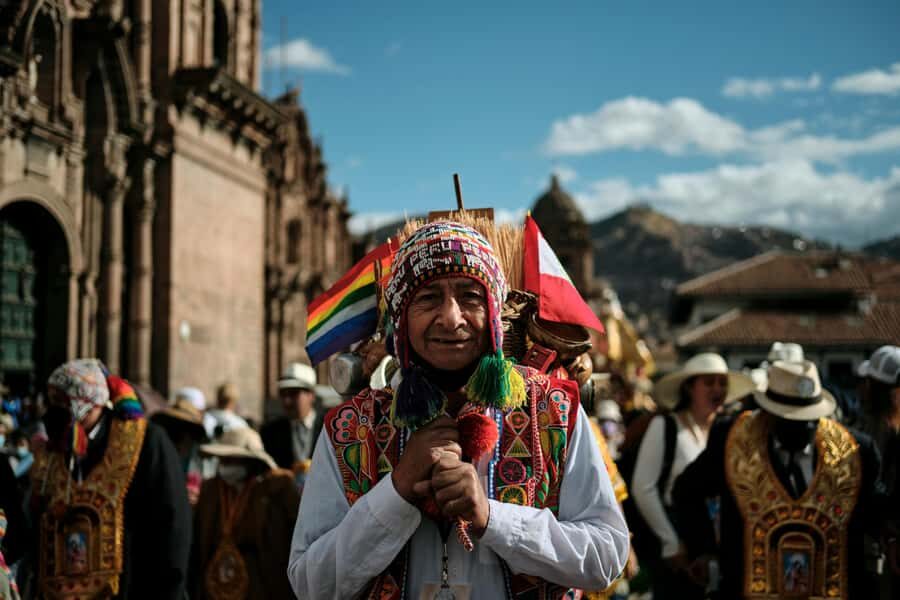
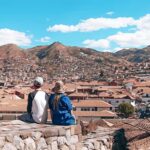
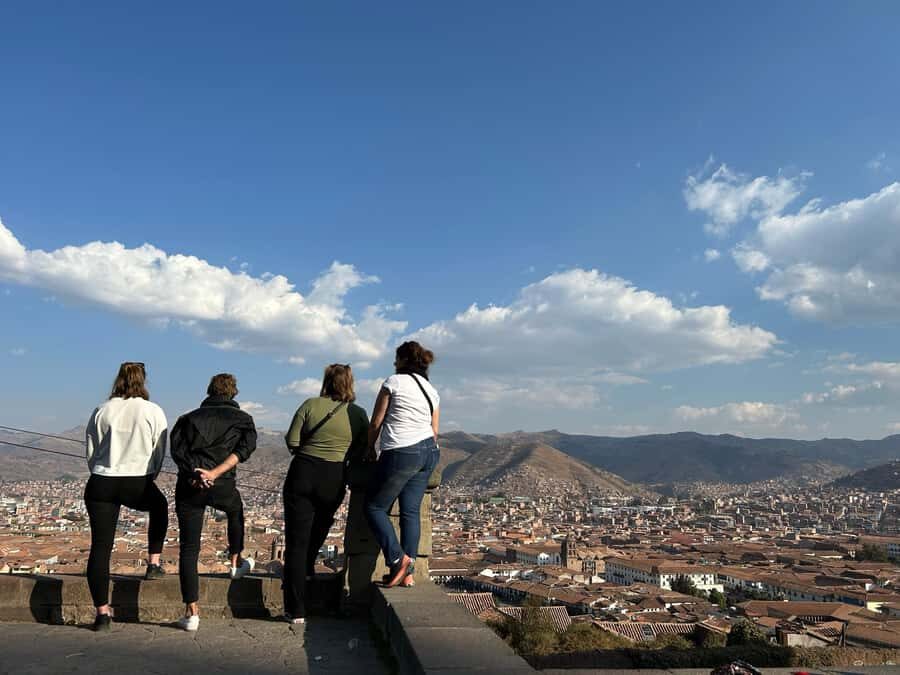
The tour culminates at the San Blas viewpoint, with panoramic views over the city. This is the moment when the walking, tasting, and stonework all connect into one big sense of place.
You’ll also do a small toast that includes Peruvian chocolate and Pisco. It’s not just a gimmick snack at the end. It’s a gentle way to turn the day into a memory, because you’re pairing flavor with the view you’ll remember later.
If you’re photographing, plan to steady your hands and slow your breathing. Cusco altitude can make you feel a little winded, and you want your photos to be crisp.
Inca Palace and Inca’s School: how the guide ties the city together
Along the route, you’ll see references to the Inca Palace and Inca’s School. These stops are part of how the guide connects the dots between different Inca-era locations and the Cusco you see today.
The best part is that the guide doesn’t treat each stop like a separate checkbox. Instead, he links places with the bigger story: how Cusco functioned, how people lived, and how power shaped everyday spaces.
In particular, the guide Walter comes through as prepared and friendly. People appreciate that he’s ready with explanations and still makes room for questions, even if the group slows down a bit.
Price and value: what $30 buys you in Cusco
At $30 per person for about 3 hours, the value is strong when you look at what’s included. You’re getting a licensed English-speaking local guide, a focused walking route, multiple key outside site stops, and two tastings: Peruvian chocolate and Pisco.
You’re also paying for the ability to move through old streets with confidence. That sounds small, but it’s real value in a place like Cusco, where confusing alleys are the norm and a guide helps you spot what matters without turning your day into a map-checking chore.
This tour is also small-group by design. Up to 10 people means you get attention, not just company.
What to bring (and what to skip) so the day feels good
This experience is built for walking, so you’ll want to take basics seriously. Bring water and sunscreen. If it’s rainy season, bring rain ponchos so you can keep moving without getting miserable.
It’s also not set up for everyone. The tour is not suitable for people with heart problems, wheelchair users, visually impaired people, or those dealing with altitude sickness. It’s also not designed for babies under 1 year and people over 70 years.
There are also activity rules that affect comfort and packing. You can’t bring baby strollers, bikes, or backpacks. And alcohol and drugs are not allowed.
One more practical point: you’ll be walking on uneven historic streets. Wear shoes that handle stone steps and slopes.
Who this tour is best for (and who should pick another style)
If you like your sightseeing to have context and you enjoy sampling local food, this is a great fit. It’s especially good for first-timers who want to understand Cusco’s layout quickly, then explore San Blas without getting tangled in side streets.
It’s also a strong choice if you want a guide who answers questions. Walter’s style stands out as patient and prepared, and he adjusts when people want to talk or ask follow-ups.
But if you’re fragile on your feet, strongly altitude-sensitive, or you need accessibility support, this tour may feel like too much. The route is designed around movement and outside viewing, not slow pacing with limited steps.
Should you book this Cusco historical tour and San Pedro Market bites?
I’d book it if you want a smart blend of tasting and sightseeing in one compact 3-hour window. The San Pedro Market portion gives you real food context, the Qorikancha stop adds major landmark perspective, and the twelve-sided stone makes the Inca-era story feel concrete.
I’d skip it if altitude hits you hard or if you need a more accessible, low-walking format. The price is fair for what you get, but the comfort level depends on your ability to keep moving on old stone streets.
If you do book, show up ready to walk, hydrate, and ask questions. This is the kind of tour where you’ll learn more because you’re actively engaged, not because you’re forced to sit and listen.
FAQ
How long is the Cusco historical tour with San Pedro Market bites?
The experience lasts about 3 hours total, with around 2 hours of guided walking and sightseeing.
Where is the meeting point?
You meet outside of McDonald’s, near Portal de Carnes 254.
Is the tour in English?
Yes, the tour is guided in English.
What food and drinks are included?
You’ll get tastings of Peruvian chocolate and Pisco.
Do you visit major attractions inside?
Some sights are visited outside, including the Main Square Cathedral, Society of Jesus, and Qorikancha / Temple of the Sun.
What is the group size?
The group is small, limited to 10 participants.
Is this tour suitable for altitude sickness or heart problems?
No. It is not suitable for people with altitude sickness or heart problems.
Can I get a refund if my plans change?
Yes. There is free cancellation up to 24 hours in advance for a full refund.