REVIEW · CUSCO
Maras & Moray Tour: Exploring the Ancient Mysteries of the Incas
Book on Viator →Operated by Peru Private Tours · Bookable on Viator
Salt and stone, packed into one morning. This Cusco-area outing strings together Chinchero, the Maras salt pans, and the Moray terraces, so you see how the Inca world managed land, water, and farming at different elevations. It’s short enough to fit in on a busy itinerary, but varied enough that your brain doesn’t feel like it’s watching the same thing three times.
I especially liked the pacing: an easy walk, plenty of photo time, and quick breaks along the way. The English-speaking guide makes the stops feel clear and connected, not like random viewpoints. One real consideration: the Moray entrance fee is not included (listed at $25 per person), so expect that extra cost.
In This Review
- Key Highlights You’ll Feel During the Day
- Maras and Moray From Cusco: What You’re Booking and Why It Works
- Chinchero: Inca Ruins, Textile Craft, and a Church on Top
- Maras Salt Pans: Thousands of Evaporation Pools Still Doing Their Job
- Moray: The Inca Farming Lab Built Into Circular Terraces
- Your Guide, the Walking Pace, and Why Breaks Matter on This Route
- Price and Logistics: Does $69 Per Person Feel Fair?
- Who This Tour Fits Best (And Who Might Want Another Option)
- Practical Tips for Your 8:00 am Start in Cusco
- Should You Book the Maras & Moray Tour?
- FAQ
- What time does the tour start, and when will I get pickup details?
- How long is the Maras & Moray tour?
- Is hotel pickup and drop-off included?
- Is the Moray entrance fee included in the price?
- How large is the group?
- Is the tour offered in English, and do I get a ticket?
- What is the cancellation policy?
Key Highlights You’ll Feel During the Day
- Chinchero in 45 minutes: Inca ruins plus a colonial church built on top of an older Inca site.
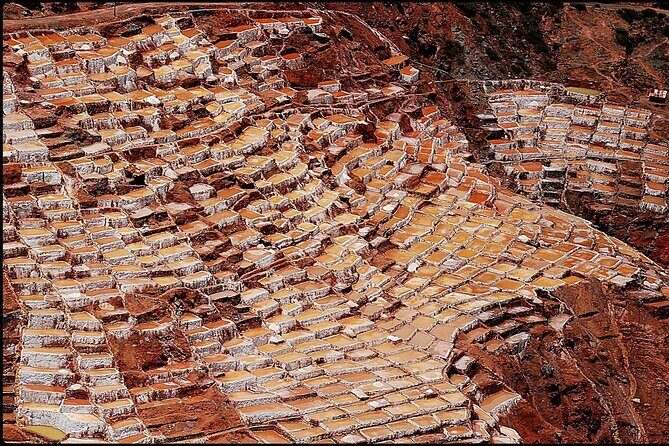
- Maras salt pans in 50 minutes: thousands of small evaporation pools used for salt harvesting over centuries.
- Moray in 40 minutes: circular terraces tied to how the Incas tested farming across altitudes and microclimates.
- Small group size (max 15): easier conversation with your guide and less waiting.
- Hotel pickup/drop-off + AC vehicle: comfort matters when you’re starting early from Cusco.
Maras and Moray From Cusco: What You’re Booking and Why It Works
This is a half-day style tour that runs about 5.5 hours total, starting at 8:00 am and including the drive from Cusco to each stop and back again. You’re moving through the Sacred Valley with an air-conditioned vehicle, and you get hotel pickup and drop-off, so you’re not spending your morning figuring out transport.
What makes this combo smart is the sequence. You’re not just hitting three “pretty places.” You’re seeing three different types of Inca-era thinking: sacred space and craft at Chinchero, salt production at Maras, and agricultural experimentation at Moray. Even with limited time, the day has a logic.
The group stays small—up to 15 travelers—and that affects the experience in a good way. Smaller groups tend to mean fewer delays, more listening time for your guide, and quicker movement between viewpoints.
You can also read our reviews of more tours and experiences in Cusco.



Chinchero: Inca Ruins, Textile Craft, and a Church on Top
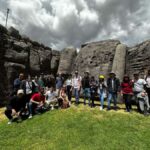
Chinchero is a hill-and-valley village high in the Andes, and it feels like the Sacred Valley at its most human scale—homes, workshops, and stonework all close together. You spend about 45 minutes here, and admission is listed as free.
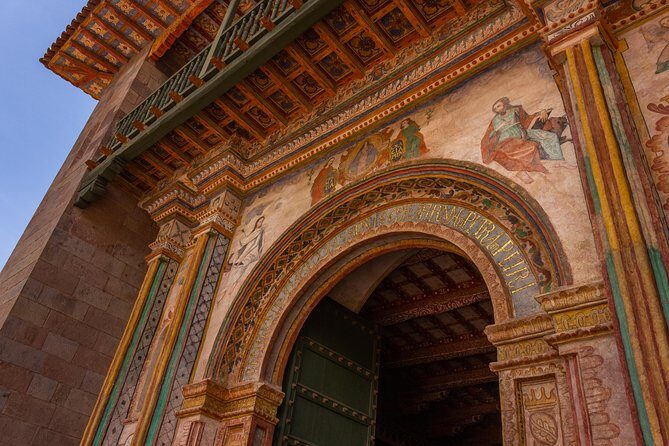
In Chinchero, the focus is on the overlap of time periods. You’ll look at ancient Inca ruins, then visit a traditional textile center where craft and local knowledge come through in a very direct way. The highlight for many people is the colonial-era church built on top of an Inca temple. That single detail helps you understand a big theme in Peru: conquest didn’t erase everything—it layered over it.
What to watch for: don’t rush the church-and-ruins connection. Even if you only spend a few minutes outside each building, that stacked layout tells a story instantly. Your guide’s job is to translate what you’re seeing into the bigger picture, and this stop is where that explanation lands hardest.
A possible drawback is simply time. Forty-five minutes goes fast if you like slow exploring, and Chinchero’s charm invites lingering. If you want more than a quick look—like shopping for textiles or reading everything you can—you might feel slightly pressed by the schedule.
Maras Salt Pans: Thousands of Evaporation Pools Still Doing Their Job
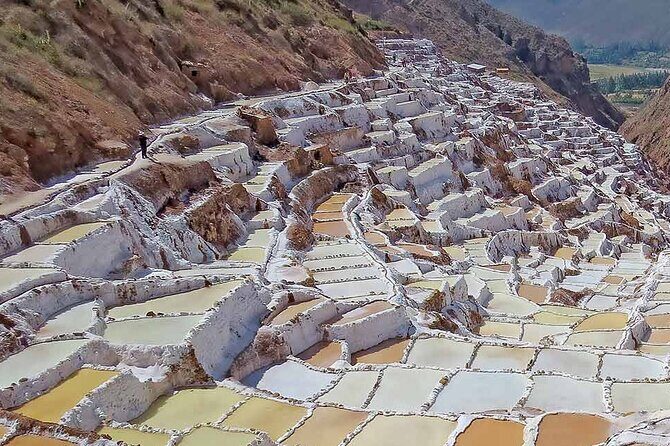
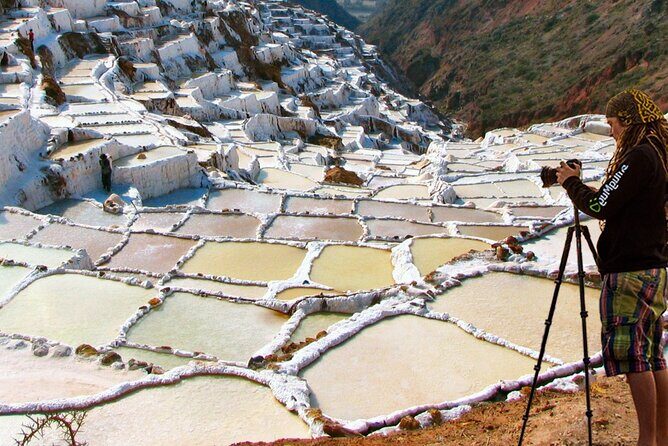
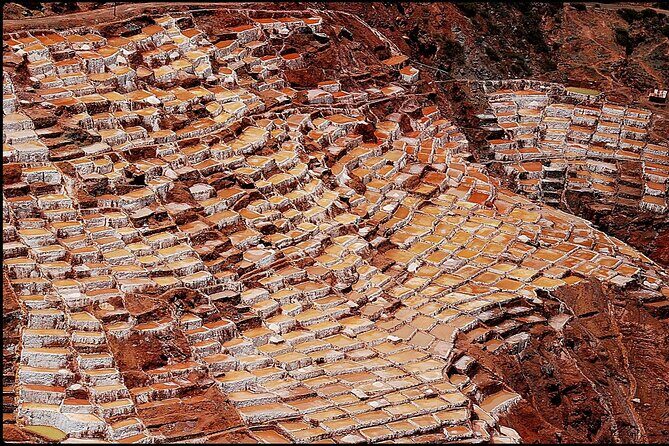
Next comes Maras, where you’ll see the famous salt mines: an expansive patchwork of thousands of shallow pans carved into the slope. You get about 50 minutes here, and admission is listed as free.
The salt pans are impressive in scale, but the more interesting part is how the place works. You’ll learn about the ancient techniques locals use to extract and process salt—meaning you’re not just photographing geometry. You’re learning how a natural resource gets turned into something usable, using methods that have been passed along over generations.
Why this stop is worth your time: salt is one of those “invisible” parts of daily life. Seeing it produced makes the resource feel real. The mountains around you also help. As you move around the area, the views change, and that keeps the visit from feeling repetitive.
What I’d keep in mind: photography opportunities are great, but you’ll still be moving during the 50 minutes. Wear shoes you trust for uneven outdoor ground, and keep your water handy—early starts in Cusco can add up fast, even if you’re not doing a long hike.
Moray: The Inca Farming Lab Built Into Circular Terraces
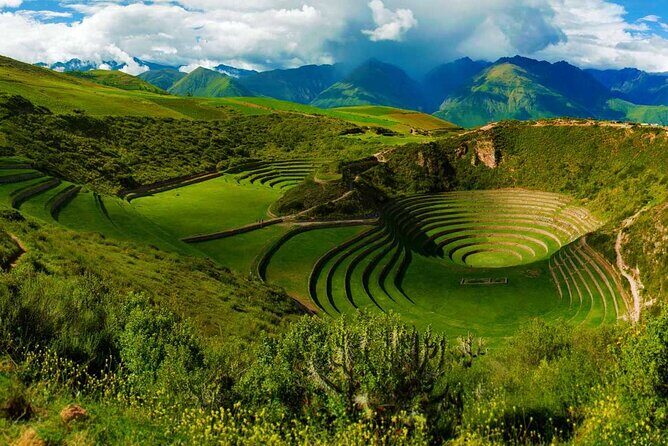
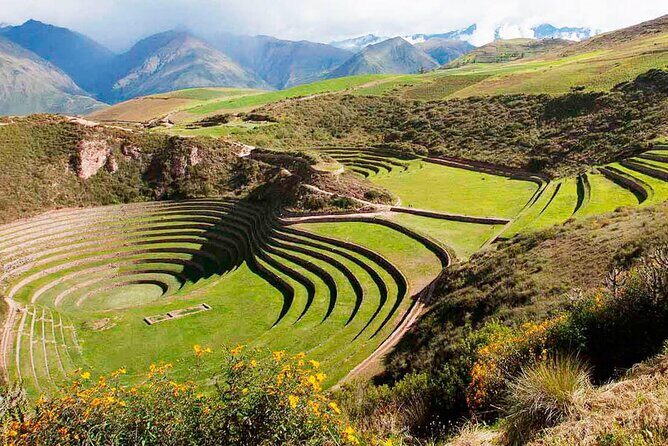
Moray is the stop that turns “pretty ruins” into “wait, that’s smart.” You’ll spend about 40 minutes walking through the circular terraces, which represent advanced agricultural thinking.
The Inca used Moray like a laboratory. The terraces relate to how farming could change across altitudes and microclimates, meaning the same general idea of growing crops could behave differently depending on local conditions. In plain terms: Moray shows the Incas experimenting with the environment to improve results.
This is also where the tour has one added cost. The Moray entrance fee ($25 per person) is not included. If you’re budgeting, I’d add it now so you don’t get surprised on the day.
Is 40 minutes enough? It’s typically enough to walk the terraces, take in the circular layout, and hear the explanation. If you’re a photo person, bring a little patience—everyone wants the same angles at once. If you’re more into the “how it worked” side of things, listen closely when your guide connects the terrace design to farming logic. That’s the moment Moray clicks.
Your Guide, the Walking Pace, and Why Breaks Matter on This Route
The day runs smoothly largely because of the human details: a professional English-speaking guide, pickup logistics, and an air-conditioned vehicle for the drive between stops. The tour also includes permanent assistance, which you’ll feel as support if something needs adjusting during the morning.
The walking is described as easy and the route is manageable for most people. Still, it’s outdoors and you’ll be stepping around uneven surfaces. I like this tour for people who want something more meaningful than a drive-by, without signing up for a full day of trekking.
One practical plus is that the schedule allows for snacks and breaks along the way. That matters more than you’d think. When you start early out of Cusco, a small pause can keep energy steady and prevent cranky late-morning feelings.
If your Spanish is limited, don’t stress. The guide covers the key points in English, and the places themselves do a lot of explaining without words—ruins on one side, working salt pans on another, and a terrace system that practically begs you to ask how it functions.




Price and Logistics: Does $69 Per Person Feel Fair?
At $69 per person, this tour feels like a solid value for a guided, small-group half-day with hotel pickup and an AC vehicle. You’re paying for three things that cost time and money when done independently: transport, a guiding brain that explains what you’re seeing, and coordination between stops.
What’s included:
- Hotel pick up & drop off
- Air-conditioned vehicle
- Professional English speaking guide
- Permanent assistance
What’s not included:
- Moray entrance fee: $25 per person
So your real all-in cost is $69 plus the Moray ticket. For many people, that still looks like good value because you’re not paying for a separate guide or scrambling for transport between three separate sites.
Also note: the tour is capped at 15 travelers, and that size often helps you get more attention from the guide. In practice, it can mean fewer pauses, faster movements between stops, and easier conversations.
Who This Tour Fits Best (And Who Might Want Another Option)
This tour is a great match if you want:
- a first-time Sacred Valley day that covers the major “Inca meets practical life” sites
- a guided experience where explanations connect ruins, industry (salt), and farming (Moray)
- a reasonable activity level that isn’t a full hiking day
It might not be your best choice if you want hours and hours at one site, or if you prefer wandering without a schedule. Chinchero and Maras are charming, and Moray has a lot going on—but the day is intentionally compact.
Think of it as a focused sampler. You leave with a coherent picture, even if you don’t leave with every possible detail.
Practical Tips for Your 8:00 am Start in Cusco
This starts at 8:00 am, and pickup time is shared 1 day prior. Here’s how to set yourself up for a smoother morning without overcomplicating it:
- Bring a water bottle. You’ll be outside in the Sacred Valley, and breaks help, but water still matters.
- Wear shoes you can trust for short outdoor walking. The walk is described as easy, yet the ground is outdoors and uneven.
- Have a light layer ready. Mornings around Cusco can feel cooler, and the vehicle warms you up while you drive.
- If you’re planning photos, arrive ready early. Waiting for the group to gather steals prime minutes at stops.
If you’re sensitive to long drives, the AC vehicle helps. The total time is about 5.5 hours, so it’s not a whole day stuck on the road.
Should You Book the Maras & Moray Tour?
If you want a guided Sacred Valley morning that mixes meaning (Inca agriculture ideas), utility (salt harvesting), and visible history (Chinchero’s stacked church-and-Inca setting), I’d book this tour. The small group size, English-speaking guide, and easy walking make it a friendly choice when you’re trying to do a lot without burning out.
I’d especially consider it if you’re traveling with limited time in the Cusco area. For most people, this format hits a sweet spot: enough time at each site to understand what you’re looking at, without turning the day into a grind.
Just budget for the one extra cost: Moray’s $25 entrance fee. Once you account for that, the $69 price feels fair for a guided, pickup-included half-day.
FAQ
What time does the tour start, and when will I get pickup details?
The tour starts at 8:00 am. Pickup time is provided 1 day prior to your tour date.
How long is the Maras & Moray tour?
The total duration is around 5.5 hours, including transportation from Cusco to the first stop and back from the last stop to Cusco.
Is hotel pickup and drop-off included?
Yes. Hotel pick up & drop off is included, along with an air-conditioned vehicle.
Is the Moray entrance fee included in the price?
No. The Moray entrance fee is $25.00 per person and is not included.
How large is the group?
This tour has a maximum group size of 15 travelers.
Is the tour offered in English, and do I get a ticket?
Yes. It is offered in English, and you’ll receive a mobile ticket.
What is the cancellation policy?
You get free cancellation up to 24 hours before the experience’s start time for a full refund.