REVIEW · CUSCO
Salkantay Trek 4 days 3 nights
Book on Viator →Operated by Machulas Journey · Bookable on Viator
5,100 meters sets the tone fast. I like how this Salkantay trek strings together Inca Chiriaska Pass views and Humantay Lagoon blue water, and still gives you a proper Machu Picchu day with a guided walk. The main drawback is that the hardest climbing lands early, with cold air at the high pass and a chilly night before the big downhill.
I also really appreciate the human touch in the crew. Guide Sara is there not just for leading, but for pacing the group and then switching gears into a strong Machu Picchu guide. In camp, cook Cesar runs sit-down meals in a tent, and horse wrangler Felix keeps the whole operation moving smoothly.
This is a serious trek, not a casual nature walk. You’ll want moderate physical fitness, comfort with altitude, and patience for steep, sometimes rough downhill sections.
In This Review
- Key Points to Know Before You Go
- Less-Crowded Salkantay: Why Inca Chiriaska Feels Different
- Day 1 to Humantay Lagoon: A Blue-Water Start from Cusco
- Day 2 Inca Chiriaska Pass (5,100m): Cold Air, Hot Tea, Big Views
- Day 3 Pauccar Cancha to Km 82: A Taste of the Inca Trail
- Day 4 Machu Picchu Early Bus and Your Post-Tour Climb Choices
- Meet the Team: Guide Sara, Cook Cesar, Horse Wrangler Felix
- Meals and Packing Notes for the 4-Day Pace
- Price and Value: What $769.24 Covers
- Who This Trek Fits Best
- Should You Book This Salkantay Trek Plus?
- FAQ
- How long is the Salkantay Trek?
- What is the highest point on the route?
- How much of Day 1 is hiking to Humantay Lagoon?
- Are meals included?
- Is Machu Picchu admission included?
- What time do you return to Ollantaytambo after Machu Picchu?
- How big is the group?
- What trekking gear is not included?
- Is free cancellation available?
Key Points to Know Before You Go
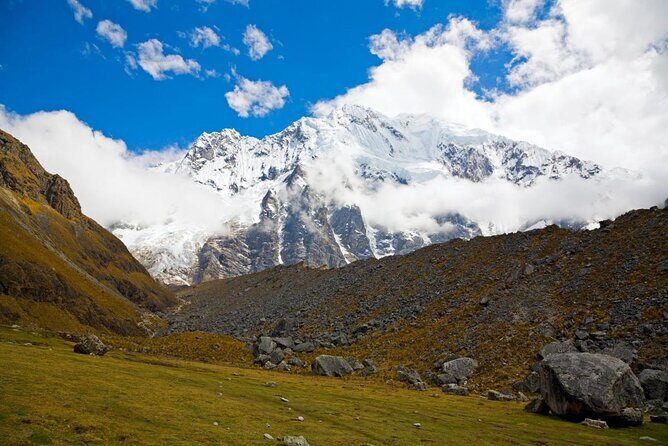
- Inca Chiriaska Pass instead of the usual Salkantay route: higher, scenic, and often far quieter on the trail.
- A major climb on Day 2: the pass sits at 5,100 m, with cold conditions and hot tea at the top.
- Campsite near Inca ruins: Pauccar Cancha puts you close to history and keeps the next day’s walking logical.
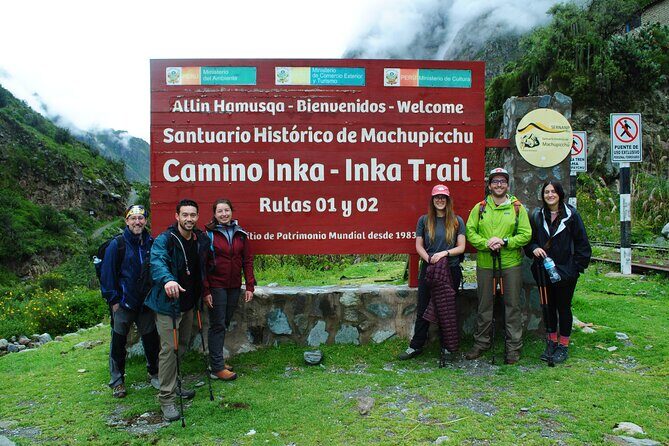
- A taste of the original Inca Trail: you get onto part of the famed path and visit Llactapata (with terraces, channels, and an Inca village feel).
- Early Machu Picchu bus rhythm: buses leave frequently and your day is built around catching the first ones.
- You can choose extra climbs later: if you booked Huayna Picchu, you climb right after the main guided tour; otherwise you can opt for Sun Gate or Inca Bridge.
Less-Crowded Salkantay: Why Inca Chiriaska Feels Different
Salkantay is known for big mountains and big effort. What makes this version special is the route over the higher pass called Inca Chiriaska, rather than sticking to the more common approach. The reward is that you spend time in viewpoints that feel wide-open and less “shared,” so your photos and your breathing space both improve.
This plan also matters for your energy. Day 2 carries the bulk of the climbing, while Days 2 and 3 lean more into downhill walking over rough terrain. That means you can’t treat this as a steady daily hike; you have to plan for one heavy day early in the trek.
Then Day 4 turns from sweat into structure. You get a bus up to Machu Picchu early, a guided route through the key areas, and time to explore after. If you like your adventure with clear guidance at the most important moment, this works.
You can also read our reviews of more hiking tours in Cusco
Day 1 to Humantay Lagoon: A Blue-Water Start from Cusco
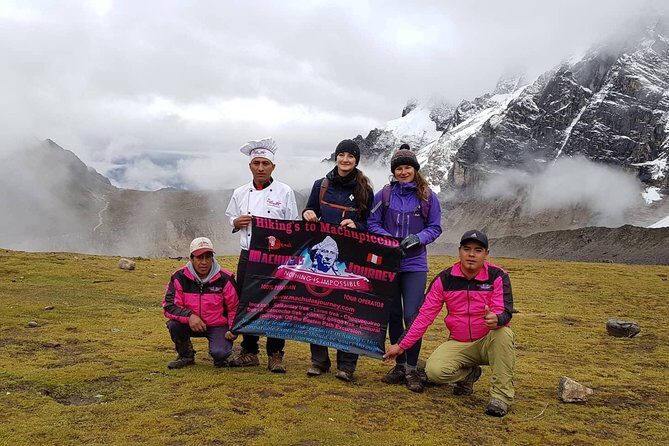
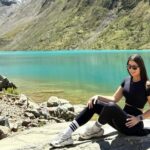
Day 1 starts after breakfast, then you hike up to Humantay Lagoon for about 1.5 hours. The goal is the moment you crest and the lagoon appears as that crystalline-blue water color people travel for. The hike is short enough to feel like a kickoff, but still long enough to wake up your legs for what’s coming next.
The good news: you don’t need to solve every altitude problem on Day 1. You’ll still feel the high-country air, but it’s not the same “test day” as the pass day. Humantay Lagoon also acts like a mental warm-up. You get a payoff early, and that helps when you know you’ll face colder and tougher terrain later.
One practical point: the lagoon admission ticket is listed as included, which keeps your budget simple. You can focus on moving well, not figuring out where tickets live.
Day 2 Inca Chiriaska Pass (5,100m): Cold Air, Hot Tea, Big Views
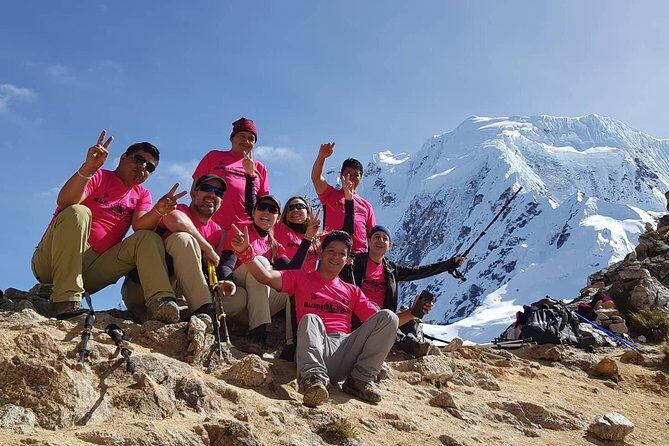
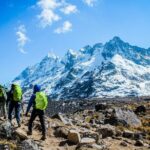
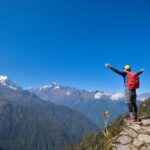
Day 2 is the day that earns its reputation. You start early with views of glacier peaks and mountain scenery while you get breakfast and hit the trail. From Ichupata, you hike roughly 3 hours to the pass called Inca Chiriaska at 5,100 m.
At the top, conditions can be cold—almost frozen depending on the season. The plan includes hot tea at the pass, which is one of those simple additions that makes a real difference when your body is stressed and your fingers feel slow.
After the pass, you transition into downhill walking. You continue for about 3.5 hours to the lunch spot, then after lunch keep going another 3.5 hours down to camp at Pauccar Cancha, located around 3,300 m and near Inca ruins.
This day is about two things: elevation management and efficient downhill technique. Even if you’re comfortable hiking, the combination of altitude and steep descent can wear you down. If you pace well on the climb and stay careful on the descents, the reward is huge—pass views plus remote valleys you don’t rush through.
Day 3 Pauccar Cancha to Km 82: A Taste of the Inca Trail
Day 3 begins with more than just trekking. You visit the archaeological site of Pauccar Cancha and continue on your hike. This adds context to what you saw the previous day, so the campsite location doesn’t feel like a random stop.
Then comes the highlight: entering a section of the original Inca Trail. You’ll hike through valleys and mountain views, and you also get a visit to Llactapata, an Inca site known for houses, water channels, and farming terraces on the mountain side.
After Llactapata, you walk about 1 hour to lunch. Then you hike another 2 hours to Km 82, where you meet a private van bound for Ollantaytambo. From there the day shifts into comfort mode: dinner, then a train to Aguas Calientes for your overnight stay.
This pacing is smart. Day 3 blends cultural walking and trekking, then cuts you back to transportation before you hit Machu Picchu on Day 4. If you tend to fatigue near the end of a long trek, this “handoff” day helps you arrive ready to enjoy the main event.
Day 4 Machu Picchu Early Bus and Your Post-Tour Climb Choices
Day 4 starts early with breakfast, then you walk with your guide to the bus station. The bus service runs often—every 5 minutes—and lasts about 25 minutes, with buses operating on a first come, first served basis. This is one of those details that can make or break your sunrise plan, so arrive ready to move with the group when it’s your turn.
Once you arrive at Machu Picchu, you walk in with your guide to the main lookout point, where you can take postcard-style photos. If conditions allow, you’ll enjoy sunrise first—weather dependent—then you get a 2 to 3 hour guided tour covering the most important areas of the citadel.
After the guided portion, you’re not stuck in a rush. You explore with your guide and then get free time to enjoy the site at your own pace. If you booked the extra hike to Huayna Picchu, you climb it during this free time.
If you didn’t book Huayna Picchu, you still have options: you can climb to Sun Gate (about 1.5 hours) or the Inca bridge (about 45 minutes). After your Machu Picchu time, you take the bus back down to Aguas Calientes for lunch on your own, then return by train to Ollantaytambo in the afternoon.
The train timing depends on what you booked. If you did not book an extra hike, the departure listed is 2:55 pm. If you did book Huayna Picchu or another extra option, the listed departure is 4:22 pm. That difference matters, so double-check your plan before you decide whether you want the extra climb.
You can also read our reviews of more tours and experiences in Cusco
Meet the Team: Guide Sara, Cook Cesar, Horse Wrangler Felix
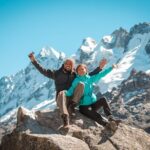
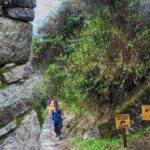
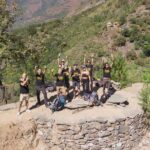
The biggest quality marker here is people who know how to run the day. Guide Sara is singled out for two key roles: adjusting the hike to match the group’s abilities while still keeping the schedule on track, and then becoming an excellent Machu Picchu guide with deep knowledge of the ruins and the site’s discovery and excavation.
That change matters more than it sounds. On the trail, you need calm coaching and smart pacing. At Machu Picchu, you need interpretation, not just footsteps. Sara’s ability to do both is a big reason this trek earns top marks.
On the practical side, cook Cesar runs meals in a tent with sit-down service. After altitude days and steep walking, having a real meal format helps recovery feel human, not just fuel-and-go. Horse wrangler Felix rounds out the team, supporting the operation with a long-working setup that shows in how smoothly camp and moving logistics play out.
And because the tour has a maximum group size of 16 travelers, you get enough companionship without feeling like you’re in a theme park line all day.
Meals and Packing Notes for the 4-Day Pace
The food plan is straightforward and generous for this kind of trek. You get breakfasts (4), dinners (3), and lunches (3) included across the 4 days. That means you don’t have to scramble for meals during long walking stretches, especially on the pass day and the transitions into Aguas Calientes.
One item is not included: the last lunch in Aguas Calientes. Day 4 bus back to town includes lunch, but it’s not part of the package cost. You should budget a bit for that meal so you don’t get stuck hunting options with tired legs.
Gear-wise, the listing notes that trekking poles, sleeping bags, and air mattresses are not included. If you rely on poles for steep descents, bring them. For sleeping comfort, you’ll want to use your own sleeping system if you can’t stand cold or uncomfortable bedding setups.
Also, this trek expects moderate fitness. That fits best if you hike regularly or you’re comfortable with steep climbs and long downhill effort at altitude.
Price and Value: What $769.24 Covers
At $769.24 per person, the value is really about what’s handled for you. This price includes the core experience elements: 4 breakfasts, 3 dinners, 3 lunches, plus the guided Machu Picchu portion and the major transportation links from the trek side into Ollantaytambo and then to Aguas Calientes.
It also includes key admission items as part of the route experience—Humantay Lagoon admission is listed as included, and Machu Picchu admission is listed as free for the tour day. That’s not just paperwork; it’s one less thing to manage while you’re already dealing with altitude, timing, and long days.
Guiding is included where it counts most. Day 4 includes guided interpretation through Machu Picchu for 2 to 3 hours, plus time afterward for your own exploration. When you’re paying for a big-name site, that kind of structure makes the day more meaningful than just wandering.
One more angle: this trek is often booked about 12 days in advance, so if you’re traveling in a busy season, plan early. A popular 4-day itinerary with limited group size can disappear before you get around to thinking about it.
Who This Trek Fits Best
This trek fits best if you want a challenging mountain experience with a clear schedule and strong guidance on Machu Picchu day. It’s aimed at people with moderate physical fitness, and the altitude at Inca Chiriaska Pass is the headline test.
You’ll enjoy this most if you like:
- Big scenery days that reward steady effort
- A route that includes a lesser-traveled feeling pass day
- A team that keeps the hike moving with calm, experienced leadership
- A guided Machu Picchu visit where you learn what you’re seeing, not just take photos
It may feel like too much if you:
- Want an easy hike with minimal altitude stress
- Don’t handle steep downhill terrain well
- Are hoping to skip the cold pass conditions entirely
Should You Book This Salkantay Trek Plus?
If you’re the kind of traveler who gets satisfaction from hard work and then wants Machu Picchu done the right way, I think this is a strong choice. The combination of Inca Chiriaska Pass scenery, the built-in cultural stops at Pauccar Cancha and Llactapata, and a guided Machu Picchu day with Sara is a win.
Book it if you’re ready to handle intense walking early and you’ll use that energy to enjoy the quieter, scenic pass route. Pass if you’re looking for a relaxed hike, or if the idea of steep downhill after a cold high point sounds like misery.
Bottom line: for $769.24, you’re paying for a complete four-day arc—from Humantay blue to Machu Picchu’s main lookout—run by a crew that clearly knows how to execute.
FAQ
How long is the Salkantay Trek?
It runs about 4 days, with 3 nights on the trek.
What is the highest point on the route?
The Inca Chiriaska Pass is listed at 5,100 meters (5,100 m.a.s.l / 16732.28 ft).
How much of Day 1 is hiking to Humantay Lagoon?
Day 1 includes about 1.5 hours of hiking to Humantay Lagoon, and the admission ticket is included.
Are meals included?
Yes. Breakfast is included 4 times, dinner is included 3 times, and lunch is included 3 times. The last lunch in Aguas Calientes is not included.
Is Machu Picchu admission included?
For the Machu Picchu portion, the admission ticket is listed as Free.
What time do you return to Ollantaytambo after Machu Picchu?
If you did not book an extra hike, your train is listed for 2:55 pm. If you booked either extra hike, the train is listed for 4:22 pm.
How big is the group?
The maximum group size is 16 travelers.
What trekking gear is not included?
Trekking poles, sleeping bags, and air mattresses are not included.
Is free cancellation available?
Yes. You can cancel for a full refund up to 24 hours in advance of the experience start time.