REVIEW · CUSCO
Inca Quarry Trail Trek to Machu Picchu 4-Day
Book on Viator →Operated by TreXperience · Bookable on Viator
The Inca Quarry Trail feels handcrafted. This 4-day hike from Cusco strings together waterfalls, petroglyphs, quarries, and Sacred Valley ruins, then lands you at Machu Picchu with the hard parts handled by a team. I like the small group size and the fact that transfers, camping logistics, and navigation are covered end to end. I also like that you get a real supporting cast: guides, a chef, and porters who do the heavy hauling and camp set-up.
One thing to consider: if you want to add Huayna Picchu or Machu Picchu Mountain, those tickets are not included and must be booked far in advance. Without them, you’ll still have an excellent standard Machu Picchu visit, but you should plan ahead if you have a specific summit in mind.
In This Review
- Key things that make this trek worth your time
- Entering the Inca Quarry Trail mindset: value, pacing, and what you’re really buying
- Sacred Valley start: Perolniyoq waterfall, petroglyphs, and Ñaupa Iglesia
- Charkahuaylla and Buena Negra: the offering ceremony and the big view reward
- Cachiccata quarry, Ollantaytambo dinner, and the train to Aguas Calientes
- Machu Picchu morning: bus timing, guided intro, and optional climbs
- Guides and camp life: why this trek feels smooth (even when it’s hard)
- Pace, altitude, and packing: how to prepare without overthinking it
- Who should book this Inca Quarry Trail to Machu Picchu trek
- Should you book? My take on the best decision for your trip
- FAQ
- What time does the trek start in Cusco?
- How many people are in the group?
- What’s included for Machu Picchu on the final day?
- Is the Machu Picchu entrance fee included?
- Are meals included, and is vegetarian food available?
- Do you provide tents, and is sleeping gear included?
- Is there a porter for luggage?
- What documents do I need?
- If weather is bad or I cancel, what happens?
Key things that make this trek worth your time
- Max 12 travelers keeps the pace friendlier and the experience more personal.
- Your crew does the work: guides handle routing, the chef handles meals, and porters manage camp gear and personal items.
- You see Inca places most people miss like Pachar petroglyphs, Ñaupa Iglesia, Q’orimarca (Rayanpata), and the Cachiccata quarry.
- Day 2 has a high point moment at Charkahuaylla, with a traditional offering ceremony for the mountain Apus.
- Machu Picchu day is structured with an early start, a guided introduction, and then time to explore on your own.
- Food quality and diet care come up again and again, including vegetarian substitutions.
Entering the Inca Quarry Trail mindset: value, pacing, and what you’re really buying
You’re paying $840 per person for a trek that, in plain terms, is built around one big idea: you hike, your crew supports, and you don’t lose days fighting logistics.
What makes that feel like value is the amount that’s already taken care of. You get round-trip transfers from your Cusco airport or hotel, a pre-departure briefing the night before, all on-route transportation, and day-of Machu Picchu transport (bus up and down). On top of that, the tour includes a train round trip to Aguas Calientes, with panoramic Vistadome service on one direction.
Then there’s the camp setup. You don’t just get a trail; you get tents (4-man tents for every 2 people) and a system where porters and horse guides help you arrive with camp ready. A chef cooks your meals, and you get hot food each day, not just snacks and vibes.
Yes, it’s still a serious trek. You’ll hike uphill and at altitude, and your legs will learn new opinions about you. But the tradeoff is that you’re not dragging gear, guessing routes, or scrambling for meals when you’re tired.
You can also read our reviews of more hiking tours in Cusco
Sacred Valley start: Perolniyoq waterfall, petroglyphs, and Ñaupa Iglesia
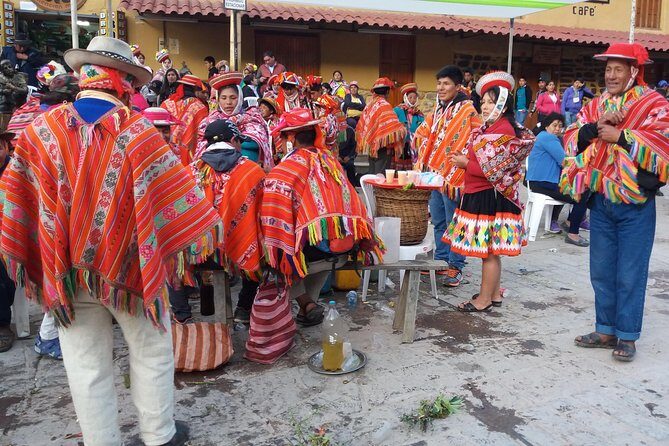
Your first morning begins early, with pickup around 7:00 am from your hotel area. From there you drive into the Sacred Valley until the community of Racca, where your hike starts. This day is a mix of Inca sites and dramatic nature, but it’s also staged so you can ease into the effort.
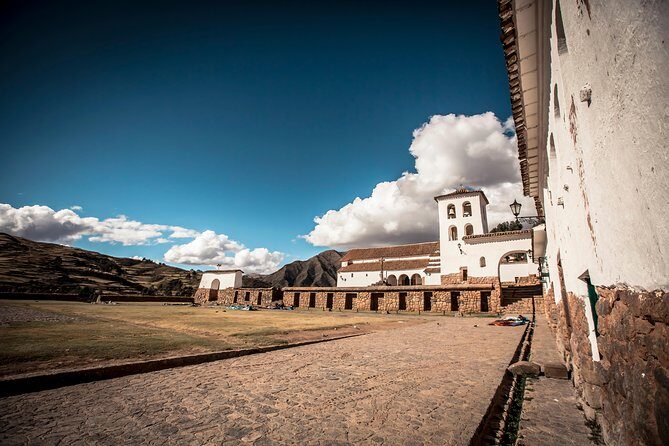
You’ll walk toward petroglyphs at Pachar, then visit the Inca shrine of Ñaupa Iglesia. Those stops matter because they frame the trek beyond scenery. You’re not only seeing ruins; you’re seeing carved messages and sacred places tied to how people used the land.
Lunch is set in the community of Soccma, and then the hike continues uphill toward Perolniyoq. This is one of the showy moments: Perolniyoc drops about 328 feet in the rock. Even if you’ve seen waterfalls before, this one hits differently because it’s part of a longer route, not a quick roadside stop.
To finish the day, you arrive at Q’orimarca, also known as Rayanpata, and sleep in the surrounding area. It’s a good first-night landing spot because you’ll wake up closer to where the higher effort begins on day two.
What to watch for: This is a long, active first day with uphill hiking layered after cultural stops. Bring sunscreen and take water seriously from the start, since you’ll be outside for hours.
Charkahuaylla and Buena Negra: the offering ceremony and the big view reward
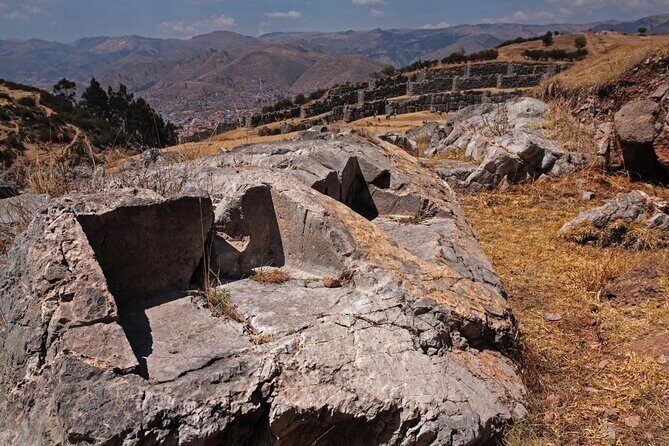
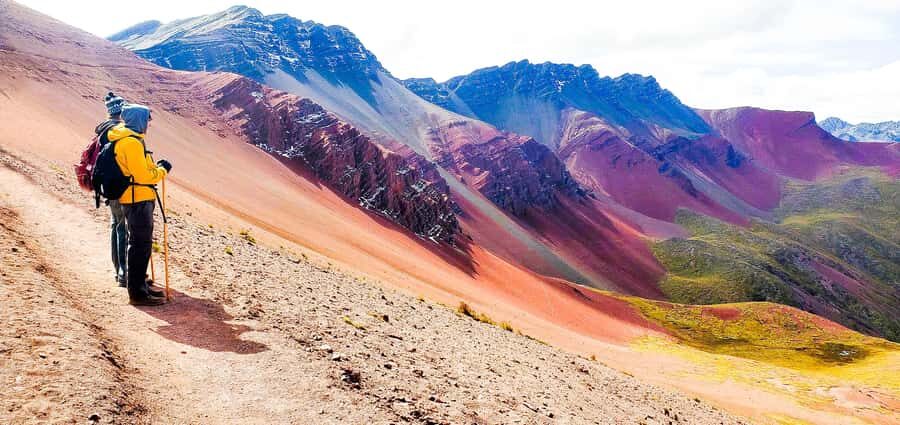
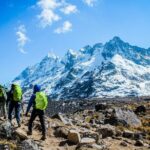
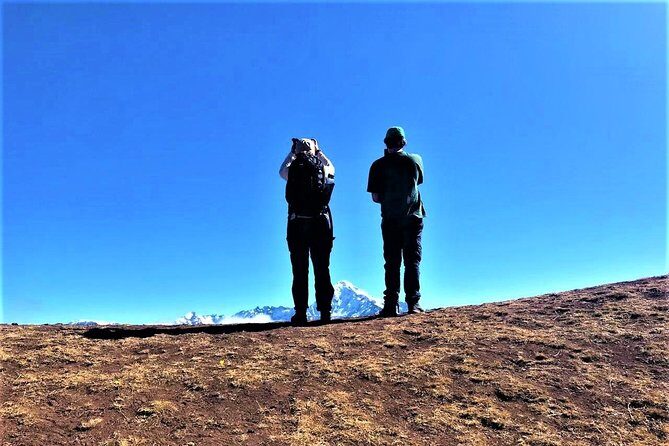
Day two wakes up at altitude, and it starts with simple comfort—coffee in your tent—before breakfast and the uphill effort. After that, you hike for about four hours to Charkahuaylla (4450m / 14599ft), the highest point on this trek.
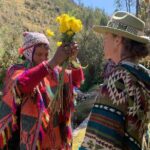
At the summit, your guide performs a traditional offering ceremony to the mountain Apus. Even if you’re not sure what every step means, the moment gives the trek a cultural spine. It turns a hard climb into something with intention, not just a personal challenge.
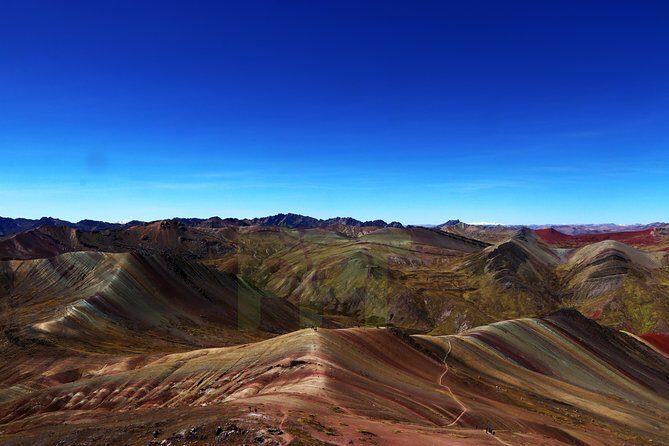
Then comes a payoff you’ll remember. You’ll eat lunch at the banks of a lake, and after that you climb again to Buena Negra (4370m / 14300ft). After you reach the summit, you’re rewarded with a wide view back over the Sacred Valley—exactly the kind of panorama that makes you forget how steep your calves feel.
From there, you head downhill for roughly two hours to Intipunku (Sun Gate), described as a breathtaking viewpoint that overlooks the Veronica mountain. After that viewpoint, the campsite is nearby at Choquetacarpo (3600m / 11811ft), right in the Inca Quarry area.
The consideration: If you’re prone to getting winded at altitude, day two is the moment to take a steady pace. Don’t sprint to prove anything. The goal is to arrive, not to turn the hike into a fight.
Cachiccata quarry, Ollantaytambo dinner, and the train to Aguas Calientes
Morning on day three starts with a sunrise mood and an all-downhill hike. That sounds easy on paper, but downhill after altitude days still works your knees, so it’s not a free ride.
Your first major stop is Canteras de Cachiccata, the biggest quarry in the Inca empire. The important detail here is what you learn: this quarry was abandoned around the time Machu Picchu and many other Incan sites were disrupted following the Spanish invasion. That context gives the stones a story. You’re not just looking at a quarry face—you’re seeing a place tied to why monumental projects stopped.
You’ll stop for lunch and then interact with people in the Cachiccata community. After that, a private bus is waiting for you to reach Ollantaytambo. You’ll explore the town and have dinner at a local restaurant, which is a nice break between trekking mode and train mode.
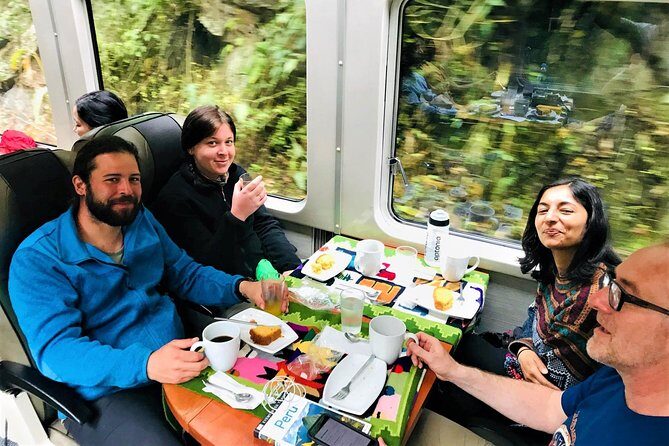
Then it’s time for the train to Aguas Calientes, where you spend the night. This matters because you’ll wake up closer to Machu Picchu and won’t spend your final day stuck in transit.
A small practical tip: Downhill days can encourage careless footing. Walk like you mean to get to the bottom without tripping. Your guides will keep everyone moving safely, but you still control your step.
Machu Picchu morning: bus timing, guided intro, and optional climbs
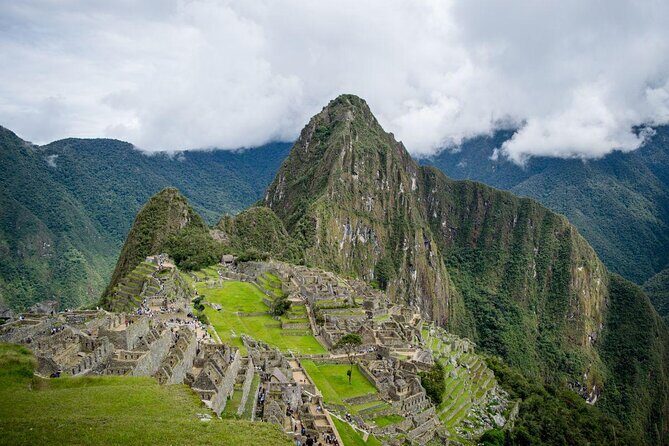
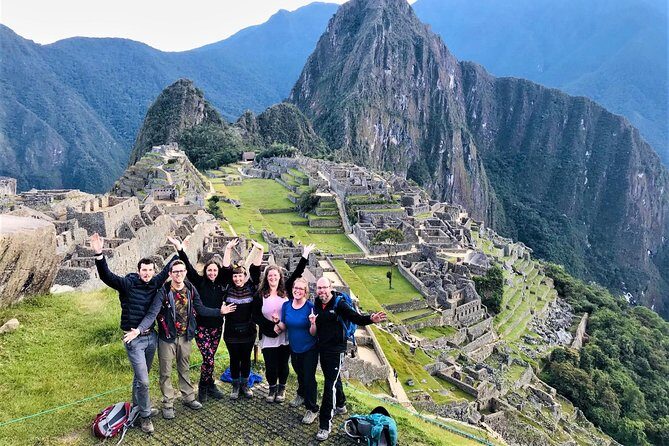
Your last day starts very early. You’ll get ready for Machu Picchu and take the bus up. Your guide leads a 2 to 3 hour tour that gives you the layout and the key sights, and then you’re released to explore on your own.
This is the moment many people have circled on their calendar for months. What I like about this format is that you get structure first—so you don’t wander around guessing what you’re looking at—then you get freedom to linger.
You can stay with the main circuit, or you can add a climb if you booked it in advance: Huayna Picchu or Machu Picchu Mountain. Those extra admissions are not included, so plan early if you’re set on that view.
Your guide also explains what to do after your time on site: how to take the bus from Machu Picchu down to Aguas Calientes for lunch, then how to take the train and bus back to Cusco.
What this reduces: stress. When you’re paying for a trek like this, the hidden win is not having to solve transit puzzles when you’re tired and excited.
You can also read our reviews of more tours and experiences in Cusco

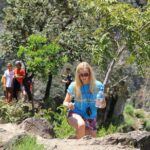
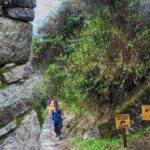
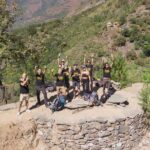
Guides and camp life: why this trek feels smooth (even when it’s hard)
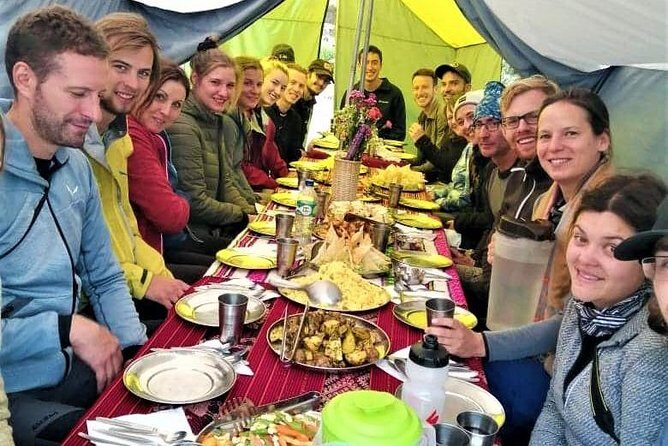
The biggest compliment that keeps showing up is about the team. Names you might run into include Nilton and Leonardo, along with guides like Roger, Ilias, Jose, Edy, Danilo, Christian, Lourdes, Danilo again in another group, plus Monica. Chefs you may meet include Leonardo and Daniel, and porters include people like Santos and other head-porter support.
In real life, this kind of staffing matters most when conditions get messy—rain, tired legs, or moments when someone feels unsure. That’s when calm, capable guidance is the difference between feeling overwhelmed and feeling taken care of.
Meal quality is another standout. You’ll get hot, fresh, nutritious meals made by your chef each day. The menus can include local dishes (and people specifically mention Peruvian staples like ceviche and causes, plus other favorites). If you’re vegetarian, the tour offers substitutions, and the kitchen effort shows up in the way food is prepared and paced.
Camp comfort is also handled. Reviews highlight that tents can keep you dry even in heavy rain, and that sleeping gear can be warm enough for cold mountain nights. Even without making promises about every weather day, the system is clearly set up for real camping—not just pretending you’re outdoors.
And then there’s the quieter stuff: porters carrying individual bags between camp sites, guides checking in on pace and safety, and even small habits like picking up litter left by others to keep the route respectful. Those details don’t show up in marketing, but they change how you feel about the whole trip.
Pace, altitude, and packing: how to prepare without overthinking it
This trek is aimed at people with moderate physical fitness. That’s the key phrase. If you can hike uphill for hours, manage steps at altitude, and keep a steady pace, you’ll be fine. If you’re starting from zero fitness, you’ll still likely be guided—but you may find the climbs demanding.
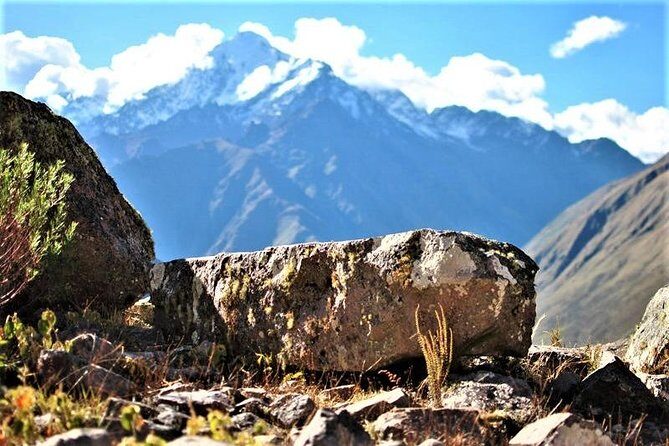
Altitude numbers are part of the plan. You’ll reach around 4450m at Charkahuaylla and about 4370m at Buena Negra. Even if you’re in shape, altitude changes how effort feels. The right response is simple: slower pace, more water, and don’t ignore headaches or dizziness.
For packing, the tour notes you can have a personal porter for your personal staff up to 7kg. Porters also carry food and equipment, which is the main reason this trek feels manageable compared with do-it-yourself hiking.
Sleeping setup is provided in tents, but you can ask about optional gear like a mattress, sleeping bag, and trekking poles. If you show up with your own trekking poles, you’ll likely feel steadier on downhill stretches—especially after altitude days.
One travel habit I strongly recommend here: sunscreen. In this region, sunburn doesn’t care how motivated you are. Keep it visible and reapply.
Weather note: This experience requires good weather. If the tour is canceled because of poor weather, you’ll be offered a different date or a full refund.
Who should book this Inca Quarry Trail to Machu Picchu trek
This trek is a great fit if you want a classic Peru combination: Sacred Valley day hikes plus a Machu Picchu finale—but without the maze of sorting out transport and camp logistics.
I’d particularly recommend it if:
- You want small-group trekking (maximum 12) where you can actually ask questions and get personal attention.
- You care about food and comfort. A strong chef setup is a big part of why people leave happy.
- You have diet needs. Vegetarian options are available if you request them.
- You’re a first-time hiker. The guidance and team support can make a huge difference.
- You want more than one Inca-related stop. You’re not only doing Machu Picchu; you’re seeing quarries and shrine sites too.
If you already know you only want Machu Picchu and nothing else, you might find this adds too much hiking. But if you like the idea of earning the view—step by step—this route delivers.
Should you book? My take on the best decision for your trip
Book this trek if you want a guided, well-supported hike that still feels adventurous. The biggest selling points for me are the setup: transfers, train, camp support, chef-led meals, and guides who keep you moving safely. When a trek includes that much structure, you spend your energy on the trail, not on troubleshooting.
Skip or reconsider if you’re hoping to add Huayna Picchu or Machu Picchu Mountain last-minute. Those optional tickets aren’t included, and they require advance booking. If you don’t plan for them early, you’ll lose flexibility.
If you’re aiming for the strongest overall value in Peru hiking—Inca Quarry Trail first, then Machu Picchu—you’re looking at a very solid match.
FAQ
What time does the trek start in Cusco?
Pickup starts around 7:00 am, with the experience listing a 7:00 am start time.
How many people are in the group?
This trek is limited to a maximum of 12 travelers.
What’s included for Machu Picchu on the final day?
You get bus up and down to Machu Picchu, plus a train round trip to Aguas Calientes. The tour also includes a guide on-site for about 2 to 3 hours, and you can explore after the guided portion.
Is the Machu Picchu entrance fee included?
Machu Picchu admission is listed as free for the final day. Optional tickets for Machu Picchu Mountain or Huayna Picchu are not included.
Are meals included, and is vegetarian food available?
All meals are prepared by the chef during the trek, but the first breakfast is not included (it depends on your hotel), and the last lunch is easy to get in Aguas Calientes. A vegetarian option is available if you request it at booking.
Do you provide tents, and is sleeping gear included?
You’re provided with 4-man tents for every 2 people. Optional gear such as a mattress, sleeping bag, and trekking poles may be available with guidance.
Is there a porter for luggage?
Yes. You have a personal porter for your personal items up to 7kg, and there are porters for food and equipment.
What documents do I need?
You need a current valid passport. Passport details, including name, number, expiry, and country, are required at the time of booking.
If weather is bad or I cancel, what happens?
The experience is non-refundable and can’t be changed for any reason. If it’s canceled due to poor weather, you’ll be offered a different date or a full refund.