REVIEW · CUSCO
Lares Trek to Machu Picchu 4D/3N Including Hot Springs
Book on Viator →Operated by SAM Travel Peru · Bookable on Viator
Four days, three nights, and real mountain quiet. This Lares Trek to Machu Picchu blends remote villages like Cancha Cancha and Quisuarani with a private guided Machu Picchu visit, and your gear rides along on horse and mules. I love the small-group feel (max 8) and how the camping support keeps you focused on the trail. The main drawback is the altitude: you’ll crest high at Pachacutec Pass (4,758 m), so strong fitness and steady pacing matter.
One highlight I’m big on is the open-air soak in the Lares-area thermal springs right before you reach the town of Lares. You’ll also pack with the duffel in mind: porters carry up to 7 kg, so use a day bag for water, sunscreen, and anything you’ll want immediately.
On the final day you’ll go up to Machu Picchu for a private guide-led tour, then you get time to roam on your own. Want Huayna Picchu? You must book it in advance (tickets are limited), and you’ll climb around 10am after the ruins tour.
In This Review
- Key highlights worth getting excited about
- The real vibe of the Lares Trek: quieter trekking, guided payoff
- Altitude and pace: what to expect before you go
- Day 1 from Cusco to Cancha Cancha: uphill starts and mule-friendly logistics
- Day 2 to Pachacutec Pass and Quisuarani: the long climb and glacial-lake payoff
- Day 3 into Lares: river-valley hiking, then thermal springs
- Day 4 Machu Picchu: private ruins tour, free time, and optional Huayna Picchu
- Camping and meals: what comfort looks like on a high-altitude trek
- Your guide, plus horsemen: how support affects your trekking day
- Price and value: does $702.57 make sense for what’s included?
- Weather and timing reality: build slack at the end
- Who should book this Lares Trek with hot springs
- Should you book this Lares Trek to Machu Picchu?
- FAQ
- What time does the tour start?
- What’s the trek duration?
- How many people are in the group?
- Is Machu Picchu included in the tour?
- Can I climb Huayna Picchu?
- Are the thermal springs included, and do I need a swimsuit?
- What kind of lodging and sleeping setup is provided during the trek?
- What about luggage during the trek?
- What fitness level do I need?
- What are the cancellation rules?
Key highlights worth getting excited about
- Lares highlands trekking with horseman and mule support for easier carry loads
- Pachacutec Pass (4,758 m) + views of Pachacutec Lake and Pitusiray peaks
- Open-air thermal springs in the Lares area (bring a swimsuit)
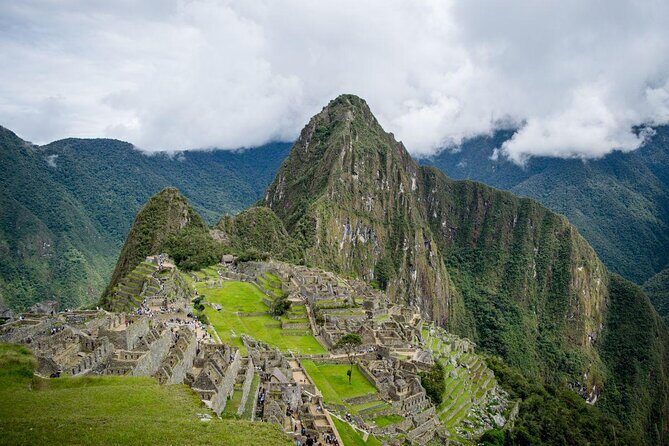
- Private Machu Picchu ruins tour with time for photos and optional climbs
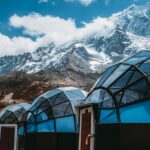
- Tented camping that’s set up for real comfort: igloo tents, foam mattress, and meals prepared by a cook
The real vibe of the Lares Trek: quieter trekking, guided payoff
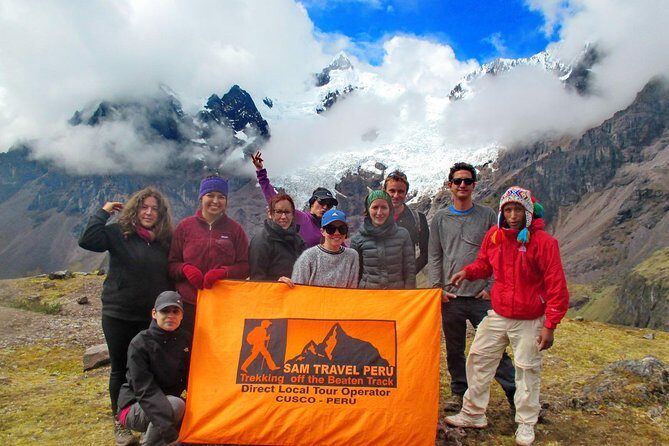
The Lares route is all about the slow, human scale of the Andes. You’re walking past small villages, through river valleys, and up to high passes where the air gets thinner and the views get bigger. And while you’re earning your Machu Picchu morning, you’re also seeing a very different side of Peru than the classic “direct route” feel.
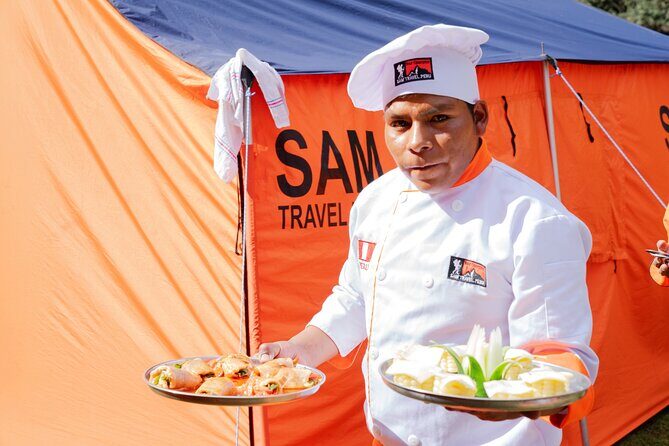
What I like most is that you’re not doing this as a DIY hike. You start with a pre-trek briefing, you have a licensed guide, and you also have a cook working out of a kitchen tent. That combo matters on multi-day treks because it keeps the trip moving smoothly when fatigue hits.
The other plus is that the endgame is practical. You don’t just drop you at Machu Picchu and hope for the best. You get a private guided ruins tour first, then you have time to explore on your own—plus options like Sun Gate or Huayna Picchu if you prepared ahead.
You can also read our reviews of more hiking tours in Cusco
Altitude and pace: what to expect before you go
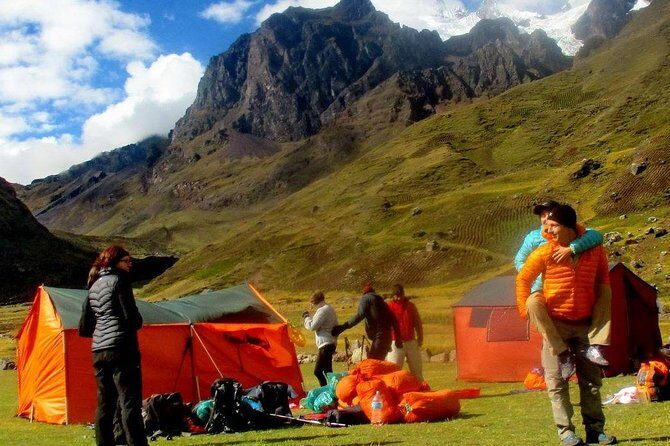
This trek asks for more than casual walking. You begin around 2,840 m at Pumahuanca, then climb gradually with a big high point at Pachacutec Pass (4,758 m). Even if you’re not sprinting, you’ll still need to handle the oxygen drop and the uphill rhythm.
A smart way to think about pacing here: aim for consistency, not speed. On Day 1 you’ll be hiking uphill for hours and reach Cancha Cancha by the end of the day. Day 2 is the heavy hiking day with a high pass and a long total walking time. If you start too hard, you’ll pay for it later—especially when you descend into the glacial-lake area.
Also note the tour is listed for people with strong physical fitness. If you’ve done high-altitude hiking before, you’ll recognize the rhythm. If you haven’t, you’ll want to take altitude seriously and keep your effort steady.
Day 1 from Cusco to Cancha Cancha: uphill starts and mule-friendly logistics
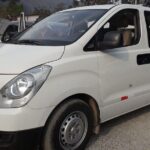
Your day kicks off early, with pickup at 6:00 am. You’ll travel by private bus from your Cusco-area hotel to Pumahuanca in the Sacred Valley area, between Pisac and Urubamba. The trail start is near Huaran, where you meet the horsemen and get the support system going.
From there, it’s an uphill trek running parallel to the small Cancha Cancha River. The walking time is about 6 hours total, including the climb and the time that gets you to the village of Cancha Cancha at roughly 3,800 m, where you’ll spend the night.
Two things make Day 1 feel easier than it sounds on paper. First, your camping and personal baggage is carried by horsemen and mules, so you’re not hauling everything on your back. Second, the day is long enough to warm up your legs, but it’s not the maximum-elevation day—that comes next.
Day 2 to Pachacutec Pass and Quisuarani: the long climb and glacial-lake payoff
If Day 1 gets you moving, Day 2 is where the trek earns its story. You leave Cancha Cancha heading east up the valley. You’ll hike for about 3 hours when the path begins to level, and then you start a 2-hour climb toward the highest pass: Pachacutec Pass at 4,758 m.
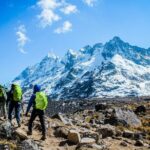
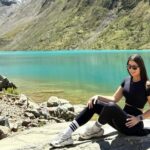
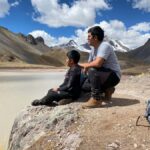
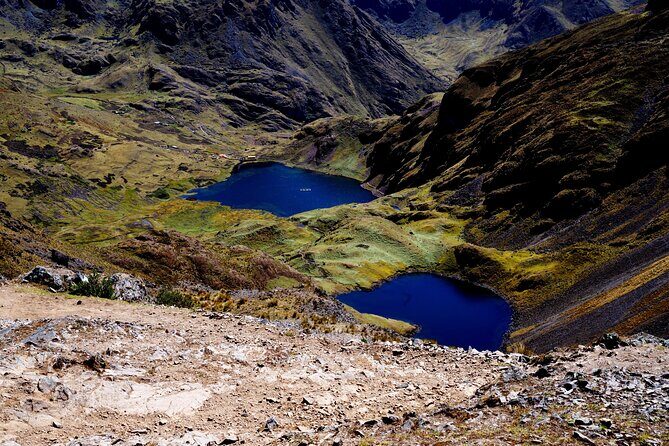
From the pass, you can see Pachacutec Lake and the snowy peaks of Pitusiray. This is the kind of view that makes the altitude effort feel worth it, because it’s not a quick peek—it’s a full-on high point where you pause and take it in.
After that, you continue hiking about one more hour to a narrow ridge, then head down into a secluded corrie filled with glacial lakes. Lunch happens there, and it’s a practical break: you’re high, then you’re descending, and you need real fuel.
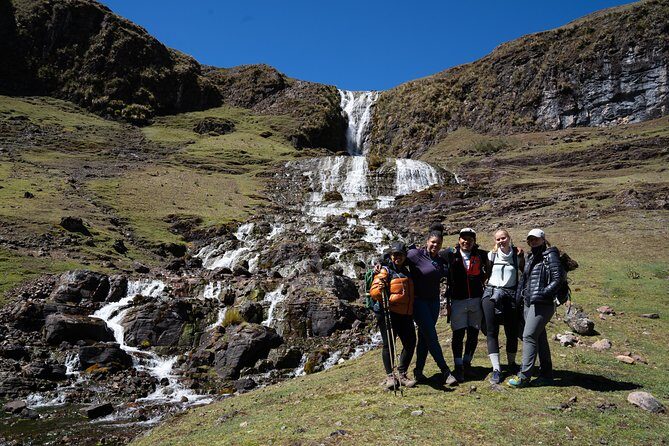
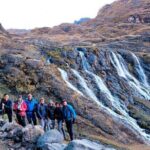
Later you pass waterfalls on the way to Quisuarani (around 3,700 m). The night is spent camping by the lake. The day totals about 7 hours of walking time, and you’ll reach roughly 4,550 m (15,017 ft) during the day.
Day 3 into Lares: river-valley hiking, then thermal springs
Day 3 is the one you’ll use to recover—mentally and physically. You hike up for about an hour, and then you follow the river valley downhill for about 3.5 hours. That downhill rhythm can feel tricky if you over-stride, but it’s a relief after Day 2’s steepness.
Before you reach the town of Lares, you get the hot springs moment. The tour includes time to soak in the open-air thermal springs—bring a swimsuit. This isn’t just a nice add-on; it’s a recovery tool. Warm water helps your muscles cool down, and it also makes the jump to town and dinner feel smoother.
You arrive in Lares at about 3,100 m and have lunch around 1 pm. Then you switch gears: you take a bus to Ollantaytambo, where you can rest and see the town briefly. Dinner is included, and then you head to Aguas Calientes by train and spend the night at a hotel.
You can also read our reviews of more tours and experiences in Cusco
Day 4 Machu Picchu: private ruins tour, free time, and optional Huayna Picchu
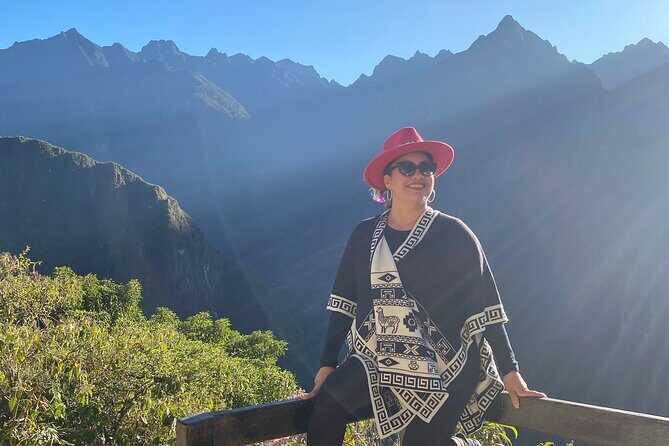
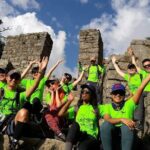
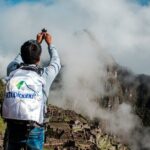
After an early breakfast, you take a bus to Machu Picchu. Then comes the guided part: you’ll have a private tour of the ruins. You also get time afterward to explore at your own pace, which is the best setup for photos, slow walking, and lingering at the corners that feel most meaningful to you.
You can take photos, and you have choices for additional viewpoints. Huayna Picchu is an option, but you must book it in advance when you book your trek or tour. The limit is strict: only 400 people can hike Huayna Picchu per day. If you have it, you’ll climb around 10am after your Machu Picchu guided tour.
If Huayna Picchu isn’t in your plan, you can head to the Sun Gate instead. After finishing at Machu Picchu, you go back to Aguas Calientes and take the train to Ollantaytambo in the afternoon. From there, a private bus returns you to Cusco.
Camping and meals: what comfort looks like on a high-altitude trek
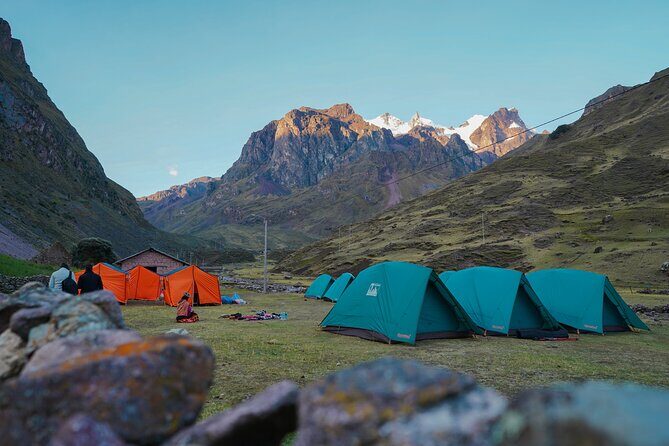
This trek is set up for real camping comfort for the trek duration. You sleep in 4-person igloo tents (set up for 2 trekkers), with a foam mattress and a camping pillow. That’s not luxury, but it’s a big deal when you’re tired and the nights can feel colder at altitude.
Meals are another strong point. Your cook prepares everything using a kitchen tent and equipment that’s brought with the group. Expect:
- Breakfast, plus a mid-morning snack pack (fruit or chocolate)
- Lunch that includes soup and a main course with pasta or rice
- Afternoon tea when you arrive at camp, with biscuits and popcorn
- Dinner as a three-course meal
It’s also practical that the tour provides boiled water so you can fill your bottles. And rain gear is included with a rain poncho.
On the comfort side, your “sleeping better” plan starts the night before. Bring a day bag that keeps sunscreen, water, and your camera accessible since your main luggage is stored separately and you won’t access it during the trek until each day ends.
Your guide, plus horsemen: how support affects your trekking day
This is a guided trek with a licensed guide fluent in English, Spanish, and Quechua. That matters on a cultural trip because you’re not just walking—you’re learning as you go.
You also get a cook and a team of horsemen. Horse and mule support carries food, camping equipment, and personal items up to 7 kilos. The tour also notes a horse can be provided in case of emergency (with a helmet), so the trip has a built-in safety buffer to help participants complete the route.
Your daily planning changes because of the luggage system. Your main luggage stays in Cusco, and you receive a small duffel bag for clothes for about 3–4 days. By Peruvian law, porters must not carry more than 7 kg, and the duffel travels with the team ahead of you. That means your gear stays organized, but you’ll want a day pack for anything you’ll need on the trail right away.
Small-group size helps here too. The max is 8 travelers, which typically means you get a guide who can manage pacing when people move at different speeds.
Price and value: does $702.57 make sense for what’s included?
At $702.57 per person, this trek isn’t cheap—but it’s not “buy a ticket and hope” pricing either. The value comes from the fact that the big costs and hard parts are already handled for you.
You get:
- Private transport from your hotel to the trail head area and the return back to Cusco
- A licensed guide and cooking team
- Horsemen and mules carrying up to 7 kg of your personal items
- Camping gear (tents, foam mattresses, pillows)
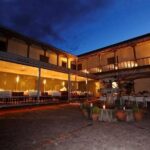
- An included hotel night in Aguas Calientes with hot shower, wifi, storage, and buffet breakfast
- Train transport both ways between Ollantaytambo and Aguas Calientes
- A private guided Machu Picchu ruins tour
If you tried to piece together the same components on your own—guides, horses, a cook, camping gear, and train tickets—the total usually climbs fast. Here, you’re paying for a package that also reduces logistics stress, especially during the transition from trekking to Machu Picchu.
There is also an important heads-up: the tour includes lunches and dinners in the counts given, but it notes that last lunch and dinner on Day 4 are not included. So if you’re sensitive about meals at the very end of the trip, plan for that.
Weather and timing reality: build slack at the end
This trek depends on good weather. The tour can be canceled due to poor weather, and then you’re offered a different date or a full refund. That’s reassuring, because high-altitude trekking is not the place for a bad weather gamble.
Also, real life happens. One past experience mentioned a local strike affecting train timing, and the team helped get onto a later train. That’s outside anyone’s control, but it’s a good reminder to leave some slack in your overall schedule after the trek, so you’re not rushing immediately to a flight or next commitment.
And because the day starts at 6:00 am, you’ll want to sleep well the night before you start and keep your morning routine simple.
Who should book this Lares Trek with hot springs
This trek is best for people who:
- Want a multi-day high-altitude trek with structured guidance
- Have strong physical fitness and can handle long hiking days and high points
- Like the idea of ending in Machu Picchu with a guided tour and time to explore
- Appreciate recovery breaks, especially the thermal springs time before Lares
It might not be the right fit if you’re looking for an easy stroll. The pass elevation and long walking days mean you’ll be working. Also, if you get nervous about altitude, you should be extra cautious and discuss your situation with a professional before committing.
Should you book this Lares Trek to Machu Picchu?
Book it if you want a practical, guided route that balances high-Andes effort with a well-supported Machu Picchu day. The small-group limit, horse/mule baggage help, cook-prepared meals, and the hotel-with-hot-shower stop in Aguas Calientes are exactly the kind of details that turn a tough trek into a trip you can actually enjoy.
Don’t book it if you’re not ready for high altitude and long hikes, or if you want zero planning for viewpoint options at Machu Picchu. If you do want Huayna Picchu, make sure you handle the advanced booking in the way the tour requires.
If you want a trek that feels authentically rural in the Andes and then rewards you with a guided Machu Picchu experience, this is a strong choice.
FAQ
What time does the tour start?
Pickup is at 6:00 am, and you travel by private bus to the trail head area.
What’s the trek duration?
The tour runs about 4 days (with 3 nights on the trek/hotel portions as described).
How many people are in the group?
The maximum group size is 8.
Is Machu Picchu included in the tour?
Yes. You get a private guided tour of Machu Picchu, plus time to explore on your own afterward.
Can I climb Huayna Picchu?
You can, but you must book it in advance at the same time as your Machu Picchu tour. Only 400 people can hike Huayna Picchu per day, and you’ll climb around 10am.
Are the thermal springs included, and do I need a swimsuit?
Yes. You’ll have a chance to soak in open-air thermal springs before arriving to Lares, and you should bring a swimsuit.
What kind of lodging and sleeping setup is provided during the trek?
You’ll camp in 4-person igloo tents set up for 2 trekkers, with a foam mattress and camping pillow. You also stay one night in Aguas Calientes in a hotel with a private room and bathroom, hot shower, wifi, storage, and buffet breakfast.
What about luggage during the trek?
Your main luggage stays in Cusco. You receive a small duffel bag for 3–4 days of clothes, and porters carry it with a limit of 7 kg. You won’t access that duffel during the day, so bring a day pack for essentials.
What fitness level do I need?
The tour is described as requiring strong physical fitness.
What are the cancellation rules?
You can cancel up to 6 days in advance for a full refund. If you cancel less than 2 days before the start time, the amount paid is not refunded. The experience can also be canceled due to poor weather, with a different date or a full refund offered.