REVIEW · CUSCO
Cooking class and market tour with a local chef
Book on GetYourGuide →Operated by Cusco Gastronomic Tours & Coooking Class · Bookable on GetYourGuide
Cusco flavors start in the market. This chef-led class takes you to San Pedro for tastings and then gets you cooking with local ingredients and real technique. I like the dietary flexibility (they adapt your dishes), and I also love that you’re working off a pro’s guidance, not a demo. One thing to think about: it’s not suitable for people with altitude sickness, and Cusco altitude can affect how you feel.
In about 4 hours, you’ll tour the market, taste fruits and cheeses, make a starter everyone shares, and then choose your cocktail and main dish. Think pisco sour (classic or passion fruit) plus either ceviche or lomo saltado, with vegetarian options available too.
In This Review
- Key highlights worth your attention
- San Pedro market first: what you learn before the pans
- Meeting point: how to find the workshop quickly
- The 4-hour structure: a clear flow from tastings to lunch
- The shared starter: rocoto relleno and causa rellena
- Rocoto relleno (stuffed chili)
- Causa rellena (yellow chili potato cake)
- Your cocktail choices: pisco sour and passion fruit sour
- Classic pisco sour
- Passion fruit sour
- Alcohol-free fruit honey drink
- Lomo saltado vs ceviche: two Cusco classics, choose your main
- Option 1: Lomo saltado
- Option 2: Ceviche (trout version)
- Dietary restrictions: how adaptable is this class in real life?
- Altitude and your comfort level in Cusco
- Price and value: what $57 gets you (and what it doesn’t)
- Small details that make the class smoother
- Who this is best for
- Should you book this Cusco cooking class?
Key highlights worth your attention
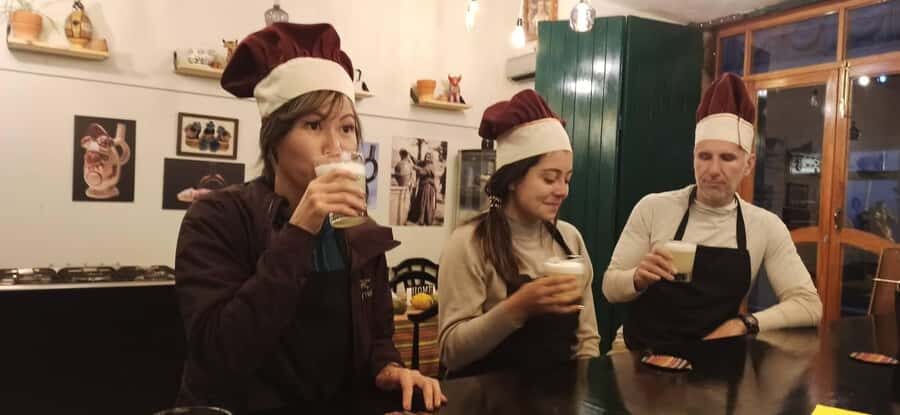
- Chef from Cusco + cultural storytelling behind what you’re eating
- San Pedro market tour with fruit and cheese tastings before you cook
- Hands-on cooking with clear knife and cutting tips for beginners
- Pick-your-own parts: choose your cocktail and main dish; starter is shared
- Dietary needs are handled with vegetarian options and adaptations for allergies
- Altitude support included if needed (natural medicine + digestive teas)
San Pedro market first: what you learn before the pans
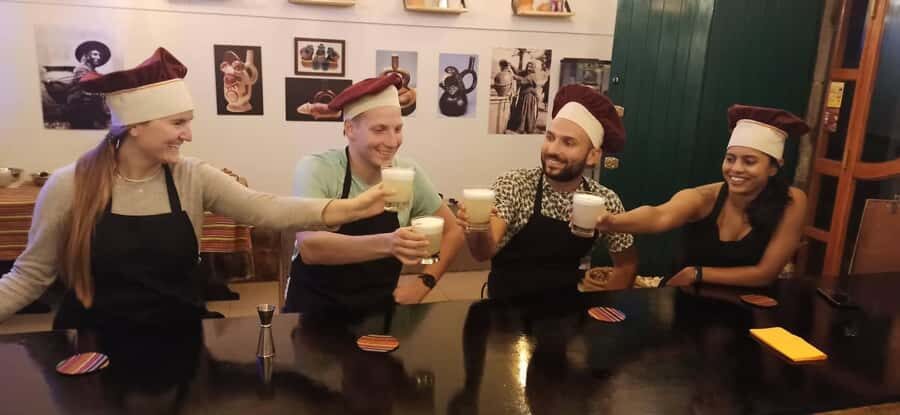
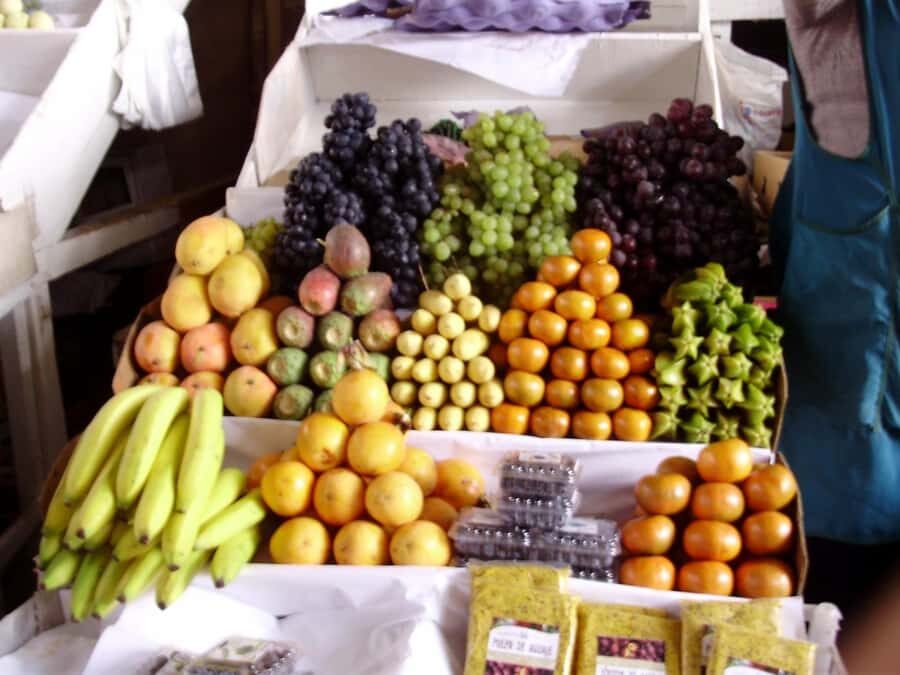
The day starts with the ingredient hunt. You’ll head to the San Pedro market, and the chef leads you through what to look for, what’s in season, and what makes Cusco food taste like Cusco. You’ll get hands-on tastings—especially local fruits and cheeses—so when it’s time to cook, you’re not guessing.
A smart part here is that the market isn’t treated like a quick photo stop. The chef talks ingredients in plain language: how fruit ripeness affects flavor, what cheeses taste like on their own, and how herbs and produce show up in local dishes. One of the best benefits is that you learn the logic behind the cooking, not just the steps.
If you can choose your time slot, consider booking a morning class. People noted the market felt less crowded in the morning, which makes the tastings and shopping feel more relaxed.
You can also read our reviews of more shopping tours in Cusco
Meeting point: how to find the workshop quickly
You meet at Calle San Juan de Dios 264, right in Cusco’s old-city area. The workshop is in front of the Aranwa boutique Hotel. Look for the glass and wooden door across the track, with no ads.
This matters because Cusco streets can be confusing when you’re short on time. Showing up with the exact address and knowing what the door looks like saves stress and helps you start the class without rushing.
The class is led in English or Spanish, so you’ll be able to ask questions clearly. People consistently mention that the chef explains what you’re doing step-by-step, not in vague terms.
The 4-hour structure: a clear flow from tastings to lunch
This is not a long cooking day, and that’s a good thing if you’re trying to keep your Cusco schedule realistic. The format is designed to move smoothly:
1) Market tour + tastings (fruits and cheeses are a focus)
2) Cooking workshop in a kitchen setup with all tools provided
3) Drink prep (pisco-based cocktails or a fruit honey option)
4) Two chosen components to cook: a shared starter plus your selected cocktail and main dish
5) Eat what you made (starter + main course, with water included)
Because the menu is structured, you won’t spend the whole class waiting. You’ll have real time at the cutting board and stove.
The shared starter: rocoto relleno and causa rellena
Everyone gets the same starter, and that’s actually a clever design. It means the chef can teach the core flavors and technique in a focused way, then you branch out for your personal cocktail and main.
Rocoto relleno (stuffed chili)
You’ll work with rocoto relleno, a traditional stuffed chili dish. The filling typically includes meat, onions, peas, carrots, peanuts, and dry grapes, then it’s covered with local cheeses and baked in the oven. It’s a dish where sweet-savory balance matters, and where the chili’s character is the headline.
This is a good pick for you if you like food with personality—and if you’re the type who remembers meals by their sauces and textures.
You can also read our reviews of more tours and experiences in Cusco
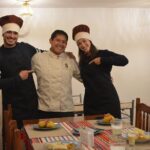
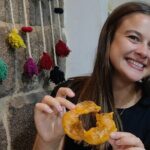
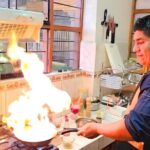
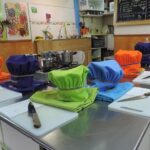
Causa rellena (yellow chili potato cake)
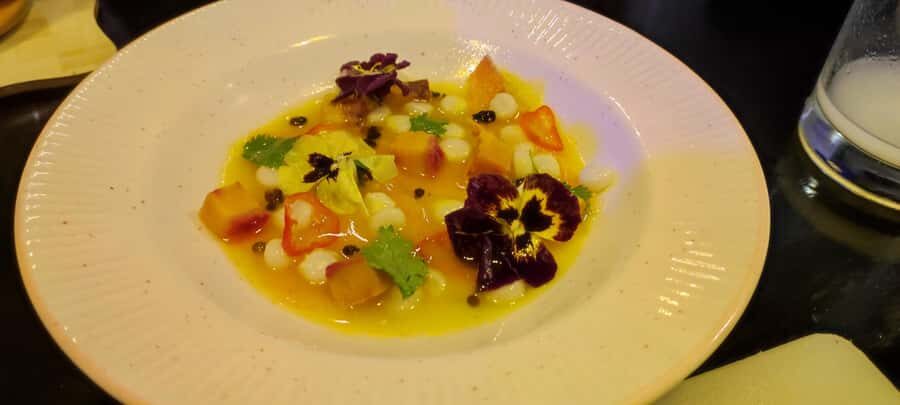
Next is causa rellena, a potato cake layered with yellow chili sauce and stuffed with avocado, fish tartare, mayonnaise, and spices. The “yellow chili sauce” part is what gives causa its recognizable bite, and the avocado/fish components bring cooling richness.
If you’re vegetarian, you still won’t be left out. The experience offers vegetarian options and adapts for dietary needs, so the key is to tell them your restrictions before the class starts.
Your cocktail choices: pisco sour and passion fruit sour
You choose your drink before class, and you’ll have a cocktail-based menu plus an alcohol-free option. This is one of the most fun ways to experience Peru because you’re learning how flavors build in real time, not just tasting.
Classic pisco sour
This version uses lime, syrup, and egg whites. The structure is classic for a reason: bright citrus up top, sweetness balanced in, then that creamy foam feel.
Passion fruit sour
This is the pisco sour made with fresh passion fruit juice. If you want something a bit more tropical and aromatic, this is often the easier sell.
Alcohol-free fruit honey drink
There’s also a drink without alcohol made with Peruvian fruits and honey. So you’re not stuck with soda if you don’t drink.
A note on value: some people wished for a second pisco sour. That doesn’t change what’s included, but it’s useful context if you’re expecting a full bar evening rather than one well-made cocktail.
Lomo saltado vs ceviche: two Cusco classics, choose your main
After the shared starter, the class gives you a real choice: lomo saltado or ceviche. You decide your favorite in advance, so the chef can prepare your ingredient plan and keep the cooking flow moving.
Option 1: Lomo saltado
Lomo saltado is built around beef tenderloin, rice, onions, tomato, soy sauce, oyster sauce, and vinegar, finished with native potato fries. It’s the kind of dish that teaches you about stir-fry timing: hot pan, quick cooking, and sauce balance.
If you like savory comfort food with strong aromatics, this is the “I’m happy I chose this” option.
Option 2: Ceviche (trout version)
This ceviche includes trout, mango, avocado, lime juice, onions, celery, ginger, corn, and sweet potato. It’s bright, textured, and layered—sweet fruit, creamy avocado, tangy lime, and crunchy vegetables.
If you’re the kind of eater who likes contrast (sweet and sour, creamy and crunchy), you’ll probably find this the more memorable dish.
Vegetarian diners should not assume they’ll only get a substituted side. The experience explicitly says vegetarian options exist, and people noted that dietary restrictions were handled well in practice.
Dietary restrictions: how adaptable is this class in real life?
From the info provided, this experience is built for adaptation. They state they can adapt to all dietary restrictions, and they offer vegetarian options. That’s a big deal in Cusco, where traditional dishes often rely on ingredients that not everyone eats.
Practical reality check: the class includes market time, and you might see meat being sold. One key detail is that market visibility doesn’t automatically mean you’ll eat meat—this is about what you’re cooking, not just what’s on display. Still, if you prefer not to be around animal products at all, you’ll want to communicate your comfort level clearly before you go.
Also keep in mind: there’s a list of not-allowed items and safety constraints (no alcohol and drugs at the activity, and restrictions around strollers and carriages). If you travel with kids or need mobility assistance, check the specific age and accessibility limits included with the activity.
Altitude and your comfort level in Cusco
Cusco altitude is the invisible factor in almost every daytime plan. This class is designed with that in mind: it includes natural medicine for altitude sickness if necessary, plus digestive teas.
Still, it’s important to be honest with yourself. The activity is explicitly not suitable for people with altitude sickness. So if you’ve been struggling with headaches, nausea, or fatigue at altitude, skip this and choose something easier and closer to flat and restful.
If you’re feeling okay but want a smart buffer, the fact that digestive teas and altitude-support items are included is reassuring. It can turn a “we’ll see how I feel” day into a more controlled one.
Price and value: what $57 gets you (and what it doesn’t)
At $57 per person for about 4 hours, you’re paying for three things:
- a chef-led experience (not just an informal cooking demo)
- market ingredient work plus tastings
- hands-on cooking, utensils, and the meal you eat (starter + main) plus a cocktail
That’s why this pricing can feel fair. You’re not just learning recipes; you’re getting ingredients chosen with expert guidance and then cooking with proper tools, aprons, and a bar setup for the drink. Water is included too.
What isn’t included is the one item most people assume will be: transportation. So you’ll want to plan a taxi or walk time to and from Calle San Juan de Dios 264.
Also, the class is not a “drink all night” setup. You get one cocktail (based on your choice) plus an alcohol-free alternative, not multiple rounds.
Small details that make the class smoother
A few patterns show up again and again in the feedback:
- The location is described as clean and well organized.
- The chef checks results and tastes along the way, so your dish doesn’t end up as a sad science experiment.
- Cutting and cooking guidance is geared for real beginners, including advice that helps you feel confident with a knife.
- The atmosphere is relaxed enough that solo travelers often feel comfortable, including when the group is small.
One extra perk: people say they receive recipes by email after the class. That’s not listed in the essentials provided, but it’s something to look out for once you’re done.
Who this is best for
This is a strong fit if you:
- want a hands-on Cusco food experience, not just tasting
- like learning through the market first, then cooking right away
- want classic Peruvian dishes like ceviche and lomo saltado made in a guided setting
- need vegetarian options or dietary adaptation
It may be a weaker fit if:
- you’re currently dealing with altitude sickness symptoms
- you’re traveling with strollers or young children (there are age and size limits)
- you only want a simple meal and don’t care about market shopping or cocktail prep
Should you book this Cusco cooking class?
If you want a practical, culture-forward way to eat like a Cusco local, this is an easy yes. You get the market education, the tastings, and the cooking payoff in a tight 4-hour window, with pisco sour style cocktails and real choice for your main dish.
Book it if you’ll enjoy hands-on cooking, want guidance with knife work, and you appreciate that dietary needs are taken seriously. Skip it only if altitude is already hitting you hard, or if you’re not comfortable with market sights where meat is part of local food commerce.