REVIEW · CUSCO
Bilingual Cooking Class with Pisco Cocktail in Cusco
Book on Viator →Operated by Ivanna Lescano Cooking Class · Bookable on Viator
A wok, a cocktail, and ceviche in Cusco. This bilingual, small-group class turns classic Peruvian favorites into a hands-on session, with you cooking ceviche and lomo saltado and shaking a passion fruit Pisco Chilcano. The best part is the pace: it feels social and energetic, but still structured enough that you finish knowing what you did and how to repeat it later.
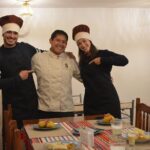
What I like most is the hands-on flow paired with real personal guidance from the chef (examples include Juan and Jose, who bring both technique and personality). I also love that you do not just watch and leave—you sit down together to savor what you made. One thing to consider: it is fast-paced and geared toward cooking, so if you want a slow, purely observational food tour, this may feel too active.
In This Review
- Key things to know before you cook in Cusco
- Why this Cusco cooking class feels practical (not just fun)
- Meeting in Centro Histórico at 12:00 (and what that means for your day)
- Ceviche hands-on: learning the rhythm behind a Peruvian classic
- The passion fruit Pisco Chilcano: shaking up your drink skills
- Lomo Saltado in a wok: fast cooking you can actually copy
- Sitting down together: what your meal experience really delivers
- Price and value: is $40 worth it in Cusco?
- Weather, pace, and who this class suits best
- FAQ
- FAQ
- What dishes do I make in the class?
- How long is the cooking class?
- How many people are in the group?
- Where do we meet for the class?
- What time does the class start?
- Is the instruction bilingual?
- What happens if the weather is bad?
- How much does it cost, and what about cancellation?
- Should you book this Cusco ceviche, wok, and Pisco class?
Key things to know before you cook in Cusco
- Small group size (max 12) keeps the class from feeling like a factory line
- Bilingual instruction helps you follow steps and get answers as you go
- Three core dishes in 90 minutes: ceviche, passion fruit Pisco Chilcano, and lomo saltado
- Wok time for lomo saltado means you get hands-on with a key technique
- You eat together at the end, so the class stays social, not just instructional
Why this Cusco cooking class feels practical (not just fun)
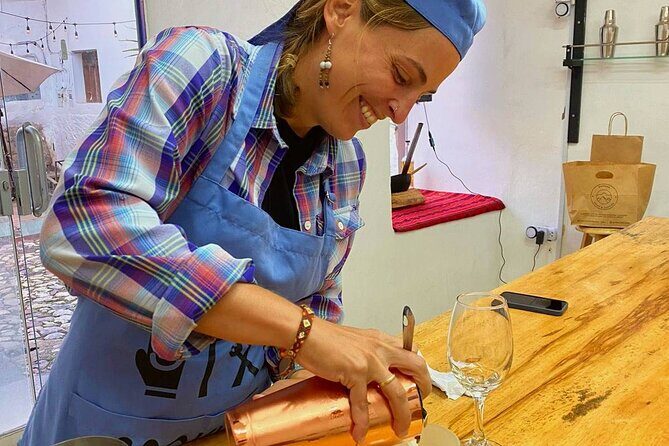
Cusco is already a feast for the senses—altitude, cobblestones, and that classic Andean buzz. This class slots right into that energy. You get a focused cooking window of about 1 hour 30 minutes, so it fits nicely into a day without swallowing your schedule. And since the group is capped at 12 people, you’re more likely to get the kind of attention that helps you correct what you’re doing in the moment.
I also like how the experience is built around outcomes, not theory. You learn techniques by doing them—then you get to taste what your work actually creates. That matters in cooking classes, because the goal is confidence. You want to leave with memories, yes, but also with the ability to reproduce the meal at home.
You can also read our reviews of more cooking classes in Cusco

Meeting in Centro Histórico at 12:00 (and what that means for your day)
You’ll meet at C. Palacio 135, Cusco 08002, Peru, and the experience starts at 12:00 pm. It takes place in Centro Histórico de Cusco, and it ends back at the meeting point. That round-trip setup is helpful because it reduces the “what do I do after?” stress. You can plan your afternoon without guessing how far you’ll be from where you started.
Timing matters in Cusco. A midday start means you can eat a proper lunch after the class or make it your main meal plan. The class is designed to land you at the table with what you cooked, so your day stays simple.
Another practical note: the class is near public transportation. So if you’re hopping around the historic center, you’re not dependent on a long taxi ride just to get to the kitchen.
Ceviche hands-on: learning the rhythm behind a Peruvian classic

You’ll make fresh Peruvian ceviche during the class, and the way it’s taught is built around doing, not just listening. Expect a quick setup, clear steps, and the chef guiding you while you work through the process. Because it’s hands-on, you’ll learn more than flavor. You’ll learn pacing—how to approach a dish that needs things to come together correctly.
What’s especially valuable here is the “why” behind the dish. The chef shares stories about Peru’s iconic flavors and ingredients, so the class connects to more than just the final taste. Even if you are a complete beginner, this approach helps you understand what you’re aiming for. And if you already cook at home, you’ll likely appreciate the technique guidance because it gives you a more repeatable process.
Ceviche also sets the tone for the rest of the class. It’s fresh, bright, and fast, which fits the energetic style: the class moves quickly, but it stays grounded because you’re always working on something.
The passion fruit Pisco Chilcano: shaking up your drink skills
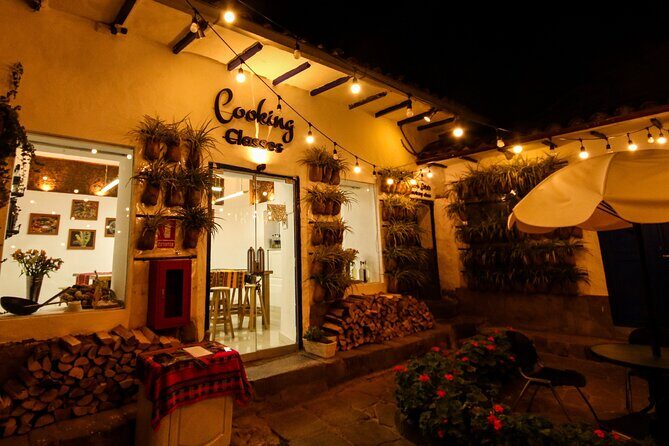
Next comes the passion fruit Pisco Chilcano. This is one of the smartest parts of the class because it’s interactive in a different way than the food. You’re not just chopping or stirring—you’re shaking and building a drink experience that feels tied to Peru, not borrowed from a generic bar.
Expect the class to keep moving. You’ll learn how to prepare the cocktail and then enjoy it as part of the meal. Since the experience is bilingual, you should be able to follow along and ask questions, which makes a big difference if you’re not fluent in the local language.
This section also gives you a real takeaway. When you try it at home later, you’ll remember the motion of making it and the flavor profile that matches what you tasted in Cusco.
Lomo Saltado in a wok: fast cooking you can actually copy
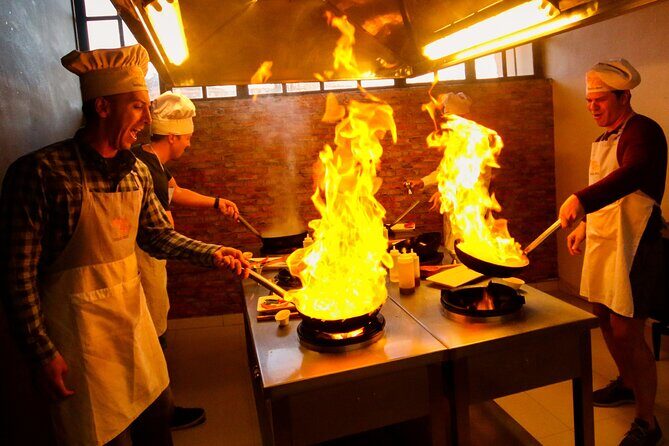
The class ends with lomo saltado, and you’ll cook it using a wok. That detail matters. Wok cooking is all about speed and control, and the hands-on nature of this class means you’re not stuck waiting for someone else to do it. You get to experience the technique, which is where most “I can cook that someday” plans succeed or fail.
Lomo saltado is also a great dish for confidence. It’s classic, it’s recognizable, and it rewards attention to heat and timing. A cooking class like this doesn’t just teach you what goes in—it supports you through the steps so you can understand the workflow. The chef’s personal guidance helps you adjust as you go, which is one reason the class works for both newer cooks and more experienced home cooks.
The dish also pairs naturally with what came before: the bright ceviche and the sweet-fruity passion fruit cocktail set you up for something savory and satisfying.
You can also read our reviews of more tours and experiences in Cusco



Sitting down together: what your meal experience really delivers
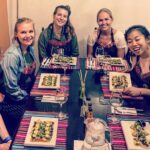
At the end, you sit down to savor the dishes you created with your classmates. This might sound like standard “eat what you made” programming, but it’s more important than it seems. A lot of cooking classes are technically hands-on, yet you end up eating at different times or feeling rushed through the tasting. Here, the goal is shared enjoyment. The social element stays part of the experience, not an afterthought.
I like this setup because it turns your work into a real event. You taste what you made while the chef can still answer questions, and you get to see what other people did too. Even if your version is slightly different, you can learn from the feedback loop that happens when you’re all eating together.
Price and value: is $40 worth it in Cusco?
At $40.00 per person for about 1.5 hours, this class is priced for real participation. You’re not just sampling small bites. You’re cooking multiple dishes (ceviche and lomo saltado) and preparing a passion fruit Pisco Chilcano. Then you eat together at the end.
Value in a cooking class is not only the number on the ticket. It’s what you leave with:
- Technique practice (especially with the wok for lomo saltado)
- A clear path to repeat the meal at home
- A cultural layer, because the chef shares stories behind ingredients and flavors
- A meal experience, not a quick snack
Also, the group size cap of 12 travelers affects value directly. Smaller groups tend to mean less waiting and more correction, which makes your time count. And if you’re visiting Cusco and want something compact that still feels meaningful, the 90-minute format is a strong fit.
One scheduling reality: this is commonly booked about 7 days in advance on average. If your travel dates are firm, it’s smart to lock it in sooner rather than later.
Weather, pace, and who this class suits best
This experience requires good weather. If it gets canceled due to poor weather, you’ll be offered a different date or a full refund. That’s worth keeping in mind in the Cusco area, where plans can shift.
Pace is another consideration. The class is described as fun, fast-paced, and hands-on. That’s a win if you like momentum and don’t want to spend your afternoon in a classroom. It can be less ideal if you want slow strolling time or a more relaxed, talk-only format.
Who it’s best for:
- Beginners who want guided instruction and a simple structure
- Home cooks who like hands-on technique practice, especially with a wok
- Food travelers who want a cultural connection beyond just tasting
- Anyone who enjoys group energy and ending at the table with the people they cooked with
FAQ
FAQ
What dishes do I make in the class?
You’ll prepare Peruvian ceviche, shake a passion fruit Pisco Chilcano, and cook lomo saltado.
How long is the cooking class?
The duration is about 1 hour 30 minutes.
How many people are in the group?
The class has a maximum of 12 travelers, which helps keep it small-group and hands-on.
Where do we meet for the class?
Meet at C. Palacio 135, Cusco 08002, Peru.
What time does the class start?
The start time is 12:00 pm.
Is the instruction bilingual?
Yes, it’s described as a bilingual cooking class.
What happens if the weather is bad?
This experience requires good weather. If it’s canceled due to poor weather, you’ll be offered a different date or a full refund.
How much does it cost, and what about cancellation?
It costs $40.00 per person, and you can cancel for a full refund up to 24 hours in advance. If you cancel less than 24 hours before the start, the amount paid is not refunded.
Should you book this Cusco ceviche, wok, and Pisco class?
If you want a Cusco activity that’s compact, social, and genuinely practical, I’d book it. You cook three major items—ceviche, lomo saltado, and a passion fruit Pisco Chilcano—and you finish by eating together with your group. The small group size (max 12) plus personal chef guidance is exactly what makes this kind of class worth the money.
Skip it only if you strongly prefer a slow food tour where you mostly observe. This is designed for action, not spectatorship. If you like learning by doing, you’ll leave with both memories from Cusco and a meal you can recreate back home.