REVIEW · CUSCO
Group Cooking Class in Cusco with Pisco Tasting
Book on Viator →Operated by Marcelo Batata Cooking Class · Bookable on Viator
Pisco and ceviche in one afternoon. I like this class because it is hands-on cooking plus real food education, not just a demo. You start with fruit and ingredient lessons at El Mercado, then you work your way through classic Peruvian dishes and finish with pisco tastings and cocktails.
I especially like the pacing and structure. You get a chef-led market-to-kitchen flow, and you actually cook key parts of the meal: ceviche first, then lomo saltado, plus pisco drinks at the bar. I also like the small group size, with a maximum of 12 travelers, which keeps questions from getting lost.
One thing to plan for: you’re meeting at C. Palacio 135 (no hotel pickup), and there’s a passport requirement for tax paperwork at the start. If you’re tight on time in Cusco, give yourself a little buffer so you’re not sprinting across town.
In This Review
- Key highlights worth showing up for
- How this Cusco cooking-and-pisco class really runs
- Entering El Mercado: fruit tasting and Andean ingredients
- Ceviche in the kitchen: fresh, fast, and very hands-on
- Pisco tasting and cocktails: learning the spirit, then mixing it
- Lomo saltado with fire: the stir-fry you’ll want to repeat
- Snacks beyond the usual: alpaca and guinea pig bites
- Who this class is best for (and who should skip it)
- Price and value: is $99 actually fair?
- Logistics you should plan for before you go
- Should you book this Cusco cooking class with pisco tasting?
- FAQ
- How much does the Cusco group cooking class cost?
- How long is the experience?
- What time does it start in Cusco?
- Where do I meet for the class?
- Is hotel pickup included?
- What’s included with the class price?
- Is it a small group?
- Can the class handle dietary restrictions?
- Is there a minimum age?
- Do I need to bring my passport?
- Can I cancel for free?
Key highlights worth showing up for
- Small-group cap (12 people max) keeps the kitchen calmer and the teaching more personal
- El Mercado ingredient center uses fruit and Andean products to connect food to place
- Ceviche practice teaches how fresh ingredients change the final flavor
- Pisco tasting plus cocktail-making means you learn what to do, not only what to taste
- Snacks include unusual options like alpaca and guinea pig, with room to choose what’s comfortable for you
How this Cusco cooking-and-pisco class really runs
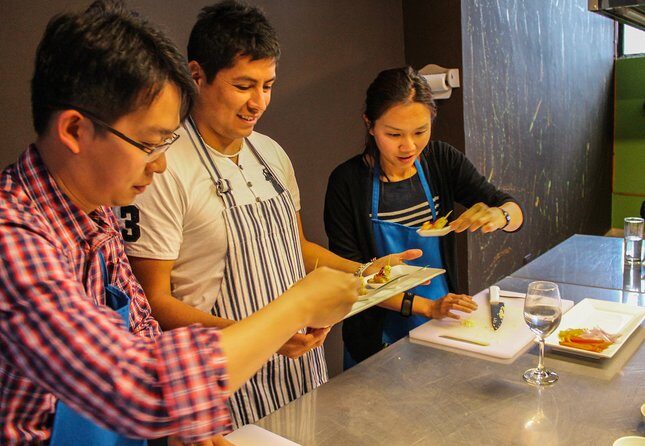
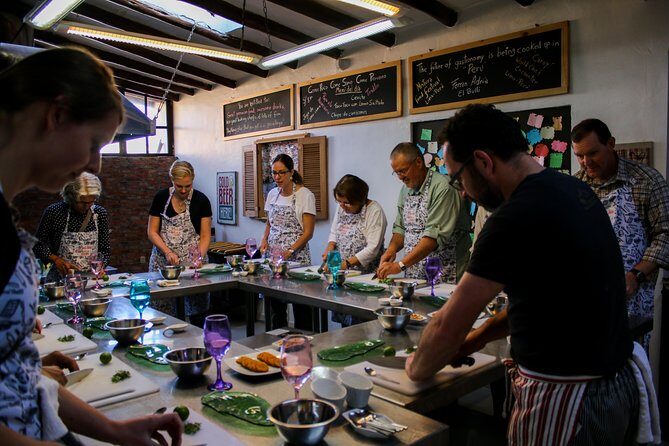
This is an afternoon meal experience built around participation. The general rhythm is: meet, taste, learn, cook, then eat what you made. The whole thing runs about 3 hours, starting at 2:00 pm, and it ends back at the meeting point on C. Palacio 135.
The class is designed so you do not need a cooking background. You can be brand-new and still end up with dishes you recognize (ceviche and lomo saltado) and drinks you can repeat later at home. A big part of the fun is watching the ingredients come together through a few simple, practical steps, rather than trying to memorize a complicated recipe list.
One more detail I’d call out: this is not a sit-and-watch event. It is 100% participative, which means you’ll be standing at stations, working with ingredients, and tasting along the way. That’s great if you like interaction. If you prefer quiet sightseeing, you might find the kitchen energy a little more active than you expect.
You can also read our reviews of more food & drink experiences in Cusco

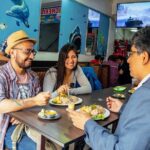
Entering El Mercado: fruit tasting and Andean ingredients
The experience starts with a warm welcome and then moves into tasting mode. You’ll sample fruit and talk through what you’re eating and where it comes from. This part matters because Peruvian cuisine is not just about recipes. It’s about geography, altitude, and what grows in different zones.
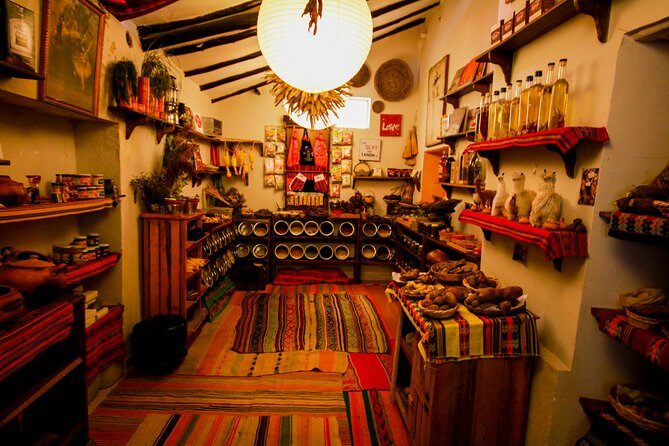
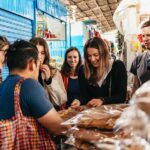
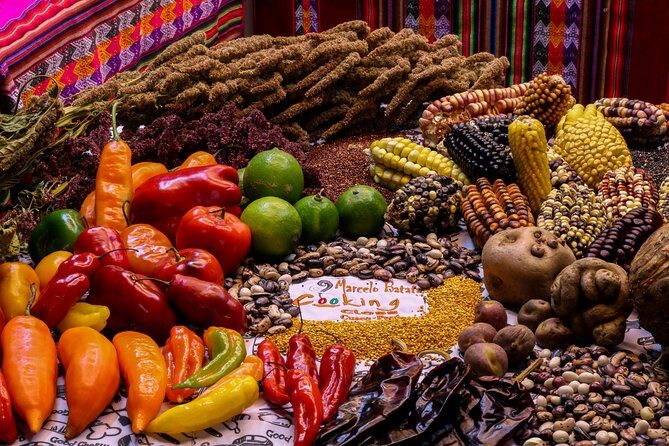
Then you head to El Mercado, the interpretive center where you can see and handle Andean products. The point is simple: when you understand the ingredients, it becomes easier to cook with them later. You’ll also get an easier sense of why some flavors are common in Cusco-based menus and why certain products show up in traditional dishes.
From the cooking side, this stop also trains your eye. You learn how to identify key components before they ever hit the cutting board. It’s the same mindset you want at a market back home: look first, then buy, then cook.
Ceviche in the kitchen: fresh, fast, and very hands-on
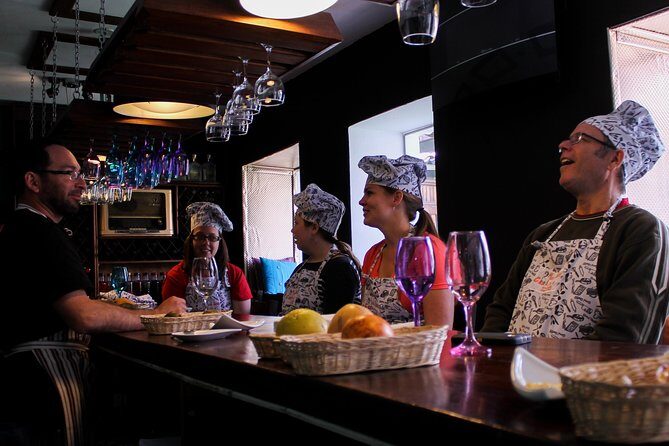
Ceviche is usually where people start to “get” why Peru’s food feels so distinct. In this class, you do not only taste ceviche—you make it. That’s the advantage: you learn the logic behind the flavors as you build the dish.
Expect to work with fresh ingredients and pay attention to balance: acidity, salt, seasoning, and how the fish and add-ins react as you assemble. The class format keeps it friendly and doable. You’ll likely get a clear walk-through from the chef, plus enough guidance to avoid the common beginner traps like overthinking the timing or skipping the small seasoning steps.
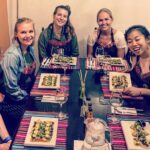
And yes, ceviche also becomes a dinner you can enjoy immediately afterward. That’s a big value point: the work you do turns into food right away, instead of ending in a sad box of leftovers.
If you’re sensitive to stronger flavors, you can still enjoy this section. Just communicate your preferences early when you’re talking with the host. The dietary options are part of the planning here, not an afterthought.
Pisco tasting and cocktails: learning the spirit, then mixing it
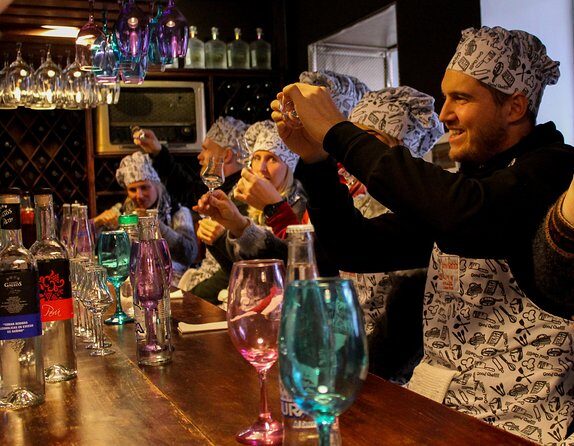
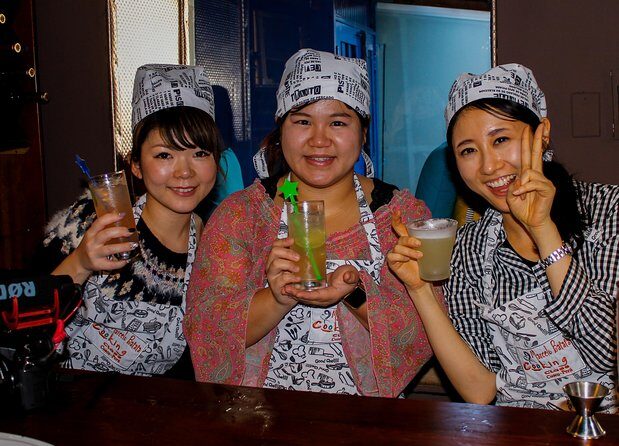
After ceviche, the energy shifts toward drinks. You’ll learn about pisco, Peru’s national spirit, and you’ll taste it in pure form. This matters because pisco is not just a token “culture moment.” It’s the base for a few signature cocktails, and tasting it helps you understand why the drinks taste the way they do.
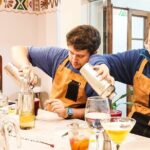
Then you move into cocktail-making. Some classes steer you toward a classic like a pisco sour, and other pisco cocktails may be part of the session depending on the flow of that day. Either way, you’ll get hands-on instruction on how to put the drink together.
Here’s the practical tip I’d follow: taste along the way and pay attention to how sweetness, acidity, and dilution affect the final glass. That’s the skill you take home. At home, you might not have the exact same pisco brand, but you can still control the balance by adjusting the mix.
One fun bonus that shows up in multiple guided sessions is a “why this works” style of teaching—so even if you are not a bartender, you understand what you did. Chefs you may meet in the classroom include people like Jose and Fernando, who come up often for making the room relaxed and the instructions clear.
Lomo saltado with fire: the stir-fry you’ll want to repeat
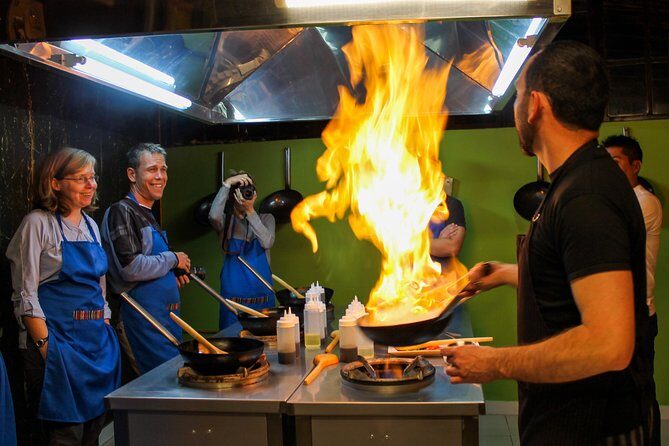
Next comes lomo saltado, Peru’s classic stir-fry style dish. This part is a crowd-pleaser because it’s fast, aromatic, and very visual. You’ll roll up your sleeves and cook with a wok, which makes the class feel more like live action than a cooking worksheet.
Why it’s worth doing here: the class helps you build the dish in a way that matches local flavors, and you get immediate coaching on technique. Stir-fry cooking is one of those skills where timing is everything, and learning it with guidance makes a huge difference.
If you like learning through doing, this is often the favorite step. Many people remember the heat and the “watch it come together” feeling, especially when flavors bloom as ingredients hit the pan.
And when you’re done cooking, you get to eat what you made. That closes the loop, which is what makes the experience feel like more than a class.
You can also read our reviews of more cooking classes in Cusco
Snacks beyond the usual: alpaca and guinea pig bites
The menu doesn’t stop at the standard tourist-friendly set. You’ll also taste traditional snacks that can include alpaca and guinea pig. Even if you decide not to have everything, the opportunity matters because it shows how wide Peruvian snack culture can be.
This is also a good moment to check what you want out of your trip. If you’re curious about food culture, this class gives you a safer entry point: you’ll learn in a guided environment and you can choose how much to try. If you’d rather stick to more familiar foods, that’s doable too, but you should tell the host about your comfort level when you arrive.
Who this class is best for (and who should skip it)
This is a great fit for:
- People who learn by doing, not by watching
- Foodies who want context for why dishes taste the way they do
- Travelers who want a fun indoor plan while adjusting to Cusco’s altitude
- Anyone who wants a small-group experience with a chef teaching in real time
You might want to think twice if:
- You dislike hands-on cooking
- You want a pure sightseeing day with minimal time in one spot
- You prefer not to handle strong smells or alcohol-based tastings
- You need hotel pickup or a fully guided door-to-door service
Also, the minimum age is 15, so it’s generally not designed like a kids’ class. If you’re traveling with teens who like food, it can work well.
Price and value: is $99 actually fair?
At $99 per person, the value depends on what you expect from “a cooking class.” This one includes a lot that many cheaper options skip.
You get:
- A class led by a professional chef
- Ingredients and meals (so you eat what you make)
- Alcoholic beverages (paired with the pisco portion)
- Snacks and soft beverages
The only notable “not included” item is hotel pickup and drop-off, so you’ll need to handle getting to C. Palacio 135 on your own.
Where the money feels justified is the combination. You’re paying for three experiences that often cost separately in Peru: market-style ingredient education, hands-on cooking, and pisco tasting/cocktails. If your plan is to spend an afternoon learning, cooking, and drinking a bit, this is one of the more efficient ways to do it.
One extra value signal: people often mention the chefs’ energy and teaching style. You may meet guides such as Christiana or Christina, who are described as enthusiastic and great at explaining what you’re tasting and why it matters. That kind of instructor impact is hard to price, but it’s usually the difference between a “nice snack” class and a “I learned something I can use” class.
Logistics you should plan for before you go
This class starts at 2:00 pm at C. Palacio 135 and ends back at the same meeting point. That means you’ll want to plan your morning around getting to Cusco’s center area before the afternoon starts.
Bring your original passport at the beginning. This is required for tax paperwork. If you’re traveling with a phone-only copy or left your passport at your hotel safe, that can cause stress right at the start.
Also remember: dietary restrictions can be accommodated, including vegetarian, vegan, gluten free, and lactose intolerance. Tell the host when you book so they can plan your ingredient choices.
Should you book this Cusco cooking class with pisco tasting?
If you want an afternoon that mixes food craft with Peru context, I’d book it. The strongest reasons are the hands-on cooking, the market stop at El Mercado, and the fact that the pisco part includes both tasting and cocktail skills. You end up with a real meal and a few repeatable techniques, not just a photo session.
I’d hesitate only if you hate hands-on kitchen time, can’t meet at the address without pickup, or aren’t comfortable with tasting less common snacks. Otherwise, this is a smart, high-value way to spend a few hours in Cusco, especially if you’re juggling altitude and want something fun that’s still structured.
If you book, do two things: arrive a few minutes early, and tell the host about any dietary needs and what you do or don’t want to taste. That keeps the class smooth and helps you leave happy with what ends up on your plate.
FAQ
How much does the Cusco group cooking class cost?
It costs $99.00 per person.
How long is the experience?
It runs about 3 hours.
What time does it start in Cusco?
It starts at 2:00 pm.
Where do I meet for the class?
You meet at C. Palacio 135, Cusco 08002, Peru.
Is hotel pickup included?
No. Hotel pickup and drop-off are not included.
What’s included with the class price?
You get the class with a professional chef, ingredients and meals, alcoholic beverages, snacks, and soft beverages.
Is it a small group?
Yes. It has a maximum of 12 travelers.
Can the class handle dietary restrictions?
Yes. Vegetarian, vegan, gluten free, and lactose intolerance can be accommodated. You should advise any dietary requirements at booking.
Is there a minimum age?
The minimum age is 15 years.
Do I need to bring my passport?
Yes. You need to provide the original passport at the beginning of the course for tax purposes.
Can I cancel for free?
Yes. You can cancel up to 24 hours in advance for a full refund. If you cancel less than 24 hours before, the payment is not refunded.