REVIEW · CUSCO
Half day – Cusco City Tour – Private Service
Book on Viator →Operated by Valencia Travel Agency S.a.c. · Bookable on Viator
Cusco feels like a time machine, and this half-day circuit keeps it moving. I love the private-minibus comfort (hotel pickup and drop-off) and the way a good guide ties together six major stops in just about five hours. You’ll see the mix of Spanish colonial art and Inca-era engineering—fast, efficient, and not a grind. One thing to plan for: the big sights here have entrance fees you pay separately, and those add up.
If you’re deciding how to spend a limited afternoon (or you only have a morning before acclimation and plans), this is a smart way to get oriented. I also like that the itinerary is built around key viewpoints and sacred spaces, so you’re not just hopping between random ruins. The one possible drawback is simple: because several stops are archaeological sites, you’ll want good weather, and timing can feel brisk if you stop for photos every five seconds (bring extra battery power).
In This Review
- Quick hits
- How the half-day Cusco route really works
- Cusco Cathedral: colonial devotion and Cusqueño painting
- Qorikancha (Koricancha): the sacred core that reappears
- Saqsayhuamán: massive stone and big-sky drama
- Q’enqo (Labyrinth): carved stone and earth worship
- Puka Pucara: reddish stone and military control
- Tambomachay: the water temple and ritual flow
- What you’re paying for: value beyond the ticket price
- Morning vs. afternoon: choosing the right fit for your Cusco schedule
- Who this tour suits best
- Should you book this Cusco City Tour?
- FAQ
- How long is the Cusco half-day city tour?
- Is this tour private or shared?
- What sites does the tour include?
- Are entrance fees included in the price?
- Does the tour include hotel pickup and drop-off?
- Can I choose a morning or afternoon departure?
- What happens if the weather is bad?
- When do I get confirmation after booking?
Quick hits
- Hotel pickup and drop-off make this feel low-stress in Cusco’s busy center
- Private service means your group controls the pace more than on a large join-in tour
- Six major stops in one loop: Cathedral, Koricancha, Saqsayhuamán, Q’enqo, Puka Pucara, Tambomachay
- A guide who explains what you’re seeing, not just naming places
- Entrance tickets aren’t included, so budget for several sites
- Morning or afternoon departure helps you fit it around altitude, tours, or train plans
How the half-day Cusco route really works
This is designed as a true half-day city loop. Expect about five hours total, with a choice of a morning or afternoon schedule. The transport is a private minibus (built for small groups), which matters in Cusco because streets can be tight and walking on uneven ground adds up fast.
Hotel pickup and drop-off are the practical win here. You skip the hassle of finding meeting points in a city where altitude slows everything down—your day stays yours. Once you’re in the vehicle, the guide does the heavy lifting: context, “what to look for,” and how each site connects to the story of Cusco.
This tour also gives you something that’s easy to miss when you go solo: a sequence. Starting in the colonial/religious core and then moving outward toward Inca archaeological sites makes the contrasts clearer. You’ll notice how Spanish architecture and Catholic devotion sit on top of older sacred landscapes—often literally.
One more thing I’d take seriously: good weather helps. Several stops are outdoors and you’ll get the best experience when visibility and lighting cooperate. If conditions are poor, the operator may swap dates or refund—so keep an eye on your forecast.
You can also read our reviews of more city tours in Cusco
Cusco Cathedral: colonial devotion and Cusqueño painting
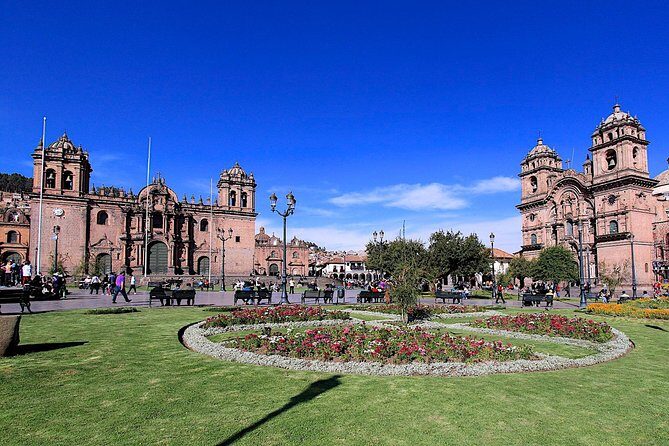
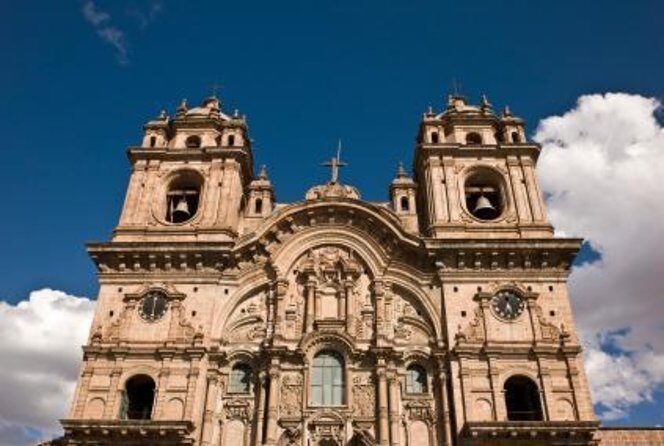
Your first stop is Cusco Cathedral, where construction began in 1560. Even if you’re not a church person, this is one of the easiest places in town to see how Cusco’s identity blended eras. The cathedral is especially known for its religious artwork, including about 300 paintings associated with the Cusqueña School.
What I like about starting here: it gives you a baseline. The cathedral is not just a pretty building. It’s a window into how religion functioned as a public language after the Spanish arrived—how faith, power, and art got built into the same walls.
A practical detail: the cathedral’s entrance is not included. Plan to pay the ticket on-site (and hold onto that receipt if you’re the kind of traveler who keeps track for expense reports). Also, allow time for a slower look. If you hurry, you’ll miss the smaller visual cues that make Cusco’s religious art feel different from what you might have seen elsewhere in Peru.
Time on-site is listed at about 1 hour, which is a good chunk for getting oriented without draining the rest of your day.
Qorikancha (Koricancha): the sacred core that reappears
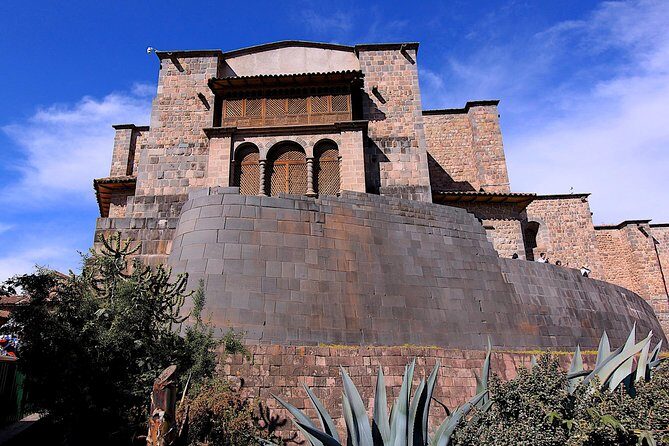
Next up is Qorikancha, often spelled Koricancha in travel materials. This site is famous for the ancient Temple of the Sun complex—an extraordinary example of Inca architectural skill. The tour description emphasizes its impressive building work and the fact that it was a core sacred space.
Here’s the value for you: Qorikancha helps explain Cusco’s “layers.” You’ll see how the original sacred design was transformed and repurposed, yet the place still carries that earlier energy through location and structure. Even without knowing every detail, your guide can point out how the setting and surviving stonework shape what you notice.
It’s also a great photo stop, because the mix of stone and later structures creates visual contrast. But remember: admission to Qorikancha is not included. Budget separately, and don’t count on the cathedral ticket covering anything else.
The visit is about 1 hour here, which gives you enough time to understand the big ideas before moving on to the bigger open-air sites.
Saqsayhuamán: massive stone and big-sky drama
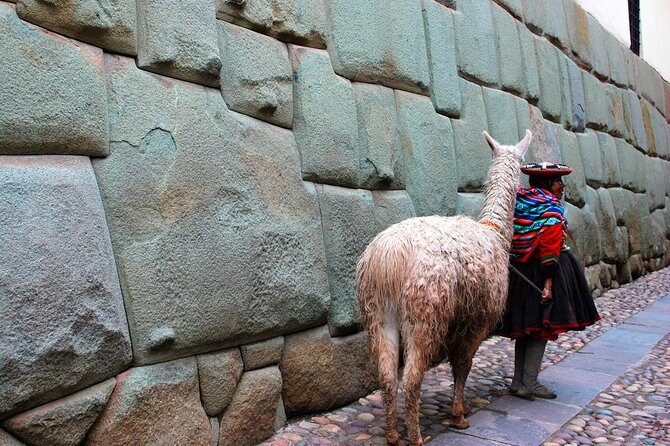
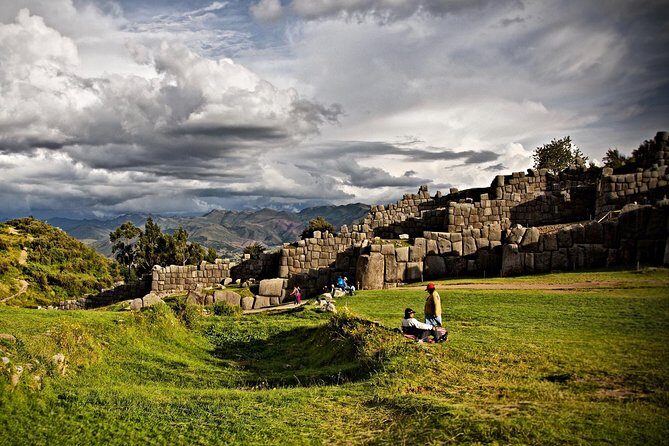
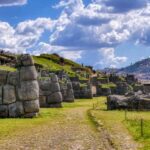
Then you move to Saqsayhuamán, an archaeological complex known for its dramatic stoneworks. The standout detail is weight: some stones are described as up to 120 tons. That number is your clue that you’re not looking at “cute ruins.” This is infrastructure-level engineering.
The tour is scheduled for roughly 40 minutes to 1 hour at this stop. That’s about right. Saqsayhuamán isn’t a museum where you can read everything and sit down. It’s a place where your brain needs a moment to register the scale.
What to focus on: the way the stone layers and walls hold shape in a way that feels intentional and strategic. Saqsayhuamán sits high enough that you’ll often get sweeping views over Cusco’s valley direction, and that view is part of why the site matters. The guide can also connect it to the wider Inca landscape, which turns the stones from random blocks into a system.
Admission fees for this and the other archaeological sites are not included, so again, set aside a separate budget. If you forget this, you’ll still be fine, but you’ll feel annoyed paying last-minute instead of prepared.
Q’enqo (Labyrinth): carved stone and earth worship
After Saqsayhuamán, the tour moves to Q’enqo, sometimes translated as the Labyrinth. This site is described as a religious center dedicated to adoration of the Earth. That phrasing matters, because it shifts your attention from “what it looks like” to “what people used it for.”
Time here is shorter: about 30 minutes. That short window is actually a good thing. Q’enqo is not a place that needs a long museum-style visit. Instead, you want time to walk around, notice the carved features, and let your guide connect the design to spiritual practice.
A practical tip: wear shoes with solid grip. Even on short visits, Cusco’s uneven stone surfaces can be slippery when damp. You’re on foot for enough time across the route that comfort matters.
Entrance fees apply here as well, so plan for ticket costs across multiple stops rather than expecting one single purchase.
You can also read our reviews of more private tours in Cusco

Puka Pucara: reddish stone and military control
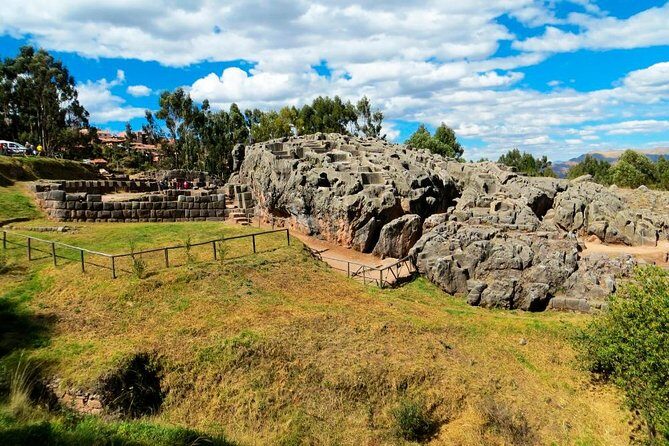
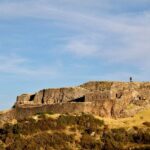
Next is Puka Pucara, described as a military control center, with a name tied to its reddish color (Puca Pucara). This stop feels different from Q’enqo because the tone shifts from religious space to oversight and logistics.
You’ll have about 20 minutes here. That’s the right length for a site that’s more about specific functional features than sprawling pathways. In a short visit, your guide’s explanation is crucial—otherwise you might just see stone and miss the reason it was positioned this way.
Because the time is limited, try not to spend the entire stop staring through your camera screen. Instead, take a couple of quick photos, then look longer with your eyes. If your guide points out construction details, follow along. Those small cues are where the site starts to make sense.
Like the other archaeological stops after the Cathedral, entrance fees are not included.
Tambomachay: the water temple and ritual flow
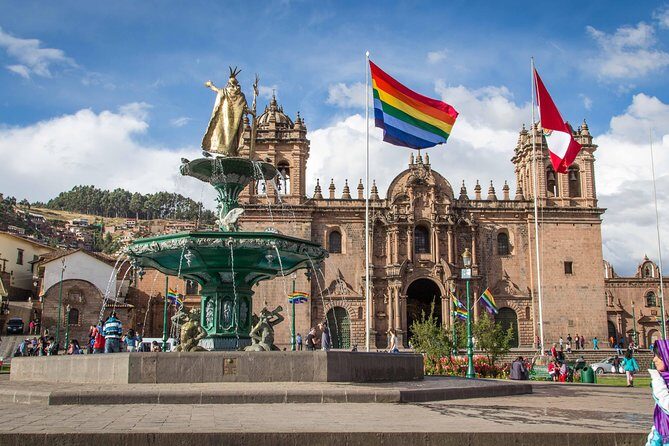
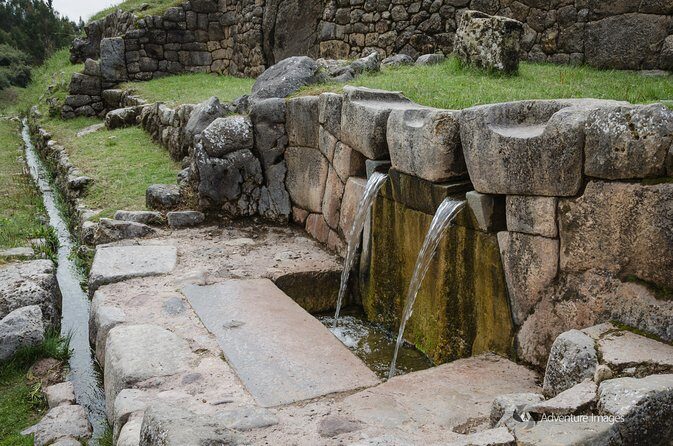
The final major site on this loop is Tambomachay, also described as the Temple of the Water. The tour frames it as a center of worship and adoration of water.
This part of the day is where the tour often feels most calm, because the topic (water, ritual, and sacred geography) encourages a slower pace. The scheduled time is about 20 minutes. That’s enough to understand what makes Tambomachay special without letting the day run long.
If you’re the kind of traveler who likes connecting dots, Tambomachay fits nicely after the earlier stops. You’ve already seen sacred architecture, monumental engineering, and Earth-centered worship. Now you’re looking at a different natural element—water—handled with the same sense of sacred importance.
Entrance fees apply here too, so keep your ticket budget flexible through the whole loop. And if weather changes, this is also one of the places where visibility affects how much you can take in.
What you’re paying for: value beyond the ticket price
At $101.37 per person, this tour can be a good deal if you value two things: guided context and door-to-door transport. Cusco is not hard to navigate, but it is hard to navigate well when you’re short on time and your body is adjusting to altitude.
The tour includes:
- A bus for small groups (private service means it’s for your group)
- A professional guide
What’s not included:
- Entrance to Koricancha
- Entrance to the main cathedral
- Entrance fees to four archaeological sites
- Tips
- Meals and snacks
So the real budgeting question for you isn’t just the $101.37. It’s whether you’ll otherwise spend money on transport and pay for a guide separately. If you plan to visit multiple sites in one day anyway, having the guide and minibus bundled usually feels efficient.
Also, note the pace: this is a “see the essentials” day. If you want long, slow wandering or you’re hoping for extensive walking between far-flung neighborhoods, this might feel a bit tight. But if you want a structured overview of Cusco’s major highlights in a half-day, it fits.
Finally, bring practical gear. One simple suggestion from experience: carry camera battery and storage, because Cusco rewards photos. Also bring water, and plan for short stops where you’ll want to step out quickly.
Morning vs. afternoon: choosing the right fit for your Cusco schedule
The tour offers a choice of morning or afternoon. That flexibility is more than a convenience—it changes how your day feels.
If you’re doing this in the morning, you’ll often get fresher energy for the outdoor stops. Morning can also work well if you have another appointment later (like additional sightseeing, food tours, or heading to a train connection). If you’re doing it in the afternoon, you can use the morning for acclimation, a relaxed breakfast, or easing into altitude.
Either way, keep in mind that there are multiple outdoor archaeological stops. If the weather is unpredictable, morning can sometimes be safer simply because you start earlier in the day. But don’t overthink it—pick the schedule that protects your broader plans.
Who this tour suits best
This is a great match if you:
- Want a half-day overview of Cusco’s biggest religious and archaeological sites
- Prefer private service and dislike coordinating multiple taxis or buses
- Like learning how places connect, not just taking photos at each stop
- Are traveling with family or a small group who benefits from a clear plan and hotel pickup/drop-off
It may be less ideal if you:
- Want to spend hours at each site with no time pressure
- Don’t want to pay multiple site entry fees throughout the route
- Are looking for a heavy hiking day with lots of trails (this is more about curated, short site visits)
Should you book this Cusco City Tour?
I’d say yes if you want a smart, guided introduction to Cusco without turning it into a logistical project. The private minibus setup plus the clear sequence of Cathedral → Qorikancha → Saqsayhuamán → Q’enqo → Puka Pucara → Tambomachay is a solid way to get your bearings fast.
Skip it only if you’re determined to DIY every site and you strongly prefer more time at fewer stops. For most people doing a first visit to Cusco, this tour is a practical win: you cover the essentials, you learn what you’re looking at, and you’re back where you started.
FAQ
How long is the Cusco half-day city tour?
It’s listed as about 5 hours total.
Is this tour private or shared?
This is private service, so only your group participates.
What sites does the tour include?
It includes Cusco Cathedral, Qorikancha, Saqsayhuamán, Q’enqo, Puka Pucara, and Tambomachay.
Are entrance fees included in the price?
No. Entrance is not included for Koricancha and the main cathedral, and there are also entrance fees for the archaeological sites.
Does the tour include hotel pickup and drop-off?
Yes. Convenient hotel pickup and drop-off are included.
Can I choose a morning or afternoon departure?
Yes. You can choose either a morning or afternoon half-day tour.
What happens if the weather is bad?
The experience requires good weather. If it’s canceled due to poor weather, you’ll be offered a different date or a full refund.
When do I get confirmation after booking?
You should receive confirmation at the time of booking.