REVIEW · CUSCO
Sacred Valley of the Incas and Maras Moray Full Day Tour
Book on Viator →Operated by Andean Path Tours · Bookable on Viator
Cusco’s Sacred Valley in one long day. What I love most is how the tour pairs Chinchero’s living weaving culture with Inca ruins and colonial churches, then turns Moray into a clear story about Inca farming science; the one drawback is the day is packed and you’ll still need extra paid entries (Cusco Tourist Ticket for several sites, plus Maras salt mine admission).
This is a tight, well-priced route for people who want maximum variety without renting a car. You get an air-conditioned vehicle, a bilingual English/Spanish local guide, and lunch in Urubamba, with a small group size (max 15). The only thing to watch: getting the pickup exactly right at the start of the day, since a mix-up can happen.
In This Review
- Key Highlights You’ll Notice Fast
- Why This Tour Works as a One-Day Sacred Valley Plan
- Getting From Cusco to Chinchero: Timing, Altitude, and First Impressions
- Chinchero: Inca Ruins Meet Andean Weaving and Colonial Churches
- Moray Terraces: The Inca’s Clever Farming Lab
- Maras Salt Mines: The Photos Are Real, but Budget for Entrance
- Urubamba Lunch: A Real Break in the Middle of the Day
- Ollantaytambo: Fortress Views and the Practical Machu Picchu Gateway
- Pisac: Terraces Plus a Market You Can Actually Use
- Price and Tickets: What $44 Really Buys You
- Guide Quality and Pickup: How to Set Yourself Up for a Smooth Morning
- Who Should Book This Sacred Valley and Maras Moray Day Tour
- Should You Book Andean Path Tours for Sacred Valley and Maras?
- FAQ
- How long is the Sacred Valley of the Incas and Maras Moray tour?
- What time does the tour start, and where do I meet?
- Is hotel transfer included?
- Is lunch included?
- Do I need the Cusco Tourist Ticket?
- How much does Maras Salt Mines entrance cost?
- What group size should I expect?
- What is the cancellation policy?
Key Highlights You’ll Notice Fast
- Small group size (max 15) makes the long day feel more personal
- Moray’s farming terraces help you understand how the Incas managed crops
- Maras salt pools give you a photogenic stop that’s different from typical ruins
- Ollantaytambo isn’t just ruins; it’s the practical gateway toward Machu Picchu logistics
- Urubamba lunch breaks up the itinerary so you’re not running on empty
- Included transport + guide is the real value at $44 compared to DIY timing
Why This Tour Works as a One-Day Sacred Valley Plan
If you only have one day and you want Sacred Valley highlights in a single sweep, this tour is built for that. You start early from Cusco, then you spend the day moving through the valley’s best-known archaeological spots plus the more unusual Maras salt landscape. The route is designed to reduce decision fatigue: you’re not figuring out buses, turns, or timing between stops.
The pacing is the trade-off. This isn’t a slow wander. You’ll spend about an hour at most stops, with a couple of slightly longer segments. That can be great if you like seeing a lot and getting context from a guide. It can feel rushed if you prefer lingering with fewer places.
The format also matters for comfort. You’ll ride in an air-conditioned vehicle, and the tour includes Cusco hotel transfers. And with a small group, you typically get easier access to the guide for questions during transitions—especially helpful if you’re curious about what you’re seeing, not just posing for photos.
You can also read our reviews of more tours and experiences in Cusco



Getting From Cusco to Chinchero: Timing, Altitude, and First Impressions
The day starts with pickup and a scenic drive out of Cusco. Collection is from Cusco accommodations, and the stated start time is 7:00 am. It’s a smart move because Sacred Valley light and road traffic can matter a lot for how smooth the day feels.
Your first stop is Chinchero, located at 3,762 meters (12,343 feet). That altitude detail matters even if you already feel acclimated from Cusco. Plan for short breaths, slower steps, and a bit of patience when you first get out of the van.
Chinchero also sets the tone. You’re not just looking at stone. You’re looking at a place where people still make and sell Andean textiles, alongside historic Inca ruins and colonial-era churches. One hour is enough time to get the basics and understand why this place is more than a quick photo stop.
What I find practical here is the combination: you learn the Inca story and then you see it through everyday life—especially through weaving. If you’re the type who likes meaningful souvenirs, this is a good start, because it’s easier to tell what you’re buying when you already understand the tradition.
Chinchero: Inca Ruins Meet Andean Weaving and Colonial Churches
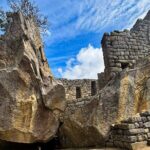
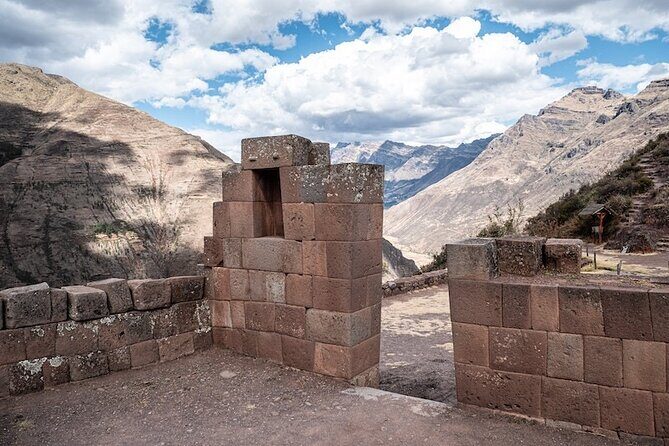
Chinchero is where the Sacred Valley tour becomes human. You’ll tour Inca ruins and also colonial churches, all in the same area. That mix is important because the Sacred Valley wasn’t frozen in time. It kept changing, and the built environment shows it.
A big reason I like Chinchero on this route is the weaving angle. Andean textiles are not just decorative; they’re tied to community knowledge and materials. Even if you don’t buy anything, you’ll likely notice how the local craft connects to the landscape and seasons. That makes the rest of the day easier to follow because you start thinking in terms of culture + environment, not only monuments.
The time window is about an hour, and you should treat it like an overview. You’ll have enough time to walk, look, and get your questions answered, but you won’t have hours to wander slowly into every corner. Wear comfortable shoes you can handle on uneven ground, and don’t underestimate how the altitude can affect your pace.
If you’re hoping for a dramatic, Machu Picchu-style view from the first stop, Chinchero may feel more “cultural” than “wow-peak.” But it’s a strong opener because it gives you context for the agricultural and craft themes that show up again later.
Moray Terraces: The Inca’s Clever Farming Lab
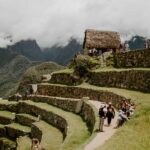
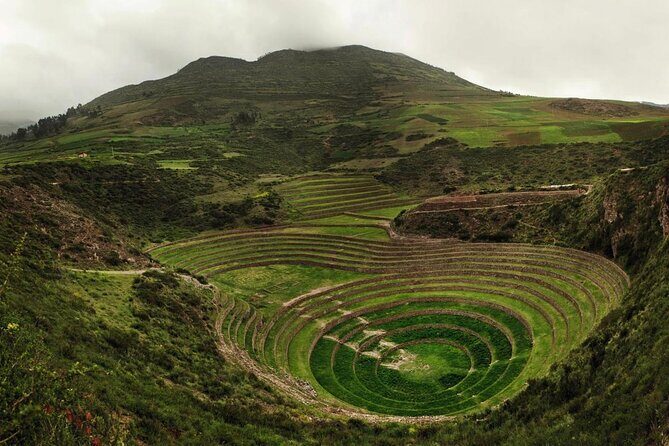
After Chinchero, you head to Moray, a site built around amphitheater-like farming terraces. The Incas didn’t just build impressive ruins; they experimented with agricultural conditions. Moray is often explained as a way to control microclimates, using different terrace levels to grow different crops or varieties more effectively.
You’ll have about one hour here. That’s enough time to take in the circular layout, understand what you’re looking at, and get the guide’s explanation without rushing so hard you miss the point. The terraces can look abstract until someone gives you the “why.” Once it clicks, the site stops being just a shape in the landscape and becomes an engineering idea.
This is also a good place to ask questions. For example: how the terraces relate to temperature, water, and cultivation. You can also ask how archaeologists interpret the site and what’s still debated. The guide’s job is to translate the stone into everyday sense, and Moray is one of the easiest places for that translation.
One practical tip: bring water if you’re prone to getting lightheaded at altitude. You’ll be moving, climbing steps, and standing in the sun, and it adds up over an 8-hour day.
Maras Salt Mines: The Photos Are Real, but Budget for Entrance
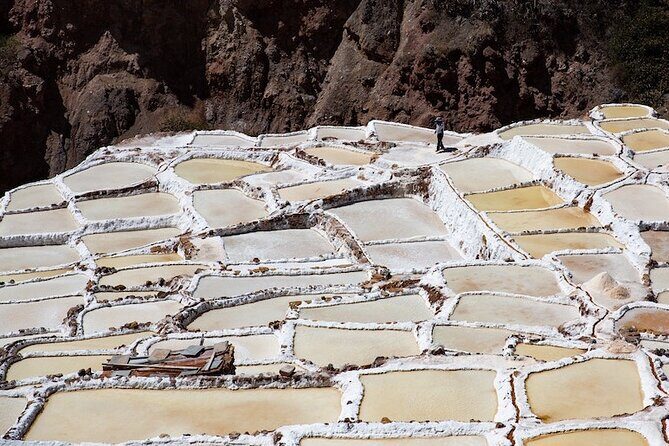
Next comes Maras Salt Mines, reached by a short drive (about 15 minutes from Moray). Then you’ll spend around an hour walking among the salt pans.
This stop is famous for a reason: the salt pools create a grid of bright, textured basins that look almost artificial. But they’re active and historically connected to Inca-era salt production. It’s a different kind of sightseeing—less “fortress” and more “working landscape.”
The key practical point is cost. Entrance to the Maras Salt Mines is not included. The stated entry price is 20 Soles. If you’re trying to budget tightly, this is one line item you should plan for before the day starts.
The other practical consideration is comfort. You’ll be moving on uneven paths and spending time outdoors. The ground can feel dry and bright, so sun protection matters. If you’re sensitive to heat, aim to pace yourself and take breaks when the group stops.
If you love places that feel alive rather than solely historical, Maras is a highlight. It’s also a good reset after terraces and ruins—visually it’s completely different, and the scale can be surprising.






Urubamba Lunch: A Real Break in the Middle of the Day
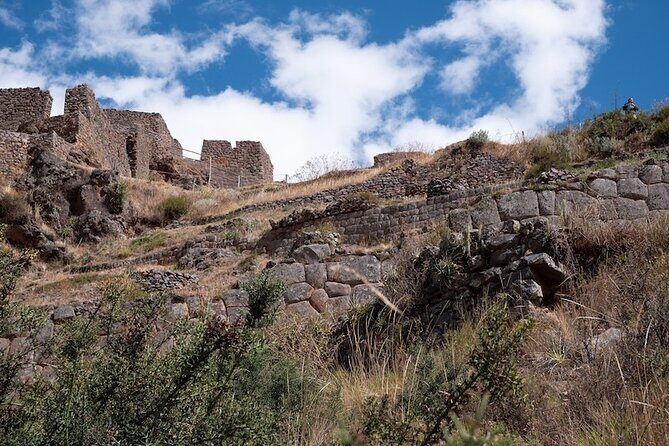
As you head toward midday, the tour brings you to Urubamba for a buffet lunch. Lunch is included, which is a big deal for a day at this price. It also helps you avoid the stress of searching for a good spot with the right timing.
You’ll have about an hour for lunch. That means you can eat without turning it into a long sit-down experience, and you can still use the time to catch your breath. If you’ve been walking since the morning, this is where you recharge.
What to expect from a buffet depends on the venue, but the important part is the structure: this break prevents the itinerary from becoming purely “checkpoints.” Also, because you’re eating in Urubamba, you’re in a hub that’s naturally tied to the valley’s rhythms. Even if you don’t explore town beyond the restaurant, you’ll feel the shift from highland ruins to everyday valley life.
If you have a sensitive stomach, choose simpler items and drink water. Altitude and travel can make even a normal meal feel stronger than usual. This is one of those quiet travel tips that makes the afternoon more enjoyable.
Ollantaytambo: Fortress Views and the Practical Machu Picchu Gateway
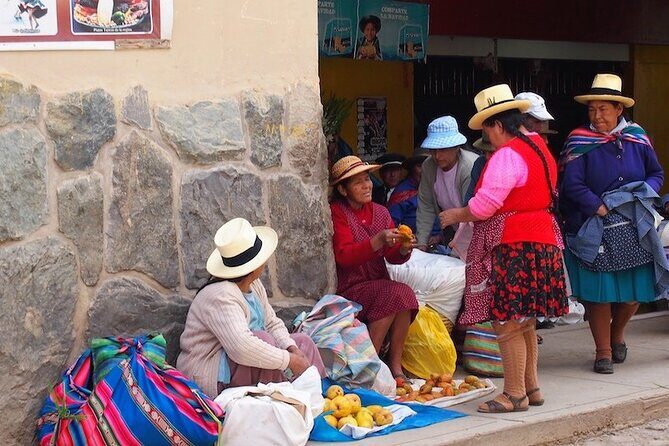
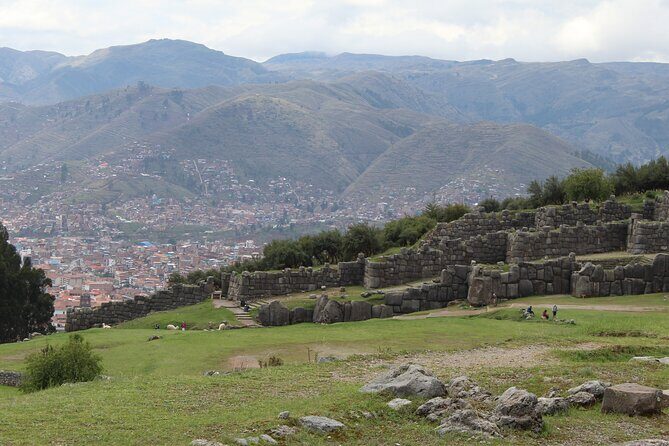
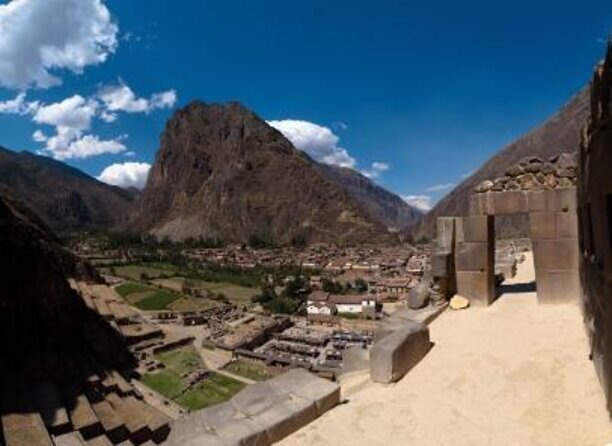
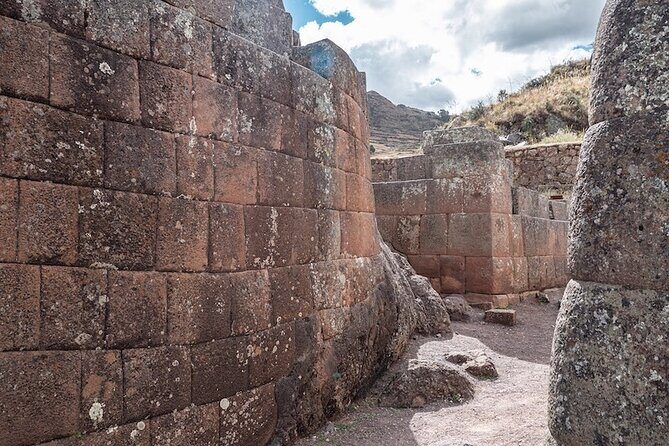
After lunch, you’ll drive to Ollantaytambo, about half an hour away. Ollantaytambo is known for its massive Inca fortress, carved into terraces on the hillside. It’s impressive even before you fully understand what you’re seeing, because the stonework feels built to control the land.
During your visit, you’ll have about an hour. Again, it’s enough for a guided overview: where you should look, how the fortress relates to the town, and why this place mattered to the Incas. Today, it’s also a key gateway for boarding trains toward Machu Picchu. That connection can help you understand the site’s continued importance.
This is also a starting point for those embarking on the Inca Trail to Machu Picchu. You won’t do the full trail in this tour, of course, but knowing that Ollantaytambo is tied to that larger journey gives the ruins extra meaning.
If you’re the kind of traveler who likes to connect dots, Ollantaytambo is a strong linking stop. You can connect its defensive architecture to the practical logistics that many travelers experience later: trains, routes, and staging points.
Wear shoes with grip. Some areas involve uneven stones and slopes. And if you’re taking photos, watch your footing first—this is a place where the best angles are often on slightly tricky ground.
Pisac: Terraces Plus a Market You Can Actually Use

The final major archaeological stop is Pisac. You’ll have about one and a half hours here, which is generous compared to some Sacred Valley schedules. Pisac is known for stunning agricultural terraces and striking Inca structures, and it’s also famous for its colorful market.
This combination is why Pisac often feels like more than a last stop. You can do both parts: the archaeological walk for context and the market for practical souvenir shopping. The “colorful market” detail matters because you’re not just buying generic trinkets. When you’ve already seen weaving at Chinchero and agricultural planning at Moray, it’s easier to recognize what kind of crafts fit the place.
The risk with a market stop is feeling rushed. You’ll have enough time to browse, but you’ll want to set your priorities early. If you care about textiles, look for consistent quality and ask questions about what you’re seeing. If you’re shopping casually, you can still enjoy the atmosphere without getting stuck in bargaining loops.
Also, remember that your day ends back in Cusco at Plaza Regocijo. Pisac is your last chance for meaningful walking before the return drive, so pace yourself and don’t try to do everything at full speed.
Price and Tickets: What $44 Really Buys You
At $44 per person for about 8 hours, you’re paying mostly for transport, guidance, and lunch. That’s the heart of the value. A full-day route like this would cost you more in time and stress if you tried to DIY it, especially when you factor in finding the right vehicles for each segment.
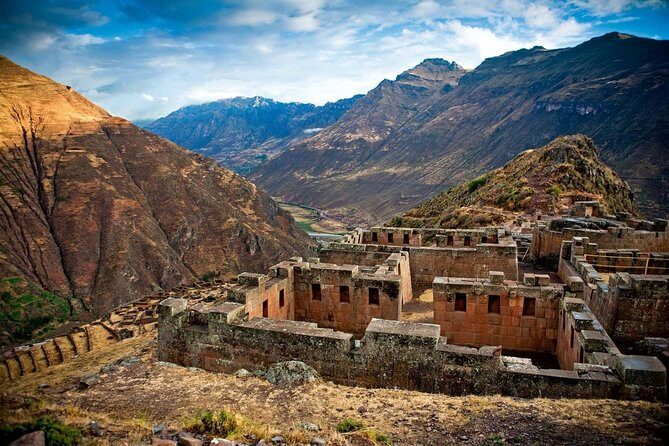
But you do need to budget extra for admissions. You’ll need the Cusco Tourist Ticket, priced at 20 USD, for the archaeological sites on the itinerary at stops 1, 2, 5, and 6. That means Chinchero, Moray, Ollantaytambo, and Pisac are covered by that ticket requirement.
On top of that, Maras Salt Mines entrance costs 20 Soles and is not included. Lunch and your ride are covered, but these specific entries are not.
So the smart way to think about value is: the tour price buys the day plan and the people who guide you through it. Your main extra costs are the site entries and the salt mine fee. If you already planned to visit these places anyway, the math often works well.
One more note: this experience is non-refundable and cannot be changed for any reason. If your schedule is tight, build in buffer time around weather or altitude issues.
Guide Quality and Pickup: How to Set Yourself Up for a Smooth Morning
This kind of tour lives or dies by two things: guide energy and pickup accuracy. The overall reputation is strong, with a high recommendation rate and an excellent average rating. Most of the best feedback points to guides who are funny, patient, and genuinely passionate about Inca history, and that matters because you’re spending a long day listening, walking, and moving.
That said, I’d treat guide performance as important. If you get a guide who’s enthusiastic, the stops feel connected. If the guide is flat, you’ll still see the sites—but you may feel like you’re collecting photos instead of understanding the place.
Pickup accuracy is the other big variable. Even when everything else goes well, a rocky start can happen if your pickup location details aren’t clear. My advice: confirm your exact pickup point and timing before the tour day. If you’re meeting at the city center, be explicit about where you’ll be found.
Also, arrive early at the pickup area so you’re not sprinting in thin air. Once the day gets going, the route is straightforward—vehicle to stop, guided walk, then onward.
Who Should Book This Sacred Valley and Maras Moray Day Tour
This tour is a strong match if you want a guided overview of the Sacred Valley in one day and you don’t want to handle the logistics yourself. It’s especially good for first-timers who need context: why certain terraces exist, how agriculture worked, and what connects these places to the wider Machu Picchu journey.
You’ll likely enjoy it if you like:
- archaeology with real-world explanations (not just stone names)
- variety in a single day (ruins, terraces, salt pools, market time)
- small-group pacing with a bilingual guide
- included lunch that keeps the afternoon from feeling dragged
You might want a different plan if:
- you hate a packed schedule and prefer fewer stops with longer time per place
- you’re very sensitive to altitude and want a slower rhythm
- you want to treat Maras or the markets as “main events” (because the time is limited)
Should You Book Andean Path Tours for Sacred Valley and Maras?
I’d book this if you’re aiming for a smart, efficient full-day highlight circuit with transport and a guide included. At $44, the value is real—especially with air-conditioned rides, lunch, and a small group limit.
Just go in with the right expectations: you’ll pay extra for the Cusco Tourist Ticket (USD 20 for several archaeological stops) and Maras Salt Mine entrance (20 Soles). Also, because the day is scheduled tightly, choose this option when you’re ready to move from one site to the next and let the guide bring it all together.
If you want one day that gives you Sacred Valley breadth—Chinchero culture, Moray’s farming logic, Maras salt pools, Ollantaytambo’s fortress energy, and Pisac’s terraces plus market—this tour fits the bill.
FAQ
How long is the Sacred Valley of the Incas and Maras Moray tour?
It runs for about 8 hours.
What time does the tour start, and where do I meet?
It starts at 7:00 am. The meeting point is Plaza de Armas Cusco 08000, Peru.
Is hotel transfer included?
Yes. Cusco hotel transfer is included.
Is lunch included?
Yes. Lunch in Urubamba is included.
Do I need the Cusco Tourist Ticket?
Yes. The Cusco Tourist Ticket is required for the archaeological sites listed for stops 1, 2, 5, and 6, and it is not included in the tour price (20 USD).
How much does Maras Salt Mines entrance cost?
Entrance to the Maras Salt Mines costs 20 Soles and is not included.
What group size should I expect?
The maximum group size is 15 travelers.
What is the cancellation policy?
This experience is non-refundable and cannot be changed for any reason.