REVIEW · CUSCO
Rainbow Mountain and Red Valley Hike – 2 Days / 1 Night
Book on Viator →Operated by Salkantay Trekking · Bookable on Viator
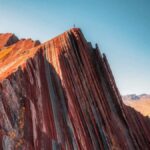
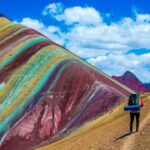
Rainbow Mountain looks like a science-fiction movie, but the Andes make it real. This 2 days / 1 night trek pairs Ausangate views with the famous striped cliffs of Vinicunca (Rainbow Mountain), then rolls into the Mars-like Red Valley. I especially love how early starts get you to the viewpoints while the air is still crisp, and I love the small-group feel with camping logistics handled for you. One thing to weigh: this is a challenging high-altitude hike, and if your fitness isn’t solid, the long up-and-down sections can feel punishing.
The payoff is the kind of scenery that makes you stop talking. You’ll sleep out under a clear starry sky, eat good camp food, and return to Cusco with the route and timing done for you—not cobbled together on your own. Just plan for altitude and cold nights; the itinerary is built around them.
In This Review
- Key things I’d zoom in on before you book
- Price and value: what $415 covers (and why that matters)
- Day 1: Quesiuno valley walking, Puka Pass, and Surinecocha camp
- Breakfast and guide check-in before you move
- Up the valleys toward Puka Pass
- Warmisaya Pass and first Rainbow glimpses
- Dinner at Surinecocha under real stars
- Day 2: Sunrise timing at Vinicunca and the Red Valley observatories
- Rainbow Mountain (Vinicunca) viewpoint push
- Red Valley observatories: Mars-like terrain from multiple angles
- Back to Cusco around 4 p.m.
- Beyond the photos: what these mountains teach you about the region
- Ausangate sets the stage
- Rainbow Mountain is a color lesson
- Red Valley rewards patience
- The guide can make or break it
- Comfort, food, and the pace of camping logistics
- Altitude prep and fitness reality check (so you enjoy it)
- Should you book this Ausangate + Rainbow Mountain + Red Valley trek?
- FAQ
- What time does the trek start?
- How long is the hike on each day?
- Where do you camp overnight?
- Is camping equipment included?
- Are entry fees included for Rainbow Mountain and Red Valley?
- Do you carry all your luggage?
- What food is included?
- What happens if the tour can’t run due to weather?
- Additional practical tips before you go
Key things I’d zoom in on before you book
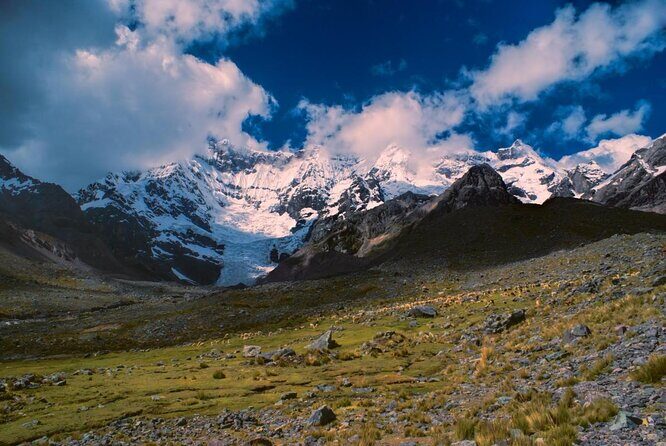
- Two mountain stages, not just one photo stop: Ausangate first, then Rainbow Mountain and Red Valley the next day.
- Early arrival at the Rainbow Mountain viewpoint: you’ll do the one-hour walk to reach it as the day is getting going.
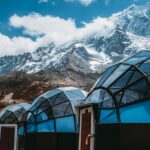
- Sleeping setup is handled: tents and sleeping pads/bags are included, so you’re not scrambling on gear.
- Safety support is real: first aid kit plus oxygen supply, along with an experienced mountain guide.
- Small group limits the chaos: capped at 12 travelers, which matters on narrow trails and viewpoints.
- Luggage support is limited but helpful: the hike includes luggage transport of 7 kg.
Price and value: what $415 covers (and why that matters)
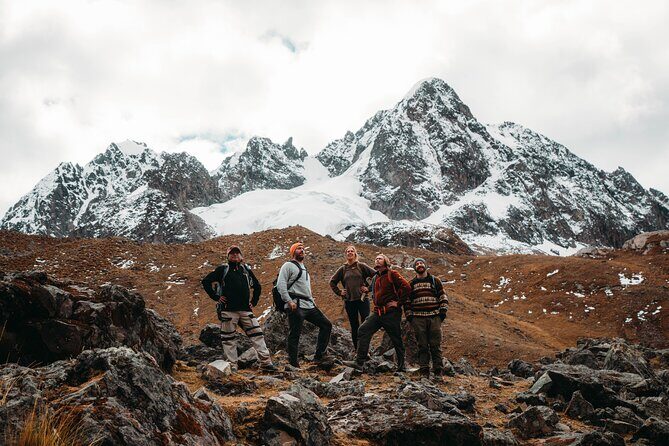
At $415 per person for 2 days / 1 night, you’re paying for more than the sights. You’re also paying for the big stuff that usually adds cost when you plan it yourself in Cusco: hotel pickup/drop-off, private transport and transfers, a real guide, entrance fees, and the camping system (tents and sleeping gear).
This is also a safety-forward tour. You get an experienced mountain guide, plus a first aid kit and oxygen supply. On a route like Ausangate to Puka Pass and then Vinicunca to the Red Valley observatories, that support is not fluff—it helps you keep moving with fewer worries.
One more practical point: the tour covers water and snacks, plus two breakfasts and two lunches (and dinner on night one). That reduces the number of decisions you have to make while you’re breathing hard at altitude.
The one “hidden cost” to consider is what’s not included: optional horse assistance on the trail, travel insurance, and tips. If you’re the type who likes backup plans for steep climbs, horse help can be a factor. But if you want to travel light and stay steady on foot, you’ll likely be fine without it.
You can also read our reviews of more evening experiences in Cusco
Day 1: Quesiuno valley walking, Puka Pass, and Surinecocha camp
Day 1 starts extremely early, with a pickup around 4 a.m. and the trek day starting close to 4:30 a.m. The early start is not random. It helps you cover the day’s distance while conditions are safer and the light is good for mountain views.
Breakfast and guide check-in before you move
Before you hike, you’ll get breakfast prepared by the chef. Then the guide covers safety instructions. This matters because the route includes pass crossings and changing terrain, and you’ll be moving for hours.
Up the valleys toward Puka Pass
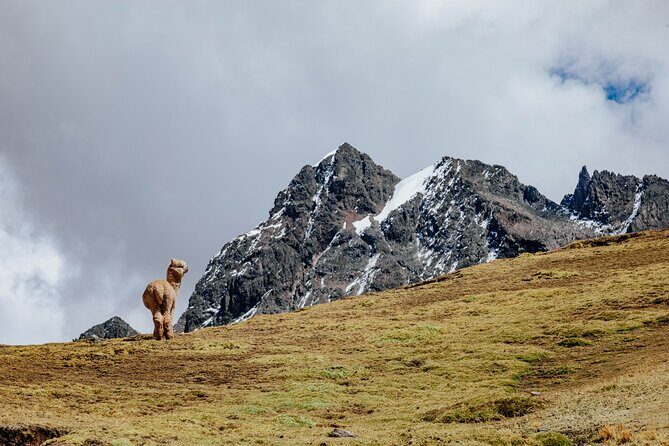
You’ll traverse a green and reddish valley, and you’ll see alpacas along the way—small details, but they make the trek feel like you’re moving through a living place, not just walking to a landmark.
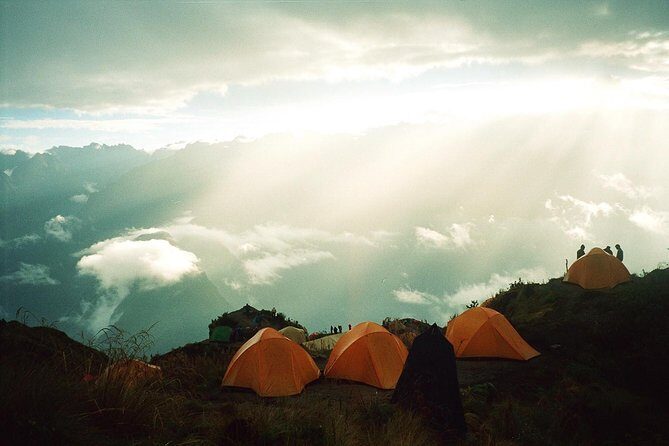
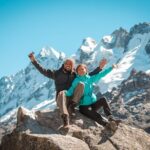
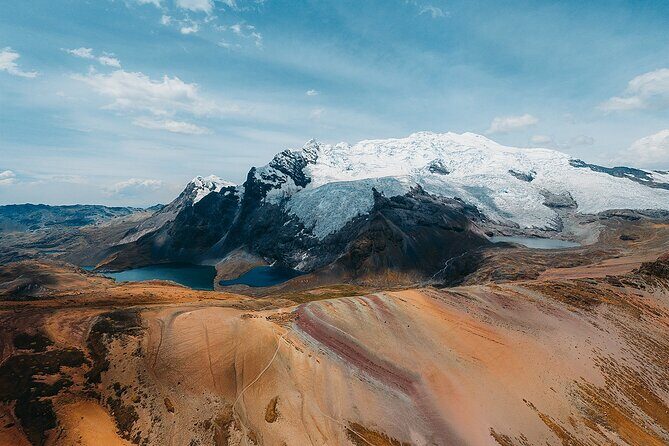
As you climb, you reach the Puka Pass, and that’s where the day snaps into focus. From there, you get your first major view of Nevado Ausangate, plus Pukaqocha lagoon at its base. Even if you’re there mainly for Rainbow Mountain, this moment gives you context: the whole region has a bigger spiritual and geographic story than one viewpoint.
Warmisaya Pass and first Rainbow glimpses
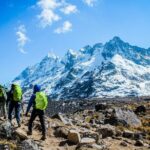
After photos and a pause, you continue to the lunch spot and then the Warmisaya Pass. This section is up-and-down, so don’t expect a smooth walk. The reward is your first glimpse of the colors associated with Rainbow Mountain.
You can also read our reviews of more hiking tours in Cusco
Dinner at Surinecocha under real stars
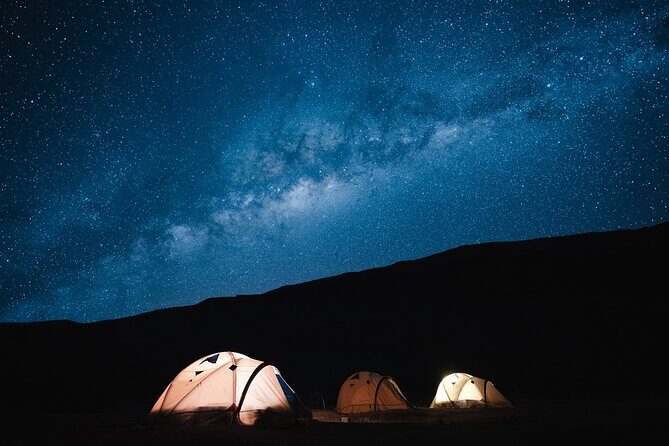
You finish Day 1 at the Surinecocha camp. Dinner is included, and you’ll have time to see the clear starry sky before sleeping in your tent. That night is one of the more memorable parts of this itinerary, because it slows everything down after a long day.
A practical drawback: you’re likely to feel cold even if you dress well. The tour includes a rain poncho and hiking poles, but it can’t make mountain nights warm. If you’re sensitive to cold, plan to layer.
Day 2: Sunrise timing at Vinicunca and the Red Valley observatories
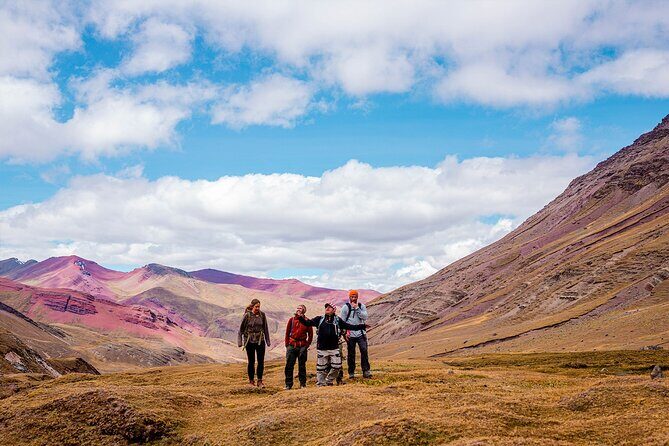
Day 2 begins early again, and the tour gives you hot coca tea in your tent to cut the chill before you head out. That’s a small touch, but it helps you get moving without treating cold air as a problem to fight.
Rainbow Mountain (Vinicunca) viewpoint push
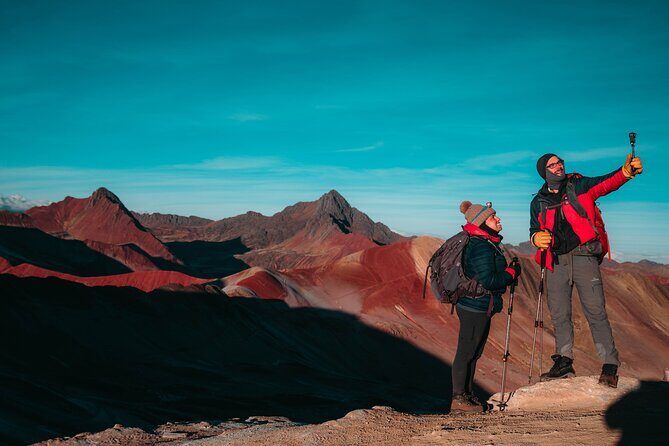
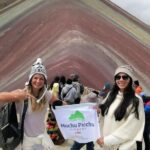
You’ll hike for about one hour to reach the Rainbow Mountain viewpoint, and the timing is the key. The tour is set up so you’re among the first to arrive, which is great for photos and for simply soaking in the view without crowd pressure.
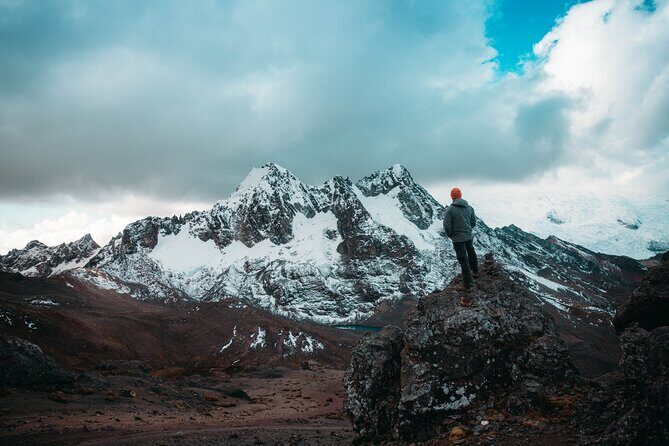
From the viewpoint, you’ll get panoramic views of Ausangate Mountain and Rainbow Mountain, and your guide explains what you’re seeing—why the colors show up the way they do and what makes this area distinct.
Red Valley observatories: Mars-like terrain from multiple angles
After Rainbow Mountain, you climb for another hour to reach Red Valley observatories. There are two observatory viewpoints, and you’ll appreciate the terrain from different angles—like walking through a natural version of red rock formations.
This is also when you’ll meet local communities before descending to transport. That social piece is part of what turns the trek from scenic exercise into a human experience.
Back to Cusco around 4 p.m.
Once you descend, you’ll head by transport and finish with lunch midway through Cusco. You’ll be dropped off around 4 p.m. That’s a helpful schedule if you want the same-day momentum for dinner plans or onward travel.
Beyond the photos: what these mountains teach you about the region
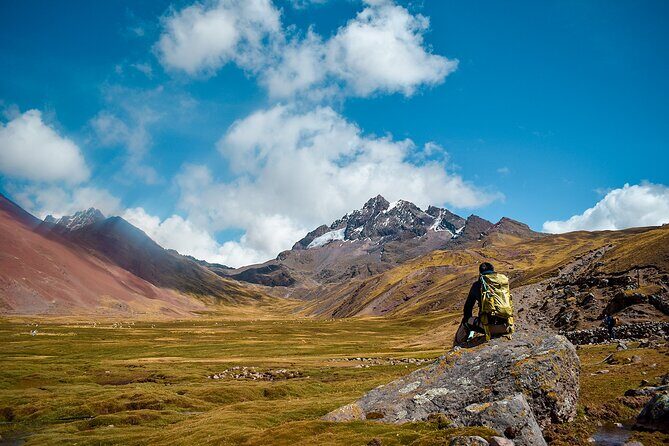
I like that this itinerary doesn’t treat Rainbow Mountain as a single-stop checklist.
Ausangate sets the stage
Starting with Nevado Ausangate gives you a “big picture” feel. It’s the kind of mountain presence that makes Vinicunca look less random and more like part of the same dramatic system of passes, lagoons, and high valleys.
Rainbow Mountain is a color lesson
When you reach Vinicunca early, you’re seeing the colors at their most striking—and you’re also seeing the viewpoint in the morning light. That’s when the striped look is easiest to appreciate, and when the guide’s explanation lands because you can actually match the story to the shapes in front of you.
Red Valley rewards patience
Red Valley is often described as Mars-like for a reason: the terrain is rugged, and the best views come when you slow down and change angles. Two observatories means you’re not just checking one spot and leaving. You’ll spend enough time to notice how the ground shifts in texture and color.
The guide can make or break it
One detail that comes up clearly is the guide experience—Marco is specifically praised for being great and for helping the trip feel smooth. Good guidance also matters when you’re managing altitude and pacing, not just following along.
Comfort, food, and the pace of camping logistics
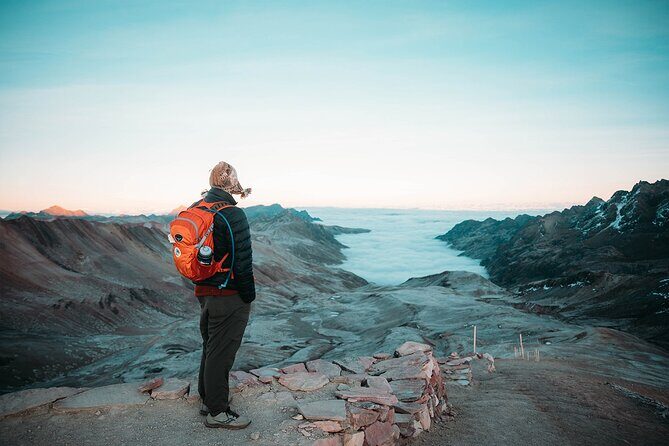
This trek is “out there,” but it’s not roughing it in the chaotic sense. Camping equipment is included: tents, sleeping pads, sleeping bags, and even tables and chairs. That means you’re not spending energy on setup after a long climb.
Food is another strength. You’ll have:
- Breakfast on Day 1 and Day 2
- Lunch on both days (lunch is included twice, with one midway through Cusco on Day 2)
- Dinner on night one
- Water and snacks during the hike
This tour also includes hiking poles and a rain poncho. Poles are especially useful on the up-and-down parts (Puka Pass day, Warmisaya Pass day, and the climb to Red Valley observatories on Day 2).
The pace is clearly designed for a multi-stop route. Still, keep in mind the itinerary includes several hours of hiking each day, and you’ll be walking at high altitude. If you’re strong but not trained for altitude hiking, you might still need to slow your pace and focus on steady breathing.
Altitude prep and fitness reality check (so you enjoy it)
The tour is for people with a strong fitness level. It’s also a good idea to arrive in Cusco at least 2 days before the trek so your body can start adjusting.
That advice isn’t just a formality. Altitude affects your energy, your appetite, and how quickly you recover between climbs. The itinerary includes passes and viewpoint hikes that are long enough that pacing matters.
Here’s what I suggest you do before you go:
- Plan physical workouts that feel similar to uneven uphill/downhill walking.
- Give yourself altitude adjustment time in Cusco, not just a day.
- Travel with layers and be ready for cold mornings and chilly night camp conditions.
Also note what’s not offered: no horse assistance is included automatically. Horse support is listed as optional. So if you’re worried about steep sections, think through whether you want that backup.
Should you book this Ausangate + Rainbow Mountain + Red Valley trek?
If you want a high-altitude trek that covers more than one famous site, I’d say yes. The best reason to book is the structure: Ausangate first, then a timed push to Vinicunca, then enough time in the Red Valley to see it from two observatories. Add in included camping gear, meals, entry fees, and safety support, and the value makes sense even at $415.
Skip it or reconsider if you:
- know altitude hiking hits you hard,
- aren’t comfortable with strenuous up-and-down walking,
- or can’t commit to the early mornings.
If you’re deciding between this and a simpler day trip, this one gives you the overnight camp experience and more routes instead of rushing through everything.
FAQ
What time does the trek start?
You should expect pickup very early, around 4 a.m., and the trek day is listed with a start time of 4:30 a.m.
How long is the hike on each day?
Day 1 is about 6 hours, and Day 2 is about 5 hours.
Where do you camp overnight?
You camp at Surinecocha after Day 1.
Is camping equipment included?
Yes. The tour includes camping equipment such as tents, sleeping pad, sleeping bag, and campsite items like tables and chairs.
Are entry fees included for Rainbow Mountain and Red Valley?
Yes. Entry fees are included in the tour price.
Do you carry all your luggage?
Luggage transport on the hike is included for up to 7 kg. Anything above that is not covered by the listed luggage transport.
What food is included?
Dinner is included on Day 1, and breakfasts and lunches are included on both days (with lunch on Day 2 also included as you return toward Cusco). Water and snacks are also included.
What happens if the tour can’t run due to weather?
If it’s canceled because of poor weather, you’ll be offered a different date or a full refund.
Additional practical tips before you go
If you can, arrive in Cusco early to adjust to altitude—at least 2 days is recommended. And double-check your passport details during booking, since the passport name, number, expiry, and country are required. If you’re planning Machu Picchu too, remember that spots sell out quickly, so book ahead to avoid a scramble.