REVIEW · CUSCO
2-Day Tour: Sacred Valley & Machu Picchu – All Tickets Included
Book on Viator →Operated by FLY CUSCO Perú Travel Agency · Bookable on Viator
Machu Picchu runs on a schedule you feel. This 2-day Cusco experience links the Sacred Valley highlights—alpacas at Awana Kancha, Pisac, Ollantaytambo—with a timed Machu Picchu visit, while tickets, transfers, and your night in Aguas Calientes are handled.
I especially like two things: the trip is heavy on what you actually need (train, bus, hotel night, and guided tours), and it stays small-group with pick-up and drop-off at your hotel. It also means you’re not spending vacation time chasing reservations, which is the fastest way to turn excitement into stress.
One thing to plan for: the Sacred Valley entrance ticket isn’t included (70 Peruvian soles paid in cash), and Machu Picchu entry is tied to limited circuits and timed shifts.
In This Review
- Key highlights worth caring about
- What you’re really buying for $499: tickets, sleep, and guided time
- Door-to-door Cusco pickup and the Sacred Valley drive with Inca-era stops
- Awana Kancha alpaca farm: the stop that sets the tone
- Taray viewpoints and the quick photo break
- Pisac: archaeological terraces plus a market stop for real local life
- Urubamba buffet lunch: more than one meal, it’s part of the pacing
- Ollantaytambo ruins and the Machu Picchu connection
- Train to Aguas Calientes: VistaDome 360° vs the normal option
- Aguas Calientes hotel night: sleep near Machu Picchu’s doorstep
- Machu Picchu morning in circuits 1 and 2: what that shift system means
- Guides and coordination: the human part that made people feel safe
- What to bring so you don’t suffer (or buy things in a panic)
- Price vs reality: when this tour is worth it and when it isn’t
- Who this 2-day Sacred Valley and Machu Picchu tour suits best
- Should you book this tour?
Key highlights worth caring about
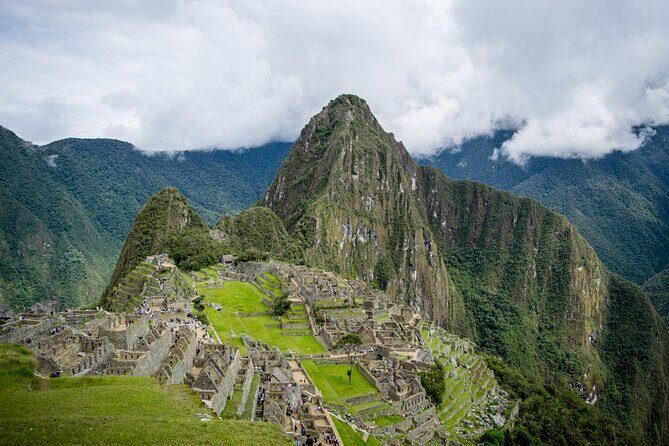
- All Machu Picchu entry is handled, plus the bus round-trip between Aguas Calientes and the site
- Small group size (1 to 10) keeps the pace human and the guide able to answer questions
- Train upgrade option: choose a normal train or the VistaDome 360° panoramic option
- A real meal in the Sacred Valley: a buffet lunch with vegetarian options and lots of Peruvian dishes
- Guide support on both days, with punctual door-to-door transfers so you’re not figuring out the system
What you’re really buying for $499: tickets, sleep, and guided time
At $499 per person, the value here isn’t just that you get to see Machu Picchu. You’re buying the hard parts that usually cost time and mental energy: the Machu Picchu entrance ticket, the round-trip bus from Aguas Calientes, your train ride from Ollantaytambo, and a guided day before the big morning. Add in breakfast, a full buffet lunch in the Sacred Valley, and a one-night hotel stay in Aguas Calientes, and the price starts to look reasonable rather than scary.
This is also one of those trips where your day runs on coordination. You leave Cusco in the morning, spend the first day working your way through key Sacred Valley stops, sleep near Machu Picchu, then do Machu Picchu early the next day. If you hate uncertainty—like wondering whether you’ll miss a bus or scramble for a ticket—this format is built to remove that friction.
And yes, the tour includes a pick-up and drop-off from your hotel (door-to-door service). That matters more in Peru than most places, because travel time inside the Cusco region can be unpredictable without a plan.
You can also read our reviews of more tours and experiences in Cusco

Door-to-door Cusco pickup and the Sacred Valley drive with Inca-era stops
Your day starts at 7:45 am with pick-up from your hotel lobby after breakfast. From there, you travel from Cusco into the Sacred Valley region with your guide, and the route includes major Inca sites along the way—Sacsayhuaman, Qenqo, and Pucapucara. There’s also an optional viewpoint stop at Cristo Blanco, if conditions allow.
This matters because it turns the drive into more than just transit. Instead of staring out the window hoping you’ll get a highlight later, you’re getting context as you go. It’s also a good way to handle altitude timing: the day has built-in pacing, not just a hard sprint to Machu Picchu.
The transportation is described as new, comfortable, and modern. You’ll still want to bring a light layer, because mountain weather can shift fast even when the sun looks friendly.
Awana Kancha alpaca farm: the stop that sets the tone
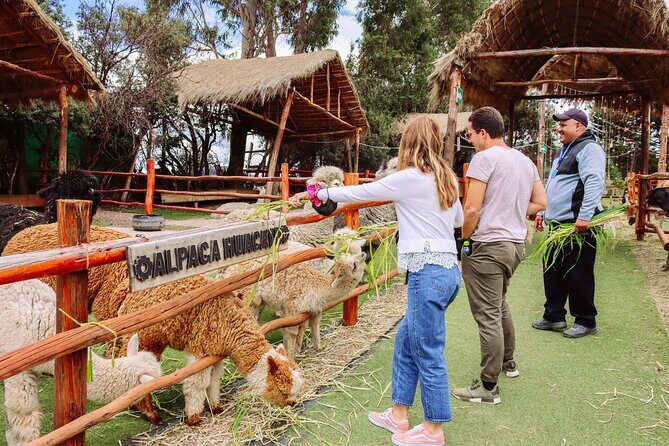
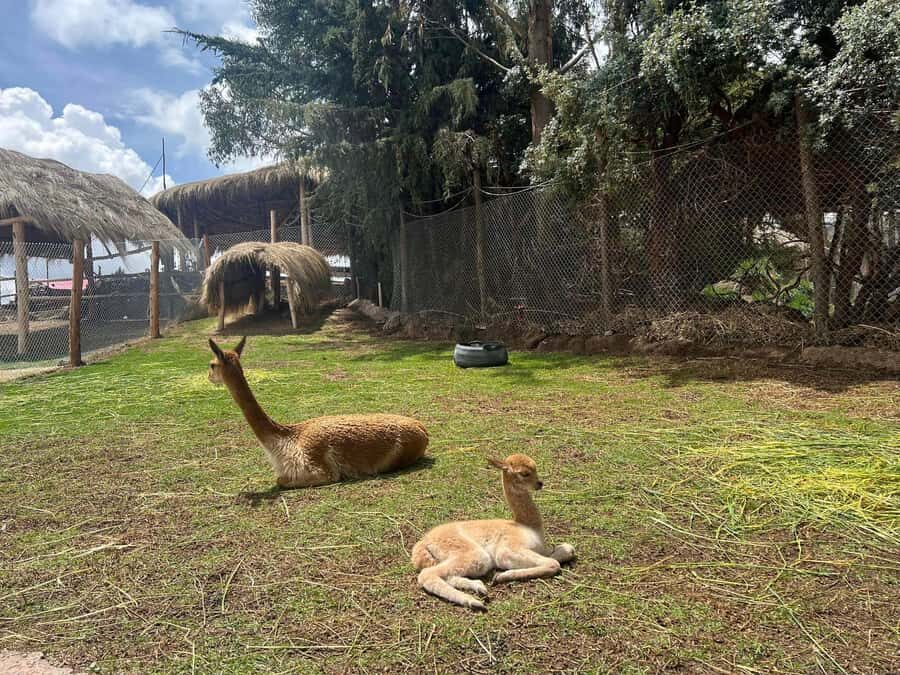
Around 8:20 am, you’ll stop at Awana Kancha, the largest alpaca farm in the Sacred Valley. Plan on about 20 minutes here. You’ll see different South American camelids—alpacas, llamas, huanacos, and vicuñas—plus you’ll have time for photos and feeding.
This is the kind of stop that works for almost everyone. Kids tend to enjoy it, adults like the quick break, and it’s a gentle introduction to the region’s living Inca-era animal heritage. It also helps you reset before the archaeological visits, which can feel like information overload if you go straight from Cusco into ruins.
A practical tip: wear shoes you don’t mind getting dusty. The farm stop is short, but you’ll still likely walk on uneven ground.
Taray viewpoints and the quick photo break
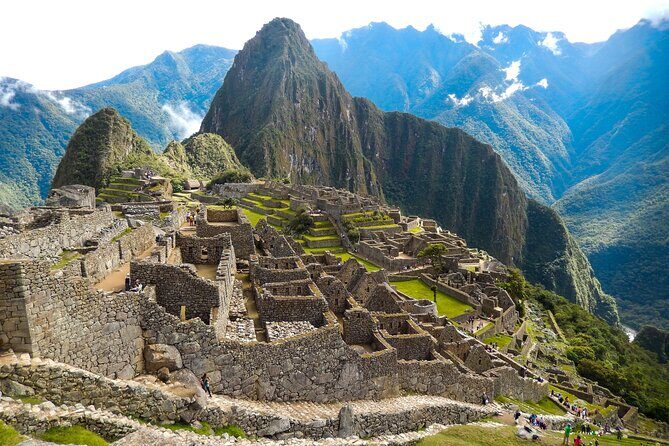
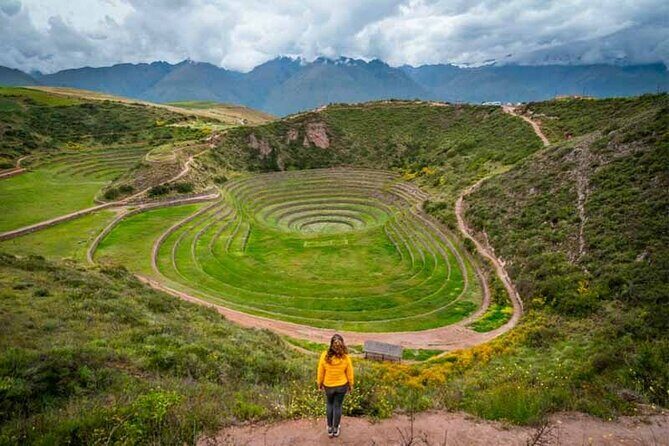
Right after the alpacas, you have a brief stop at Taray for classic views of the Sacred Valley. It’s only about 10 minutes, but it’s intentionally timed for photography. You’ll see glaciers, Inca terraces, and broad valley views.
Think of this as a palate cleanser: the tour gives you one quick moment to absorb the scale before you switch back into history and stonework. If you love photos, this is where you’ll want to be ready with your camera already set.
Pisac: archaeological terraces plus a market stop for real local life
Pisac comes in two parts: the archaeological park and the town market.
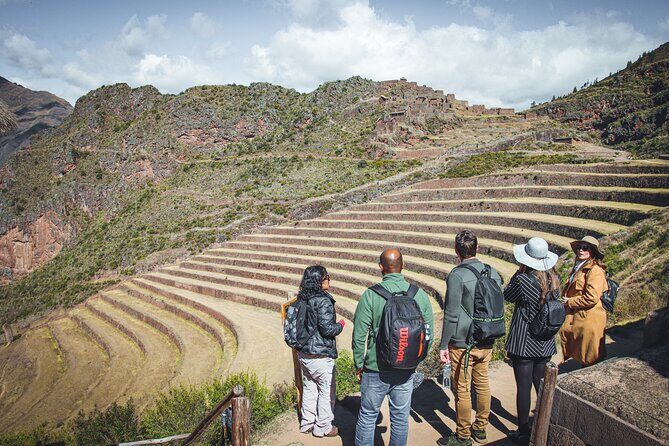
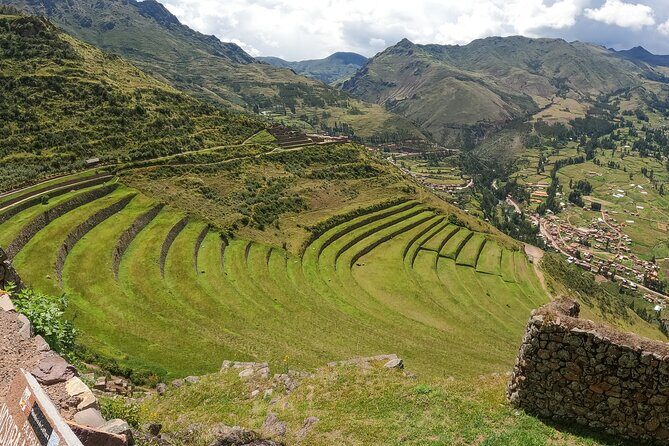
At about 10:00 am, you visit Pisac Archaeological Park for roughly 45 minutes. This is where you’ll see the big picture of Inca agricultural engineering—terraces, residences, altars, water channels, and tombs—explained by your guide. The admission ticket for this stop is not included, so you’ll need to plan for extra cost.
Then, about 11:20 am, you move to the Pisac Market for around 15 minutes. This is a traditional market in town, where you can interact with locals and browse souvenirs. The market stop is free inside the tour.
Even if you’re not shopping, the market is worth it because it’s the human layer of the Sacred Valley. You get to see how this region still functions as a living place, not only as a museum.
One caution: the time here is short. If you want to shop seriously, keep your priority list simple—souvenirs that actually fit your bag and your budget.
You can also read our reviews of more tours and experiences in Cusco

Urubamba buffet lunch: more than one meal, it’s part of the pacing
Lunch happens around 1:00 pm in Urubamba at one of the best restaurants in the Sacred Valley. You’re looking at a buffet lunch with vegetarian options, and the spread is big: salads, soups, entrees, and Peruvian desserts, with more than 50 dishes listed.
This is a practical blessing on a tour like this. Machu Picchu day requires energy and patience. A solid lunch helps you avoid the classic mistake of arriving at Aguas Calientes half-fueled and then trying to find food later when you’re tired.
Do yourself a favor: eat like it’s fuel, not like it’s your last meal on Earth. If you overdo it, you’ll feel it on the later train ride and the early morning shuttle.
Ollantaytambo ruins and the Machu Picchu connection
After lunch, you continue along the Urubamba River until Ollantaytambo. You’ll visit the Archaeological Park there for about 2 hours (the tour notes 14:20 pm onward for this section). Ollantaytambo is described as a protected entrance to the road toward Machu Picchu, and the guide will explain key points about what happened during the Spanish invasion.
This stop helps you understand why Machu Picchu wasn’t a random pile of stones. The area ties into movement, control, and the Inca road system. It also creates a natural transition: from agricultural terraces and towns into the strategic gateway feel of Ollantaytambo.
Then you head to the train station in the same town to start the ride to Aguas Calientes.
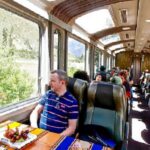
Train to Aguas Calientes: VistaDome 360° vs the normal option
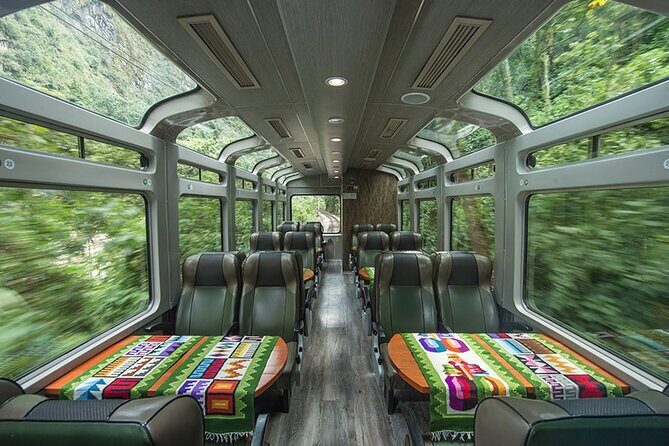
From Ollantaytambo to Aguas Calientes is about a 1:45 ride, and you can choose between two train types when you reserve:
- Normal train
- VistaDome 360° panoramic train
If your budget can handle it, the VistaDome option is the one many people want for the view from the windows. Even without turning it into a photo competition, the panoramic windows make the ride feel like part of the experience rather than just transportation.
Arriving in Aguas Calientes is timed for an evening setup. You’ll reach the station exit door, and transport will be waiting to take you to your hotel. After check-in, you have the afternoon free at your own expense.
Aguas Calientes hotel night: sleep near Machu Picchu’s doorstep
You stay one night in Aguas Calientes, and you can choose hotel class at booking: 3, 4, or 5-star. Breakfast is included for day 2, and the overall goal is simple: get you close to Machu Picchu so you’re not fighting schedules at dawn.
Some Machu Picchu days get ruined by poor rest. Here, you have a real night’s sleep in the right town, which helps you do the morning visit without feeling wrecked.
Small travel note: you’ll want a small overnight bag. The rest of your things can be left in Cusco at your hotel, and some establishments offer storage with no extra charge (if you don’t trust where you’re staying, the operator notes storage options at their office area).
Machu Picchu morning in circuits 1 and 2: what that shift system means
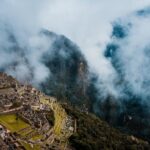
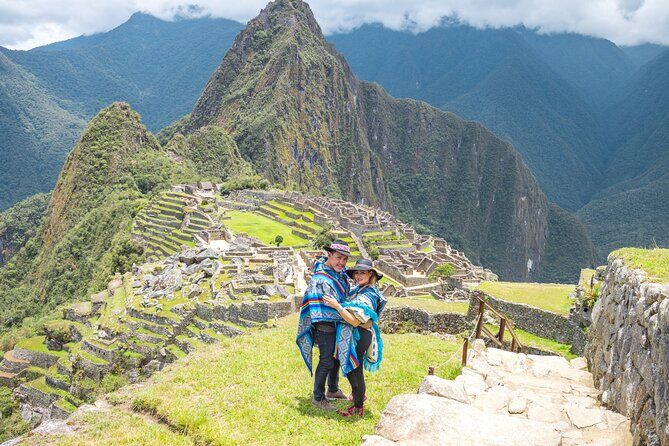
Day 2 starts with breakfast at the hotel, then a transfer with your guide to the bus station. You’ll take the bus to the main gate of the Historic Sanctuary of Machu Picchu and begin your visit with an expert local guide.
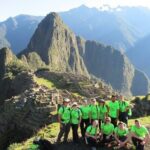
Important detail: Machu Picchu has limited capacity and entries are in shifts every hour from 6:00 am to 2:00 pm. This tour is set up for circuits 1 and 2 plus the classic photo, scheduled from 6:00 am to 11:00 am. If those slots aren’t available, the operator confirms the tour at the next available time. The admission ticket is described as having priority for circuits 1 or 2 plus the classic photo, and if that changes, the operator contacts you prior to issuing other options.
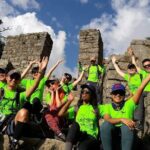
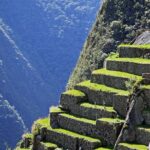
What you should expect on the ground: your guide walks you through main areas with city squares and delicately carved stone stairs, then you get extra time to explore on your own after the guided portion. On a timed visit, that unstructured part is where you control your pace—slow down for photos, or just sit and take it in.
Comfort tips matter here. Wear comfortable shoes. Bring sunscreen. Bring a hat. And bring repellent. You’re outdoors in a high mountain setting, and your comfort affects everything.
Guides and coordination: the human part that made people feel safe
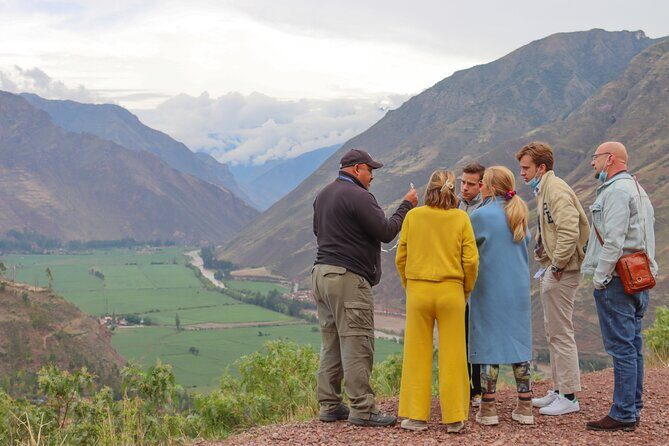
A big theme in the experience feedback is that the operation is organized and people are taken care of at each step. Names that have come up include coordinators like Rayza for updates via WhatsApp, and guides such as Victor, Effie, Carlos, Ify, Efraín, and Wilma. Drivers mentioned include people like Martin, Jorge, and others.
You might not get the exact same team every time, but the pattern is clear: guides are doing the heavy lifting on explanations and timing, and the support team is staying on top of transfers. That’s exactly what you want for a day when everything depends on a bus leaving on time and an entry slot starting on time.
What to bring so you don’t suffer (or buy things in a panic)
The tour provides a clear packing mindset. Bring:
- sunglasses, hat, sunscreen
- comfortable clothes and shoes
- repellent
- a water bottle and extra phone battery
- a jacket (weather can shift)
- a small backpack/carry-on with enough clothing for the night in Aguas Calientes
Also remember: the Sacred Valley entrance ticket is not included, and the Machu Picchu day is tightly scheduled. So it helps to keep things simple and ready.
Price vs reality: when this tour is worth it and when it isn’t
This is a good value if you want a guided, handled setup with minimal friction. You’re getting:
- hotel night in Aguas Calientes
- breakfast + buffet lunch
- Machu Picchu entrance ticket
- train ticket Ollantaytambo ⇄ Aguas Calientes
- round-trip bus to Machu Picchu
- guides and door-to-door transfers
- bottled water
That’s a lot of individual pieces that would be annoying to assemble yourself.
Where value can slip a bit: the Sacred Valley entrance ticket (70 soles cash) is not included, and Machu Picchu entry depends on timed circuits. If you’re the type who enjoys building your own day and doesn’t mind double-checking reservations, you might find cheaper options. But if you want your energy focused on ruins, views, and not on problem-solving, this format is designed for that.
Who this 2-day Sacred Valley and Machu Picchu tour suits best
This works well if you:
- want a guided Sacred Valley day plus a guided Machu Picchu morning
- prefer a small-group experience (max 10)
- value hotel proximity (Aguas Calientes night)
- don’t want to coordinate train, bus, and tickets on your own
It may feel rushed if you love long, slow museum-style visits at a relaxed pace. The stops are planned, and you’ll move through multiple locations in one day, even though the schedule is thoughtfully paced.
The good news: the Machu Picchu visit includes time to explore on your own after the guide finishes, so it’s not only a rigid script.
Should you book this tour?
I’d book it if your top goal is Machu Picchu without logistical stress, and you want the best “big picture” Sacred Valley stops in two days. The mix of included tickets, a real night near the site, and door-to-door transfers makes it a smart choice—especially if you’re traveling for the first time.
Skip or compare if you hate tight timing, you want to spend far longer at each site, or you’re counting every extra fee. Just remember: you’ll likely need 70 soles cash for the Sacred Valley entrance part, and the Machu Picchu entry time is governed by limited circuits.
If that schedule system works for you, this is a practical, well-supported way to see the Inca sites that most people come to Peru dreaming about.