REVIEW · CUSCO
Cusco: Qoricancha City Tour + Sacsayhuaman + Qenqo + Puca Pucara + Tambomachay
Book on GetYourGuide →Operated by Destinos y Rumbos · Bookable on GetYourGuide
Five Inca stops in one afternoon. It’s a fast, organized way to stitch together Cusco’s big moments—starting at Qoricancha and ending at Tambomachay—so you get a clear sense of what the Incas built for worship, power, and everyday life. I like that the route is efficient, with round-trip transfer and a bilingual guide handling the pacing. I also like the mix: religious center, fortress walls and tunnels, then water rituals at high altitude. One possible drawback: if your guide leans more toward photo stops than explanations, you may finish with great views but want more on how each place worked.
You’ll meet in the Plaza Mayor area and head out at 1:00 pm, returning to the main square about 6 hours later. Bring your ID, wear shoes you can trust on uneven ground, and plan to pay the required Cusco ticket and Qoricancha entry on the spot.
In This Review
- Key points worth knowing before you go
- Price and logistics: what you’re really paying for
- Where you meet and how to show up ready
- Qoricancha: starting with the Temple of the Sun
- Sacsayhuamán: towers, walls, and the feel of scale
- Qenqo and Puca Pucara: shifting from sacred to military
- Qenqo Archaeological Complex
- Puca Pucara: a military fortress of big stones
- Tambomachay: water fountains at 3,700 meters
- How to get more from a 6-hour loop (without rushing yourself)
- Who this tour is best for
- Should you book this Cusco Qoricancha + Sacsayhuamán + Qenqo + Puca Pucara + Tambomachay tour?
- FAQ
- What is the duration of the tour?
- What time does the tour start?
- Where is the meeting point?
- What sites does this tour include?
- Is there a guide and what languages are offered?
- What is included in the price?
- What costs are not included that I must pay on site?
- What should I bring?
Key points worth knowing before you go
- A 1:00 pm half-day loop: you’ll cover multiple Inca sites without burning your whole day
- Qoricancha first: start with the Temple of the Sun before you move outward to the bigger complexes
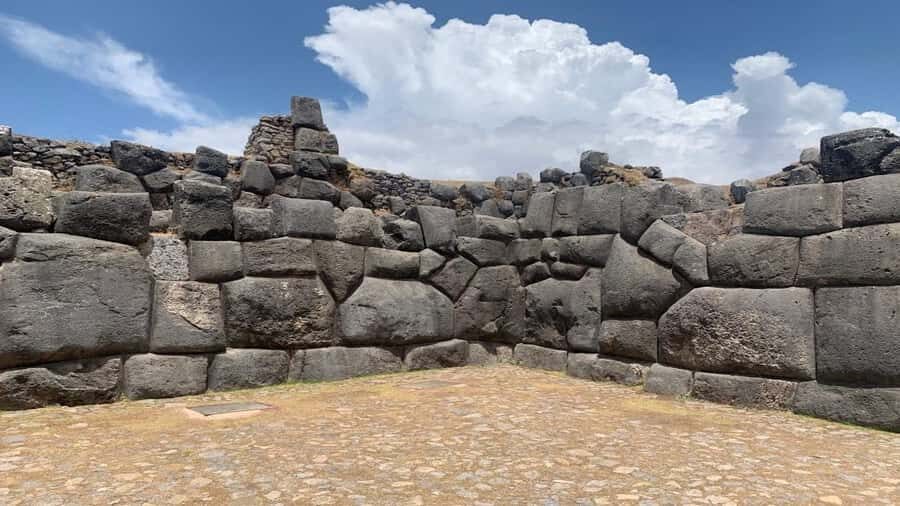
- Sacsayhuamán includes tunnels and walls: the tour’s design helps you see the place from the outside and the main features
- Puca Pucara is a military fortress: expect big-stone geometry and a different Inca “purpose”
- Tambomachay sits at 3,700 meters: water fountains are part of the story here
- Tickets and entry fees aren’t fully included: you’ll handle the Cusco tourist ticket and Qoricancha entry yourself
Price and logistics: what you’re really paying for
At $20 per person for a 6-hour tour, the big value is not just the sightseeing—it’s the structure. You get a bilingual guide, tourist transportation, and round-trip transfer. In Cusco, that’s often what makes the difference between seeing a couple sites and actually covering the core highlights in one go.
But do budget carefully. Two costs are specifically not included:
- The Cusco tourist ticket (70 soles for Peruvians, 130 soles for foreigners), paid by you on arrival
- Qoricancha entry (20 soles), also paid by you
That means the final cost depends on your passport, and you’ll want to carry cash or be ready to pay onsite. If you’re trying to keep costs down, this is still a solid deal because the tour price already covers transport plus guiding across several sites. If you’re coming for one or two locations only, it may be cheaper to go independently—but for most people, the half-day route is a smart tradeoff.
You can also read our reviews of more city tours in Cusco
Where you meet and how to show up ready
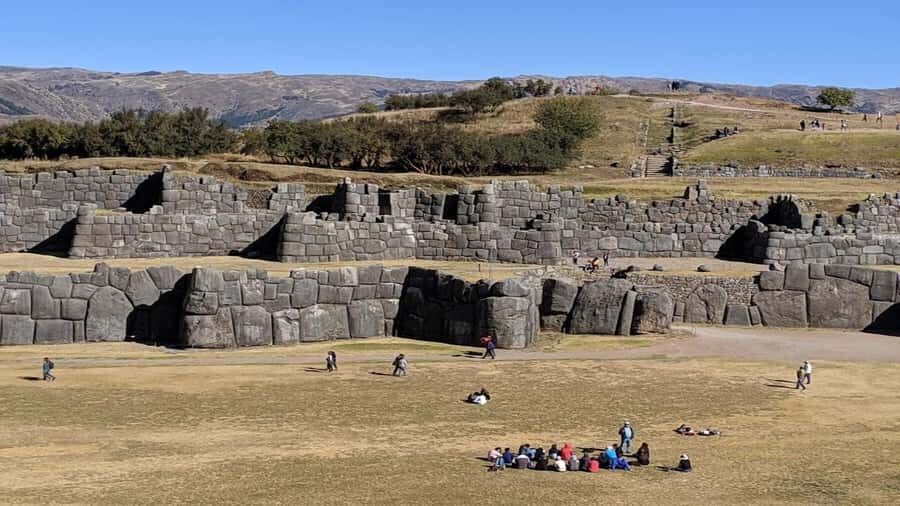
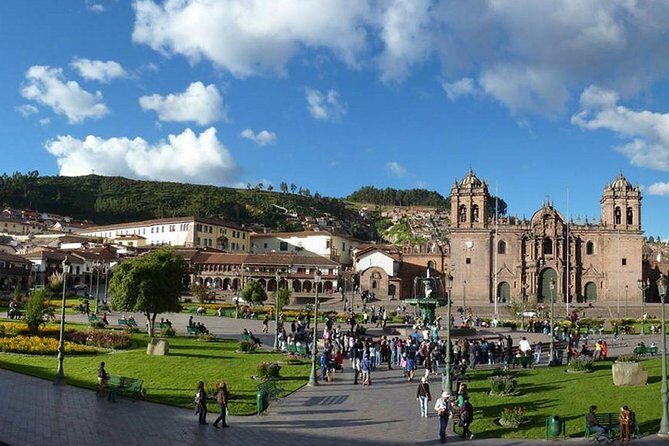
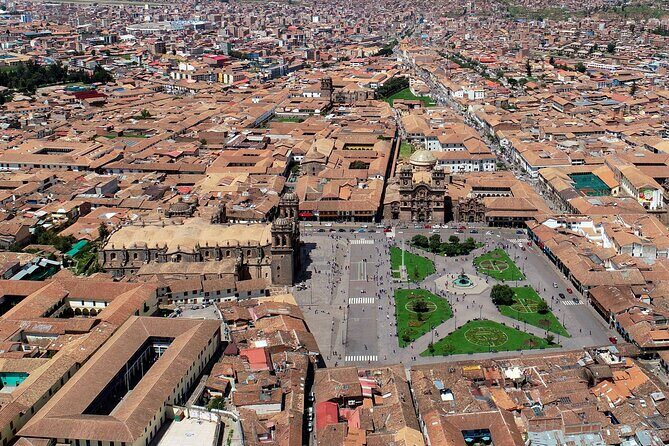
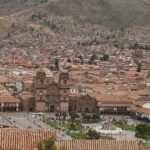
You’ll meet at the main entrance of the cathedral in Cusco’s main square, Plaza Mayor de Cuzco (coordinates: -13.5167681, -71.9787795). It’s central, so you can usually find it without a taxi. Still, I suggest arriving a bit early so you’re not searching while the group is gathering.
What to bring:
- Passport or ID card
And a practical tip: this tour isn’t listed as suitable for people with mobility impairments. If you have any walking limitations, you’ll likely want to consider a different format. For everyone else, plan on decent walking and time spent on uneven archaeological ground.
Qoricancha: starting with the Temple of the Sun
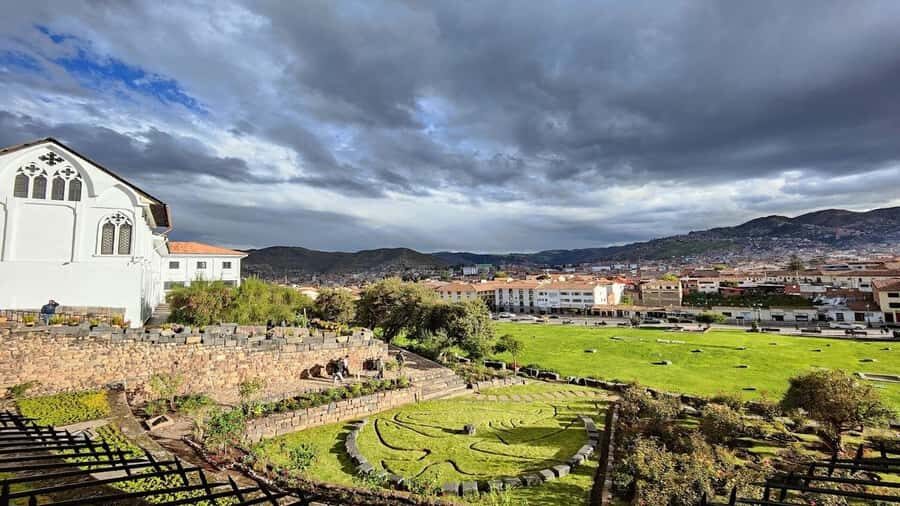
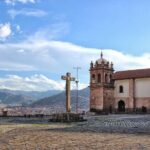
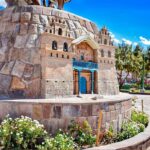
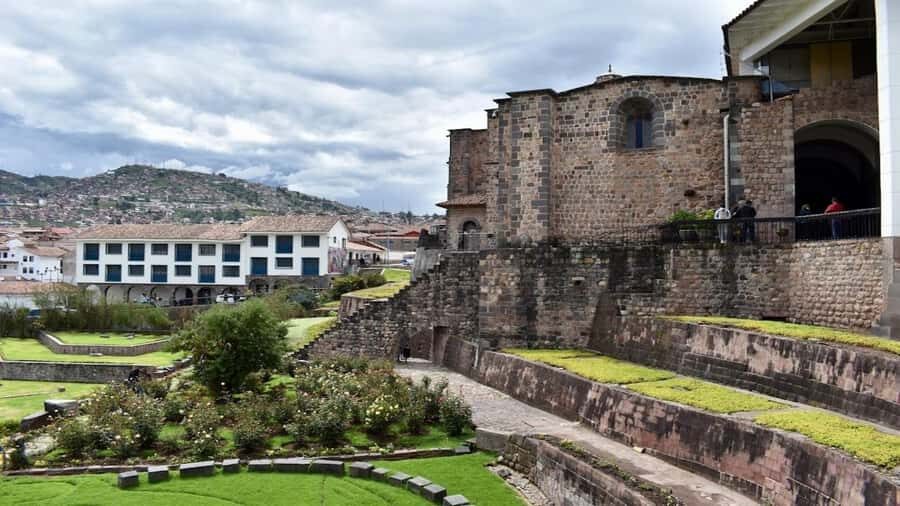
The tour’s first stop is Coricancha, also known as the Temple of the Sun. It’s framed as the most important temple of the Inca Empire, and that matters because it sets the tone for the rest of the afternoon.
Here’s what I like about starting at Coricancha instead of the outer forts first: it gives you a baseline. After you see a major sacred center, the later stops make more sense. When you move to Sacsayhuamán, Qenqo, Puca Pucara, and Tambomachay, you’re not just collecting photos—you’re tracking how Inca building served different needs.
You’ll get a guided tour plus photo time. If you care about interpretation, this is a good moment to ask your guide a simple question like what made Coricancha so central, or how it connected to Inca religious life. If your guide is very quick, you’ll have the chance to set yourself up for deeper answers later.
Sacsayhuamán: towers, walls, and the feel of scale
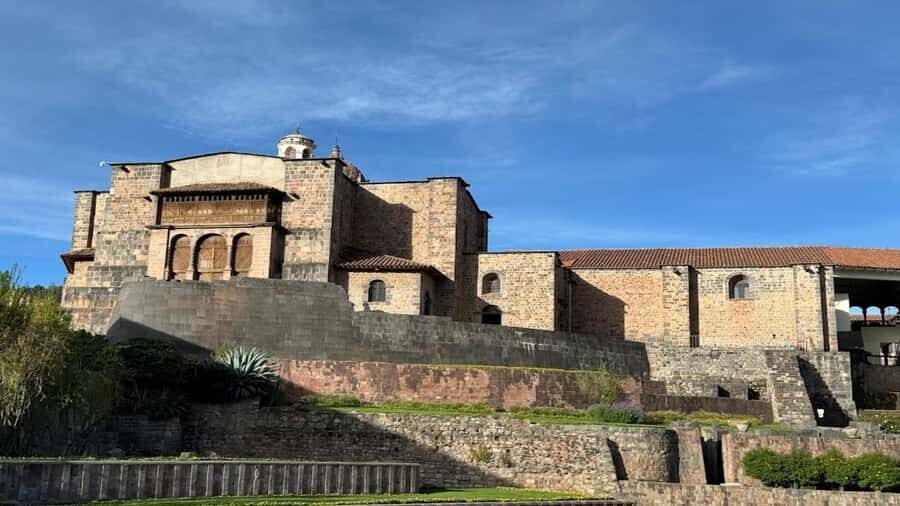
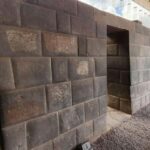
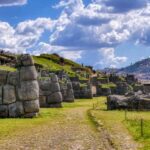
Next up is Saksaywaman / Sacsayhuamán. The tour focuses on the archaeological discoveries you can see: towers, walls, and tunnels. Even without getting lost in details, this stop helps you appreciate scale.
Why this stop works on a short itinerary:
- It’s visually dramatic, so you get “wow” early.
- The features mentioned by the tour—towers, walls, tunnels—give you a mental checklist while you’re there.
- It’s a natural bridge from sacred temple architecture to places that feel more defensive and structured.
One thing to keep in mind: with a half-day tour, time management matters. If you spend too long at the viewpoint phase, the later sites can feel rushed. I like to use the first couple minutes to decide what I want to focus on (tunnels vs. walls vs. towers), so the visit stays productive.
Qenqo and Puca Pucara: shifting from sacred to military
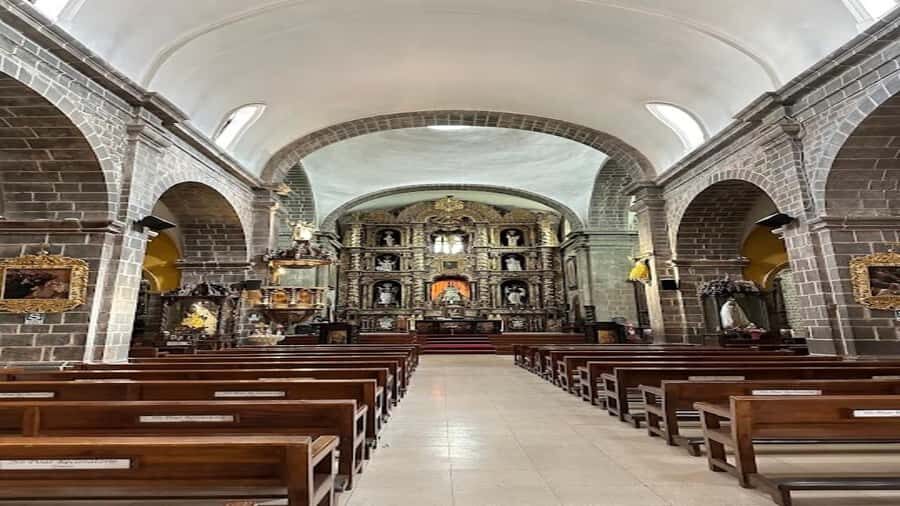
After Sacsayhuamán, the tour travels through the Sacred Valley area with stops at Qenqo and then Puca Pucara.



Qenqo Archaeological Complex
Qenqo is described as an archaeological complex, with a guided visit and photo stops. Even with limited detail in the tour framing, this is a useful “context” stop. It keeps your afternoon from becoming only religious sites. You start seeing that Inca planning wasn’t one-purpose—it was organized around many kinds of activity and belief.
If you want more meaning than just visuals, Qenqo is where your questions can pay off. Ask what the complex was used for, or how it fits into the broader pattern of Cusco’s surrounding Inca sites. That’s the kind of answer that turns a quick stop into something you remember.
Puca Pucara: a military fortress of big stones
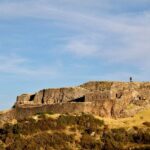
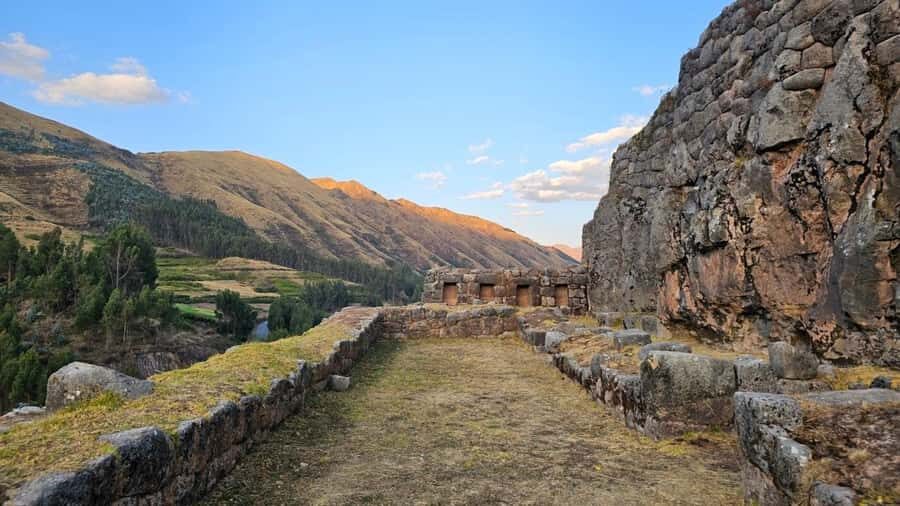
Then comes Pukapukara / Puca Pucara, described as a large military fortress with a fascinating arrangement of large stones. This is the point in the tour where the mood changes.
I like this contrast. After temples and ceremonial spaces, a military fortress forces you to think in terms of control, defense, and power. The tour’s wording highlights the stones and the arrangement, so look for how the structure uses those stones to create shape and stability.
If you’re the type who cares about how architecture signals function, Puca Pucara is a good place to slow down for a minute and really scan the layout. In a short day, you won’t get everything—but you can still leave with a clearer idea than you’d get from only passing by.
Tambomachay: water fountains at 3,700 meters
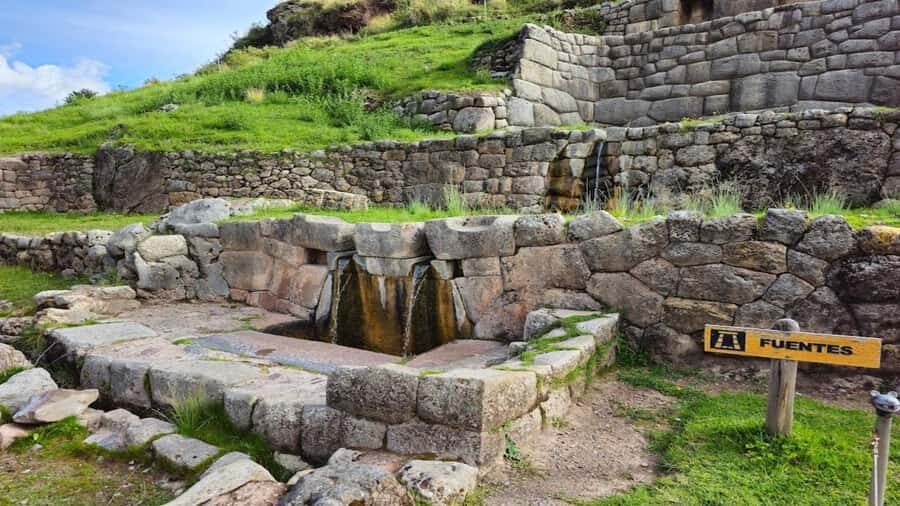
The final archaeological stop is Tambomachay, located about 3,700 meters above sea level. The tour points you to what makes it distinctive: a series of water fountains believed to have been built in worship of water.
This stop often lands well because it’s different in theme. Instead of walls, tunnels, and stone arrangements, you’re looking at water features—and that shifts your mind from “construction” to “ritual and nature.” If you’ve felt the high-altitude dryness in Cusco, this ending has a special logic: water, worship, and a carefully planned setting.
You’ll get a photo stop and guided tour here too. If you’re sensitive to altitude, pace yourself and take short breaks when you can. Even though this is just one stop, the altitude is part of the experience, and it’s worth respecting.
How to get more from a 6-hour loop (without rushing yourself)
A half-day tour is great for efficiency, but you have to be slightly strategic. Here’s how I’d approach it so you don’t feel like you just sprinted from one set of walls to the next.
- Use your first stop to calibrate
At Coricancha, figure out how much detail your guide is giving. If the explanations feel thin, ask a question early so you can get better answers later.
- Pick one focus per site
At Sacsayhuamán, for example, focus on the towers, walls, or tunnels—one theme, not everything. At Puca Pucara, focus on the big-stone arrangement. That makes the visit feel coherent.
- Watch the pacing
With short itineraries, lingering at viewpoints can cut into time elsewhere. If you notice a site stretching longer than you expected, it’s okay to check in politely with the guide so you still get time at the next stops.
- Bring patience for interpretation
This tour includes a bilingual guide and transportation, but the depth of archaeological interpretation can vary with pacing. If you love nitty-gritty details like function and time periods, be ready to ask for it in plain terms.
One more practical note: the tour includes a medical assistance insurance component. That’s reassuring in a place where you’ll be walking and navigating in altitude conditions.
Who this tour is best for
This is a good fit if you:
- Want to cover several major Inca sites near Cusco in one afternoon
- Prefer guided transport over figuring out routes on your own
- Like a mix of sacred spaces and more defensive or functional sites (Coricancha, Sacsayhuamán, Qenqo, Puca Pucara, Tambomachay)
It’s less ideal if you:
- Have mobility limitations and need easier access
- Come specifically for very deep archaeological context and expect lots of time per ruin
- Dislike any extra stops that might appear during a shorter guided day (the format is tight, and time can be shared among stops and photo moments)
Should you book this Cusco Qoricancha + Sacsayhuamán + Qenqo + Puca Pucara + Tambomachay tour?
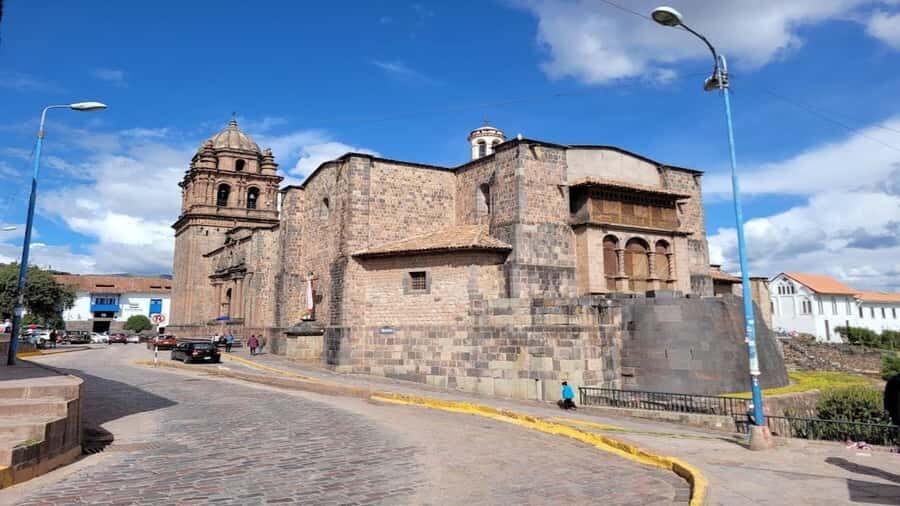
If your goal is to get your bearings fast and see the main Inca landmarks around Cusco in a single afternoon, I’d book it. The price-to-coverage ratio is strong once you account for transport and a bilingual guide, and the route makes logical sense: begin with Coricancha’s spiritual centerpiece, then move toward Sacsayhuamán’s scale, shift to Qenqo and Puca Pucara’s different purposes, and end with Tambomachay’s water and altitude.
Just go in with the right expectations. This is efficient sightseeing, not a slow, research-heavy lecture. If you’re the type who wants extra interpretation, ask clear questions early—Coricancha is the best place to do that. After that, you can enjoy the rest with better context, which is what turns a good tour into a memorable one.
FAQ
What is the duration of the tour?
The tour lasts 6 hours.
What time does the tour start?
The meeting is at 1:00 pm.
Where is the meeting point?
Meet at the main entrance of the cathedral in Cusco’s main square, Plaza Mayor de Cuzco (coordinates: -13.5167681, -71.9787795).
What sites does this tour include?
You visit Coricancha (Qoricancha), Sacsayhuamán, Qenqo, Puca Pucara, and Tambomachay.
Is there a guide and what languages are offered?
Yes. The tour includes a bilingual guide in Spanish and English.
What is included in the price?
Included are round-trip transfer, tourist transportation, a bilingual tour guide, visits to the listed sites, and medical assistance insurance.
What costs are not included that I must pay on site?
The Cusco tourist ticket is not included, and Qoricancha entry is also not included. Food and drinks are not included either.
What should I bring?
Bring your passport or ID card.