REVIEW · CUSCO
5-Day: Salkantay Trek to Machupicchu and Humantay Lake
Book on Viator →Operated by Mega Expeditions · Bookable on Viator
Five days, one high pass, and sunrise.
This trek strings together Humantay Lake views, the tough Salkantay Pass, and a Machu Picchu morning built around timing. You also get a guide who stays organized on steep days and a route that shifts from high Andes to high jungle.
I like the small group size (up to 15), because the day plans feel more controlled and personal. I also love that they manage the heavy stuff for you early on, carrying your backpack (up to 5kg for the first three days) using horses, while porters handle the logistics.
One possible drawback: you’re doing a lot of early starts at altitude, with real temperature swings and cold nights (the Soraypampa area can be around 10°C daytime and about 2°C at night). If you hate being up before dawn, this may test you.
In This Review
- Key Points You’ll Care About
- Cusco Start: Why This Trek Works as a 5-Day Plan
- Getting Moving From Cusco: Pickup Times and Early Reality Checks
- Day 1: Humantay Lake Comes After Camp at Soraypampa
- Day 2: Salkantay Pass Day—Tea, Apus Prayers, and a Real High Point
- Day 3: Santa Teresa Country—Jungle Walking, Transport Breaks, and Hot Springs
- Day 4: Santa Teresa to Aguas Calientes—Zip Line Option or the Hydroelectric Walk
- Day 5: Machu Picchu Sunrise, a Private Guided Tour, Then the Long Descent Back
- Optional Upgrades: Huayna Picchu and an Extra Night in the Town
- What’s Included (and What You Still Need to Bring)
- Price and Value: Is $360 a Good Deal Here?
- Weather Matters: When This Plan Can Change
- Who Should Book This Trek (and Who Might Be Unhappy)
- Final Call: Should You Book Mega Expeditions’ 5-Day Salkantay Trek?
- FAQ
- What is the group size for this trek?
- What hotel pickup time should I plan for in Cusco?
- Is a sleeping bag included?
- How many nights and what kind of lodging are included?
- What about meals during the trek?
- What hot spring option is available, and what does it cost?
- What time is the Machu Picchu experience on the final day?
- Can I add Huayna Picchu or an extra night near Machu Picchu?
Key Points You’ll Care About
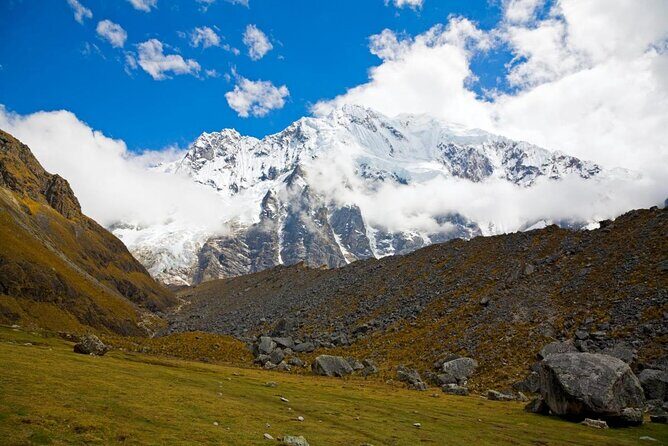
- Humantay Lake at 4200m: a clear high-altitude payoff after your first camp.
- Backpack weight help: you only need to carry what you can handle; horses cover up to 5kg early.
- Salkantay Pass timing: you’ll climb to the pass (4600m) after acclimatization support like morning tea.
- High jungle day: orchids and bromeliads show up once you drop in elevation.
- Machu Picchu sunrise plan: climb in the dark, control entrance around 6:00am, then a guided 2-hour tour.
- Optional extras: hot springs in Cocalmayo ($6) and choices like zip line, Huayna Picchu, or adding a town night.
Cusco Start: Why This Trek Works as a 5-Day Plan
This is the kind of trek that makes sense if you want big scenery without stretching to a week-plus. You’re in motion for days, but the structure is clear: bus rides to reduce transfers, camps when you need sleep, and a final push to Machu Picchu timed for sunrise.
With a price of $360 per person for five days, you’re mainly paying for three things: the guiding and organization, the logistics around permits/entry, and the included meals plus camping/hostel nights. You’re not just buying “a walk in the mountains.” You’re buying a moving system that handles transport, gear, and schedule pressure for you.
The small-group cap (15) matters. On a route like Salkantay, that’s the difference between feeling like a number and feeling like someone’s managing the pace around altitude and daylight.
You can also read our reviews of more hiking tours in Cusco



Getting Moving From Cusco: Pickup Times and Early Reality Checks
Your day begins with an early Cusco pickup. The included info lists pickup from your hotel between 5:30 and 6:00am, while the route description also says pickup can be as early as 4:30am from your lodging. Either way, plan for dark mornings and fast breakfast decisions.
Why this matters: Machu Picchu is not something you can “sort of” reach whenever. This trek’s final day runs on tight timing—so the operator front-loads the schedule so you can get into the ruins at the right time window.
You also get a guide briefing one day before the trek. For me, that’s an underrated part of value. It helps you understand what you’ll carry, where you’ll sleep, and how the group will handle altitude and weather.
Day 1: Humantay Lake Comes After Camp at Soraypampa
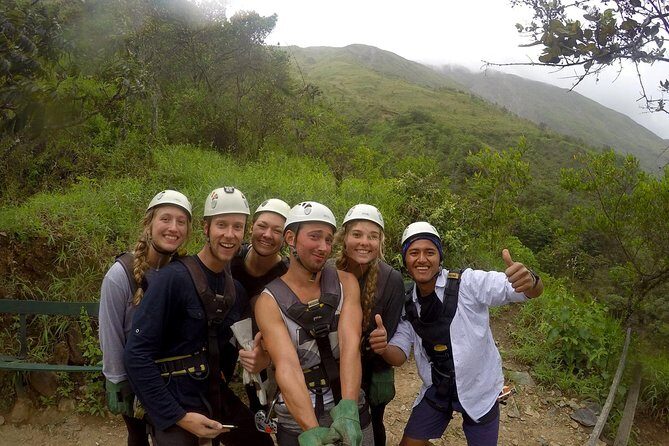
The first day is a mix of road travel and altitude stepping-stones. You take a 4-hour bus ride, stop in Mollepata (2900m / 9514ft) for about 30 minutes, then continue to Challacancha, where you meet horses and porters before your hike begins.
From there, it’s about 4 hours toward Soraypampa (3900m / 12795ft). The route runs by Inca water irrigation channels, which is a cool detail because it signals you’re not just walking “near” the Inca world—you’re actually moving alongside the systems they engineered.
When you arrive at Soraypampa, you set your first base camp. Expect cold nights and a steep feeling in your breathing. The provided timing/temperature notes say around 10°C during the day and 2°C at night. Bring layers even if Cusco feels warm when you start.
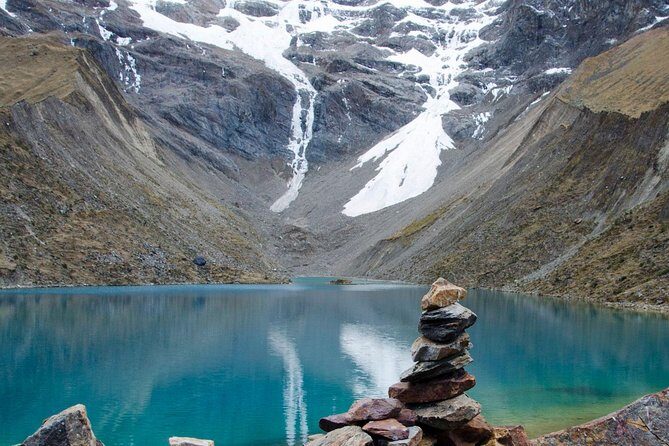
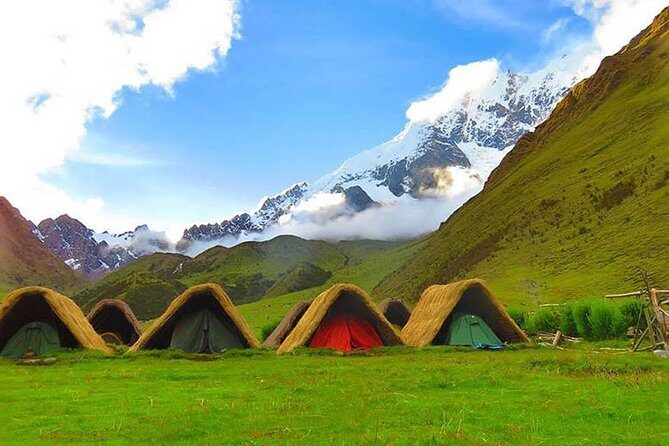
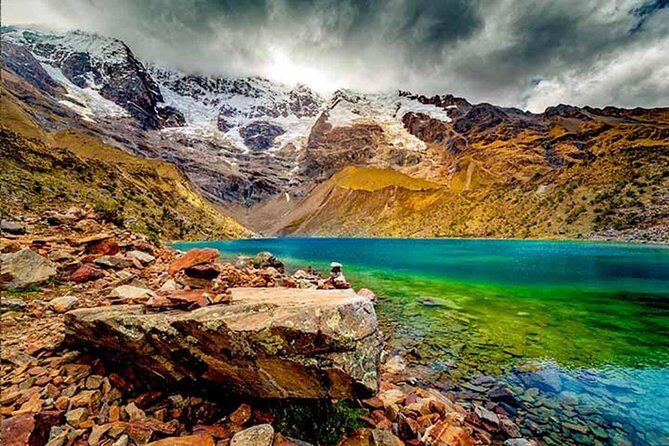
After lunch at camp, you hike to Humantay Lake (4200m / 13779ft) for about 1 hour 30 minutes walking. You’re also sleeping in a camp setup described as a four-season tent with extra straw roofing—this is the kind of detail that affects your comfort more than people think. At altitude, the tent isn’t just shelter. It’s your recovery time.
Day 2: Salkantay Pass Day—Tea, Apus Prayers, and a Real High Point
Day two starts early. Your assistant wakes the group with tea, then you eat breakfast—this is about acclimatization support before you climb.
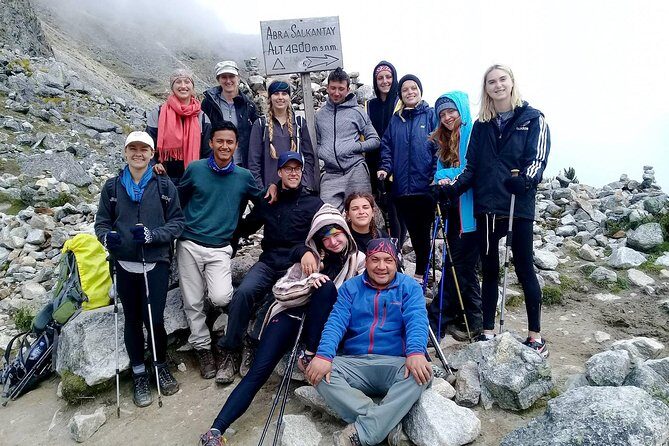
You hike about 3 hours to reach the highest point: Salkantay Pass at 4600m / 15091ft. The trail here is about more than distance. It’s about perseverance and focus while the air gets thinner and the views turn intense in both a good way and a intimidating way.
There’s also a moment that feels culturally specific: you’ll do something similar to what the Inkas did in the pass—praying and asking the Apus (Mountain Gods) for permission to pass. You don’t need to be an expert on Andean beliefs to appreciate the intention. It’s a reminder you’re moving through sacred terrain, not just conquering a number on a map.
After the pass, you walk down toward Wayracpunku (HuayraPampa) for lunch, then continue to the high jungle. This part is described as large trees stretching over streams, with bromeliads and orchids. That change-of-world feeling is one of the best reasons to pick Salkantay over a purely high-Andes route.
By late day you reach Chaullay (2900m / 9514ft) for dinner and rest. You’ll feel the drop in elevation, but don’t treat it like a vacation day—your body still needs recovery.
Day 3: Santa Teresa Country—Jungle Walking, Transport Breaks, and Hot Springs
Day three begins around 6:30am breakfast, then you head toward Sahuyaco (La Playa) at 2000m / 6824ft in jungle trekking. This is where the air changes again. The notes mention 25°C by day and 14°C at night, so you’ll likely swap layers sooner than on days one and two.
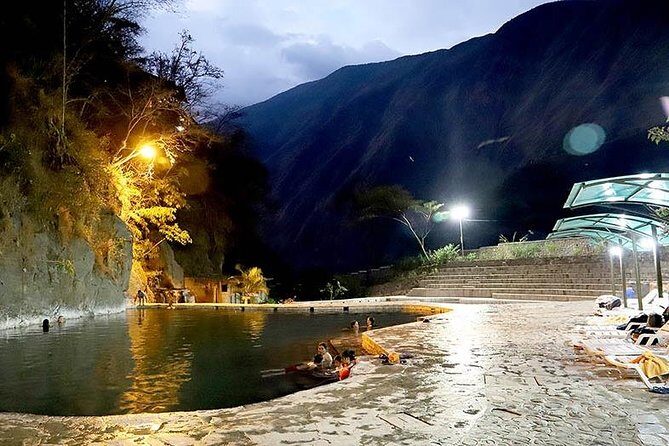
You stop for lunch in this area, then continue by transport to Santa Teresa (1550m / 5085ft). There, you set up a base camp and get a relaxing reward: Cocalmayo hot springs.
Important practical note: the hot springs are not included. You can pay on the spot, listed as $6.00 USD. I like that you have control here. If you’re tired, you can skip. If your legs are begging for relief, you can go.
After a traditional Peruvian dinner, you rest for the next stage—because day four is about getting into the Machu Picchu gateway town.
You can also read our reviews of more tours and experiences in Cusco
Day 4: Santa Teresa to Aguas Calientes—Zip Line Option or the Hydroelectric Walk
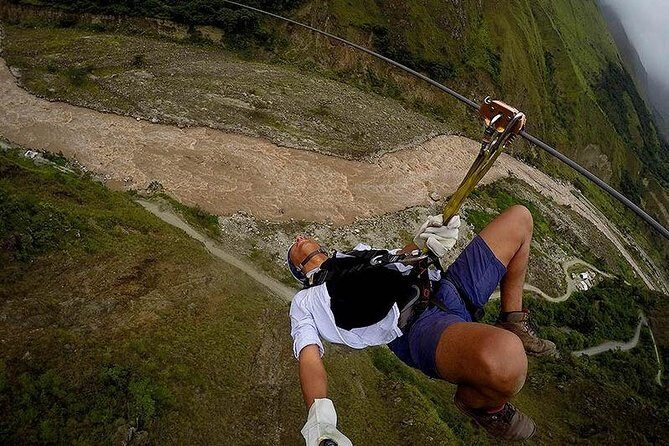
Day four has two paths depending on what you booked. If you booked the zip line, you’ll be picked up from the campsite. The zip line is described as having more than 6 cables, with a longest line of 1 kilometer and a max speed of 70 km/h (45 mph). It also includes a climbing rock and a suspension bridge. If you’re the type who likes adrenaline, this is your release valve day.
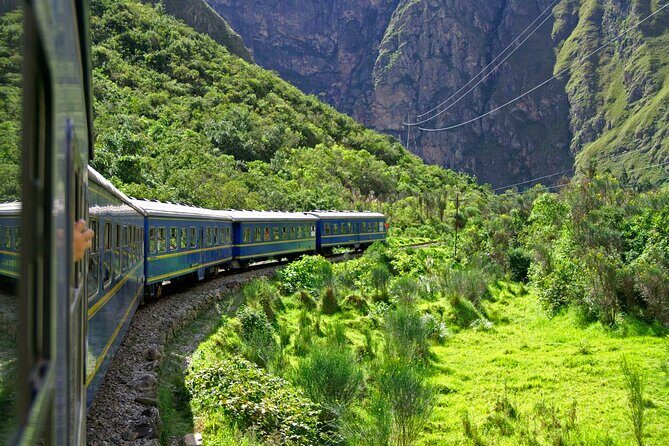
If you didn’t book the zip line, you’ll do a 2-hour trek from Santa Teresa to the hydroelectric, where the whole group meets for lunch and a break. After that, you walk along the railway line that leads toward Aguas Calientes—the same area tied to Inca-era routes.
This final walk includes waterfalls, and you might spot ecological farms and wildlife along the way (wildlife is not guaranteed, but it’s part of the general vibe). The group arrives around 5:00pm and sleeps in a hostel. At night, everyone meets at a local restaurant for dinner and an informative session on the Machu Picchu visit.
That night briefing matters. Machu Picchu is where people often feel rushed. A real planning moment the evening before helps you move calmly on a huge day.
Day 5: Machu Picchu Sunrise, a Private Guided Tour, Then the Long Descent Back
You’re up around 4:00am to climb to Machu Picchu. The route follows an ascending path through high jungle, and the schedule is set so you reach the site in time for sunrise.
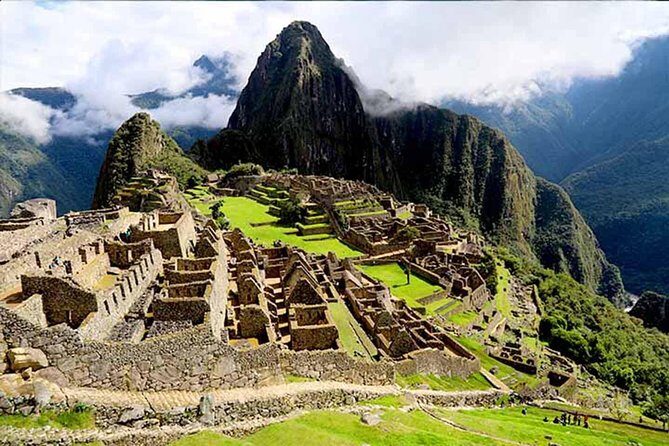
You pass the control entrance around 6:00am, then your group gets a private guided tour for about 2 hours of the Inca citadel. After that, you have free time to explore on your own.
At 11:30am, you return by walking about 3.5 hours back to the hydroelectric. Then the waiting bus takes you back to Cusco, with pickup time listed as until 3:00pm, arriving in Cusco around 10:00pm.
This “finish strong, then crash” day is physically demanding, but it’s also where the trek earns its reputation. You’ve done the hard part for days, then you’re rewarded with the sunrise timing and a guided introduction so you actually understand what you’re looking at while you have free time.
Optional Upgrades: Huayna Picchu and an Extra Night in the Town
There are two add-on ideas built into the plan:
- Huayna Picchu: listed as an additional $30 USD. You can pay later or in Cusco after booking, and availability should be checked after your reservation.
- Extra night in Machu Picchu town: you can spend one more night by paying $30 extra, letting you return the next day. This is especially useful if you want to climb Huayna Picchu or the Mountain Machu Picchu option.
You can also add a train to return after Machu Picchu. The train goes from Aguas Calientes to Ollantaytambo in 1 hour and 40 minutes. Then a car waits to take you back to Cusco, dropping you near San Francisco Square, about two blocks from the main square, around 10:00pm.
I like this flexibility because it trades some bus time for more on-site time. If you want more patience at Machu Picchu instead of racing the clock, these options are worth considering.
What’s Included (and What You Still Need to Bring)
This trek includes the practical stuff that keeps your trip from turning into a last-minute shopping list.
Included highlights:
- Pickup from your Cusco hotel (between 5:30 and 6:00am, with early starting mentioned)
- A briefing with your guide 1 day before
- Machu Picchu entrance arranged as part of booking, booked about 2 months in advance
- Professional bilingual guide (Spanish-English)
- Full camping gear, except your sleeping bag
- 3 nights camping and 1 night hostel (noted as private for couples)
- All fees and taxes
- Private transportation
- Meals: breakfast (4), lunch (4), dinner (4)
- A system for carrying your backpack: up to 5kg for the first three days using a horse
Not included:
- Breakfast on day one, plus lunch and dinner on the last day (so you’ll eat on your own at those times)
- Hot springs (Cocalmayo) at $6.00 USD if you choose to go
- Your sleeping bag
My practical advice: treat the sleeping bag as non-negotiable. The provided notes already tell you the nights get cold at altitude, and cold sleep kills your next day.
Price and Value: Is $360 a Good Deal Here?
At $360 per person, this trek is priced like a package with serious work behind it. You’re paying for:
- Guide and bilingual support
- Camping gear (minus sleeping bag)
- Meals for most of the trip
- Transport between key points
- Machu Picchu entry
- Group logistics with porters, horses, and baggage handling early on
If you tried to assemble this yourself, you’d quickly lose time and money on permits, entry coordination, and transportation. The included structure is what makes the price feel fair, especially if you want to stay active but not play logistics manager.
The value also shows up in group size—up to 15. In a trek at altitude, that smaller scale tends to reduce chaos and waiting.
Weather Matters: When This Plan Can Change
This experience requires good weather. If the operator cancels due to poor weather, you’ll be offered a different date or a full refund.
That’s not a small detail. On high passes and cold early mornings, weather can decide whether you get the trek experience you planned.
Who Should Book This Trek (and Who Might Be Unhappy)
This trek is a strong fit if:
- You’re an adventurous traveler who wants a real hiking challenge
- You’re okay with early mornings and long travel days
- You want guided Machu Picchu with sunrise timing
- You like the idea of camping and moving from camp to camp (not hotel comfort the whole time)
It might not be the best choice if:
- You want everything to be fully low-elevation and easy
- You hate cold nights and altitude breathing
- You want a lightweight daypack only—because even with horses carrying up to 5kg, you still need to be ready to hike
Final Call: Should You Book Mega Expeditions’ 5-Day Salkantay Trek?
If you want one of the most classic combinations—Humantay Lake, Salkantay Pass, and sunrise Machu Picchu—in a guided 5-day format, this is a solid choice. I’d book it when you have at least moderate fitness, you can handle cold early hours, and you’re excited to sleep in camps and earn your Machu Picchu viewpoint.
One more small tip: if you’re thinking about Huayna Picchu or a second Machu Picchu day, plan early. Those add-ons can change how you experience the ruins, letting you spend more time without feeling rushed.
If this sounds like your kind of Peru trip, go for it.
FAQ
What is the group size for this trek?
The tour has a maximum of 15 travelers.
What hotel pickup time should I plan for in Cusco?
Pickup is included between 5:30 and 6:00am, and the route description also states pickup can begin around 4:30am from lodgings.
Is a sleeping bag included?
Camp gear is included except for your sleeping bag, which you will need to bring yourself.
How many nights and what kind of lodging are included?
You get 3 nights camping and 1 night in a hostel in Aguas Calientes.
What about meals during the trek?
Breakfast is included for 4 days, lunch for 4 days, and dinner for 4 days. Day-one breakfast and the last-day meals are not included.
What hot spring option is available, and what does it cost?
You can visit Banos Termales de Cocalmayo (Cocalmayo hot springs). It’s not included and costs $6.00 USD if you pay on the spot.
What time is the Machu Picchu experience on the final day?
You get ready around 4:00am, pass control entrance around 6:00am, and have a guided tour for about 2 hours. You then have free time and return starting at 11:30am.
Can I add Huayna Picchu or an extra night near Machu Picchu?
Yes. Huayna Picchu is an additional $30 USD. You can also pay $30 to add one extra night in Machu Picchu town so you can return the next day, if available.