REVIEW · CUSCO
Cusco:Chinchero,Moray & Salt Mines drop-off in Ollantaytambo
Book on GetYourGuide →Operated by Apu Ausangate Trek EIRL · Bookable on GetYourGuide
Cusco’s Sacred Valley always feels like a warm-up for Machu Picchu. This one-day route is a smart way to pack in Chinchero’s textile traditions and the mind-bending Moray + Maras salt ponds without wasting half your day guessing logistics. The trade-off: it’s a one-way day trip, so you’ll finish in Ollantaytambo, not back in Cusco.
What I like most is that the pacing is efficient but not frantic. You get real guided time at each stop, plus a proper buffet lunch in Urubamba that gives you a breather before the stairs at Ollantaytambo. Another plus: the tour is often run in small groups or private service, which usually means more questions, more attention, and easier timing if you’re chaining the Machu Picchu train.
One thing to plan for upfront is the entrance fees. The tour price doesn’t cover all sites, so bring cash and expect to add tickets once you arrive.
In This Review
- Key Things That Make This Tour Worth It
- A One-Way Sacred Valley Day That Sets Up Your Machu Picchu Train
- Chinchero Textiles: More Than a Shopping Stop
- Moray Terraces: The Inca Farming Experiment You Can Still Feel
- Maras Salt Mines: 5,000 Ponds With Real Walking Energy
- Urubamba Buffet Lunch: A Real Break Before the Stairs at Ollantaytambo
- Ollantaytambo Fortress: The 200+ Steps and the View From the Past
- Price and Tickets: What $27 Really Means in Practice
- Timing, Group Size, and How to Avoid a Stressy Day
- Who This Tour Suits Best (And Who Should Consider Another Option)
- Should You Book This Cusco to Ollantaytambo Tour?
Key Things That Make This Tour Worth It
A clean one-way route to Ollantaytambo — handy if you’re going to Machu Picchu next and don’t want to re-travel the same day.
Textile culture in Chinchero — you’ll see how Andean weaving traditions work, not just a quick photo stop.
Moray’s terrace system — it’s explained as Inca experimentation in farming, not as a random ruin.
Maras salt mines on foot — walking the salt ponds turns the visit into something you can actually picture.
Lunch with options — the included Urubamba buffet is consistently described as a standout break.
Ollantaytambo without the confusion — guided visit plus the famous climb to the top fortress viewpoint.
A One-Way Sacred Valley Day That Sets Up Your Machu Picchu Train
This is the kind of day trip that works because it solves two problems at once: sightseeing and getting yourself to Ollantaytambo smoothly.
You start with hotel pickup in Cusco, then ride out into the Sacred Valley in a van. The day is built around short drives and focused stops, with time for guided explanations and a bit of browsing. You end around 15:30 in Ollantaytambo’s main square or train station, so the tour is clearly designed for travelers who want a clean transition to the next step of their trip.
If you’re heading to Machu Picchu, this is the big practical win. Several guides on this route have helped guests time things so they can catch an afternoon train without stress. The tour note is straightforward: book trains after 16:00 if you can.
You can also read our reviews of more tours and experiences in Cusco.
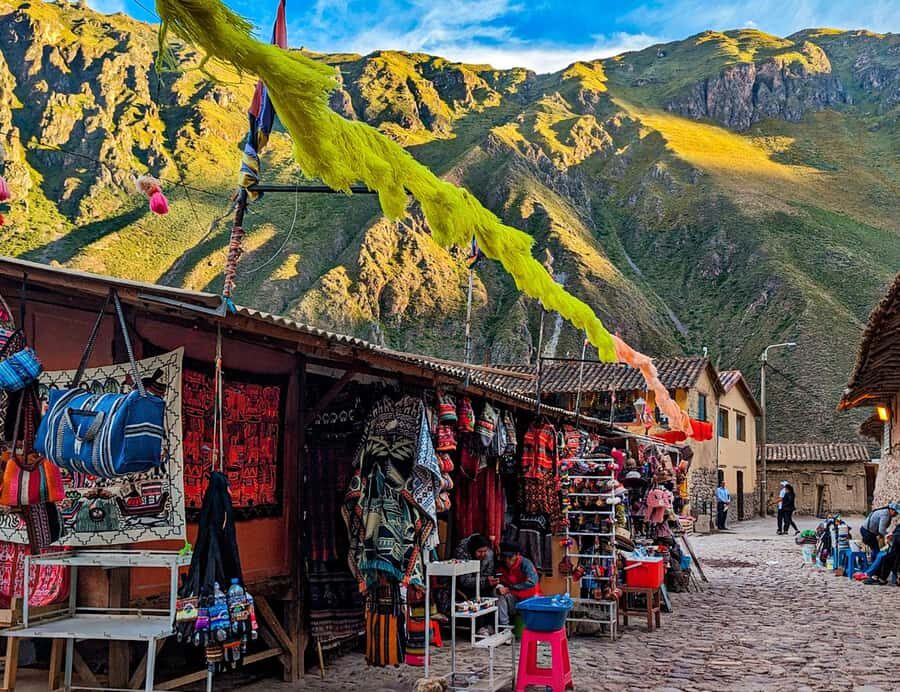
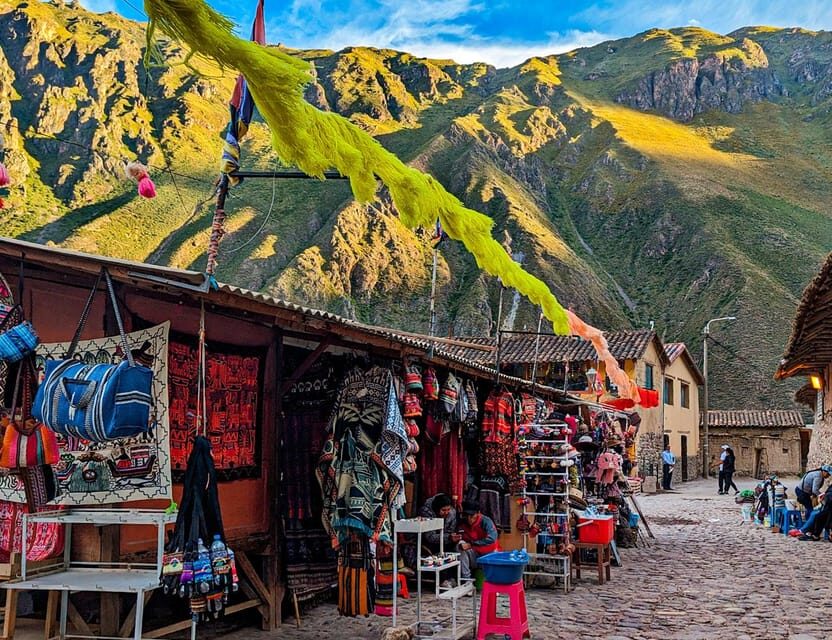
Chinchero Textiles: More Than a Shopping Stop
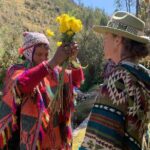
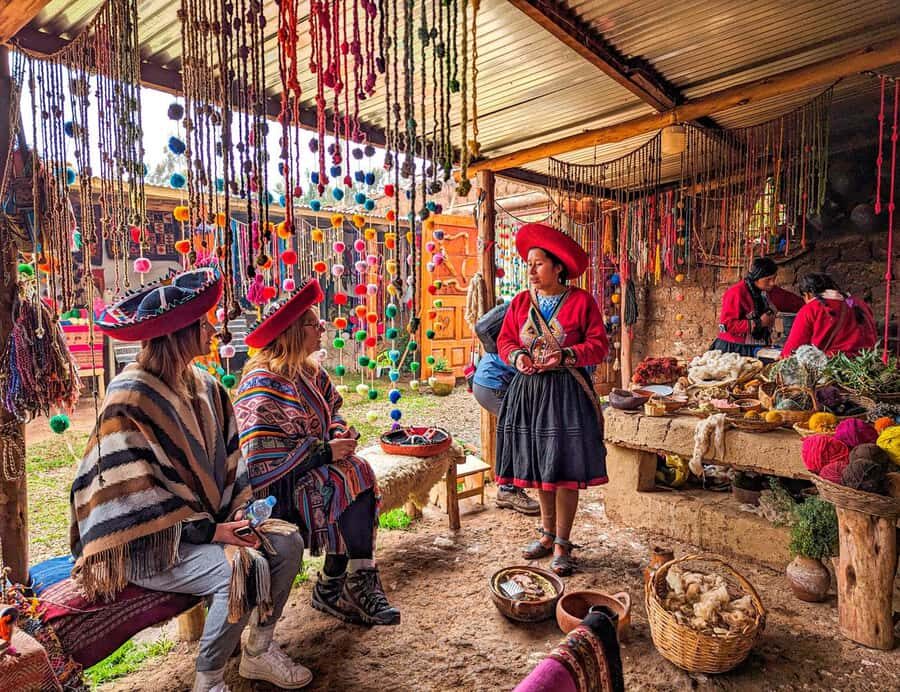
Chinchero is a small town outside Cusco, and it’s known for textile weaving traditions. The tour’s stop here usually includes a mix of photo time, a guided visit, and time to walk and shop.
This is where you’ll learn what you’re actually looking at when people sell woven goods. You’re not just buying a souvenir; you’re seeing a craft tied to Inca-era techniques and Andean daily life. Expect examples of textiles made with traditional methods and explanations that connect the weaving to local culture.
Here’s the practical way to use the time in Chinchero:
- If you’re shopping, look early. The best stuff can be easy to miss if you wait until the last 10 minutes.
- Ask questions about materials and what’s traditionally made there. Even if you don’t become an expert, you’ll recognize better quality when you compare pieces.
- Bring cash for small purchases. Credit cards aren’t always the default in smaller weaving shops.
Also, if you’re a little travel-shy about tours—this stop usually feels less like a lecture and more like walking through a living craft scene. Some guides also bring cultural details into the conversation (like the role of coca leaves), which helps the day feel personal instead of purely checklist-based.
Moray Terraces: The Inca Farming Experiment You Can Still Feel
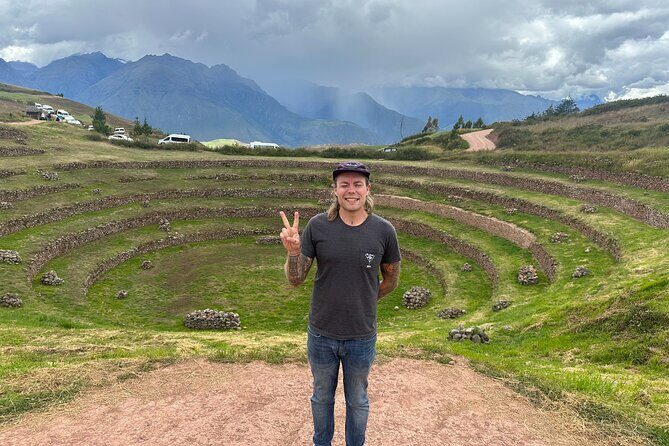
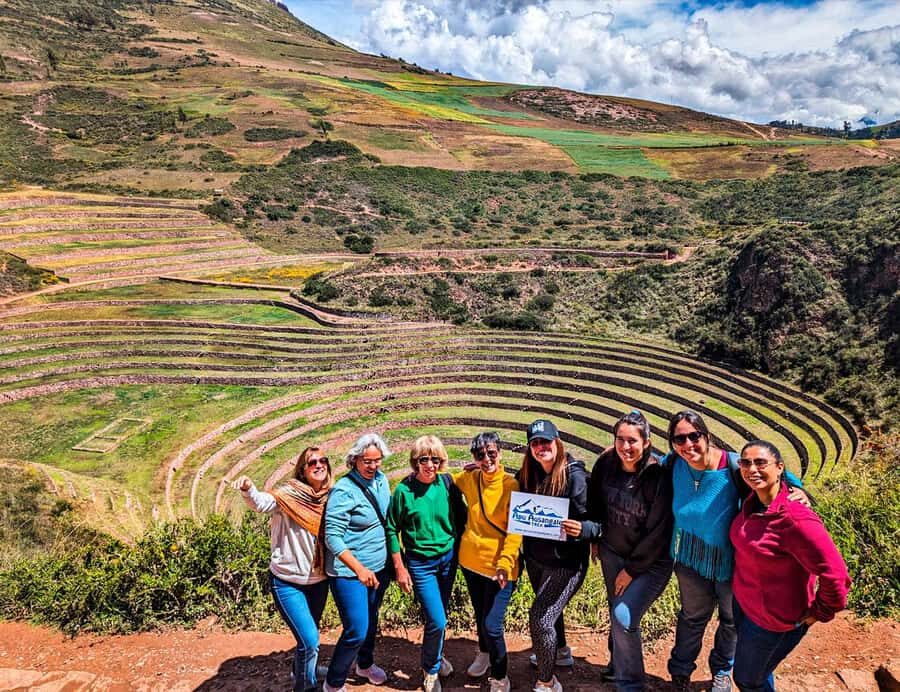
Next comes Moray, famous for its circular agricultural terraces. Even if you’ve seen photos online, the place hits differently in person because the scale and shape make the logic obvious.
The guide frames Moray as a system the Incas used to grow crops in challenging mountain terrain. The terraces were built along the hillsides, and the setup helped create different growing conditions. In plain terms: it’s like an early research station for farming, built out of stone and clever engineering.
What to do at Moray:
- Take your time on the walk. The terraces look simple from a distance, but up close you start noticing how the levels relate to each other.
- Listen for the explanation tied to climate and crop variety. That’s the difference between seeing a pretty set of ruins and understanding why it mattered.
One drawback of Moray (and it’s minor, but real): the visit is short. You get guided time and a walk, but this is still a stop in a fast-moving day. If you love ruins that reward long wandering, you’ll still enjoy Moray—you just won’t have hours to roam.
Maras Salt Mines: 5,000 Ponds With Real Walking Energy
Then the day turns salty.
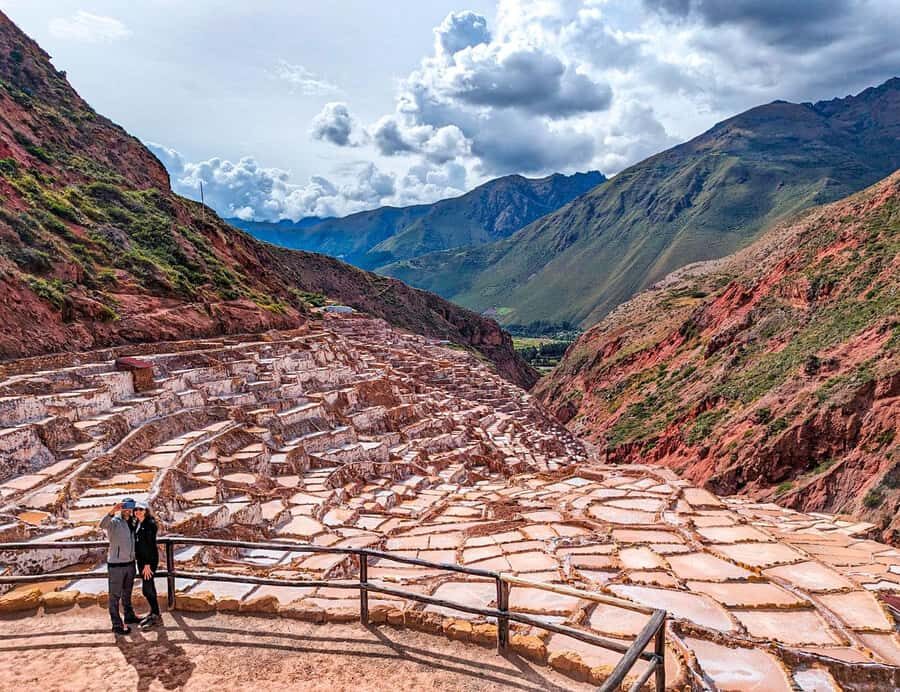
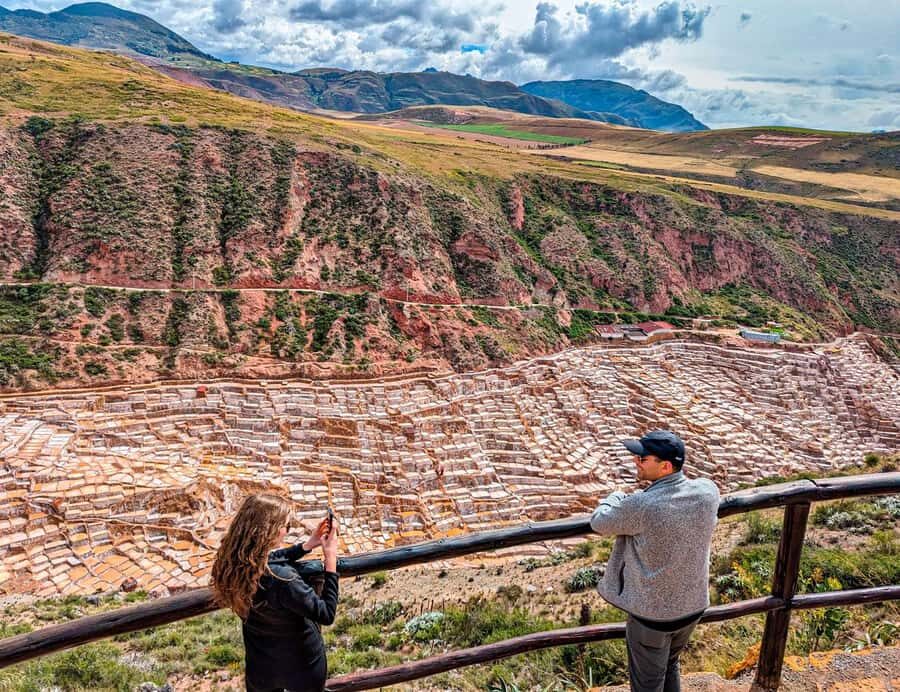
Maras Salt Mines (in the Moras area) contain over 5,000 salt ponds, used for a long time by local communities to preserve food. When your guide explains the purpose, the salt ponds stop being a curiosity and start making sense as part of food storage and survival.
Your time here includes photo time, guided explanation, and walking around the ponds. The tour also notes that this entrance ticket is typically purchased on site (expect to pay in PEN), so don’t plan on only the prices you see online.
What makes Maras worth your time is how visible the process is. You can look across the ponds and understand how the water and salt production work as a system. It’s not just architecture; it’s active geography.
Practical tip: this is a bright, sun-heavy stop. Bring water, wear sunscreen, and have sunglasses ready. Even if the day isn’t physically hard, the sun can feel intense.
Urubamba Buffet Lunch: A Real Break Before the Stairs at Ollantaytambo
Urubamba is the Sacred Valley’s hub, and lunch is served there, usually as a buffet with enough time to actually reset.
This isn’t framed as a fancy restaurant stop. It’s practical and filling. Many guests say the lunch place offers a good variety, including vegetarian options, which matters when you’re doing a packed itinerary and your stomach needs a reliable anchor meal.
If you want to make lunch work for you:
- Eat before you’re hungry. The day moves from site to site quickly, and you don’t want to start Ollantaytambo with an empty tank.
- Keep drinks simple. The tour notes that drinks aren’t included, so plan on buying water if you run out.
A big part of the value here is that lunch is included, and you’re not paying extra for it while juggling entrance fees at other stops. It helps keep the day feel like a complete package rather than a string of add-ons.



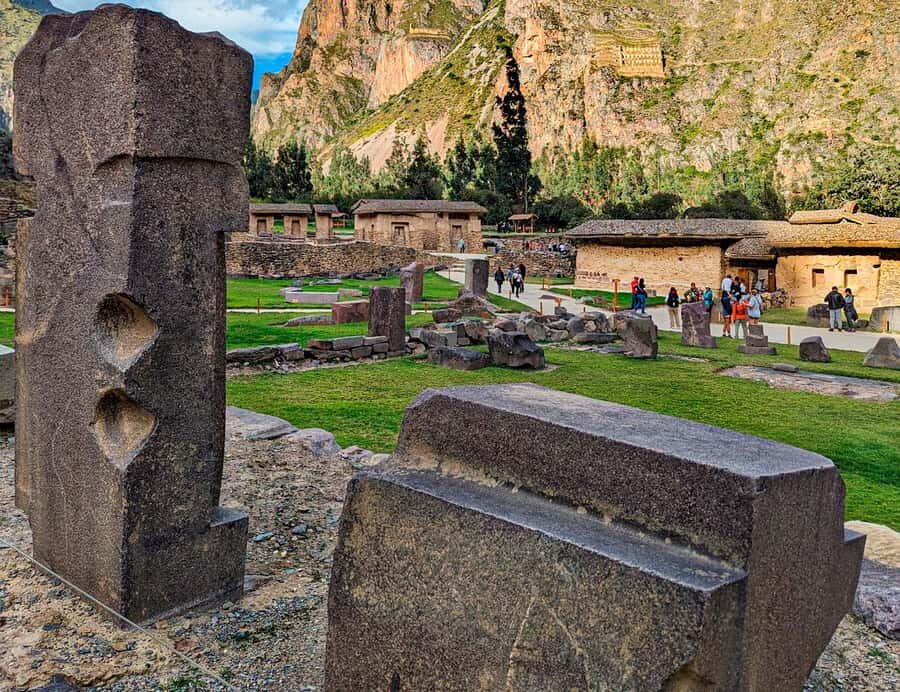
Ollantaytambo Fortress: The 200+ Steps and the View From the Past
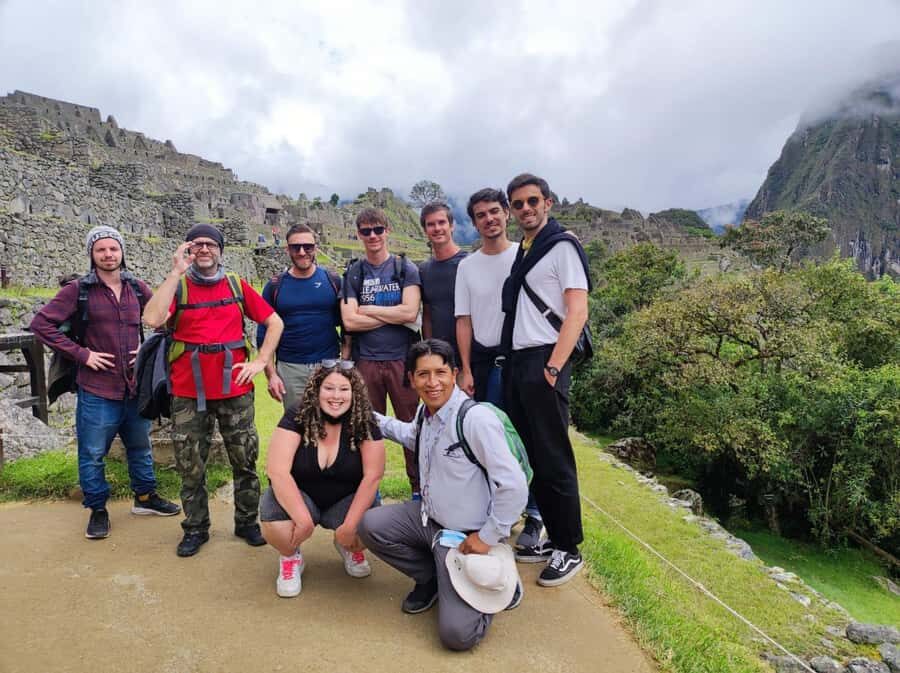
Ollantaytambo is one of the most important places in the Sacred Valley, especially for its megalithic stonework and strategic layout. The tour includes photo time, guided visit, and the climb up to the top terraced fortress.
Expect 200+ steps. That’s the one part of this day that can feel like a workout. If you’re managing energy, go at your pace, take short pauses, and focus on the view as it opens up. The guide helps you connect what you’re seeing to Inca defensive needs, so the climb doesn’t feel like a random effort.
At the top, the ruins overlook the town. That “line of sight” is the clue. Ollantaytambo was built to control movement and defend access, and once you understand the geography, the architecture feels less like big stones and more like a plan.
Then you finish in Ollantaytambo at either the main square or the train station. This is where the tour’s design really pays off: you’re not forced to come back to Cusco just to turn around for Machu Picchu.
Price and Tickets: What $27 Really Means in Practice
The headline price is listed as $27 per person, and that’s a good deal for a full day that includes pickup in Cusco, transportation between multiple Sacred Valley stops, a bilingual guide, and an included buffet lunch.
But the important part is what’s not included:
- A partial tourist ticket for Chinchero, Moray, and Ollantaytambo (listed as 70 PEN) is purchased at the first site.
- Salt mine entrance is purchased on site (listed as 20 PEN).
- Drinks aren’t included.
- Return transportation back to Cusco isn’t included.
So your real budgeting logic should be:
1) assume you’ll pay for those site tickets in PEN,
2) plan for water and drinks,
3) count the fact that you’re finishing in Ollantaytambo, which can save you time and money compared to doing two separate trips.
For me, this is where the value is clear. You’re buying guided time and transport through three major cultural stops plus the salt mines, and you end in the exact town you want for Machu Picchu logistics.
Timing, Group Size, and How to Avoid a Stressy Day
This tour runs about 8 to 9 hours. That length is part of what makes it work: it’s long enough to cover multiple Sacred Valley highlights, but short enough that you still have energy to enjoy the final stop.
Two details help you keep the day smooth:
- Pickup timing matters. The tour instructs you to wait at your hotel reception desk. If you’re ready early, you’re less likely to lose time to first-van confusion.
- Train timing matters. The day ends around 15:30, and the advice is to book trains after 16:00.
Group size can change your experience. The tour offers private or small groups, and in those cases the stops often feel more flexible. In larger groups, you may have less freedom to linger at a shop or take photos at your exact pace—but the itinerary still aims to keep breaks reasonable.
Also, bring the right basics:
- Water
- Sun hat
- Sunglasses
- Sunscreen
- Camera
- Cash
Drones are not allowed, and alcohol and drugs aren’t allowed either—standard rules, but worth knowing so you don’t get stuck at a checkpoint.
Who This Tour Suits Best (And Who Should Consider Another Option)
This tour is a strong fit if you want:
- a guided Sacred Valley overview in one day,
- an easy one-way route from Cusco to Ollantaytambo,
- and a day that includes both culture (textiles) and Inca engineering (Moray + Ollantaytambo) plus a unique practical system (Maras salt).
It’s especially good if you’re going to Machu Picchu soon after arriving in Cusco. Starting with the Sacred Valley often helps you feel oriented before you see the big finale.
You might want to look for a different plan if:
- you need a return transfer back to Cusco the same day,
- you hate stair climbing (Ollantaytambo includes a long climb),
- or you want lots of free time at only one site. This one is designed for breadth, not long solo wandering.
Should You Book This Cusco to Ollantaytambo Tour?
If you’re looking for a practical, well-structured way to connect the Sacred Valley with your next day’s Machu Picchu plans, I think this is an easy yes. The biggest strength is the combo: textile culture + Inca agricultural engineering + salt mining + a fortress climb, all delivered with enough organization that you’re not stuck managing transport.
It also feels like good value because lunch and guided time are included, and the route naturally drops you where you need to be. The only real caution is budgeting for entrance tickets in PEN and respecting the one-way timing.
If that fits your schedule, book it. If you’d rather slow down and spend half a day just in one place, you might prefer a slower, more site-focused itinerary.