REVIEW · CUSCO
Classic Inca Trail to Machu Picchu – 4 Days / 3 Nights
Book on Viator →Operated by Salkantay Trekking · Bookable on Viator
Four days to Machu Picchu, no shortcuts. This Classic Inca Trail trek strings together high passes, Inca ruins, and a dawn arrival at the Sun Gate—with camping and meals handled for you. You’re picked up from Cusco early, hike most days, and end with a train ride from Aguas Calientes back toward Ollantaytambo.
What I really like is the small-group feel and the day-to-day support that keeps you moving without turning it into a stressful circus. I also love how much effort goes into the camp experience—your guide’s storytelling and the chef-level food make hard climbs feel more human. The main drawback: this is a serious high-altitude trek, and you’ll need to bring key gear like a sleeping bag and trekking poles since they’re not included.
In This Review
- Key takeaways before you go
- Getting Ready: Cusco altitude and that 4:30 a.m. pick-up
- Day 1 from Cusco to Ayapata: acclimate gently, then start stacking ruins
- Day 2 Dead Woman’s Pass and the archaeology run across the ridge
- Day 3 Phuyupatamarca, terraces at Intipata, and Wiñay Wayna’s magic
- Day 4 Inti Punku sunrise to Machu Picchu, plus the train back to Ollantaytambo
- Price and logistics: what $1,095 buys you (and why it’s not just a bed-and-a-bag deal)
- The guide and team experience: when stories make steep climbs feel shorter
- Food on the trail: what’s included and how to eat for altitude
- Gear and packing: what to bring so the duffle system works for you
- Who this trek fits best (and who should think twice)
- Should you book the Classic Inca Trail with Machu Picchu sunrise?
- FAQ
- What time does the tour start in Cusco?
- How long is the Classic Inca Trail experience?
- Is Machu Picchu entrance included?
- What train is included for the return trip?
- What meals are included during the trek?
- Do I need to bring a sleeping bag and trekking poles?
- Is the group size limited?
- Can I get vegetarian or vegan meals?
Key takeaways before you go
- 4:30 a.m. start in Cusco: expect an early pick-up and a fast transition into hiking mode.
- Camping is set up for you: quality tents, camp setup gear, and porters carrying the heavy stuff.
- Two big “wow” moments: Dead Woman’s Pass views and sunrise at Inti Punku (Sun Gate).
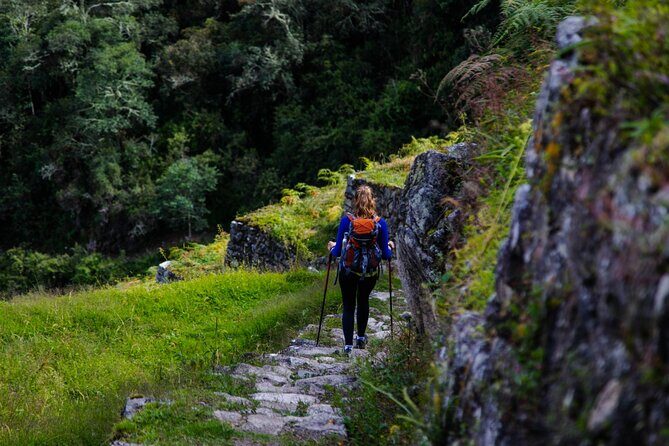
- Inca ruins built into the route: you don’t just trek—you stop at multiple archaeological sites.
- Machu Picchu entrance included with circuits: you get Circuit 1C and Circuit 3B across your two Machu Picchu days.
- Support and safety tech in the mix: walkie-talkies plus emergency satellite phones, first aid kit, and oxygen supply.
Getting Ready: Cusco altitude and that 4:30 a.m. pick-up
Cusco is the launchpad, but the altitude is the real first test. You’re recommended to arrive at least two days before the trek so your body can adjust before you start climbing higher. If you skip that, you’ll spend the first day just trying to breathe comfortably, and the trail will feel harder than it already is.
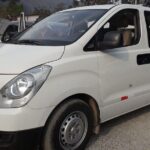
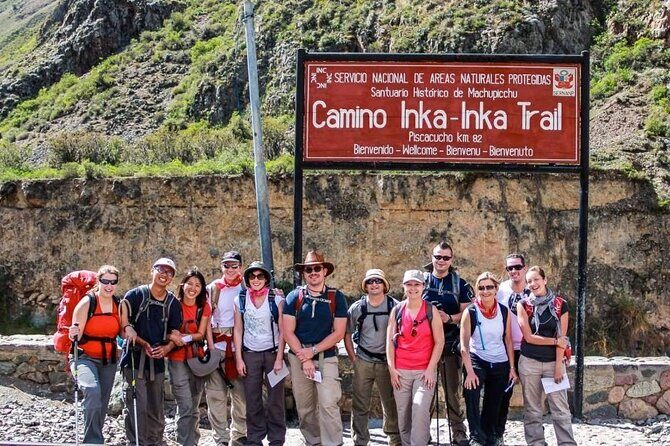
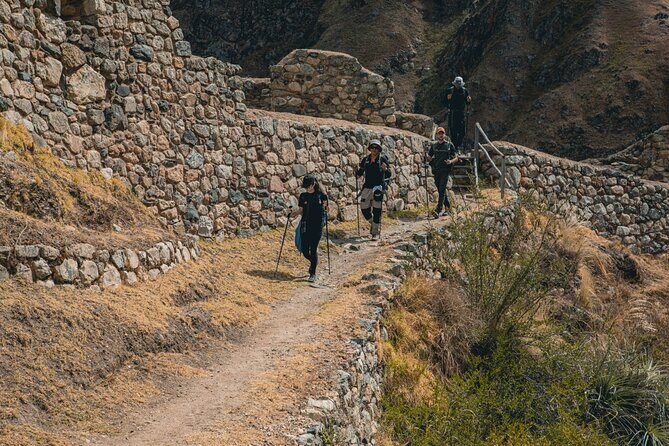
Then comes the logistics reality: the adventure starts with pick-up at 4:30 a.m. from your accommodation. That’s not a gimmick. It’s there to get you into the trek timing, and it also helps you beat crowds and heat later on. On this tour, you’ll ride to Ollantaytambo, then work your way toward Piscacucho (KM 82), where the hike begins.
One smart way to think about this trip: you’re not only hiking the Inca Trail. You’re managing altitude, pacing, and early mornings for four straight days. If you treat it like a physical program—with a steady effort and patience—it’s a lot more fun.
You can also read our reviews of more tours and experiences in Cusco
Day 1 from Cusco to Ayapata: acclimate gently, then start stacking ruins
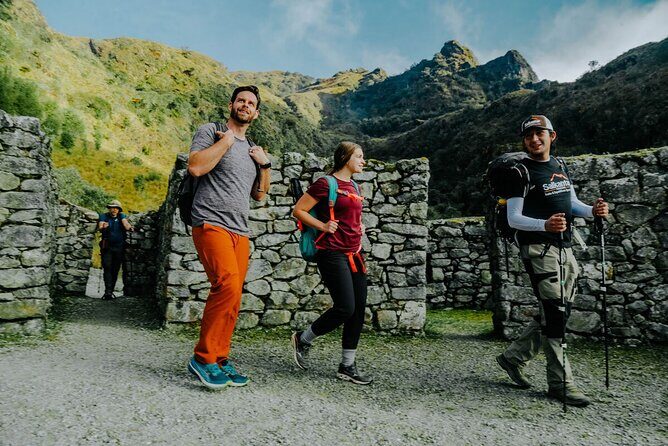
Day 1 feels like the “get in gear” day. You’re transported from Cusco to Ollantaytambo with early timing, then you’ll get breakfast before heading to the official starting area at Piscacucho (KM 82). This part matters because it lets you warm up your lungs before the steep stuff starts later.
Your first hiking stretches are designed to help you acclimatize. The route begins with a gentle start that keeps you moving without immediately demanding a full-send effort. You’ll also be taking in Andean scenery and getting used to how your body feels at elevation.
Then you start ticking off archaeological stops along the way, including Canabamba, Wilkarakay, and Llactapata. These aren’t random “walk past it” moments. They’re placed so you can connect the physical hike with what the Incas built and how the trail functioned as a living route across the mountains.
By afternoon, you’ll reach Ayapata, your first campsite. After lunch, you continue along trail sections surrounded by nature until you set camp. What you end up remembering most from Day 1 is often simpler than the sites: dinner under the stars, and that satisfaction of knowing you’ve officially started the real trek.
Possible drawback for Day 1: if you’ve rushed altitude prep in Cusco, the early hour-by-hour rhythm can feel demanding. This is not the day to try to prove you’re tougher than your body.
Day 2 Dead Woman’s Pass and the archaeology run across the ridge
Day 2 is the day with teeth. It starts with hot coca tea and breakfast—basically morale fuel before the big ascent. Then you hike up toward Dead Woman’s Pass (4,215 m / 13,829 ft).
Reaching the pass is the kind of moment you feel in your whole body. It’s not only the height; it’s the mental grind of getting step-by-step higher while everyone’s working hard. Once you’re there, the views help you make sense of the effort. You also have a brief moment connected to sacred Apus (mountain spirits), followed by a descent toward Pacaymayo.
After that, you’ll stop for lunch and recharge. It’s important you treat this as part of the challenge, not just a break. Your legs will need it.
Next you’ll visit Runkurakay, then make your way through the Runkurakay Pass, where there’s an offering moment to Pachamama (Earth Mother). After that comes Sayaqmarka, an Inca complex set high with impressive sunset views toward the Vilcabamba mountain range. Sunset on this route can feel like a reward you earned with every huff and puff.
You finish Day 2 at the Chaquiqocha campsite, with dinner waiting and more time to recover. This is the night where good sleep is basically a strategy, because Day 3 is still full.
One practical consideration: Dead Woman’s Pass is hard even if you’re fit. Your best weapon is steady pacing. Don’t sprint to the top of the ridge and burn out.
Day 3 Phuyupatamarca, terraces at Intipata, and Wiñay Wayna’s magic
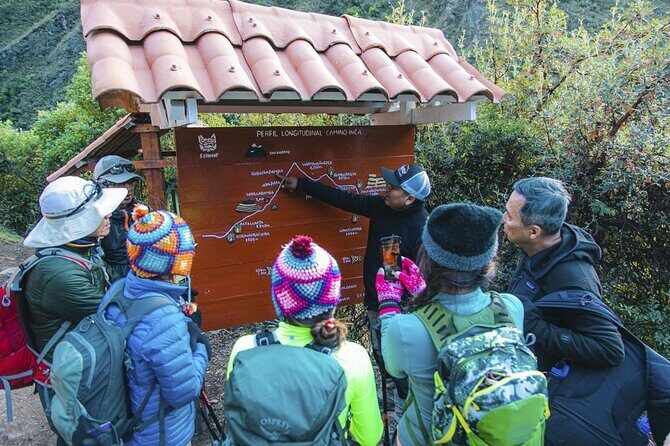
Day 3 is often described as the most relaxed day—at least compared to Day 2—yet it still lands some of the most memorable terrain.
You start with breakfast at 6:30 a.m., then hike about 1.5 hours to Phuyupatamarka (3,650 m / 11,975 ft). This is the place people talk about because it feels like you’re hiking near the clouds. Whether the clouds are thick or thin that day, the sensation is real: you’re moving through a space where the weather changes how the world looks.
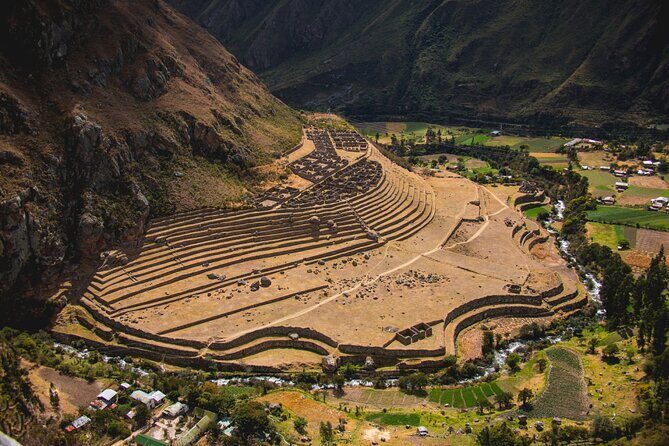
From there, you descend along ancient trails to Intipata, an agricultural area with terraces overlooking the Sacred Valley and the Urubamba River. Terraces aren’t just pretty—they’re proof of how the Incas made farming work in steep, unforgiving terrain. Even if you’re not a history person, you’ll likely find yourself staring at how the engineering holds.
After Intipata, you head to camp near Wiñay Wayna (forever young). You’ll explore Wiñay Wayna with your guide after lunch. This is one of the most impressive sites along the trek because it combines a feeling of human presence with the power of the setting.
Then comes a detail I really value on multi-day treks: the small celebration for the team of porters and cooks. It’s a simple moment, but it reminds you who makes this trek possible. Porters are carrying tents, cooking gear, and supplies while you focus on walking. That division of labor is part of the appeal.
You end the day early enough to rest before the sunrise entrance to Machu Picchu the next morning.
Possible drawback: Wiñay Wayna is scheduled for an afternoon/early evening rhythm. If you’re tired, you’ll still want to show up mentally—those ruins are best enjoyed when you’re not half-asleep.
Day 4 Inti Punku sunrise to Machu Picchu, plus the train back to Ollantaytambo
The day starts very early: at 3:30 a.m., you begin the hike toward Inti Punku (Sun Gate). Breakfast comes first, then you walk about an hour. This isn’t a casual stroll. It’s timed for that first light moment.
From Sun Gate, you watch the first rays of dawn illuminate Machu Picchu. That’s the climax of the route—the payoff for four days of altitude, passes, and walking with your shoulders carrying less than you think, because your duffle is portered. It can be quiet up there, and you’ll likely remember the light more than the logistics.
After that, you descend to the citadel and get time to take photos and soak in the layout. If you planned ahead, you may be able to climb Huayna Picchu or Huchuy Picchu for extra views, depending on what you booked in advance.
Machu Picchu visits here are included through specific circuits: Circuit 1C and Circuit 3B across your entry days. If you’re a first-timer, circuits matter because they shape what you can see and how you move through the site.
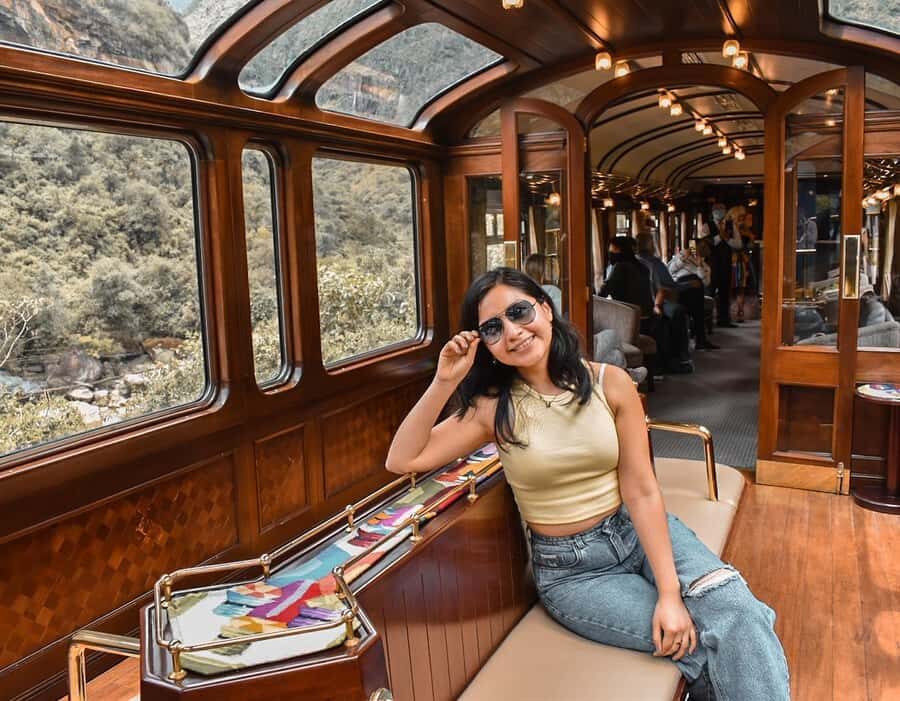
Once your Machu Picchu time is done, you’ll descend by bus to Aguas Calientes for lunch. Then you board the tourist class train back to Ollantaytambo, followed by private transportation back to Cusco. You should be back around 7:30 p.m., which is a nice close to a long day.
Practical heads-up: the Machu Picchu portion is structured. Comfortable shoes and a calm attitude help more than trying to rush ahead.
Price and logistics: what $1,095 buys you (and why it’s not just a bed-and-a-bag deal)
At $1,095 per person, you’re paying for more than the trail itself. This price includes the big spend categories that many DIY trekkers underestimate: Inca Trail permits, Machu Picchu entrance, camping accommodation and equipment, a licensed bilingual guide, and the full chain of transfers and transportation.
You also get heavy infrastructure handled for you:
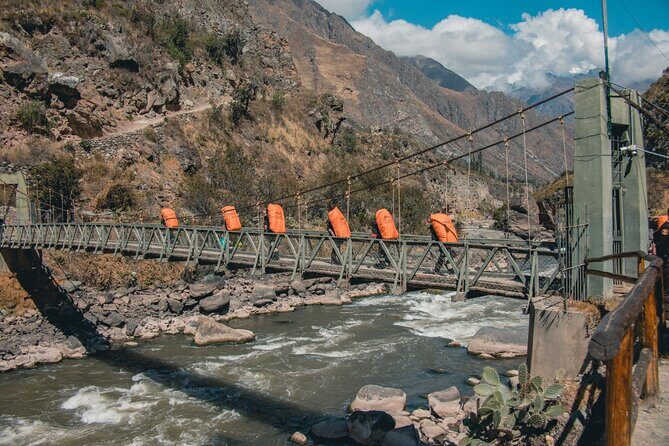
- porters carrying camping equipment and your personal duffle (up to 5 kg / 11 lb)
- cook and dining tent setup with chairs
- your water, tea time, and daily snacks on the trail
- walkie-talkies and emergency satellite phones, plus first aid kit and oxygen supply
That means your main job is walking, hydrating, and managing effort. You’re not trying to haul tents through mountain passes at 4,000+ meters, which is a huge quality-of-life advantage.
One value call I like: small-group size up to 10 travelers. On the Inca Trail, crowding can take the edge off the experience. A tighter group usually means smoother pacing, fewer bottlenecks at stops, and more back-and-forth with the guide.
The one thing not included is critical: you’ll need your own sleeping bag and trekking poles. So, if you’re comparing costs, make sure you price in those items—or plan to rent them where possible (if available locally).
The guide and team experience: when stories make steep climbs feel shorter
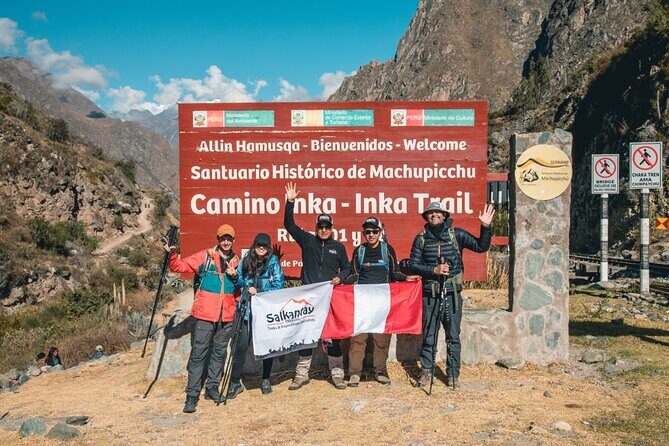
A trek like this lives or dies on the guide’s rhythm. In the reviews, names come up again and again—Carlos (often described as funny and high-energy), Marco, Cesar Quispe, Niko, and guides like Fredy Apaza and Fredy Chaleco. Even when the personalities differ, the consistent theme is clear: you’re getting real interpretation, not just directions.
Guides on this route talk about Inca heritage, mountains, and the meaning behind stops along the way. It changes how you feel about a steep climb. When you know why a site matters, the day becomes more than sweat.
Then there’s the chef and kitchen team. Several review notes highlight gourmet-style meals that are hard to believe when you remember you’re in remote mountain camps. You’ll get three dinners and multiple meals across the days, including breakfasts and lunches, plus tea time and snacks. It’s the kind of effort that helps you recover instead of just survive the next day.
Porters also get serious praise. They set up camp and keep gear moving between stops. If you ever doubted the value of a supported trek, the porter work is your reality check: you’re not carrying the whole system on your back, and that’s why the trek is doable.
Food on the trail: what’s included and how to eat for altitude
You’ll get 4 breakfasts, 3 lunches, and 3 dinners, plus water, coca tea time, and daily snacks. That’s a lot of support for your energy needs, especially at elevation where appetite can swing.
A smart approach: treat breakfast and snacks as your fuel, not just routine. On the day with Dead Woman’s Pass, you’ll feel it when you under-eat. Eat what’s offered, sip water often, and don’t wait until you’re starving.
Also pay attention to dietary needs. Vegetarian and vegan options are available if you tell the operator when booking. That matters here because you want consistent meals over multiple days—not a random solution on Day 3.
Gear and packing: what to bring so the duffle system works for you
This trip includes camp gear and a duffle bag carried by porters for up to 5 kg / 11 lb. Translation: you should pack light for anything you truly want with you in camp, and keep the rest in what the team transports.
What you must bring:
- Sleeping bag
- Trekking poles
- Clothing and personal hiking equipment
What you’ll get:
- tents and camping accommodation for 3 nights
- bag cover and a rain poncho
- water and daily trail snacks
- safety items like first aid kit and oxygen supply
If rain hits, the included rain poncho is useful, but you’ll still want layered clothing for cold morning starts. Also, plan for footwear you trust. Machu Picchu mornings include early hikes and lots of walking on uneven surfaces.
One more tip from experience people share: avoid bringing candy for village children. If you want to bring something for kids you meet along the way, pack items like pencils, paper, or crayons since those are more useful and don’t create expectation without dental care access.
Who this trek fits best (and who should think twice)
This is for you if you:
- have moderate physical fitness
- can handle long hiking days at altitude
- want a supported trek with camping and meals organized
- like the idea of arriving at Machu Picchu at dawn rather than just getting there and rushing through
It’s not ideal if you:
- get nervous about steep climbs and pass elevations
- don’t want early mornings (3:30 a.m. and 4:30 a.m. starts are part of the deal)
- expect to bring zero gear (sleeping bag and poles are on you)
Group size is limited to 10, which helps the overall experience, but you’ll still be hiking with others for long stretches. That’s normal on the Inca Trail and part of why the pace feels communal.
Should you book the Classic Inca Trail with Machu Picchu sunrise?
I’d say book it if you want the full arc: Dead Woman’s Pass, Sun Gate dawn, Inca ruins sprinkled across all four days, and the comfort of having porters, tents, and meals handled. The value is strongest if you factor in the permits, Machu Picchu circuits, guided interpretation, and the fact that you’re not managing camping logistics yourself.
Hold off if you’re not ready for the altitude and early starts. Also, be flexible in your planning mindset: the experience requires good weather, and if it gets canceled due to poor weather, you’ll be offered a different date or a full refund.
Finally, read your own packing list twice. The trek is supported, but your sleeping bag and trekking poles are your responsibility—and those two items can make the difference between a trip you love and a trip you endure.
FAQ
What time does the tour start in Cusco?
Pick-up begins at 4:30 a.m. from your accommodation in Cusco.
How long is the Classic Inca Trail experience?
It runs for 4 days (about) and includes 3 nights of camping.
Is Machu Picchu entrance included?
Yes. Machu Picchu entrance is included with Circuit 1C on day 3 and Circuit 3B on day 4.
What train is included for the return trip?
The tour includes a tourist class return train from Aguas Calientes to Ollantaytambo.
What meals are included during the trek?
You get 4 breakfasts, 3 lunches, and 3 dinners. Water, tea time, and daily snacks are also included on the trail.
Do I need to bring a sleeping bag and trekking poles?
Yes. A sleeping bag and trekking poles are not included.
Is the group size limited?
Yes. The maximum group size is up to 10 travelers.
Can I get vegetarian or vegan meals?
Yes. Vegetarian or vegan options are available if you advise the operator at the time of booking.
If you want, tell me your fitness level and when you’re traveling (month), and I’ll suggest a smart packing list and a pacing plan for the pass days.