REVIEW · CUSCO
2-Day Tour at Sacred Valley and Machu Picchu by Train
Book on Viator →Operated by VTM Peru · Bookable on Viator
Machu Picchu before crowds is the whole point. This 2-day Sacred Valley and Machu Picchu by train route strings together Sacred Valley views, Pisac’s artisan market, and an early-gate visit to the sanctuary.
I like that Day 1 mixes Inca sights with everyday local culture, especially the Pisac market stop with artists and artisans. I also like the plan for Machu Picchu: a guided walkthrough before the site gets packed.
The main catch is pacing. Sacred Valley time at each stop is fairly short, so if you want extra wandering time on your own, you’ll have to choose your spots fast.
In This Review
- Quick, Useful Highlights
- Why This 2-Day Train Plan Works (and When It Doesn’t)
- Day 1 in the Sacred Valley: Farming Terraces, Mountains, and Pisac’s Market
- Parque Arqueológico Pisac and Ollantaytambo: Inca Stonework With Mountain Setting
- A Smooth Cusco-to-Cusco Day: Pickup and Train Timing
- Machu Picchu at 06:00: Early Entrance and a Real Guided Route
- The Train + Bus Rhythm: What the Return Day Feels Like
- Meals on Tour: Breakfast Included, Lunch Timing Matters
- Price and Value: Is $434 a Fair Deal for 2 Days?
- Who Should Book This Tour (and Who Might Prefer Something Else)
- Should You Book This 2-Day Sacred Valley and Machu Picchu Train Tour?
- FAQ
- What time does the tour start on the first day?
- Do I need a passport for Machu Picchu?
- What time are we at the Machu Picchu entrance?
- How long is the guided part inside Machu Picchu?
- Is lunch included?
- How do you travel between places?
- What’s the group size?
- Is free cancellation available?
- Is this tour suitable for most people?
Quick, Useful Highlights
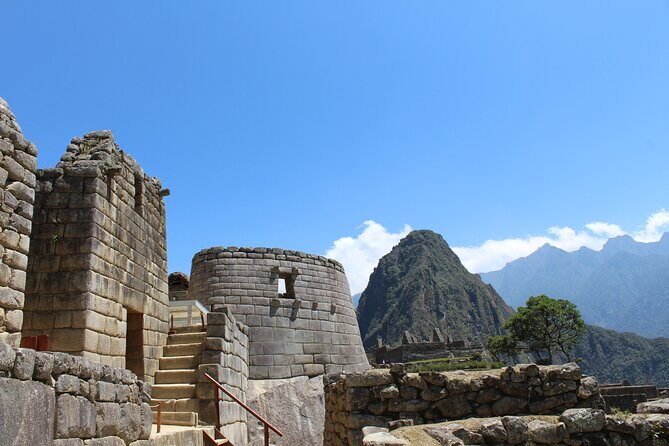
- Early Machu Picchu timing: bus up around 05:30 and entrance at about 06:00
- Guided walkthrough: roughly 2–2.5 hours covering the key temples, residences, miradors, and viewpoints
- Sacred Valley focus: you stay on the valley floor at about 2,970 m plus Inca agricultural terraces in the hills
- Pisac market time: about 1 hour to browse and snap photos (or buy small crafts)
- Small group size: maximum 10 travelers, which helps the schedule move
- Train logistics built in: Expedition trains plus the round-trip bus from Aguas Calientes to Machu Picchu
Why This 2-Day Train Plan Works (and When It Doesn’t)
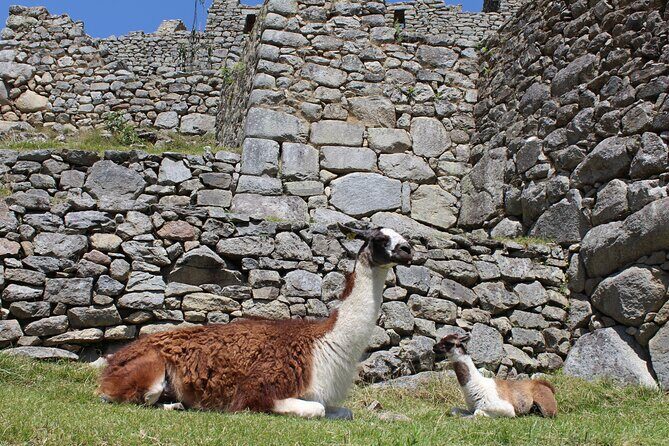
This tour is built around one simple idea: get you to Machu Picchu early enough that you’re not trapped in a wall of bodies. You reach the gate as it opens and then move with a guide through the site’s most important zones, so you’re not trying to guess what everything is while crowds build.
On Day 1, the value comes from variety in one day. You’re not only seeing big monuments; you’re also seeing how the Incas shaped farming in the hills around Pisac, then getting a look at a working market where local makers sell their work.
The tradeoff is that the itinerary is tight. You’ll cover three major areas in one day on Day 1, and Machu Picchu is time-managed on purpose. If your travel style is slow, lingering, and photo-only, you might feel the pressure to move quickly.
You can also read our reviews of more tours and experiences in Cusco
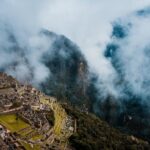
Day 1 in the Sacred Valley: Farming Terraces, Mountains, and Pisac’s Market
Day 1 starts in the Sacred Valley at about 2,970 m. This is the Inca idea of a productive valley: farming land on the valley floor, tall mountains around you, and the Vilcanota River cutting through the scene. It’s the kind of place where the geography does the storytelling—fertile ground, travel corridors, and strong reasons for settlement.
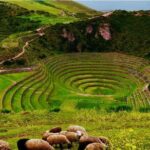
The stop before you reach Pisac town focuses on the hanging farming terraces on the hills. You get the visual logic right away: terraces hold water and reduce erosion on slopes, making agriculture possible in steep country. Then, when you head into Pisac, the market time brings that same theme of land and daily life into a modern setting.
Pisac’s market visit is planned at about 1 hour, with time to admire and photograph artisans, painters, and other craftspeople. You’ll likely be able to browse at a relaxed pace compared with the archaeological stops, because this is less about walking ruins and more about looking around. If you want a souvenir that feels local rather than generic, this is one of the best moments of the trip to do it.
Possible drawback on Day 1: the archaeological time windows are short. There’s just enough time to see a lot and get key photos, but not enough time to wander off into tangents.
Parque Arqueológico Pisac and Ollantaytambo: Inca Stonework With Mountain Setting
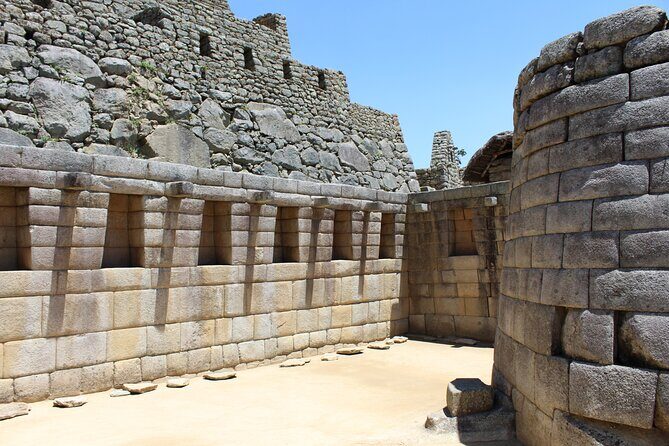
In Pisac’s archaeological park area, you get partial site access included in the tour price. Even when you’re not covering every corner, the framing matters: you’re seeing how the Inca organized space from higher ground down toward settlement and agriculture. It helps you connect what you saw on the terraces with what you see in the built structures.
Then you roll to Ollantaytambo, a town surrounded by mountains, where the Inca constructions still look massive and precise. This is the kind of place where big stones aren’t just impressive—they explain strategy. The carvings and the way the structures sit in the terrain make it easy to see why Ollantaytambo mattered for movement and control through the valley.
Your Ollantaytambo time is about 45 minutes, with included admission for the park. A short stop can be good if your guide is strong because you’ll get the “what you’re looking at” answers without losing the day to walking fatigue. One of the nice surprises from recent experiences is that Juan Carlos (and his team) has stepped in for longer explanations when needed, rather than sticking only to a rushed checklist.
A Smooth Cusco-to-Cusco Day: Pickup and Train Timing
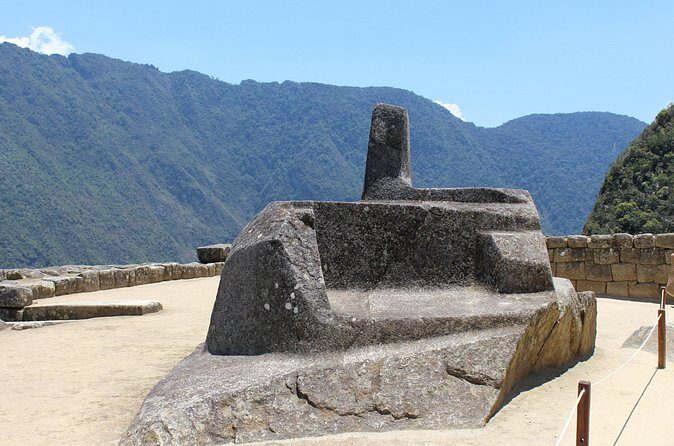
A practical win here is that the tour handles the flow between the key points. You get pickup and drop-off at your Cusco accommodation, and then you connect to trains and buses that take you toward the Machu Picchu circuit.
The schedule is also structured around the realities of altitude and timing. Day 1 gives you enough daylight hours for the Sacred Valley stops. Day 2 then pivots to early-morning Machu Picchu, when the air feels cooler and the entrance is open before the thickest wave arrives.
Group size is capped at 10 travelers, which matters more than it sounds. Smaller groups tend to stay flexible if timing shifts a bit, and you’re less likely to feel like you’re trapped waiting for the slowest person in a huge crowd.
Machu Picchu at 06:00: Early Entrance and a Real Guided Route
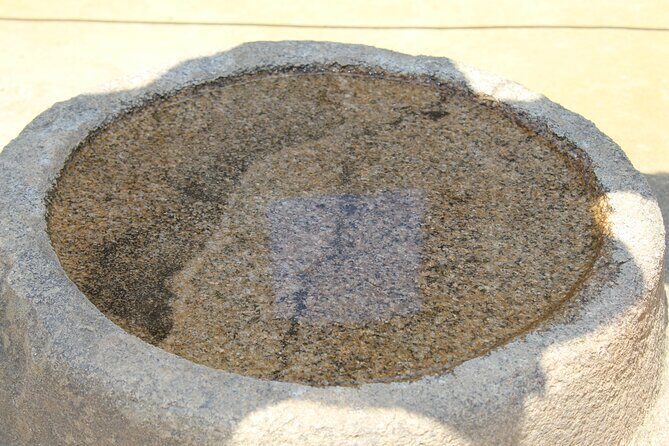
Day 2 begins with an early breakfast at 05:00 at the hotel, then you head out by bus at about 05:30. The goal is simple: arrive at the entrance around 06:00, when the gates open. This is where you should take the instructions seriously. You’ll need your passport on hand for entry.
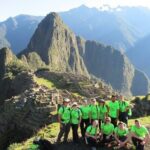
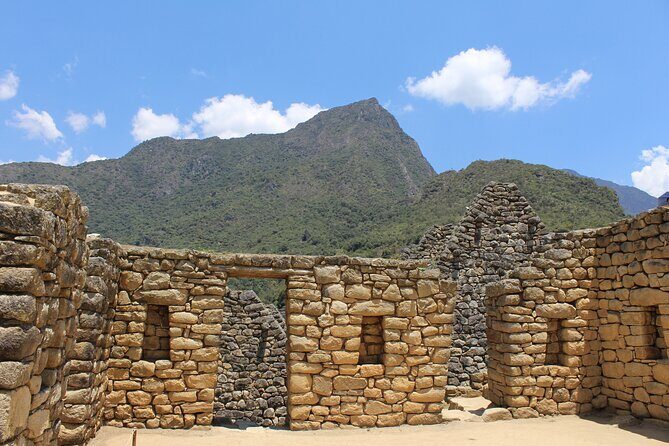
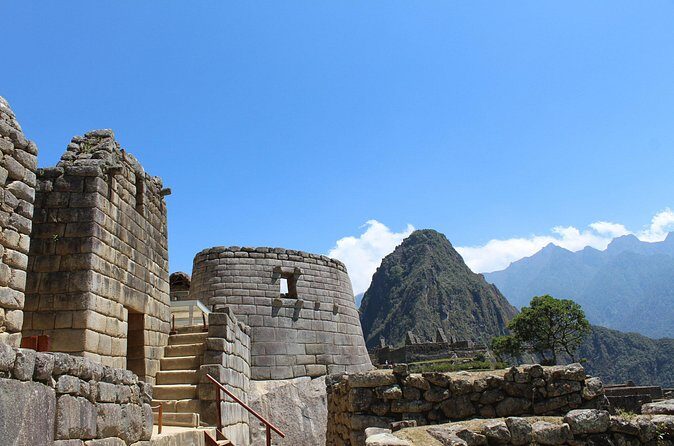
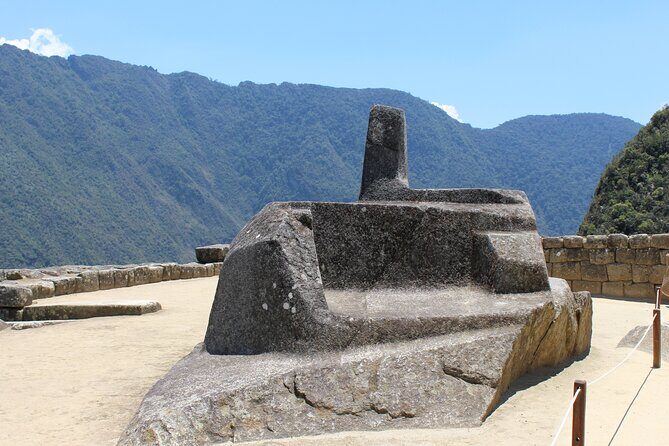
Once you’re inside, you follow a guided route for about 2 to 2.5 hours. That guide time is the heart of why this tour feels worth it. A capable guide doesn’t just point and name; they help you understand how the site was organized—miradors and temples, residences, and the best archaeological spots—so the whole layout clicks.
You also get time in the sanctuary beyond the guided segment, which helps you slow down for the photos you care about most. One recent booking noted there was more than enough time to spend at Machu Picchu, which makes sense if the guide route covers the essentials and leaves you room to linger after.
Small consideration: if you’re the type who wants to climb every possible viewpoint and also stop for every photo spot, you’ll still have to make choices. This is a guided, scheduled visit, not a full-day wandering pass.






The Train + Bus Rhythm: What the Return Day Feels Like
This is a train-and-bus day trip in the good sense: you’re not stuck driving all day, and you’re not forced to figure out every connection on your own. The tour includes:
- Train return to Ollantaytambo and transport back to Cusco (Expedition train)
- Train from Ollantaytambo to Aguas Calientes (Expedition train)
- Round-trip bus from Aguas Calientes to Machu Picchu
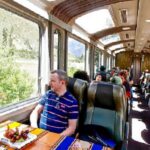
One practical note from a recent experience: the train ride back can feel long, around 4 hours 10 minutes on the way. That’s not a dealbreaker, but it’s the kind of thing you should plan for mentally. Bring something to keep you comfortable, and don’t plan a sprint to another big activity immediately after you return to Cusco.
Also, expect that the itinerary includes a lunch plan, but lunch on Day 2 in Aguas Calientes is not included. In other words, you’ll likely want a little cash and a plan for food after you come down from the site.
Meals on Tour: Breakfast Included, Lunch Timing Matters
This trip includes breakfast and a lunch. Based on the tour details, Day 2 breakfast is part of the early start for Machu Picchu. Day 2 lunch in Aguas Calientes is specifically listed as not included, so that’s where you’ll need to budget.
A recent review mentioned the lunch buffet was good and offered a nice variety of Peruvian foods to try. Even if your exact meal differs, it’s fair to expect you won’t be left with just a snack and a prayer on Day 1.
Practical tip for your planning: if you’re sensitive to early starts, treat breakfast as serious. You’ll be getting up before sunrise, and you’ll want energy before the first bus.
Price and Value: Is $434 a Fair Deal for 2 Days?
At $434 per person for two days, this tour is priced like a “do the hard parts for me” package. What you’re paying for isn’t just access to Machu Picchu—it’s the connected system: train segments, bus transfers, timed entry support, and guided time where it counts.
Here’s the value lens:
- Machu Picchu costs are included (sanctuary entrance plus the guided visit time built into the day)
- Sacred Valley stops are supported with included admissions for Pisac and Ollantaytambo and included lunch and breakfast
- Transport is handled with train tickets and round-trip buses so you don’t scramble with connections mid-trip
- Small group size keeps the experience manageable (max 10)
If you were to piece this together yourself, the hardest part is rarely the price of a single ticket. It’s the time management: trains, bus windows, entrance timing, and knowing where a guide is worth paying for. This package removes that stress and puts you on the Machu Picchu schedule that actually matters—first access.
Who Should Book This Tour (and Who Might Prefer Something Else)
This fits you if you want:
- A guided Machu Picchu experience that focuses on the key areas and reduces guesswork
- A Sacred Valley day with both ruins and local culture, not only stones and scaffolding
- A plan that includes train + bus logistics, plus pickup and drop-off in Cusco
It might be less ideal if you like long free-roam time at ruins. The itinerary is structured, and Day 1 archaeological stops are brief. The best way to enjoy this is to treat each stop as a highlight tour, then use your free moments to slow down at Machu Picchu.
If you’re traveling with older folks or anyone who hates early mornings, the 05:00 start on Day 2 could be a real factor. If that doesn’t bother you, the early entrance is one of the strongest selling points.
Should You Book This 2-Day Sacred Valley and Machu Picchu Train Tour?
Yes—if you want to minimize planning stress and maximize your chances of a calmer first entry to Machu Picchu. The combination of early timing, included transport, and guided coverage is exactly what makes this kind of short trip work.
I’d book it particularly if:
- You care about Machu Picchu being explained to you as you walk
- You want Sacred Valley and Pisac without navigating logistics on your own
- You’re okay with a tight Day 1 schedule because you’re trading it for a stronger Day 2 entrance
If you’re the type who needs hours at each site to wander at your own pace, you might feel rushed. In that case, consider a longer format tour where you can linger without the clock driving every decision.
FAQ
What time does the tour start on the first day?
The meeting point start time is listed as 7:30 am.
Do I need a passport for Machu Picchu?
Yes. The tour notes that you should have your passport on hand when entering Machu Picchu.
What time are we at the Machu Picchu entrance?
You board the bus around 05:30 and arrive at the entrance around 06:00, when the gates open.
How long is the guided part inside Machu Picchu?
The guided tour of Machu Picchu Citadel takes about 2 to 2.5 hours.
Is lunch included?
Lunch is included in the tour price, but lunch on Day 2 in Aguas Calientes is not included.
How do you travel between places?
Trains and buses are included: Expedition train from Ollantaytambo to Aguas Calientes, round-trip bus between Aguas Calientes and Machu Picchu, and then train return to Ollantaytambo with transport back to Cusco.
What’s the group size?
The maximum group size is 10 travelers.
Is free cancellation available?
Yes. You can cancel for a full refund up to 24 hours in advance of the experience’s start time.
Is this tour suitable for most people?
The tour information says most travelers can participate.