REVIEW · CUSCO
2-Day Sacred Valley & Machu Picchu Tour by Train from Cusco
Book on Viator →Operated by Cosmo Expeditions · Bookable on Viator
First word: Machu Picchu logistics matter. This 2-day Sacred Valley and Machu Picchu train trip links the key sites in the Inca heartland—Chinchero, Moray, Maras, Ollantaytambo—then gets you into Aguas Calientes without you wrestling trains and timing. I really like the round-trip pick-up and drop-off in Cusco, so you’re not trying to figure out local transport on jet lag and altitude.
The big win for me is how much you’re guided without feeling stuffed. You get a professional English-speaking guide through the core sites and a guided run at Machu Picchu, plus a small group size (max 9). One thing to consider: not every site fee is included, so you’ll want extra cash for Sacred Valley (PEN 80) and Maras salt ponds (PEN 10), and optional add-ons like Wayna Picchu cost extra.
In This Review
- Quick takeaways
- Why the train route from Cusco is worth it
- Day 1 in Sacred Valley: Cusco pickup to Chinchero alpaca vibes
- Chinchero Weaving Center: more than a quick photo stop
- Moray terraces: the Inca lab idea
- Maras salt mines: the iconic view and the cash detail
- Tunupa buffet lunch and Ollantaytambo’s ruins before the train
- Lunch at Tunupa: a wide menu so you don’t burn time deciding
- Ollantaytambo: fortress ruins and the route to Machu Picchu
- Train ride details that affect your comfort
- Aguas Calientes overnight: the part you’re glad is included
- Machu Picchu morning: guided circuit first, then your own pace
- Guided ruins: streets, squares, and stone stairs
- Circuit note: expect stairs
- Return and the trip back to Cusco
- Price and value: what $599 really covers (and what it doesn’t)
- Who this tour fits best (and where to be cautious)
- What to pack for this 2-day Andes plan
- Should you book this 2-day Sacred Valley and Machu Picchu train tour?
- FAQ
- What time does the tour start in Cusco?
- How long is the tour?
- What’s included in the price?
- What fees are not included?
- Which train class is included?
- How much walking and fitness do I need?
- Can I cancel for a full refund?
Quick takeaways
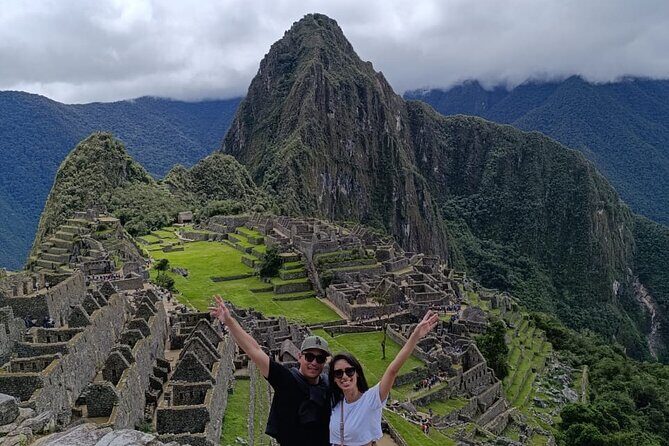
- Small-group limit (max 9) keeps your day smoother and questions easier.
- Cusco hotel pick-up and drop-off removes the usual “now what?” stress.
- Sacred Valley highlights in one day: Chinchero weaving, Moray terraces, and Maras salt ponds.
- Train with a real route plan: Ollantaytambo–Aguas Calientes for the Machu Picchu morning.
- Guided Machu Picchu, then free time to enjoy the ruins at your own pace.
- Extra cash matters for a couple of site entrances, plus lunches you might buy on your own.
Why the train route from Cusco is worth it
Machu Picchu can feel like two trips at once: the romance of the ruins, and the real-world puzzle of getting there. This tour handles the hard parts with a built-in sequence: Sacred Valley by land, then train to the gateway town, then bus and guided entry the next morning.
That structure is the value. It means less time staring at schedules, less time hunting for connections, and more time being outside in the Andes. The pacing is built around a full day in Sacred Valley, a calm overnight in Aguas Calientes, and an early start for Machu Picchu so you’re not chasing your day.
You can also read our reviews of more tours and experiences in Cusco
Day 1 in Sacred Valley: Cusco pickup to Chinchero alpaca vibes
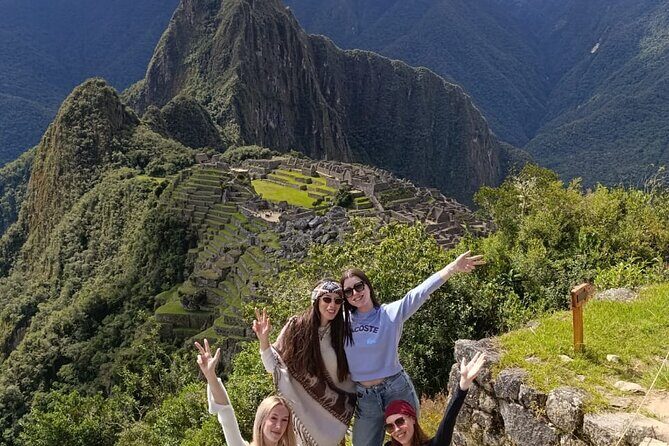
The day kicks off early—about 7:45 AM—with pick-up from your Cusco hotel. You’ll be headed out of the city toward the Sacred Valley with views and stops planned so you can actually see things, not just pass them.
Chinchero Weaving Center: more than a quick photo stop
Chinchero is where the trip turns personal. You visit a local family who keeps ancient weaving traditions alive, and you’ll get a look at how textiles are made by hand using natural ingredients. Alpacas and llamas show up for the whole experience, and you’ll have time to feed them and take pictures.
What I like here is the human scale. It’s not just a museum-like display. You learn techniques and see how craft supports daily life in the Andes. It’s also a good “warm-up” stop before the bigger sites.
Moray terraces: the Inca lab idea
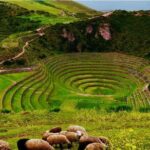
Next comes Moray, where you stand in front of terrace rings that look almost engineered—because they were. Your guide explains how the Incas used the terraces to create different climatic zones. In other words, it wasn’t random stonework. It was an agricultural experiment in microclimates.
This stop is about seeing patterns: how terraces can influence temperature and conditions. It’s also a good reminder that Inca engineering was practical, not just impressive.
One caution: Moray’s admission is not included, so plan for that separate fee.
Maras salt mines: the iconic view and the cash detail
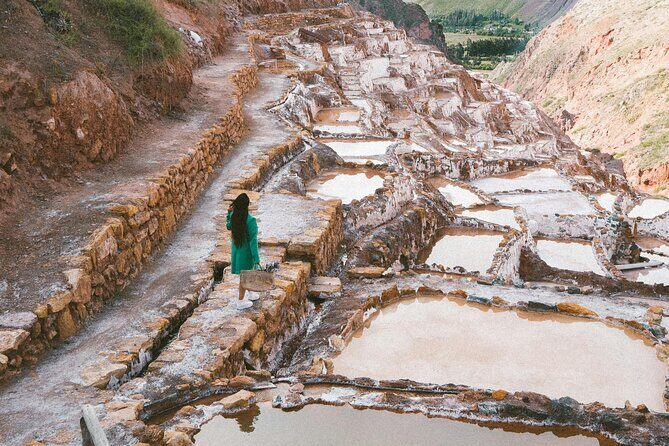
Then it’s on to Salinas de Maras, the salt pans carved into a hillside with thousands of small pools. It’s one of those places where you immediately get why it’s famous. You’ll have the chance to take the signature photos, and your guide can help you line up the shot.
Practical note: the Maras Salt Mines entrance fee is PEN 10 cash. The tour includes guidance, timing, and the stop itself, but you’ll want to show up with small bills or coins so the group doesn’t lose time at the counter.
Also, Maras can be a little bumpy underfoot. Comfortable shoes help, because you’ll be walking uneven ground.






Tunupa buffet lunch and Ollantaytambo’s ruins before the train
Lunch at Tunupa: a wide menu so you don’t burn time deciding
Lunch is a buffet at Restaurante Tunupa. The key detail is variety: there are over 50 Peruvian dishes, and vegetarian options are available. That matters because on this kind of packed day, decision-making costs time.
You get a full sit-down meal included, which is a smart move before you switch from walking sites to settling into the travel rhythm of the train.
Ollantaytambo: fortress ruins and the route to Machu Picchu
After lunch, you head to Ollantaytambo, one of the best places in the Sacred Valley for sheer stone-and-structure drama. The ruins include terraces and fortifications that once guarded access toward the Machu Picchu route. There’s also plenty of Spanish-invasion era context your guide will point out.
You’ll explore, then you’ll be escorted to the train station to catch your selected train out of Ollantaytambo.
Train ride details that affect your comfort
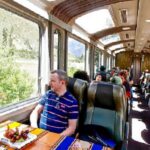
This tour includes a scenic train ride (about 1 hour 45 minutes) from Ollantaytambo to Aguas Calientes. The included train class is Expedition or Voyager. In some cases, people may be able to arrange a higher carriage experience if it’s available, but the standard included plan is what you should count on.
Aguas Calientes overnight: the part you’re glad is included
You arrive in Aguas Calientes around the early evening (about 6:10 PM). The team meets you at the train station exit and takes you to your hotel so you can check in and rest.
This matters more than it sounds. On a two-day trip, the overnight can be the difference between enjoying Machu Picchu and feeling wrecked. You get a 3-star hotel for one night included, plus breakfast and lunch the next day is handled in the schedule.
Your evening is free. You can wander the town for dinner on your own (not included) or just get an early night. Either way, you’re set up for a low-stress Machu Picchu morning.
Machu Picchu morning: guided circuit first, then your own pace
Day 2 begins early. After breakfast, your guide escorts you to the bus station for the ride to Machu Picchu’s main gate (around 7:00 AM).
Guided ruins: streets, squares, and stone stairs
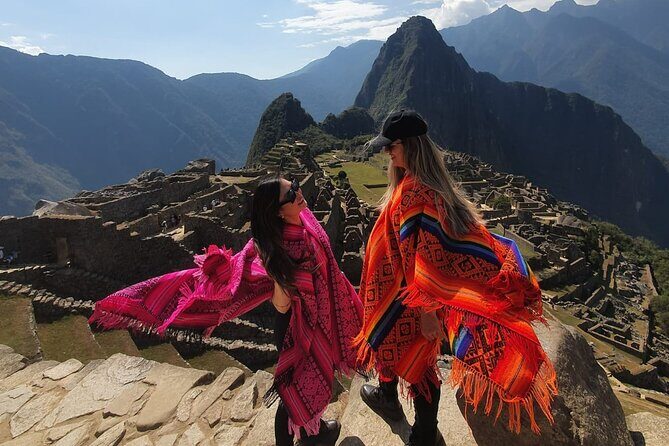
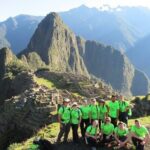
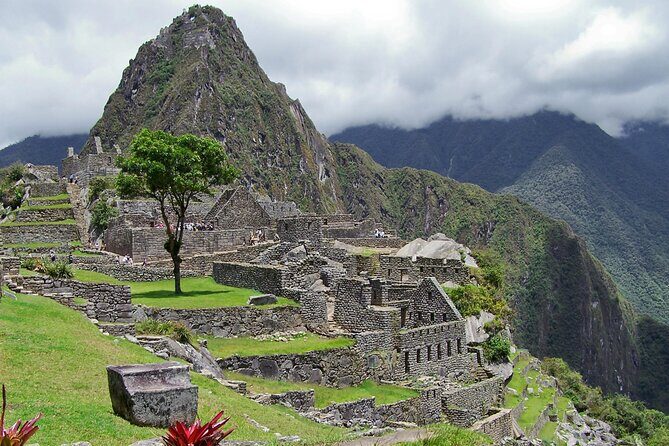
You’ll have a guided tour through the main areas—ancient streets, city squares, and stone staircases. Your guide frames what you’re looking at so the site isn’t just a collection of rocks.
After the guided portion, you get time to explore on your own. This is important. Machu Picchu hits different when you can pause, look back, and not feel like you’re racing the clock.
Circuit note: expect stairs
Machu Picchu entry is included, and your circuit is based on availability. In practice, different circuits can mean different amounts of climbing. If you’re booking with mobility needs, ask about the circuit options when you can. The tour does note a moderate physical fitness level, so come prepared for steps.
Return and the trip back to Cusco
After your visit, you take the bus back to Aguas Calientes. Lunch there is not included, so plan to buy something quick if you get hungry. Then you head to the train back to Ollantaytambo, and a transport takes you back to Cusco.
The estimated arrival back in Cusco is about 6:00 PM, which is late enough that you’ll likely want a relaxed dinner and an early bedtime.
Price and value: what $599 really covers (and what it doesn’t)
At $599 per person, this isn’t a budget-only deal. But it’s also not “pay for nothing” pricing. The reason it can feel like good value is that it bundles the expensive logistics:
Included that saves you time and hassle:
- Professional English-speaking guide
- Hotel in Aguas Calientes (1 night, 3-star)
- Breakfast and lunch
- Machu Picchu entrance ticket (based on circuit availability)
- Round-trip train & bus: Ollantaytambo–Machu Picchu–Aguas Calientes
- Guided visits to Chinchero, Moray, Maras salt mines, and Ollantaytambo
- Hotel pick-up and drop-off in Cusco
- Small-group size (max 9 travelers)
Not included (so you should budget a bit more):
- Sacred Valley entrance fee: PEN 80 per person
- Maras Salt Mines entrance: PEN 10 cash
- Optional Wayna Picchu hike: USD 40
- Dinner and personal expenses
- Tips (optional)
My practical take: this is priced for people who want the route solved for them. If you like freedom and don’t mind planning each leg, DIY can sometimes be cheaper. But if you want a guided, timed experience with train logistics handled, the cost starts to look fair fast—especially because you don’t have to line up the pieces yourself while adjusting to altitude.
Who this tour fits best (and where to be cautious)
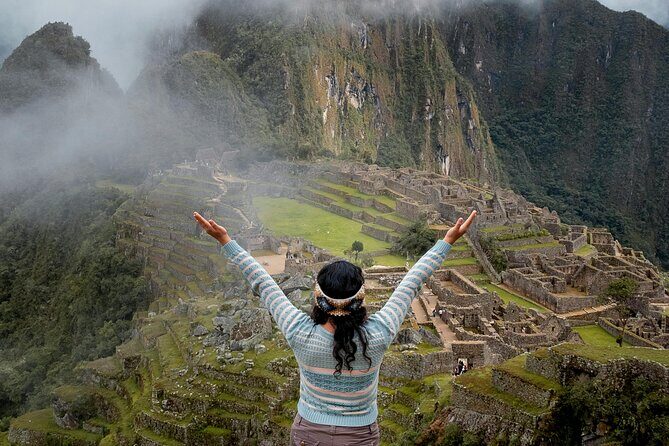
This tour is a strong match if you want a classic Sacred Valley + Machu Picchu combo without the planning headache. The small group helps a lot. It’s also the kind of pace that works well for people who can handle walking around ruins and climbing a bit in Machu Picchu circuits.
It may be less ideal if:
- You’re hoping for a mostly flat, low-step day (Machu Picchu circuits involve stairs, and Wayna Picchu adds more climbing).
- You don’t like being on a schedule at all. This trip is structured for smooth travel between sites and trains.
On the plus side, the operator’s team is the kind that tries to reduce stress. In real-world examples, guides such as Ruben and team members like Dennis are described as careful and accommodating, and drivers like Luis show up in the experience support. Expect a friendly, hands-on approach rather than a cold, checklist-only tour.
What to pack for this 2-day Andes plan
You’re moving from Cusco altitude and valley sites to a mountain city and then back out again. Pack for changes in weather and lots of walking.
Bring:
- Comfortable, grippy walking shoes
- Layers (even if it’s warm in town, conditions near Machu Picchu can be cooler and misty)
- A small day bag for water, snacks, and your cash for site fees
- Cash in small bills for PEN 10 and PEN 80
- Your Machu Picchu circuit expectations (if you want an easier circuit or have mobility concerns, ask ahead)
If you’ve got sensitive knees or limited mobility, be extra clear about it before the day starts so your guide can help manage expectations around stairs and timing.
Should you book this 2-day Sacred Valley and Machu Picchu train tour?
Book it if you want:
- A guided Sacred Valley route with the major stops you’d otherwise have to string together
- A train-based plan that gets you to Aguas Calientes smoothly
- A small-group feel (max 9)
- Machu Picchu with a guide first, then time to wander
Skip it (or consider a different style of tour) if you:
- Need very low-impact walking and minimal stairs
- Want total freedom with no set timing
- Don’t want to deal with extra site entrance fees and optional add-ons
If you’re excited by the idea of seeing Chinchero weaving, standing at Moray, walking through Maras salt ponds, and then being at Machu Picchu by the next morning with the travel handled, this is the kind of package that can make the whole trip feel easier—and easier is how you get the most out of those two days.
FAQ
What time does the tour start in Cusco?
The tour starts at 7:45 AM. You’ll have breakfast at your Cusco hotel, then you’re picked up for the Sacred Valley portion.
How long is the tour?
The experience runs for approximately 2 days.
What’s included in the price?
Included are breakfast, lunch, a 1-night stay in a 3-star hotel in Aguas Calientes, a professional English-speaking guide, guided visits to Chinchero, Moray, Maras Salt Mines, and Ollantaytambo, a Machu Picchu entrance ticket, and round-trip train & bus (Ollantaytambo–Machu Picchu–Aguas Calientes). It also includes hotel pick-up and drop-off in Cusco and a small-group experience (max 9).
What fees are not included?
Not included are Sacred Valley entrance fee (PEN 80 per person) and Maras Salt Mines entrance (PEN 10 cash). Wayna Picchu is optional and costs USD 40 on request. Dinner and personal expenses are not included, and tips are optional.
Which train class is included?
The included train & bus is listed as Expedition or Voyager class.
How much walking and fitness do I need?
The tour is listed as suitable for moderate physical fitness. Machu Picchu circuits include stairs, and there is an optional hike (Wayna Picchu) for those who want extra climbing.
Can I cancel for a full refund?
Yes. The tour offers free cancellation, and you must cancel at least 24 hours before the experience’s start time for a full refund.