REVIEW · CUSCO
Cusco: Private City Tour and Trip to Archeological Sites
Book on GetYourGuide →Operated by LimaTours · Bookable on GetYourGuide
Cusco can feel like a puzzle at first, but this tour makes the pieces fit. I really like how quickly it turns Coricancha and the Cathedral into a clear Cusco orientation, and I also love the uphill payoff at Sacsayhuaman with panoramic views. One thing to plan for: you’ll need the Cusco Tourist Ticket (BTC) for several of the out-of-center sites, which can add cost and a step to your day.
This is a private, guide-led loop that keeps you moving without feeling rushed. I especially appreciate that the included admissions cover key monuments, so you’re not constantly stopping to sort tickets at each site. If you dislike hills or tight walking areas, you’ll want to think twice before booking, since this route climbs into the sights above town.
The tour runs about 4 hours and starts with pickup from hotels in the Cusco Historic Center. Based on the experience I reviewed, the transport is comfortable and the guide is punctual and attentive, which matters when you’re trying to see a lot in one morning or afternoon.
In This Review
- Key Highlights That Make This Tour Worth Your Time
- Getting Your Bearings with a 4-Hour Private Cusco Loop
- Santo Domingo Convent and Coricancha: Where Two Eras Collide
- Cusco’s Main Square and Cathedral: A Monument You’ll Keep Referencing
- Sacsayhuaman: The Fortress That Explains the Views
- Qenqo’s Temple and Amphitheatre: Seeing Ritual Architecture
- Puka Pukara (Red Fortress): Military Life You Can Still Read
- Price and Logistics: Is $101 Good Value?
- What You’ll Need to Bring (and What to Skip)
- Who This Tour Suits Best (and Who Might Want Another Option)
- Final Verdict: Should You Book This Cusco Private Tour?
- FAQ
- How long is the Cusco private city tour and archaeological sites trip?
- What is included in the price?
- Do I need the Cusco Tourist Ticket (BTC)?
- Is food and drink included?
- Where does hotel pickup happen?
- Is the tour wheelchair accessible?
- Can I cancel for free?
Key Highlights That Make This Tour Worth Your Time
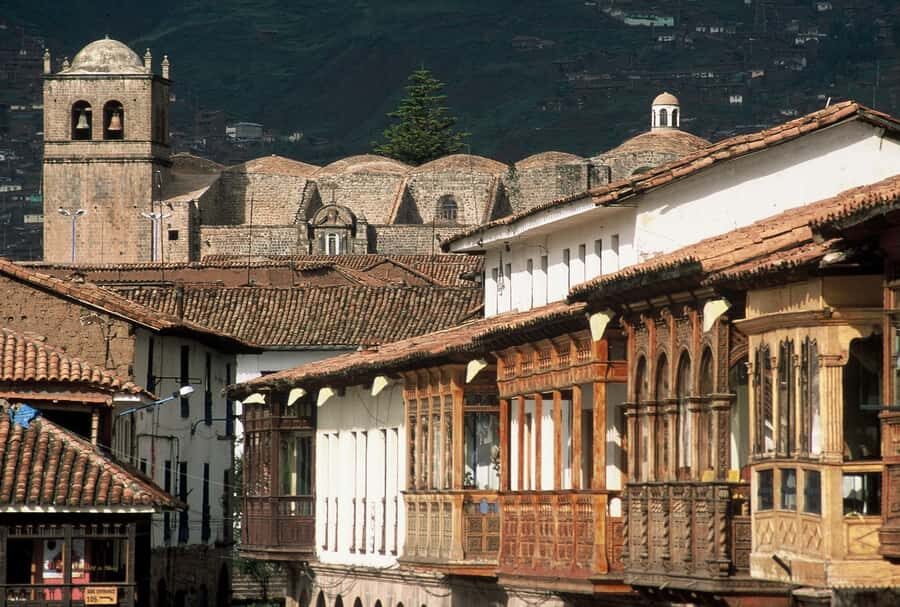
- Coricancha + Santo Domingo Convent overlap: Inca sacred space layered under colonial architecture.
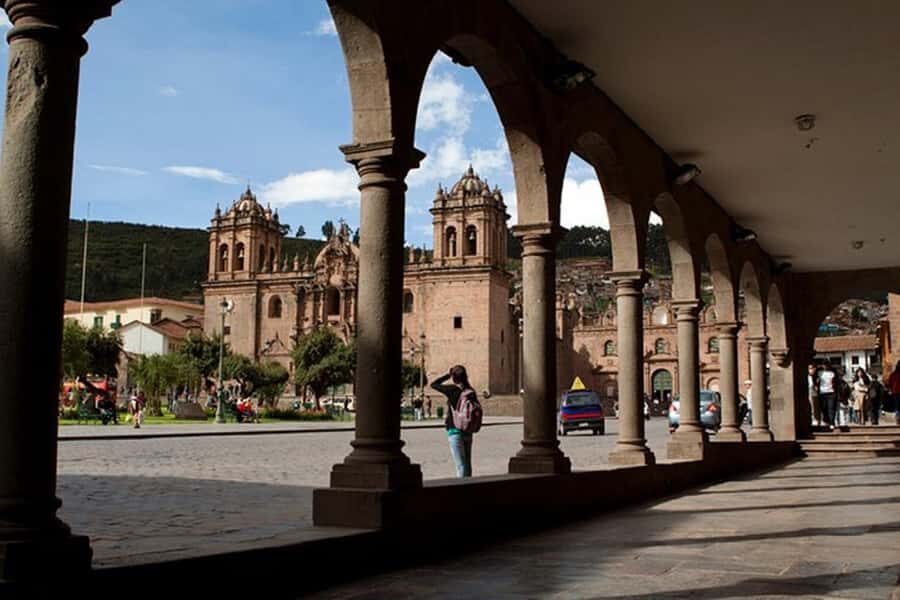
- Cusco Cathedral from the Main Square: A big visual anchor for first-time orientation.
- Sacsayhuaman views: The fortress walls give you an instant “map” of Cusco from above.
- Qenqo’s temple and amphitheatre: A place linked to agricultural rituals and ceremonial use.
- Puka Pukara (Red Fortress): Military complex you can read through dwellings, aqueducts, and walls.
Getting Your Bearings with a 4-Hour Private Cusco Loop
If you’re in Cusco for the first time, time is usually the enemy. This tour is designed for a simple goal: get you comfortable with where you are and why Cusco matters, then show you a chain of Inca sites that explain each other.
You get a professional guide in English, Spanish, and Portuguese, and you’ll be in a private group. That usually means fewer waiting moments, less “look for your group” stress, and more actual conversation. From the experience I reviewed, the guide felt locally grounded and showed up on time—exactly what you want when you’re juggling altitude, short days, and limited energy.
The route also makes sense logistically. You start at major center monuments, then go uphill to the fortresses and ceremonial grounds above town. For many people, that order helps: you get context in the flat, then the views and stonework start to click.
You can also read our reviews of more city tours in Cusco
Santo Domingo Convent and Coricancha: Where Two Eras Collide
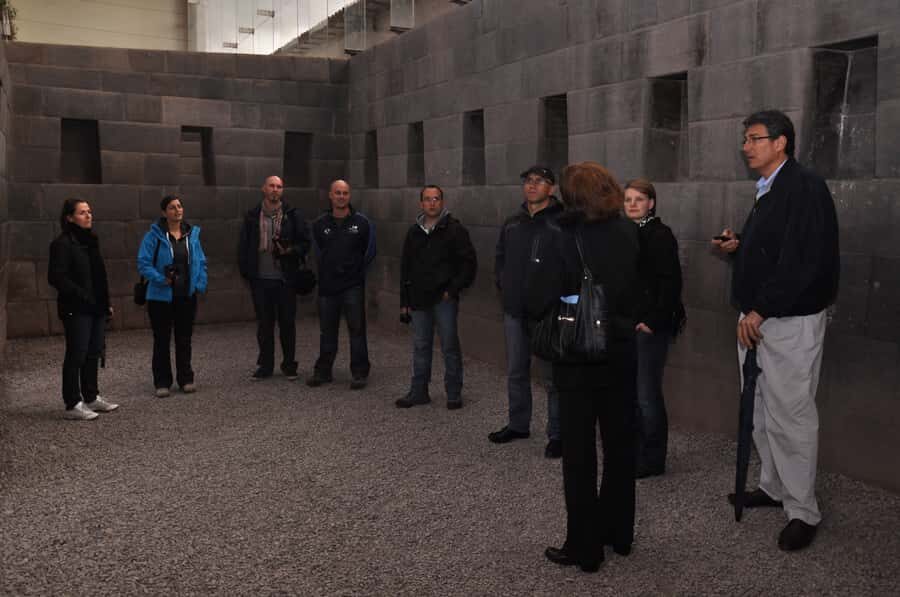
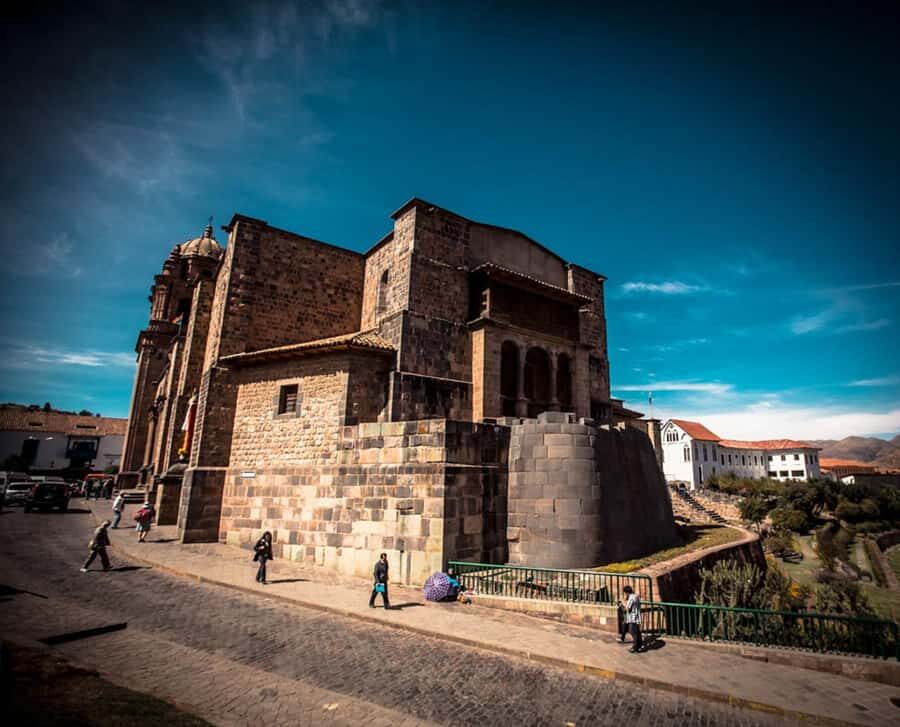
The heart of this tour’s first phase is the visit to Santo Domingo Convent, built over the ancient Inca Coricancha temple. You’re not just looking at one building—you’re standing at a layered site where sacred meaning changed hands.
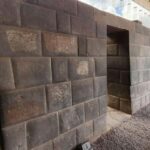
Here’s what I find so compelling. The convent is a large Renaissance-baroque complex, but its base still shows prominent foundations from the Inca temple beneath it. That means you’re seeing the physical story of conquest and adaptation, not just hearing about it.
The guide also frames Coricancha as one of the most important sun-worship temples in the region. Ancient chronicles describe the original temple as covered in gold leaf and filled with golden representations of nature. Even if you take those details as historical tradition rather than literal inventory, it still communicates the point: Coricancha was meant to be dazzling, powerful, and central.
Practical tip: plan to slow down. It’s easy to treat Coricancha like a quick photo stop, but the whole idea of this tour is to help you read the site—how the lines of Inca stonework and later construction connect.
Admission to Coricancha is included, so you’re not paying again for the main highlight right at the start.
Cusco’s Main Square and Cathedral: A Monument You’ll Keep Referencing
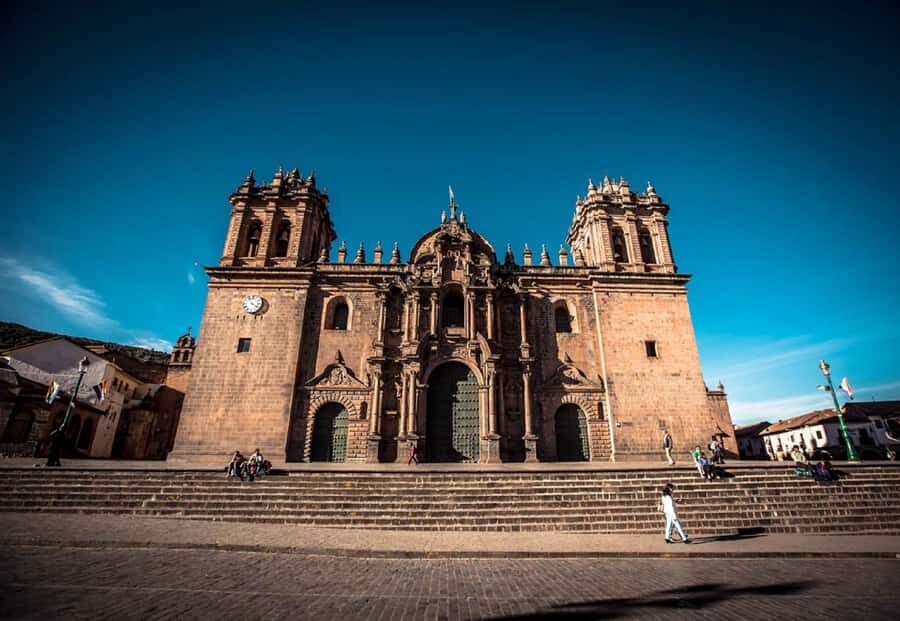
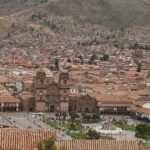
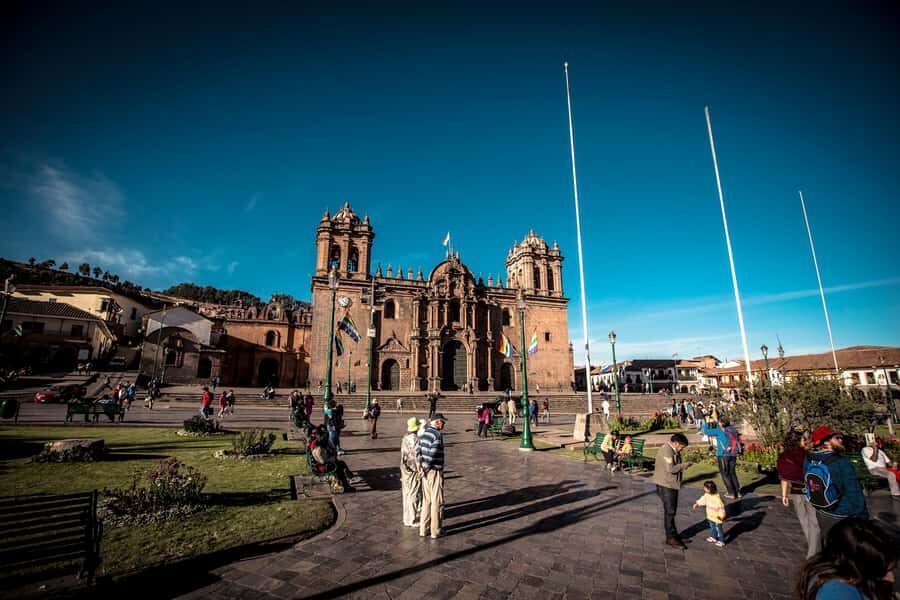
After Coricancha, the tour heads to the Cusco Cathedral, described as the most imposing monument of the Main Square. Even if you’re not a church person, I think this stop works because it gives you a reference point.
From the Cathedral area, you can mentally organize Cusco. You’ll often see the Cathedral “anchor” your future walks: this is where many streets radiate from, and it helps you orient yourself to the city’s layout.
This stop is also included in the ticket cost for admission, which is a small but real value factor. In tours like this, every included admission reduces friction, and you end up paying less for the same stops if you were to plan everything separately.
The key is to let the guide connect the dots—how the colonial monumental center sits next to the Inca sacred sites that were repurposed. That contrast is the theme running under the whole tour.
Sacsayhuaman: The Fortress That Explains the Views
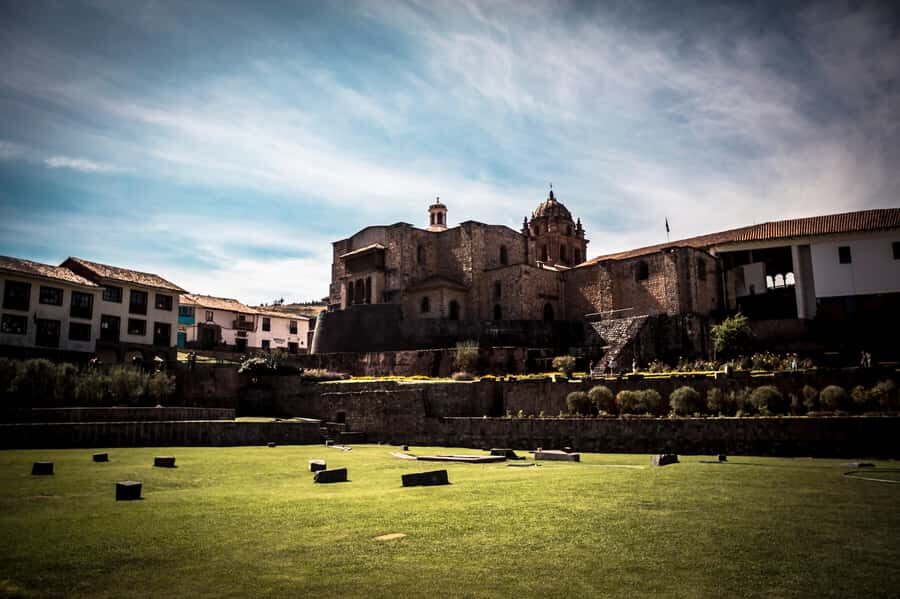
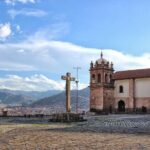
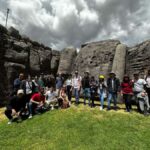
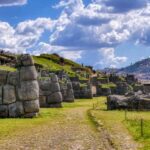
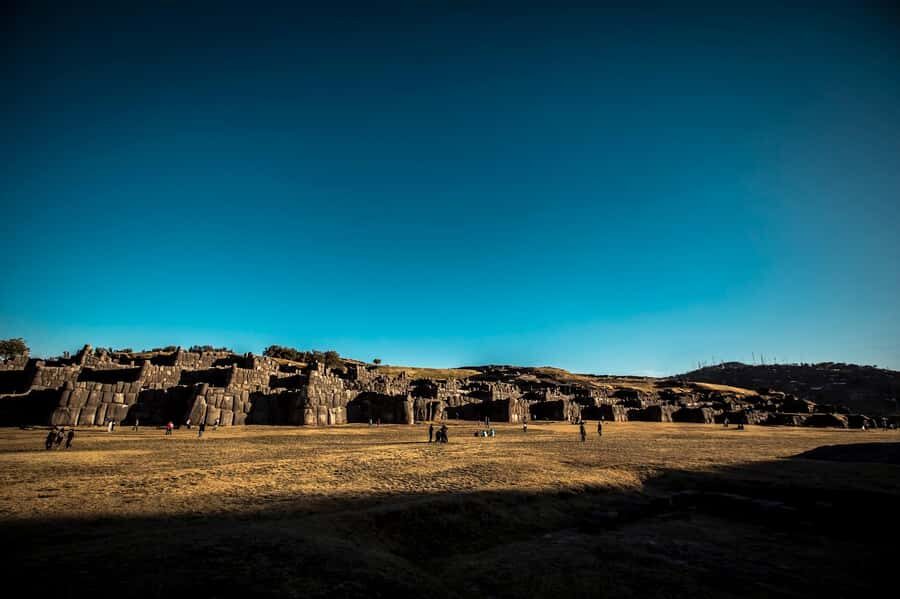
Then you head uphill toward Sacsayhuaman. This is one of those places where the name doesn’t matter as much as the feeling: the ramparts are massive, and once you’re above Cusco, the city looks different.
The tour’s Sacsayhuaman focus isn’t just about walls. It’s about the panoramic view. When you can see Cusco from the heights, you start to understand why the Incas built key structures in strategic positions—control, visibility, and ritual significance all tied together.
You’ll want comfortable walking shoes here. The terrain is uneven in spots, and the climb can feel steeper than you expect, especially with altitude. Also remember that this portion requires the Cusco Tourist Ticket (BTC).
Value note: Sacsayhuaman is one of the stops that makes the whole 4-hour plan feel “worth it,” because the payoff is visual and memorable. If you only have time for one hill site, this is the one most people don’t regret.
Qenqo’s Temple and Amphitheatre: Seeing Ritual Architecture
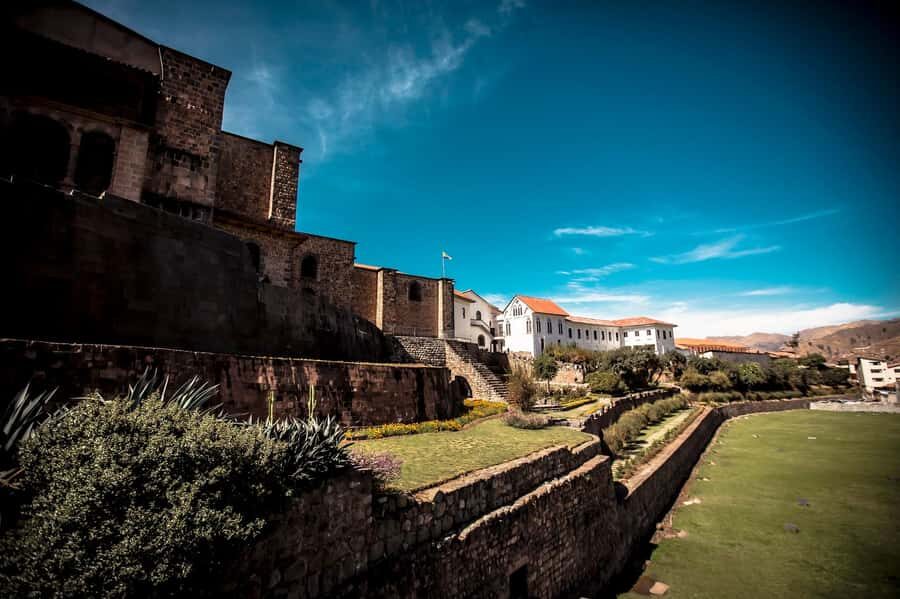
Next is Qenqo, a site tied to ceremonies, including agricultural rituals. The description focuses on the remains of the temple and amphitheatre, and that’s exactly what you should look for on the ground.
Qenqo isn’t just “ruins in a valley.” The amphitheatre shape suggests gathering space, while the temple remains point to structured spiritual practice. If you’ve ever wondered how Inca sites could feel both practical and symbolic, this is where that question gets answered. Agriculture wasn’t just work—it was part of a calendar, a belief system, and a relationship with the land.
This stop also requires the BTC. When you arrive there, you’ll likely feel the difference between center-city monuments (easy to treat like landmarks) and out-of-center sacred grounds (where the layout helps tell the story).
Practical tip: bring water if you tend to get lightheaded on walks. The tour duration is short, but the combination of sun + elevation + stone steps adds up.
You can also read our reviews of more private tours in Cusco




Puka Pukara (Red Fortress): Military Life You Can Still Read
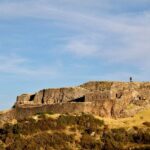
The final big hill stop is Puka Pukara, the Red Fortress in Quechua. It’s described as an Inca military complex on a prominent hill, and what makes it special is how many building functions you can still imagine from the remaining features.
The tour guide’s framing here matters. You’re not just looking at “walls.” You can appreciate dwellings and squares, bathrooms, aqueducts, walls, and towers. In other words, you’re seeing a place designed for people to live and operate, not only for ceremonial display.
The name Red Fortress also gives you a useful mental cue when you’re there. Even if the color isn’t dramatic in every angle, the site feels like a fortification first—built for purpose, built for control.
Again, BTC is required for this stop. Plan for uneven surfaces and time outside, since you’ll be moving between parts of the complex rather than staying fixed at one viewpoint.
One more note: the tour’s BTC requirement list also includes Tambomachay. The provided details don’t describe Tambomachay here the same way they do for Qenqo and Puka Pukara, but it’s worth knowing your BTC is meant to cover the full set of hill visits.
Price and Logistics: Is $101 Good Value?
At $101 per person for about 4 hours, this tour can be good value if you factor in what’s included. You’re getting:
- hotel pickup and drop-off
- a professional guide (English/Spanish/Portuguese)
- admission to Coricancha and Cusco Cathedral
That combination is the part that often gets expensive if you try to DIY it. Cusco admissions and a guide add up fast, and coordinating multiple sites on your own can turn into extra taxi stops and waiting time.
The trade-off is that the tour does not include the Cusco Tourist Ticket (BTC). Since Sacsayhuaman, Qenqo, Puka Pucara, and Tambomachay require it, you’ll want to budget for that in advance. If you show up without BTC, your day can slow down or feel incomplete.
Also keep in mind: food and drink are not included. With a 4-hour plan, you might get hungry if you start it on an empty stomach or if your altitude appetite is weird that day. Bring a plan for snacks, or make sure you’ve eaten before pickup.
One pricing footnote: the rates mentioned don’t apply to Peruvians or foreign persons staying in Peru for more than 60 days because sales taxes aren’t included and may be collected by the local operator. If that’s your situation, it’s worth confirming your final total.
What You’ll Need to Bring (and What to Skip)
This is a practical tour, and the simple rules help keep the pace comfortable.
Bring:
- comfortable shoes (you’ll be walking and climbing)
- sunscreen (Cusco sun can bite even when it feels mild)
- comfortable clothes that you can move in
Know what to expect with restrictions:
- no pets
- no luggage or large bags
- unaccompanied minors aren’t allowed
- pick-up is from hotels in the Cusco Historic Center
And timing matters: you’ll be asked to arrive in your hotel lobby about 15 minutes before pickup. Do that. It prevents the classic start-of-day scramble and helps you enjoy the first sites without stress.
Who This Tour Suits Best (and Who Might Want Another Option)
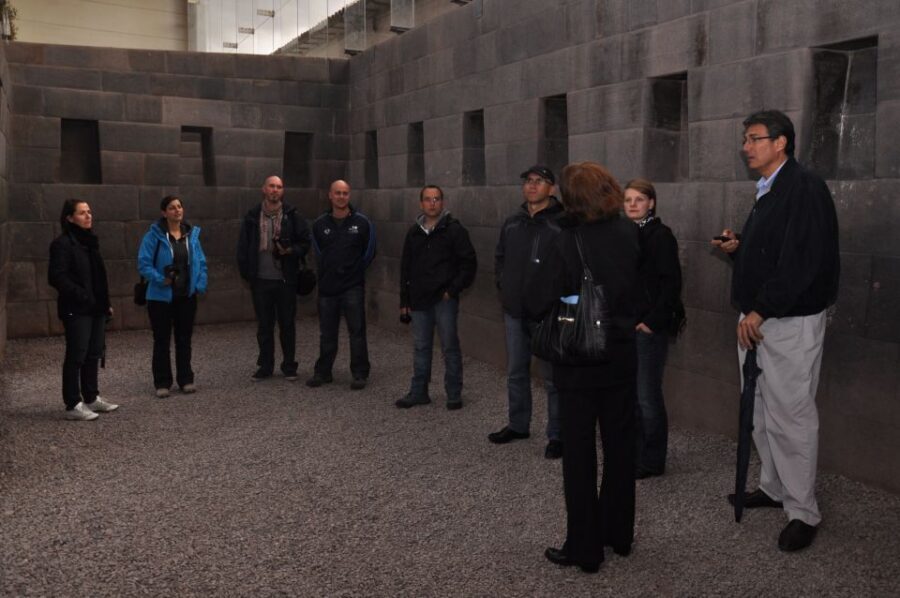
This experience fits best if you want a guided introduction that links Inca and colonial Cusco in a way that makes sense quickly.
You’ll probably like it if:
- it’s your first time in Cusco and you want context fast
- you appreciate both major monuments and major ruins
- you want a private guide and a short, structured day
You might want a different plan if:
- you’re sensitive to uphill walking and uneven ground
- you use a wheelchair (the tour is not suitable for wheelchair users)
- you’d rather spend more time at fewer sites than hit several in one session
Since it’s only 4 hours, it also works well as a first-day or second-day activity, when you’re still learning where everything is.
Final Verdict: Should You Book This Cusco Private Tour?
I think this is a smart booking when you have limited time and want a real guided understanding of Cusco’s layers. The combination of Coricancha (Inca sun temple beneath Santo Domingo), the Cusco Cathedral (Main Square anchor), and the hill sites (Sacsayhuaman, Qenqo, and Puka Pukara) creates a logical story you can feel in your feet.
Book it if you’re ready to pay attention on stone, not just chase photos. And do it with one clear prep: get your BTC before the day starts, so you don’t lose momentum at the hill stops.
FAQ
How long is the Cusco private city tour and archaeological sites trip?
It lasts about 4 hours.
What is included in the price?
The tour includes hotel pickup and drop-off, a professional guide (English, Spanish, Portuguese), and admission to Coricancha and Cusco Cathedral.
Do I need the Cusco Tourist Ticket (BTC)?
Yes. The tour information says you need the Cusco Tourist Ticket (BTC) to visit Sacsayhuaman, Qenqo, Puka Pucara, and Tambomachay.
Is food and drink included?
No. Food and drink are not included.
Where does hotel pickup happen?
Pickup is from hotels located in the Cusco Historic Center. You should arrive in the lobby about 15 minutes before the scheduled pickup time.
Is the tour wheelchair accessible?
No. It is not suitable for wheelchair users.
Can I cancel for free?
Yes. Free cancellation is available up to 24 hours in advance for a full refund.