REVIEW · CUSCO
Day Hike Cusco Historical Outskirts
Book on Viator →Operated by Adios Adventure Travel · Bookable on Viator
A 7-kilometer walk through Inca-era waterworks. This day hike strings together Tambomachay, Q’enqo, and Sacsayhuaman for a 4 to 5 hour outing with mostly downhill steps and guided stops that make the ruins easy to understand. I love how the pace stays manageable, even though you’ll be on your feet for hours.
I also like that entrance tickets and a full-time guide are handled from pickup to drop-off, so your morning stays simple. The one drawback is practical: you’re not getting bottled water or lunch, and some sections use rough, unmarked paths, so you’ll need a real daypack and a bit of stamina.
In This Review
- Key highlights at a glance
- A smart way to see Cusco outskirts in one morning
- Morning logistics in Cusco: pickup timing and where the van can go
- Tambomachay ruins: aqueducts, waterfalls, and water-ritual myths
- Q’enqo: ceremonial ruins on rough, unmarked paths
- Sacsayhuaman: Killke roots, Inca scale, and stones the size of cars
- How hard is the hike, really? (What your daypack needs)
- Guide-led stops that turn ruins into a story
- Price and value: what $70.77 covers, and what you must cover yourself
- Who should book this Cusco historical outskirts hike
- Should you book it?
- FAQ
- How long is the Cusco historical outskirts day hike?
- What time does the tour start?
- Is entrance to Tambomachay, Q’enqo, and Sacsayhuaman included?
- Do I get transport to the start of the hike?
- Where do they pick me up?
- Is bottled water or lunch included?
- What should I bring?
- How difficult is the hike?
- What group size is this tour?
- Can I get a full refund if I cancel?
Key highlights at a glance
- 7 km (4.5 mi) route, mostly downhill for an easier feel
- Tambomachay’s aqueducts, waterfalls, and canals with Inca water-ritual stories
- Q’enqo temple ruins with guided context on sacrifices and mummification
- Rough, unmarked footpaths in spots, without steep scrambling
- Sacsayhuaman’s Killke-to-Inca timeline and huge stone blocks
- Small group size (max 8) for a more relaxed pace
A smart way to see Cusco outskirts in one morning
This hike is built around three stops that tell connected stories: water and ritual at Tambomachay, ceremonial life at Q’enqo, and monumental building at Sacsayhuaman. You’re not just collecting photos. You’re learning why these sites mattered, while still moving through rural pockets around Cusco.
What makes this outing feel good is that it mixes walking with brief, guided “pause-and-understand” moments. You’ll start with terraced stone and working-looking water channels, then move through farms and countryside, and finish at a massive stone complex that helps you grasp Inca engineering at human scale.
And because the plan returns you to your hotel by about 1:00 to 2:00 pm, it’s also a great choice if you want your afternoon free for Cusco’s streets, markets, or a slower museum visit.
You can also read our reviews of more historical tours in Cusco

Morning logistics in Cusco: pickup timing and where the van can go
Start time is 8:30 am. They’ll pick you up from the lobby of hotels in central Cusco, with pickup windows from about 8:00 am to 8:30 am, so try to be ready early. If you see a well-known hotel name displayed in some places during booking, use it as a placeholder—your real pickup should be from your own hotel lobby in the city center.
Important boundary: pickups can’t be made from hotels outside the city center or from the Sacred Valley. If you’re staying farther out, you’ll want to message in advance so you don’t get surprised on the morning of departure.
You’ll also get one-way transport to the start of the hike, and the guide stays with you from pickup through drop-off. That matters because Cusco logistics can be tricky if you’re trying to connect buses, taxis, and entrances all by yourself on a tight schedule.
Tambomachay ruins: aqueducts, waterfalls, and water-ritual myths
Tambomachay is the first stop, reached after about a 20-minute drive. The ruins sit in a quieter zone than central Cusco, with terraced stone and water features—aqueducts, canals, and waterfalls—that give you a strong sense of how the Incas treated water as something sacred and useful.
You’ll have around 40 minutes here, with a guided tour that includes the story that the Inca emperor came to bathe and carry out religious rites in the water. Even if you’re not into legend-heavy history, the real win is seeing the stonework and water channels up close. They help you understand why this place was worth protecting and repeating.
The hike portion begins after Tambomachay, and the overall route is described as mostly downhill. That’s great if you’ve got limited time or you want to keep it comfortable while still getting exercise and broad views.
Q’enqo: ceremonial ruins on rough, unmarked paths
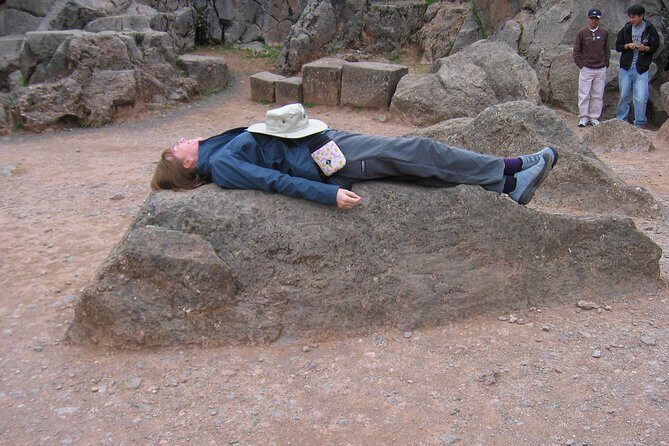
After Tambomachay, you continue walking through farms and rural countryside. The terrain is mostly downhill again, which keeps energy from draining too fast—but this is also where you should expect a bit of real trail feel. Some sections are rough and unmarked.
Q’enqo is the next guided stop for about 1 hour. This is where the guide explains ceremonial uses tied to sacrifices and mummification. It’s not the kind of site where you just wander and guess. The ruins can look strange if you don’t know what you’re looking for, so having the guide at your side makes the time feel worth it.
Practical note: there’s no steep descending or scrambling over rocks. Still, the ground can be uneven, so you’ll want shoes with decent grip. If you carry a backpack, keep it low and stable—your balance matters more on unmarked stretches than at the paved sidewalks of town.
This is also where you’ll appreciate the timing: you’re moving from one viewpoint to another, with countryside around you, and Cusco often pops into view in the gaps between terrain.
Sacsayhuaman: Killke roots, Inca scale, and stones the size of cars
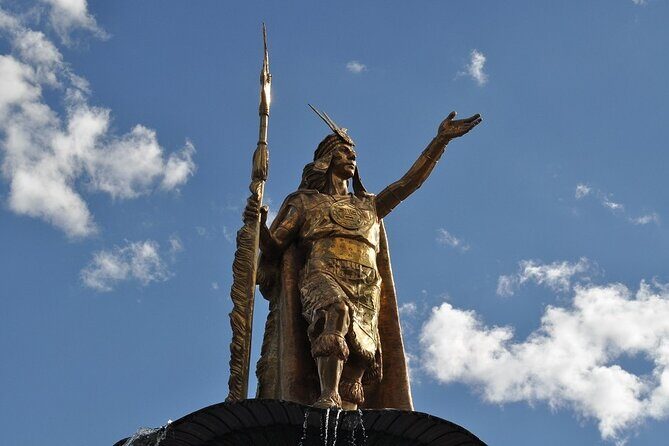
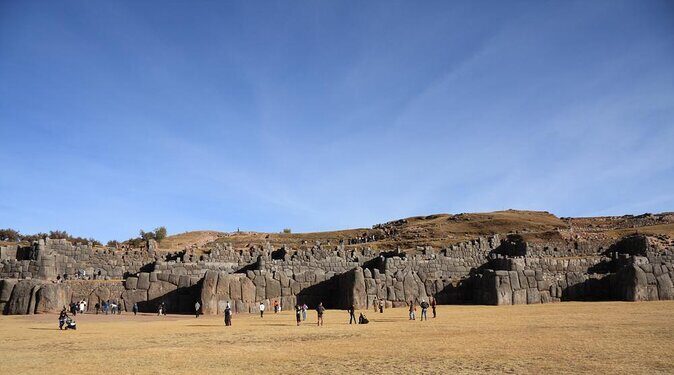
Your final major stop is Sacsayhuaman. You’ll have about 1 hour 30 minutes there, and it’s a strong finale because the site is all about scale. It’s described as the largest structure built and one of the most significant Inca archaeological legacies.
Here’s the key historical thread you’ll get from the guide: Sacsayhuaman was first built by the Killke culture starting around 1100 A.D., then expanded by the Incas. The big lesson is how layers of cultures and work projects build on each other over time.
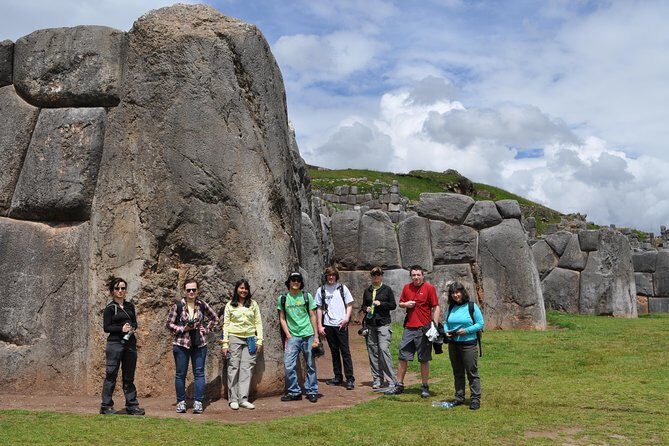
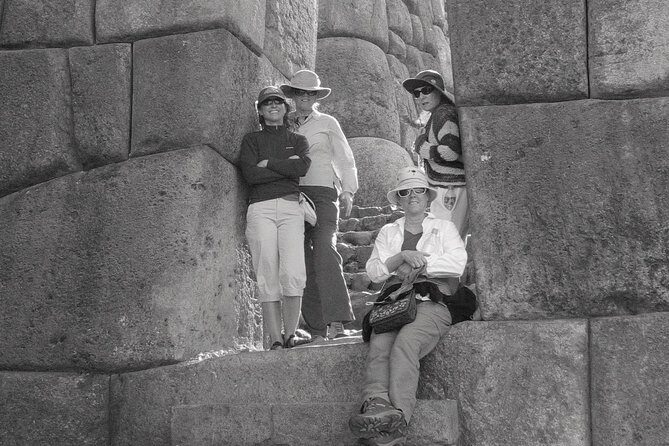
You’ll also hear how construction reportedly took more than 50 years and employed over 20,000 men. The reason that claim sticks is visual—the massive blocks of stone are so large that they’re said to be bigger than a car. That sounds dramatic, but once you’re standing near the arrangement, you understand why it’s remembered as a long-term labor feat, not a quick build.
Afterward, you return to your hotel on foot where the tour concludes. This isn’t presented as a hard climb. Think of it as a transition back into Cusco life, using the momentum of the day rather than starting a new workout.
You can also read our reviews of more hiking tours in Cusco





How hard is the hike, really? (What your daypack needs)
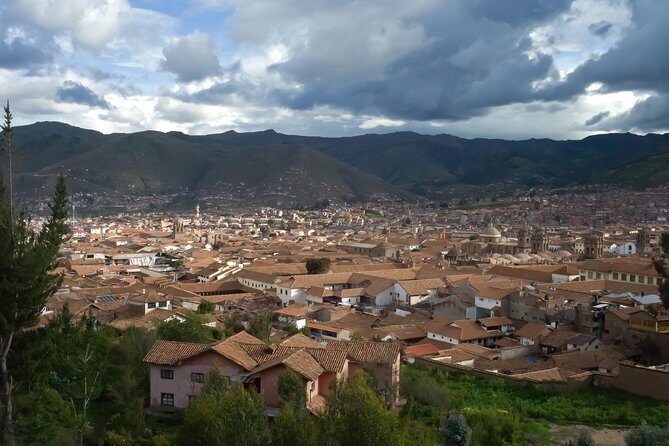
This hike is labeled as easy overall, but you should treat “easy” as mostly downhill, not “no effort.” You’ll be walking for several hours with multiple guided stops, and you’ll need to carry a small daypack.
The requirements point to moderate fitness. If you can walk for at least 5 hours with breaks, and you’re comfortable carrying what you need, you’ll likely enjoy this. It’s also considered appropriate for ages 8 and over, including active senior travelers.
In real life, your success comes down to packing and pacing:
- Bring enough water for the full hike. Bottled water is not included.
- Bring snacks, since there’s no lunch provided.
- Plan for sun protection and a hat.
- Pack rain gear. The guidance specifically calls for it.
- Bring cameras if you want to capture the terraces, the water channels, and the big stone textures.
One more thing I think is worth planning for in Cusco: altitude can hit people differently. The hike is mostly downhill and not described as scrambling, but you’re still at elevation while you’re active. Go steady, sip water, and don’t try to outpace your comfort level.
Guide-led stops that turn ruins into a story
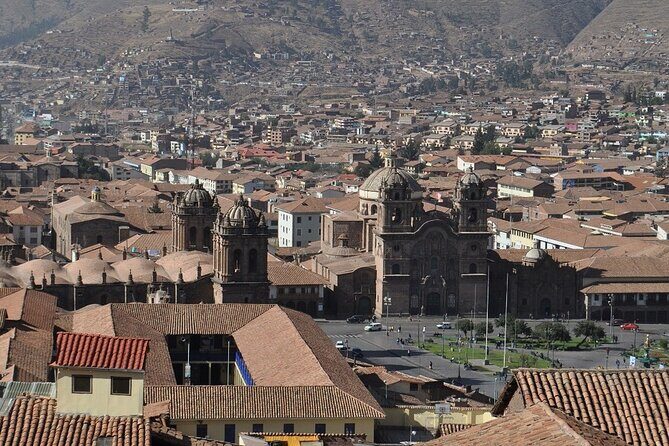
The tour includes a full-time guide service from pickup to drop-off, and the guide conducts tours at each stop. That matters because these sites have enough detail that it’s hard to connect dots without context.
I’m especially happy with this style of guided pacing because you’re not stuck in a lecture. You’ll stop, learn what the site was used for, and then move on to the next viewpoint. It’s a practical way to absorb history without feeling trapped.
The operator also has a reputation for guides who communicate clearly and keep things engaging. Names like Vidal and Angela show up repeatedly in Cusco-area trip experiences as professional, warm, and good at explaining details in a way that works for different ages. On a day hike like this, that kind of guide presence can make a big difference between checking ruins off a list and actually understanding what you’re seeing.
Price and value: what $70.77 covers, and what you must cover yourself
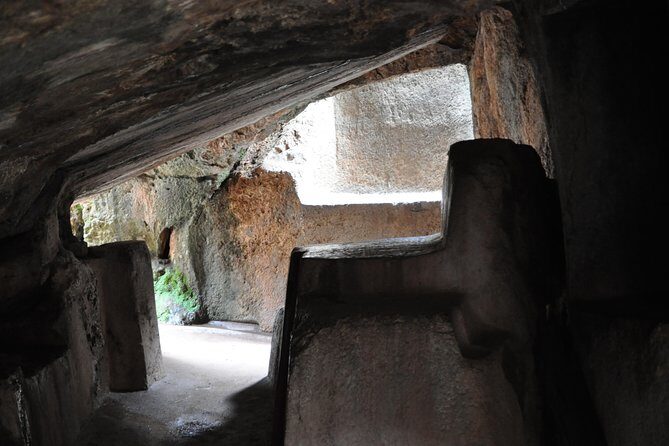
At $70.77 per person, this hike is priced like a guided ruins day, not a bare-bones transfer. For the cost, you get entrance tickets for all the sites, one-way transport to the start, and the guide covering your time from pickup to drop-off.
That’s where the value lives. You’re paying for logistics and interpretation. If you tried to DIY this with separate entry tickets, taxis, and timed site visits, you’d spend time coordinating and you’d probably pay about the same once transport is included.
What you should budget separately is the simple stuff:
- Bottled water
- Snacks
- Lunch (not included)
If you show up without snacks, you’ll feel it fast on a 4 to 5 hour walk at altitude. Plan your food like a mini day trip: small, easy snacks and a steady water schedule.
Who should book this Cusco historical outskirts hike
This tour fits best if you want a half-day plan that blends education and movement without intense climbing. It’s a good match for:
- Families with children who can handle a steady walk and a daypack
- Active adults and active seniors looking for mostly downhill terrain
- Anyone who wants Cusco-area ruins with clear guide interpretation and included entry tickets
- Travelers staying in central Cusco who don’t want to figure out transport and timing
It’s not ideal if you:
- Can’t carry a small daypack for about 5 hours of walking with stops
- Need a completely flat, paved trail
- Are looking for bottled water and lunch included in the price
The small group size, up to 8 travelers, is also a plus if you like a quieter experience where questions aren’t competing with a crowd.
Should you book it?
Yes, I’d book this if your goal is a manageable Cusco ruins day that feels organized and meaningful. The combination of included entry tickets, full guide support, and a mostly downhill route makes it a strong value for your time—especially if you want to return to your hotel by early afternoon.
Book it with confidence if you’re willing to bring your own water, snacks, sun protection, and rain gear—and if you’re comfortable with rough, unmarked trail sections. If those practical points sound like a hassle, then you may want a shorter or more paved option.
FAQ
How long is the Cusco historical outskirts day hike?
It runs about 4 to 5 hours (approx.).
What time does the tour start?
Start time is 8:30 am. Pickup is typically between about 8:00 am and 8:30 am.
Is entrance to Tambomachay, Q’enqo, and Sacsayhuaman included?
Yes. Entrance tickets for all the sites are included.
Do I get transport to the start of the hike?
Yes. There is one-way transport to the start of the hike, plus pickup and drop-off at your hotel.
Where do they pick me up?
They pick up from the lobby of any hotel in central Cusco city center. They cannot pick up from hotels outside the city center or in the Sacred Valley.
Is bottled water or lunch included?
No. Bottled water, snacks, and lunch are not included.
What should I bring?
Bring a backpack with water, sunscreen, rain gear, snacks, a hat, and a camera.
How difficult is the hike?
It’s considered easy because it is mostly downhill, with no steep descents or scrambling. Still, some sections have rough, unmarked paths and you must be able to walk for several hours.
What group size is this tour?
The maximum group size is 8 travelers.
Can I get a full refund if I cancel?
Yes, free cancellation is available. You must cancel at least 24 hours in advance of the experience’s start time for a full refund.