REVIEW · CUSCO
8-Day All-Inclusive Peru Tour: Cusco, Machu Picchu, and More
Book on Viator →Operated by Chullos Travel Peru · Bookable on Viator
Machu Picchu meets high-altitude hikes. This 8-day Peru package mixes UNESCO Machu Picchu with real Inca-life stops and smooth logistics like hotel, transport, and guides lined up for you. I especially like how the schedule bundles Cusco history on Day 1 (Qorikancha to Tambomachay) and then drops you into the Sacred Valley with a train to Aguas Calientes. One drawback to plan for: Machu Picchu ticket availability is outside the operator’s control, and you’ll face early starts on multiple days (think 4 a.m.).
The tour runs like a “see a lot, move efficiently” plan. You’ll travel by air-conditioned vehicle for many legs, sleep in included 3-star-style hotels, and get altitude support like oxygen plus walking sticks for the harder mountain days.
If you’re coming to Peru and want the Cusco region without logistics headaches, this is a solid way to do it. Just go in with realistic expectations: you’re trading a slow, laid-back pace for tight timing and a packed itinerary.
In This Review
- Key highlights to know before you go
- Cusco airport welcome and that first taste of Inca Cusco
- Qorikancha to Tambomachay: a city tour that actually teaches the layout
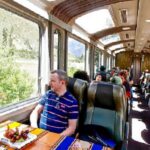
- Sacred Valley by Pisac and Ollantaytambo, then the train to Aguas Calientes
- Machu Picchu day: circuits 1 or 2, bus up, guide-led walking
- Maras salt mines and Moray: Inca agriculture meets living industry
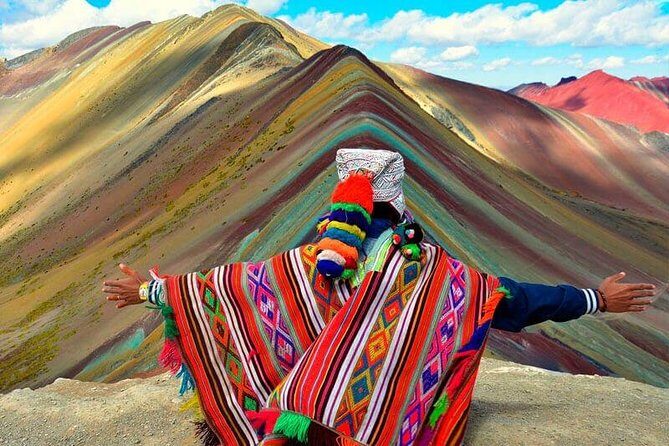
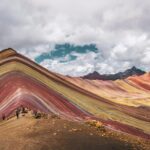
- Rainbow Mountain (Winicunca): oxygen, walking sticks, and a 4 a.m. start
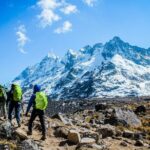
- Humantay Lake at 4,250 m: a second early start, then a payoff view
- Q’eswachaka Inca bridge: the living tradition day
- Plaza de Armas and a free morning before your flight
- Hotels and what 3-star style means on this itinerary
- Pace, meeting points, and how to avoid stress
- Price and value: what $845.50 covers, and what costs extra
- Should you book this Cusco-to-Machu Picchu tour?
- FAQ
- What is the price for this tour?
- How long is the tour?
- Where does the tour start?
- Are Machu Picchu tickets included?
- What happens if Machu Picchu tickets aren’t available?
- What kind of group size should I expect?
- What hotels are included?
- Are meals included?
- Does the tour include altitude support for the mountains?
- Can I cancel and still get a refund?
Key highlights to know before you go
- Machu Picchu guided visit using the circuit you receive (subject to ticket availability)
- Sacred Valley to Aguas Calientes by train, with a guided introduction the evening before
- Q’eswachaka Inca bridge crossing, made from ichu fiber and maintained yearly by local communities
- Altitude support: oxygen and walking sticks/oxygen balloon included on the high-elevation days
- Small group size: maximum 15 travelers
- A full week’s worth of major sites without you having to plan transport between them
Cusco airport welcome and that first taste of Inca Cusco
On Day 1, the experience starts as practically as it gets: someone from Chullos Travel Peru is waiting at Alejandro Velasco Astete Airport for your transfer into Cusco. Then you get free time in the morning to rest and acclimatize. That matters, because Cusco altitude can hit you even if you feel healthy.
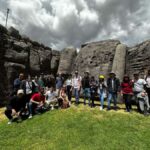
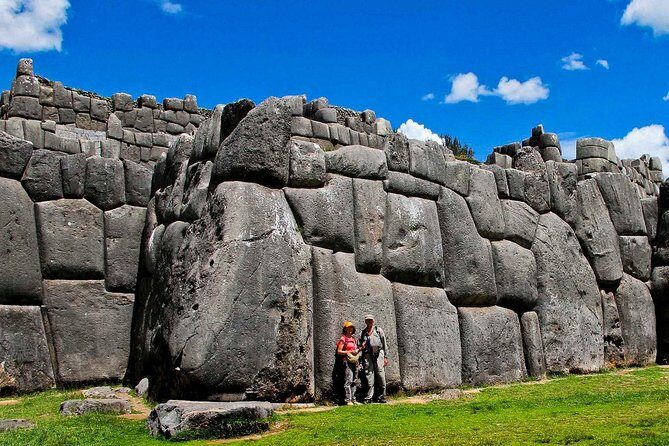
Later, your day tour begins at 2:00 p.m., and it’s a whirlwind of major Inca Cusco landmarks. You’ll start at Qorikancha (Temple of the Sun) for a guided visit (about 45 minutes), then ride by van/bus to Saqsayhuaman, Qenqo, Puca Pucara, and finish at Tambomachay (Inca Baths). The route is designed to give you context fast: each site adds a different piece of the Inca urban plan—ritual space, military sight lines, water/earth connections.
Timing runs long enough that you’ll likely be back around 7:00 p.m. So if you like your vacations to feel airy, this first day may feel like a warm-up rather than a gentle start.
You can also read our reviews of more tours and experiences in Cusco.



Qorikancha to Tambomachay: a city tour that actually teaches the layout
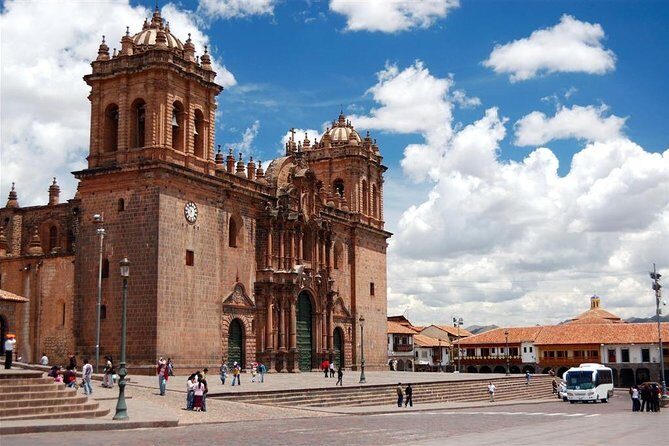
This Cusco city block is one reason I like this tour for first-timers. The stops aren’t just photos; the guide approach helps you connect the dots between different kinds of places inside the Inca world.
Here’s what you can expect:
- Qorikancha gives you the religious center baseline.
- Saqsayhuaman is where the stonework and military purpose make sense.
- Qenqo feels like an in-between space—ritual and mysticism tied to the rocky setting.
- Puca Pucara (Red Fortress) adds the military/defensive angle.
- Tambomachay brings in the water-and-cult side through the Inca Baths idea.
For the value-minded traveler, this is efficient. Instead of spending hours figuring out buses and entrances, you spend hours learning what you’re looking at. Just be ready for a lot of walking on uneven ground and bring layers, since Cusco evenings can feel cooler than you expect.
Sacred Valley by Pisac and Ollantaytambo, then the train to Aguas Calientes
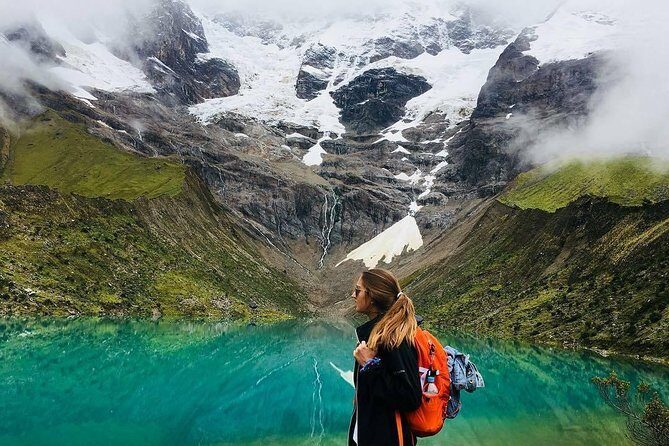
Day 2 is where the trip stops being only “Cusco sightseeing” and starts feeling like a true Peru adventure.
You’re picked up at 8:00 a.m. and drive about 1.5 hours to Pisac for a guided tour around an hour. You’ll also get context as the route follows the Willkamayu (Sacred River) toward Urubamba. In Urubamba you’ll enjoy a buffet lunch with typical Andean food—simple, filling fuel before more steps and a train day.
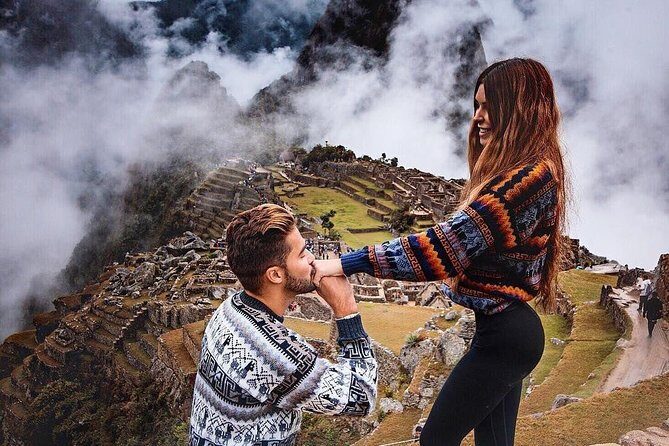
After lunch, it’s about 30 minutes to Ollantaytambo, where you get another guided stop (about one hour). The highlights usually include the Temple of the Sun, Intihuatana, Princess Baths, and the terraced areas—places that show how Inca engineering served daily life and ceremony, not just monuments.
Then the pacing shifts to logistics: you board the train to Aguas Calientes and stay the night there. In the evening, your guide comes by to explain the Machu Picchu plan for the next day. That little prep step helps reduce that panicky feeling of arriving in a tourist town at altitude.
Yes, Day 2 is long (listed at around 12 hours). But it’s the kind of long that pays off: it sets up a smoother Machu morning rather than turning Day 3 into a travel nightmare.
Machu Picchu day: circuits 1 or 2, bus up, guide-led walking
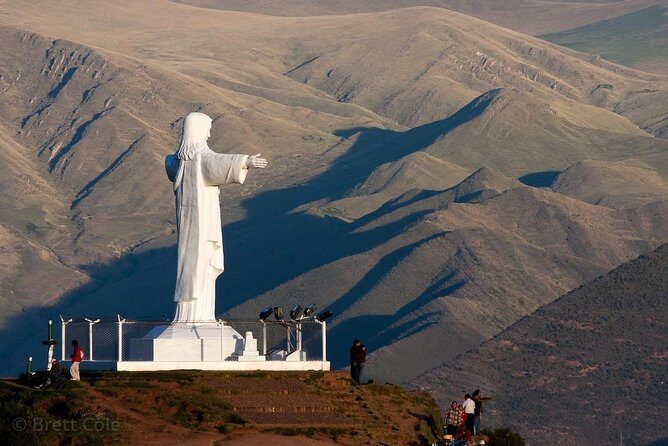
Day 3 is the heart of the trip. You’ll take a short bus ride (about 30 minutes) up to Machu Picchu. Then it’s ticket and passport checks, followed by a guided visit according to the circuit you receive. The visit is one way only, so plan for that steady walking pattern rather than hopping back and forth.
Here’s the key reality check about tickets: Machu Picchu tickets are not included, and the tour can only secure tickets depending on official availability. The info you receive says the only authorized seller is Peru’s Ministry of Culture. If tickets can’t be obtained for the package, you should receive a full refund for that portion of the tour.
The operator mentions tickets are purchased for circuits corresponding to circuits 1 and 2, and that other circuits might be offered with an additional charge if needed. Translation for your planning: you’re not in control of the circuit selection, but you are protected if no tickets are available.
After the Machu guided visit, you return to Aguas Calientes for lunch (the order may shift depending on your entry schedule). Then you take the train and bus back to Cusco.
Practical tip: when the schedule is this tight, you’ll want a small day bag, a warm layer, and patience during the entry process. Machu Picchu is worth it, but it’s still a managed site.
Maras salt mines and Moray: Inca agriculture meets living industry
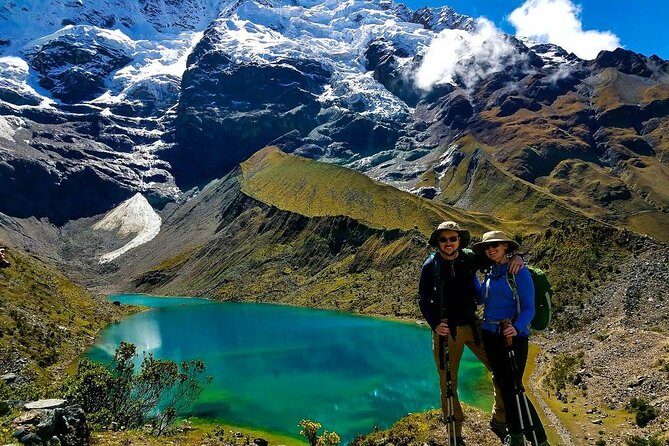
Day 4 keeps things off the main rail line, which I like. You’re picked up at 8:00 a.m. for a trip to Maras. After passing through the town, you visit Moray, described as an agricultural “laboratory” and connected to Pachamama water/cult ideas. You get a guided tour of around 40 minutes.
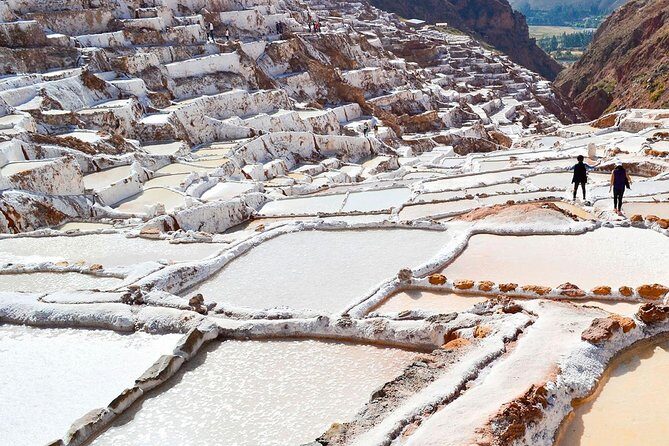
Then it’s about 30 minutes to the Salineras (salt mines). You’ll get a guided visit of about one hour, plus time to shop for salt bags and souvenirs. That shopping time is genuinely useful—Maras salt makes a great edible souvenir, and it’s a rare case where the “buy something” part is easy to understand.
You return to Cusco around 3:00 p.m. If you’re worried about being exhausted after Machu, this day is a good middle ground. It’s active enough to feel like a real excursion, but not in the brutal hiking category.




Rainbow Mountain (Winicunca): oxygen, walking sticks, and a 4 a.m. start
Day 5 is the first of the altitude-heavy mountain days. You get picked up at 4:00 a.m., driven to Cusipata, and fed first—breakfast buffet at about 6:30 a.m. This is smart. Eating early helps you start the trek with something in your stomach.
Next, you head toward the Cusipata/Wasepata area and begin walking to Vinicunca (Mountain of Colors / Winicunca). The trek is listed as about 1 hour 30 minutes one way, then roughly 40 minutes to visit the colored mountain. After that, you return (about 1 hour 15 minutes).
There’s also oxygen and walking sticks included, which is a thoughtful add-on for travelers who are not used to high-altitude hiking. Some people find the trek doable if they’re in okay shape, but the early start and altitude still matter.
You’ll return for lunch back in the Cusipata area around 1:00 p.m., then arrive back in Cusco around 5:30 p.m. So yes, it’s a long day—but it’s also a classic “you only live once” Peru moment if you’re comfortable with mountains.
Best move: pace yourself on the ascent. Don’t sprint for the top. The goal is steady breathing, not bragging rights.
Humantay Lake at 4,250 m: a second early start, then a payoff view
Day 6 follows a similar rhythm, but with a different kind of scenery. You’re picked up at 4:00 a.m., then drive to Mollepata for breakfast. After that, you continue to Soraypampa where you start walking.
The walk to Humantay Lagoon is about 1 hour 30 minutes, and the lagoon is listed at 4,250 meters. During the trek, you’ll have time to appreciate the local flora and fauna. Then you descend back to Soraypampa, take transport to Mollepata for lunch, and return to Cusco around 6:00 p.m.
This day also includes oxygen balloon and walking sticks, which is important when altitude and fatigue stack up. Some travelers like having the option to adjust pace—if you prefer not to walk the full distance, you might find alternative transport options available on these routes depending on the day and local arrangements.
Either way, don’t underestimate this hike. It’s not just about legs. It’s about breathing, hydration, and taking breaks even if others keep moving.
Q’eswachaka Inca bridge: the living tradition day
Day 7 is one of the most distinctive parts of the itinerary. You start at 7:00 a.m., then drive for almost two hours through the south of Cusco.
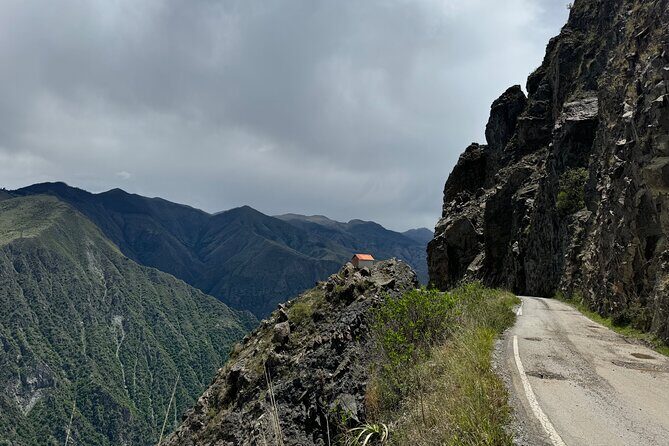
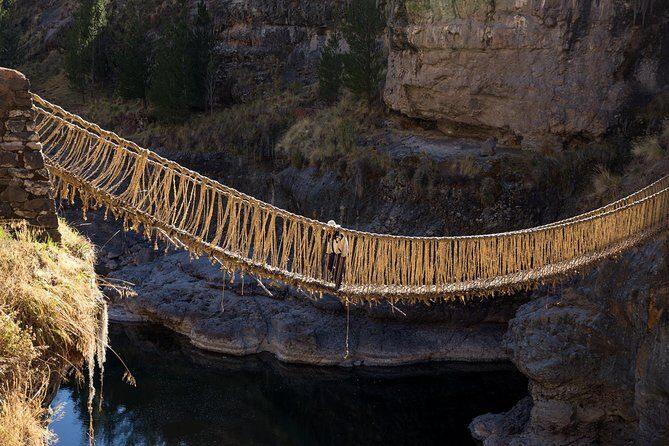
Along the way, you visit four lagoons for a quiet moment, then stop at a small Pabellones volcano near Yanaoca. After that, you reach the Inca bridge: the hanging bridge made from vegetable fiber (ichu) over the Apurímac River.
This bridge is maintained yearly by local people from four communities. Before the renewal begins, an offering is given as a sign of respect and gratitude to Pachamama. You’ll have the chance to cross the bridge from both sides.
On the return to Cusco, you also visit Checacupe, an Inca colonial bridge, so you can see differences between the two.
It ends around 5:00 p.m. This day is less about “big walls” and more about a tradition you can physically participate in. That’s why it feels special compared to standard photo stops.
Plaza de Armas and a free morning before your flight
Day 8 is the breather. You have a free morning to relax based on your flight timing. If you want something extra, there’s an optional add-on tour connected to Peruvian gastronomy and learning about making a pisco sour.
Then the day is rounded out with your airport transfer. The tour includes breakfast and mentions lunch as well, but your exact meal timing may depend on your flight schedule.
This is where you can recover from the earlier mountain days—grab coffee, take a slow stroll around Plaza de Armas, and avoid scheduling anything intense for the final morning.
Hotels and what 3-star style means on this itinerary
This package includes hotel stays in Cusco and Aguas Calientes, with the info stating 3-star properties (including a “3***” note for Cusco). That generally means clean beds, functional bathrooms, and less attention to upgrades like strong hot-water routines, quiet rooms, or consistent Wi-Fi.
Some feedback you should keep in mind: a few travelers reported issues like musty or smelly rooms, basic breakfasts, and limited comfort details. Others found their stay fine but still “simple.” This isn’t unusual for Peru at the 3-star level, especially in Cusco where older buildings are common.
My advice: if a comfortable shower and reliable Wi-Fi matter to you, pack for simplicity. Bring your own small toiletries, plan to adapt to basic breakfast setups, and don’t count on the room to feel like a modern business hotel.
Pace, meeting points, and how to avoid stress
This itinerary is built on efficiency, not downtime. You’ll have multiple long drive days and at least two mountain mornings starting around 4:00 a.m. Even if you’re in good shape, the rhythm can feel demanding.
The trip also runs with professional guides, including city and Sacred Valley days, a guide for Machu Picchu, and a guide for Q’eswachaka. Communication can be strong, and some travelers specifically praised support from people named Katia and Yamile for daily updates and helpful on-the-ground guidance.
That said, you should still protect your trip from avoidable problems. Do these small things:
- Confirm your pick-up time the night before (not just in the morning).
- Keep your phone charged, since you may need to call or message for meet-up details.
- Know your hotel address clearly, and be ready to walk a few minutes to a designated meeting point if needed.
When the schedule is tight, 10 minutes of confusion can turn into a stressful scramble. A little prep prevents most of that.
Price and value: what $845.50 covers, and what costs extra
At $845.50 per person, the value here comes from bundling the big-ticket logistics. Your included items cover:
- Airport/hotel transfers in Cusco
- Hotel stays in Cusco and Aguas Calientes
- Guided tours for multiple Inca and Sacred Valley sites
- Transportation between regions, including train segments and bus rides
- Entry support for several stops (including Maras/Moray and Q’eswachaka)
- Oxygen/walking sticks for the mountain days
- Some meals (breakfast and lunch are listed on multiple days)
The main thing not included is Machu Picchu tickets. That’s also where the biggest potential budget risk sits, because tickets depend on official availability and the circuit you receive can affect pricing. The tour notes that if Machu tickets are unavailable for the package, you should get a full refund for the Machu portion.
So the real math for you is: if you’re confident you can secure Machu tickets through the package (or you’re comfortable paying for them separately), you’ll likely feel good about the bundled cost. If you’re traveling at a time when tickets are hard to get, you’ll want to double-check expectations early.
For many people, the cost feels fair because you’re buying time saved—less planning, less juggling between buses/trains, and fewer chances to miss a connection.
Should you book this Cusco-to-Machu Picchu tour?
I’d book this if you want a structured 8-day circuit that hits the classics—Cusco, Sacred Valley, Machu Picchu, Maras/Moray, Rainbow Mountain, Humantay Lake, and Q’eswachaka—without you having to coordinate every leg.
I’d think twice if:
- You want a slow pace and hate 4 a.m. starts
- You’re picky about hotel comfort and breakfast quality
- You need one consistent guide every single day (the tour includes professional guiding, but support can feel more modular across days)
- You’re anxious about Machu Picchu ticket availability and ticket circuits
If you’re flexible, up for altitude days, and you like organized travel that keeps moving, this is a strong option for seeing a lot of Peru in one shot.
FAQ
What is the price for this tour?
The price is $845.50 per person.
How long is the tour?
It’s an 8-day tour (approx.).
Where does the tour start?
The meeting point is Alejandro Velasco Astete Airport in Cusco, Peru.
Are Machu Picchu tickets included?
No. Machu Picchu tickets are not included. Ticket purchase depends on availability, and the package is tied to circuits 1 or 2, subject to what’s available through the authorized Peruvian system.
What happens if Machu Picchu tickets aren’t available?
If there is no availability for Machu Picchu tickets for the package, you should receive a full refund of your tourist package reserved with us.
What kind of group size should I expect?
The maximum group size is 15 travelers.
What hotels are included?
Hotels are included at 3-star level in Cusco and 3 stars in Aguas Calientes.
Are meals included?
Some meals are included, including breakfast and lunch on several days listed in the itinerary. Meals not mentioned are not included.
Does the tour include altitude support for the mountains?
Yes. The tour lists oxygen and walking sticks for Rainbow Mountain day and an oxygen balloon and walking sticks for the Humantay Lake day.
Can I cancel and still get a refund?
Yes. You can cancel up to 24 hours in advance for a full refund.