REVIEW · CUSCO
2-Day Sacred Valley & Machu Picchu Group Tour from Cusco
Book on Viator →Operated by Machu Picchu Peru Travel · Bookable on Viator
Machu Picchu in two days is real. This Sacred Valley + Machu Picchu group tour strings together the key Inca-flavored sights around Cusco, then gets you up to the ruins the next morning with transport handled. You’ll see how the region worked, from textile traditions to salt production and Inca engineering.
What I like most is the mix of places with actual context, not just photos. Chinchero’s textile market shows how local wool gets dyed in natural colors, and the Salinas de Maras stops you at the famous salt wells so you understand the labor behind the landscape.
One consideration: you’ll still pay extra for some entrances in the Sacred Valley, and the Machu Picchu route you walk depends on timing (you can sometimes secure circuit 2 if you book 2–3 months ahead). If you hate add-on costs, budget for them before you commit.
In This Review
- Key Highlights Worth Your Time
- Two Days That Thread Sacred Valley Into Machu Picchu
- Day 1 Sacred Valley Stops: Chinchero, Moray, Maras, Ollantaytambo
- Chinchero: Textiles, Color, and a Live Market Feel
- Moray: Experimental Terraces and Weirdly Specific Engineering
- Salinas de Maras: The Salt Wells That Still Work
- Ollantaytambo: Fortress, Town Layout, and the Final Sacred Valley Moment
- Ollantaytambo to Aguas Calientes: The Train Ride and Night Base
- Hotel setup in Aguas Calientes (3***)
- Day 2 Machu Picchu Morning: Bus, Circuit Choice, and a Guided Circuit Tour
- Breakfast and bus to Machu Picchu
- Guided walk: what you get with the included tour
- Train back to Cusco
- Price and Logistics: Is $520 Good Value Here?
- Guides, Pace, and Group Size You Can Actually Handle
- Bag limit: don’t ignore it
- What Might Be Annoying (and How to Plan Around It)
- Should You Book This 2-Day Sacred Valley and Machu Picchu Tour?
- FAQ
- What does the $520 per person price include?
- What’s not included in the tour price?
- How long is the tour?
- Where do I stay overnight?
- What time does the train depart on day 1?
- Is Machu Picchu entry included?
- How does the Machu Picchu circuit work?
- Is Waynapicchu included?
- How much luggage can I bring on the train?
- What happens if I cancel?
Key Highlights Worth Your Time
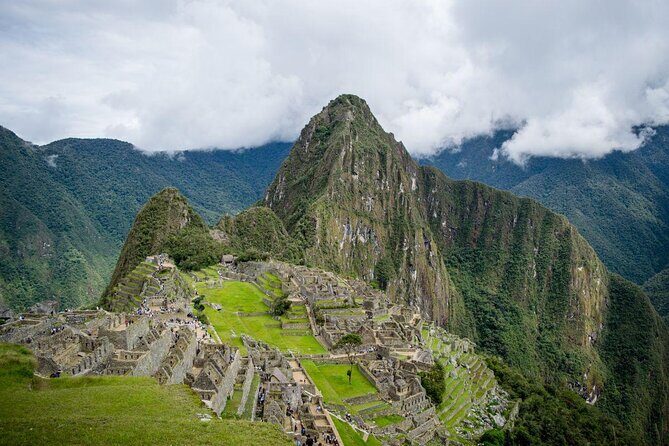
- Guided Machu Picchu (about 3 hours) on a preselected circuit so you don’t waste time figuring it out
- Overnight in Aguas Calientes (3* )** with train transport built into the schedule
- Sacred Valley powerhouse combo: Chinchero, Moray, Salinas de Maras, and Ollantaytambo
- Door-to-door hotel pick up and drop off from Cusco to keep logistics simple
- Train included: Ollantaytambo → Aguas Calientes → Ollantaytambo
- Small group (max 15) which usually keeps the pacing from feeling chaotic
Two Days That Thread Sacred Valley Into Machu Picchu
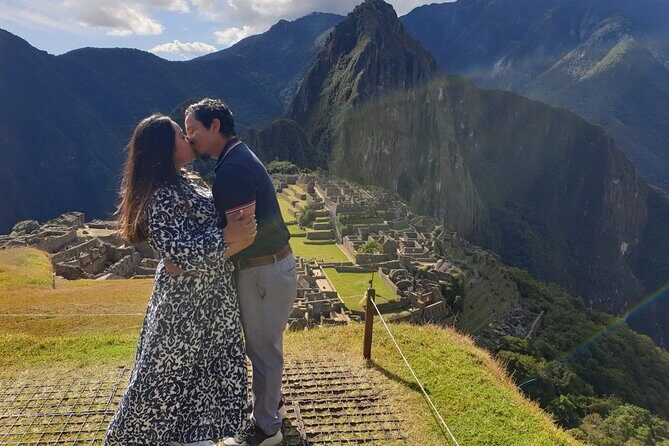
This is the kind of itinerary that works because it treats Machu Picchu as the finish line, not the only event. Day 1 focuses on the Sacred Valley’s human side: how people farmed, processed resources, and built communities that fed the Inca state. Day 2 then points that story straight at the main event with a guided walk at Machu Picchu.
If you’re short on time in Cusco, this format is a practical win. You get a full day of driving and visits, an overnight base at Aguas Calientes, and then a structured morning at the ruins. The group model also matters: you’re not juggling multiple tickets, timing windows, and transfers by yourself.
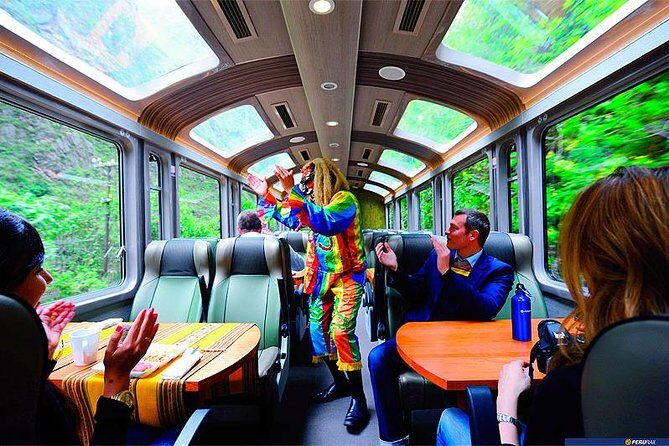
The tour is built around included transport: Sacred Valley with a professional guide plus driver, then the train legs and the bus up and down to Machu Picchu. That reduces the stress factor—especially useful if you’re trying to keep your day smooth.
You can also read our reviews of more tours and experiences in Cusco
Day 1 Sacred Valley Stops: Chinchero, Moray, Maras, Ollantaytambo
Day 1 is where the tour earns its value. Each stop has a clear theme, and together they paint a better picture of how the Incas and local communities used the valley.
Chinchero: Textiles, Color, and a Live Market Feel
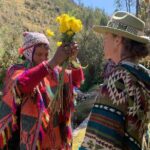
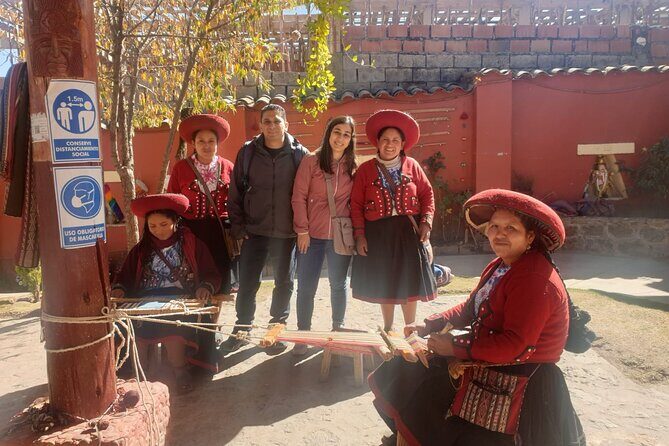
Chinchero includes an archaeological complex plus the market atmosphere. The big draw here is the textile focus—this is where you can see natural dyeing methods for wool colors used for textiles, and yes, you can buy things if you want.
Why this works: it’s not just stone ruins. It’s craft knowledge, passed down and still in use. If you like souvenirs that aren’t mass-produced, this is the stop that tends to feel the most connected to daily life.
Practical note: the itinerary lists about 1 hour here, and admission tickets for the site are not included.
Moray: Experimental Terraces and Weirdly Specific Engineering
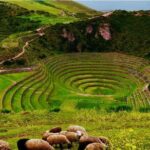
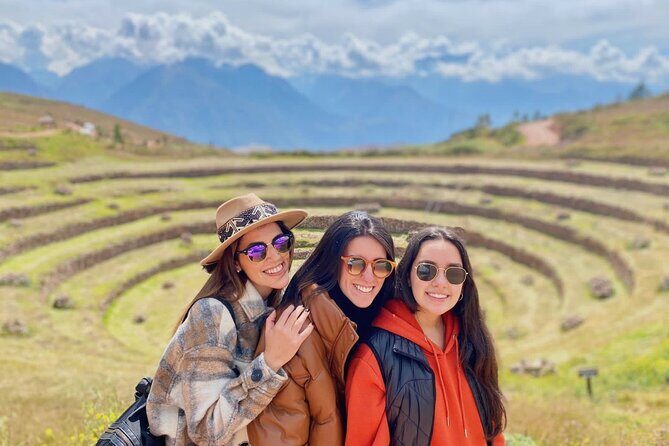
Next up is Moray, often described through its experimental agricultural terraces. The defining visual element is the set of terraced depressions—huge hollows shaped to create different growing conditions.
Why it’s worth your time: it gives you a concrete example of how the Inca world wasn’t only about monuments. It was also about testing, adapting, and managing agriculture.
Again, plan on about an hour and remember that site admission is not included.
Salinas de Maras: The Salt Wells That Still Work
Salinas de Maras is made up of roughly 3,000 small wells, filled with salty water that evaporates, leaving salt behind. The process is tied to a natural spring and the dry season timing described in the itinerary.
This stop can feel oddly mesmerizing because it’s an active production system, not a static display. It also adds a useful lens: when you later look at Inca influence, you can think about resources and trade, not only worship.
Budget note: admission is not included and the stop is listed as about 1 hour.





Ollantaytambo: Fortress, Town Layout, and the Final Sacred Valley Moment
Ollantaytambo is both a fortress/citadel and one of the last living Inca towns. The itinerary emphasizes the strategic, military, religious, and agricultural role—and that streets maintain line-to-Inca planning.
This is a great place to end your Sacred Valley day. It’s the transition point where you stop looking at scattered sights and start feeling how an Inca center functioned as a whole.
The tour then wraps up around 3:00 pm, followed by train boarding at the station. That timing matters, because it shapes how smooth your evening will feel.
Ollantaytambo to Aguas Calientes: The Train Ride and Night Base
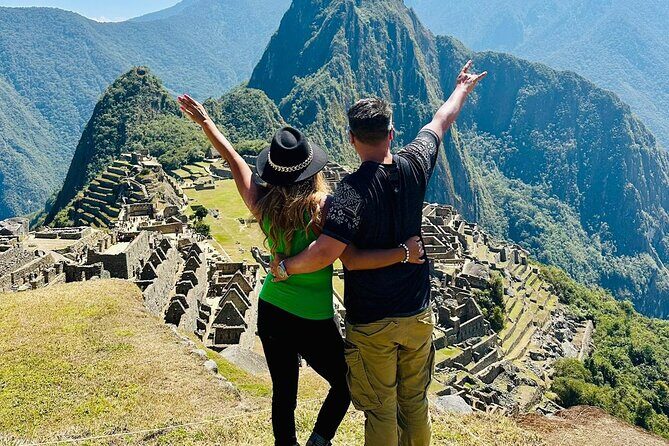
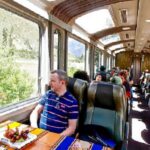
After Ollantaytambo, the schedule sends you to the train station for the ride to Aguas Calientes, the Machu Picchu town. The stated train window is between 3:30 and 4:30 pm, and you’ll spend the night there.
This is when the “group logistics” piece really earns credit. You don’t have to coordinate a last-minute transfer from the Sacred Valley stops to lodging. The tour builds in the flow: site time ends, you move to the station, you arrive in time to settle.
Hotel setup in Aguas Calientes (3***)
The overnight hotel is in the 3 category. The options listed include places like Htl Terrazas de Luna or Htl Ferre boulevard. You’ll check in after the train, and the next morning begins early enough to catch the bus up to Machu Picchu.
One small detail that can help: since the itinerary doesn’t include dinner plans, you’ll want to factor in that meals on day 1 are on you (breakfast is included; lunches and dinners are not).
Day 2 Machu Picchu Morning: Bus, Circuit Choice, and a Guided Circuit Tour
Day 2 is straightforward in a good way: breakfast first, then pick up to the bus, guided ruins time, then down for free lunch time, then train back to Cusco via Ollantaytambo.
Breakfast and bus to Machu Picchu
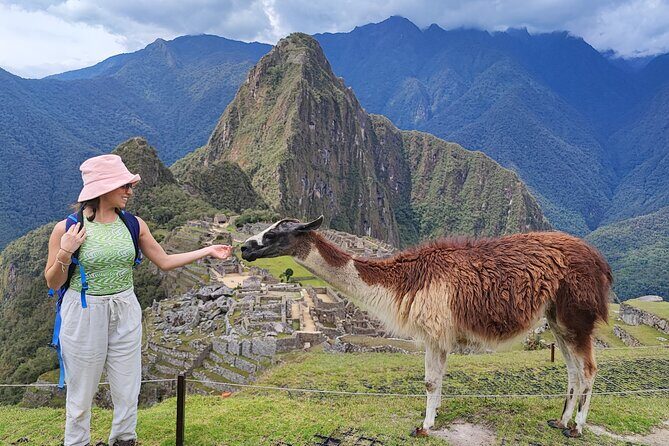
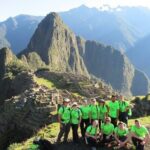
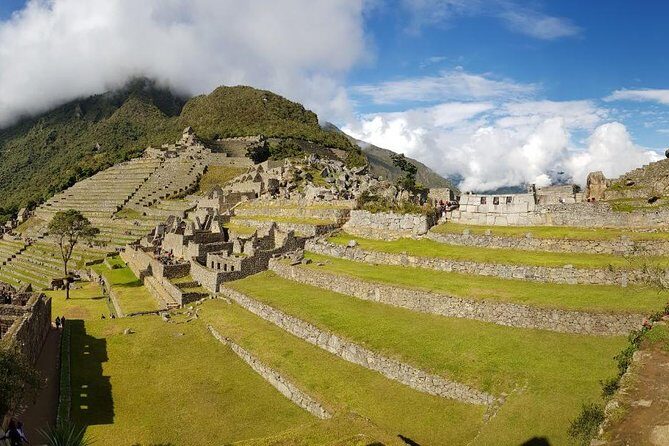
After an early AM breakfast, the guide picks you up from the hotel to board the bus up to Machu Picchu. The tour includes a guided walk of roughly 3 hours through the circuit covered by your entrance ticket.
If you care about photos or timing, circuit selection becomes the lever. The tour states that if you book 2 or 3 months in advance, you can sometimes secure circuit 2; otherwise you’ll get circuit 1 or 3 depending on availability.
Even if you don’t obsess over circuits, this matters because it affects what parts of the site you see and how the day feels.
Guided walk: what you get with the included tour
You get a professional guide (English–Spanish), and the plan is to cover the included circuit areas as part of your Machu Picchu entry.
This is one of the most praised parts of the experience you’re buying: a guide who can translate what you’re seeing into something you can actually understand. In real terms, that means you’re not standing around hoping someone explains why the place looks the way it does.
The tour returns you to Aguas Calientes by bus after the ruins visit, and then you’ll have free time to get lunch.
Train back to Cusco
After lunch time, the itinerary sends you back to Ollantaytambo by train, with transportation waiting to bring you back to Cusco. The estimated arrival back in Cusco is around 7:00 pm.
That late-afternoon/evening arrival is another value point: you don’t end your trip stranded. You get a complete end-to-end day, not a partial service.
Price and Logistics: Is $520 Good Value Here?
At $520 per person, the key question isn’t just the number—it’s what you’re getting for it.
This package includes:
- Breakfast
- Sacred Valley tour with professional guide and driver
- Train round-trip: Ollantaytambo ↔ Aguas Calientes
- Night hotel in Aguas Calientes (3)
- Bus up and down between Aguas Calientes and Machu Picchu
- Entrance ticket to Machu Picchu
- Professional guide (English–Spanish)
- Door-to-door hotel pick up and drop off in Cusco
What’s not included:
- Sacred Valley entrances (Chinchero, Moray, Salineras, Ollantaytambo) listed at PEN 90 per person
- Waynapicchu ticket (optional) at $65 per person
- Tips, lunches, and dinners (breakfast is included)
So, is it a deal? If you were trying to piece this together yourself, you’d likely spend a lot of time coordinating trains, buses, and timing your Machu Picchu visit. Here, most of that heavy lifting is already packaged, which is why the price can feel fair—especially for a two-day timeframe.
The only time I’d hesitate is if you’re trying to keep every extra cost at zero. Between the Sacred Valley entrance fee and optional Waynapicchu, you should assume there will be add-ons.
Guides, Pace, and Group Size You Can Actually Handle
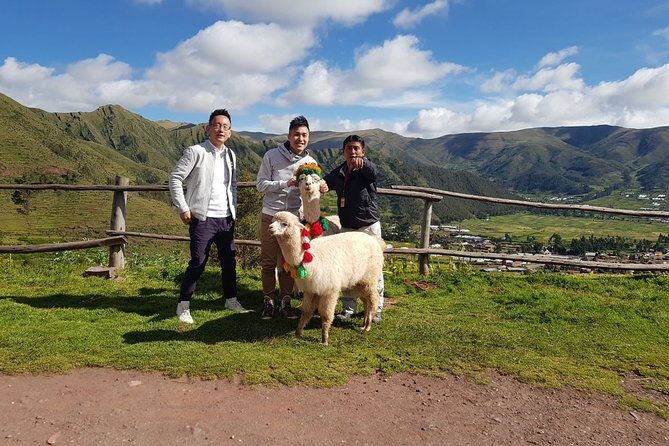
This tour caps at 15 travelers, which tends to keep the group feeling manageable. It also helps with timing at major stops, where everyone moves at once.
A big plus here is the human side of the service. Names that come up in past experiences include guides like Willie, praised for strong English and knowing the area. You also see Tania mentioned for handling issues quickly when something at the hotel wasn’t perfect.
Even if you don’t care about guide personality, this kind of consistency matters. When you’re on a tight schedule—train window, bus timing, and a guided circuit—you want a team that can keep you moving without drama.
Bag limit: don’t ignore it
The itinerary includes a rule for train luggage: you can bring up to 1 bag of 8 kg. If you travel with a larger bag, plan ahead so you don’t get stuck at the wrong moment.
What Might Be Annoying (and How to Plan Around It)
No tour is perfect, and the friction points here are predictable.
Extra payments: Sacred Valley entrances cost PEN 90 per person, and Waynapicchu is an additional $65. If you want to do optional viewpoints, add that into your total now.
Circuit uncertainty: you don’t fully control which Machu Picchu circuit you’ll walk unless you book far in advance. If your priority is seeing specific parts in a specific order, book early.
Long day on day 2: you’re up early, you’re on buses, then you’re back on the train, then you’re still traveling to Cusco. It’s a full schedule, not a slow wander.
If you’re the type who likes to stretch each day with no deadlines, this may feel intense. If you’re happy with a structured plan and want to maximize sights per day, it’s a good fit.
Should You Book This 2-Day Sacred Valley and Machu Picchu Tour?
I’d book this if you want:
- A low-stress plan with trains, buses, and hotel already handled
- A guided Machu Picchu visit of about 3 hours rather than self-navigation
- A day 1 that teaches the region through Chinchero, Moray, Salinas, and Ollantaytambo
- A small group size (max 15) and door-to-door Cusco service
I wouldn’t choose it if:
- You’re trying to avoid any extra fees beyond the advertised amount
- You need total control over the Machu Picchu circuit timing and path
- You’re sensitive to a packed schedule with an early start
If you can book 2–3 months ahead, that’s the moment to push for the better chance at circuit 2. And before you go, do quick math: add the Sacred Valley entrance cost and decide if Waynapicchu is worth it to you.
FAQ
What does the $520 per person price include?
It includes breakfast, the Sacred Valley tour with professional guide and driver, train tickets Ollantaytambo–Aguas Calientes–Ollantaytambo, a 3*** category night hotel in Aguas Calientes, bus transport up and down to Machu Picchu, the Machu Picchu entrance ticket, professional guide service (English and Spanish), and door-to-door hotel pick up and drop off in Cusco.
What’s not included in the tour price?
Sacred Valley entrance fees for Chinchero, Moray, Salineras, and Ollantaytambo are not included (PEN 90 per person). Waynapicchu is not included ($65 per person). Tips are optional, and day 1 breakst, lunches, and dinners are not included (breakfast is included overall).
How long is the tour?
The tour lasts 2 days (approx.).
Where do I stay overnight?
You’ll stay overnight in Aguas Calientes in a 3* category hotel. Hotel options listed include Htl Terrazas de Luna and Htl Ferre boulevard.
What time does the train depart on day 1?
After Ollantaytambo, the train is scheduled between 3:30 and 4:30 pm to Aguas Calientes.
Is Machu Picchu entry included?
Yes. The tour includes an entrance ticket to Machu Picchu.
How does the Machu Picchu circuit work?
You’ll have a guided tour of the circuit included with your Machu Picchu entrance ticket. If you book 2 or 3 months before, the tour says it can secure circuit 2; otherwise it will reserve circuit 1 or 3 depending on availability.
Is Waynapicchu included?
No. Waynapicchu is optional. You can request it in advance and the cost is listed as $65 per person.
How much luggage can I bring on the train?
Each traveler is allowed a maximum of 1 bag weighing up to 8 kg on the train.
What happens if I cancel?
This experience is non-refundable and cannot be changed for any reason. If you cancel or ask for an amendment, the amount you paid will not be refunded.