REVIEW · CUSCO
2 Day Sacred Valley and Machu Picchu Tour
Book on Viator →Operated by Andean Path Travel · Bookable on Viator
Machu Picchu feels close—then it’s gone. This 2-day Sacred Valley and Machu Picchu trip strings together Inca-era sites with real-world timing: a 7:00 am Cusco pickup, a scenic Sacred Valley day, then a guided citadel visit the next morning. I like how the route mixes big-name stops with less crowded wow moments, and how it’s designed around getting you to the right places at the right times.
What I really like is the mix of private guiding and included logistics—your guide handles the museum-style details, while private transport keeps the day from turning into a scavenger hunt. I also like that Machu Picchu access is handled as part of the package, including the fee and a guided route with help at the security checkpoints.
One thing to consider: you’re committing to an early start and a full schedule, and the tour requires good weather. If the conditions don’t cooperate, plans can shift.
In This Review
- Key Things I’d Focus On
- Cusco Pickup at 7:00 AM: Why This Start Time Matters
- Chinchero Textiles: The Craft You Can See Up Close
- Salinas de Maras and the Pink Salt Detail
- Moray: Circular Terraces and the Mystery Factor
- Ollantaytambo: Big Stone, Big Atmosphere, Then the Train
- Aguas Calientes Overnight: Rest Matters More Than You Think
- Machu Picchu at Citadel Time: Guided Tour, Then Freedom
- The Evening in Aguas Calientes and the Return to Cusco
- Price and Value: What You’re Actually Getting for $620
- Guide Style and Small-Group Feel: The Human Part That Makes It Work
- Who This 2-Day Sacred Valley + Machu Picchu Tour Fits Best
- Should You Book Andean Path Travel for This 2-Day Plan?
- FAQ
- What time is the pickup in Cusco?
- Is this tour private or shared with other people?
- What is included in the $620 price?
- What is not included?
- How long is the Machu Picchu guided visit?
- Do we visit Chinchero, Maras, and Moray?
- Can I cancel for a full refund?
Key Things I’d Focus On
- Private guide all the way through: you’re not stuck sharing questions with strangers.
- Inca sites with entrance tickets included: Chinchero, Moray, Salinas de Maras, Ollantaytambo, plus Machu Picchu.
- A full guided Machu Picchu window: about 3 hours inside the citadel, then time to wander.
- Train + hotel handled: you’ll travel to Aguas Calientes and stay there overnight.
- Early-morning bus to Machu Picchu: the schedule is built for actually getting in.
Cusco Pickup at 7:00 AM: Why This Start Time Matters
A 7:00 am pickup is early, yes—but it’s also the whole point of doing Sacred Valley and Machu Picchu in just two days. Early departures help you beat the slowdowns that can happen with traffic, changing weather, and late-day energy dips. You’ll feel less rushed at each stop, and you’ll be more likely to enjoy the details instead of just collecting photos.
Because you’re starting in Cusco, you should also plan for altitude reality. This route is packed with short visits—about an hour at places like Chinchero, Maras, and Moray—so the goal is to see the highlights without draining yourself for the next big section. I like that the day is structured like a series of small “wins,” rather than one huge all-day trek.
And since it’s a private experience (only your group), you can move at a pace that fits your crew. That flexibility matters a lot if you’re traveling with kids or mixed ages, where bathroom stops and slower moments can otherwise throw a schedule off.
You can also read our reviews of more tours and experiences in Cusco

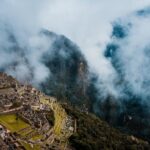
Chinchero Textiles: The Craft You Can See Up Close
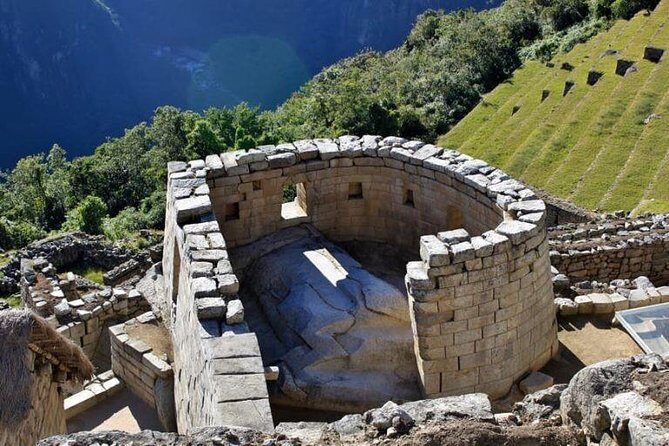
Chinchero is one of those stops that works even if you’re not trying to be a “culture tourist.” This village is known for multicolored textiles, and the visit is built around watching and learning the traditional techniques behind the dyeing and making process. The big value here is that you’re not just looking at finished products—you’re getting the story of how they’re made.
You also visit Chinchero’s main square, where colonial buildings sit on top of older Inca ruins. That layering is the kind of thing you can’t appreciate from a highway pull-off. If you like places where history is visible in the same footprint, this is the kind of stop that gives you that.
Practical tip: if you’re drawn to textiles, be ready to ask questions. Guides tend to explain what you’re seeing—patterns, dyes, and the logic behind the craft—especially for people who want more than a quick overview.
Salinas de Maras and the Pink Salt Detail
Next up are the Salt Mines of Maras. These aren’t just scenic terraces of salt; they’re still active with around 3,000 salt wells fed from the Qaqawiñay mountain. The tour frames this as a practice that has existed since Inca times, and you’ll also hear the legend connected to the salt’s origin.
The “pink salt” detail is what most people remember, but the deeper reason this stop works is that it teaches you how geography becomes livelihood. Mineral-rich soil and sun exposure shape what happens here, so the result is not just salt—it’s a whole system locals have used for generations.
Downside to note: it can be visually intense and a bit repetitive if you’re expecting one dramatic single viewpoint. The experience is more about walking through the grid-like salt basins and letting your guide explain why it looks the way it does.
Moray: Circular Terraces and the Mystery Factor
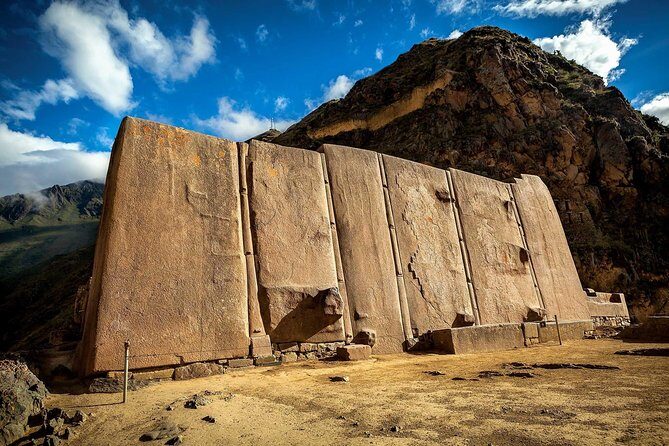
Moray is all about those circular terraces near Maras. The common idea is that the Incas used it like a research center, growing plants from different regions by manipulating microclimates. Another theory included in this tour’s description is that it may have also served astronomical observation or weather prediction.
So yes, it’s weird and fascinating. But it’s also a smart stop for a two-day schedule because you can connect the dots quickly: agriculture, environment, experimentation, and—whether you buy the astronomical theory or not—how seriously the Incas treated planning.
One thing to keep in mind: Moray is a “think while you walk” site. If you like museums where someone explains the why behind the artifacts, Moray hits well. If you just want dramatic views without a lot of interpretation, it can feel more academic than postcard-perfect.
Ollantaytambo: Big Stone, Big Atmosphere, Then the Train
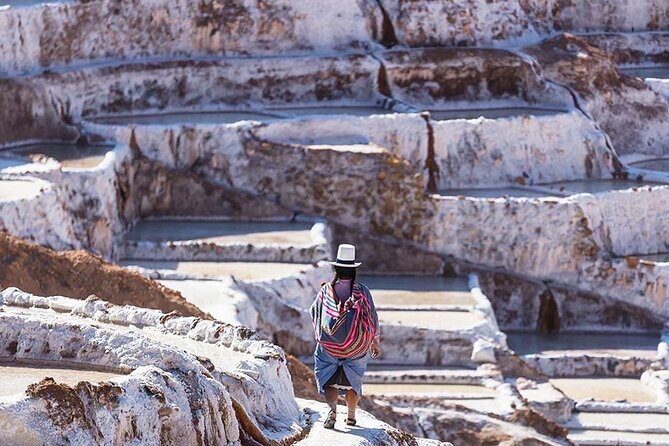
After lunch, you’ll head to Ollantaytambo, one of the most impressive Inca fortress areas in the Sacred Valley. The stone buildings here are massive, and some sections reach heights of around 4 meters. You’ll also see platforms built around the site, and the location makes it easy to visualize how the town interacts with the fortress area.
This is where the Sacred Valley day turns from “scenic stops” into “you can feel the power of the place.” Ollantaytambo has that sense of permanence—stone work designed for decades or centuries, not for tourists. If you love architecture that looks engineered (because it is), this stop delivers.
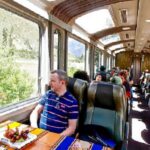
Then comes the logistical pivot: after exploring Ollantaytambo in the afternoon, you take the train to Aguas Calientes. That timing matters because it turns your second day into an easier morning. You’re not trying to scramble from Cusco to Machu Picchu with no breathing room.





Aguas Calientes Overnight: Rest Matters More Than You Think
Once you arrive in Aguas Calientes, you’ll get taken to your hotel and have time to relax and prepare for the next day. This part is underappreciated by people who want to “keep going,” but for Machu Picchu you’ll want your sleep and your headspace.
Aguas Calientes is also where your second-day rhythm happens. You’re close enough to the action to start early, but far enough that you’re not constantly rushing back and forth. The practical win is that your hotel is included, so you’re not figuring out lodging on the fly after a long ride day.
If you’re the type who gets anxious about logistics, this is one reason the tour is good value: fewer unknowns the night before Machu Picchu.
Machu Picchu at Citadel Time: Guided Tour, Then Freedom
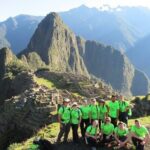
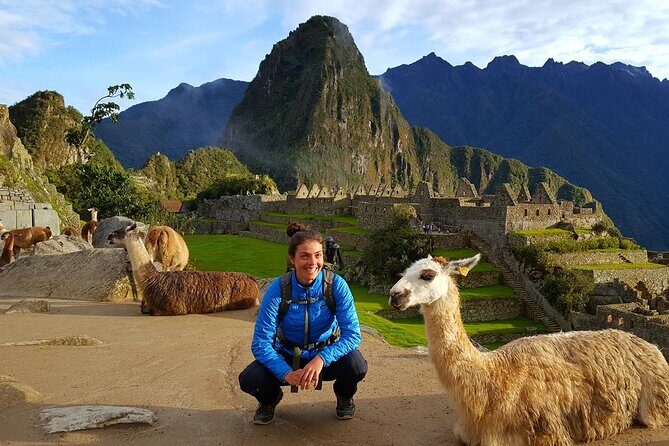
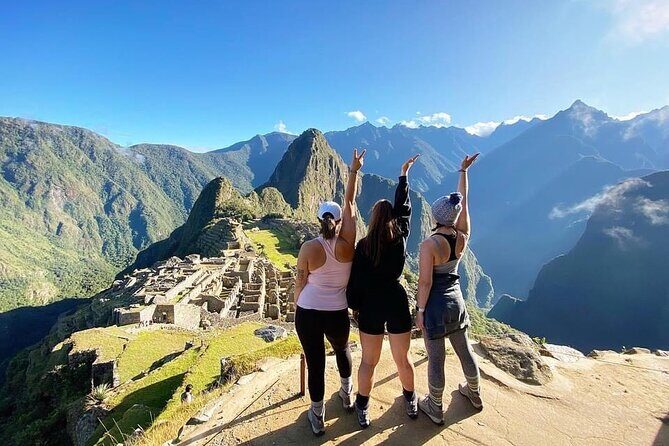
The next morning you wake up early, board a bus for about 30 minutes, and reach Machu Picchu. From there, the guide and staff support you at the security checkpoints, then you get a guided tour inside the citadel.
The guided portion lasts about 3 hours, which is a strong middle ground. Long enough to understand the layout, the building functions, and the overall vibe of the site. Not so long that you feel trapped when your legs start to complain.
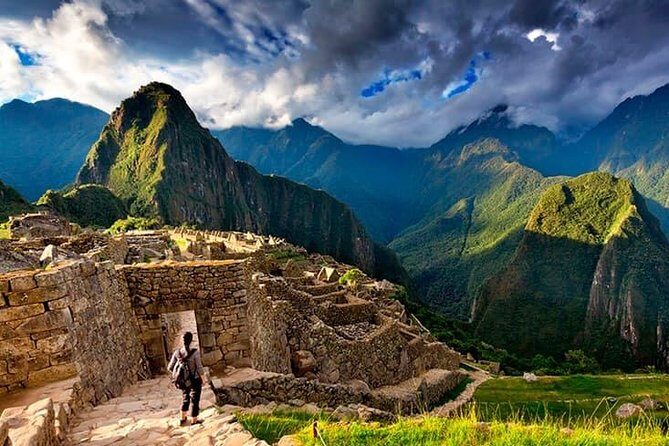
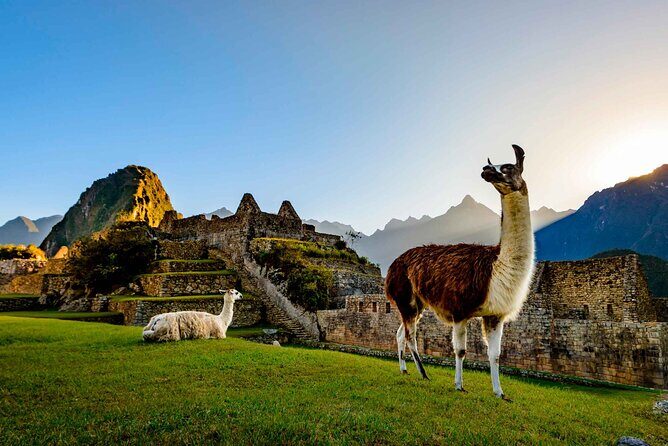
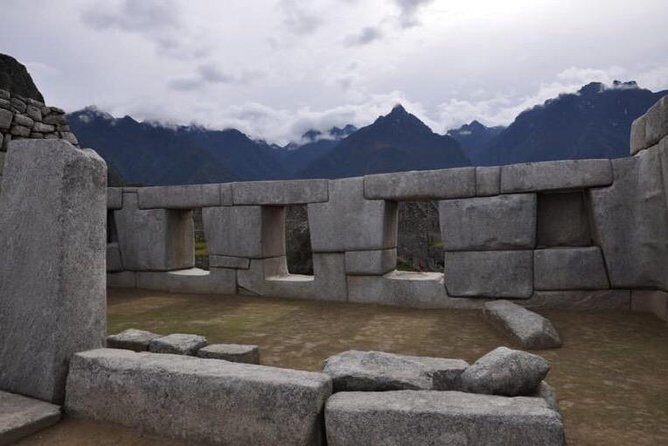
Machu Picchu itself is described as built in the 15th century and later abandoned after the Spanish conquest. It was then rediscovered in 1911 by Hiram Bingham, an American explorer. Whether you know that already or not, the guide’s job here is to connect the stonework to meaning—why places were built where they were, and how the Inca architecture fits the mountain terrain.
After the guided route, you get free time to explore on your own. This is where you can slow down, spot details you missed earlier, and chase the exact angles you like for photos and viewpoints.
Practical tip: after a guided walk, use your free time to return to anything that caught your attention. It’s normal to miss a detail the first pass, especially on a site this big.
The Evening in Aguas Calientes and the Return to Cusco
After you’re back in Aguas Calientes, you have free time to explore the small town. You can grab lunch at restaurants, eat from the market area, or focus on local dishes. There’s also the option to visit the hot springs—Aguas Calientes means hot waters, and that’s the idea.
Then in the evening, you board a train back toward Ollantaytambo and continue by drive back to Cusco. The arrival time is around 7:00 pm, so the day ends in Cusco rather than leaving you stranded mid-route.
I like this flow because it gives you recovery time after Machu Picchu without dragging you back to the hotel in Cusco too early. You can decompress, eat something satisfying, and still be home base by the evening.
Note: last day lunch is not included, so plan to pay for that meal on your own.
Price and Value: What You’re Actually Getting for $620
At $620 per person for a 2-day experience, the value depends on what you would otherwise pay separately. Here, key items are bundled: breakfast, a private guide, train tickets, Machu Picchu fee, private transport, site entrance fees, and hotel. That’s a lot of “moving parts” taken off your plate.
If you’re trying to build the trip yourself, you’d likely spend time coordinating trains, timed admissions, and ground transport, then still wonder whether you’re missing a key site fee or check-in rule. This package reduces that risk with included admissions and an on-the-ground guide.
The big cost-driver is Machu Picchu access and transportation, which is exactly where timing matters most. You’re also paying for the structure: early bus to Machu Picchu, guided interpretation in the citadel, and a realistic return to Cusco by around 7:00 pm.
So the deal isn’t just “you get stuff included.” It’s that the schedule is tightened for a two-day window, which is what makes the package feel fair.
Guide Style and Small-Group Feel: The Human Part That Makes It Work
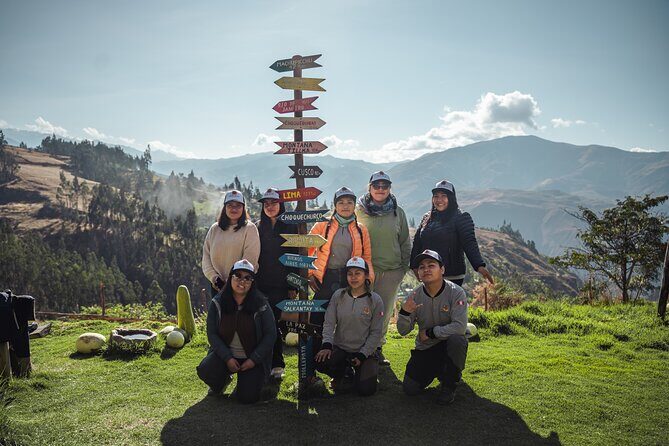
The tour experience is only as good as the guide and the way logistics are handled, and the provider seems to put energy into that. In past trips, guides such as David and Ronald were described as friendly, organized, and strong on answering questions. Another guide named Sandro was praised for being kind and helpful, while Victor was noted for mixing humor with history.
What you should look for in any guide here is not just facts, but pacing. If you’re traveling with kids or with adults who want deeper explanation, a good guide adjusts. The descriptions you have suggest flexibility, patience, and clear recommendations—especially around food and what to do or avoid during the day.
Another bonus detail from the way they talk about service: they also mention caring about community support for children. That doesn’t change the sights, but it’s a signal they’re thinking about the impact of tourism beyond the day you’re there.
Who This 2-Day Sacred Valley + Machu Picchu Tour Fits Best
This tour fits you best if you want a high-impact introduction to the region without spending days doing logistics. The schedule is built for people who can handle early starts and a full day of driving and walking at each stop.
It’s also a good match if you like structure: pickup at 7:00 am, a defined set of stops, and a guided route through Machu Picchu. You’ll spend less time wondering what to do next.
If you’re the kind of traveler who wants to linger for hours at each site, you might wish you had more time. Here, visits like Chinchero, Maras, and Moray are about an hour each, so you get the highlights rather than a slow, unhurried day.
If you’re unsure, the “most travelers can participate” note matters. Still, you should take altitude and comfort seriously because you’re moving between elevations and packing in a lot within 48 hours.
Should You Book Andean Path Travel for This 2-Day Plan?
You should book this if you want the smart version of Machu Picchu in two days: private guiding, included train and fees, and a plan that gets you into the citadel and back to Cusco by early evening. It’s especially worth it if you’d rather pay for convenience than spend hours coordinating timed entry and transportation.
Skip it if you’re chasing a slow travel pace, or if early mornings and tight scheduling stress you out. Also watch the weather factor—this experience requires good conditions, and if it doesn’t happen, you’ll be offered another date or a refund.
If you want a trip that feels organized and interpretive, with enough flexibility to still enjoy the sites, this is a strong way to do the Sacred Valley and Machu Picchu combo without burning a week.
FAQ
What time is the pickup in Cusco?
Pickup starts at 7:00 am.
Is this tour private or shared with other people?
It’s a private tour/activity, meaning only your group participates.
What is included in the $620 price?
The price includes breakfast, a private guide, train tickets, the Machu Picchu fee, private transport, entrance fees for each Inca site, and hotel lodging.
What is not included?
Last day lunch is not included.
How long is the Machu Picchu guided visit?
The Machu Picchu guided portion is about 3 hours, after which you can explore on your own.
Do we visit Chinchero, Maras, and Moray?
Yes. The tour includes Chinchero, Salinas de Maras (salt mines), and Moray.
Can I cancel for a full refund?
Yes. You can cancel up to 6 days in advance for a full refund, as long as you cancel at least 6 full days before the experience’s start time.