REVIEW · CUSCO
Choquequirao Trek 4 days and 3 nights
Book on Viator →Operated by TreXperience · Bookable on Viator
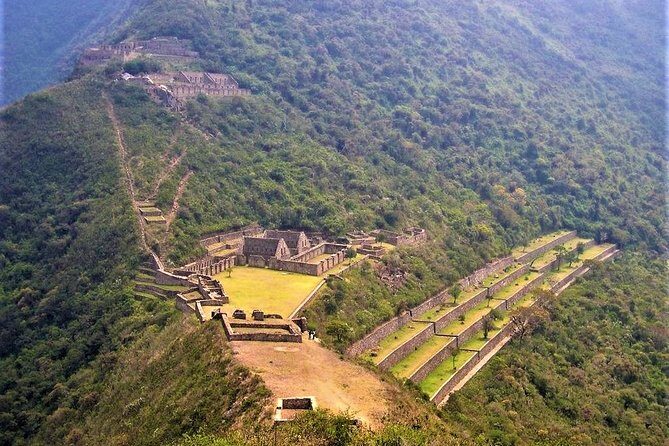
Choquequirao feels like Inca solitude on hard legs. This 4-day, 3-night hike from Cusco is built for people who want the lost city experience with fewer crowds, steady guidance, and a realistic pace down the Apurimac canyon route. You’ll be moving through clouds-forest edges, crossing changing terrain, and then waking up to the site itself at sunrise.
I love the way the logistics are handled for you: round-trip transfers from your hotel (or the airport), a pre-departure briefing at 6:00 pm, and a full team that includes an English-speaking guide, a chef, and a porter. In the reviews, guides like Elias get singled out for being patient and upbeat, and chefs such as Leandrio (often praised for meals that are surprisingly good for trekking days) keep food both varied and practical.
One possible drawback: you start early, between 4:30 am and 5:00 am, and the hike is labeled moderate but still steep in places. Also, sleeping gear and trekking poles are not included, so you may want to plan ahead if you’re not bringing your own.
In This Review
- Key Things That Make This Trek Worth Your Time
- Getting to the Trailhead: The 4:30 am Cusco Routine
- Capuliyoc to Santa Rosa: Your First Descent into the Apurimac Canyon
- Day 2’s Marampata-to-Choquequirao Connection: Long Views, Steady Steps
- Day 3: Sunrise at Choquequirao, Then the Scenic Up-and-Down
- Day 4: Capuliyoc Again, Plus Saywite’s Mysterious Rock
- Food on the Trail: Chef-Made Meals You Can Actually Look Forward To
- Your Team on the Trail: Guides, Porters, and That Small-Group Calm
- Elevation and Fitness: What Moderate Means (and What It Doesn’t)
- Price and Value: What You’re Paying For (and Why It Adds Up)
- Should You Book This Choquequirao Trek?
- FAQ
- What is the start time for the trek?
- How long is the Choquequirao trek each day?
- What is included in the price besides guiding?
- Is vegetarian food available?
- What gear should I plan to bring?
- Do I need a passport to join?
- Is the experience weather-dependent?
Key Things That Make This Trek Worth Your Time
- Small-group feel: capped at a small number (12 highlighted, max 16 stated), so you’re not just another body in a line
- Real Choquequirao time: sunrise at the Inca citadel plus time to explore before the day gets busy
- Apurimac Canyon on your route: you’ll get early, big views as you work downhill from Capuliyoc
- Chef-driven meals: multiple meals over multiple days, with options for vegetarian diets if you arrange it
- Personal porter support: your own porter carries personal items up to 7 kg, which keeps the hike manageable
Getting to the Trailhead: The 4:30 am Cusco Routine
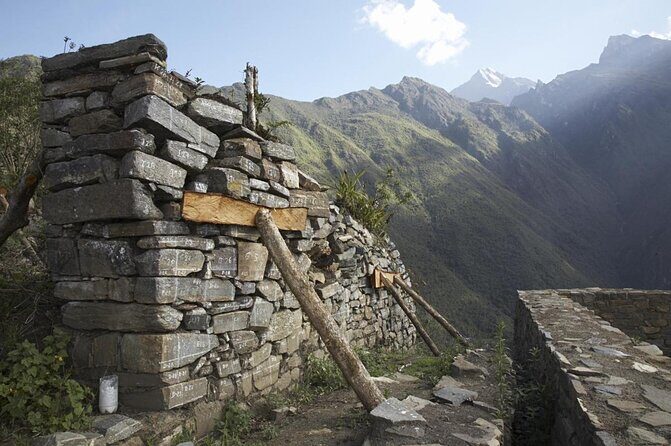
This trek begins with an early departure from Cusco, usually scheduled between 4:30 am and 5:00 am. You’ll drive across the Andes to Capuliyoc, arriving around 8:30 am for your first breakfast and the start of the hike.
Why that matters: Choquequirao is not a “sleep in and stroll” kind of place. Starting early helps you hit viewpoints in better light, move through steep sections before you feel cooked, and generally keeps the day on track. If you hate early wake-ups, this will feel like the biggest culture shock—prepare for it like it’s part of the adventure.
Transfers are included, and the operator also does pickup from your hotel (or the airport if you’re arriving that way). You’re not coordinating buses, tickets, or route changes on your own, which is a huge quality-of-life win when you’re heading into a remote area.
You can also read our reviews of more hiking tours in Cusco



Capuliyoc to Santa Rosa: Your First Descent into the Apurimac Canyon
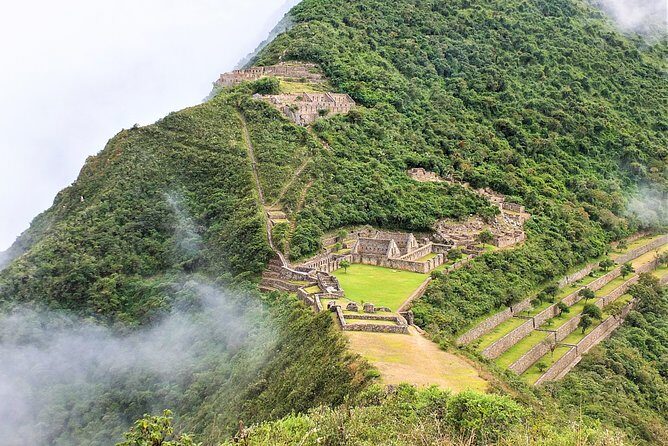
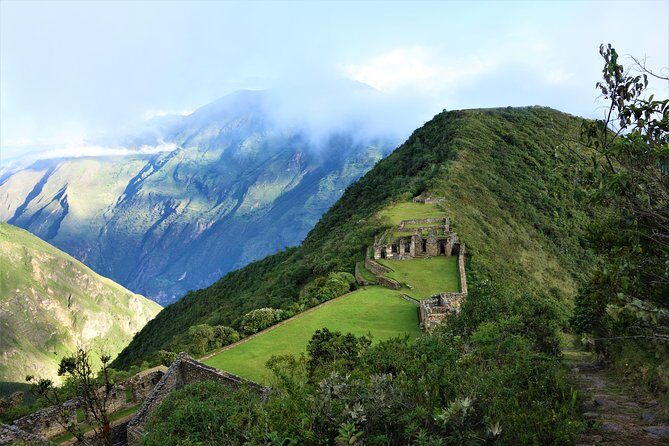
Day 1 is your first taste of Choquequirao country. After breakfast at Capuliyoc (about 2,911 m / 9,550 ft), you hike downhill for roughly 4 hours to Chiquiska for lunch. Along the way, you’ll start getting views into the Apurimac canyon, one of Peru’s deepest cutaways, and you’ll notice the terrain shifting from high Andean zones toward cloud-forest edges.
From Chiquiska, it’s about 2 more hours down to your campsite at Santa Rosa (around 1,478 m / 4,849 ft). The route is listed as about 10.8 km / 6.7 miles total hiking and roughly 6 hours on foot, with a “moderate” difficulty rating.
What to expect practically:
- It’s downhill hiking first, which feels easier on the lungs but can be hard on the knees.
- You’ll likely notice the “distance” changes more than you expect. In big canyons, each hour feels different, depending on shade and altitude shifts.
This day sets the tone. You’re not just walking; you’re moving through a corridor of changing ecosystems, which is part of why Choquequirao feels so different from other famous Inca sites.
Day 2’s Marampata-to-Choquequirao Connection: Long Views, Steady Steps
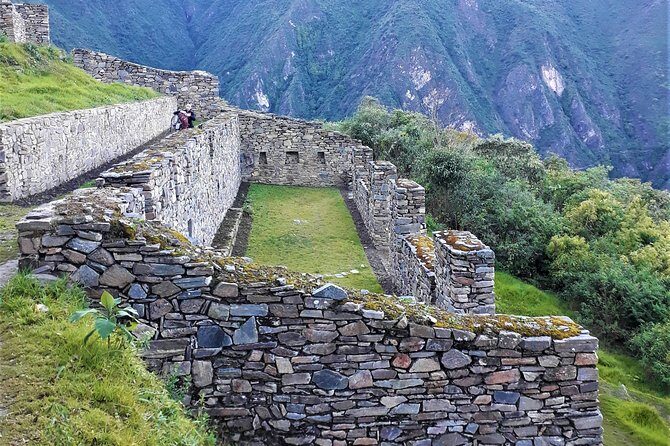
Day 2 is where the trek starts to feel more like a commitment to the place you came for. The route notes again point to a downhill day segment with breakfast, lunch at Chiquiska, and camping at Santa Rosa. Even if the day’s distances are similar to Day 1, the emotional tempo changes because you’re now closer to the citadel area and more focused on what comes next.
The itinerary highlights Marampata in connection with Choquequirao. In practice, that means you should expect the day to include viewpoints and the gradual build toward the archaeological zone—especially the sense that the “lost city” is no longer a concept but a destination you’re moving toward.
Hike time is listed at about 6 hours, with the same distance (about 10.8 km / 6.7 miles) and a similar highest point (again around 2,911 m / 9,550 ft), as per the trek outline.
My practical takeaway: if Day 1 feels like a warm-up, Day 2 is the day to focus on rhythm. Don’t try to win the hike. Walk to stay comfortable, take breaks when the group pauses, and save energy so Day 3 doesn’t hit you like a surprise.
Day 3: Sunrise at Choquequirao, Then the Scenic Up-and-Down
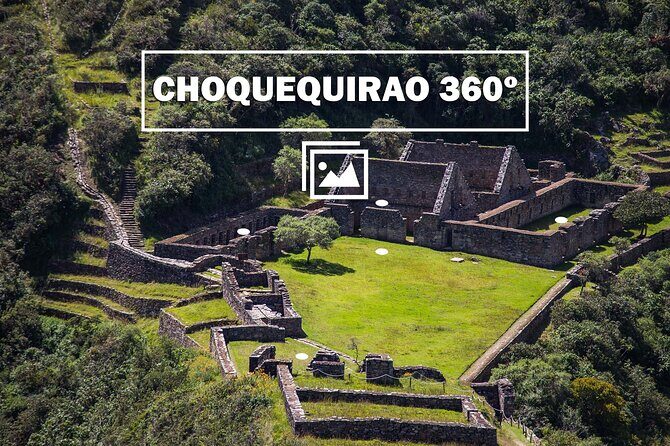
Day 3 is the payoff day. You wake up at Choquequirao to watch sunrise, then have breakfast before heading down. The day is listed with two major movement phases: first, a downhill stretch (about 3 hours) to Santa Rosa for lunch, then more hiking that includes both downhill and uphill segments before reaching camp at Chiquiska.
The distance is listed as 8 km / 11.32 miles with about 8 hours of hiking time. The highest elevation crossed is noted around 3,100 m / 9,300 ft, and your campsite is around 1,450 m / 4,350 ft.
Two things make this day special:
- You get to experience Choquequirao in the early quiet light, which changes how the stones, terraces, and edges of the site feel.
- The plan includes time to enjoy the surrounding area, with the route described as a place where you’ll notice flowers, birds, and waterfalls in the distance.
This is also where good guiding makes a difference. In the reviews, guides such as Sebastian and other leaders are praised for sharing archaeological context and for keeping people moving when the steep sections get mentally annoying. If you’ve ever stared at a trail and thought, I can’t do this one more hill, you’ll want someone who makes it feel possible.
Day 4: Capuliyoc Again, Plus Saywite’s Mysterious Rock
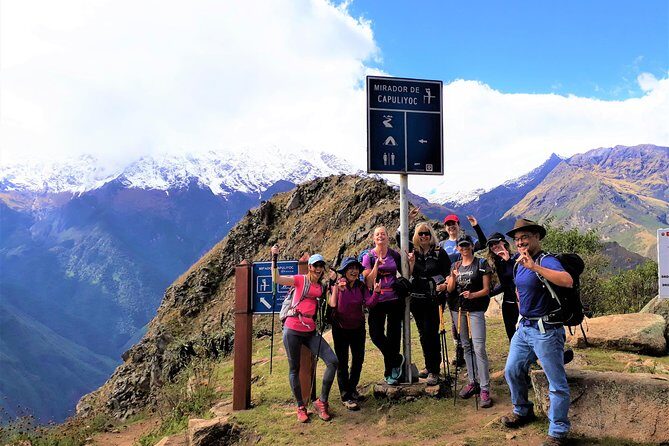
On the final day, you start with breakfast and then do the last big climb: about 4 hours uphill back to Capuliyoc for lunch. After lunch, you say goodbye to your team and transfer by private transportation to Saywite, described as a “mysterious rock” archaeological site.
You’ll have time to explore Saywite before drop-off at your hotel around 5 pm. Day 4 is listed as 8 km / 11.32 miles with about 8 hours hiking, and the highest elevation crossed is about 2,850 m / 9,407 ft.
Practical note: your body will be doing a lot of work uphill after several days already spent hiking. The best approach is to treat it like finishing a long workout: steady steps, short breaks, and staying relaxed. This is also why the porter system helps earlier in the trek—by now, you want your legs working, not your bag-carrying muscles.
You can also read our reviews of more tours and experiences in Cusco

Food on the Trail: Chef-Made Meals You Can Actually Look Forward To
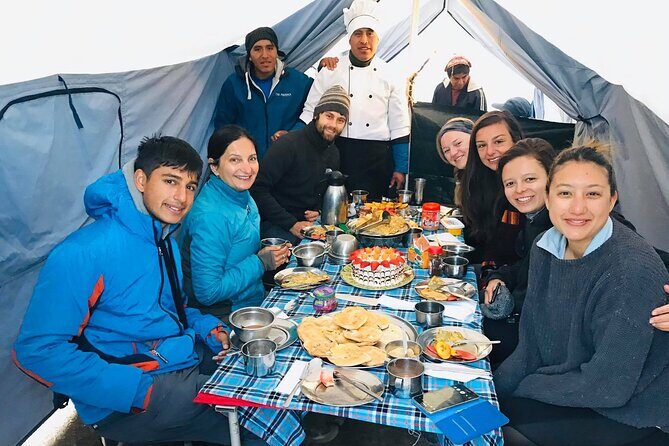
One of the most consistent strengths you’ll see tied to this trek is the food. The package includes 4 breakfasts, 4 lunches, and 3 dinners, cooked by a chef, with support from a team member who helps on meal service.
A big point from the praise you’ll find for this operator: meals are varied and not just survival food. In the reviews, chefs are compared to a “mountain kitchen” setup—meals described as creative, clean, and served multiple times a day across the trek. Names that show up include Leandro/Leandrio, Julio Cesar, Lucio, Juvenal, and Balbino (with one review using a playful nickname). Across them, the theme is that the camp food feels like care, not punishment.
What you can count on from the provided details:
- Vegetarian options exist; you need to request them at booking.
- The chef team handles meals along the route, so you don’t have to figure out food logistics in the canyon.
My advice: even with great food, still bring your own small snacks you like. Trekking days can be long, and appetite can surprise you at altitude. Think of the chef meals as a base plan, not the only thing you’ll ever eat.
Your Team on the Trail: Guides, Porters, and That Small-Group Calm
This trek is designed for a small number of people (12 highlighted; max 16 stated). That matters because Choquequirao is remote and the trail is narrow in places. Small-group management generally means:
- easier pacing,
- more attention when someone needs help,
- less crowd-energy at viewpoints.
You’ll travel with a professional English-speaking guide, plus a chef and a personal porter who carries your personal items up to 7 kg. That weight limit is worth respecting. Pack smart: essentials you might need during the day should be on you, and heavier extras should stay within that porter-carry zone.
In the reviews, porter leaders and mule masters like Boris and Santos are praised for keeping operations smooth and for taking care of gear so the hiking feels focused on hiking.
If you’re the type who gets anxious when there’s a lot of uncertainty, this setup is calming. You’ll know who to ask, when breaks happen, and how the day flows.
Elevation and Fitness: What Moderate Means (and What It Doesn’t)
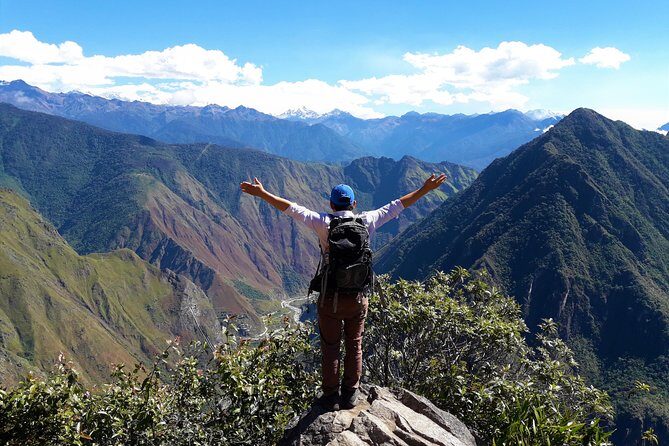
The trek is labeled moderate across all days, but altitude and steep terrain do the heavy lifting here. Your highest points in the trek outline range around:
- about 2,911 m / 9,550 ft at the start/route high points
- about 3,100 m / 9,300 ft as the highest elevation crossed on Day 3
That’s not “summit Everest” territory, but it is high enough to make pace important. You’re hiking for 6–8 hours across multiple days, with steep stretches and both downhill and uphill segments.
Here’s the practical part:
- Downhill days can be harder on knees even if your lungs feel okay.
- Uphill days on tired legs can feel steep even when the distance is not extreme.
- If you’ve got prior trekking experience, you’ll read the terrain faster and adjust sooner.
Also, gear isn’t fully included: a mattress, sleeping bag, and trekking poles are optional and not part of the included list. The operator says they can offer guidance, so if you’re unsure what to bring, ask before you show up.
Price and Value: What You’re Paying For (and Why It Adds Up)
The price is $698 per person for 4 days and 3 nights. At first glance, that’s not a cheap trek. But when you break it down by what’s included, it looks more like paying for a full operation than just buying hiking permission.
Included essentials you don’t have to organize:
- Round-trip transportation from your hotel/airport
- A pre-departure briefing (6:00 pm the night before)
- Professional English-speaking guide
- Chef for all meals
- Personal porter up to 7 kg
- All breakfasts, lunches, dinners listed in the package
- Admission tickets included (not optional for you)
- Small-group format
What’s not included:
- Sleeping bag/mattress/trekking poles (optional items)
- Any personal items or snacks you choose beyond the meal plan
My “value” take: you’re paying for comfort, safety, and time. You trade money for not worrying about logistics, food sourcing, meal planning, and gear management in the canyon. For a multi-day trek, that trade is usually worth it—especially if you want Choquequirao without turning the trip into a second job.
Should You Book This Choquequirao Trek?
Book it if you want Choquequirao for the experience, not as a survival challenge. The small-group size, the included team (guide + chef + porter), and the focus on a smooth schedule make this trek a good fit if you want to work hard but still feel cared for.
Skip or think twice if:
- you dread early mornings (4:30 am–5:00 am starts),
- you’re not comfortable with steep uphill and downhill hiking across 4 days,
- you’re not planning for basic trekking gear like a sleeping bag or poles.
If your ideal Peru moment is quiet ruins, big canyon views, and meals you don’t have to figure out on the fly, this is a strong choice.
FAQ
What is the start time for the trek?
You’ll depart Cusco between 4:30 am and 5:00 am, with arrival at Capuliyoc around 8:30 am.
How long is the Choquequirao trek each day?
Hiking times are listed from about 6 hours on Days 1 and 2, about 8 hours on Day 3, and about 8 hours on Day 4.
What is included in the price besides guiding?
Transportation, a pre-departure briefing, an English-speaking guide, a chef who prepares meals, a personal porter for up to 7 kg, hotel pickup, and listed meals are all included. Admission tickets are also included.
Is vegetarian food available?
Yes. You can request a vegetarian option at the time of booking.
What gear should I plan to bring?
A mattress, sleeping bag, and trekking poles are not included. The operator says they can offer guidance, so it’s smart to ask ahead if you need help deciding what to bring.
Do I need a passport to join?
Yes. A current valid passport is required on the day of travel, and passport details are needed at booking.
Is the experience weather-dependent?
Yes. It requires good weather, and if it’s canceled due to poor weather, you’ll be offered a different date or a full refund.