REVIEW · CUSCO
Small Group 5 Days Salkantay and Machu Picchu by Llactapata Tour
Book on Viator →Operated by Xtreme Tourbulencia · Bookable on Viator
Sleep under the Andes, wake at Machu Picchu. This 5-day small-group Salkantay trek to Machu Picchu via Llactapata feels special because you get big-mountain trekking days plus a real rural sidestep into coffee and cacao country, not just photo stops. I especially like the Salkantay high-pass views paired with the optional Humantay Lake hike on day 1, and I also like that you’re not left guessing during the long trek because a professional bilingual guide keeps the day understandable and paced. The main consideration: the first two trekking days are intense and high-altitude, so your comfort will depend on having strong fitness and a calm pace.
What makes the value feel real is what’s included for around $593: camping setup (dining tent plus chairs), a hotel with private room and bathroom in Aguas Calientes, entrance tickets, plus the train/bus back toward Cusco. You’re also covered with practical safety touches for altitude, like a first aid kit and an oxygen bottle, and you don’t have to carry everything yourself because mules/horse support handle up to 7 kg of personal gear. This is a maximum 9-person tour, so you’re not stuck in a crowd when the trail narrows.
One more logistics note you’ll want to plan for: it’s early. The tour starts at 4:00 am from Plaza de Armas, and day 5 begins with a very early 5:30 am departure so you arrive at Machu Picchu around 6:00. If you like sleeping in, this route will wake you up.
In This Review
- Key things that make this trek work
- Entering Cusco at 4:00 am: why the start matters
- Day 1: Challacancha and the Humantay backdrop
- Day 2: Salkantay Pass (4600 m) and the forest shift
- Day 3: Orchids, plantations, and a coffee workshop in Lucmabamba
- Day 4: Llactapata on the Inca trail, then to Hidroeléctrica and Aguas Calientes
- Day 5: Machu Picchu at first light, then train back to Cusco
- Price and logistics: what $593 buys you (and what costs extra)
- Guide team quality: ask for strong names and expect real explanations
- What fitness means on this route (and how to pace it)
- Camping comfort: what to expect when facilities are basic
- Who should book this Salkantay + Llactapata tour
- Who should think twice
- Should you book this tour?
- FAQ
- What time does the tour start in Cusco?
- Where does the tour meet and end?
- How big is the group?
- What is included in the camping setup?
- Is a sleeping bag included?
- What meals are included, and what costs extra?
- Do you get a hotel in Aguas Calientes?
- Do you visit Machu Picchu by bus?
- Is the Machu Picchu visit guided?
- How is luggage handled on the trek?
Key things that make this trek work
- Max 9 travelers: less waiting, more group-time with your guide, and an easier pace to manage.
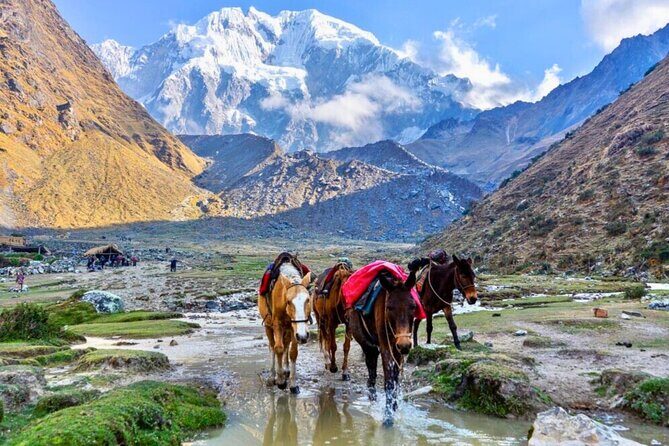
- Horse support (up to 7 kg): you can pack lighter and hike more comfortably.
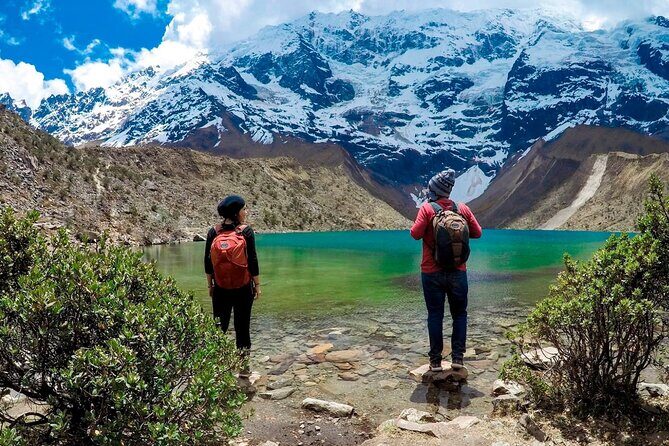
- Humantay Lake optional add-on: a second mountain viewpoint day 1 without turning the itinerary into chaos.
- Lucmabamba farm time + local family coffee session: you learn how coffee moves from cherries to roasted beans.
- Llactapata on the Inca trail: terraces and ruins with big views over Machu Picchu Mountain and the Vilcanota Canyon.
- First-light Machu Picchu timing: a guided visit early in the day, then train back to Ollantaytambo.
Entering Cusco at 4:00 am: why the start matters
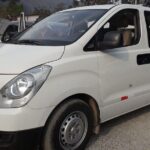
You’ll meet at Plaza de Armas in Cusco (Del Medio 123) and get picked up for a 4:00 am start. That early departure isn’t just for punctuality; it’s how you avoid losing daylight in the Andes and keep the trek aligned with altitude and camp setup.
Day 1 begins with a drive from Cusco to Challacancha (about 3400 m), passing through Mollepata (3000 m). You’ll stop in Mollepata to stretch and get early countryside views before you meet the horsemen and trekking group at Challacancha. This is a useful “get your bearings fast” moment: you confirm gear, meet the team, and start gently before the bigger climbs.
Also worth knowing: your day 1 breakfast is not included. You’ll want to eat before pickup so you’re not hiking hungry at altitude.
You can also read our reviews of more tours and experiences in Cusco
Day 1: Challacancha and the Humantay backdrop
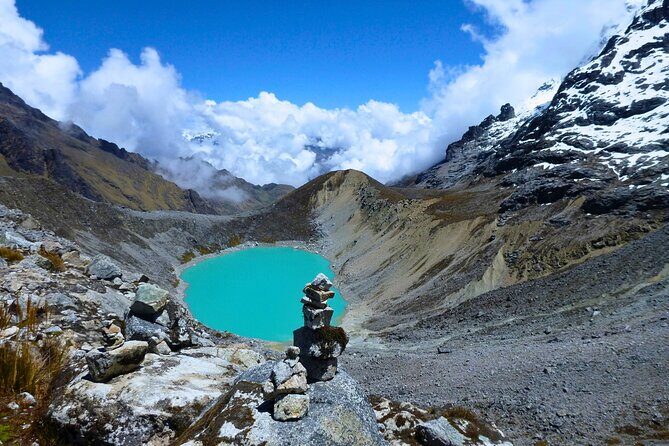
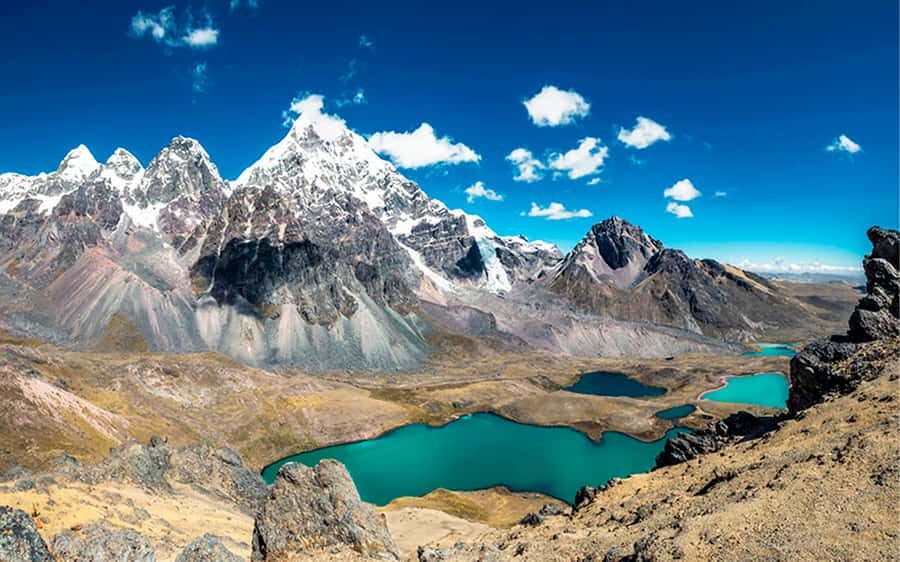
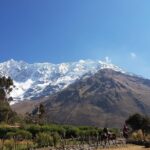
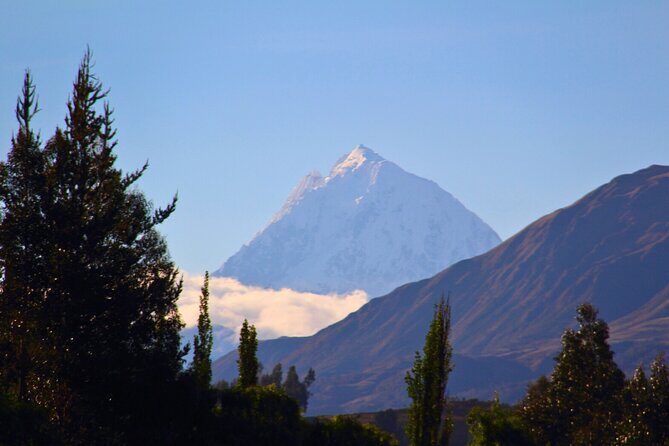
After meeting your horsemen, the hike starts in a valley with towering views. The main wow-factor here is how quickly the mountains show up: Humantay (5217 m) and Salkantay (6264 m) frame your first trekking hours.
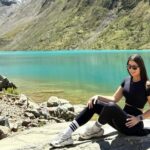
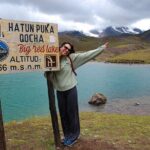
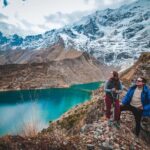
You’ll hike for about 3 hours and then head toward your first campsite at Soraypampa (3700 m). The itinerary keeps the evening flexible: you’ll have time in the afternoon for an optional hike to Humantay Lake, described as a turquoise stop above the clouds.
That optional detour is valuable if you’re feeling good and acclimating. It’s also a reminder that this route’s beauty is built on altitude views, so even your “short” add-ons can feel like work once you’re breathing higher up.
Day 2: Salkantay Pass (4600 m) and the forest shift
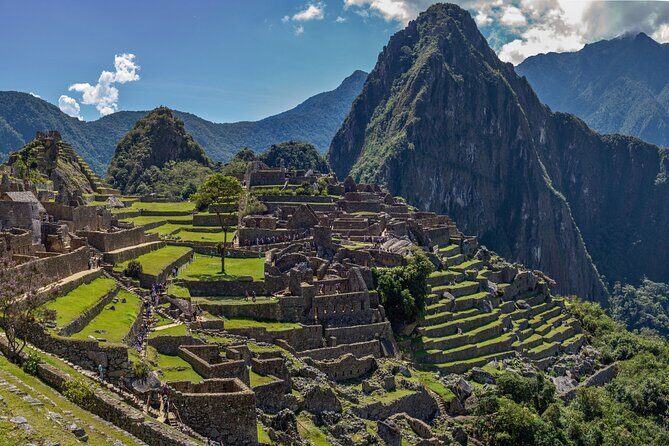
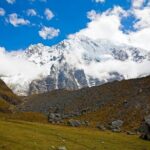
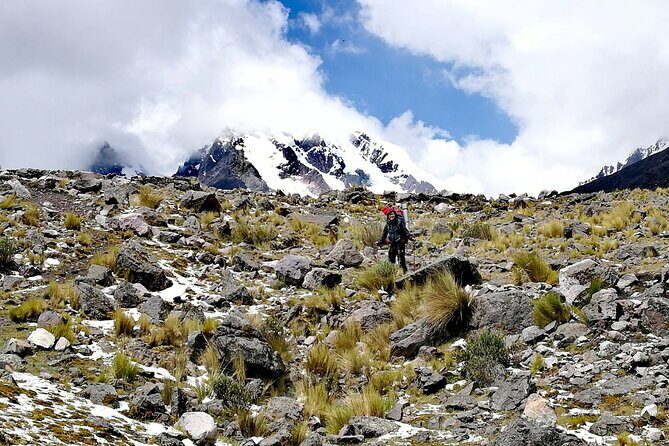
Day 2 is the big altitude day. After breakfast, you start your ascent toward Salkantay Pass at 4600 m. This climb is challenging, but the reward is a high, panoramic viewpoint of Salkantay (6264 m)—one of the highest peaks in the region.
Once you reach the pass, you get a moment to pause and absorb the scenery before the descent begins. This is where the route changes personality. You move from high, exposed air into a greener, warmer ecosystem as you drop lower.
Your overnight is Collpapampa (3000 m), described as tropical forest country. The tour notes mosquitoes, so plan for that. Also, expect that the camp setting is practical rather than fancy. One guide team and toilet setup can be okay, but one review specifically flagged that day 3’s toilet situation could be better—so I’d go in assuming basic facilities and pack accordingly (hand wipes, quick-dry towel, and any comfort items you like).
Day 3: Orchids, plantations, and a coffee workshop in Lucmabamba
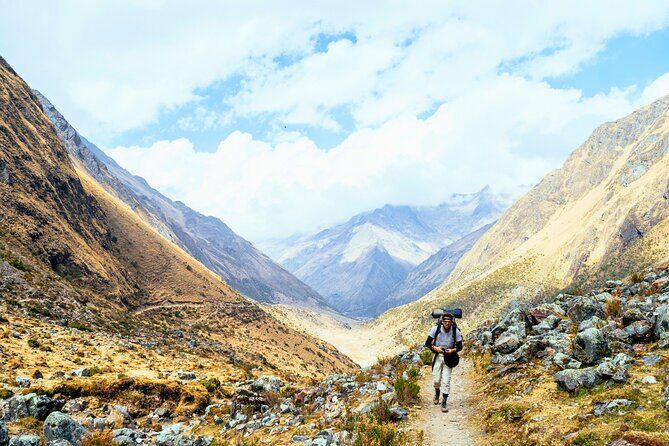
Day 3 is the reason this version of the Salkantay route feels more personal. You start by descending into dense forest with plant sightings like orchids and bromeliads mentioned in the itinerary. If you like nature, this is the day your eyes get rewarded even when the walking isn’t the steepest.
As the trail continues, the scenery shifts again—from forest into coffee, cacao, and fruit plantations. This matters because you’re not just passing through rural areas; you’re understanding how communities make a living from the land.
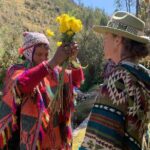
In the afternoon, you head to Wiñaypoco, Granadilla, and Lucmabamba (down to about 2000–2650 m in the itinerary notes), where you set up camp for the night at Lucmabamba Lodge. The standout inclusion here is the chance to interact with a local rural family. You’ll learn the coffee process from cultivation through harvesting cherries, drying, roasting, and preparing a cup of coffee.
If you’re choosing between trekking routes, this farm-and-coffee segment is a strong differentiator. It also helps break up the pure “mountain days” so your body gets a mental reset without losing the adventure.
Day 4: Llactapata on the Inca trail, then to Hidroeléctrica and Aguas Calientes
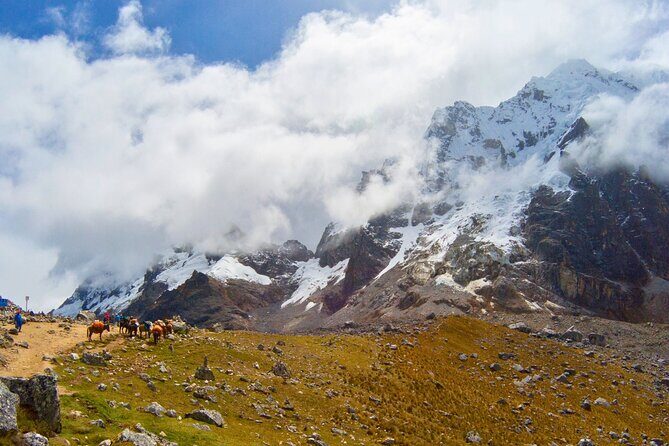
After breakfast at Lucmabamba, you hike up the historic Inca trail toward Llactapata (around 2650 m). The ruins here are described as terraces and structures that once served as strategic points along Inca trails. Even when you’re not a hardcore history person, terraces and sightlines make sense fast: the Incas were engineering views as much as buildings.
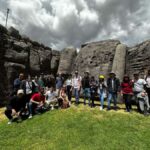
The hike through Llactapata comes with guidance about Inca significance and the natural area around you. When you reach the site, the payoff is a wide view over Machu Picchu Mountain and the Vilcanota Canyon. This viewpoint is one reason people like Llactapata: it gives context for what you’ll see the next day at the citadel.
From Llactapata, you descend toward Hidroeléctrica (about 1950 m) for a break, then continue onward to Aguas Calientes (Machu Picchu town). This is where the route becomes less “camp trek” and more “sleep comfortably, then go visit.”
Dinner details aren’t listed day-by-day in the summary, but the tour includes three dinners and three breakfasts and three lunches total, with one notable exception: the first day’s breakfast and the last day’s lunch in Aguas Calientes cost extra ($30 each meal).
Day 5: Machu Picchu at first light, then train back to Cusco
Day 5 starts early: you leave your hotel in Aguas Calientes around 5:30 am after breakfast. A tourist bus takes you up to Machu Picchu, with arrival around 6:00 am—timed for early light on the ruins.
You’ll get a guided tour through the Santuario Historico de Machu Picchu. The guide’s role here is practical: you get history of the Inca civilization, the architecture, and site storytelling that helps the place stop being a checklist and become understandable. The guided portion is listed at about 3 hours.
After your visit, you return to Aguas Calientes. The bus from Machu Picchu back down is not included, and it’s listed as $12. Before heading to the afternoon train, you can eat lunch at one of the town’s restaurants.
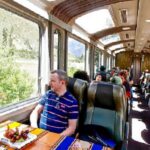
Finally, the included transport is: train ticket from Machu Picchu to Ollantaytambo, plus bus to Cusco’s Historic Center, then you’re taken back to the meeting point area.
If you care about comfort after trekking, this is where the route scores. You go from high-altitude walking to a proper hotel room with private bathroom.
Price and logistics: what $593 buys you (and what costs extra)
At $593 per person, this is not a bargain trek, but it’s also not trying to cut corners. You’re paying for a lot of moving pieces to be handled for you: permits/entrance tickets for Salkantay and Machu Picchu, a bilingual guide, camping setup (dining tent and chairs), horse/mule support for up to 7 kg, and the train/bus connections back to Cusco.
The inclusion list is the clue to value:
- Hotel in Aguas Calientes with private room and bathroom
- Entrance tickets for Salkantay and Machu Picchu
- Train ticket Machu Picchu → Ollantaytambo, plus bus to Cusco Historic Center
- First aid kit and oxygen bottle
- Vegetarian meal options
The costs to budget for are mostly predictable:
- Day 1 breakfast and day 5 lunch in Aguas Calientes (listed as $30 each meal)
- Bus from Machu Picchu to Aguas Calientes (listed as $12)
- Sleeping bag rental: $5 per day (not included)
Packing and gear choice matter a lot here. The tour includes camping dining equipment, but it doesn’t list sleeping gear like a sleeping bag. If you show up without one, you’ll pay the rental fee—or you’ll be cold. That’s a simple trade-off you can plan.
Guide team quality: ask for strong names and expect real explanations
One of the most praised parts of this tour is the guide team. Multiple reviews highlight guides who are patient and genuinely interested in Inca culture and history, with explanations delivered in both Spanish and English and a relaxed pace for Q&A.
Specific names that came up:
- Jainor: praised for being kind, patient, and passionate about Inca culture and history.
- Carlos: praised for in-depth knowledge shared throughout the hike.
- Henry: praised for friendliness plus strong knowledge.
- Dario: praised for helping make the trip, with a small note that day 3 facilities could be improved.
- Rolando / Ronaldo: praised for being in a good mood, knowing answers, and leading with both knowledge and fun vibes.
The cook and horse support also get real credit. Alejandro is repeatedly described as producing excellent, freshly made meals, even when resources are limited. The horseman José is mentioned for helping with mornings (including coca tea at wake-up time in one review), which is exactly the kind of support that makes a difference on altitude days.
One practical warning from a review: be clear on tipping expectations for cooks and porters. The group had confusion about what was expected, even after questions. I’d bring cash and get the tipping guidance early so you’re not stuck figuring it out mid-trek.
What fitness means on this route (and how to pace it)
The tour clearly says it’s for people with strong physical fitness. That doesn’t just mean you can walk. It means you can handle altitude climbs and not panic when it takes longer than a flat-road hike.
The itinerary also hints at intensity: day 2’s ascent to Salkantay Pass is a major altitude challenge, and reviews include both ends of the experience spectrum—some people felt the first two days were very intense and wished efforts were spread more evenly, while others said the hiking wasn’t too difficult.
So I’d treat this as a hike with “hard moments,” not a stroll. On summit days, slow is fast. Let your breathing set the pace. If you’re the kind of person who sprints uphill, this route will punish you.
Camping comfort: what to expect when facilities are basic
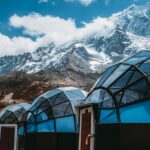
This is a camping trek, so you’ll get meals and equipment, but you’ll likely be living with camp-level comfort. The itinerary includes dining tent with table and chairs. That helps: it gives you a place to eat that isn’t just sitting on a rock.
For overnight comfort:
- You’ll have camp nights at Soraypampa, Collpapampa, Lucmabamba Lodge area.
- Mosquitoes are mentioned for Collpapampa.
- Toilet conditions are not described in detail, but one review specifically flagged day 3’s toilet setup as needing improvement.
I’d pack for the realities: bug spray, wipes, a headlamp, quick-dry layer, and whatever helps you sleep when you’re tired. If you’re worried about comfort, bring small “home comforts” that take the edge off without adding weight.
Who should book this Salkantay + Llactapata tour
This tour is a strong fit if you want:
- A small-group trekking experience (max 9)
- The classic Salkantay pass viewpoint plus an Inca trail ruin day at Llactapata
- A guided Machu Picchu visit early in the morning
- A hands-on cultural break in Lucmabamba coffee country
You might also enjoy it if you care about understanding what you’re seeing. The guide approach here is consistently praised for explanation quality, calm pacing, and bilingual communication.
Who should think twice
Think twice if:
- Altitude really knocks you around, and you’re not comfortable slowing down.
- You dislike camping or basic facilities.
- You want a very gentle pace without intense high-pass days.
If you’re unsure, be honest with your fitness level before booking. The tour is explicit that a strong physical base is important.
Should you book this tour?
If you want one of the more complete ways to do Salkantay plus Machu Picchu—without losing the cultural and rural details—this is a solid choice. The value is in the package: guide, entrance tickets, camping setup, horse support for up to 7 kg, hotel in Aguas Calientes with private bathroom, and the train back. The route also adds meaning with Llactapata and the Lucmabamba coffee experience.
I’d book it if your priorities are small group, real trekking days, and guided understanding of Machu Picchu. I’d also plan extra budgeting for meals not included (day 1 breakfast and day 5 lunch), the bus from Machu Picchu down ($12), and a sleeping bag if you don’t already have one.
Finally, do one smart thing before you go: request a guide from the names you’ve heard people rave about (Jainor, Carlos, Henry, Dario, Rolando/Ronaldo) and ask up front about tipping expectations for cooks and porters.
FAQ
What time does the tour start in Cusco?
The tour starts at 4:00 am and begins at Plaza de Armas de Cusco (Del Medio 123).
Where does the tour meet and end?
It meets at Plaza de Armas de Cusco and ends back at the same meeting point.
How big is the group?
This tour has a maximum of 9 travelers.
What is included in the camping setup?
You’ll have camping equipment including a dining tent with a table and chairs.
Is a sleeping bag included?
No. A sleeping bag can be rented for $5 per day.
What meals are included, and what costs extra?
Breakfast on day 1 and lunch on the last day in Aguas Calientes are not included and cost $30 each meal. Meals are otherwise included across the trek (3 breakfasts, 3 lunches, and 3 dinners are listed).
Do you get a hotel in Aguas Calientes?
Yes. You get a hotel with a private room and private bathroom in Aguas Calientes, and breakfast is included there.
Do you visit Machu Picchu by bus?
Yes. You’ll take a tourist bus to Machu Picchu in the morning. The return bus from Machu Picchu to Aguas Calientes is not included and is listed at $12.
Is the Machu Picchu visit guided?
Yes. A guided tour includes the Santuario Historico de Machu Picchu.
How is luggage handled on the trek?
Horsemen and mules support your personal equipment up to 7 kg, and there is also an emergency horse support listed.