REVIEW · CUSCO
Traditional Cusco 4 days: city, Sacred Valley, Machu Picchu & Rainbow Mountain
Book on Viator →Operated by LIBERTREK PERU TRAVEL · Bookable on Viator
Four days, four worlds of Peru.
This Traditional Cusco route strings together classic Cusco sights and the big-ticket Inca wonders without making you chase tickets all day. I particularly like that entrance fees are built in for the city and Sacred Valley stops, plus the Machu Picchu ticket and guided walk are handled as part of the plan. You also get pickup service, so the logistics start off easier than most do-it-yourself versions.
I also love the way Machu Picchu is run: you take the train from Ollantaytambo to Aguas Calientes, then ride up by bus, and you get an accredited guide for about two hours inside the citadel. One real consideration is the schedule: you’ll face very early mornings (around 04:00–05:30 depending on train availability) and Rainbow Mountain is rated difficulty III at 5,020 m, so it’s not a casual walk.
In This Review
- Key things to know before you go
- A Cusco basecamp for Inca sites and big views
- Day 1 Cusco Cathedral, Qorikancha, and the upper-ruins loop
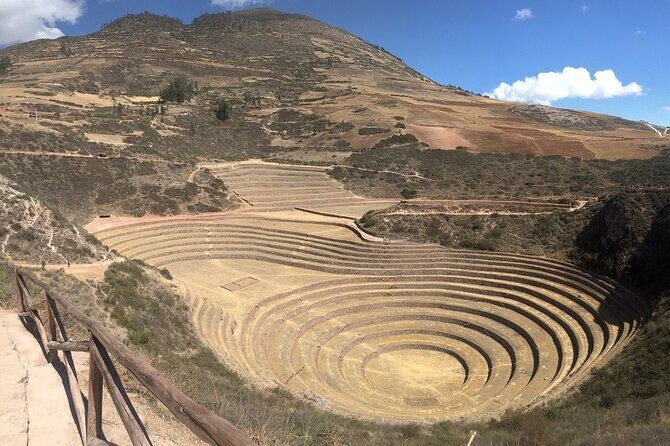
- Sacred Valley Day 2: Pisac market, Ollantaytambo’s living fortress, and Chinchero textiles
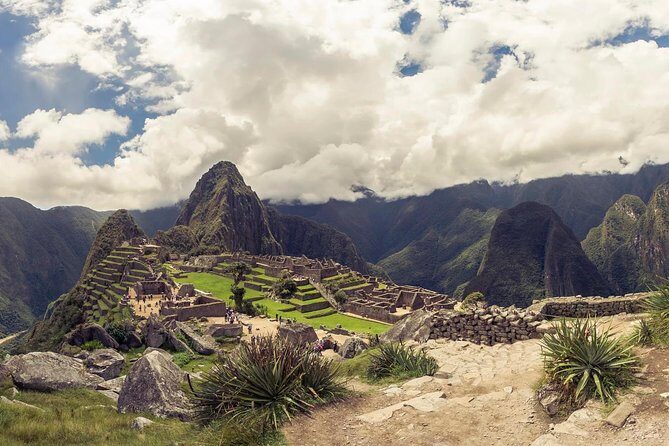
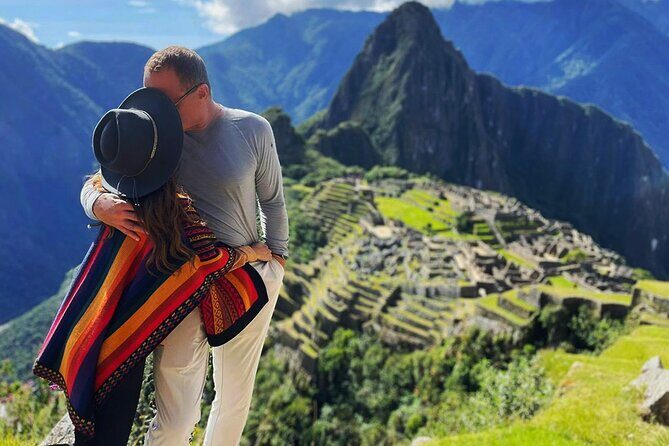
- Machu Picchu Day 3: early transfer, train to Aguas Calientes, and a guided citadel route
- Rainbow Mountain Day 4 to Vinincunca: Cusipata breakfast, alpaca sightings, and a difficulty III trek
- Price and Logistics: what $540 covers, and what you still need to plan
- Small-group feel (max 10) and the comfort factor
- Who should book this Cusco 4-day loop (and who should think twice)
- Should you book Traditional Cusco 4 days with Machu Picchu and Rainbow Mountain?
- FAQ
- What is the duration of this tour?
- Where does the tour start and is pickup included?
- What language is the tour conducted in?
- Are entrance tickets included?
- How does the Machu Picchu day work?
- Do I need to bring identification for Machu Picchu?
- Is Rainbow Mountain difficult?
- Is hotel accommodation included in the price?
- Is this tour refundable if I cancel?
Key things to know before you go
- Tickets included: Cathedral and Qorikancha, Pisac, Ollantaytambo, Chinchero, and Machu Picchu entry are part of the package.
- Small group size: maximum of 10 travelers, which usually means less waiting around.
- Train + bus is organized: round-trip train Ollantaytambo to Aguas Calientes and the round-trip bus to Machu Picchu.
- Guided Machu Picchu: about a 2-hour guided route through the main areas of the citadel.
- Rainbow Mountain altitude: trek goes up to Vinincunca at 5,020 m with difficulty III.
- No hotel included: you’ll book your own accommodation in Cusco.
A Cusco basecamp for Inca sites and big views
If your idea of a good trip is lots of “wow,” but with fewer headaches, this route makes sense. You cover Cusco’s major highlights, then move into the Sacred Valley, and finally hit Machu Picchu and Rainbow Mountain. The big value here is that many of the costs and key logistics are bundled: guides, transport, and several entrance tickets.
Also, the agency’s personal touch shows up in how the tour is described. Your planning support can include help from Mrs. Ruth, who is noted as very helpful and attentive, including the possibility of adjusting your plan into a more personalized script.
The itinerary isn’t slow. It’s busy by design—so you’ll want to travel with flexible energy, good shoes, and a plan for cold mornings.
You can also read our reviews of more city tours in Cusco
Day 1 Cusco Cathedral, Qorikancha, and the upper-ruins loop
Day 1 is an afternoon city tour that starts with pickup around 13:15. It’s a smart way to ease in after arrival, especially if you need a little time to adjust to Cusco’s altitude before heading out.
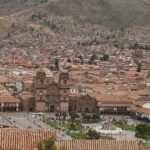
You begin at the Cusco Cathedral in the main square (about 40 minutes, ticket included). The cathedral is famous for its paintings, and it’s a good first stop because it anchors you in the city center before you start looking at Inca-era sites nearby.
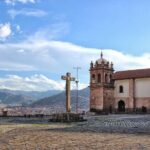
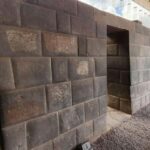
Next is Qorikancha (also known as the Temple of the Sun), the Inca’s most important temple. You’ll see how the colonial Convent of Santo Domingo sits on top of the Inca foundation, which is one of those places where the layers of Peru’s past become visible fast. After that, the tour shifts into four close-to-Cusco archaeological areas:
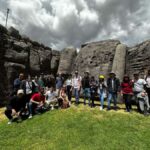
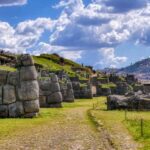
- Sacsayhuaman: massive carved stones and huge blocks (some described as 9 meters / 30 feet tall and weighing over 350 tons). It’s also a site associated with the Inti Raymi (Festival of the Sun).
- Kenko: a religious site associated with burial practices, plus a semicircular amphitheater, niches, and a monolith shaped to resemble a puma.
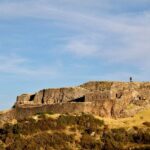
- Puka Pukara (Red Fortress): built with light-colored stone that takes on a reddish tone, tied to protecting the Tambomachay area and functioning like a tambo (a collective lodge).
- Tambomachay (Inca Baths): about 8 km north of Cusco, described as dedicated to water worship, with aqueducts, canals, and waterfall-like flows.
The payoff on Day 1 is both history and viewpoint time. Sacsayhuaman sits high enough that you can appreciate Cusco from above, and the whole loop helps you understand how the Incas shaped the city’s spiritual and practical geography.
Possible drawback for Day 1: it’s a lot of stops in one afternoon. If you tend to burn out quickly on structured tours, wear a light layer and keep water handy.
Sacred Valley Day 2: Pisac market, Ollantaytambo’s living fortress, and Chinchero textiles
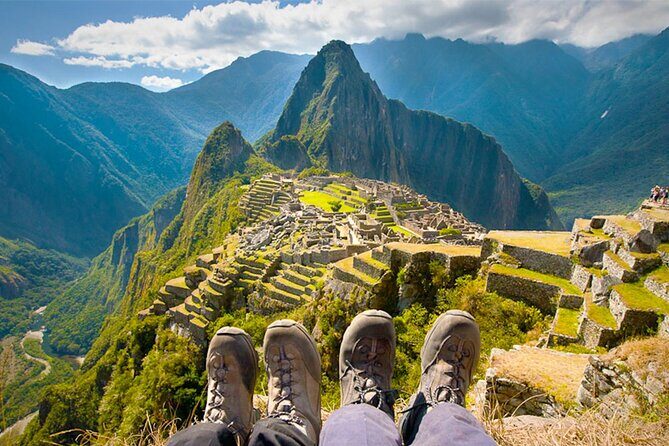
Day 2 starts early, around 07:40, and your ride goes to the Sacred Valley. You start at Pisac, where you’ll have time for the craft market plus the Pisac archaeological site with terraced mountainsides.
This is one of the most practical days because it mixes shopping, food, and sites without feeling random. The plan includes a buffet lunch in Urubamba with typical Peruvian dishes (so you’re not forced to hunt for food after a morning of walking). Lunch matters more than people think on a multi-day itinerary like this.
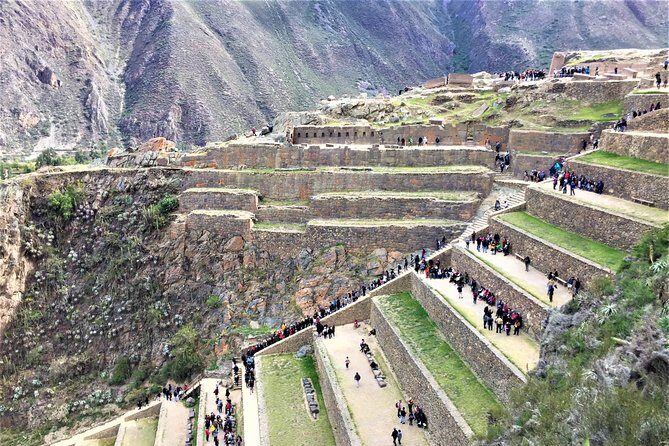
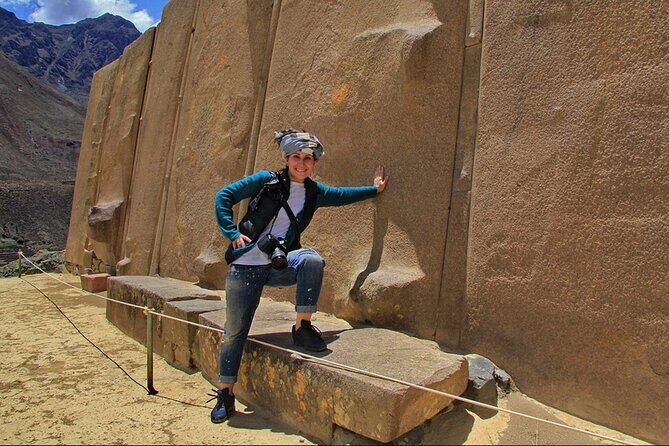
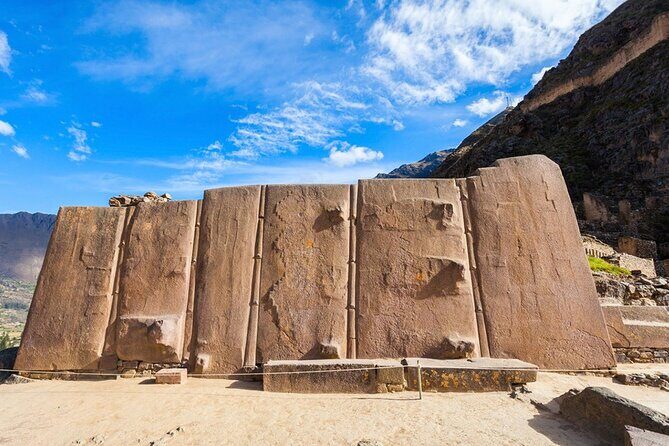
Then you head to Ollantaytambo, visiting its fortress and archaeological complex (ticket included). What I like here is the fact it’s still a living town. It’s described as the only Inca city in Peru that remains inhabited, which makes the ruins feel less like a museum and more like part of daily life.
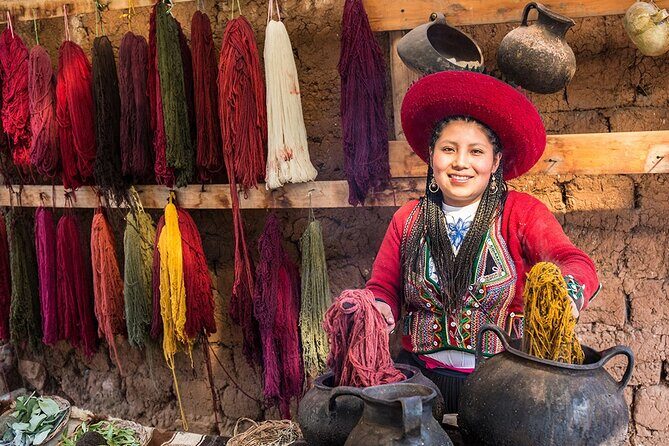
Finally comes Chinchero, one of the highest stops in the Sacred Valley. You’ll visit the archaeological site where an Inca temple was later covered by a Catholic church, a very common pattern in the region’s colonial history. You also get a chance to see local textiles made using processes similar to Inca methods.
You’ll return to Cusco around 19:00, which is late enough to feel like a full day, but not so late that you lose the evening entirely.
Consideration: Day 2 is structured but still moving. If you’re sensitive to altitude, take slow steps during the short uphill moments in Pisac and Chinchero.
Machu Picchu Day 3: early transfer, train to Aguas Calientes, and a guided citadel route
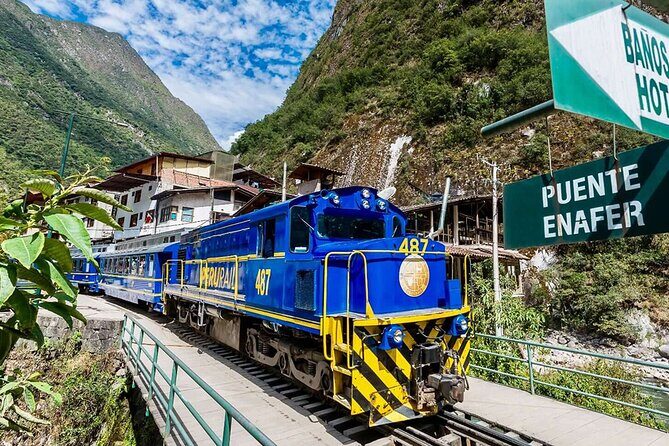
This is the day with the tightest clock. Pickup from your Cusco hotel happens at 04:00 or 05:30 depending on train ticket availability. Then you transfer about 1 hour 40 minutes to Ollantaytambo station, arriving so you can board the 6:10 a.m. train.
The train ride takes about 2 hours and moves through mountains and jungle areas. Even if you’ve been staring at maps for days, the ride is usually what helps the reality of the place sink in.
In Aguas Calientes, your staff meets you and you’ll have free time to eat breakfast in town (breakfast on your own). After that, it’s up to Machu Picchu by bus (about 30 minutes on a zigzag road).
Here’s something you’ll appreciate: the tour clearly states you must show your Machu Picchu tickets and identification documents at the entrance. Bring the same ID you used during ticketing, and keep it secure.
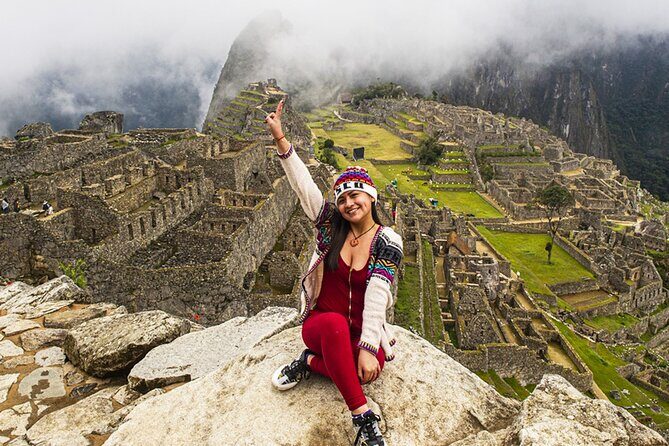
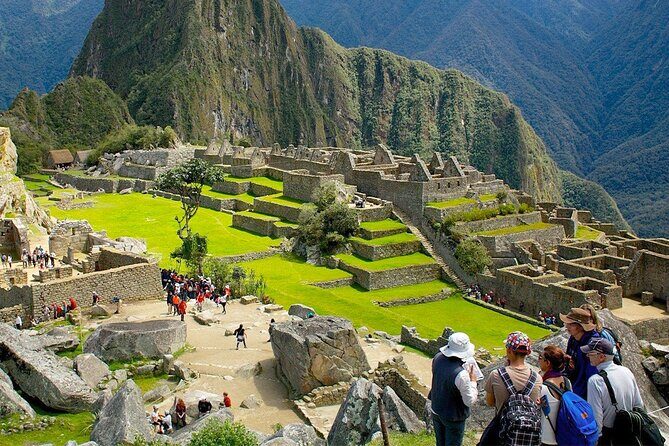
Once inside, you start a guided tour of about two hours. You’ll visit major areas such as:
- Main Square
- Circular Tower
- Sacred Solar Clock
- Royal Rooms
…and more, all with an accredited guide explaining the history and layout.
Afterward, you ride the bus back down to Aguas Calientes at the appropriate time. Lunch is on your own in town, and there’s an optional add-on of hot springs in Aguas Calientes north of town.
In the early evening, around 18:00, you take the train back to Ollantaytambo (about 2 hours). Your arrival in Cusco is listed as around 10:30 p.m. approximately, with variations depending on availability and preferences.
What to expect emotionally: Machu Picchu hits hard, even when you’ve seen photos. But because you’re guided, you’ll likely remember the place for its details, not just its silhouette.
One real drawback: this day is long. You’re starting in the dark and finishing late, even though the core on-site time is guided and focused.
Rainbow Mountain Day 4 to Vinincunca: Cusipata breakfast, alpaca sightings, and a difficulty III trek
Day 4 begins with pickup at 04:30 from your hotel in Cusco. You ride about 3 hours to Cusipata, where you get breakfast. This matters because the trek starts soon after, and you’re going to need calories before you’re breathing hard.
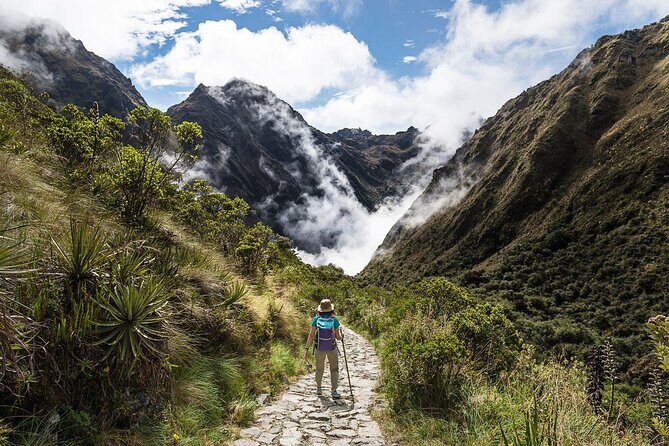
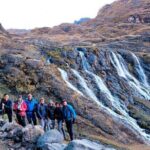
From there, the trek begins with a walk through typical villages and you may see herds of alpacas and llamas along the way. Your views are framed around the Ausangate Mountain, described as one of the most revered mountains in the region.
The walking time is roughly 3 to 4 hours total, with the ascent portion listed as about 2 to 1.5 hours before reaching the summit area. Then you spend time exploring Vinincunca, also called the Mountain of Seven Colors, at 5,020 m (16,466 ft). You’ll have time for photos and time to take in the rainbow-colored rock area and the surrounding peaks.
After that, you hike downhill to the village Quesiuno and have lunch there. Then transportation returns you to Cusco, with arrival around 17:00.
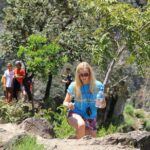
The tour rates this trek as difficulty III (Dificult). That’s not just a label. You should come ready for cold, thinner air, and a slower pace during the climb. Bring layers, and don’t treat this as a casual photo walk.
You can also read our reviews of more tours and experiences in Cusco


Price and Logistics: what $540 covers, and what you still need to plan
At $540 per person for roughly four days, the value comes from what’s included rather than what’s missing.
What you get as included items:
- Transport, guide, and entrance tickets for the Cusco city tour
- Transport, guide, and entrance tickets for Pisac, Ollantaytambo, and Chinchero
- Round-trip transport from Cusco to Ollantaytambo train station
- Round-trip train Ollantaytambo to Aguas Calientes
- Accredited professional guide in Machu Picchu
- Entrance ticket to Machu Picchu
- Round-trip bus Aguas Calientes to Machu Picchu and back
- Transport, guide, and entrance ticket for Rainbow Mountain
- Breakfast and lunch (2)
What you still need to budget for:
- Accommodation (hotel) in Cusco
- Tips
- Snacks and any meals not listed as included (including lunch in Aguas Calientes, since you choose where to eat)
When you compare this to trying to piece together train tickets, bus transfers, guides, and site entry by yourself, the bundled parts matter. This tour is designed to minimize decision fatigue. You’re paying for structure, not just sightseeing.
Small-group feel (max 10) and the comfort factor
A maximum group size of 10 travelers is a big deal on this kind of route. It usually means fewer delays when the group is moving between stops, and your guide can respond faster when you need clarifications.
Pickup is offered, and that reduces the stress of figuring out where to be and when. The itinerary also builds in recognizable breaks: breakfast time in the morning before Machu Picchu, lunch in Urubamba during the Sacred Valley day, and lunch after the Rainbow Mountain descent.
Still, the route is packed. Comfort will come from smart planning on your side:
- Wear walking shoes you trust on uneven stone.
- Plan for cold mornings on train and for wind on higher-altitude walks.
- Keep your ID and Machu Picchu ticket info ready for the entrance check.
Who should book this Cusco 4-day loop (and who should think twice)
This experience is best for you if you want a classic Peru route in a single package: Cusco essentials, Sacred Valley highlights, Machu Picchu with a real guide, and the big-name trek to Vinincunca.
You’ll likely enjoy it most if you:
- Don’t mind early mornings and a late return on Day 3
- Are in at least moderate physical shape
- Prefer tours where entrances, transport, and guides are already lined up
Think twice if you:
- Struggle at high altitude and don’t have a tolerance for 5,020 m conditions
- Want a slower trip with more free time in each place
- Need accommodations to be included in the price (this one does not include hotels)
Should you book Traditional Cusco 4 days with Machu Picchu and Rainbow Mountain?
If you want a ticket-heavy itinerary run with clear structure, this is a strong option. The inclusion list is doing real work for you: Machu Picchu entry, guide time in the citadel, Sacred Valley site tickets, and the trains and buses that usually take the most planning.
My call: book it if you’re ready for the early starts and the Rainbow Mountain effort. The payoff is that you see the big Inca highlights plus the day-to-day cultural texture of the Sacred Valley without cobbling together a dozen separate vendors.
If you want, tell me your travel dates and whether you prefer more walking time or more downtime. I can help you judge if this pacing fits your style and what to pack for the altitude-heavy days.
FAQ
What is the duration of this tour?
It’s listed as 4 days, approximately.
Where does the tour start and is pickup included?
Pickup is offered from your hotel in Cusco, and you’ll need to send the pickup location information.
What language is the tour conducted in?
The tour is offered in English.
Are entrance tickets included?
Yes. Admission tickets are included for the Cusco city tour stops, Sacred Valley stops (Pisac, Ollantaytambo, Chinchero), Machu Picchu, and Rainbow Mountain.
How does the Machu Picchu day work?
You’ll be picked up early in Cusco, travel to Ollantaytambo station, take a train to Aguas Calientes, then take a bus to Machu Picchu for a guided tour. Afterward, you go back down to Aguas Calientes and return to Cusco by train.
Do I need to bring identification for Machu Picchu?
Yes. At the Machu Picchu entrance, you must present your tickets and identification documents.
Is Rainbow Mountain difficult?
Yes. It’s rated difficulty III (Dificult), with walking time around 3 to 4 hours total and an altitude of 5,020 m.
Is hotel accommodation included in the price?
No. Accommodation is not included, and you’ll book your own hotel in Cusco.
Is this tour refundable if I cancel?
No. The experience is non-refundable and cannot be changed for any reason.