REVIEW · CUSCO
Cusco: Sacsayhuaman Guided Tour and 1-Hour Horseback Ride
Book on GetYourGuide →Operated by Andina Expeditions · Bookable on GetYourGuide
Cusco hits different on horseback. I love the guided walk through Sacsayhuaman and I love the switch to a ranch horseback ride with helmets and muleteers. One catch: the price does not include site entrances or the Cusco Tourist Ticket Site Pass.
You’ll also get a real lesson tied to the spiritual sites at Qenqo, including how royal mummies were preserved in a cave setting. The day stays tight and efficient, with a small group capped at 10 and a bilingual guide in English and Spanish.
In This Review
- Key Highlights You’ll Feel Immediately
- How This 4-Hour Cusco Tour Really Works
- Sacsayhuaman: Inca Engineering Before the Best Viewpoint
- Qenqo and the Huaca Mummification Lesson
- The Ranch Switch: Helmets, Muleteers, and Picking Your Horse
- 1-Hour Horseback Ride in the Sacsayhuaman National Park
- Tambomachay and Puka Pukara: Water Temple and Fortress Vibes
- Price and Value: What $90 Includes (and What It Doesn’t)
- Small Group Size: Why Up to 10 People Matters on This Day
- Guides: What Strong Communication Changes
- Who This Tour Fits Best (and Who Should Skip It)
- Practical Tips: What to Wear and How to Prep
- Should You Book This Cusco Tour?
- FAQ
- Is hotel pickup and drop-off included?
- How long is the total tour duration?
- What sites do you visit during the day?
- How long do you ride horses?
- Is the tour group small?
- What language is the guide?
- Are entrance fees included in the price?
- Do I need the Cusco Tourist Ticket Site Pass?
- What safety gear do you get for horseback riding?
- What should I wear or bring?
Key Highlights You’ll Feel Immediately
- Sacsayhuaman in 25 minutes: Inca engineering explained clearly so the stones stop looking random
- Qenqo huaca lesson: Learn what a huaca is and how mummification was done in a cave context
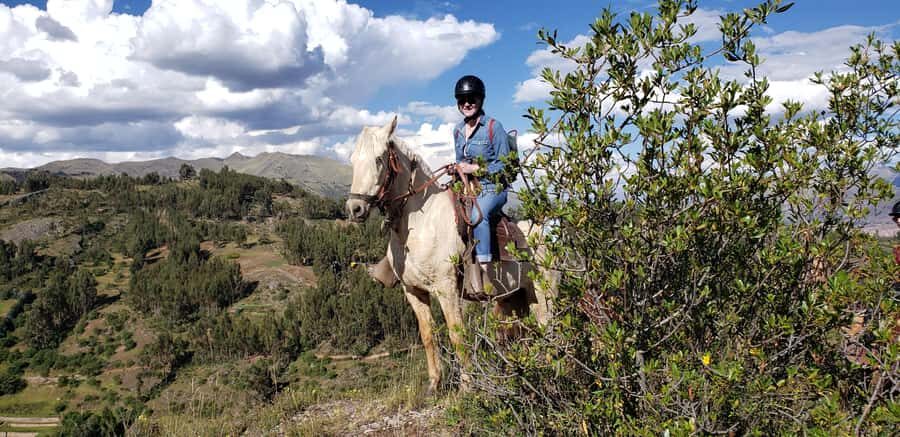
- 1-hour horseback ride near Cusco: Horses chosen to match your experience and mood
- National Park time: You ride through the 6000-acre Sacsayhuaman protected area
- Two extra ruins after the ride: Tambomachay for water and Puka Pukara as an Inca fortress-style stop
How This 4-Hour Cusco Tour Really Works
This is a focused Cusco combo day: you start with two Inca sites (Sacsayhuaman and Qenqo), then trade archaeology for motion on horseback, and finish with two more classics (Tambomachay and Puka Pukara). The pacing is practical—short guided stops, then a full hour to enjoy the open air and the Peruvian countryside views.
You’ll be picked up from a hotel in central Cusco and driven out to the outskirts first. After the final ruins, you’re transferred back into Cusco city, so you’re not stuck arranging your own rides between sites.
You can also read our reviews of more guided tours in Cusco
Sacsayhuaman: Inca Engineering Before the Best Viewpoint
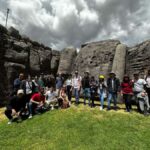
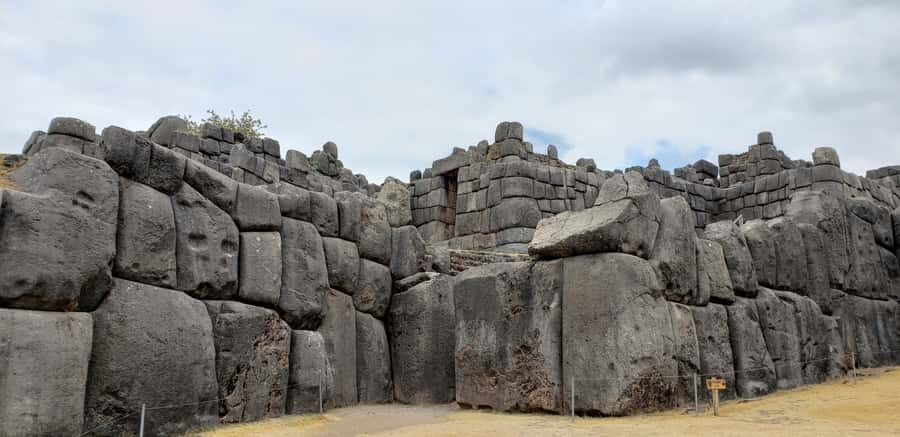
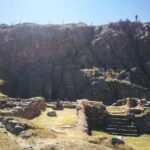
Your day starts at Sacsayhuaman, the old heart of the Incan Empire just outside Cusco. A bilingual guide brings you through the site in about 25 minutes, with an emphasis on architecture, function, and why this place became so important.
What I like about this stop is that it’s not treated like a quick photo-op. The guide helps you read the site—how the walls and layouts relate to purpose, not just impressive stonework. Once you understand that, the whole area feels more intentional, like it’s designed to guide crowds, ceremonies, and power.
A consideration: Sacsayhuaman is outdoors, and Cusco weather can change fast. If clouds roll in, you’ll still get the story, but the views may be less dramatic than on a crisp day.
Qenqo and the Huaca Mummification Lesson
Next you drive to Qenqo, a huaca—an Incan holy place. In about 25 minutes, you’ll get a guided lesson connected to mummification, centered on what’s described as a cave located at the archaeological complex.
This is one of the more memorable parts of the day because it explains beliefs through a physical setting. You’re not only seeing the stones; you’re learning why the site mattered and how preservation rituals were carried out for ancient royal people.
If you’re sensitive to heavy historical topics, you’ll want to be prepared for the topic of mummification. It’s presented as a factual historical lesson tied to the site, but it still has that serious tone.
The Ranch Switch: Helmets, Muleteers, and Picking Your Horse
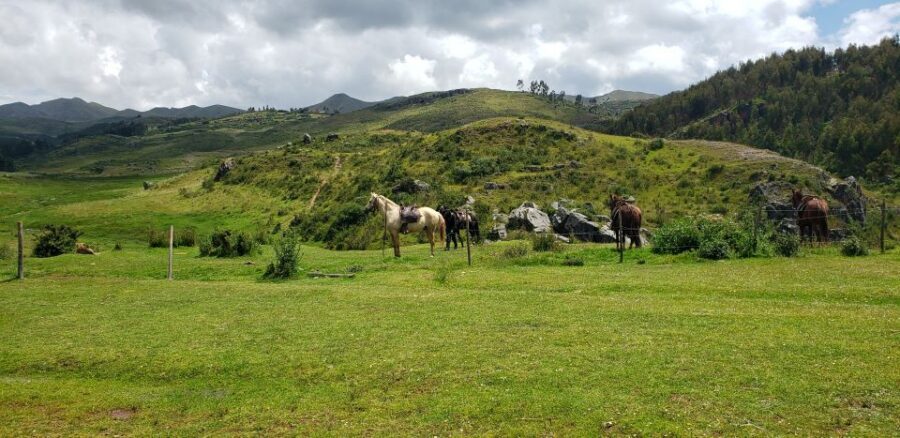
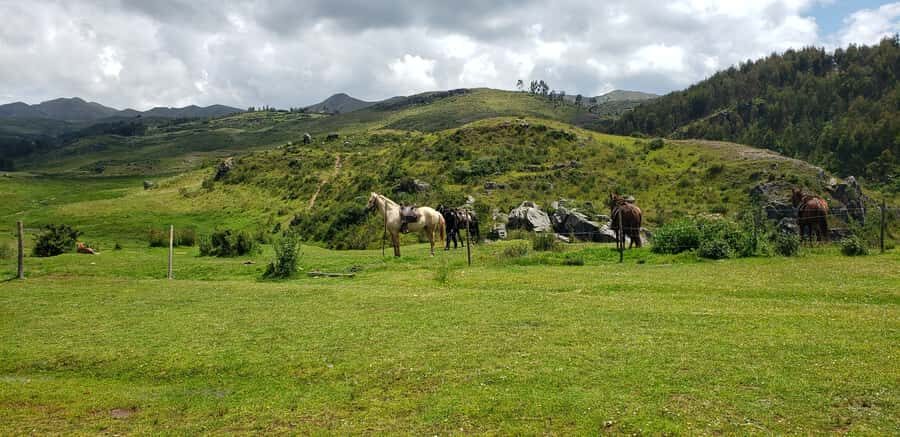
After Qenqo, you head to a ranch near Sacsayhuaman. This is where the tour becomes more than ruins and becomes about how you move through the area.
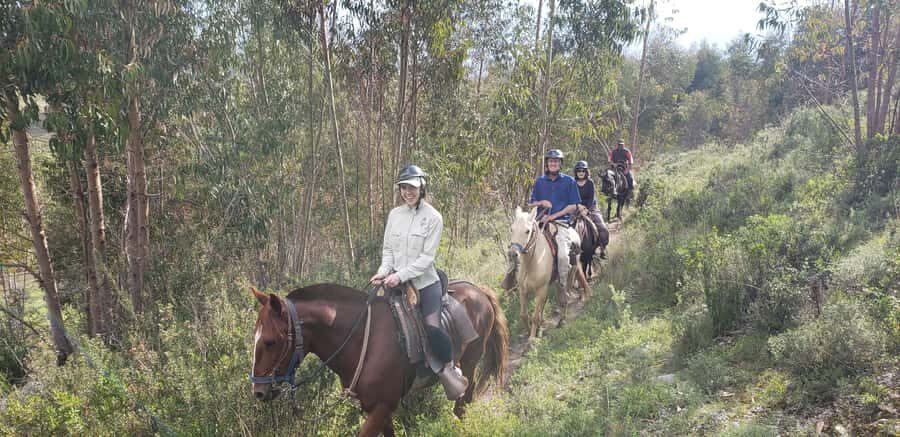
You’ll meet your horses and muleteers, and you’ll get a short induction on horse riding basics and how to lead the animals safely. Your horse is selected based on your experience and mood, which is a big deal in a place like this where the ride happens over uneven ground and real trails.
This is also where the included safety items matter. You get a saddle and safety helmets, and that takes away a lot of the stress for people who are new to horseback riding. If you’ve never ridden before, you’ll still feel supported—guides and muleteers are part of the setup, not an afterthought.
1-Hour Horseback Ride in the Sacsayhuaman National Park
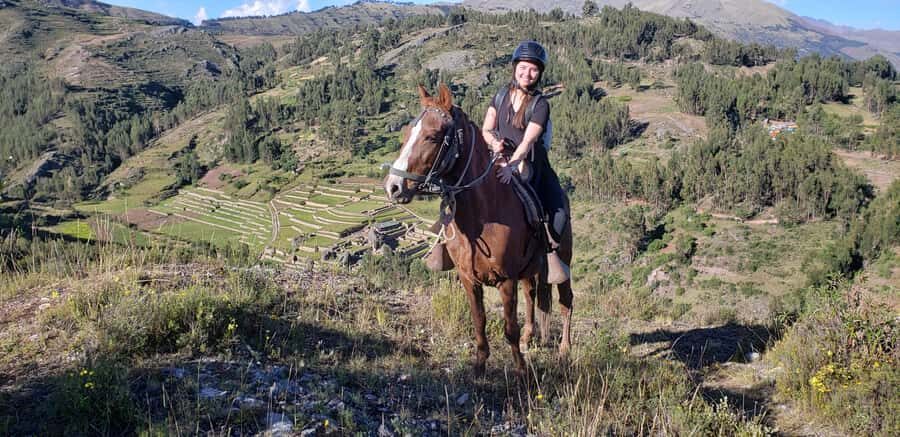
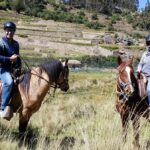
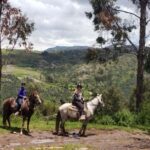
Then comes the main event: a 1-hour ride into the National Park of Sacsayhuaman, covering about 6000 acres. The guide route focuses on variety, and you get lots of chances to enjoy the open air while passing features of rural Cusco.
Along the ride, you may see potato farms and new excavations. You might also spot local animals like llamas and alpacas if luck is on your side. Even if you don’t see animals, the ride still gives you the sense of how big and wild the area feels compared with the compact city streets.
About speed and pace: the ride duration stays the same, but what you can do at different gaits depends on your comfort level. One excellent guide experience I saw described trotting and even galopping as desired, which tells me that the team reads rider readiness rather than enforcing one single pace for everyone. Still, don’t assume you’ll be racing—if your skills are limited, you’ll likely spend more time at a controlled pace.
You can also read our reviews of more tours and experiences in Cusco
Tambomachay and Puka Pukara: Water Temple and Fortress Vibes
After the horse ride, you go back to guided ruins, two stops that balance the day.
First is Tambomachay, an ancient temple dedicated to water. This stop feels different from Sacsayhuaman because the theme is more specific: water as a sacred and practical element. It’s a nice way to slow down after the movement of horseback riding.
Then you finish at Puka Pukara, described as an Incan fortress. Even in a short guided visit (about 25 minutes), the idea of a stronghold setting comes through. It gives the day a sense of Inca power and defense, which rounds out the earlier stops focused on ceremony and royal ritual.
At the end, you return to Cusco city. That’s not just convenience; it matters because altitude fatigue and full-day effort can stack up once you add riding into the mix.
Price and Value: What $90 Includes (and What It Doesn’t)
At $90 per person for a 4-hour day, this tour is priced around the combined cost of guided site visits plus a ranch horse experience. You’re not paying only for the ride. You’re paying for transportation, bilingual guiding, and the equipment setup.
What’s included:
- Hotel pickup and drop-off from central Cusco
- A bilingual guide (English and Spanish)
- Saddle and safety helmets
- Muleteer support
- Snacks and water
What’s not included:
- Entrance fees
- The Cusco Tourist Ticket Site Pass
- Insurance
So here’s how I’d judge value: if you already plan to visit Sacsayhuaman and Qenqo anyway, the guided format plus transport saves you time and decision stress. If you’re also nervous about horseback riding logistics, the included helmets, saddle, and staff support raise the value. The only real budget surprise is the tickets and entrance fees you still need to pay.
Small Group Size: Why Up to 10 People Matters on This Day
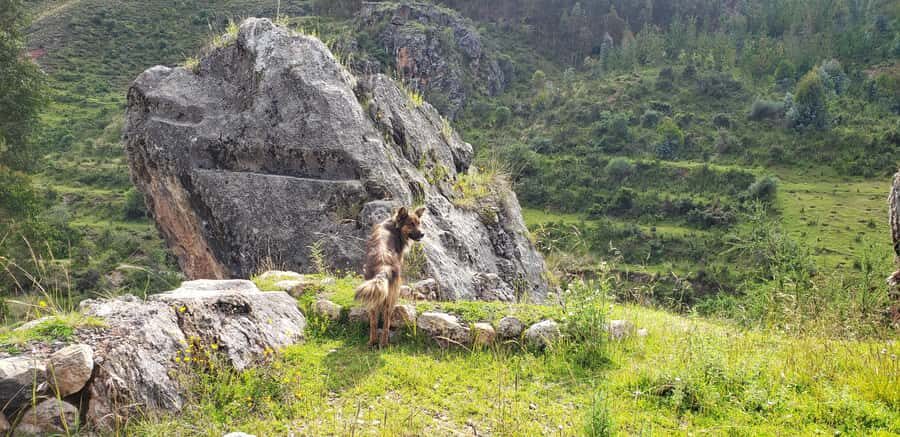
This is a small group tour, limited to 10 participants. That’s important because you’re doing both archaeology and horseback riding—two activities that work best when the group is not huge.
A smaller group also makes a difference for guidance during the horse portion. Horses are selected based on experience and mood, so your guide needs time to match you safely. You also get more attention if you have questions at the ranch induction stage.
In one standout experience, a couple described being only two people in the group with a chauffeur handling the drives. That suggests the operator can keep things personal when demand allows. Even when the group is full, the cap helps keep the day from feeling like cattle herding.
Guides: What Strong Communication Changes
The day runs smoother when the guide is clear, friendly, and willing to answer questions. In the feedback I saw, guides like Holger and Beny received strong praise for being excellent and for speaking strong English.
That matters more than you might expect. If you’re trying to understand Inca sites like Sacsayhuaman and Qenqo in a short time window, you benefit from explanations that land quickly and make sense. On horseback, clear safety guidance matters even more.
So if you care about explanations, not just sightseeing, this is one of the reasons the experience earns high marks.
Who This Tour Fits Best (and Who Should Skip It)
This tour is best if you want a compact Cusco day that mixes serious ruins with an active outdoor component. You’ll enjoy it most if you’re comfortable walking around archaeological sites and you’re open to learning basic riding and safety.
It is not suitable for:
- Pregnant women
- People with mobility impairments
- People over 200 lbs (91 kg)
Also note: the duration can depend on participants’ horse riding skills and experience. That doesn’t mean the day becomes chaotic, but it does mean the ride experience can flex to match your comfort level.
Practical Tips: What to Wear and How to Prep
Come prepared for outdoors and for time on a horse.
Bring:
- Long pants
- Closed-toe shoes
Wear what helps you feel stable in the saddle. Closed-toe footwear also helps during the ranch induction when you’re learning how to handle and lead the horse safely.
One more practical thought: Cusco mornings can feel cool, but you’ll warm up with walking and riding. Bring layers if you run cold, because the day includes multiple outdoor segments and a lot of shifting between vehicle and open air.
Should You Book This Cusco Tour?
I’d book it if you want more than ruins on paper. The combination of guided Sacsayhuaman, a Qenqo huaca lesson, and then a supported 1-hour horseback ride makes this a full-day feeling without turning into a full-day slog. It’s also a strong choice if you’re trying horseback riding for the first time and want helmets, a saddle, and muleteer help built into the experience.
Skip it if horseback riding doesn’t fit your body or situation, or if you’d rather build your own route without paying extra for the guide structure. And make sure you budget for entrance fees and the Cusco Tourist Ticket Site Pass, since those are not included in the $90.
If you want one compact way to see major Inca sites and still leave with the memory of riding through the protected area near Cusco, this is a sensible pick.
FAQ
Is hotel pickup and drop-off included?
Yes. Pickup and drop-off are included from hotels in central Cusco.
How long is the total tour duration?
The tour runs about 4 hours.
What sites do you visit during the day?
You visit Sacsayhuaman, Qenqo, Tambomachay, and Puka Pukara.
How long do you ride horses?
You ride for 1 hour.
Is the tour group small?
Yes. It’s limited to 10 participants.
What language is the guide?
The guide is bilingual, with English and Spanish.
Are entrance fees included in the price?
No. Entrance fees are not included.
Do I need the Cusco Tourist Ticket Site Pass?
The Cusco Tourist Ticket Site Pass is not included, so you’ll need to account for it separately.
What safety gear do you get for horseback riding?
You get helmets and a saddle. A muleteer is also included for support.
What should I wear or bring?
Bring long pants and closed-toe shoes.