REVIEW · CUSCO
Sacred Valley full Day Tour – all inclusive
Book on Viator →Operated by TreXperience · Bookable on Viator
Sacred Valley in one long, scenic day. This all-inclusive Cusco tour strings together the places most people dream about—alpacas and weaving, Pisac, Ollantaytambo (the “last living Inca city”), and Chinchero—with round-trip transport and entrance fees handled for you. My favorite part is the way the day is structured: you’re not stuck sprinting from one ticket line to another.
I also like the mix of viewpoints and culture. You get a true stop for the Sacred Valley views from Mirador Taray, plus a proper buffet lunch in Urubamba so you’re not rationing energy between ruins. One drawback to keep in mind: the schedule can feel packed, and the textile/shopping-style portion at the end can run long—so plan for dinner later than you think.
In This Review
- Key things to know before you go
- First stop: Manos De La Comunidad alpacas, weaving, and Mirador Taray views
- Pisac in about two hours: ruins and the artisan market vibe
- Urubamba lunch stop: a buffet that keeps the day on track
- Ollantaytambo: the last living Inca city you can still walk through
- Chinchero and the textile center: terraces, church, and weaving learning
- What you’re really buying for $160: value, inclusions, and hidden friction
- The pacing question: how to enjoy this packed day
- Who this Sacred Valley tour suits (and who might prefer less)
- Should you book this Sacred Valley full day tour?
- FAQ
- What time does the tour start from Cusco?
- How long is the Sacred Valley full day tour?
- Is lunch included?
- Are entrance fees included?
- Is there a vegetarian option?
- How big is the group?
- Can I cancel for free?
Key things to know before you go
- Small group, max 16: easier pace and less crowd pressure than big-bus tours
- All entrance fees included: fewer surprise add-ons during the day
- Real “first look” at Andean textiles: alpaca/camelid time plus weaving instruction at Chinchero
- Mirador Taray viewpoint stop: built-in Sacred Valley photo time
- Round-trip transport from Cusco: you’re buying a full day of logistics, not just sights
- Chinchero includes a textile center: great if you want to learn; a time sink if you’re not into shopping
First stop: Manos De La Comunidad alpacas, weaving, and Mirador Taray views
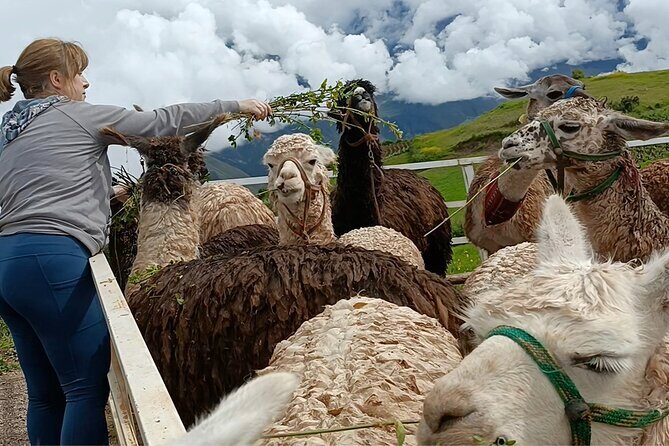
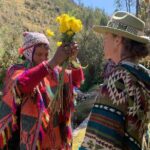
Your day starts with a pick-up around 8:00 a.m. from your hotel in Cusco, then a drive into the Sacred Valley. The first stop is Manos De La Comunidad, an alpaca center that functions like a working weaving cooperative and camelid farm. You’ll see the animals up close—llamas, alpacas, vicuñas, and guanacos—and you’ll learn how Andean weaving works in practice, not just as a finished product.
What I like about starting here: it gives context. When you later see Inca terraces and modern textiles at Chinchero, your brain already has the basics—why fiber type matters, why dyes and spinning are part of the story, and why these textiles aren’t random souvenirs.
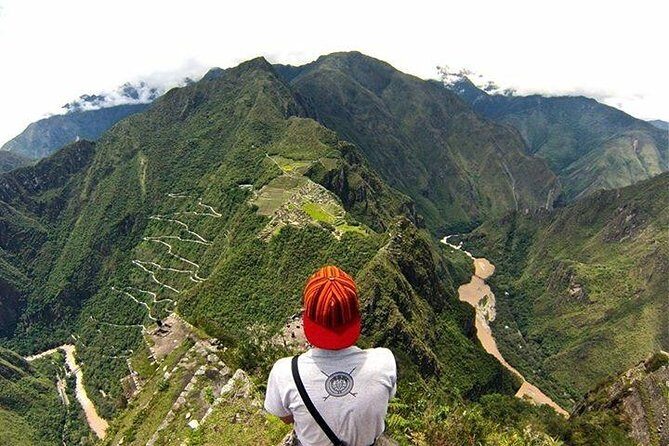
After that, the tour continues for a short drive to Mirador Taray. This is a simple break in the schedule, but it’s one of the most valuable: you’re not just touring ruins, you’re seeing how the Sacred Valley sits in layers. Even if you’re not a huge photo person, you’ll get your bearings fast.
One practical note: it’s morning, so dress for cool air early, then warmer conditions later. You’ll be changing layers more than you think in Cusco region weather.
You can also read our reviews of more tours and experiences in Cusco



Pisac in about two hours: ruins and the artisan market vibe
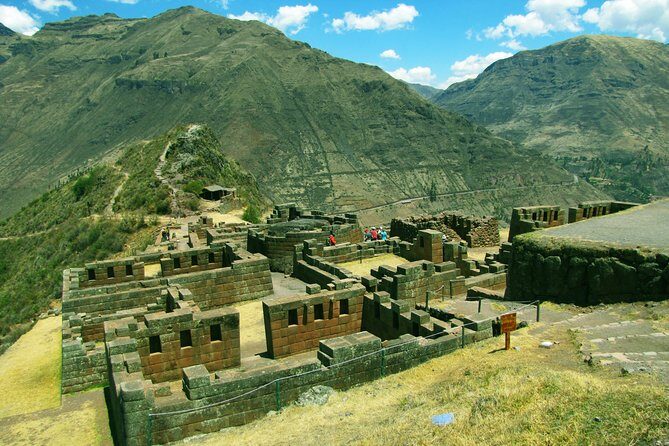
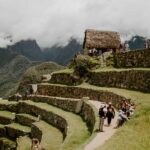
Next up is Pisac (often spelled Pisaq). The tour gives you about 2 hours here, which is a solid chunk for one-day Sacred Valley travel. Pisac sits on the Vilcanota River and is known for both Incan ruins and an artisan market, so the area feels like a mix of archaeology and everyday local life.
This is the kind of stop where you’ll feel the trade-off of a full-day itinerary. Two hours can be enough to enjoy the ruins and still wander the market area, but it’s not enough to do everything slowly. If you’re the type who likes to stop every 30 seconds to read signage, Pisac may feel like a “choose your priority” moment.
My advice: decide before you arrive. Do you want more Inca stonework and ruins, or more market browsing? Either choice can be great. Just don’t try to do both at the same pace or you’ll end up stressed instead of curious.
The good news: Pisac’s layout makes it easy to adjust. You can shift from ruins to marketplace energy whenever you want, and the time buffer helps you stay relaxed.
Urubamba lunch stop: a buffet that keeps the day on track
After Pisac, you drive along the valley until Urubamba, where you’ll have lunch at a local restaurant (buffet style). This is your about 1-hour reset. I’m glad the tour includes lunch because Sacred Valley day trips can turn into a string of “grab something quick” moments. Here, you get an actual meal planned into the route.
A couple of practical tips:
- If you have dietary requirements, share them when you book—this tour states you can request a vegetarian option if needed.
- Keep an eye on portions so you don’t feel heavy on the next ruin-heavy leg.
Also, alcohol isn’t included. The data says alcoholic beverages are optional and available for purchase at the restaurant. So if you enjoy a drink with lunch, just budget for it separately.
Ollantaytambo: the last living Inca city you can still walk through
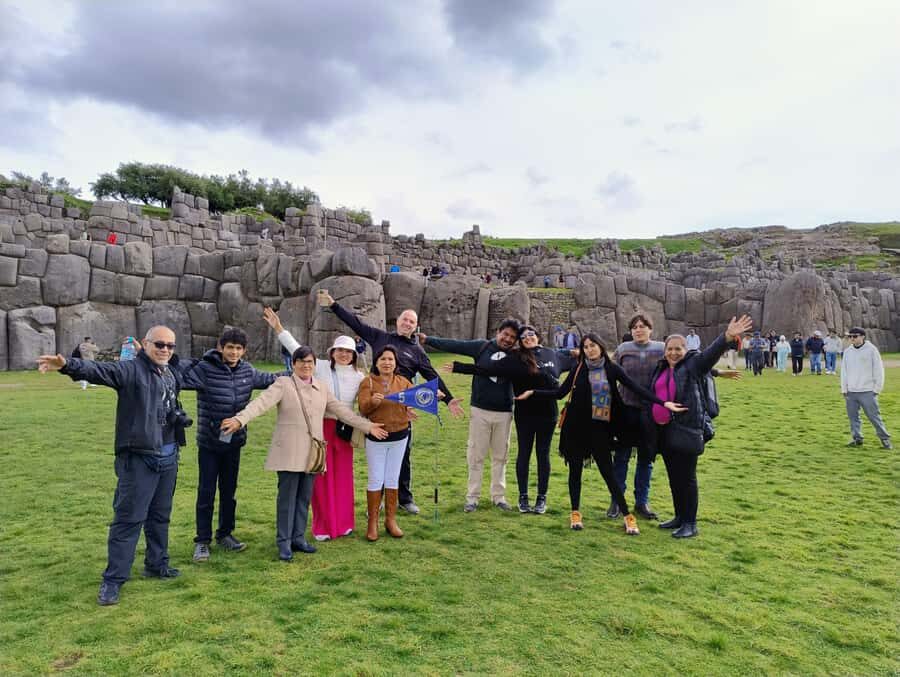
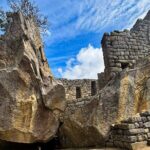
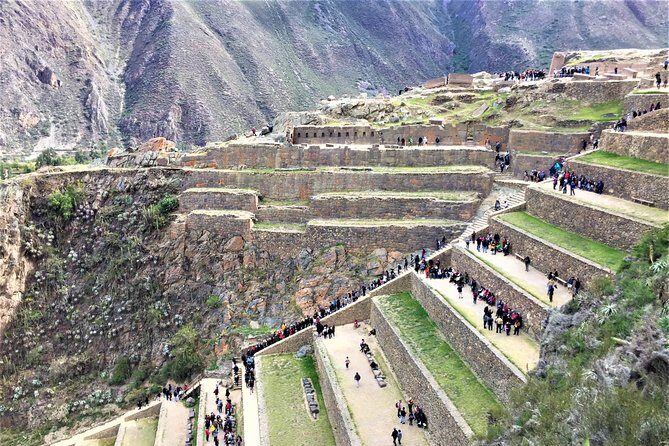
Then comes one of the big anchors of the day: Ollantaytambo, often described as the last living Inca city. You’ll arrive after lunch and spend about 1 hour exploring.
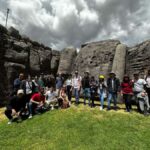
The highlight here isn’t just seeing ruins in a photo. It’s the fact that this place still functions as a town, and you’ll explore the original Inca street where people are still living and using the ancient constructions. That single detail changes the vibe. Instead of “ancient site, fenced off,” you get “ancient site, lived-in.”
In that hour, you’ll also visit houses and see how people manage daily life alongside older stonework. It’s one of those stops where the best experience is paying attention to the shape and slope of streets, doorways, and walls—because your brain can connect the architecture to how people moved and organized space.
Is one hour enough? It’s enough to get a strong feel for the city, but not enough to become a specialist. If you love wandering slowly, you’ll feel time pressure. But as part of a full-day tour, this is a smart, high-impact slot.
Chinchero and the textile center: terraces, church, and weaving learning
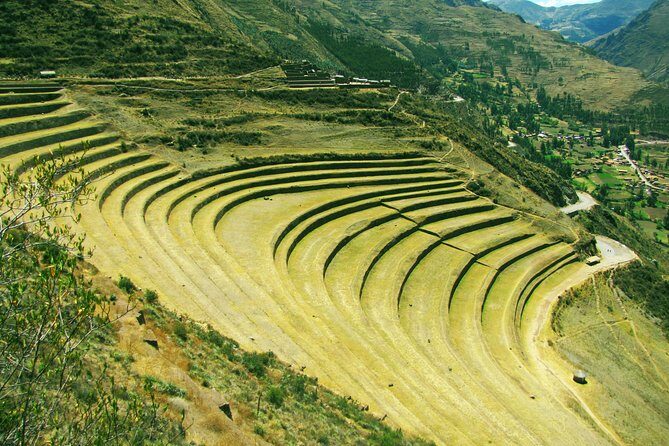
Your final major stop is Chinchero, known as the land of great weavers. You’ll start with the Incan terraces and a colonial church, then move on to a local textile center where you can learn ancient weaving techniques.
This is a wonderful end to the day if you’ve been following the thread from Manos De La Comunidad. At the beginning, you’re introduced to fiber and camelids. Here, you see how the knowledge turns into cloth—plus you learn more directly about the techniques.
Now, here’s the key consideration. This tour’s final stretch can feel like it has more time devoted to textile/trade-style opportunities than you expected. In at least one experience, that portion took close to two hours out of the schedule. If you’re not particularly interested in shopping or textile demos, you may wish the stop were shorter and more purely sightseeing.
That doesn’t mean it’s bad. It just means you should go in with expectations:
- If you want to understand weaving, this is one of your best shots that day.
- If you mainly want ruins and viewpoints, you’ll want to keep your focus tight and avoid losing track of time.


What you’re really buying for $160: value, inclusions, and hidden friction
At $160 per person, this Sacred Valley full-day tour isn’t cheap—but it can be good value if you compare it to paying for the big pieces separately.
Here’s what’s included:
- Professional native tour guide
- Pre-departure briefing the night before at 6:30 p.m.
- Pick-up from your hotel
- Private transportation for the group
- Buffet lunch at a local restaurant
- All entrance fees included
- Taxes included
- Lunch (explicitly included)
So you’re paying for logistics and access. That matters in the Sacred Valley because timing is everything, and entrance fees add up quickly. You also avoid that annoying mental load: you’re not trying to figure out what’s open, what costs extra, and where to buy tickets mid-day.
Group size is also part of the value. The tour caps at 16 travelers, and that makes a difference when you’re trying to hear guide explanations and keep your bearings.
One name worth noting: the guide Wilian is specifically mentioned as a standout—people describe him as committed to his group and passionate about the stops. Even if you don’t get Wilian, this is clearly the kind of operation that invests in guiding rather than just shuffling you between buses and doors.
The main “cost” isn’t money. It’s time. The planned schedule suggests you return to Cusco around 5:00 p.m., but you should prepare for a later finish. If you have dinner reservations, I’d pick something with flexibility.
The pacing question: how to enjoy this packed day
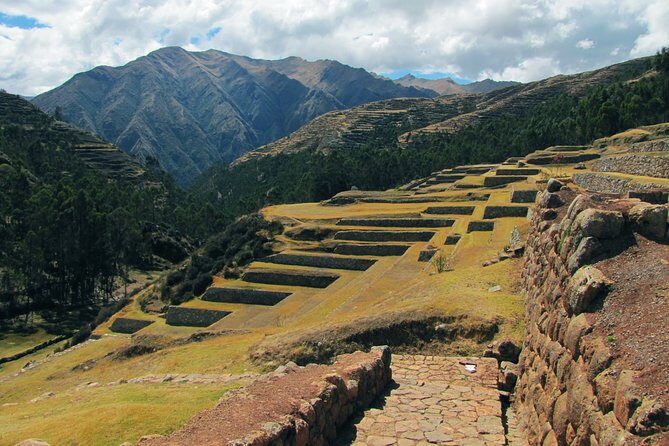
This tour is built for a strong “see a lot” day: alpaca/weaving first, then Pisac, then Urubamba lunch, then Ollantaytambo, then Chinchero. That’s the upside. You get the core Sacred Valley hits.
The downside is simple: you’re on the move for most of the day, and the end stop can eat more time than you hoped—especially if textile opportunities start to feel like retail browsing.
Here’s how I’d handle it if I were planning for myself:
- Wear comfortable walking shoes. Even if you’re not doing “big hikes,” ruins and terraces mean uneven surfaces.
- Bring something for sun and small cold spells. Sacred Valley weather can shift fast.
- In Chinchero, decide ahead of time what you want most: textiles learning vs. quick viewing vs. shopping. Then stick to your plan.
If you travel with a tight evening schedule—like a show, a flight, or a very early restaurant booking—this is where the “packed day” warning matters most. Consider booking something for later that evening, not right after the tour ends.
Who this Sacred Valley tour suits (and who might prefer less)
This experience is best for:
- First-timers who want a single organized Sacred Valley day trip from Cusco that covers the main sites
- People who like a guide-led flow and don’t want to manage tickets and transport
- Travelers who genuinely enjoy textiles and want to understand weaving from animal to technique
It may be less ideal if:
- You hate shopping-style stops or want every minute strictly archaeological
- You prefer slow travel with long pauses in one place
- You must be back early for dinner or other plans (because return timing can stretch)
It’s also stated that children must be accompanied by an adult, and that most travelers can participate, so it’s generally workable for a wide range of visitors.
Should you book this Sacred Valley full day tour?
I’d book it if you want an all-in-one Sacred Valley day with round-trip transport, entrance fees covered, and a guide who keeps the day moving through the key sites. The structure is efficient, and the textiles angle is a real plus—not just a random souvenir stop.
If you’re the type who gets annoyed by time sinks, go in prepared. Plan for a potentially late return, and keep your expectations clear for Chinchero’s textile center portion.
FAQ
What time does the tour start from Cusco?
The tour start time is listed as 8:00 a.m. with hotel pick-up.
How long is the Sacred Valley full day tour?
The duration is listed as 9 to 10 hours (approx.).
Is lunch included?
Yes. A buffet lunch at a local restaurant is included.
Are entrance fees included?
Yes. All entrance fees are included in the tour price.
Is there a vegetarian option?
Yes. A vegetarian option is available—you should advise at booking.
How big is the group?
This tour has a maximum of 16 travelers.
Can I cancel for free?
Yes. You can cancel for a full refund if you cancel up to 24 hours in advance of the experience’s start time.