REVIEW · CUSCO
Cusco: Alpaca and Llama Farm Tour w/ Transfer & Weaving Demo
Book on GetYourGuide →Operated by Andina Expeditions · Bookable on GetYourGuide
Alpaca cuddles beat the city. This 150-minute outing starts with hotel pickup and a short ride out of Cusco, where you’ll meet alpacas and llamas up close and learn how Inca-era camelid knowledge shaped what people raise today. I really like how the tour feels hands-on, with time for photos and guided context instead of a quick stop-and-snap routine.
The second thing I like: the weaving demo. You’ll watch textile-making skills in action and connect the wool story to real daily life in the Andes, including how different fibers are used and why weaving is still a big deal in local communities. Guides such as Marileth, Marlith, Olga, and Holger are repeatedly praised for keeping it clear, friendly, and question-friendly.
One possible drawback to plan for: the site has a retail area at the end, and it can feel a bit commercial. Also, a couple people felt the pacing was a touch rushed or that the tour ran slightly shorter than advertised, so if you want a slow, unhurried animal visit, go in with realistic expectations.
In This Review
- Key highlights worth carving out time for
- Getting Out of Cusco: Pickup and a Short Ride to the Farm
- The Manos de la Comunidad Farm Tour: Animals You Can Actually See
- Alpaca, Llama, Vicuña, Huanaco: Sorting the Camelid Puzzle
- Weaving Demo at the Heart of Andean Textiles
- Pace and What You’ll Actually Spend Time Doing
- Price and Value: What $34 Really Buys in Cusco
- The Gift Shop Reality: Enjoy the Craft, Skip the Pressure
- Who This Tour Fits Best (and Who Might Want Something Else)
- Should You Book This Cusco Alpaca and Llama Farm Tour?
- FAQ
- How long is the Cusco alpaca and llama farm tour?
- Where does the tour start and end?
- What does the tour include?
- What animals will I see?
- Is there a separate entrance to reduce waiting?
- What languages are the guides available in?
- Is the tour free to cancel?
- Is this activity wheelchair accessible?
Key highlights worth carving out time for
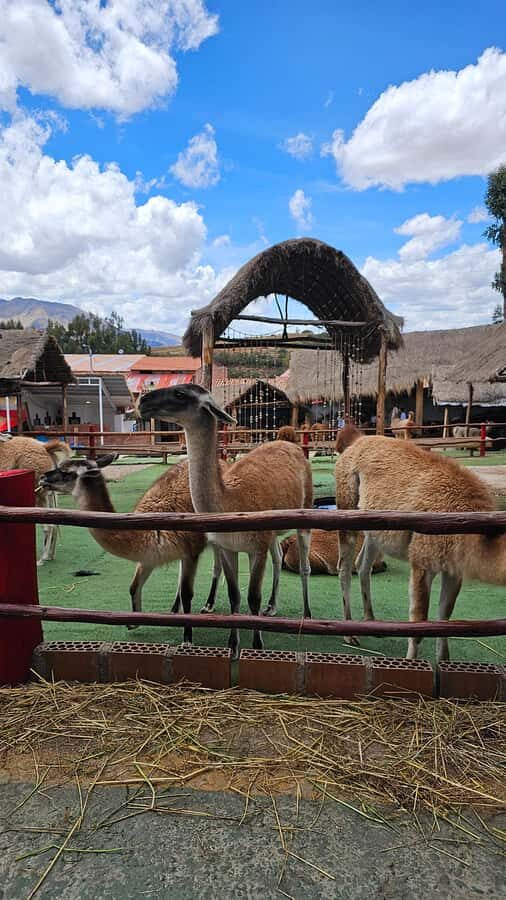
- Up-close camelid variety: alpacas, llamas, and rarer relatives like vicuñas and guanacos/huanacos
- Real weaving practice: you watch textile techniques, not just hear theory
- Great guide energy: guides like Marlith and Holger tend to make the history and animal facts easy to follow
- A break from Cusco traffic: the farm is about 20 minutes from the historic center
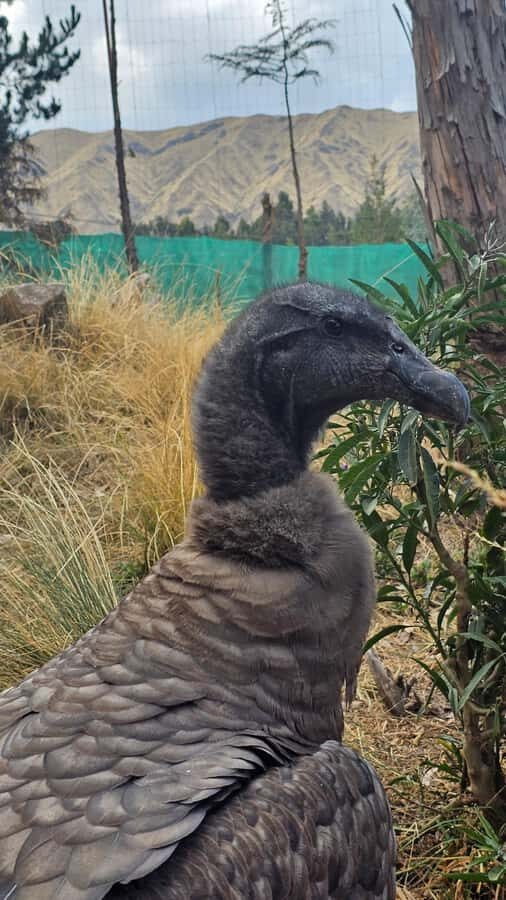
- More than just animals: some visits include a small museum space and additional rescued animals (like condors)
Getting Out of Cusco: Pickup and a Short Ride to the Farm
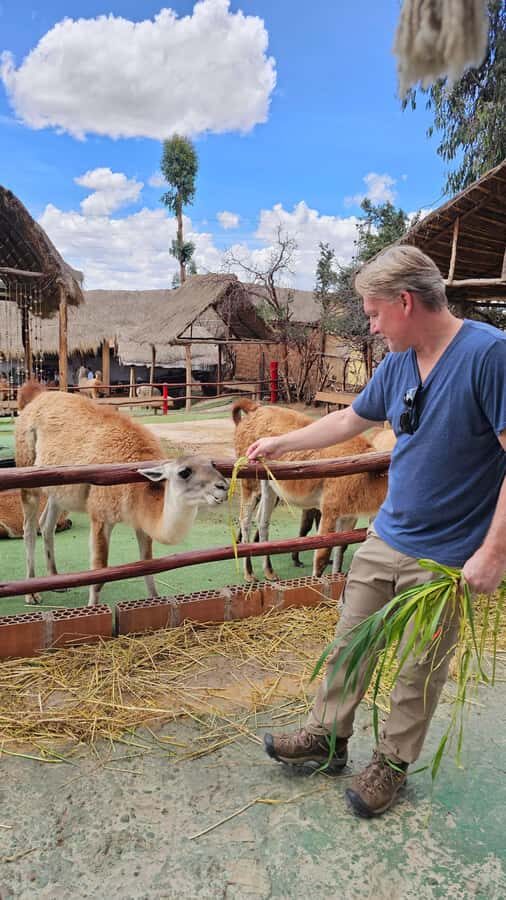
Cusco can tire you out fast, especially on your first days at altitude. I like that this tour uses a practical format: hotel pickup, then you’re on the road almost immediately. The drive is short too—around 20 minutes from the historic center—so you get a countryside change of scene without eating your whole day.
The timing is also smart. Total duration is about 150 minutes, which usually fits neatly between other sightseeing. You’ll have enough time for the guided farm portion, the weaving demonstration, and the return transfer without feeling like you’re constantly rushing to the next ticketed activity.
And yes, you’ll be working around altitude. This is the kind of outing that stays mostly outdoors but isn’t an all-day hike. Many people find that helpful when they want movement and fresh air, but not a full cardio plan.
You can also read our reviews of more tours and experiences in Cusco

The Manos de la Comunidad Farm Tour: Animals You Can Actually See
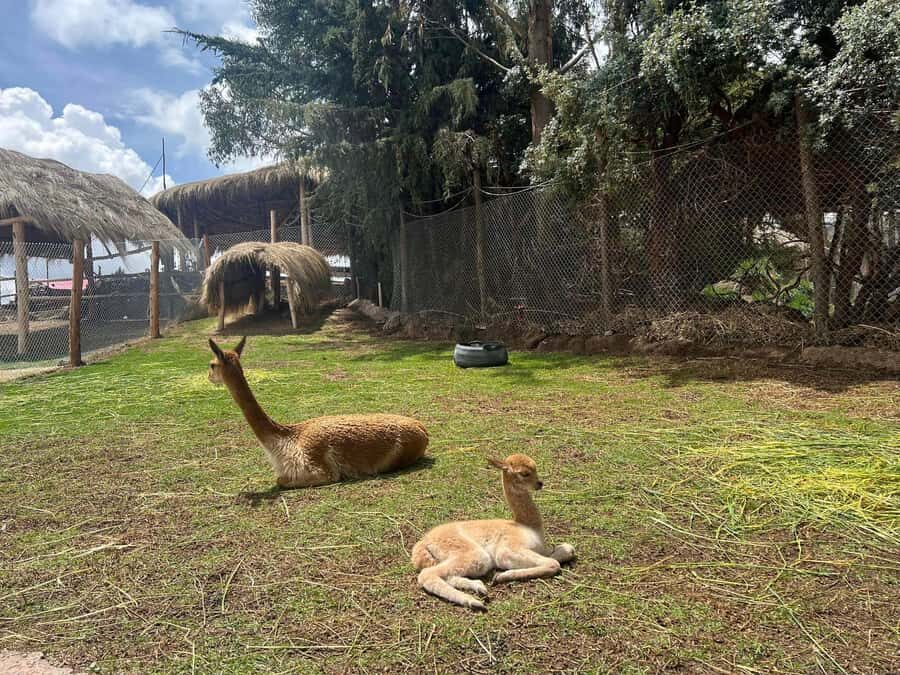
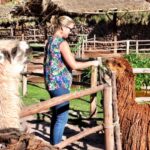
The main farm visit is where this experience earns its high marks. You start with a guided walk and explanation of camelids—how they were domesticated and how the Inca developed and used these animals. It’s not a dry lecture. You’re learning while you’re looking at the animals themselves.
Expect to see multiple species and types in one place. The highlights you should look forward to include:
- Alpacas (with different varieties)
- Llamas
- Huanacos (often spelled guanacos in English)
- Vicuñas, sometimes described as the gold of the Andes for the value of their fine wool
Photo time matters here. The whole setup is designed so you can get close enough for clear pictures and spend time watching behavior—how they stand, how they react, and how you can tell the different groups apart.
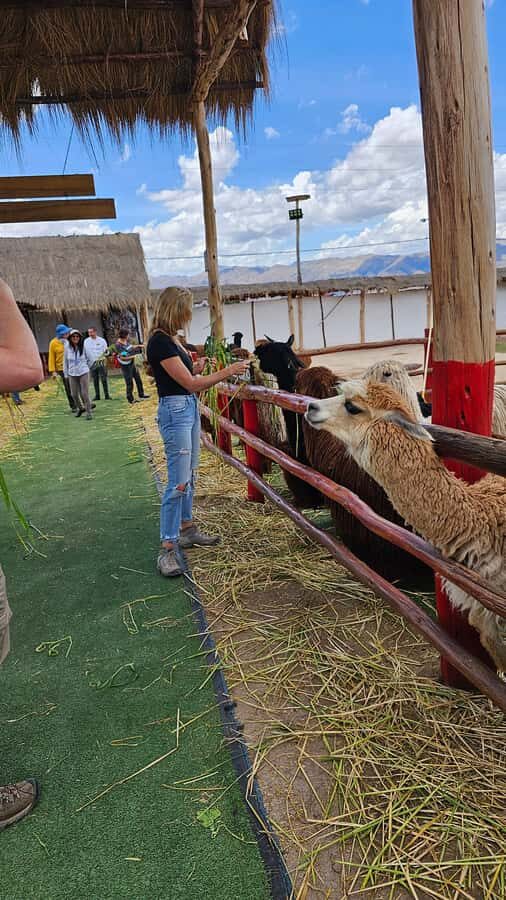
One more good sign: several guides keep the experience interactive. In some tours on the property, you may even be able to feed and pet the animals by hand (hand-contact rules can vary by day and animal condition, so listen to your guide).
Alpaca, Llama, Vicuña, Huanaco: Sorting the Camelid Puzzle
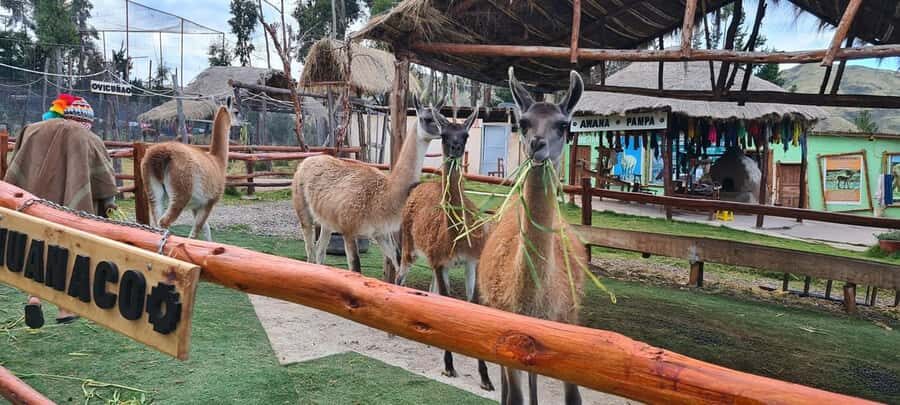
If you’ve ever looked at a field of camelids and thought, They all look the same, this is the place to untangle it. The tour’s value isn’t just that you’ll see animals—it’s that you’ll learn the differences while someone walks you through them.
Here’s the practical takeaway: Inca-era camelid domestication wasn’t random. Different animals served different roles, and their wool characteristics shaped what people made with the fiber. You’ll connect:
- which camelids were raised versus which were more wild or conservation-focused,
- how wool quality affects spinning and textile decisions,
- and why the Andes have such a strong textile culture.
This matters because Cusco and the Sacred Valley sell a lot of alpaca products. Knowing what you’re actually looking at makes shopping easier and helps you avoid getting fooled by generic labels. Some tours also include extra talk on fabric quality—like how to identify real baby alpaca material versus fakes—so you can go into the retail area with your eyes open.
Weaving Demo at the Heart of Andean Textiles
After the animal time, the weaving side takes over. This is one of the best ways to understand why alpaca and llama wool shows up everywhere in Peru. You’re not just buying scarves. You’re seeing the craft process and hearing how skills are passed down.
During the demonstration, you’ll watch traditional weaving techniques and learn about the skill set behind textiles. That includes basic production thinking—how fiber becomes usable material, what weaving requires, and why local knowledge matters more than it might sound at first.
In a few cases, guides also explain dyeing or quality markers. If you get that extra layer, it’s a bonus because it turns the weaving demo from a show into a practical lesson you can apply when you’re shopping later.
This part is also a nice break from the standing-and-walking pace. It keeps you involved, but in a calmer setting where you can ask questions and slow down enough to absorb details.
Pace and What You’ll Actually Spend Time Doing
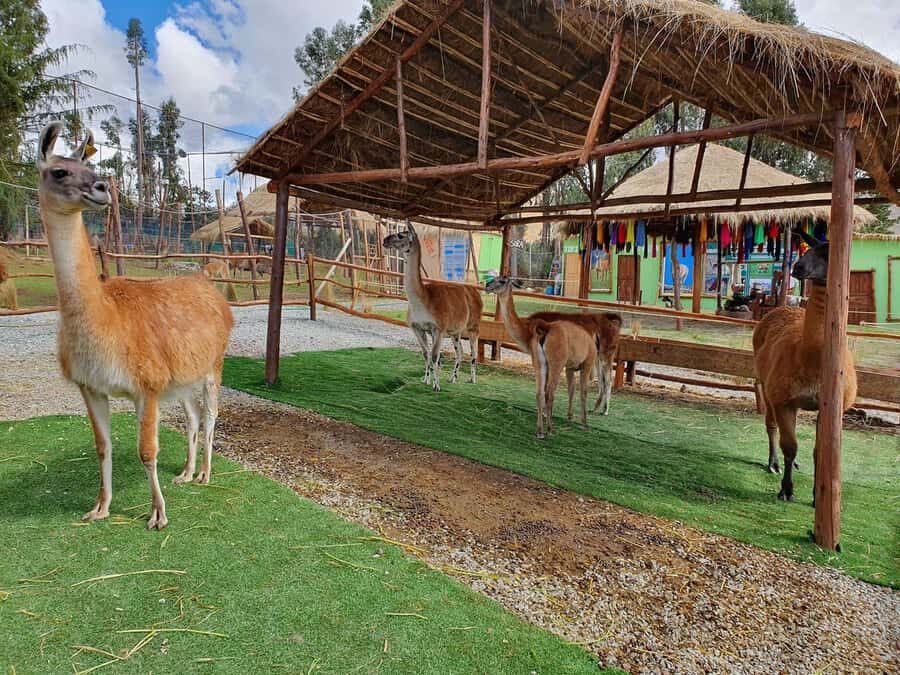
The schedule is tight but not frantic. Most of your time is organized around two anchor moments: the guided farm segment and the weaving demonstration. The guided portion is about 80 minutes, and the rest of the time covers transfers and the wrap-up.
Still, a couple people noted the experience can feel slightly rushed, especially in the animal areas where you’d naturally want more time just watching. If you’re the type who needs to linger—no shame—keep your expectations realistic.
My practical advice: take photos early, not late. When you wait until you’re tired, you’ll miss the shot you really wanted. Also, ask your guide about anything you notice. If a guide is the type to answer questions well—as many guides here are—it’s better to use that energy during the active stops.
You can also read our reviews of more tours and experiences in Cusco



Price and Value: What $34 Really Buys in Cusco
At about $34 per person, this tour lands in the budget-friendly zone for Cusco. The value is in the package:
- hotel pickup and drop-off (so you’re not figuring out transport on your own),
- a live guide in English and Spanish,
- a guided farm visit plus a weaving demonstration,
- water included,
- and access setup that includes a separate entrance to help you avoid extra waiting.
You’re basically paying for three things: learning, access, and guided time with the animals and craft. Many similar “meet animals” experiences are either too short to learn anything or too long to stay comfortable at altitude. This one sits in a sweet spot for a mid-day or first-days outing.
Is it perfect value? I’d say it’s strong value if you actually care about fiber, textiles, or alpaca/llama basics. If you only want a quick animal photo and nothing else, you might feel the cost is more than you needed. But for most people, the mix of camelids plus weaving makes the price feel fair.
The Gift Shop Reality: Enjoy the Craft, Skip the Pressure
You will pass through a retail area at the end. The weaving theme doesn’t end there—it turns into products made from alpaca and related fibers.
Here’s what to watch for. Some people feel gift shop pricing is high and that staff attention can border on persistent. You don’t have to hate it, but do set a personal rule before you enter:
- browse first,
- compare quality and ask questions,
- and only buy if the price matches what you believe it’s worth.
One helpful mindset: go in knowing you’re shopping craft value, not just souvenirs. If you learned how to spot quality fiber and understand the work behind weaving, you’re far less likely to feel disappointed later.
And if you decide not to buy anything, that’s fine. Souvenirs aren’t included in the price, and the best souvenir is often the knowledge you bring home.
Who This Tour Fits Best (and Who Might Want Something Else)
This is a great fit if you want:
- an easy, structured activity when Cusco feels busy,
- a gentle day that still gets you outside,
- a learning-focused visit that connects animals to Inca-era and local textile culture,
- and a chance to see rare camelids like vicuñas in a guided context.
It’s especially useful for acclimatization days because the outing doesn’t require a long trek. It’s also ideal if you’re the type who enjoys crafts and wants something more meaningful than a standard market loop.
Who might not love it? If you’re looking for a wilderness adventure or a full-day tour with long hikes, this won’t scratch that itch. It’s a focused farm-and-craft experience, not a big expedition.
Should You Book This Cusco Alpaca and Llama Farm Tour?
Book it if you want a smart, low-stress Cusco break with real content. The combo of camelid variety plus a weaving demonstration makes it more than a cute animal stop, and the short transfers keep it doable even when altitude has you moving slower.
Skip or consider alternatives if:
- you’re sensitive to sales pressure in gift shops,
- you hate any chance of a slightly rushed schedule,
- or you don’t care about wool, weaving, or learning differences between camelid types.
If you do book, go in prepared to ask questions. Guides like Marileth, Marlith, Olga, and Holger tend to turn the facts into something you can actually use—especially when it comes to understanding what you’re buying later.
FAQ
How long is the Cusco alpaca and llama farm tour?
The tour lasts about 150 minutes total.
Where does the tour start and end?
You’re picked up from your hotel in Cusco and returned to your hotel at the end.
What does the tour include?
Hotel pickup and drop-off, a guide, the farm visit, a weaving demonstration, and water.
What animals will I see?
You’ll see alpacas and llamas, plus vicuñas and huanacos.
Is there a separate entrance to reduce waiting?
Yes. The experience includes skip-the-line access through a separate entrance.
What languages are the guides available in?
The live tour guide is available in English and Spanish.
Is the tour free to cancel?
You can cancel up to 24 hours in advance for a full refund.
Is this activity wheelchair accessible?
Yes, it is listed as wheelchair accessible.