REVIEW · CUSCO
Excursion Sacred Valley and Machu Picchu more Huayna Picchu
Book on Viator →Operated by World Explorer Peru · Bookable on Viator
Sacred Valley to Machu Picchu: fast and powerful. This 2-day Cusco-area run layers Inca craft and farming before you tackle Huayna Picchu, so the second day hits harder (in a good way). I especially like how Chinchero focuses on traditional weaving with natural fibers and dyes pulled from local plants and minerals.
You’ll also love the payoff: the day ends with Machu Picchu and the climb up Huayna Picchu, set up with a professional guide for the overall visit. One key consideration: you’ll climb Huayna Picchu without a guide, so plan for self-navigation on the steep route and keep a steady pace.
In This Review
- Key highlights worth planning around
- Chinchero textiles and the Sacred Valley intro that actually makes sense
- Moray terraces: Inca “farm lab” that still feels like a science project
- Maras salt mines: still working, still trading
- Urubamba and Ollantaytambo: a break that sets you up for the overnight
- Overnight in Machu Picchu Pueblo: the calm before the stairs
- Huayna Picchu (Route 3-A): steep, serious, and worth it if you prep
- Machu Picchu in about 4 hours: how to see the best of it
- Price and logistics: what you’re really paying for
- Who this Sacred Valley and Huayna Picchu combo is for
- Should you book this tour?
- FAQ
- How long is the Sacred Valley and Machu Picchu with Huayna Picchu tour?
- Where does the tour start?
- What does the tour cost?
- Is breakfast included?
- What’s included for transportation?
- Is there a hotel included?
- Are tickets to Machu Picchu and Huayna Picchu included?
- Will there be a guide on Huayna Picchu?
- Is food included during the tour?
- What fitness level do I need?
- Is the tour private?
Key highlights worth planning around
- Chinchero weaving lesson: you learn about natural fibers and plant/mineral dyes, not just souvenirs.
- Moray’s microclimates: circular terraces show how the Incas tested crop conditions on purpose.
- Maras salt mines: thousands of salt pools are fed by an underground spring, still used today.
- Ollantaytambo’s living layout: cobblestone lanes and stone temples in a town that keeps its old urban shape.
- Huayna Picchu Route 3-A: great views, but it asks for stronger legs and a clear head.
- Machu Picchu time with a plan: about 4 hours at the sanctuary plus a return back to Cusco.
Chinchero textiles and the Sacred Valley intro that actually makes sense
This tour works because it doesn’t shove you straight into big-ticket ruins. It starts where the Andes are practical: hands-on craft, local materials, and Inca food experiments. The vibe feels like “learn first, then look sharper later.” That matters at Machu Picchu, where it’s easy to stare at stones and miss the logic behind them.
You start early (6:00 am), then spend Day 1 moving through a chain of places in the Sacred Valley. Each stop has a theme, and that keeps the day from feeling like nonstop transport. The pace also fits the reality of Cusco-region travel: you’re trading some comfort for route value, sights, and fewer “wasted hours.”
The first stop is Chinchero, a town known for its weaving tradition. Here, the focus is on how the craft works: natural fibers, and dyes extracted from plants and minerals. You’ll see why this is more than folk decoration. In the Andes, textiles track seasons, skills, and identity. Even if you don’t buy anything (you might), you’ll walk away understanding what you’re looking at.
What to watch for at Chinchero
- Wear something that handles sun and sudden cloud cover.
- Bring cash only if you want a textile purchase. If not, enjoy the explanations and move on.
- If you’re sensitive to walking on uneven ground, keep your pace calm—no need to rush.
You can also read our reviews of more tours and experiences in Cusco.



Moray terraces: Inca “farm lab” that still feels like a science project
Moray is where the tour shifts from craft to agriculture. The big visual is the set of circular terraces, designed to create different microclimates. In plain terms: the Incas weren’t guessing. They built a setting where crops could respond to conditions like temperature and exposure, letting people experiment and learn what grew where.
This stop is short—about 30 minutes—but it’s the kind of short that’s well spent. You don’t need hours here to get it. Once you grasp the idea of microclimates, you start seeing the terraces differently. Instead of “cool circles,” it becomes “a controlled experiment.”
You’ll love Moray if you enjoy cause-and-effect tourism—where a site’s design explains the people who built it.
A practical tip
Take mental notes of what you learned at Moray before heading to Machu Picchu. When you see engineered terraces and water-related design later, the connections start snapping into place.
Maras salt mines: still working, still trading
Next comes Salinas de Maras, the famous salt flats. What makes it memorable isn’t only the number of pools—it’s the story behind it. Thousands of salt pans are fed by an underground spring, and the area was an important trading center during the Inca Empire. Today, people still use it, which gives the site real continuity.
About 40 minutes is enough time to walk, look, and take photos without feeling trapped in a single viewpoint. The pools create a geometric look that’s easy to photograph, but also easy to overdo. Slow down. Watch how the light changes across the salt crust. It’s one of those places where the colors shift quickly depending on clouds and sun.
Small caution
The salt flats can be bright. Bring sunglasses and plan for glare.
Urubamba and Ollantaytambo: a break that sets you up for the overnight
Urubamba is a useful breather. It’s about an hour, and it gives you room to eat (food isn’t included), browse local goods, and reset your energy. The tour calls it the heart of the Sacred Valley, and while that sounds like marketing, it does function that way. It’s a place with a daily rhythm, so you don’t feel like you’re constantly on a “tour treadmill.”
After that, you move to Ollantaytambo, one of the strongest stops on Day 1. You’ll visit the archaeological park, and the key idea is that this isn’t just ruins in the middle of nowhere. It’s a fortress and also a living Inca town. The streets keep their original layout, with cobblestone paths and stone temples that make the Inca era feel close.
This is a great place for photos, but it’s also a great place for orientation. Ollantaytambo connects to the way you’ll travel the next day—so it helps to see it first. If you’re the type who likes to understand where you are before you move on, you’ll feel more grounded by the time you reach Machu Picchu Pueblo later.
Why Ollantaytambo matters
It teaches you how Inca urban design survived. That theme returns at Machu Picchu, where engineering and layout are the point—not just the view.
Overnight in Machu Picchu Pueblo: the calm before the stairs
After Day 1, your tour continues to the city of hot waters for the night (Machupicchu Pueblo / Aguas Calientes area). You get one hotel night in Machupicchu Pueblo (3*)** and breakfast at the hotel.
This matters because it turns Machu Picchu into an actual day, not a late-night scramble. You’ll likely feel the time difference immediately: a slower morning there helps you make the most of your limited on-site hours.
Keep your expectations realistic. The hotel includes breakfast, but meals aren’t included otherwise, so bring a plan for lunch and snacks. Also remember you’ll need energy for stairs the next day—especially if you do Huayna Picchu.




Huayna Picchu (Route 3-A): steep, serious, and worth it if you prep
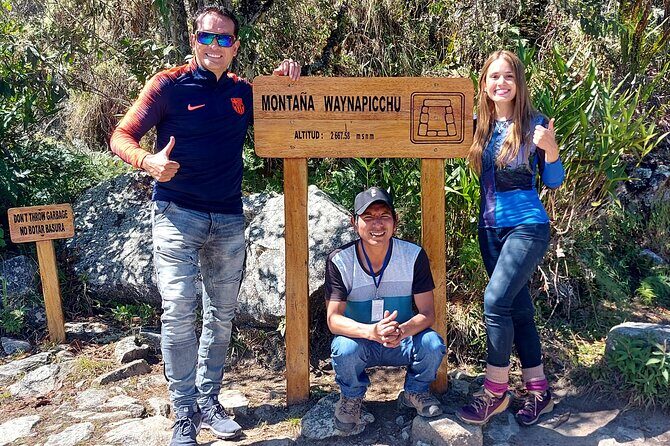
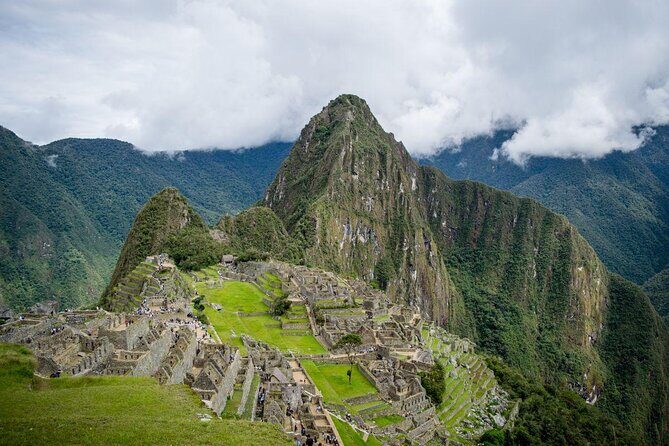
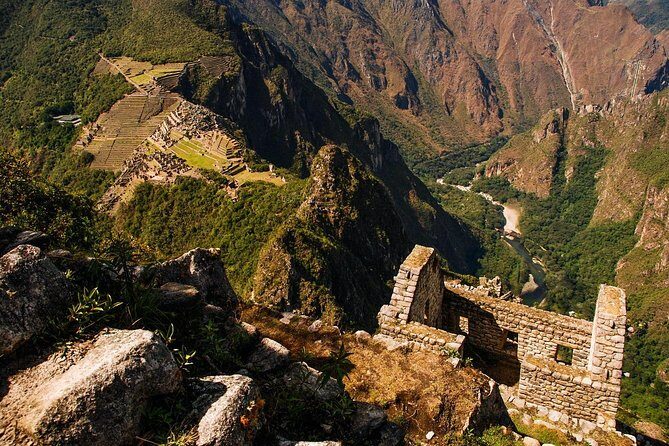
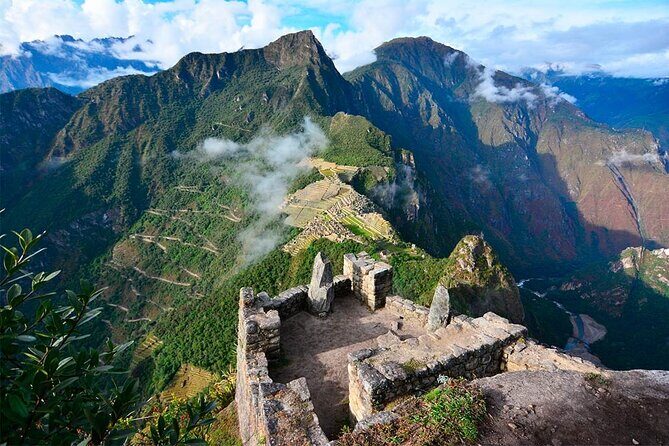
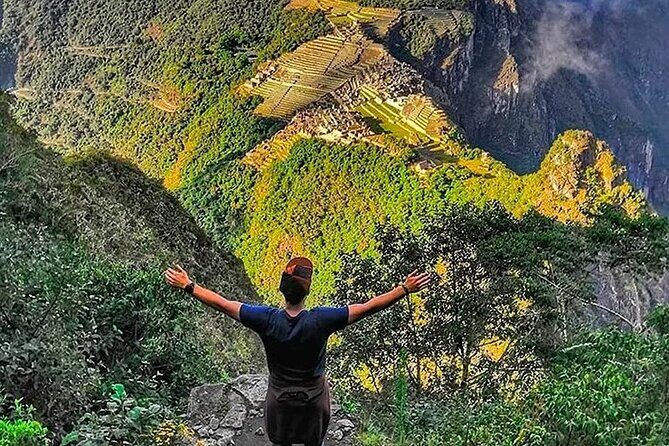
Day 2 is the big one. The tour includes the Waynapicchu / Huayna Picchu Mountain Route (Route 3-A). The headline promise is panoramic views—because the route puts you above the main citadel line.
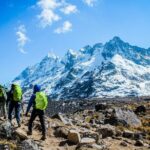
But here’s the honest part: Huayna Picchu is the one that asks for more effort. The tour notes that it requires greater physical and mental effort than the Machu Picchu walk. That’s not just warning text. The trail is steep, and you’ll feel it in your legs. You’ll also feel it in your focus. There’s no point forcing speed.
One more detail that affects your experience: there’s no guide on Huayna Picchu. A professional guide supports the overall visit, but during the mountain climb you go on your own. That can be totally fine if you’re confident following instructions, but it’s a different style than a fully guided hike.
How to make the self-guided part easier
- Start with a steady pace. If you race the first section, you’ll pay for it later.
- Keep your daypack small and secure. You don’t want to fight your gear on a steep trail.
- Go easy on camera time early; slow stops can turn into a fatigue spiral.
If you want a big-photo payoff and you’re okay with a challenging climb, Huayna Picchu is the highlight you came for. If your idea of fun is flat walking, you may prefer a less steep option—this specific tour includes Huayna Picchu, so check your comfort level.
Machu Picchu in about 4 hours: how to see the best of it
You also get a visit to the Historic Sanctuary of Machu Picchu, timed for about 4 hours on-site. That’s enough to feel the place and cover major viewpoints without treating it like a marathon.
The tour frames Huayna Picchu as the iconic steep climb, while Machu Picchu Mountain is wider and gives views of the citadel from afar. Since your day includes Huayna Picchu, you’ll likely return to the main area with a stronger sense of scale. Even if you only catch certain angles, you’ll understand how the mountain sits in relation to the buildings and terraces.
Here’s what I’d optimize: don’t try to see everything. Instead, pick your “must-hit” viewpoints and save energy for them. Machu Picchu is famous, yes, but it still rewards calm attention—water-channel thinking, terrace structure, and how the paths move people through space.
Comfort details that matter
- Plan for changing weather. The air can shift fast in the Andes.
- Wear shoes with solid grip. Stones can be slick when damp.
Price and logistics: what you’re really paying for
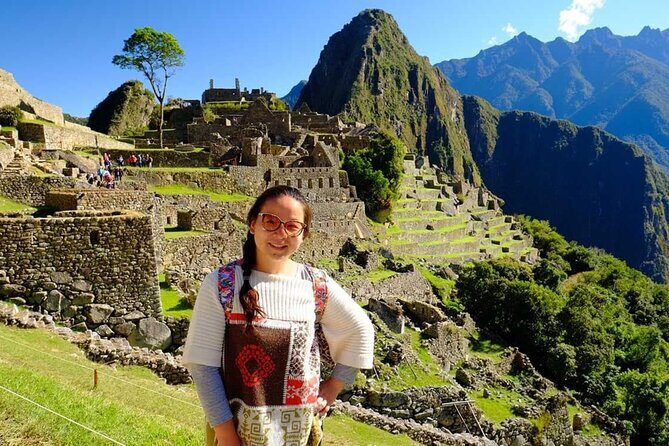
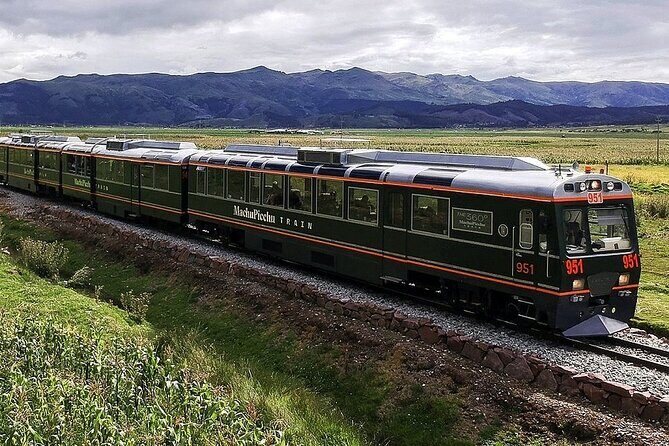
At $478.67 per person for about 2 days, the value comes from the package of core costs. Your tour includes breakfast, a train ticket segment (Ollantaytambo to Aguas Calientes), a hotel night with breakfast in Machupicchu Pueblo, and the Machu Picchu and Huayna Picchu entry plus a professional guide.
Food isn’t included, and you’ll handle your own meals in Urubamba and during the Machu Picchu area time. That’s normal for Peru day tours, but it changes the true cost of your day. Also, the tour’s schedule starts early, so you’ll need to be ready to move.
One logistics caution (worth taking seriously)
In one experience, a party member reported that they ended up separated from a close companion on the return ride to Cusco (train and bus). They were forced to split last minute before boarding, which created stress about meeting up again in town.
It doesn’t mean this will happen to you. But it does highlight something practical: when you book as a group, make sure your names and booking details match your party needs. If you’re traveling with a family member or friend who depends on you, double-check that the tour has your group seated/assigned together for the return segments. Keep a backup plan for reconnecting in Cusco in case schedules don’t align.
If you like clean organization, this is the one area to keep your eyes open.
Who this Sacred Valley and Huayna Picchu combo is for
This tour fits best if you want a full 2-day arc: textiles and salt one day, Machu Picchu plus Huayna Picchu the next.
Choose it if:
- You want history with real-world context (how farming and craft worked).
- You’re excited by engineered design and how the Andes shaped daily life.
- You’re willing to do a tougher hike on Huayna Picchu and you can handle steep steps.
- You like having a professional guide guiding the main experience—especially since in one case the guide JOHN was praised as informative and friendly.
Think twice if:
- You want a fully guided hike up the mountain (this climb is self-guided).
- You’re not comfortable with moderate walking plus an extra-demand route the same day.
- You need guaranteed same-cart/same-bus group travel with someone in your party.
Should you book this tour?
Yes—if Huayna Picchu is on your “must-do” list and you’re physically ready. This combo is strong because it teaches you the Sacred Valley story before you hit Machu Picchu. You get Chinchero’s craft detail, Moray’s microclimate idea, and Maras’ working salt tradition, then you cap it with the dramatic mountain views.
I’d book with a simple mindset: plan for the climb, pack for changing conditions, and confirm your group details for the return. If you do that, you’ll get a trip that feels like more than checkboxes—it connects places into one bigger understanding of Inca ingenuity.
FAQ
How long is the Sacred Valley and Machu Picchu with Huayna Picchu tour?
It’s listed as about 2 days.
Where does the tour start?
The start time is 6:00 am, and it’s described as near public transportation.
What does the tour cost?
The price is $478.67 per person.
Is breakfast included?
Yes. Breakfast is included, including breakfast at your hotel in Machupicchu Pueblo.
What’s included for transportation?
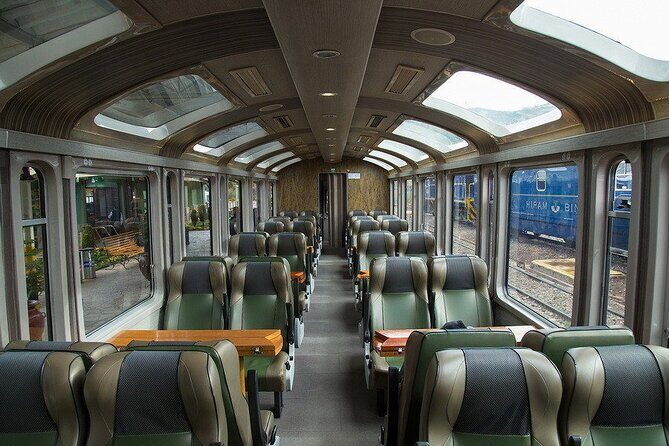
You get a Cusco tourist bus (to Ollantaytambo station and back to Cusco) and a tourist train ticket (Ollantaytambo station to Aguas Calientes and back as part of the route).
Is there a hotel included?
Yes. You get 1 hotel night in Machupicchu Pueblo (3***) with breakfast.
Are tickets to Machu Picchu and Huayna Picchu included?
Yes. Machu Picchu entry is included, and the Huayna Picchu route (Route 3-A / Waynapicchu Mountain Route) is included.
Will there be a guide on Huayna Picchu?
The tour indicates that travelers climb Huayna Picchu alone, without a guide.
Is food included during the tour?
No. Food is not included.
What fitness level do I need?
Machu Picchu walking is rated as moderate. Huayna Picchu requires greater physical and mental effort.
Is the tour private?
Yes. It’s described as a private tour/activity, with only your group participating.