REVIEW · CUSCO
Cusco: Private City Tour and Saksaywaman Visit with Transfer
Book on GetYourGuide →Operated by Andina Expeditions · Bookable on GetYourGuide
Four hours, and Cusco clicks into focus. This private tour is built to give you a smart first look at Inca architecture and engineering around Cusco, then finish with two heavyweight cultural stops: the Cusco Cathedral and Koricancha. I love how the route strings together the big names without feeling rushed, and I also like that the guide connects what you see to what it likely meant for the Incas. One possible drawback: entrances are extra, and Cusco altitude can make even a short day feel like effort, so pacing matters.
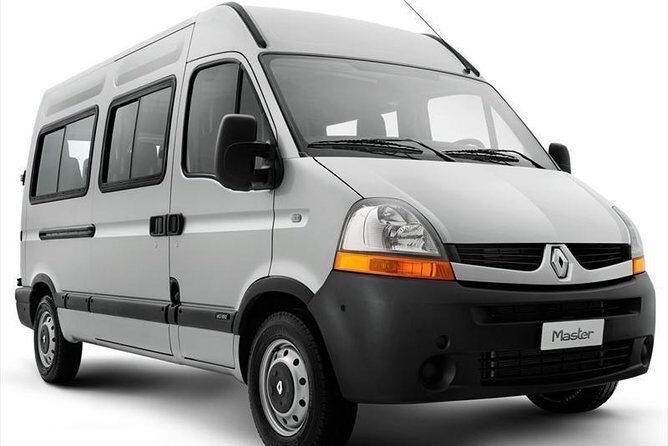
You start with hotel pickup and a private van, and you get a live guide in English, Quechua, or Spanish. It’s also one of those rare tours that includes snacks, which sounds minor until you’re standing in the sun wondering why your stomach is protesting.
In This Review
- Key highlights to focus on
- A Cusco intro that actually helps you orient
- Sacsayhuaman: reading Inca stonework like a puzzle
- Tambomachay: the Temple of Water is more than a pretty fountain
- Q’enqo: Puma temple sights plus a reality check on funerary practice
- Cusco Cathedral: colonial art, and a seriously shiny collection
- Koricancha near Plaza de Armas: Sun Temple in the middle of the city
- Price and logistics: when $80 feels fair
- How to handle altitude and still enjoy every stop
- Who this tour suits best, and who should be cautious
- Should you book it?
- FAQ
- How long is the Cusco private city tour and Sacsaywaman visit?
- What is the price per person?
- Does the tour include hotel pickup and drop-off?
- Are entrance fees included in the price?
- What sites does the tour visit?
- What languages are available for the live guide?
- Is the tour private?
- Are snacks included?
- What should I bring?
- Is it okay to drink alcohol or use drugs during the tour?
Key highlights to focus on
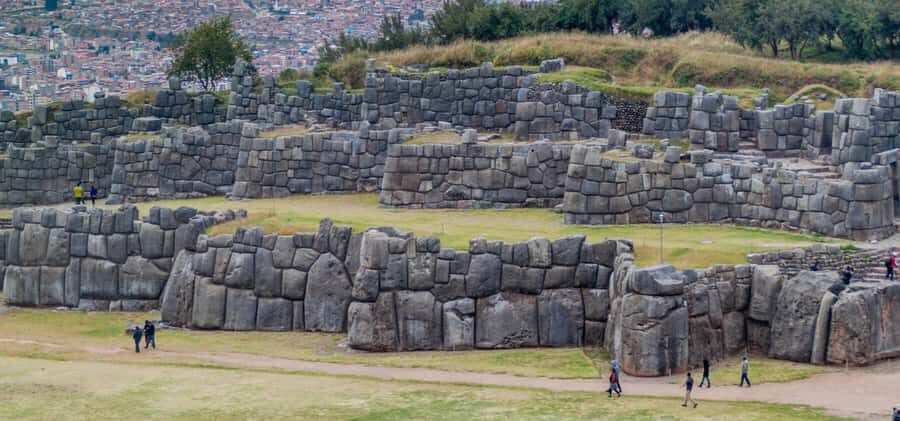
- Inca engineering at Sacsayhuaman: massive stonework explained in plain language
- Tambomachay’s Temple of Water: impressive water fountains with context
- Puka Pukara nearby: an ancient fortress stop without extra hassle
- Q’enqo + beliefs: a Puma temple moment and a guided look at mummification practices
- Cusco Cathedral interiors: colonial paintings plus a huge gold and silver collection
- Koricancha close to Plaza de Armas: Sun Temple visit within easy reach of central Cusco
A Cusco intro that actually helps you orient
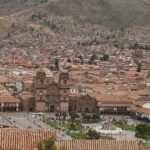
Cusco can feel like a maze when you’re new here. Streets twist, hills rise, and the history is everywhere, so it’s easy to see impressive things without really understanding what you’re looking at. This tour is designed to solve that problem fast.
In about four hours, you cover a chain of major sites around the city, then work back into the historic center for the cathedral and Koricancha. The value isn’t just the attractions. It’s the way they’re paired: Inca engineering outside the core, then religious and cultural landmarks in the center, all with an expert guide to connect the dots.
And because it’s private, you’re not sharing the rhythm with strangers who move at a different speed. That matters in Cusco, where you want breaks and clean transitions between stops.
You can also read our reviews of more city tours in Cusco
Sacsayhuaman: reading Inca stonework like a puzzle
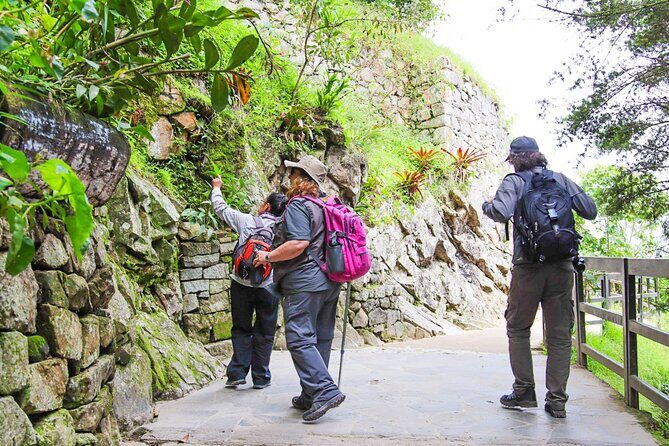
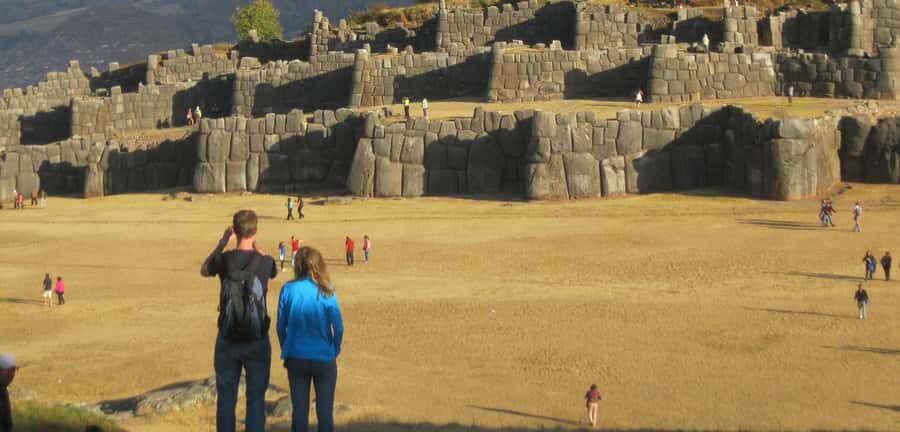
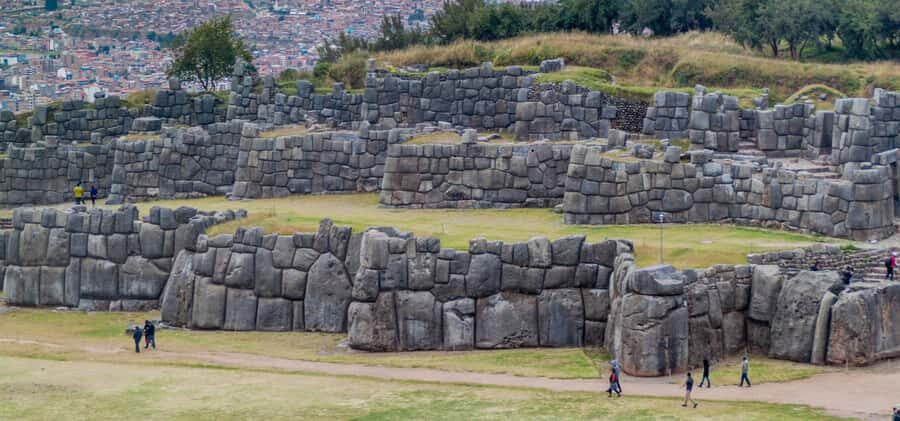
Sacsayhuaman is the headline stop for a reason. You’ll drive from Cusco and spend about 40 minutes at this major archaeological site overlooking the city. It’s one of the clearest examples of Inca architecture and engineering, and the guide’s job is to help you notice details you might otherwise miss.
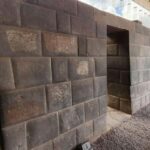
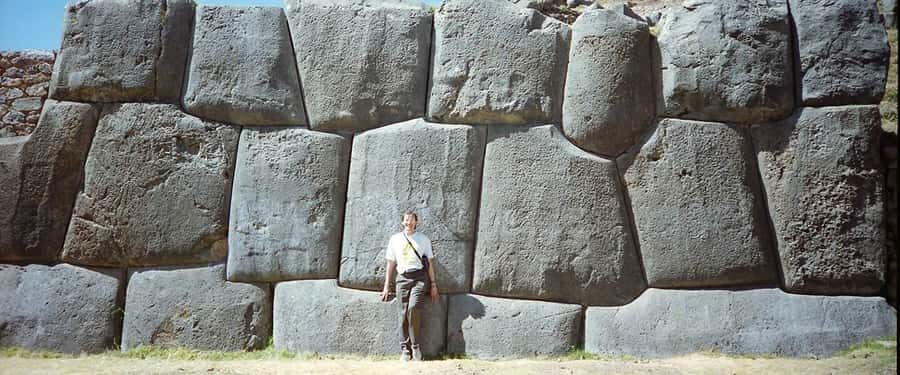
You’ll get a guided walkthrough of how the construction is organized and what makes the site so significant in the Cusco area. Even if you don’t get technical, you can still get the feel: these stones weren’t placed casually. The scale and precision are the whole point.
Entrance for Sacsayhuaman is 70 soles, so budget that into your mental math. What I like about including it on a private tour is timing control. You can take your photos, listen for the interpretation, and not feel like you’re constantly catching up to a group.
One practical tip from the vibe of the guides: some groups have had support when altitude starts to hit. In the reviews, the team is described as accommodating if someone isn’t feeling great. That’s reassuring, because Sacsayhuaman can be a bit exposed and the air can feel thin.
Tambomachay: the Temple of Water is more than a pretty fountain
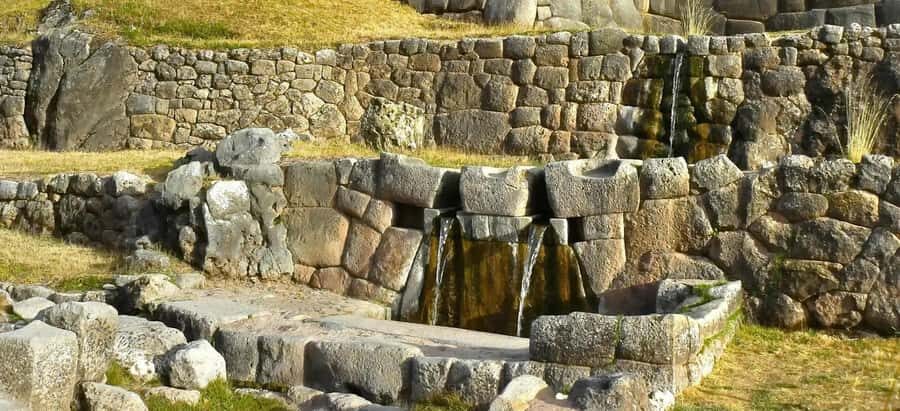
After Sacsayhuaman, you’ll head to Tambomachay, usually described as the Temple of Water. Plan on about 30 minutes here. The big visual payoff is the water fountains, but the tour focus is how the site fits into Inca knowledge and use of water.
This is one of those stops where a guide turns a quick look into a real understanding. You’re not just passing fountains. You’re learning why the Incas cared about water systems so much, and how Tambomachay’s features relate to the broader Inca approach to controlling and using natural resources.
Right near Tambomachay, you also visit Puka Pukara, an ancient Inca fortress. This extra stop takes about 15 minutes, but it changes the tone. One moment you’re thinking about water; the next you’re looking at a defensive-feeling structure and getting the bigger picture of how different functions could live close together in the same landscape.
Entrance costs are not included for this area either, but Tambomachay and the related sites are still part of the same guided circuit. The net effect is you get more meaning per hour.
Q’enqo: Puma temple sights plus a reality check on funerary practice
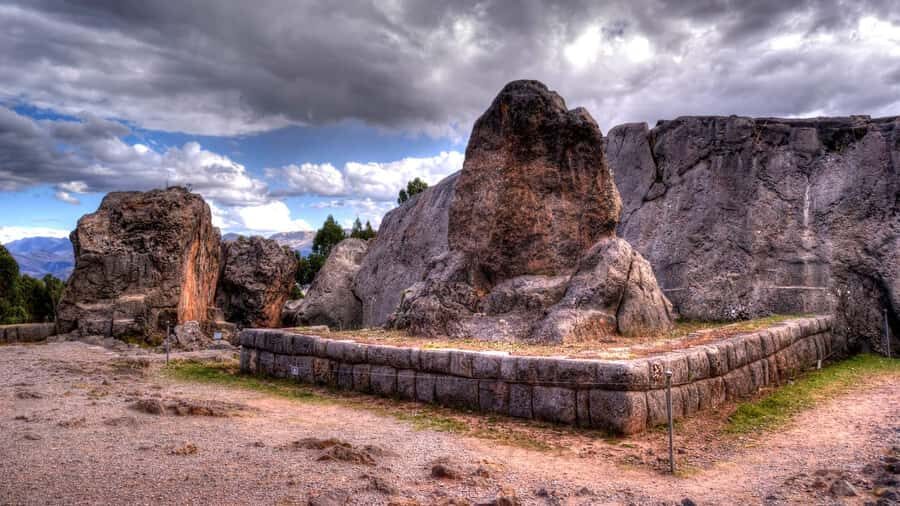
Next is Q’enqo, typically scheduled for about 20 minutes. This is the kind of archaeological complex that can look confusing if you’re only half paying attention. With a guide, it becomes clearer fast.
You’ll hear about Q’enqo as a temple for the Puma. That identity matters because it gives you a framework for noticing carvings and layout. The tour also includes an explanation of how the Incas used to mummify their people. That piece adds weight to the visit; it shifts the experience from scenery to belief systems and ritual life.
A quick note on expectations: funerary topics can feel intense, depending on your comfort level. The tour data doesn’t say it’s graphic, so keep your expectations respectful and focus on the cultural explanation. A good guide keeps it factual and grounded.
If you’re traveling with someone who isn’t into archaeology details, Q’enqo can still land well because it connects place to belief, not just stone.
Cusco Cathedral: colonial art, and a seriously shiny collection
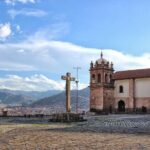
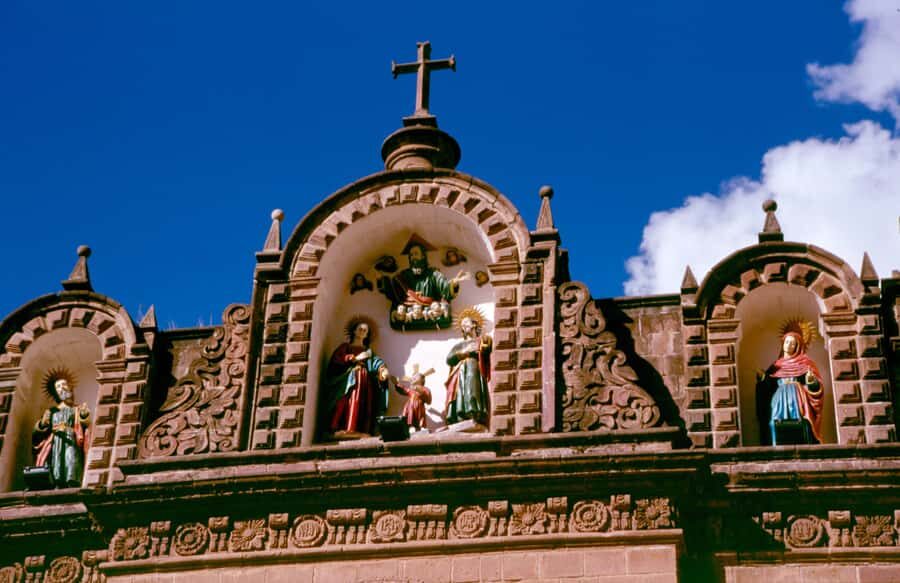
Back in town, you’ll visit the Cusco Cathedral for about 45 minutes. This is where the tour shifts from Inca-era sites to colonial religious art, and it’s a striking contrast.
The cathedral is described as holding more than 2000 kilos of silver and more than 1500 kilos of gold, plus spectacular paintings from colonial times. Even if you’ve seen grand cathedrals elsewhere, the mix of materials and artwork here gives you a sense of how power and faith were displayed in colonial Cusco.
Entrance for the cathedral is 40 soles, so again, this tour is only partly all-in until you add site fees. I like that the schedule still gives you enough time for the guided highlights. You’re not just walking through doors; you’re following a story.
Practical mindset: cathedral visits in Cusco are often easiest when you dress and move calmly. You may want to keep your camera ready, since a camera is specifically suggested as something to bring.
You can also read our reviews of more private tours in Cusco
Koricancha near Plaza de Armas: Sun Temple in the middle of the city
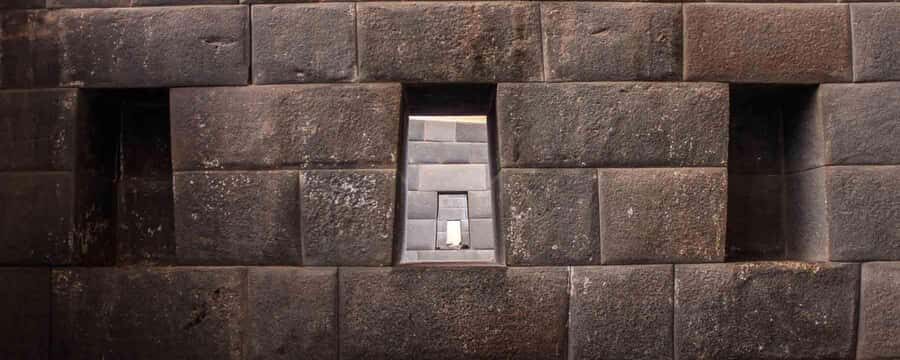
The final major stop is Koricancha, also called the Sun Temple. It’s located only about two blocks away from Cusco’s main square, and you’ll spend around 40 minutes here.
Koricancha is a meaningful capstone because it ties together the tour’s theme of sacred spaces. Inca architecture and belief aren’t just on distant hills; they’re woven into the city’s core. Finishing here makes sense if you want an end-point you can easily return from, especially if you plan to keep exploring on your own afterward.
Entrance for Koricancha is 15 soles. On a private tour, this stop works well because you can linger just enough for photos and interpretation without feeling like you’re cutting into your ride time.
If you like your tours to end with something walkable and central, this one does that. You’re close to the plaza area once you’re done.
Price and logistics: when $80 feels fair
The price is $80 per person for a four-hour private tour. What you’re paying for is not only the guide, but the private van, hotel pickup and drop-off, and snacks.
That’s the practical value for me: you don’t have to figure out which taxi, which stops, or how to stitch together multiple sites in a tight window. With Cusco’s elevation and street layout, saving time and stress is often worth more than a cheaper option that leaves you planning on the fly.
Where the price can surprise you: entrances are not included. You’re looking at:
- Sacsayhuaman: 70 soles
- Cusco Cathedral: 40 soles
- Koricancha: 15 soles
So your real total depends on whether you book with or without factoring those fees. Still, even with entrances, the structure makes sense because you get guided time at each major stop rather than hopping around independently.
One more value point: the guide language can be English, Quechua, or Spanish. In reviews, Patricia and Alfredo are both mentioned as guides who provided excellent explanations and kept things engaging. That sort of guide energy is hard to replicate when you travel solo.
How to handle altitude and still enjoy every stop
Cusco altitude is real. Even if you’re active at home, you might feel your breathing change here, especially during outdoor segments.
This tour doesn’t claim to be an altitude cure, but the team has a track record of being accommodating. In one review, the group noted they weren’t feeling great due to altitude, and the team adjusted along the way. That’s the kind of support you want in your corner.
My advice for making the four hours easier:
- Take it slow at the first outdoor sites, especially Sacsayhuaman.
- Use the snacks on schedule so you’re not traveling hungry.
- Bring a camera, because you’ll want it for stonework, water features, cathedral art, and Koricancha.
- Skip alcohol and drugs during the tour. The activity explicitly says they’re not allowed anyway, and it’s also a smart choice when you’re dealing with elevation.
If you’ve never visited Cusco before, this is also a good tour style to start with: guided, compact, and designed to keep you moving through the right places without turning the day into a marathon.
Who this tour suits best, and who should be cautious
This is a strong fit if you:
- Want a first-timer orientation to Cusco’s major cultural and archaeological highlights
- Prefer private pacing with a guide who explains what you’re seeing
- Like architecture and engineering topics, not just scenic viewpoints
- Want to cover multiple “must-see” stops in one afternoon window
It’s not suitable for babies under 1 year, and it’s also listed as not suitable for people over 95 years. If you fall into either category, you’ll want to choose a different format that better matches your needs.
Also, if you’re traveling with someone who dislikes religious interiors, plan your expectations for the cathedral and Koricancha. These two stops are central to the cultural story of Cusco, and they’re not optional in this circuit.
Should you book it?
I’d book this tour if you want a guided Cusco overview that connects Inca sites to meaning, then switches to colonial art in a way that feels like a full story, not a checklist. The private van, pickup/drop-off, and snacks make the experience smoother than building a plan on your own, and the guide support can matter a lot when altitude is making you feel off.
If entrances would be a dealbreaker for you, or if you already know you’ll want to spend far longer at just one or two sites, then you might consider a longer, more site-specific day. But for most first-time visitors, this is one of the cleanest ways to get your bearings fast and come away with understanding, not just photos.
FAQ
How long is the Cusco private city tour and Sacsaywaman visit?
It lasts 4 hours.
What is the price per person?
The price is $80 per person.
Does the tour include hotel pickup and drop-off?
Yes. Hotel pickup and drop-off are included, and pickup is optional if you prefer a different start point.
Are entrance fees included in the price?
No. Entrances are not included. Sacsayhuaman is 70 soles, the Cusco Cathedral is 40 soles, and Koricancha is 15 soles.
What sites does the tour visit?
It includes Cusco Cathedral, Koricancha, Sacsayhuaman, Q’enqo, Tambomachay, and Puka Pukara.
What languages are available for the live guide?
The live tour guide is available in English, Quechua, and Spanish.
Is the tour private?
Yes. Private group options are available, and it’s a private tour with a private van.
Are snacks included?
Yes. Snacks are included.
What should I bring?
Bring a camera.
Is it okay to drink alcohol or use drugs during the tour?
No. Alcohol and drugs are not allowed.