REVIEW · CUSCO
Titicaca Lake 2 Day 1 Night from Cusco to Puno
Book on Viator →Operated by MACHUPICCHU TOURIST CONNECTION · Bookable on Viator
Floating islands at 3,800 meters feel unreal. This 2-day, 1-night Lake Titicaca trip links Cusco and Puno with a guided bus route full of Inca-era and colonial stops, then swaps into a full-day boat outing to the Uros floating islands and Taquile Island.
I especially liked the way the long travel day is broken up with smart stops—Andahuaylillas and Raqchi are the kinds of places you’d struggle to piece together on your own without wasting time. And on the lake, my highlight was the blend of scenery and everyday life on the reed-made Uros islands, plus time on Taquile where local traditions shape the experience. On one trip, the guide named Manuel set a confident, friendly tone.
One consideration: the timing is a little trickier than the label suggests. You’ll sleep in Puno for one night, but the return to Cusco also includes an overnight bus, so it can feel like 2 days and 2 nights depending on what you’re expecting.
In This Review
- Quick hits before you go
- Cusco to Puno: the Sun Route, not just a transfer
- Andahuaylillas: the Sistine Chapel of America (and a huaca)
- Raqchi archaeological complex: Wiracocha’s temple focus
- Sicuani and the lunch break: fuel for the high pass day
- La Raya Pass at 4,338m: quick Andes views, then onward
- Pucará (Pukara): monolithic sculptures and patterned pottery
- Lake Titicaca day: the boat is the whole point
- Uros floating islands: totora-made homes and an ancestral community
- Taquile Island: culture through contact, plus lake trout lunch timing
- Returning to Puno, then the overnight bus to Cusco
- Price and value: what you’re really paying for at $269
- Comfort and group size: small enough for attention, big enough for pace
- What to pack for cold lake air and early pickups
- So, should you book this Titicaca 2D1N from Cusco to Puno?
- FAQ
- What is the total duration of the tour?
- What time is pickup in Cusco?
- What time is pickup in Puno for the boat day?
- Which islands do we visit on Lake Titicaca?
- Is lunch included on both days?
- What accommodation is included?
- Are archaeological site entry tickets included?
- Is there a cancellation window?
Quick hits before you go
- Sun Route stops: Andahuaylillas, Raqchi, Pucará, plus a quick look at La Raya Pass
- Uros + Taquile by boat: totora reed islands in the morning, island culture in the afternoon
- Guides and navigation: multiple handoffs, but you’re not left figuring routes out solo
- A realistic itinerary pace: long days, early mornings, and cold-altitude conditions
- Price that covers big transport pieces: bus segments + boat fares + guided entries included
- One schedule wrinkle: return includes overnight bus time, not just a straight daytime ride
Cusco to Puno: the Sun Route, not just a transfer
This isn’t only a bus ride. It’s a structured day of stops on the way from Cusco to Puno, starting with hotel pickup at 6:30 a.m. in Cusco. You’ll go by tourist bus with scheduled viewpoints and archaeological breaks, arriving in Puno around 5:30 p.m. and transferring you to your accommodation.
Why this matters: Cusco to Puno can be logistically annoying if you try to DIY it—timing, knowing where to stop, and finding reliable transport all take time. With this format, you get a guided flow so you can concentrate on the sights instead of the math.
The trade-off is that you’re in “move mode” most of the day. This works best if you like getting your bearings fast and seeing multiple places in one go, even if it means the day feels busy.
You can also read our reviews of more evening experiences in Cusco


Andahuaylillas: the Sistine Chapel of America (and a huaca)
Your first major stop on the Cusco-to-Puno day is Andahuaylillas, featuring the Church of San Pedro de Andahuaylillas. The visit is about 40 minutes, and it’s described as the Sistine Chapel of America due to how striking the interior is. The key idea here is that it sits on a sacred Inca huaca site, so it represents the layered overlap of Spanish colonial and pre-Columbian meaning.
What I like about this stop: it’s short enough to stay energetic, but it gives you context for why Andean places often have both spiritual and political weight. If you pay attention to what the guide highlights—especially the “built on a huaca” detail—you’ll get more out of the church than just admiring decorations.
Raqchi archaeological complex: Wiracocha’s temple focus
Next up is the Parque Arqueológico de Raqchi, with about 50 minutes allocated. The complex centers on the Temple of Wiracocha, built in honor of the god Wiracocha. The site is organized into different areas with specific functions, so it feels more like a working ceremonial space than a random pile of ruins.
A practical note: with only 50 minutes, don’t expect deep reading time. Go in with the mindset that this is a guided “big picture” visit—enough to understand what you’re looking at so later, when you see other sites, you’ll start noticing patterns.
Sicuani and the lunch break: fuel for the high pass day
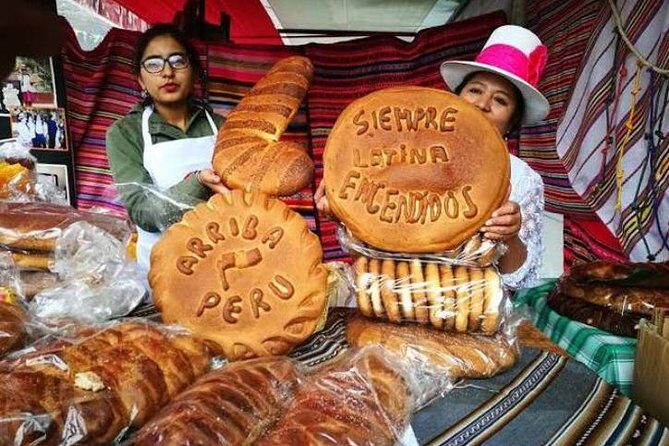
You’ll reach Sicuani for a buffet lunch. This stop is listed as 1 hour. Food timing matters a lot on routes like this because you’ll later hit La Raya Pass at a very high altitude, and hunger plus cold can make everything feel harder.
I like that lunch is included day one. It reduces the “where do we eat now?” stress and helps you keep a steady pace into the next stops.
La Raya Pass at 4,338m: quick Andes views, then onward
At La Raya Pass (about 4,338 meters), you get roughly 10 minutes for photos and mountain views as you pass the regional boundary between Cusco and Puno. The practical benefit is that you get a taste of the Andean highlands without turning the whole trip into a long hike.
Altitude reality check: even if you’re acclimated, cold air + high elevation can sap energy fast. This is where you’ll feel most tempted to pull on layers immediately, take slow breaths, and remember water intake.
You can also read our reviews of more tours and experiences in Cusco
Pucará (Pukara): monolithic sculptures and patterned pottery
Your next archaeological stop is Pukará, with about 30 minutes. The site is described for impressive monolithic sculptures with geometric variety, plus images that can be zoomorphic and anthropomorphic. You’ll also hear about multi-colored pottery in a range of shapes.
Why it’s worth your time: this stop rounds out the day. You’re not only seeing one type of Inca legacy—you’re seeing a different archaeological mood and visual language. It also breaks the travel day into “real stops” rather than a straight shot between Cusco and Puno.
Lake Titicaca day: the boat is the whole point
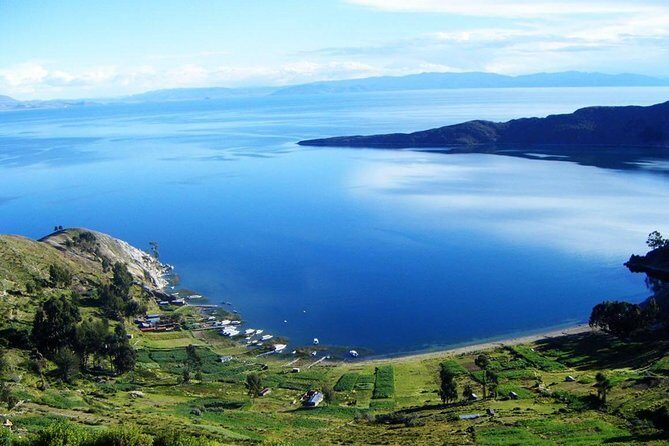
Once you’re in Puno, the next morning starts early. Pickup from your Puno hotel is 6:45 a.m. for a full day on Lake Titicaca, returning to Puno around 5:00 p.m. You’ll also have the option to visit Puno on your own after you get back to town.
The lake itself is one of those places where the water, sky, and altitude all feel connected. Titicaca is described as the highest navigable lake in the world and one of South America’s largest lakes, sitting on the border between Peru and Bolivia. You’ll also be in the Titicaca National Reserve area, where rare aquatic species like giant frogs live—meaning the lake isn’t just scenic, it’s protected and alive.
The schedule here is long, but it’s the most “you’re really in Peru” part of the trip.
Uros floating islands: totora-made homes and an ancestral community
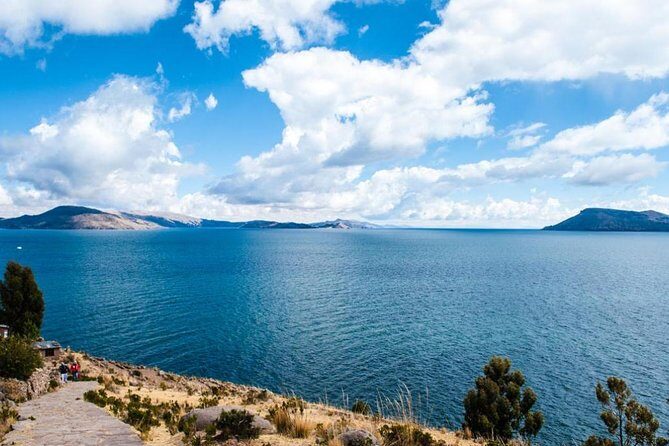
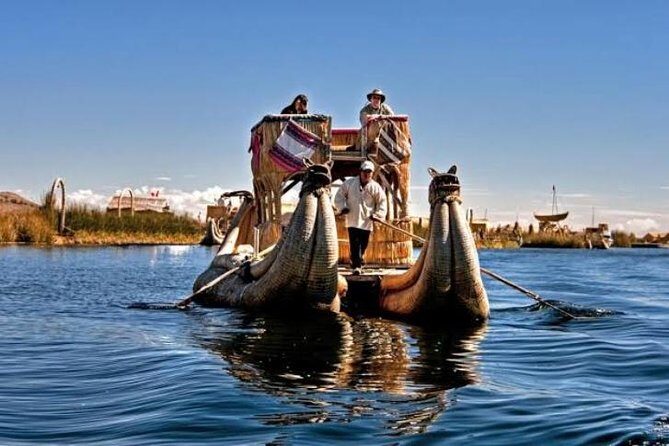
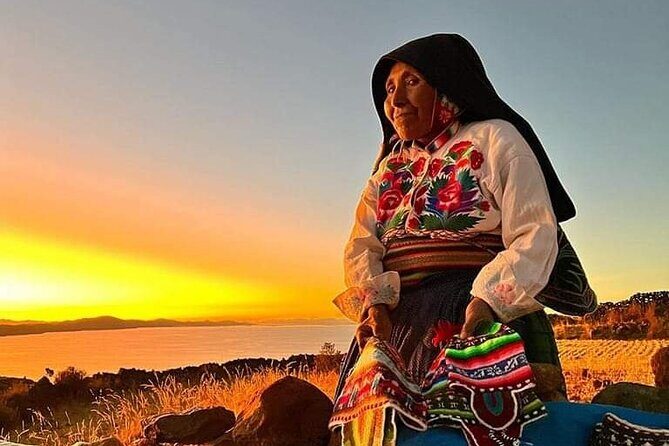
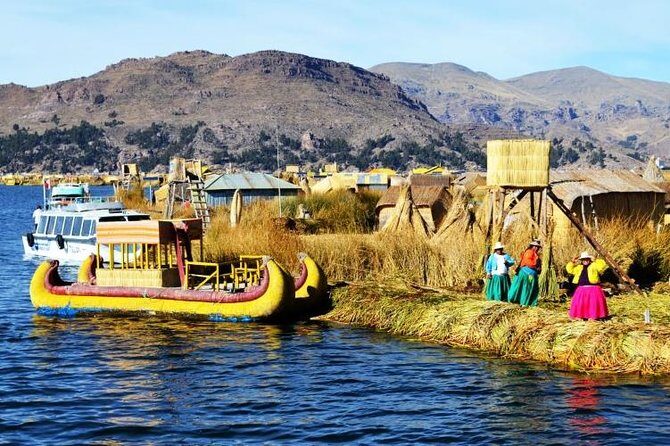
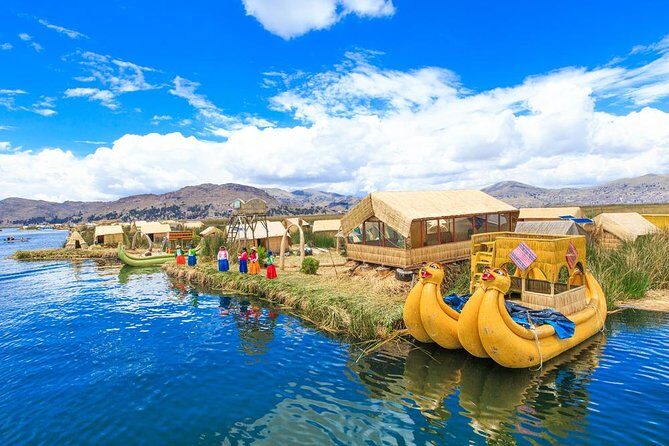
Your morning island stop is the Uros floating islands, which are built from totora (an aquatic plant). The islands are constructed as habitable platforms, built by layering woven totora mats over overlapping roots. The people of the islands—described here as the ancestral Uros—live on these structures, so you’re not only looking at something artificial. You’re seeing an ongoing way of life.
Expect your guide to explain how the islands are maintained and how daily routines work on the water. This stop is typically about 1 hour. That’s a good length: long enough to get oriented and ask questions, not so long that the day turns into a slow shuffle.
One small reality check: because this is a highly visited stop, you’ll get the most out of it if you ask practical questions rather than only taking photos. How people work on the islands, what’s changed, and what remains traditional are the kinds of angles that make it feel human.
Taquile Island: culture through contact, plus lake trout lunch timing
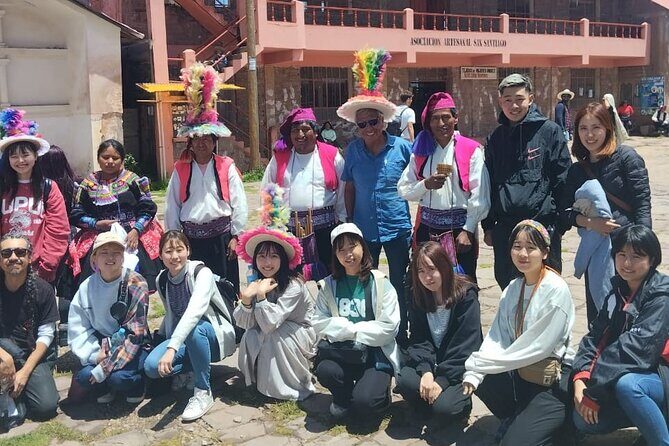
After the Uros islands, the trip continues to Taquile Island for about 1 hour of visit time. The emphasis on Taquile is different: instead of reed-based engineering, the focus is on experiential tourism—contact with the customs and tasks of the people living there, plus how local beliefs link the island’s hills and protective apus (sacred mountain spirits).
Then comes lunch. The itinerary notes lunch on Taquile with lake trout, but it’s listed as not included. That’s an important detail: your day includes island visits, but your meal on Taquile may be on you.
My advice: if you’re sensitive to budget surprises, ask your coordinator the night before about the expected cost range for lunch on Taquile. Even if you don’t splurge, having a number in mind keeps things calm.
Returning to Puno, then the overnight bus to Cusco
After the lake day, you return to Puno at 5:00 p.m. You can either go back to the hotel or spend some time in Puno on your own before the next pickup.
Here’s where your schedule perception matters. At 9:15 p.m., you’ll be picked up from your Puno hotel to return toward Cusco, and the trip ends at the Cusco terminal the next day around 5:00 a.m. In practice, this means you’ll have one night in Puno, plus sleep time on the return bus.
That’s one reason some people feel the trip is longer than the headline suggests. If you hate overnight transit, you might feel worn down by the end. If you’re okay with “sleep while moving” travel, the overnight bus is a smart way to connect two regions without wasting another full day.
Price and value: what you’re really paying for at $269
At $269 per person, you’re paying for a lot of “moving parts,” and that’s the key to judging value here.
Included items that drive the price:
- Guided transport and explanation through multiple stops
- Tourist bus Cusco → Puno with scheduled archaeological and scenic breaks
- Professional guide on the itinerary
- Boat fare for the Uros and Taquile visits
- Accommodation in Puno (hostel-style lodging is referenced)
- Return bus Puno → Cusco
Not included (and worth planning for):
- Tips
- Lunch on Taquile (listed as not included)
Is it a bargain? It’s not a low-cost trip, but it does group together the hardest logistics: long-distance transportation, entry planning, and the boat segments. If you were to DIY this, you’d likely spend time coordinating buses and boat schedules, then still pay for a guide or tickets at some point.
Where the value can feel better: if you want the archaeological stop variety on the way, plus the lake boat day without stress. Where it can feel worse: if you’d prefer to travel slowly and only do the lake part, or if the overnight bus timing doesn’t match your style.
Comfort and group size: small enough for attention, big enough for pace
The group size is capped at 15 travelers. That’s a sweet spot: small enough that guides can manage questions, large enough that you’re not stuck waiting for a van that never arrives.
The itinerary also involves multiple handoffs. The upside is clear logistics: you’re guided through transitions. The downside is that you might feel like you’re meeting a new person at each stage, rather than having one consistent guide from start to finish.
Buses are described as comfortable in the feedback, and that matters on these long routes.
What to pack for cold lake air and early pickups
This trip asks a lot of your body: early mornings, high altitude, and a full day outside on the water. Pack accordingly.
Bring:
- A personal light backpack
- Hiking shoes
- Cold clothing
- Rain jacket or rain poncho
- A hat and sunscreen
- Sunglasses (helpful on bright lake days)
- A plastic bag for wet items
- Personal medication
- Energy bars (not included)
- A small budget in soles for things like lunch on Taquile and snacks
Also, the advice given is to acclimatize before the trip and consider drinking coca tea. Even if you’re used to altitude, it’s smart to take this seriously when you’re heading to areas above 4,000 meters.
So, should you book this Titicaca 2D1N from Cusco to Puno?
If you like organized travel, this is a good fit. You’ll get the strongest parts of the region—Cusco-to-Puno archaeological stops and a full day on Lake Titicaca—without spending your time coordinating buses and boat timing.
You should think twice if:
- You expected only one overnight away from Cusco and hate the idea of sleeping on the return bus
- You’re very sensitive to communication gaps and prefer lots of upfront detail about lodging specifics
- You want your guide’s focus to stay strictly on Inca/archaeology and not broader spiritual or unusual topics (some people prefer a tighter historical lens)
My bottom-line call: book it if you want a structured, efficient way to see more of this region in less time. If you’re a slow-travel person, consider switching to a lake-focused itinerary where you control the pace.
FAQ
What is the total duration of the tour?
The tour is listed as 2 days. In practice, it includes 1 night in Puno and an overnight bus return to Cusco, with arrival at about 5:00 a.m. the next day.
What time is pickup in Cusco?
Pickup in Cusco is at 6:30 a.m. from your hotel.
What time is pickup in Puno for the boat day?
Pickup in Puno is at 6:45 a.m. for the Lake Titicaca boat portion.
Which islands do we visit on Lake Titicaca?
You visit the Uros floating islands and Taquile Island, with boat fare included for both.
Is lunch included on both days?
A buffet lunch is included on day 1. Lunch on Taquile is listed as not included.
What accommodation is included?
You get overnight accommodation in Puno (hostel-style lodging is referenced).
Are archaeological site entry tickets included?
Many stops include admission, and the itinerary lists admission tickets as included for sites like Raqchi, La Raya Pass, and the island visits.
Is there a cancellation window?
Yes. You can cancel up to 24 hours in advance for a full refund. Cancellation changes within 24 hours of the start time are not refundable.