REVIEW · CUSCO
Cusco to Puno Tourist Bus with Cultural Stops and Lunch
Book on Viator →Operated by Tangol · Bookable on Viator
That morning bus ride turns into a real route. This Cusco to Puno day trip stacks major culture stops, a hearty Sicuani buffet lunch, and high-altitude scenery into one easy plan. You’ll see the famed Andahuaylillas church, the Inca-era feel of Raqchi, the pass views at 4,335 m, and end with stone-and-ceramics at Pucara.
What I like most is the pacing that keeps the day moving without feeling like a sprint, plus the small comforts that matter at altitude: onboard hot and cold drinks and time to stretch at each stop. The one caution: it’s still a long ride, and conditions like heat or AC can vary depending on where you sit and how the bus is running that day.
In This Review
- Key highlights to know before you go
- Why This Cusco-to-Puno Bus Tour Feels Like a Real Route Day
- Price and Value: What You’re Really Paying For
- The Morning Plan: Boarding at 6:30, Starting at 7:00, Arriving at 5:00
- Stop 1: Andahuaylillas (San Pedro Apostol) and the Baroque Church You’ll Remember
- Stop 2: Raqchi and the Temple of Wiracocha at 3,450 m
- Lunch in Sicuani: Buffet Food and Coca-Mate Style Drinks
- La Raya Pass: The 4,335 m High Point for Snow Views and Photos
- Museo Litico Pukara: Monoliths, Stone Sculpture, and Ceramics
- Comfort on Board: Drinks, Seat Quality, and Altitude Help
- Timing Reality Check: Why This Day Can Feel Long
- Who Should Book This (and Who Might Skip It)
- Should You Book This Cusco to Puno Bus Tour?
- FAQ
- How long is the Cusco to Puno bus tour?
- What time do you board and when does the tour start?
- Are lunch and drinks included?
- Which languages are the guides?
- Do entrance tickets to the stops come with the tour?
- Are photos allowed at all stops?
- What should I bring for the day?
- Is pickup and drop-off included from your exact hotel?
Key highlights to know before you go
- Andahuaylillas church without rushing: a short visit to Peru’s Baroque spectacle (with photo limits)
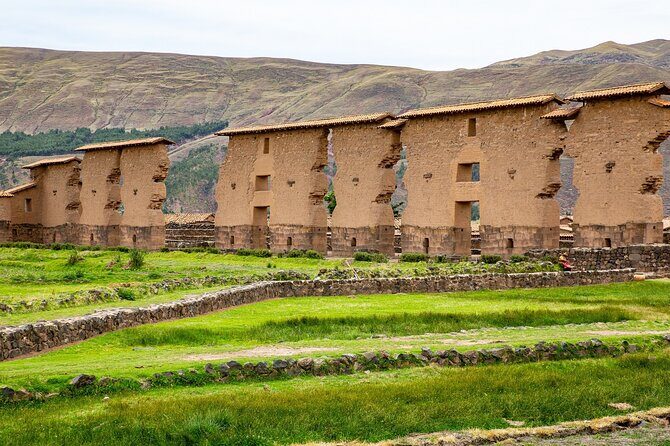
- Raqchi’s Wiracocha temple vibe: big stone walls, plus storage structures called colcas
- Sicuani buffet lunch included: local and regional dishes, vegetables, desserts, and coca-mate style drinks
- La Raya Pass at 4,335 m: the high-point stop for photos and cold air
- Pucara museum of monoliths and ceramics: focused collection, good last cultural stop
- Group size capped at 30: easier than a giant coach when timing matters
Why This Cusco-to-Puno Bus Tour Feels Like a Real Route Day
Going from Cusco to Puno on a standard bus can be fast and efficient. This option adds meaning to the journey. You’re not just traveling time-you’re moving through classic south-highlands stops, with short guided visits that help you understand what you’re looking at.
The best part is that each stop fits the day’s rhythm: a church first, then an Inca-style landscape of ruins, then food, then the high pass viewpoint, and finally a museum. It’s a full arc. And because the bus includes service onboard and coordinated timing, you spend less time negotiating the day and more time actually seeing.
If you like travel that teaches as it transports, this works well. You’ll get context quickly, not just photos and place names.
You can also read our reviews of more tours and experiences in Cusco

Price and Value: What You’re Really Paying For
At $72 per person for about 8 hours, the value comes from what’s wrapped into the day. You’re paying for the coach, guided storytelling (in Spanish and English), onboard drinks, and a buffet lunch. On top of that, the tour includes entry tickets for the major stops (with an option to handle entrances yourself depending on the ticket choice).
If you’ve ever tried to piece together Cusco to Puno plus stops plus lunch, the cost adds up fast. Here, the day is planned end to end. And because the max group size is 30 travelers, it’s easier for the guide to keep everyone moving at a workable pace.
One practical tip on value: if you pick the option without ticket entrances, you’ll need to get them at each stop. That can be totally fine, but it changes how smooth the visits feel when you’re juggling time and lines.
The Morning Plan: Boarding at 6:30, Starting at 7:00, Arriving at 5:00
This tour runs like a single-day system. Boarding starts at 6:30 AM, and the activity starts at 7:00 AM. You’ll be dropped off in Puno at around 5:00 PM, so plan your evening there accordingly.
You’ll also want to remember that you don’t get included transfers from your exact hotel to the bus station in Cusco or Puno. The itinerary is strong, but you still handle the first and last mile on your own. If you’re staying near public transportation, it’s simpler.
Size matters too. With a cap at 30, you can still expect the typical bus-day feeling, but it’s less chaotic than bigger tours. That’s a real quality-of-life factor when you’re hopping in and out at multiple sites.
Stop 1: Andahuaylillas (San Pedro Apostol) and the Baroque Church You’ll Remember
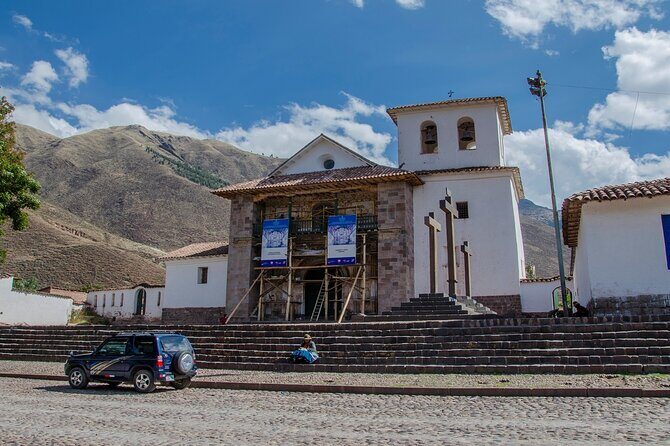
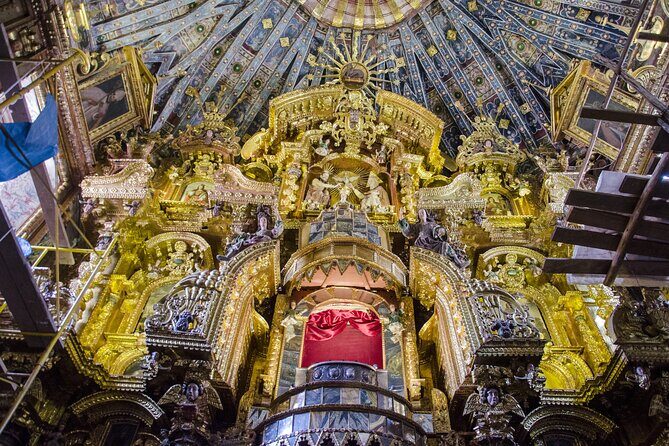
Your first cultural stop is in Andahuaylillas at about 3,093 meters. This is where the day gets visually dramatic. The church is known for its Baroque decoration and its gold-leaf artwork, often compared to a grand Renaissance chapel experience.
You’ll spend about 25 minutes here with an admission ticket included. Just go in knowing the rules: no photos and no videos inside the chapel. That restriction can feel abrupt, but it’s also the reason the place often lands with people emotionally-you’re looking, not filming.
What makes this stop worth your time is how the design and paintings are tied to the local Cusco school and artists from the period. The ceiling and walls are covered in Baroque-style detail, including works by Luis de Reaño. Even if you’re not an art expert, the impact is immediate: you’ll see craftsmanship, not just ruins.
Stop 2: Raqchi and the Temple of Wiracocha at 3,450 m
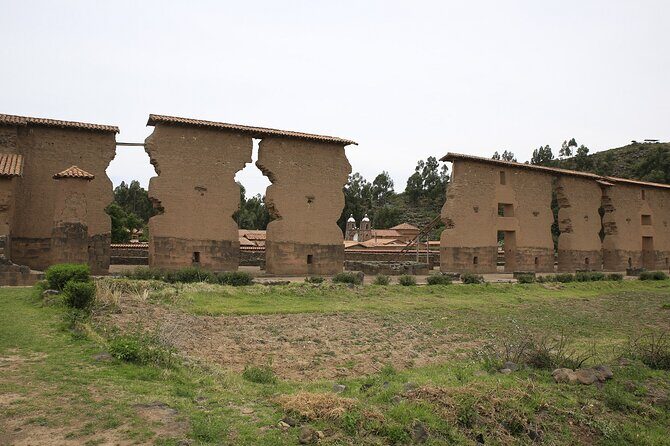
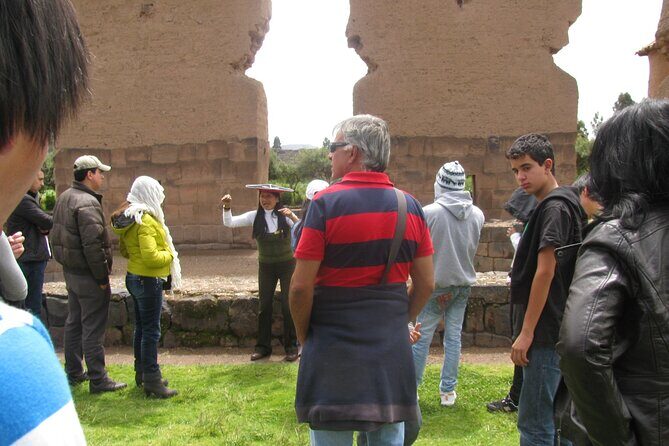
After Andahuaylillas, the bus continues about an hour and a half to Raqchi, around 3,450 meters. This stop leans more toward Inca-era architecture and the big-stone feeling of the highlands. You get about 40 minutes on site, and admission is included.
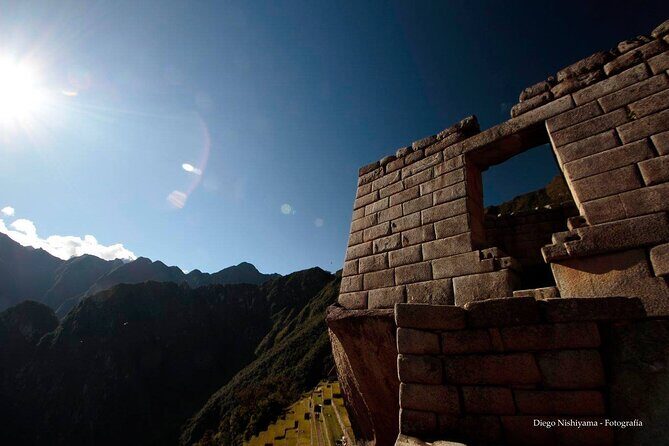
The star is the Temple of Wiracocha, built near the Vilcanota River during the 15th century. Expect huge walls and the sense of a major religious center. You’ll also notice aqueduct-like structures and tomb areas, which help explain how the site functioned beyond worship.
One detail I’d bet you’ll appreciate: the colcas, circular storage storehouses. They’re the kind of thing you’d miss if you only skim. Here, they’re linked to storing grains like quinoa, potato, and corn. That practical angle makes the ruins feel less like a photo backdrop and more like a working place.
Also, Raqchi is part of the Inca Trail system. If you’re into hiking history, this adds a layer to your understanding of what you might see later on the trail.






Lunch in Sicuani: Buffet Food and Coca-Mate Style Drinks
Between cultural stops, the day gives you a real reset at Sicuani. Lunch is at a local restaurant with a buffet. You’ll have about 40 minutes for the meal.
What’s included: local and regional dishes, vegetables, desserts, and hot drinks like mate de coca. The note you should remember is that cold drinks are not included with the buffet. If you want bottled water, juice, or similar, budget for it.
At this altitude, a hearty buffet helps. You’re not just eating-you’re refueling for the La Raya Pass stop and then the final museum. If you’re prone to altitude headaches, eat something with carbs and don’t skip water.
I also like that the lunch break is planned during the day rather than turning into a rushed sandwich sprint. When the schedule holds, it’s one of the most satisfying moments of the trip.
La Raya Pass: The 4,335 m High Point for Snow Views and Photos
After lunch, the bus drives about 40 minutes to La Raya Pass, the highest point on the route at 4,335 meters. This is your short but important “big sky” moment, roughly 10 minutes.
At this stop, you’re near the boundary of the Cusco and Puno regions. You’ll be able to admire snow-capped views, including Chimboya, weather permitting. This is where a hat and sunglasses matter, because the light at altitude can be sharp.
Take it easy when you step out. Even if you’re fine, the air can be thin. I recommend pausing for photos, then getting back on the bus quickly so you don’t stay cold longer than you need.
If you’re sensitive to altitude, ask your body what it wants. The stop is short by design, which is good. You get the view without turning the pass into a long hike.
Museo Litico Pukara: Monoliths, Stone Sculpture, and Ceramics
The final visit is the Museo Litico Pukara. You’ll travel more than an hour from La Raya Pass, then get about 30 minutes for the museum stop, with admission included.
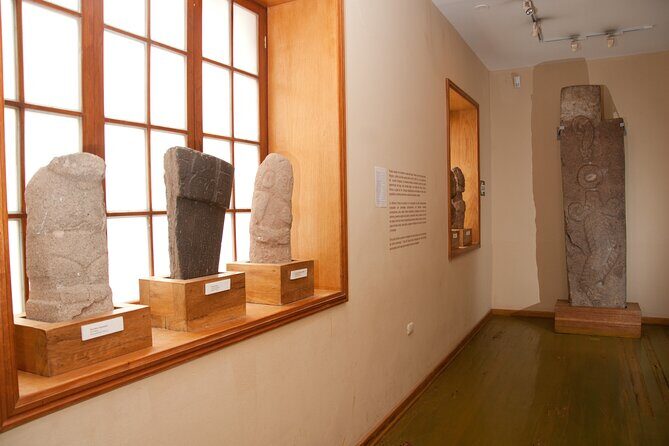
This museum focuses on stone and material culture from the Pukara civilization, based in the highlands of Peru and Bolivia. You’ll see an excellent collection of monoliths, stone sculptures, and ceramics.
What I like about ending here is that it’s a contained, guided-friendly finale. You’re not chasing a sprawling site. You’re looking at objects and understanding what people made and used. It’s a clean wrap-up before the final long bus stretch into Puno.
One more hard rule: no photos and no videos inside the museum. If you love collecting images, accept this early and you’ll feel less annoyed later.
Comfort on Board: Drinks, Seat Quality, and Altitude Help
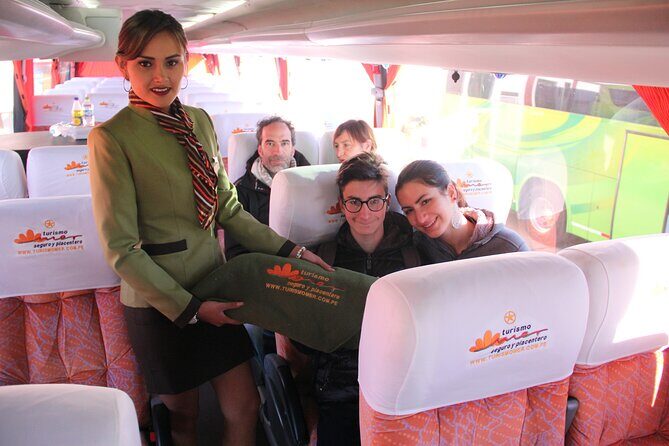
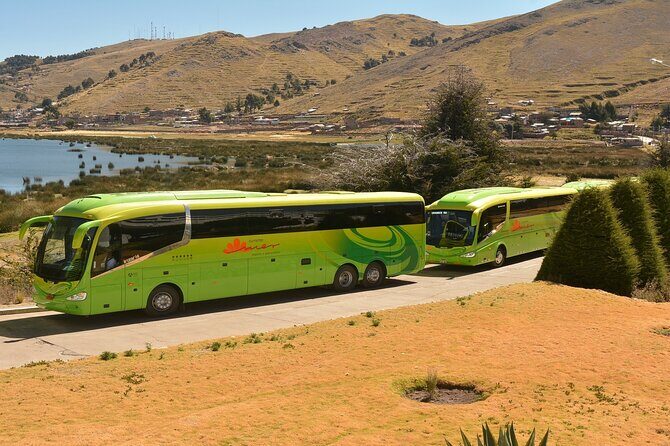
Onboard service includes cold and hot drinks, and that matters more than it sounds on a high-altitude route day. As you climb toward higher points, having a warm drink available helps you stay comfortable.
A nice detail you can plan around: bus seating can vary, and the views can be much better if you’re closer to the front or up top. If there’s a chance to pick top-deck front seats, take it. That’s where the Andes views feel most open.
You may also have access to USB chargers. One traveler noted the Wi-Fi connection took a bit but eventually worked. Don’t count on streaming movies from the road, but it’s good if you need quick connectivity.
About temperature: one concern that can pop up is AC that doesn’t stay consistent. If you tend to get uncomfortable when it’s warm, choose seats accordingly if your bus layout allows. Sitting near airflow vents can help, but it depends on how the vehicle is behaving that day.
Timing Reality Check: Why This Day Can Feel Long
Cusco and Puno aren’t close. Even with culture stops, the main truth is simple: this is still a long transfer day. The route includes several planned stops, and not every stop will feel equally thrilling to you.
Some people love the short, quick visits. Others find certain stops feel like a blink. And if something outside the operator’s control hits, it can affect what you see. For example, there’s been at least one case where a strike prevented a visit to the Raqchi archaeological site.
That’s why I suggest thinking of this tour as an arranged route with highlights, not as a slow travel day. If you need a relaxing day with minimal stops, you might prefer a more direct transfer option.
Who Should Book This (and Who Might Skip It)
This tour is a great fit if you want structure. You’ll like it if you:
- want culture stops without arranging tickets, transport between sites, and timing yourself
- enjoy a guided explanation for major highlights like Andahuaylillas and Raqchi
- like the idea of one bundled day: bus + lunch + viewpoints + museum
- want a smaller group experience (max 30 travelers)
It might not be the best match if you:
- hate long bus days and would rather move fast with fewer stops
- are very sensitive to heat or air issues and can’t handle a temperature change
- strongly prefer photo-heavy experiences, since two key stops ban photos and video
If you’re traveling solo, this can also be a smart middle ground: you get company, a plan, and a guide, without feeling like you’re stuck in a huge crowd.
Should You Book This Cusco to Puno Bus Tour?
Book it if you want your Cusco-to-Puno transfer to feel like more than transportation. For the price, the mix of guided cultural stops, buffet lunch, and the high pass viewpoint is a strong value. You’ll come away with a better sense of what people built and why, not just a list of places.
Hold off if you’re after downtime. This is active, packed with stops, and photo-restricted indoors at two major moments. Also, if you know you’re altitude-sensitive or temperature-sensitive, choose your seating carefully and come prepared with layers.
If your goal is a meaningful route day—and you like guided stops that keep you moving—this is an easy yes.
FAQ
How long is the Cusco to Puno bus tour?
It runs for about 8 hours (approx.), from the morning until arrival in Puno around 5:00 PM.
What time do you board and when does the tour start?
You board at 6:30 AM, and the activity starts at 7:00 AM.
Are lunch and drinks included?
Yes. You get a buffet lunch, and the bus includes cold and hot drinks onboard. The buffet lunch does not include cold drinks.
Which languages are the guides?
Guided tours are offered in English and Spanish.
Do entrance tickets to the stops come with the tour?
Ticket entrances are included in the experience as part of the offer. There is also an option that lets you get tickets directly at each stop if you select the option without ticket entrances.
Are photos allowed at all stops?
No. It is not allowed to take photos and videos inside the Chapel of Andahuaylillas and inside the Museum of Pucara.
What should I bring for the day?
Bring a hat, sunscreen, sunglasses, money for personal expenses, and a camera.
Is pickup and drop-off included from your exact hotel?
No. Transfers from and to the bus station in Cusco and Puno are not included. The tour starts near public transportation, and the drop-off is in Puno (different location).