REVIEW · CUSCO
13-Day Trip: Machu Picchu, Buenos Aires, Iguazu & Rio de Janeiro
Book on Viator →Operated by Say Hueque Travel · Bookable on Viator
Big Inca views start in Cusco. This 13-day South America route strings together Machu Picchu, Iguazu Falls, and Rio’s major icons, with enough structure that you can enjoy the big sights without constant planning. You’ll also spend real time in Cusco’s Sacred Valley, then switch gears to Argentina’s capital and Brazil’s coastal drama.
I especially like how the trip balances guided time with breathing room. In Peru, you get a Vistadome train to Aguas Calientes and a guided Machu Picchu visit (entrance included), which cuts down on the stress of the most time-sensitive day. In the cities, you’re not stuck in museums all day; you’re seeing the landmark streets, neighborhoods, and viewpoints that make Buenos Aires and Rio feel like places, not checklists.
One thing to watch: some major extras are not fully included, and a few timing rules matter. The Iguazu National Park entrance fees on both the Argentine and Brazilian sides are not included, and in high season you may face a bus line to Machu Picchu that can run 30 to 60 minutes.
In This Review
- Key things to know before you go
- Cusco and the Sacred Valley: Inca towns at a human pace
- Machu Picchu done right: Vistadome train, bus to the citadel, and guided awe
- Aguas Calientes freedom: one rest night that actually helps
- Buenos Aires in one day plus a real tango night
- Iguazu Falls: seeing the scale on the Argentine side first
- Brazilian side timing: passport checks and the Floriano Fall mist
- Rio de Janeiro: Corcovado, Tijuca rainforest by Jeep, and two cable car rides
- Price and logistics: where the value shines and where you should double-check
- Who should book this 13-day South America loop
- Final call: should you book?
- FAQ
- FAQ
- What city does the trip start from?
- Are airport transfers included?
- Is the Machu Picchu entrance fee included?
- How do I get to Machu Picchu from Cusco?
- Do I have a free day in Aguas Calientes?
- Are Iguazu Falls entrance fees included?
- Do I need my passport for the Brazil side of Iguazu?
- What flight timing do I need for the Iguazu-to-Rio connection?
- What if I arrive in Puerto Iguazu late at night?
- What’s the cancellation window?
Key things to know before you go
- Sacred Valley intro with Pisac + Ollantaytambo: Inca sites plus market time, planned over two days
- Machu Picchu logistics handled: Vistadome train tickets + entrance fee + guided citadel tour
- Aguas Calientes afternoon freedom: A built-in buffer day to explore at your own pace
- Iguazu from both countries: Argentine side circuits plus the Brazilian misty viewpoints
- Rio icons with forest time: Christ the Redeemer and Tijuca National Park by Jeep
- This is a time-optimized loop: A smart plan, but you’ll move hotels and borders often
Cusco and the Sacred Valley: Inca towns at a human pace

Your trip opens with a smooth landing in Cusco. After you arrive, you’re greeted and transferred by private vehicle to a hotel in the Sacred Valley area. That first transfer matters more than it sounds, since Cusco is high altitude and you want the least amount of chaos possible before your first big sightseeing day.
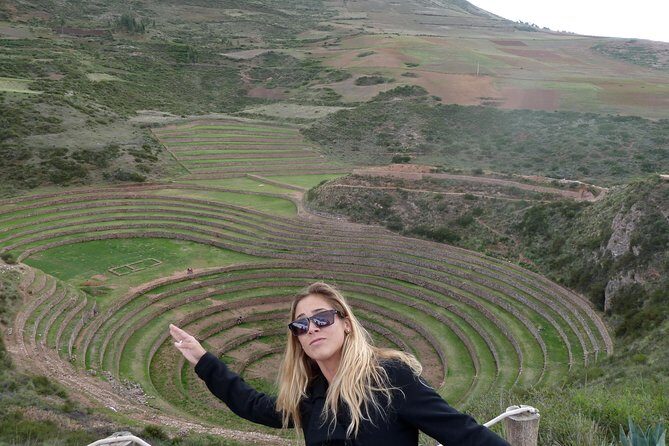
On day two, you start in Pisac with two parts that work well together: the archaeological site above the Vilcanota River, then the Pisac market. The market time is not just shopping; it’s where you’ll see how locals actually earn a living and what textiles and crafts look like outside of a souvenir shop. You also stop at the Taray viewpoint for panoramic views, which is a good way to get oriented before you start walking terraces and ruins.
Later, you head into the Sacred Valley for lunch in Urubamba, then continue to Ollantaytambo. This stop is a strong one because it hits multiple angles at once: you’ll explore the fortress complex and then wander the town that keeps an original Inca urban layout. I like that the schedule gives you time to browse the local market for handicrafts afterward—small, practical “downtime” that keeps the day from feeling like a sprint.
Day three is a longer shared-service day focused on the Sacred Valley’s bigger picture. You’ll learn why the valley was such an agricultural engine for the Incas: rivers, gorges, and fertile land that made it productive. Then you repeat a familiar stop sequence with a slightly different emphasis—Pisac Market and the Pisac archaeological terraces, plus Ollantaytambo as a preserved Inca town and former guarded stronghold. It’s a lot of ancient stone, but the route is well paced, with lunch and driving time built in.
Practical tip: Cusco altitude is real. Plan for light meals, hydrate, and keep your first day slow. If you’re prone to altitude issues, this is one place where starting early and resting when you can is smarter than pushing through.
You can also read our reviews of more tours and experiences in Cusco



Machu Picchu done right: Vistadome train, bus to the citadel, and guided awe
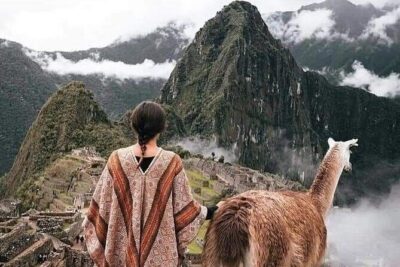
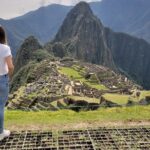
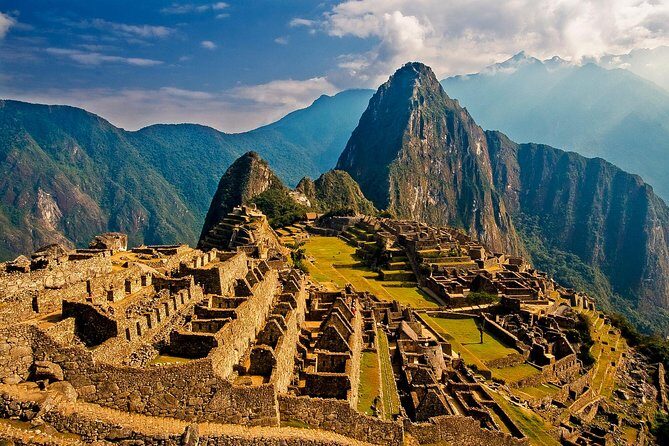
Machu Picchu is where this itinerary earns its reputation. The plan takes you from the Sacred Valley to the train station, then on to Aguas Calientes, also called Machu Picchu Pueblo. You ride the comfortable Vistadome train (included), and the payoff is the scenery along the way—exactly the kind of window time that makes travel feel like part of the trip.
Once you arrive in Aguas Calientes, you take a bus up to the Machu Picchu citadel. Entrance is included, and you tour with a guide. The key thing here is not just the site itself—it’s how the day removes guesswork. You get the right sequencing: train, bus, guided entrance, lunch nearby, then overnight in town.
There is one snag to plan for: in high season, the bus line can stretch 30 to 60 minutes. If you’re someone who hates waiting, pack patience and bring a light layer for the line and early morning chill. It’s still worth it, but it’s not the kind of attraction where you can assume everything runs instantly.
The citadel tour itself is where architecture and setting click together. You’ll follow the footsteps of the ancient Incas through the major areas, guided and organized. For many people, Machu Picchu feels emotional on first sight—fog, scale, and symmetry doing their work before you even understand every stone detail.
Aguas Calientes freedom: one rest night that actually helps
Day five is the kind of travel day that makes the whole plan feel humane. You have time at leisure, with suggestions to return to Machu Picchu for more exploration or to stay local in Aguas Calientes. The town is small but functional: Plaza de Armas, markets, and places to pick up snacks or small gifts.
This is also the day where you handle the practical reality of Machu Picchu. Even if you only do the scheduled visit, having a second block of time reduces pressure. You’re not forced to rush around the citadel at a pace set by a clock, and you don’t have to turn your entire afternoon into a sprint for photos.
In midday or afternoon, you head back to the train station and take the train toward Cusco, then transfer to your hotel. For most schedules, this is the right rhythm: a big morning effort, an added afternoon buffer, then back to sleep in higher comfort before you fly out.
Buenos Aires in one day plus a real tango night
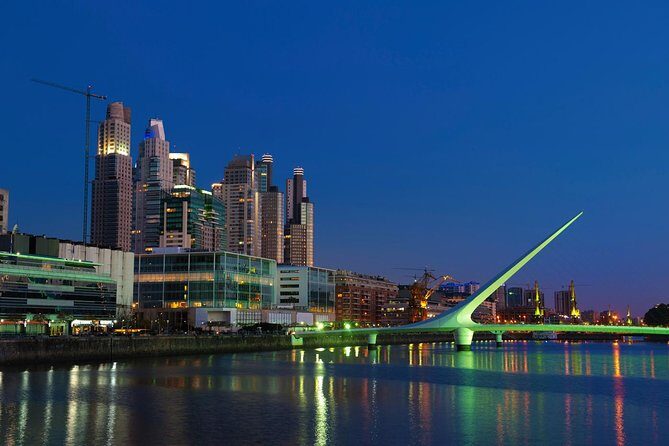
Flying out of Cusco and into Buenos Aires on day six sets you up with an easy start: you’re met at the airport and transferred privately to your hotel. After that, you get the rest of day six free. I like this kind of buffer. It means you can eat, rest, and adjust to a new city without feeling behind.
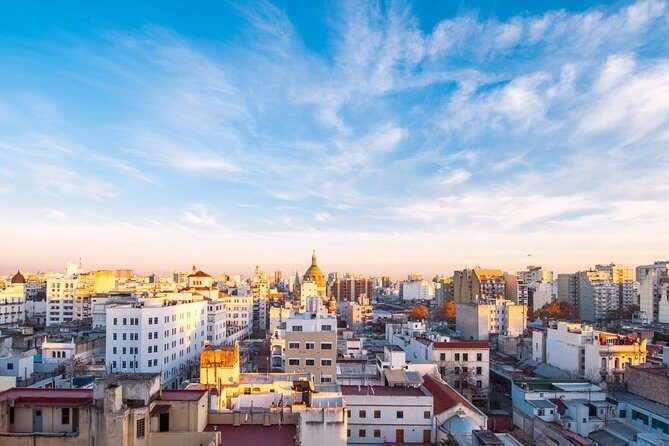
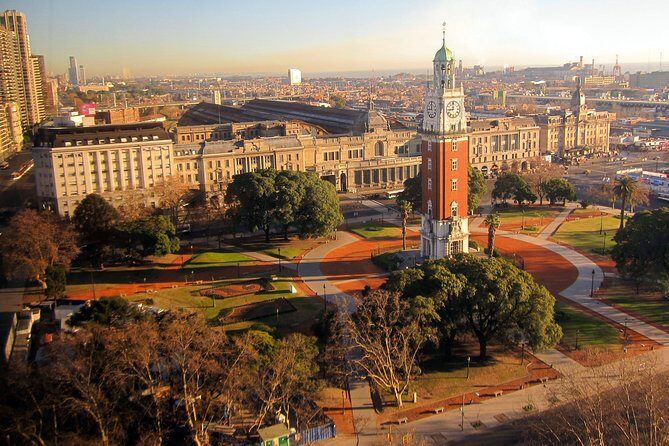
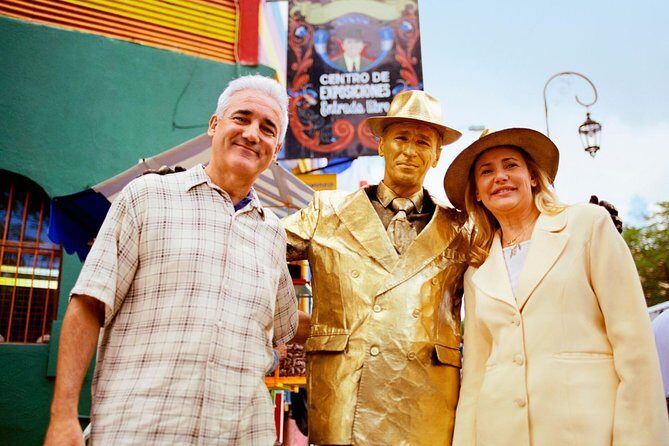
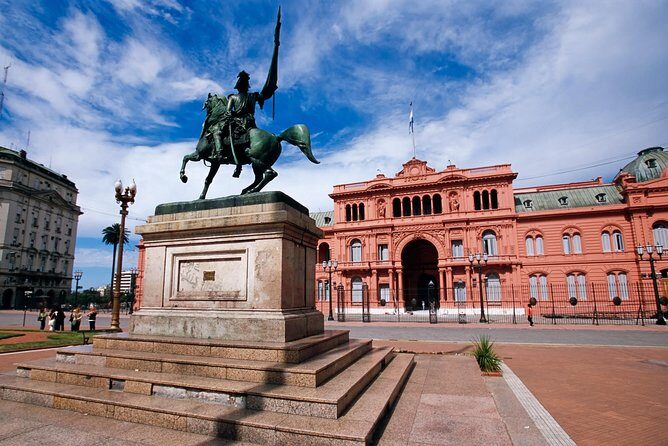
Day seven is your Buenos Aires city highlight day, built as a shared-service tour with pickup and drop-off back at your hotel. You’ll see Plaza de Mayo and Casa Rosada area first, then continue through San Telmo’s older streets and into La Boca for the colorful neighborhood vibes around Caminito and the Bombonera stadium. Then the tour swings north to Recoleta, where the big draw is Recoleta Cemetery and Evita’s grave.
The timing is tight enough to hit the essentials, but it’s not so rushed that you only glance out a window. You get short stops that let you absorb the vibe, take photos, and keep moving.
That evening adds one of Buenos Aires’ signature cultural experiences: GALA TANGO. You’re picked up from your hotel, then you get an exclusive 3-course dinner and wine, plus a professional tango performance. Entrance is included, and you’re driven back to your hotel after the show.
Balanced take: Tango dinner shows can be touristy anywhere. The advantage here is that you’re getting a full package—meal and show—so you’re not coordinating anything on your own after a busy day of sightseeing.
Iguazu Falls: seeing the scale on the Argentine side first
After Buenos Aires, the itinerary shifts to Iguazu on day eight. You land into Puerto Iguazu, and you’re met for a semi-private transfer to your hotel. The rest of day eight is free, which is useful. It gives you time to adjust, grab supplies, and avoid feeling like you’re sprinting into a national park on day one.
Day nine is your full day on the Argentine side. Your driver and bilingual guide pick you up at your lodging for a semi-private tour. You’ll enter Iguazu National Park and go toward the main viewpoints using a mix of driving and a rainforest ecological train ride.
One highlight is Garganta del Diablo—Devil’s Throat. The schedule includes the train ride to reach the viewing platform, then walking the circuits: the Lower Circuit for the closer feel and the Upper Circuit for panoramic views from above. This is the part where you really notice how many waterfalls exist within the broader system. It’s not just one drop; it’s a whole world of falls.
You’ll also get free time for lunch during the park visit, but lunch is not included. The itinerary includes the structure of the day, not every meal.
The plan also includes a strong upgrade note: a shared boat tour is highly recommended. That tells you something important—if you want the water-level, spray-heavy experience, you’ll likely want to add it.




Brazilian side timing: passport checks and the Floriano Fall mist
Day ten switches you to the Brazilian side of Iguazu Falls for a half-day tour. You’ll cross the border, so you need your passport. The itinerary warns that border crossing time can vary, from half an hour to some hours, so build in patience.
The Brazilian portion includes park time with panoramic views and a walkthrough approach via shared transport to the viewing walkways. One detail I appreciate here is the stop at Floriano Fall, where you get sprayed by mist at the end of the circuit. That’s exactly the kind of sensory payoff you can’t get from photos.
Then you’re transferred from the park to Foz do Iguaçu airport so you can fly to Rio. Here’s the timing rule that can make or break your schedule: you need a flight departing at 4:00 p.m. or later to be able to do the Brazilian side in the morning. And the general note also says your departure from Foz to Rio should be 3:30 p.m. or later. In practice, I’d treat 4:00 p.m. as your safe target.
Rio de Janeiro: Corcovado, Tijuca rainforest by Jeep, and two cable car rides
Rio arrives on day ten with a private transfer to your hotel after you’re received by a Destination Host. The rest of that day is free, so you can decide if you want beach time, city wandering, or simply rest.
Day eleven covers Rio’s major icons in a shared service format. You’ll visit Pão de Açúcar and Corcovado/Christ the Redeemer, plus botanical gardens. Entrance fees on this day’s tour are included, and lunch is at a local churrascaria (Brazilian BBQ).
The Christ the Redeemer portion isn’t just a viewpoint stop. You’ll visit the statue inside the Tijuca Forest National Park. The plan includes a Jeep experience into the forest, plus visits to Taunay waterfall, a hidden old chapel, the visitors center, and possibly a short jungle walk. The order may change with weather and traffic, which is normal in Rio.
Then day twelve adds Sugarloaf Mountain again, this time with a focused cable car experience: two rides, first up to Urca Hill for views over Guanabara Bay, then a second ride to the summit of Sugarloaf. From the top, you’ll see Copacabana Beach, the Santa Cruz Fortress, and across the bay toward Niterói.
Why this works: Rio is huge. Doing Corcovado and Sugarloaf with guided structure means you’re not stuck figuring out transportation while trying to catch golden-hour light.
Price and logistics: where the value shines and where you should double-check
At $4,140 per person, the big question is what you’re buying besides the ticket price. This plan includes 12 nights of accommodation split across the three countries (5 in Peru, 4 in Argentina, 3 in Brazil), plus select meals and entrance fees, and the transfers and tours listed in the day-by-day plan.
It also includes some high-cost transport pieces. In Peru, the Vistadome train to Aguas Calientes is included, and Machu Picchu entrance is included as well. Those two items alone often make or break the price in Machu Picchu packages.
But you do have two clear extra-cost areas on Iguazu. The Argentine side national park entrance fee is ARS45,000 per person and is not included. The Brazilian side national park entrance fee is R$117 per person and is not included. There’s also a note that tourist tax for Misiones is not included and must be paid in cash at your accommodation.
Then there are timing and document items you should treat as non-optional:
- Your arrival into Cusco should be 11:00 a.m. or earlier so you can join the guided city tour in the afternoon.
- Your flight departing Foz do Iguaçu to Rio should be 3:30 p.m. or later, and visiting the Brazilian side of Iguazu requires the departure at 4:00 p.m. or later.
- You must have your passport for the Brazil border crossing.
- If your arrival in Puerto Iguazu lands between 10 p.m. and 6 a.m., the transfer service becomes private and may add charges.
One more logistics detail: the Machu Picchu bus line can be slow in high season, and your day can include that waiting time. It’s not a fault of the plan; it’s just the reality of demand.
Who should book this 13-day South America loop
This trip is a good fit if you want a “big-country” sampler with organization. You get Inca highlights in the Sacred Valley and Machu Picchu, then you switch to major city icons in Buenos Aires and Rio, and finish with the huge water spectacle of Iguazu from both sides.
It’s also a good option if you like guides but still want freedom. The schedule includes guided parts where you’ll benefit most (Machu Picchu citadel, Rio big stops), while leaving you some leisure time (Aguas Calientes, Buenos Aires and Rio free day blocks, and Puerto Iguazu free time).
I’d think twice if you dislike tight timing. This route uses flights between countries and moves you through borders and park circuits with specific departure requirements. It’s doable, but you’re busy.
Final call: should you book?
If you want Machu Picchu and Iguazu done with the hard parts handled, I think this is a solid value. The included Vistadome train, guided Machu Picchu entrance, and the “two-sided” Iguazu plan are the backbone of the experience, and those are the pieces that usually cost you the most energy and planning.
I’d book it if you’re comfortable paying for the Iguazu national park entrances you’ll likely need anyway, and if you can align your flight times to the Rio/Iguazu morning window. If those timing constraints are stressful for your schedule, you might be happier with a slower plan that gives you fewer “watch the clock” moments.
FAQ
FAQ
What city does the trip start from?
It starts in Cusco, Peru. Your pickup is arranged based on your flight arrival time, and the meeting point is Velazco Astete Airport in Cusco.
Are airport transfers included?
Yes. Transfers are included from your hotel to the airport when flying out, and you also get a private transfer when arriving in Buenos Aires and Rio.
Is the Machu Picchu entrance fee included?
Yes. The bus to Machu Picchu and the Machu Picchu entrance fee are included.
How do I get to Machu Picchu from Cusco?
You’ll take a train (Vistadome train tickets are included) to Aguas Calientes, then use the bus to reach the citadel of Machu Picchu.
Do I have a free day in Aguas Calientes?
Yes. After the guided Machu Picchu visit and lunch, you get time at leisure. You can return to the citadel or explore Aguas Calientes before taking the train back toward Cusco.
Are Iguazu Falls entrance fees included?
Not fully. The Argentine-side Iguazu National Park entrance fee is not included (ARS45,000 per person), and the Brazilian-side entrance fee is not included (R$117 per person).
Do I need my passport for the Brazil side of Iguazu?
Yes. The itinerary notes you will cross the Brazilian border to visit the Brazilian side of Iguazu.
What flight timing do I need for the Iguazu-to-Rio connection?
Your departure flight from Foz do Iguaçu to Rio should depart at 3:30 p.m. or later, and the plan specifically says the Brazilian side of the falls requires a departure at 4:00 p.m. or later.
What if I arrive in Puerto Iguazu late at night?
If your arrival flight lands or departs between 10 p.m. and 6 a.m., the transfer service has to be private and can incur additional charges.
What’s the cancellation window?
You can cancel up to 6 days in advance for a full refund, with partial refunds available if you cancel 2–6 days before the start time.