REVIEW · CUSCO
The Most Traditional Tours Of Cusco And Machu Picchu By Panoramic Train 3 Days
Book on Viator →Operated by LIBERTY PERU TRAVEL · Bookable on Viator
Cusco and Machu Picchu in three days is a big deal. What makes this plan work is the transport and tickets are handled, so you’re not juggling schedules while also fighting altitude. I especially like the guided combo that strings together the best Cusco sites with the Sacred Valley, then caps it with a structured Machu Picchu visit. One thing to keep in mind: the days are long and day 3 starts very early, so it rewards people who can keep a steady pace.
What you’re really buying here is stress control. You get hotel pickup in Cusco, an English-speaking guide, and entrance tickets for the key stops—plus the round-trip train and bus you need for Machu Picchu. The possible drawback is that this kind of “all the parts included” itinerary can feel a little fast if you’re the type who wants to linger for hours at every viewpoint.
Below you’ll find a stop-by-stop breakdown, plus the practical bits you’ll want to know before you commit.
In This Review
- Key highlights worth planning around
- Cusco Cathedral to Tambomachay: a tight first day with big Inca energy
- Sacred Valley by bus: Pisac ruins, the Pisac market, and the Ollantaytambo fortress
- Machu Picchu day: the early pickup, the train ride, and the 2-hour guided citadel visit
- Price and logistics: what the $497.44 buys you (and what it won’t)
- Pace, altitude, and how to set yourself up for an easier trip
- Who should book this Cusco and Machu Picchu combo?
- Should you book it? My take on the call
- FAQ
- What does the tour include for Cusco and the Sacred Valley?
- Do I get hotel pickup and drop-off in Cusco?
- Is Machu Picchu entrance included?
- How early do I need to wake up on the Machu Picchu day?
- How long is the Machu Picchu guided tour?
- Does the price include the train and bus to Machu Picchu?
- Can I change or get a refund if I cancel?
Key highlights worth planning around
- All-in-one logistics: hotel pickup, guided tours, entrance tickets, train, and the Machu Picchu bus are bundled.
- English-speaking guide support: you won’t lose the story to translation gaps.
- Cusco classics on day 1: Cathedral, Qorikancha, Sacsayhuaman, Q’enqo, and Tambomachay/Puka Pukara.
- Sacred Valley in a day: Pisac ruins and market, Urubamba lunch, Ollantaytambo citadel, Chinchero.
- Day 3 Machu Picchu timing: early transfer to Ollantaytambo station and a guided tour once you arrive.
- Small group size (max 15): easier questions, fewer bottlenecks than huge buses.
Cusco Cathedral to Tambomachay: a tight first day with big Inca energy
Day 1 is built like a greatest-hits tour of central Cusco and the nearby archaeological sites. You start with pickup from your hotel, and the route is designed to keep moving without skipping the headline locations.
Cusco Cathedral (about 40 minutes, admission included). This is the main temple of the city. What I like is that it’s not just a pretty facade moment. Inside, you’ll see standout colonial goldwork and carved wooden altars, plus paintings from the Cusco School. There’s also the famous image of the Lord of the Earthquakes—one of those Cusco symbols that connects local belief, history, and daily life.
Qorikancha (about 40 minutes, admission included). Also called the Golden Temple or Temple of the Sun God, this was a key Inca site. After the Spanish arrived, the Convent of Santo Domingo was built over it—so you get that layered story in one stop. If you like ruins-with-a-plot, this one tends to land.
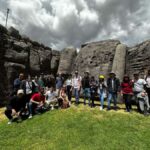
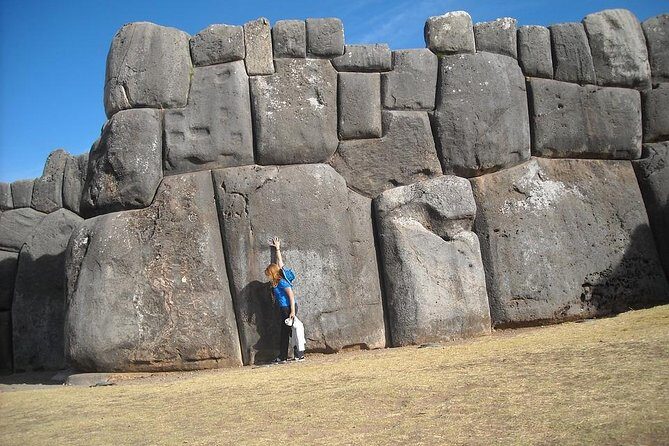
Sacsayhuaman (about 1 hour, admission included). This is where the Inca stonework really flexes. The site sits strategically on a nearby mountain, with views across Cusco that help you understand why the Incas chose this spot. The huge carved stones are the point: some are about 9 meters (30 feet) high and reportedly weigh more than 350 tons. It’s one of those places where even people who don’t love history end up staring.
Q’enqo (about 40 minutes, admission included). The name means labyrinth in Quechua, and it served a religious role in Inca times. You’ll also hear about the idea of mummification here. There’s a semicircular enclosure, trapezoidal niches, and a monolith said to resemble a cougar. It’s a quick stop, but it’s strange in the best way—like the site is still doing its job.
Puka Pukara and Tambomachay (about 40 minutes, admission included). The tour moves onward to Puka pukara, meaning red fort, then to Tambomachay, about 8 kilometers north of Cusco. Tambomachay is believed to be dedicated to the cult of water, connected to how Inca leaders retired for rest and ritual. Practically, these two stops are your “breather” from Cusco’s city-center vibe, even if you’re still walking and taking in ruins.
Day 1 ends with a return to Cusco around 18:30. That timing matters: you’ll likely have energy for dinner and a quick wander, but you won’t have the whole evening to roam like you would on a slower pace trip.
You can also read our reviews of more tours and experiences in Cusco


Sacred Valley by bus: Pisac ruins, the Pisac market, and the Ollantaytambo fortress
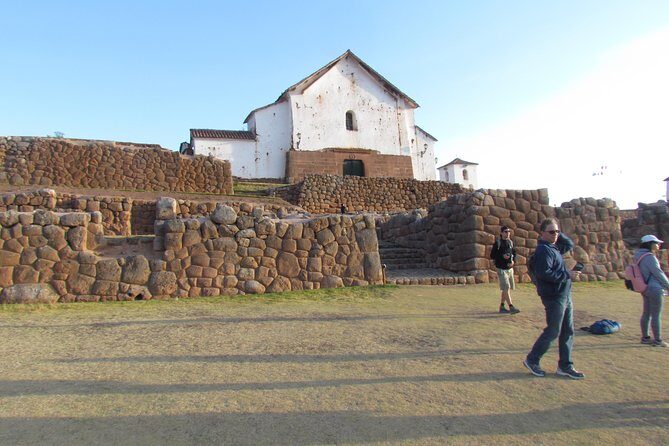
Day 2 is the long-distance day. You leave Cusco by bus for the Sacred Valley, with built-in viewpoints along the Vilcanota River route. The benefit here is simple: you get the “big scenes” without having to plan the drive yourself.
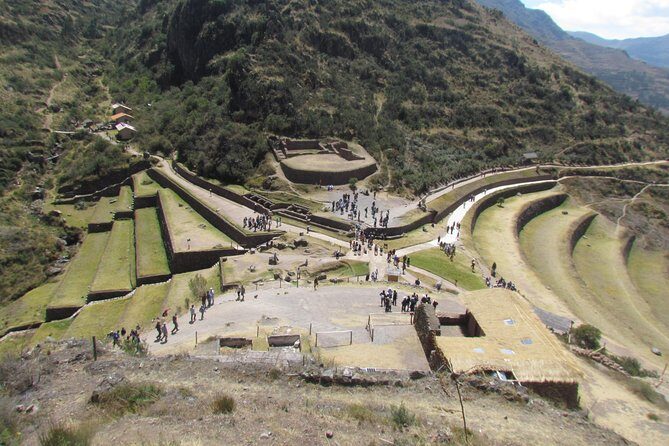
Pisac archaeological site (about 1 hour, admission included). Pisac sits up high, and the big draw is the Inca citadel with its neighborhoods, cemetery, terraces, and functional layout. You’re not just looking at structures; you’re looking at how they were designed for living, farming, and control. The best part is that the views and the architecture go together.
Pisac market (about 20 minutes, free). This is a short, focused taste of the local trading world. You’ll see Andean-made handicrafts like textiles, ponchos, and bags, plus ceramic crafts that reproduce Inca-style archaeology pieces such as queros (ceremonial vessels) and other items like necklaces. It’s enough time to browse, ask questions, and decide if you want to buy.
One practical note: 20 minutes is not long. If you want to shop with patience, go in with a short list and a budget before you arrive.
Urubamba stop for buffet lunch (lunch time built in). The tour heads to Urubamba along the same river corridor. Lunch is included here, and it’s a buffet at a local restaurant where you can try Peruvian cuisine. If you’re watching your energy, this is a smart break in the middle of a travel-heavy day.
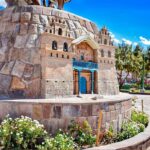
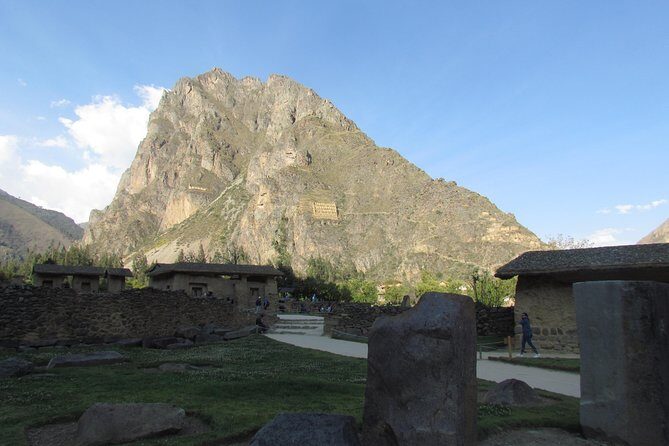
Ollantaytambo citadel and fortress (about 1 hour, admission included). In the afternoon you visit the fortress and citadel of Ollantaytambo. It’s named for General Inca Ollanta, tied to the story of courting an Inca princess, daughter of Pachacutec. The big practical value: Ollantaytambo is one of the few places where you can feel the Inca urban logic. It was a tambo or city-bed and a fortress guarding an important entrance into the valley.
Chinchero (about 40 minutes, admission included). On the way back toward Cusco, you stop in the village of Chinchero. You’ll see remains of the royal hacienda of Tupac Inca Yupanqui in the main square, plus a colonial temple with frescoes on the porch. There’s also a Chinchero market stop that includes a short demonstration of Inca processes used for textile production. This is a good stop if you want a cultural explanation attached to what you’re seeing—not just a photo.
You return to Cusco around 19:30. By then, you’ll be tired in a normal way. You also won’t have to worry about connections or ticket hassles for tomorrow’s Machu Picchu day.
Machu Picchu day: the early pickup, the train ride, and the 2-hour guided citadel visit
Day 3 is where the clock is your enemy. It’s also where the payoff is biggest.
You’re picked up from your Cusco hotel very early—either around 04:00 or 05:30 depending on which train schedule you’re assigned. The drive to Ollantaytambo station takes about 1 hour 40 minutes.
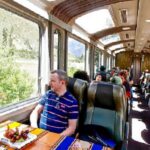
Train to Aguas Calientes (depart 6:10 a.m., about 2 hours). Once you board at 6:10 a.m., the ride runs you toward Aguas Calientes (Machu Picchu town). You’ll enjoy mountain and jungle views from southern Peru. The value of the train part isn’t just comfort—it’s that you arrive with the big stress removed: you’re already on the correct rail route.
When you reach Aguas Calientes, staff meet you and give directions. Then you have free time for breakfast in town (breakfast is on your own). You’ll go to the bus station and take a zigzag ride up to Machu Picchu, around 30 minutes.
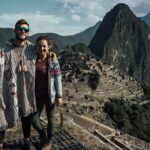
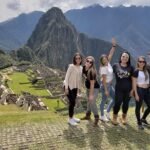
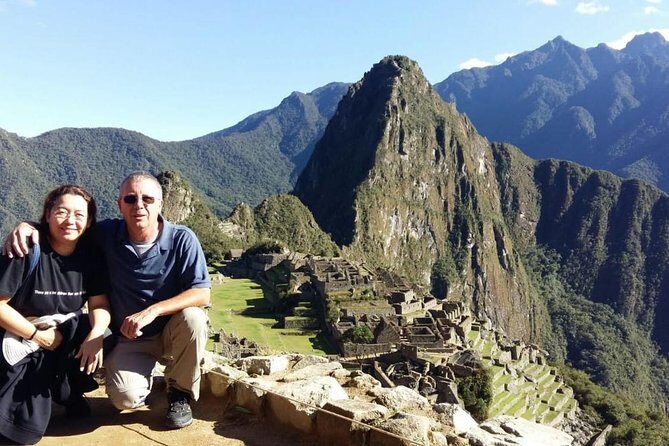
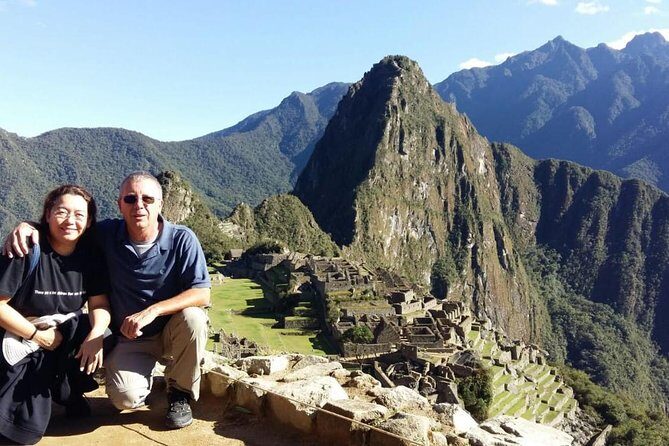
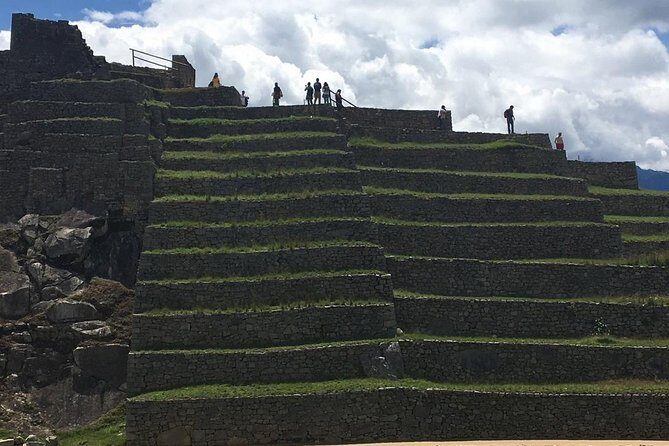
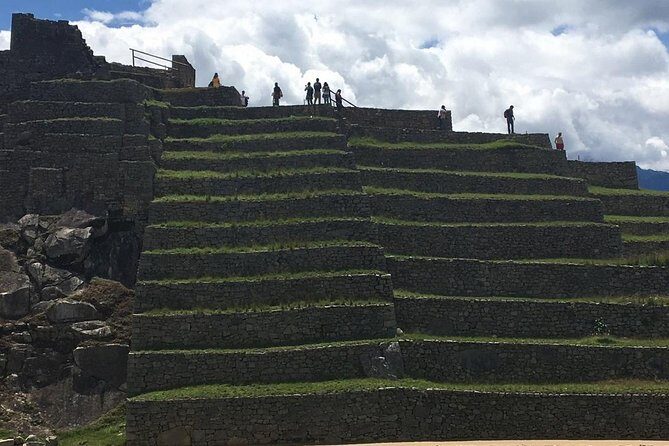
Machu Picchu entrance and the guided tour (~2 hours). This is where the package is strongest. You present your tickets and the identification required, then you join a guided tour in the citadel for about two hours. You visit the main venues of Machu Picchu, and the guide covers history and what you’re looking at as you go. Stops mentioned include the Main Square, Circular Tower, Sacred Solar Clock, Royal Rooms, and others.
If you’ve ever visited a major site with no context, you know how much you miss. Here, the guide time helps you connect the dots fast—especially if it’s your first visit.
Return down to Aguas Calientes, optional hot springs, and train back. After the right time for your schedule, you take the bus back down to Aguas Calientes. Lunch is available at restaurants in town. There’s also an optional visit to hot springs north of the town. At 18:00, you board the train back to Ollantaytambo (about two hours). You’re met again with staff holding a board with your name for the ride back to Cusco, arriving around 22:30 (timing can vary to 20:30 or 12:00 depending on train availability and your preferences).
This is a full day. Plan to pack layers and a small day bag. You’ll be moving from station to bus to entrance to guided circuit to train again.
Price and logistics: what the $497.44 buys you (and what it won’t)
At $497.44 per person for 3 days, this isn’t a budget barebones deal. The value is that you’re paying for time and friction reduction.
What’s included:
- City tour transport, guide, and entrance tickets
- Sacred Valley transport, guide, and entrance tickets (Pisac, Ollantaytambo, Chinchero)
- Round-trip train: Ollantaytambo ⇄ Aguas Calientes
- Round-trip transfers: Cusco ⇄ Ollantaytambo station
- Round-trip bus ticket: Aguas Calientes ⇄ Machu Picchu
- Machu Picchu entrance ticket
- Professional guide in Machu Picchu
- All fees and taxes
- Lunch (the itinerary specifically includes a buffet lunch in Urubamba)
What’s not included:
- Hotel accommodation
- Tips and any snacks/food not listed as included
So, where does it make sense? If you hate hunting down ticket windows, checking which route connects where, and trying to coordinate train times with your own schedule, this package does that heavy lifting for you.
The drawback is that you give up some freedom. You don’t get to decide for yourself how long to stay at every stop. If that’s your priority, you might prefer a more flexible plan with independent transport.
Pace, altitude, and how to set yourself up for an easier trip
This itinerary moves. It’s not a “sit and enjoy the view” cruise. The good news is that the tour gives you clear structure, and clear structure is a huge help on a tight timeline.
You’ll want a moderate physical fitness level—the itinerary includes multiple archaeological sites, which typically means stairs, uneven ground, and steady walking. Day 3 includes an early wake-up, then a train, then bus zigzags, then a two-hour guided walk inside the citadel.
Practical altitude advice, even if you think you’re fine:
- Go slow during the first day of Cusco.
- Hydrate.
- Don’t treat day 3 as a workout.
- If you feel off, ask your guide for pacing.
One more small but real detail: day 2 includes a shopping stop at the Pisac market. If you buy anything heavy, plan how you’ll carry it through day 3 transit.





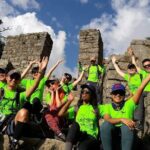
Who should book this Cusco and Machu Picchu combo?
This is a strong match for:
- First-timers who want the headline Cusco and Sacred Valley sites in a single sweep
- People who want an English-speaking guide for context at major stops
- Travelers who prefer packaged logistics over route planning
- Anyone who likes group tours but still wants a smaller group feel (max 15)
It may be less ideal for:
- People who want long, slow time at one site
- Anyone who struggles with very early mornings or doesn’t like packed days
Also, if you’re coming from a cold start (winter in Cusco can be brutal), the early Machu Picchu morning will feel colder before the sun kicks in. Layering matters.
Should you book it? My take on the call
If your main goal is to get to Machu Picchu without headaches, and you want Cusco plus the Sacred Valley highlights in a tight window, I think this is a good value. You’re paying for the full chain: hotels pickup, guides, entrance tickets, panoramic train, the bus up to the citadel, and a guided Machu Picchu circuit that helps you understand what you’re seeing.
I’d book it if:
- You want tickets and transport handled
- You’re okay with a schedule that moves most days
- You want context, not just photos
I’d think twice if:
- You plan to linger and roam on your own
- Early pickups will wreck your energy budget
One last “street-smart” tip: on the Cusco and Machu Picchu days, keep your day bag simple. You’ll be carrying it through stations, buses, and site entry.
FAQ
What does the tour include for Cusco and the Sacred Valley?
It includes transport, an English-speaking tour guide, and entrance tickets for the city tour in Cusco (Cathedral, Qorikancha, Sacsayhuaman, Q’enqo, Puka Pukara/Tambomachay) plus entrance tickets and transport for the Sacred Valley stops (Pisac, Ollantaytambo, Chinchero). It also includes lunch.
Do I get hotel pickup and drop-off in Cusco?
Yes. The tour offers pickup from any hotel in Cusco, and you’ll be dropped back in Cusco after the city tour and after the Sacred Valley day.
Is Machu Picchu entrance included?
Yes. You get an entrance ticket to Machu Picchu, plus a professional guide for your guided tour of the citadel.
How early do I need to wake up on the Machu Picchu day?
You’re picked up from your hotel in Cusco at either 04:00 or 05:30 depending on train ticket availability. You then travel to Ollantaytambo station, board the 6:10 a.m. train, and continue onward to Aguas Calientes.
How long is the Machu Picchu guided tour?
The guided tour in Machu Picchu is approximately 2 hours.
Does the price include the train and bus to Machu Picchu?
Yes. It includes the round-trip train between Ollantaytambo and Aguas Calientes, and round-trip bus transportation between Aguas Calientes and Machu Picchu.
Can I change or get a refund if I cancel?
No. The experience is non-refundable and cannot be changed for any reason.