REVIEW · CUSCO
Cusco: Archaeological Park Morning Tour
Book on GetYourGuide →Operated by MPTC GETS · Bookable on GetYourGuide
Sun temple ruins and water engineering in one loop. This Cusco morning tour strings together Inca sun-worship sites and water-focused works in a single, efficient half-day plan. You’ll move from immense stone architecture to underground galleries, then finish at aqueducts and waterfalls—before lunch thoughts even kick in.
I especially like that the route has a clear theme: how the Incas connected power, ritual, and water. I also like that it’s built around guided explanations at every major stop, so you’re not just looking at rocks and guessing. One thing to watch: key site entry fees are not included, so the real cost on the day can climb.
In This Review
- Quick hits before you go
- Why this 8:45 AM route works in Cusco
- Koricancha to Sacsayhuamán: temples, towers, and immense stonework
- Qenqo’s underground labyrinth: sacrifices and sacred space
- Bosque de Eucaliptos de K’enko: a calmer photo break
- Puca Pucara’s terraces: a surveillance center with clear purpose
- Tambomachay aqueducts and waterfalls: Inca hydraulic engineering
- Price and tickets: what $13 really means for your day
- Guide style, extra stops, and drop-off hiccups to plan for
- What to bring (and what will slow you down)
- Who should book this morning tour?
- FAQ
- FAQ
- What time does the tour start?
- When does the tour end?
- How long is the tour?
- What’s included in the price?
- What tickets are not included?
- What languages are the guides?
- Is this tour suitable for pregnant women or pets?
- Should you book this Cusco Archaeological Park morning tour?
Quick hits before you go
- 8:45 AM hotel pickup keeps the day feeling organized, and you return to Cusco around 2:00–2:30 PM
- Sacsayhuamán’s massive stone towers and temples tie sun worship to water themes
- Qenqo’s underground labyrinth galleries are where the Sun God sacrifices were carried out
- Puca Pucara’s terraces and staircases show how the Incas used a surveillance center
- Tambomachay’s aqueducts, waterfalls, and water gutters highlight Inca hydraulic engineering
- Two languages (Spanish and English) means you can get real explanations, not just signage
Why this 8:45 AM route works in Cusco
This is a 6-hour morning tour that starts with pickup at 8:45 AM. The timing matters because it gives you enough daylight to explore multiple sites without feeling like you’re rushing at every stop. You’ll also be back in the Cusco main-square area by early afternoon, which makes planning lunch and a second activity easier.
Pickup is designed to be simple: you’re collected from hotels near the main square. If you’re farther out, you get an exact address to meet at. That’s helpful, because Cusco’s center is compact but not uniform—one unclear meeting point can waste energy.
In terms of “how it feels,” this tour is paced like a guided circuit: bus transfers, guided segments around 45 minutes each, then short breaks for photos. If you like clear structure, you’ll probably enjoy it.
You can also read our reviews of more tours and experiences in Cusco


Koricancha to Sacsayhuamán: temples, towers, and immense stonework
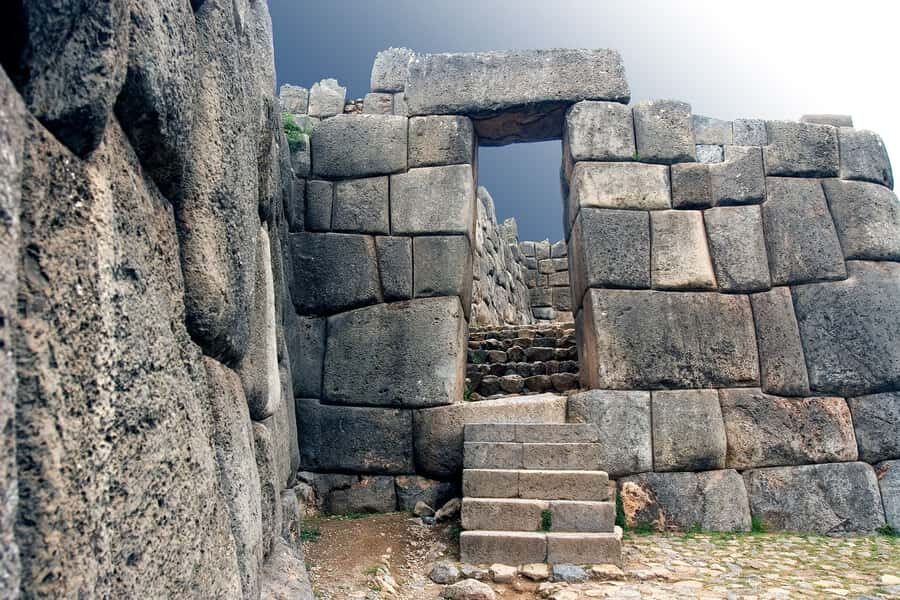
Even if you’re arriving to Cusco with big expectations, the first major hits tend to be visual. The tour begins with a guided visit to Koricancha (Sun Temple area). You get about 45 minutes with a guide, which is a good length for hearing context and seeing what’s still there without treating it like a quick drive-by.
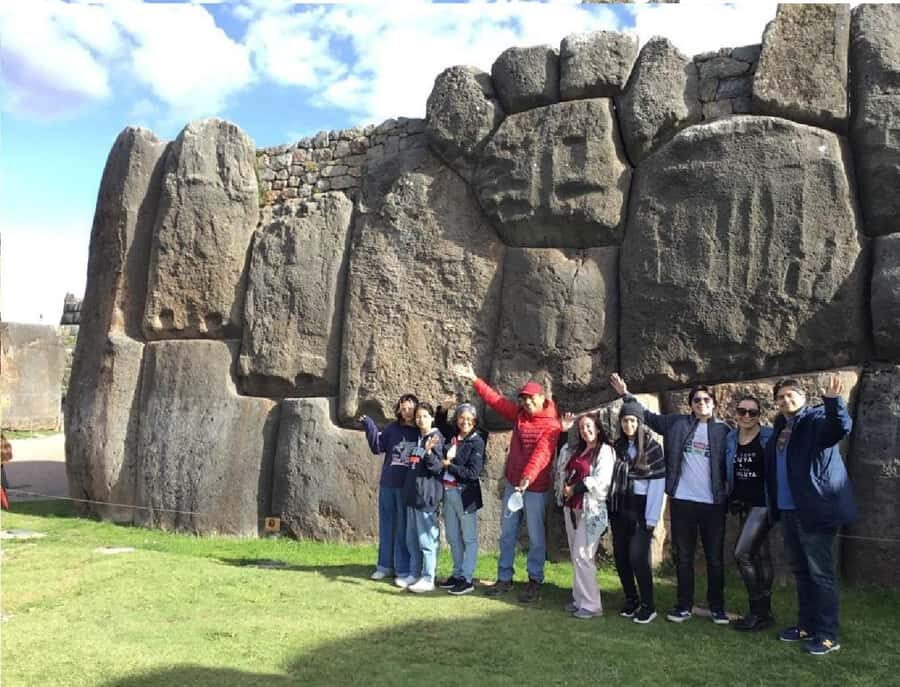
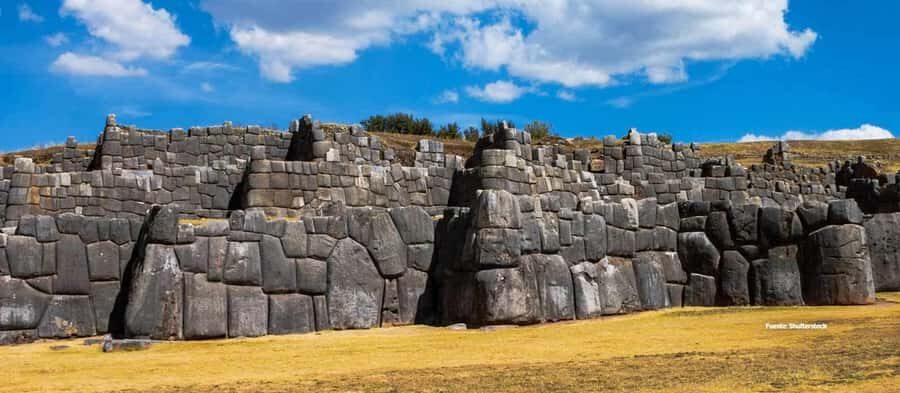
Then you head to Saksaywaman (often written Sacsayhuamán). This stop is about scale. The highlight is the immense rocks—plus the towers and temples where Incas revered the sun god. The tour also frames water as part of what the Incas honored here, so you’re not just looking at architecture; you’re learning the theme behind it.
What I like about this pairing is that it sets your mental map early. Koricancha gives you ritual focus. Sacsayhuamán gives you monumentality. Together, they make later stops feel less random and more like a system.
Practical note: plan for walking on uneven ground. Comfortable shoes are a must, and you’ll want water ready from the start.
Qenqo’s underground labyrinth: sacrifices and sacred space
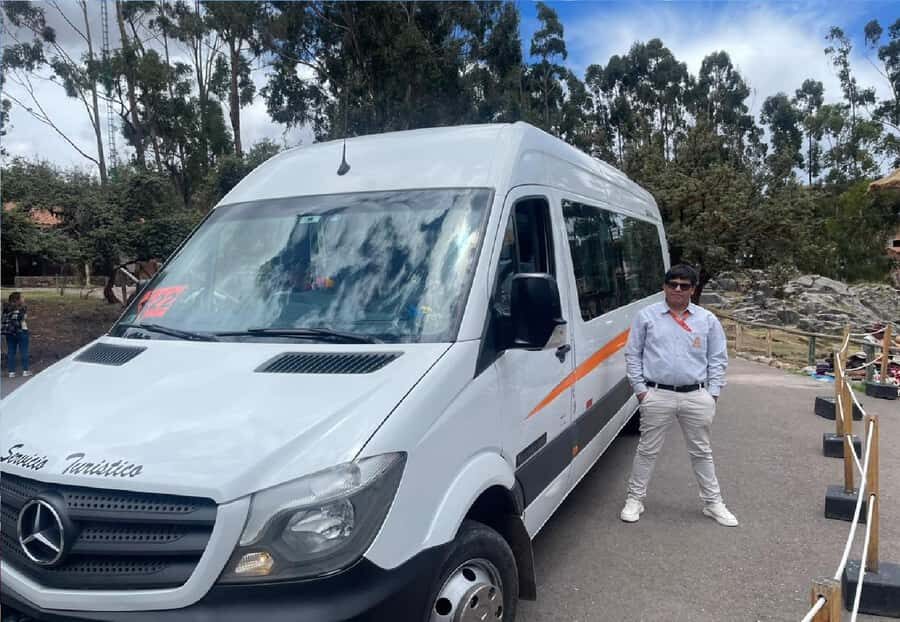
Next comes Q’enco Archaeological Complex, another guided stop with about 45 minutes. This is the tour’s most “wow, that’s different” location because Qenqo includes underground galleries. The tour describes these galleries as forming a labyrinth used for sacrifices to the Sun God.
In plain terms: you’re looking at a site that’s not only about being seen from above. It’s about movement through space and ritual access. That’s what makes Qenqo stand out from the more open, above-ground stone areas you’ll see elsewhere on the circuit.
Because the galleries are underground, your guide’s explanations are extra important. Even when you can see the walls and passages, the meaning can be hard to infer without the guided narrative. With a guide in Spanish or English, you’ll get that missing piece.
There’s also time built into the day right afterward for scenery and photos, so you don’t feel like you’re sprinting out of Qenqo and straight into a full-on scramble.
Bosque de Eucaliptos de K’enko: a calmer photo break
After Qenqo, you get a photo stop at Bosque de Eucaliptos de K’enko for about 35 minutes. This is a welcome breathing period. It gives you time to step back from archaeology and just take in views, walk a bit, and get photos without the pressure of a long guided talk.
For many people, this stop is where the tour becomes more enjoyable, not just informative. You’re outdoors, you can reset your pace, and you still keep moving toward the next ruins.
If you’re the type who takes a lot of pictures, this stop is your friend. If you prefer minimal breaks and maximum time in ruins, you can still use it effectively by focusing your photos and then refocusing when the group moves again.
Puca Pucara’s terraces: a surveillance center with clear purpose
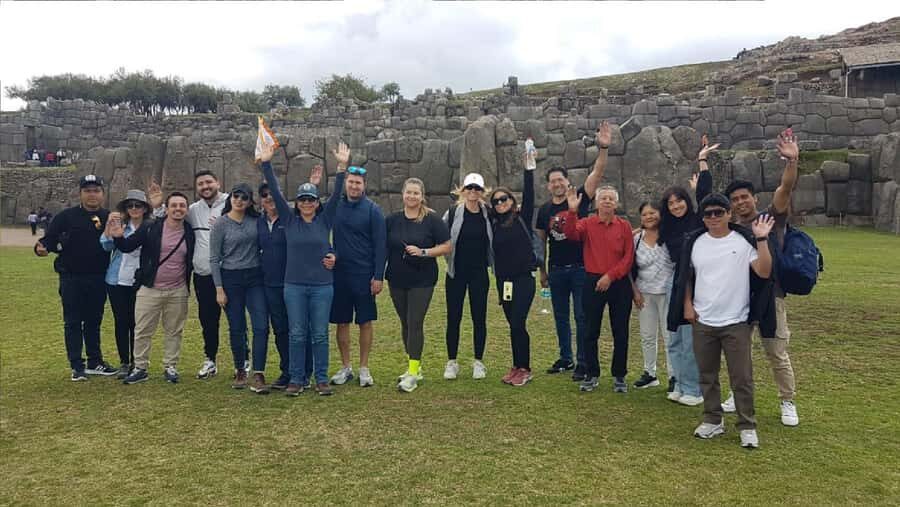
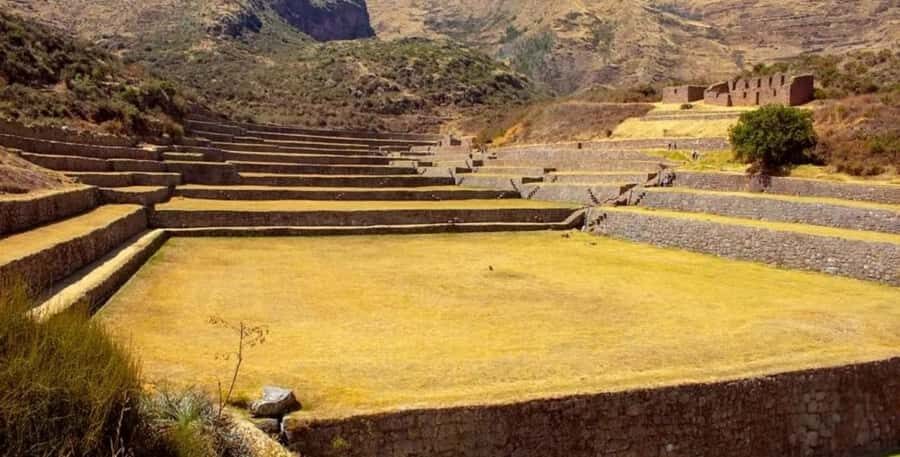
Then it’s on to Puca Pucara, described as an Incan surveillance center made of terraces, staircases, and large walls. The value here isn’t only the structures themselves—it’s the way the tour frames their function.
Surveillance architecture has a different vibe than temples. You’re thinking about sightlines, monitoring, and practical use. Term-by-term, the tour helps you connect form to purpose: terraces for elevation, staircases for access, walls for structure and containment. You’re learning why this place looks the way it does.
This is also one of the stops where you start noticing how the day’s theme connects. Earlier you had ritual spaces centered on sun worship and underground passageways. Now you’re seeing a site built around watching and responding—still tied to Inca organization, just in a different role.
Expect time to explore at a comfortable pace with your guide’s direction, but keep an eye on footwear because terraces and steps are not flat ground.






Tambomachay aqueducts and waterfalls: Inca hydraulic engineering
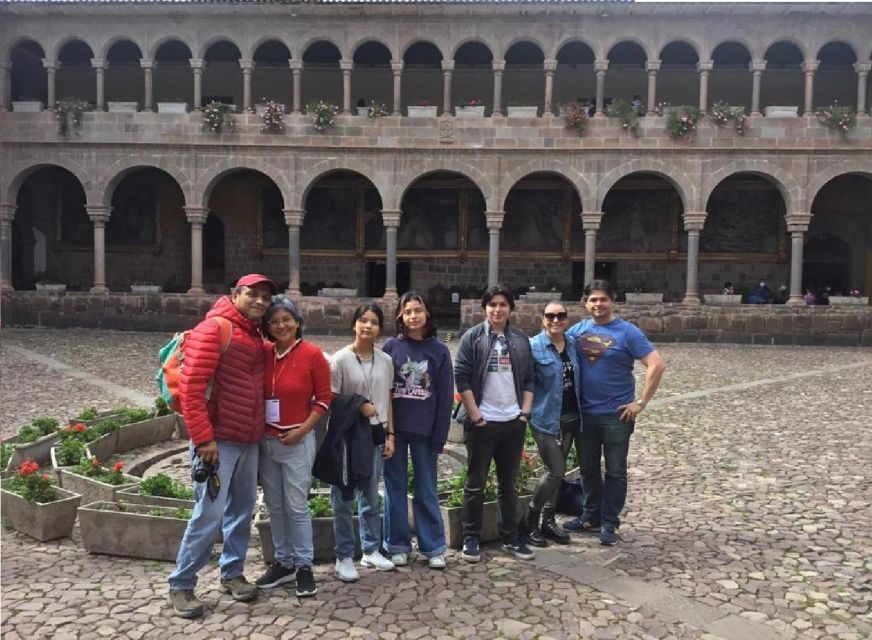
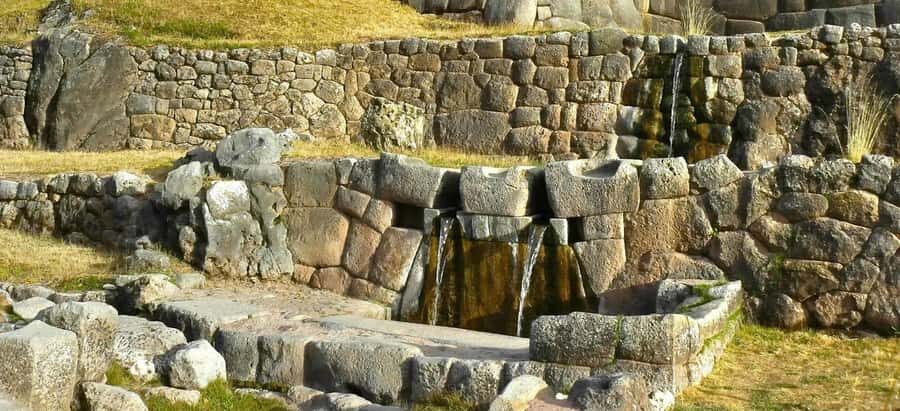
The final stop is Tambomachay, a resting place with aqueducts, waterfalls, and several water gutters. The tour highlights Inca hydraulic engineering, and that’s exactly what you should look for here: how water was handled, guided, and managed with built infrastructure.
This is one of the best “the Incas were practical” moments in the morning. Earlier stops focus on sun worship and sacred space. Tambomachay brings you back to physical water systems. Even if you don’t know engineering terminology, you can still follow the idea: the Incas built channels and structures so water could arrive, move, and be used.
The day’s arc makes sense now. You started with sun-focused sites. You saw how ritual and sacred architecture were designed. Then you watched the tour connect those themes back to water—ending with a place where water infrastructure is the main event.
You’ll finish Tambomachay and then return to central Cusco, averaging 2:00 PM to 2:30 PM to wrap up.
Price and tickets: what $13 really means for your day
The tour price is listed at $13 per person, and that’s attractive for a guided morning with hotel pickup and round-trip transportation. You also get a professional guide and pickup from hotels near the main square area.
But the big catch is site entry fees. You should plan for:
- A tourist ticket (70 soles)
- Plus Koricancha (15 soles)
So the true value depends on whether you already have these tickets. If you don’t, you’ll likely spend extra on the day before your guide even leads you into sites.
Here’s how I’d think about it: the $13 is basically paying for logistics plus guidance. If the sites you visit are on your must-see list anyway, the total cost can still be reasonable because you’re not paying for separate guides or separate transport for each stop. If you only want one or two locations, it might be more budget-smart to mix free exploration with only one guided add-on.
Either way, you’ll feel happiest when you budget in soles for the ticket items and come prepared with water and good shoes.
Guide style, extra stops, and drop-off hiccups to plan for
Most of the quality of this tour comes down to the guide. The experience is described as having a strong guide-led component, and bilingual service is offered in Spanish and English.
In at least one booking, a guide named Willians was specifically mentioned, and the guide’s role was seen as a positive part of the experience. That’s a good sign: when you get a confident guide, the archaeological stops stop feeling like a checklist.
Still, there are two real-world considerations worth taking seriously:
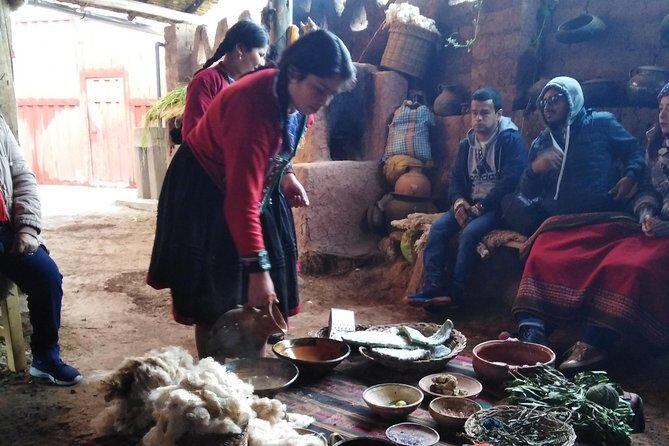
- One person found the day included a sales pitch at a llama farm feel, which wasn’t what they wanted after paying for a history-focused tour. If you dislike shopping-style add-ons, keep that in mind and know you can choose whether to participate without losing the main tour.
- Another person said the drop-off didn’t match expectations. They were left far from the hotel and the address they received didn’t help, leading to extra time getting back and feeling hungry.
My practical advice: before you go, confirm your exact pickup and drop-off details in clear terms with the team. If your hotel is outside the usual pickup zone, make sure the written meeting address is correct. When the day ends, stay alert to where you’ll be dropped—then head back to your hotel before you get hangry.
What to bring (and what will slow you down)
The basics are simple and accurate:
- Passport or ID card
- Comfortable shoes
- Water
Bring a refillable bottle if you can. A 6-hour circuit with multiple guided walks can dry you out, even if you’re not doing “hard hiking.”
Also note the rules:
- No pets allowed.
And one more “don’t ignore this” item: the tour is not suitable for pregnant women. That’s likely related to walking and terrain, so if you’re in that situation, it’s best to choose a different option that’s explicitly designed for comfort and reduced physical strain.
Who should book this morning tour?
This is a great fit if you want:
- A guided, multi-stop archaeology morning in and around Cusco
- A tour organized around sun worship and Inca water engineering
- A schedule that ends by early afternoon so you can keep exploring later
It’s also ideal if you enjoy learning functions behind structures—like how Puca Pucara is framed as a surveillance center or how Tambomachay is framed for water management.
I’d skip it if you:
- Want a totally free, self-guided day with no added narrative stops
- Are looking for something fully accessible with minimal walking
- Prefer not to encounter any potential sales-pitch style detours
FAQ
FAQ
What time does the tour start?
Pickup starts at 8:45 AM from your Cusco hotel (or a specific address if your hotel is farther away).
When does the tour end?
You return to the Cusco main square area at around 2:00 PM to 2:30 PM.
How long is the tour?
The tour lasts about 6 hours.
What’s included in the price?
Hotel pickup, round-trip transportation, and a professional guide are included.
What tickets are not included?
A tourist ticket (70 soles) is not included, and Koricancha entry is also not included (15 soles).
What languages are the guides?
Guides provide commentary in Spanish and English.
Is this tour suitable for pregnant women or pets?
It is not suitable for pregnant women, and pets are not allowed.
Should you book this Cusco Archaeological Park morning tour?
If you’re excited by the idea of seeing multiple Inca sites with a single guide, this is an easy “yes, consider it” for a Cusco morning. The day’s theme—sun-focused sites plus Inca water engineering—gives the ruins a logical flow, and the guided time at each stop makes it feel like you’re learning something, not just checking off names.
Book it if you’re happy to plan for extra entry fees and you’re comfortable walking on uneven historic ground. Skip or adjust if you strongly dislike sales-style side stops or if the terrain and pacing could be a problem for you. With those caveats in mind, the $13 base price can be a smart way to get real guided value in a limited time window.