REVIEW · CUSCO
6-Day Best of Peru: Cusco, Machu Picchu, and Lake Titicaca Tour
Book on Viator →Operated by Machupicchu Latin America · Bookable on Viator
A tight schedule can still feel magical. This Best of Peru route stacks Cusco, the Sacred Valley, Machu Picchu, and Lake Titicaca into 6 days with guided transitions and a small-group vibe.
You get real structure here: hotel stops, train/bus legs, and expert guides timed to make the most of your limited time in Peru.
I really like how the itinerary mixes big-name sights with hands-on stops in between. The Sacred Valley day isn’t just ruins and photos; you also visit an animal rescue center and the classic markets and viewpoints around Pisac and Urubamba.
One thing to think about: this is a go-go tour. Days start early, you’ll do plenty of stairs and walking, and there’s not a lot of slack time if you want to wander slowly.
In This Review
- Key things that make this tour worth a serious look
- Why Cusco to Machu Picchu to Titicaca in 6 days works
- Day 1: Cusco arrival, hotel center base, and an optional city orientation
- Day 2: Sacred Valley highlights, Manos de la Comunidad, and the train to Aguas Calientes
- A practical packing tip (learned the hard way by others)
- Day 3: Machu Picchu early bus timing, guided tour, then Aguas Calientes downtime
- Day 4: The Sun Route bus to Puno (Andahuaylillas, Raqchi, La Raya, Pukará)
- Day 5: Lake Titicaca Uros reed islands and Taquile’s island lunch
- Hotels, breakfasts, and the real meaning of the $799 price
- Pace, altitude, and the bathroom reality (yes, really)
- Getting the most from guides, timing, and smooth handoffs
- Who should book this 6-day Peru route (and who should not)
- Should you book this Best of Peru 6-Day Tour?
- FAQ
- What is included in the $799 price?
- Are airport transfers included?
- How many nights do you stay in Aguas Calientes?
- What about train and bus tickets for Machu Picchu?
- Is Lake Titicaca included with boat rides?
- Which meals are included?
- Are flights included?
- Are all entrance fees included?
- What time do the days usually start?
- How many people are in the group?
- Can you get a refund if you cancel?
Key things that make this tour worth a serious look
Small-group organization (max 12) with clear meet-and-transfer handoffs, including representatives holding name signs
Machu Picchu with a licensed local guide plus time to explore on your own afterward in Aguas Calientes
Sacred Valley momentum without logistics stress, including train from Ollantaytambo to Aguas Calientes
Lake Titicaca that actually feels local, with Uros reed islands and Taquile’s long traditions plus a proper island lunch
Included hotel stays + breakfast for 5 nights, which helps you judge value fast
Why Cusco to Machu Picchu to Titicaca in 6 days works
If you’re short on time but still want the “first-time Peru” hits, this route is built for that exact goal. You start in Cusco, get a full Sacred Valley day, then do Machu Picchu with the guide and the right early timing, and finish with Lake Titicaca for a very different feel than the Andes roadways.
The hidden win is how much is handled for you. You’re not bouncing between ticket counters and bus terminals all day. Instead, you’re following a plan that strings together train rides, shuttle buses, and sightseeing stops in a way that usually reduces stress and missed connections.
The other big plus: you’re not only seeing sites. You’re getting context from guides who know how to connect ruins, villages, and daily life. On recent departures, people singled out guides such as Bernardo Huambo (Sacred Valley and Cusco-style storytelling), Percy (Lake Titicaca with Uros and Taquile detail), and Efrain and Gary (Machu Picchu-style site interpretation). Even if your guide isn’t the same person, you can expect that same “explain what you’re seeing” approach.
You can also read our reviews of more tours and experiences in Cusco
Day 1: Cusco arrival, hotel center base, and an optional city orientation
Your trip begins with pickup at the Cusco airport. You’ll then transfer to a central 3-star hotel for an overnight stay and check in. After that, you get time to breathe.
This first day matters more than it seems. Cusco sits high (and your body will notice), so having a leisure block helps you adjust before the early mornings start. If you want a head start, there’s an optional Cusco city tour around 13:00 for an extra charge.
When you’re choosing dinner tonight, keep it simple: easy foods, smaller portions, and hydration. If your guide says to drink coca tea, take the advice.
Day 2: Sacred Valley highlights, Manos de la Comunidad, and the train to Aguas Calientes
Day 2 is the heart of the “classic Peru” loop, but it’s paced in a way that keeps it interesting, not just rushed stops.
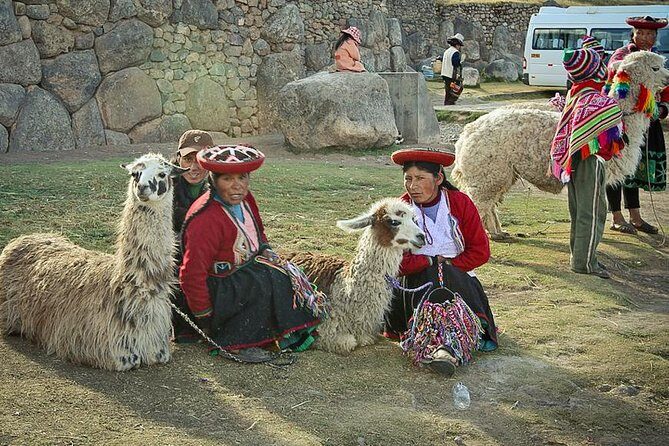
You start with a morning departure from Cusco and head into the Sacred Valley. Along the way, you’ll visit Manos de la Comunidad, an animal rescue center where you can get up close with native Andean camelids like alpacas, llamas, and rare vicuñas. It’s a quick stop, but it’s one of those moments that makes the trip feel more real than a checklist.
Next you’ll hit the viewpoint circuit:
- Mirador Taray, where you can grab the kind of broad valley panoramas that photographers dream about
- Pisac Archaeological Park, with those iconic terraces and ceremonial spaces
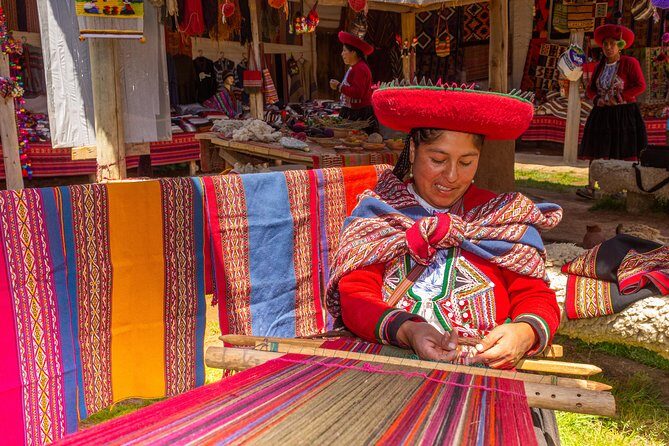
- Pisac Market, a chance to browse local crafts and souvenirs in the village area
Then you roll into Urubamba for lunch and continue to Ollantaytambo, which is both archaeological and “still alive.” The Inca fortress here has heavy stone presence, and it’s a strong bridge between the Cusco story and the Machu Picchu story.
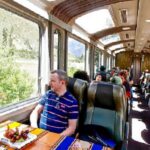
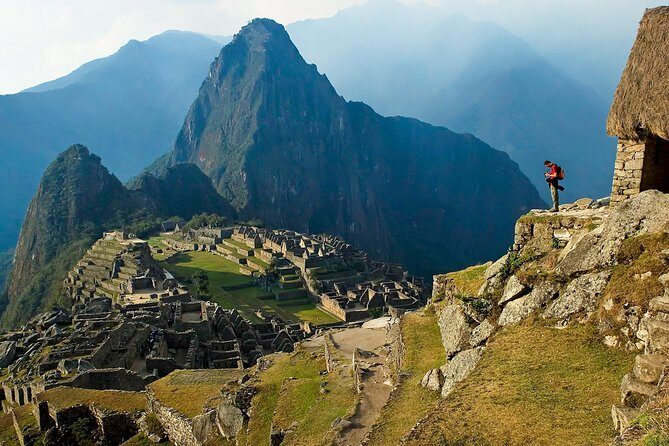
Finally comes the logistics payoff: from Ollantaytambo train station you take the train to Aguas Calientes, the town at the base of Machu Picchu. You’ll be enjoying the Urubamba/Vilcanota River scenery along the way, and you overnight in Aguas Calientes.
A practical packing tip (learned the hard way by others)
Plan on bringing just an overnight bag for the Machu Picchu night in Aguas Calientes. Some people report they weren’t told this clearly and ended up carrying extra luggage up, which is inconvenient and sometimes comes with extra fees for handling at rest stops. If you travel light, you’ll feel smoother the whole day.
Day 3: Machu Picchu early bus timing, guided tour, then Aguas Calientes downtime
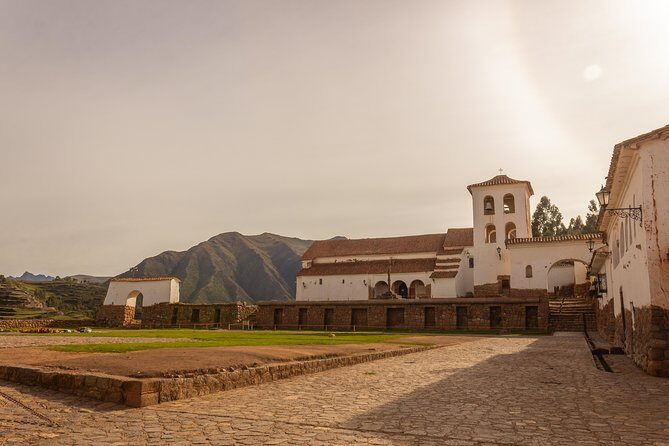
This is your main event day. The schedule is designed around timing: you meet early, you ride up, and you get at the entrance before crowds peak.
You’ll have breakfast in Aguas Calientes and then head to the bus station for the shuttle up to Machu Picchu. You leave around 06:20 and ride up for about 30 minutes. The guided part begins at 07:00.
Here’s what’s valuable about doing it with a guide: Machu Picchu can look like “just another dramatic ruin” at first glance. With an expert, you learn how to read the place—its placement, its purpose, and the cultural threads behind it. Many people praised guides like Fabrico and Michael for making the site feel personal and understandable rather than overwhelming.
After the guided tour, you’ll return down to Aguas Calientes by around 10:00. You’ll have time to grab lunch on your own (lunch isn’t included in the itinerary details), shop a little, and reset for the return.
Then you take the train back to Ollantaytambo and drive to Cusco, arriving around 16:30.
This “return to Cusco the same day” plan is excellent if you want a clean finish and not another night on the mountain town. It also means you should plan a calm evening. You’ll likely have a lot of images in your head and a lot of tired legs.






Day 4: The Sun Route bus to Puno (Andahuaylillas, Raqchi, La Raya, Pukará)
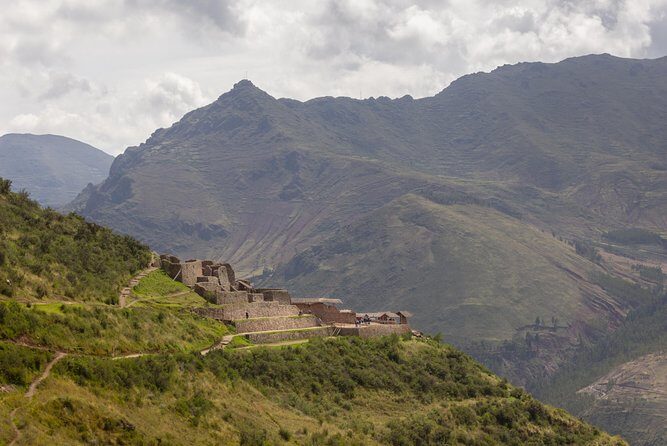
Day 4 shifts gears from rail and ruins to one of the best uses of Peru’s roads: a sightseeing bus day that breaks up the trip from Cusco to Puno with big stops.
You start early, with pickup and a morning bus departure around 07:00. The stops are what make this feel like more than a transfer day.
- San Pedro Apostol de Andahuaylillas: known as the Sistine Chapel of the Americas. From the outside it looks simple, but inside you get an explosion of Spanish and Indigenous Andean art—gold leaf, frescoes, and painted detail
- Parque Arqueológico de Raqchi: home to the Temple of Wiracocha, with those massive adobe walls and a big complex around it
- Sicuani: you’ll stop for lunch at a buffet restaurant
- Abra La Raya (La Raya Pass): a quick photo stop at the border area between Cusco and Puno with high-altitude views and herds grazing
- Museo Litico Pukara: a museum setting with monoliths and stone sculpture from pre-Inca Pucará culture, including the Rain Stele and Beheader monoliths
By late afternoon, you arrive in Puno and check into your hotel. You’ll also get a brief orientation for the next day’s Lake Titicaca plan.
Day 5: Lake Titicaca Uros reed islands and Taquile’s island lunch
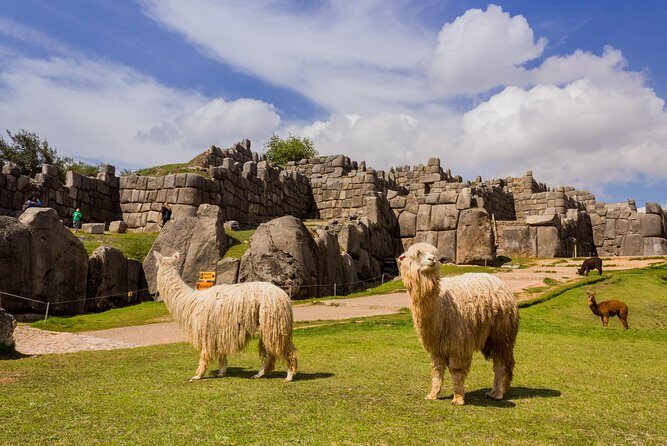
This day is all about changing your altitude “view” without changing your trip. Lake Titicaca is a different Peru: open water, breezes, and cultures that have kept traditions strong.
You start in the morning and head to the harbor. The first major stop is the Uros Floating Islands. These islands are made of Totora reeds, and you step right onto them. You’ll learn from locals about life on the islands and meet the families who keep the place working and alive. You’ll have about an hour here.
Next you sail to Taquile Island. The ride is about 90 minutes, and Taquile feels more land-based—terraced slopes, long-established routines, and an “old time” rhythm.
On Taquile:
- you take a scenic walk up (about 20 minutes) toward the host family’s area
- you eat a traditional island lunch with folk music and dance
- after lunch, you walk back to the harbor (about 25 minutes)
- then you sail back across the lake to Puno, roughly 2 hours
One standout detail from recent feedback: the Taquile lunch experience has been described as very good, including fresh trout in some cases. It’s one of those days where the boat ride is only part of the value—the real payoff is eating and spending time with the island rhythm.
Hotels, breakfasts, and the real meaning of the $799 price
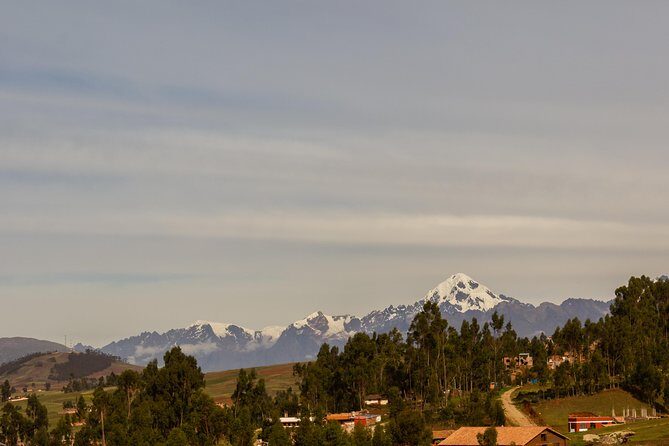
At $799 per person, you’re paying for a “low-thought” itinerary: mostly booked and managed for you, with several major transport and ticket components included.
Here’s what you can count on in the price:
- 5 nights of accommodation with private bathroom in Cusco, Aguas Calientes (one night), and Puno
- 5 breakfasts included
- Round-trip train tickets: Ollantaytambo to Aguas Calientes to Ollantaytambo
- Round-trip bus/shuttle tickets for the Machu Picchu route: Aguas Calientes to Machu Picchu and back
- Guided tours: Sacred Valley (Pisac and Ollantaytambo) and Machu Picchu with local English-speaking guide
- Lake Titicaca adventure with Uros and Taquile
- Entrance tickets for the Sun Route, Lake Titicaca, and Machu Picchu (as listed in included items)
What’s not included (and can add up if you ignore it):
- flights (including your Lima/Cusco and Juliaca/Lima pieces)
- Sacred Valley entry ticket: PEN 70.00 per person
- optional Huaynapicchu entry: $70 per person if requested at booking
- meals not stated as included (lunch is only partly covered as noted)
- tips/gratuities
- travel insurance (highly recommended)
There’s also an important reality check from feedback: most people reported clean, well-located hotels and good breakfast quality, but at least one complaint flagged “2-star feel” versus the expectation. That doesn’t mean your stay will be bad, but it’s a good reminder to set expectations: you’re paying for a managed value package, not a luxury resort level.
Pace, altitude, and the bathroom reality (yes, really)
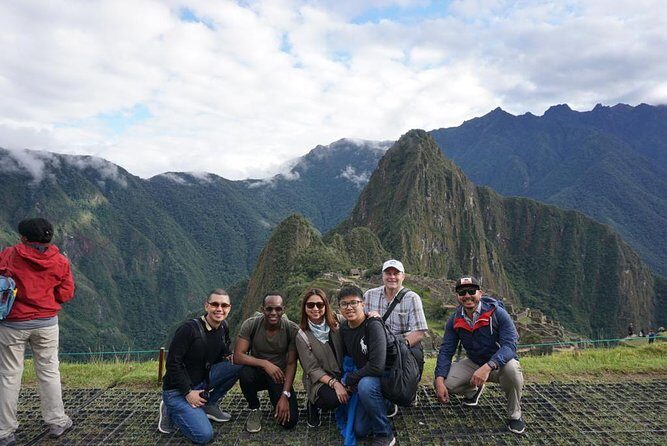
This tour is structured for efficiency, and that means early mornings. Expect starts around 06:00–07:00 on most days. You’ll have walking and stair time at key sites:
- Pisac and Ollantaytambo in the Sacred Valley
- Machu Picchu with guided walking routes and uneven surfaces
- Taquile’s ascent and then a return walk
Altitude is a factor, especially in Cusco and on the Lake day. One positive note from feedback is that the itinerary isn’t built like a hardcore hike program. You’ll walk and climb, but it’s not described as an intense endurance plan. Still, take it slow the first day and drink water.
Bathrooms are the one “surprise” cost topic. Some rest stops have a toilet fee, and in some locations there’s no toilet paper and flushing restrictions. Bring a small stash of tissue or wipes and keep some small bills ready.
Getting the most from guides, timing, and smooth handoffs
One reason this itinerary works well is how it handles handoffs. You meet representatives by name signs at key points, and guides often stay involved through the day rather than vanishing after the transfer.
Communication also helps. In feedback, people described quick responses through WhatsApp and clear updates the afternoon before. That matters on long travel days (Cusco to Puno, plus Machu Picchu timing), because tiny changes can happen due to road conditions or operational limits.
Guide quality seems to be a strong point here. Names that came up repeatedly include David (during major portions for one group), Efrain (Sacred Valley clarity), Gary (Machu Picchu pacing and rest stop explanations), Percy (Taquile and Uros storytelling), Nestor (Puno area guidance), plus Fredi/Freddy as an organizer who handled issues and maintained communication in more complicated situations.
Even if your guide isn’t the same person, the pattern is consistent: expect site context, photo guidance, and a practical “what to do next” approach.
Who should book this 6-day Peru route (and who should not)
This tour fits you best if:
- you’re visiting Peru for the first time and want major highlights without planning every train and ticket
- you have limited time and can handle early starts
- you like guided history but also want some free time at Aguas Calientes
- you want Lake Titicaca as more than a quick photo stop
It may not be your best match if:
- you want slow travel and lots of free hours in each place
- you’re very sensitive to long days and early wakeups
- you dislike the idea of being moved along by a schedule even when the views are calling you to stop
If Machu Picchu is your top priority, also consider the optional Huaynapicchu ticket—if available when you book. It’s not included, so decide based on your comfort level with extra climbing and timing.
Should you book this Best of Peru 6-Day Tour?
If you want a well-organized “greatest hits” circuit, I think this is a strong option—especially for first-timers who don’t want to piece together transport and tickets on their own. The value is strongest when you consider what’s included: train and shuttle legs, guided Machu Picchu, Lake Titicaca boats to Uros and Taquile, and 5 hotel nights with breakfast.
My main caution is simple: this is not a relaxed, leisurely pace. If you’re okay with early mornings, planned walking routes, and a little “logistics reality” (toilets, cash for extras like Sacred Valley entry), you’ll likely feel like you got your money’s worth.
If you dislike tight schedules, you might prefer a slower Peru plan with fewer moves. But if you want to see Cusco, Machu Picchu, and Lake Titicaca in one shot with the hard parts handled, this one is built for that.
FAQ
What is included in the $799 price?
The tour includes 5 nights of hotel accommodation with private bathroom, 5 breakfasts, Sacred Valley guided tours (Pisac and Ollantaytambo), a guided Machu Picchu tour, a sightseeing bus tour to Puno (Sun Route), Lake Titicaca Uros and Taquile, round-trip train tickets (Ollantaytambo–Aguas Calientes–Ollantaytambo), round-trip shuttle buses for Machu Picchu, entrance tickets for Sun Route, Lake Titicaca, and Machu Picchu, and licensed English-speaking guides plus transportation for transfers.
Are airport transfers included?
Yes. You get airport pickup and drop-off according to your flight information, including pickup at Cusco airport and a transfer to Juliaca airport on the final morning.
How many nights do you stay in Aguas Calientes?
You stay one night in Aguas Calientes (the night after arriving by train from the Sacred Valley).
What about train and bus tickets for Machu Picchu?
You get included round-trip train tickets between Ollantaytambo and Aguas Calientes and included round-trip shuttle bus tickets for Aguas Calientes–Machu Picchu–Aguas Calientes.
Is Lake Titicaca included with boat rides?
Yes. The Lake Titicaca day includes Uros Floating Islands and Taquile Island, with boat/sail time between the stops and lunch on Taquile.
Which meals are included?
Breakfast is included for 5 days. Lunch is included for 2 days as specified in the included items. Meals not mentioned as included are not covered.
Are flights included?
No. International and domestic flights (including Lima/Cusco and Juliaca/Lima) are not included.
Are all entrance fees included?
Machupicchu and Sun Route and Lake Titicaca entrance are included, but the Sacred Valley entry ticket (PEN 70.00 per person) is not included. Optional Huaynapicchu entry costs $70 per person if requested at booking.
What time do the days usually start?
The program is scheduled for early starts. The details show morning departures around 6:00–7:00, and some days begin even earlier depending on the day’s transport.
How many people are in the group?
The tour has a maximum of 12 travelers.
Can you get a refund if you cancel?
No. The experience is non-refundable and cannot be changed for any reason. If you cancel or ask for an amendment, the amount paid is not refunded.