REVIEW · CUSCO
Sacred Valley VIP and Machu Picchu 2D1N
Book on Viator →Operated by Peceros Agency Travel · Bookable on Viator
Machu Picchu is still the headline here. This 2D1N plan strings together the Sacred Valley highlights with a guided Machu Picchu visit, then gets you back down for lunch and time to cool off. You’ll move through Chinchero, Moray, and Ollantaytambo on Day 1, then tackle the Machu Picchu morning on Day 2.
What I like most is the mix of hands-on culture and real Andean “working landscapes.” The wool fabric and natural dye stop at Chinchero feels practical and specific, and the guided time at Machu Picchu gives you structure when the crowds and altitude start to blur things. I also appreciate the small max group size of 19, because it makes the day feel managed instead of chaotic.
One consideration: it’s a two-day hit at high altitude with early timing and several active stops. If you’re sensitive to breathing, plan to go slow and hydrate early rather than trying to power-walk your way through.
In This Review
- Key points before you go
- Sacred Valley VIP to Machu Picchu in 2 days: how this plan works
- Day 1 in the Sacred Valley: Chinchero, Moray, Salineras, and the train move
- Chinchero’s wool and natural dye: the craft stop you’ll actually remember
- Moray’s circular walk and the microclimate idea
- Salineras de Maras salt pools: human engineering you can see
- Urubamba lunch: a rest stop that keeps momentum (and your energy)
- Ollantaytambo: huge stones first, then the train to Aguas Calientes
- Day 2 early start: breakfast, bus climb, and a guided 2.5-hour Machu Picchu
- After your guided tour: lunch and optional thermomedical hot waters
- Price and value: what $365 covers, and where the savings can show up
- Who this 2D1N Sacred Valley and Machu Picchu combo suits best
- Quick practical tips to make the most of this plan
- Should you book Sacred Valley VIP and Machu Picchu 2D1N?
- FAQ
- How long is the Sacred Valley VIP and Machu Picchu 2D1N tour?
- What does it cost and how big is the group?
- What meals are included during the tour?
- Is Machu Picchu guided, and how long do you spend there?
- Which stops include admission tickets?
- Can I cancel for a full refund?
- Is the tour suitable for most people, and is it near public transportation?
Key points before you go
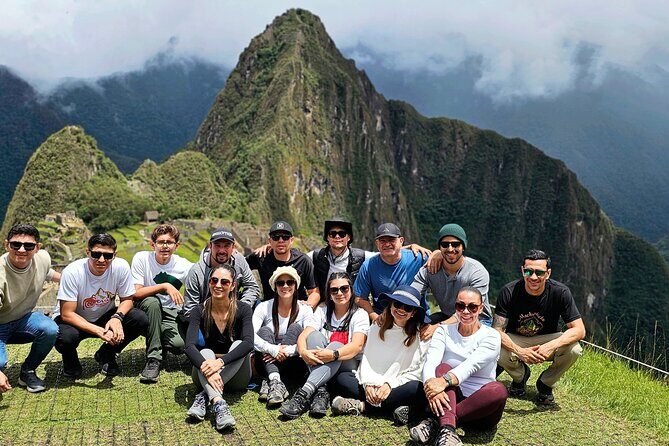
- Small group (max 19): easier pacing through the Sacred Valley stops
- Chinchero wool & natural dye: a clear, hands-on cultural moment
- Moray + Maras salt pools: geology and human-scale farming in one flow
- Ollantaytambo train to Aguas Calientes: removes a lot of hassle from the route
- 2.5-hour guided Machu Picchu tour: enough time to make the site click
- Optional hot thermomedical waters: a low-effort reset before heading back toward Cusco
Sacred Valley VIP to Machu Picchu in 2 days: how this plan works
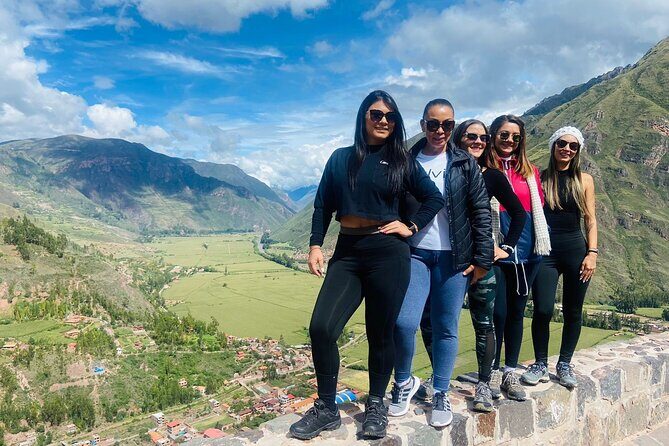
This is the kind of itinerary I like when you only have a short window in Peru. You’re not just rushing from one photo spot to another; you get a full day in the Sacred Valley with guided context, and then you get a guided Machu Picchu morning when the lighting and energy are at their best.
On Day 1, the rhythm is: culture and crafts in Chinchero, then natural features and agriculture in Moray and Salineras de Maras, then a scenic jump to Ollantaytambo and the train toward Aguas Calientes. Day 2 is built around one mission: get up early, go to Machu Picchu with a guide for 2.5 hours, and finish with lunch, plus optional hot springs.
The “VIP” part here isn’t about velvet ropes. It’s about tighter control of timing, a guided flow between sites, and fewer independent logistics that can turn into stress—especially on a trip where altitude already demands your patience.
You can also read our reviews of more tours and experiences in Cusco

Day 1 in the Sacred Valley: Chinchero, Moray, Salineras, and the train move
Day 1 is your groundwork day. You’ll be building mental images that make Machu Picchu make more sense later, because you’re seeing how people have worked this region for generations—through crafts, farming, and even salt.
Plan on a mix of short walking and viewpoint time. The good news: the stops are spaced so you’re not stuck in one long, exhausting stretch with no break. The better news: you get guidance at key moments, so you’re not standing around wondering what you’re looking at.
Also, this tour is designed for a maximum of 19 people, which helps with crowd pressure and question time. If you like asking questions, this is where your guide time matters.
Chinchero’s wool and natural dye: the craft stop you’ll actually remember
The first highlight is Complejo Arqueológico Chinchero, followed by an exhibition focused on wool fabric and natural dyeing. This is one of those stops where the payoff comes from doing a small mental shift: instead of treating it like a quick photo stop, you treat it like a skill and a supply chain.
What makes this worthwhile is the specificity. The tour includes time for the dyeing and fabric process, including the use of natural plants. You leave with a clearer sense of why the colors in Andean textiles are not just decorative—they’re tied to materials and practical knowledge.
One small drawback to keep in mind: if you’re the type who needs lots of free time, this kind of guided craft segment can feel a bit structured. Still, it’s one of the best uses of time in the Sacred Valley because it connects art, environment, and daily life.
Admission is included here, so you’re not paying extra just to enter and learn.
Moray’s circular walk and the microclimate idea
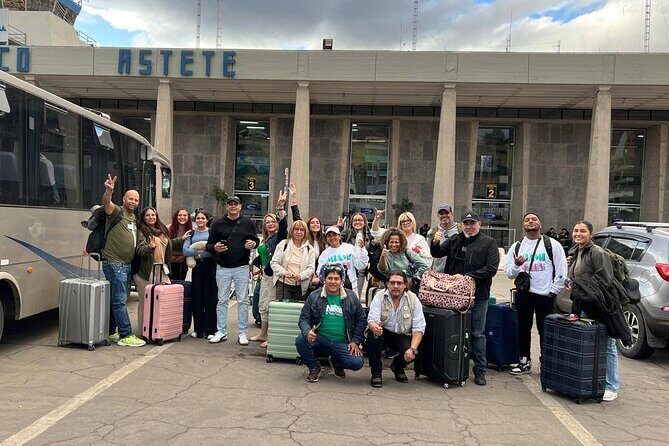
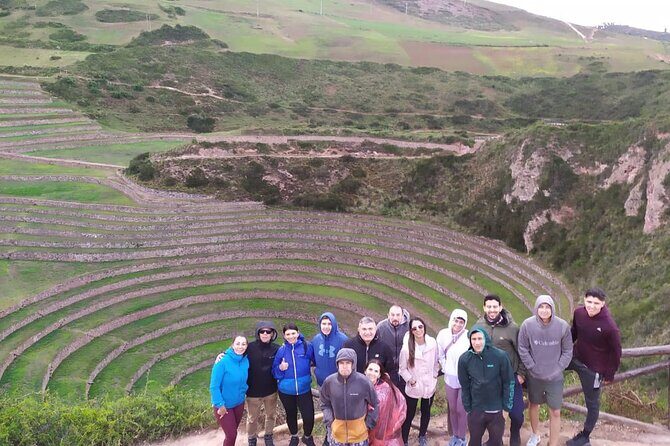
Next comes Moray, where the star feature is the circular layout and the microclimate effect along the walk. Even if you don’t know anything about the science behind it, the tour sets you up to notice something real: the terrain changes how conditions feel as you move.
I like stops like this because they reward attention. You can stand in a gorgeous place and still get nothing out of it, but here you’re nudged toward observation. The circular walk keeps you moving at a steady pace and helps you understand the site as a designed environment—not just a set of ruins.
Admission is included for Moray as well, which makes it a smoother value decision.
Salineras de Maras salt pools: human engineering you can see
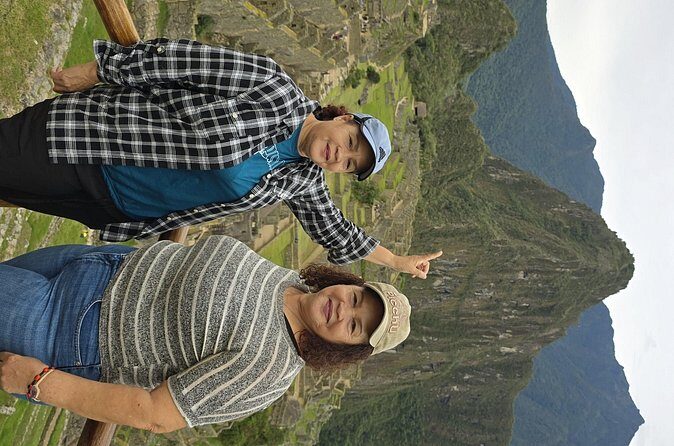
Then you roll directly into Salineras de Maras, the salt pools, where you’ll get an explanation of the salt process on site. This is where the tour earns its “more than just views” label.
You’ll see a landscape that’s visually dramatic but also functional. The salt pools are easy to understand once you’re told the basic process—then your brain does the rest as you connect water, evaporation, and the long-term work that keeps it going.
This segment is time-efficient too. You’re given around 1 hour 30 minutes total for Moray and Salineras together, which is about right for a guided flow without turning the day into a marathon.
You can also read our reviews of more tours and experiences in Cusco


Urubamba lunch: a rest stop that keeps momentum (and your energy)
Lunch is in Urubamba, at a tourist restaurant buffet for about 1 hour. I’m calling it as a “momentum” stop. You’re not spending time hunting for food or trying to translate menus while also managing altitude.
The buffet format is practical on a day like this because you can eat fast, choose what sits well in your stomach, and get moving again. The tradeoff: you’re not likely to stumble onto a life-changing local specialty you’ve never heard of. But for a two-day plan, the goal is recovery, not culinary adventure.
Ollantaytambo: huge stones first, then the train to Aguas Calientes
Ollantaytambo is both scenery and engineering. You’ll visit the archaeological center noted for huge stone construction on a mountain. The effect is immediate: the scale is hard to fake, and the setting makes the structures feel physical, not just historical.
After the visit, you head to the station of Ollantaytambo to board the train to Aguas Calientes (about 40 minutes). This matters more than it sounds. On your own, this route can become a puzzle of schedules, tickets, and timing pressures. Here, the tour handles that transition so you can focus on arriving for your next big day.
Think of the train as part of the pacing strategy. It reduces the amount of “stop-start” travel you’d otherwise do between ruins and your Machu Picchu morning.
Day 2 early start: breakfast, bus climb, and a guided 2.5-hour Machu Picchu
Day 2 is the payoff. You wake up in Aguas Calientes, with breakfast included at your hotel, then you head to the bus station for the climb to Machu Picchu.
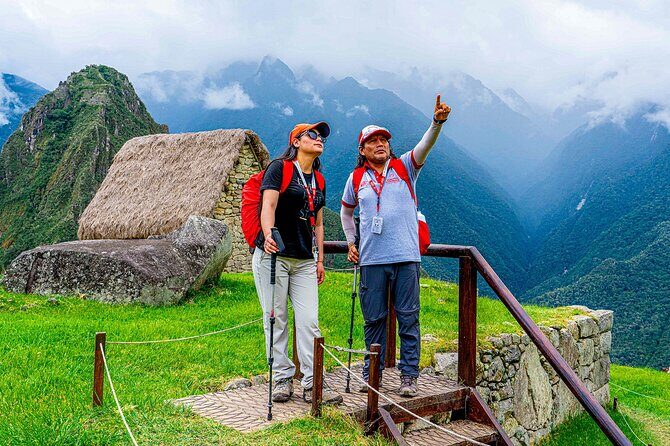
The key detail is the guided portion: a 2.5-hour guided tour. That’s a sweet spot. Long enough to get oriented, learn what you’re seeing, and slow down for the important viewpoints. Not so long that you lose energy before you even eat.
You’ll descend back to town after the guided tour, then have lunch.
What I like about a guided time block at Machu Picchu is that it protects you from decision fatigue. This site is big, crowded, and full of lines of sight. With a guide, you don’t waste time guessing what to prioritize.
After your guided tour: lunch and optional thermomedical hot waters
Back in Aguas Calientes, lunch comes after the Machu Picchu experience. This is a smart timing choice. You’ve just done the emotional heavy lifting, and food plus gravity helps your legs reset.
Then there’s an optional add-on: thermomedical hot water waters for about 30 minutes. I treat this as a “smart recovery button.” If you’ve got sore calves or just want your brain to stop spinning after altitude, hot water is an easy win.
This is optional, so don’t feel forced. But if you enjoy simple self-care at the end of a long day, it’s a nice close.
Price and value: what $365 covers, and where the savings can show up
At $365 per person for a 2-day package, the value question is: what’s included versus what you’d normally scramble to arrange?
From what you get built into the plan, the big value pieces are:
- Included admission for Chinchero (including the wool fabric/dyeing exhibition) and Moray
- Included admission for Salineras de Maras (as part of that Day 1 stop segment)
- A train ride from Ollantaytambo to Aguas Calientes
- Breakfast included on Day 2
- A 2.5-hour guided Machu Picchu tour
- Optional hot springs time for recovery
- A buffet lunch on Day 1, plus lunch on Day 2
If you were arranging this on your own, the stress points would likely be tickets, transport timing, and keeping the day flowing. Here, you’re paying to reduce friction. That’s worth real money if you’d rather spend your energy enjoying rather than solving logistics at altitude.
Another value factor is the group limit of 19. When you’re booking something this in-demand, a smaller group often feels like better attention. Even if you don’t get special treatment, you usually get smoother handling.
One more practical note: this itinerary is commonly booked about 51 days in advance on average. If Machu Picchu is a must, I’d plan similarly and not wait for last-minute deals to appear.
Who this 2D1N Sacred Valley and Machu Picchu combo suits best
This is a strong fit if you:
- Want two days that cover the main Sacred Valley stops and Machu Picchu without turning your vacation into a logistics project
- Prefer a guided approach at Machu Picchu so you understand what you’re looking at
- Like small-group pacing and don’t want to be lost in a giant crowd plan
- Appreciate cultural stops that go beyond ruins—like the wool and natural dye component
It may be less ideal if you:
- Want totally free time and lots of unscheduled wandering
- Dislike early starts or moving through multiple sites on a tight schedule
- Have very limited tolerance for walking and altitude adjustment
Still, the tour data says most travelers can participate, so it’s broadly approachable as long as you take it slow.
Quick practical tips to make the most of this plan
A two-day Machu Picchu trip is where small choices matter.
- Take altitude seriously on Day 1. Even when you’re not at Machu Picchu yet, you’re still in the region and walking.
- Keep your pace steady during Moray and the Maras salt area. The guided explanation will make more sense if you’re not rushing.
- Hydrate and eat smart at lunch. You’ve got enough long moments here that energy management is the difference between fun and misery.
- Plan for hot springs recovery. If you do it, go after Machu Picchu, not as a substitute for rest.
Should you book Sacred Valley VIP and Machu Picchu 2D1N?
I’d book this if your priority is a smooth, guided experience that connects the Sacred Valley to Machu Picchu in a way that feels organized. The mix is sensible: craft and dyeing at Chinchero, earth-and-water engineering at Moray and Salineras de Maras, then the rail move to Aguas Calientes, and finally a guided 2.5-hour Machu Picchu visit.
I’d skip it (or at least consider a different style of trip) if you’re chasing maximum free time or you want to avoid a packed schedule with an early start. This plan works best when you’re okay following a strong day structure and letting the guide help you make sense of what you see.
If that sounds like you, this is a solid value way to do Machu Picchu without the headache of assembling everything yourself.
FAQ
How long is the Sacred Valley VIP and Machu Picchu 2D1N tour?
It runs for 2 days (approximately).
What does it cost and how big is the group?
The price is $365.00 per person, and the tour has a maximum group size of 19 travelers.
What meals are included during the tour?
You’ll have breakfast included at your hotel on Day 2. On Day 1, lunch is a buffet lunch in a tourist restaurant, and on Day 2 there is lunch after the guided Machu Picchu visit.
Is Machu Picchu guided, and how long do you spend there?
Yes. On Day 2 you’ll have a guided tour of 2 1/2 hours at Machu Picchu.
Which stops include admission tickets?
Admission tickets are included for Complejo Arqueologico Chinchero and Moray (and the Moray/Maras portion is described as including entry). Other stops are listed as ticket-free in the itinerary details provided.
Can I cancel for a full refund?
Yes. You can cancel up to 3 days in advance of the experience for a full refund.
Is the tour suitable for most people, and is it near public transportation?
The tour states that most travelers can participate and that it is near public transportation.