REVIEW · CUSCO
Peruvian cooking class – Pachamanca experience
Book on Viator →Operated by PERUVIAN COOKING EXPERIENCE BY SONQO COOKING STUDIO · Bookable on Viator
Hot stones, underground steam, and real Andean flavor. This Cusco class takes you through Pachamanca with local chefs, from marinating meats with Andean herbs to assembling the earth oven, and I like how hands-on it stays. One caution: there’s at least one published report of a no-show at the meeting spot, so you should confirm details and have a backup way to reach the provider.
You’ll spend about 5 hours doing prep, learning the cultural angle of this ancient Andean method, then waiting while the oven cooks underground. When it’s ready, you’ll open the oven and eat a shared traditional meal right then—plus you’ll taste a Pisco Sour as part of the experience.
In This Review
- Quick Hits You’ll Care About
- Pachamanca in Cusco: What You Actually Do
- Building the Earth Oven: Hot Stones and Teamwork
- Andean Ingredients: Marinating, Potatoes, Corn, and Seasonal Vegetables
- The Wait Underground: Learn While the Stones Cook
- Lunch Right After the Oven Opens: Shared, Fresh, Communal
- Price and Value: Is $80 in Cusco Reasonable?
- Where It Starts in Cusco (and How the Timing Works)
- The One Thing I’d Watch Closely: Communication at the Meeting Point
- Who This Pachamanca Class Is Best For
- Should You Book Sonqo Cooking Studio’s Pachamanca?
- FAQ
- How long is the Pachamanca cooking class in Cusco?
- What’s included with lunch?
- Is there alcohol included?
- Can they accommodate food restrictions?
- Is this a private tour, and is transportation included?
- Where do you meet, and can you get a full refund if plans change?
Quick Hits You’ll Care About
- Underground Pachamanca cooking with hot stones and a pit-style earth oven, not just a demo
- Marinating and prepping native ingredients like potatoes and corn alongside seasonal vegetables
- Taste-everything meal flow, with lunch included and dishes served after cooking finishes
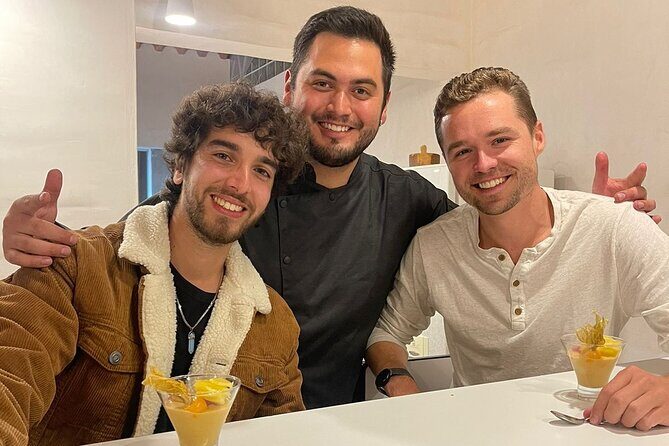
- Pisco Sour tasting built into the food experience
- Private tour setup, with private transportation and only your group participating
Pachamanca in Cusco: What You Actually Do
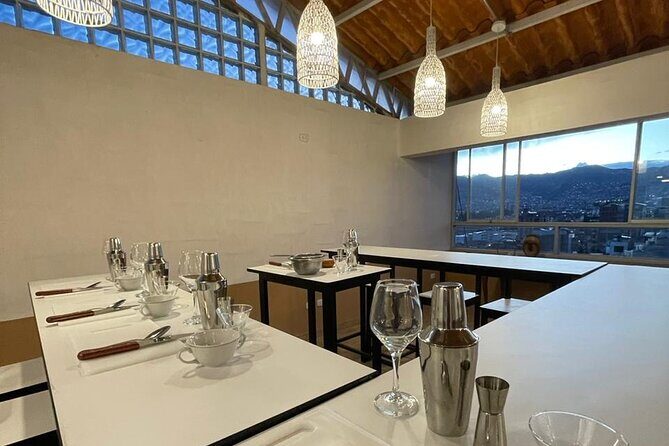
This is not a sit-and-watch cooking class. You’re involved in the core work of Pachamanca: preparing food, seasoning and marinating, assembling the cooking oven, and then helping open it once the cooking finishes.
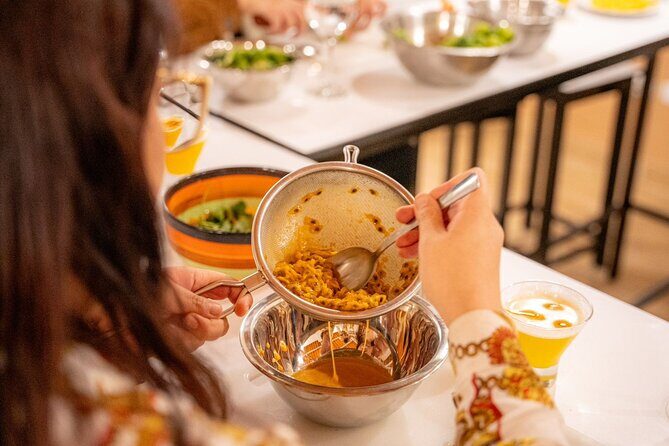
The rhythm matters. First, the chefs introduce the cultural significance of Pachamanca and the idea behind the underground method—using hot stones to cook food in an earth oven style. Then you get hands-on with the building blocks: marinating meats with Andean herbs and spices, prepping native potatoes, and working with corn and seasonal vegetables.
I like that the experience is structured around the method itself. Instead of treating Pachamanca like a mystery dish you eat at the end, you learn what goes into making it. And since it’s described as being prepared at the moment, you’re eating something that’s tied to the cooking process you participated in, not something prepped hours (or days) earlier.
You can also read our reviews of more cooking classes in Cusco


Building the Earth Oven: Hot Stones and Teamwork
The heart of the experience is assembling the earth oven using hot stones. Even if you’ve never seen a setup like this before, you’re not left guessing. The tour includes the tools you need for meal prep, and the chefs guide you through the process.
What’s especially useful for you is understanding the flow:
- You help assemble the oven setup.
- The cooking happens underground while you take a break.
- After cooking, you help open the oven.
- Then you eat the meal together.
That final part—helping open the oven and then eating in a communal setting—is a big part of what makes this feel like a cultural cooking experience rather than a casual lunch. It also means you get a clear before-and-after moment where everything changes from work time to meal time.
If you’re the type who learns best by doing, this setup fits. And if you prefer structured activities, the 5-hour length gives you enough time to participate without feeling rushed.
Andean Ingredients: Marinating, Potatoes, Corn, and Seasonal Vegetables
A lot of cooking classes say they use local ingredients. This one spells out several of the main players you’ll work with: Andean herbs and spices for marinating meats, native potatoes, corn, and seasonal vegetables.
Why that matters for you: Cusco is surrounded by different climates and growing conditions, and Andean cooking typically reflects what’s available locally. In practical terms, this kind of menu gives you a better snapshot of regional flavors than a generic “Peruvian-inspired” meal.
Also, the experience explicitly mentions dietary flexibility. Since every dish is prepared at the moment, if you have a food restriction (health, religion, etc.), the provider says they can replace certain ingredients so the experience stays enjoyable. That’s a real advantage compared with tours that can only offer vague substitutions.
One practical thought: if you have a restriction, don’t wait until the last minute. Use your booking messages early so they can plan ingredient swaps ahead of time.
The Wait Underground: Learn While the Stones Cook
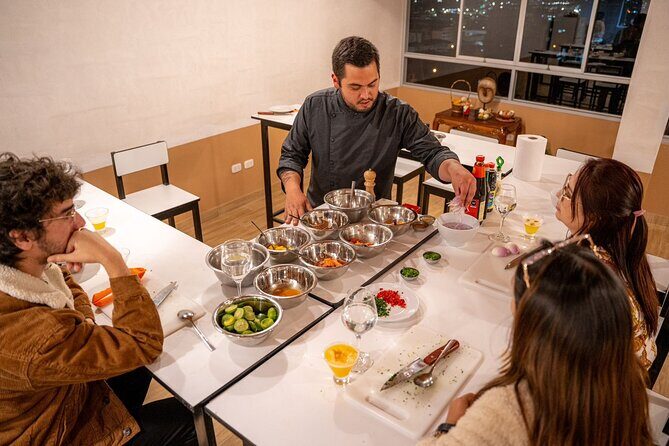
Once the oven is assembled, you’re not stuck standing around. You’ll have time to relax while the cooking happens underground, and you can learn more about Andean gastronomy and local traditions.
This “wait” period is more than dead time. It’s part of how Pachamanca works. Underground cooking means the process takes time, and you’ll feel that pacing shift from active prep to slower conversation and cultural context.
If you’re worried about wasting your afternoon, here’s what to look for: the tour includes learning about Andean gastronomy and local traditions during the cook time. So you’re not just waiting—you’re filling that gap with context that helps the meal make sense when it arrives.
Lunch Right After the Oven Opens: Shared, Fresh, Communal

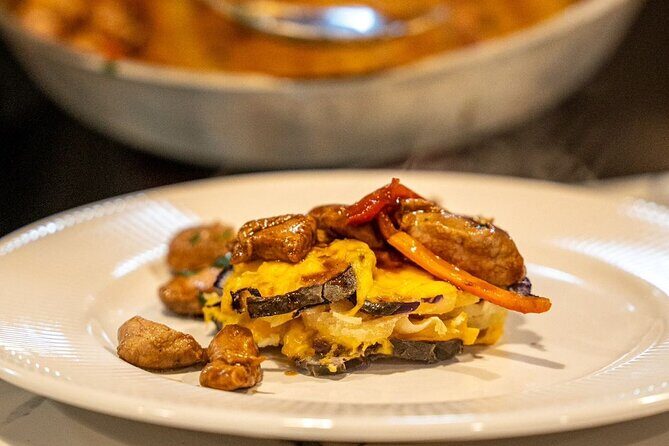
After the Pachamanca cooks, you help open the earth oven and then enjoy a shared traditional meal served fresh. The lunch is included, and the experience states that every dish will be tasted afterwards.
That matters because it frames lunch as part of the learning, not just the payoff. You get to try what you worked on, and you do it in a communal setting with the hosts.
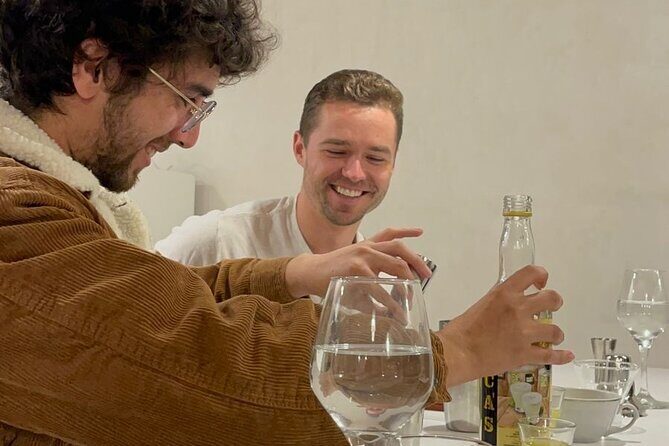
Alcohol-wise, the experience includes a Pisco Sour tasting as part of the culinary experience. You shouldn’t think of this as a big party stop. It’s a small tasting tied to the meal, which I like more than tours that turn the alcohol into the main event.
Before you leave, you’ll have time to enjoy the meal, ask questions, and connect with the hosts. That last window is where you can fill in gaps you didn’t know you had—like how the seasonality of ingredients affects the dish or how the herbs/spices influence flavor.
You can also read our reviews of more tours and experiences in Cusco



Price and Value: Is $80 in Cusco Reasonable?
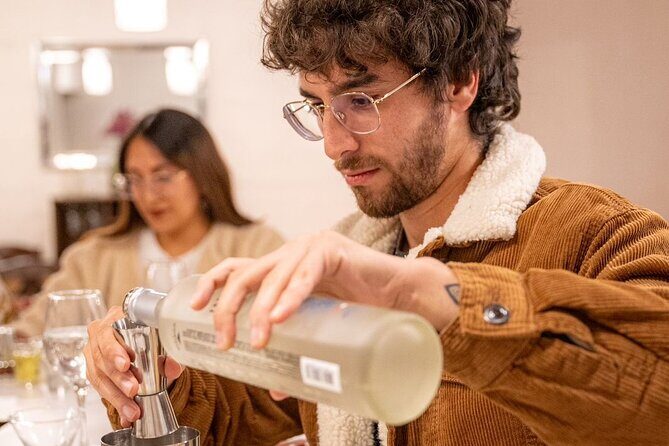
At $80 per person for about 5 hours, this sits in the “you’re paying for a full activity, not just lunch” category. Here’s what you’re getting that justifies the cost based on the tour details:
- Private transportation included
- Tools for preparing the food included
- Lunch included (with tasting of every dish)
- Pisco Sour tasting included
- A guided, hands-on Pachamanca process (not a short demo)
- Private tour format: only your group participates
For me, the value comes down to participation. Cooking classes that are mostly observation often feel overpriced. This one is built around doing the key steps: marinating, prepping native ingredients, assembling the earth oven, and helping open it.
It’s also notable that the experience is often booked in advance (on average, 18 days ahead). That suggests demand for the format and a limited number of available slots—another reason to lock it in if you want Pachamanca during your Cusco time.
Where It Starts in Cusco (and How the Timing Works)
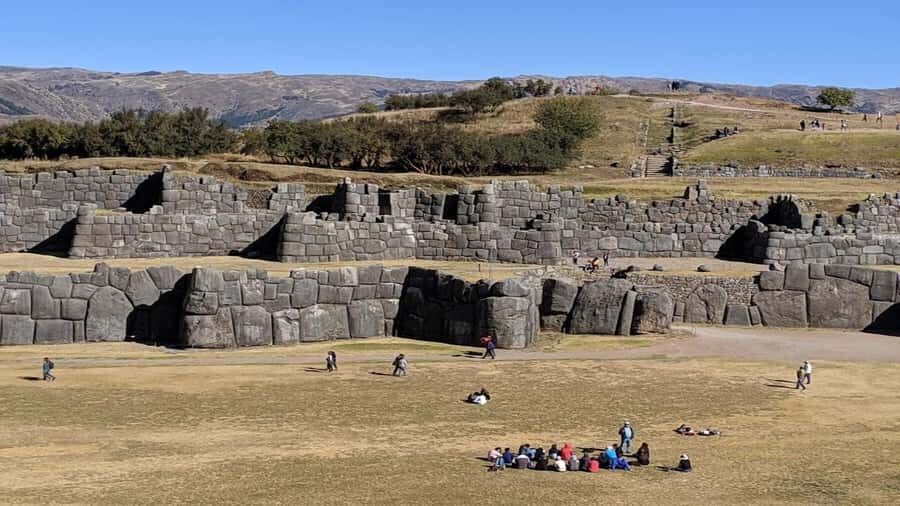
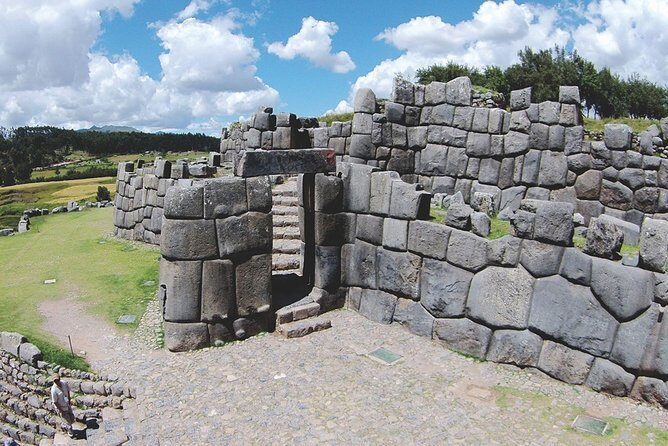
The meeting point is listed as C.C. Fortaleza Sacsayhuaman F2X8+VX8, Cusco 08003, Peru, and the activity ends back at the meeting point. Private transportation is included, so you’re not left to navigate on your own after the cooking.
Timing-wise, the duration is listed as approximately 5 hours. That’s a sweet spot: long enough for real prep and cooking, but not so long that it eats your entire day.
One thing I’d recommend, based on the reality of meeting-point tours: arrive a few minutes early and keep an eye on your confirmation details. This is especially important because there is at least one published report describing a no-show and unreachable messages at the meeting location.
The One Thing I’d Watch Closely: Communication at the Meeting Point
I don’t like surprises, and the supplied feedback includes a serious complaint: someone reported arriving to a locked door, no one showing up in the square, and difficulty getting responses. I can’t verify what caused that for that specific booking, but it’s enough for you to plan smart.
Here’s how I’d reduce your risk without turning it into a stress fest:
- Keep your confirmation info accessible on your phone.
- Take a screenshot (or save offline) of the provider instructions and meeting details.
- If you message the provider, follow up if you don’t hear back soon.
- If your tour uses a specific meetup point, treat it like a real appointment, not a vague suggestion.
Most tours run fine. But when you see a report like that, your best move is to be proactive.
Who This Pachamanca Class Is Best For
This experience fits best if you want food that’s tied to place and process.
It’s a strong match if you:
- Like cooking classes where you actually participate
- Want to learn about Andean gastronomy in a practical way
- Prefer a communal meal format over a quick plate-and-go lunch
- Appreciate private transportation and a private group setup
It may feel less ideal if you:
- Want a totally hands-off experience with no prep involvement
- Have strict dietary needs and need very specific ingredient exclusions (the tour says they can replace ingredients, but exact limitations aren’t listed)
If you’re traveling as a couple, small group, or family, the private format can be a good value because you’re not competing with strangers for attention or space.
Should You Book Sonqo Cooking Studio’s Pachamanca?
I’d book it if your priority is hands-on Pachamanca: marinating, assembling the earth oven, opening it, and then eating a fresh communal lunch with a Pisco Sour tasting.
The price makes sense for a 5-hour, private, tools-included experience with lunch and a guided process. The only reason I’d pause is the reported meeting-point issue in one low-rating review. If you’re booking, do what I suggested: confirm details and keep backup contact ready.
If you can handle that small piece of due diligence, this is the kind of Cusco activity that gives you more than a meal. It gives you the story of how the meal happened.
FAQ
How long is the Pachamanca cooking class in Cusco?
The experience runs for approximately 5 hours.
What’s included with lunch?
Lunch is included, and every dish prepared is tasted afterwards. The meal is served fresh after the Pachamanca finishes cooking.
Is there alcohol included?
Yes. You’ll taste a Pisco Sour as part of the culinary experience.
Can they accommodate food restrictions?
Yes. The provider says that since dishes are prepared at the moment, they can replace certain ingredients for health, religion, or other restrictions so everyone can enjoy the experience.
Is this a private tour, and is transportation included?
Yes. It’s a private tour/activity with only your group participating, and private transportation is included.
Where do you meet, and can you get a full refund if plans change?
You start at C.C. Fortaleza Sacsayhuaman F2X8+VX8, Cusco 08003, Peru, and the activity ends back at the meeting point. Cancellation is free: you can cancel up to 24 hours in advance for a full refund.
If you want, tell me your travel dates and whether you’re flexible on timing, and I’ll help you compare this with other Cusco food experiences based on what you care about most.