REVIEW · CUSCO
Sacred Valley (VIP) – Full Day Trip
Book on Viator →Operated by Peru Amazon Trips · Bookable on Viator
Cusco to the Sacred Valley in one long day is a smart move. This VIP-style full-day trip strings together major Inca sites with an English-Spanish guide, so you can go from rainbow-market views to fortress stones without planning every turn yourself. I especially like how the route covers a range of landscapes and ideas—agriculture, ceremony, and daily village life—rather than repeating the same kind of stop.
What I also like is the real-life value: Urubamba buffet lunch is included, with a vegan option, so you’re not hunting for food while you’re on a tight schedule. The one drawback to plan for up front is the cost of access: you’ll need to buy a Partial Tourist Ticket (plus Maras salt mines admission), and that can feel like a surprise if you were budgeting only the $55 rate.
In This Review
- Key things that make this day trip work
- A 12-hour Sacred Valley sprint with Cusco hotel pickup
- Price and ticket math: what the $55 doesn’t cover
- Chinchero’s Sunday market energy and Inca stonework
- Moray’s circular terraces: an Inca crop lab
- Maras salt pools: photography, trails, and when cash matters
- Ollantaytambo’s water temple and fortress entrance to the valley
- Pisac: sun observatory, city of towers, and a legend in stone
- Intihuatana (sundial)
- City of the Towers
- Ñusta Encantada (enchanted princess)
- Urubamba lunch: good fuel and a vegan option
- The pace, the bus, and how to keep your day enjoyable
- Is the VIP part worth it?
- Should you book this Sacred Valley VIP day trip?
- FAQ
- Do I get hotel pickup in Cusco?
- How long is the Sacred Valley (VIP) full-day trip?
- What’s the group size limit?
- Does the tour include lunch?
- Do I need a Partial Tourist Ticket?
- Is entrance to the salt mines of Maras included?
- What languages is the guide?
- Is there free cancellation?
- How far in advance is this tour usually booked?
Key things that make this day trip work
A 12-hour circuit that saves you a full extra day if you don’t want a two-day Sacred Valley stretch
Bilingual guiding in English and Spanish, with names like Richard, Irving, Jhonnatan, and Warner showing up as examples of the kind of guide you may get
Urubamba lunch included, and yes, there’s a vegan buffet option
Ticket and cash needs: you’ll buy the Partial Tourist Ticket, and Maras salt mines have an extra entrance fee
Photography-friendly stops, especially Maras, with plenty of scenic angles for pictures
A 12-hour Sacred Valley sprint with Cusco hotel pickup
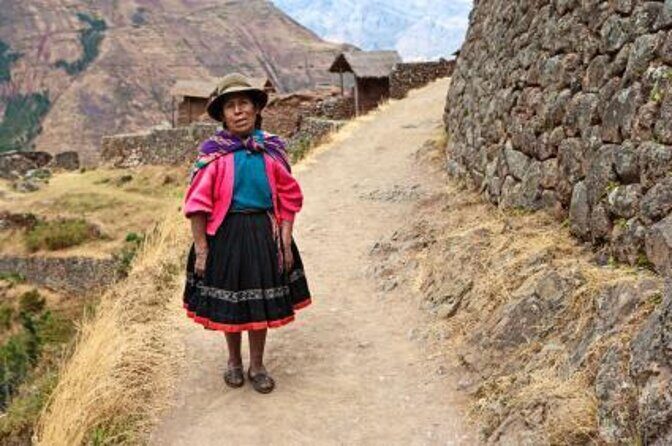
This is the kind of day trip that fits real schedules. The total time is about 12 hours, and you start with hotel pickup in Cusco. One practical note: pickup is included from Cusco hotels, not private residences—so plan to be at your hotel lobby at the agreed time.
The day runs as a “see a lot” loop. That’s a strength if you’re short on time, and it comes with a tradeoff: you should expect a tight pace, quick transitions, and sites that involve steps and short uphill walks. You’ll get enough time to appreciate each place, but not enough to linger like you would on a slower independent day.
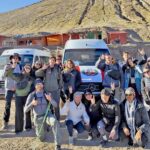
Group size is capped at 19 travelers, which is large enough to feel sociable but small enough that you’re not disappearing down the highway. Still, shared shuttles can get chaotic on a busy day, so keep your expectations realistic and stay alert about where your group is heading next—especially if you’re the sort who likes certainty.
You can also read our reviews of more tours and experiences in Cusco


Price and ticket math: what the $55 doesn’t cover
Let’s do the money math in plain terms. The tour price is $55 per person, and it includes transfers from your Cusco hotel, a bi-lingual guide, a guided tour, and buffet lunch in Urubamba (with a vegan option).
Not included:
- Partial Tourist Ticket: PEN 70 per person
- Maras salt mines admission: PEN 20 per person
Here’s why this matters: even if the itinerary says some site entries are free, in practice you still need that Partial Tourist Ticket to access the major archaeological areas. So you’re not just paying one price—you’re paying one price plus site access fees.
My advice: bring extra cash (or be ready to pay what’s required on the day). You’ll almost certainly want the ability to handle entrances without slowing the group down, and having funds ready also helps if you decide to buy small items from local vendors or pay for any extras that come up.
Chinchero’s Sunday market energy and Inca stonework
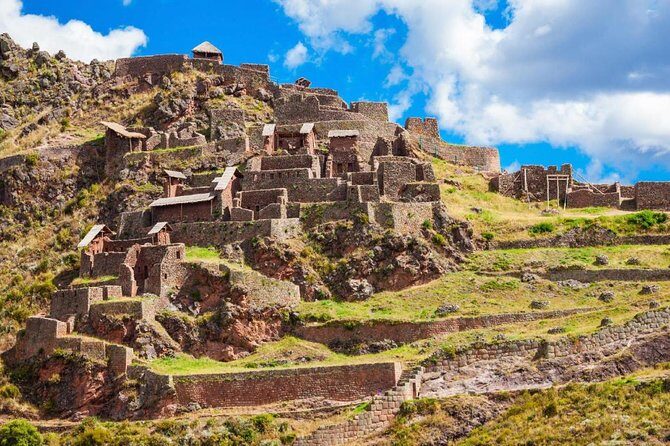
Chinchero sits high in the Andes at about 3,765m, around 30 km from Cusco. The big reason to go is the setting: you get wide views over the Sacred Valley, with the Cordillera Vilcabamba and Salkantay often visible on the horizon. It’s a good “breather stop” before the day gets even more intense.
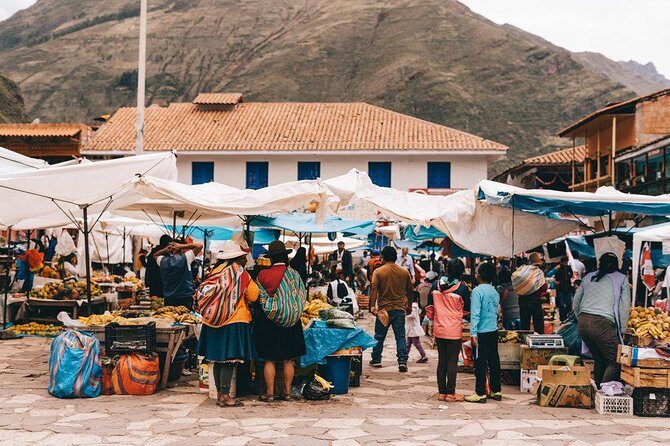
Chinchero is tied to stories—one popular one connects it to the mythical birthplace of the rainbow. More importantly for your visit, it’s known for a colorful Sunday market that feels less geared toward tourists than Pisac. So if you want to see everyday life in Andean dress and hear the rhythm of a real market, this is where that vibe can happen.
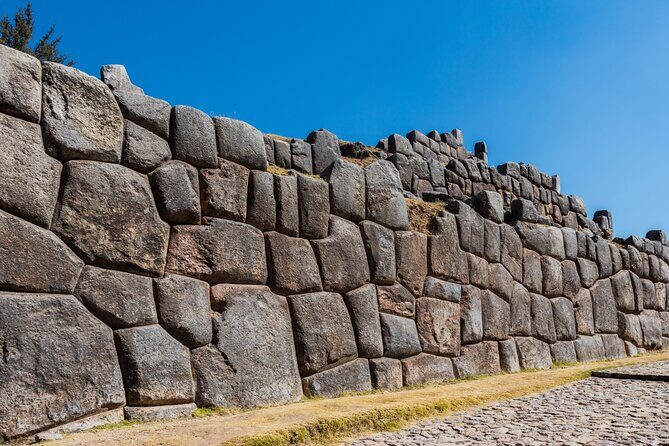
On the Inca side, don’t skip the remnants in the main plaza, including a massive stone wall with ten trapezoidal niches. The stonework and the agricultural terraces are reminders that these communities weren’t just living near the empire; parts of this landscape were shaped by it.
Expect about an hour. Wear grippy shoes, and take your time with the viewpoint before you drift into the market lanes.
Moray’s circular terraces: an Inca crop lab
Next comes one of the most imaginative sites in the Sacred Valley: Moray. It’s roughly 4.5 miles from Maras and 39 miles from Cusco—close enough that it can fit into a single-day circuit, but far enough that the views feel bigger.
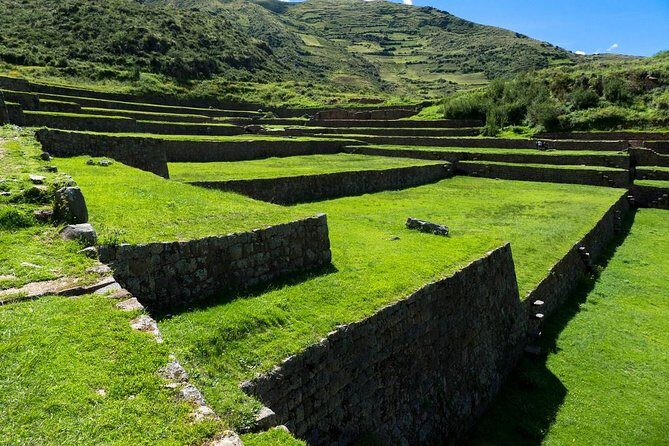
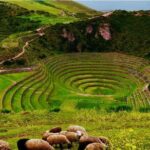
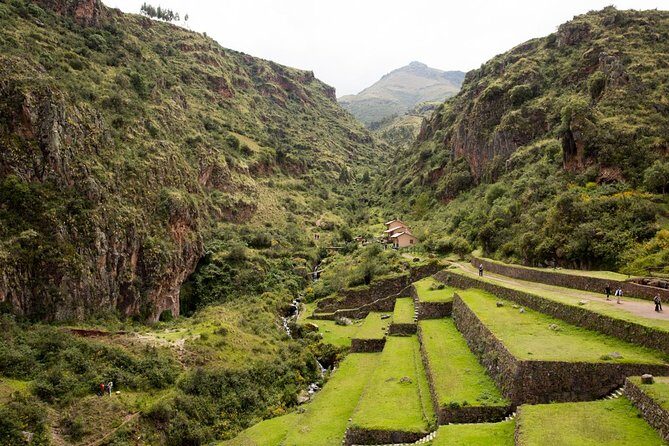
What you’re looking at is a system of circular terraces, built with retaining walls and connected by an irrigation system. The terraces can reach up to 330 feet deep, which matters because it’s not just architecture. It’s agriculture designed to create different conditions.
Think of Moray as an Inca microclimate experiment. By using depth and slope to change temperature and exposure, they could test how crops respond. It’s a “how did they think of this” kind of site, and it’s one of the reasons the Sacred Valley still feels like a living laboratory, not a frozen theme park.
You’ll usually have around 45 minutes. That’s enough time to grasp the idea and get some photos, but not enough to go full nerd on every terrace detail. If you like learning fast, this stop will feel satisfying.
Maras salt pools: photography, trails, and when cash matters
Maras is where you point your camera at the mountains and start shooting. The salt mines, often called the salt pools, sit in the rural community of Pichingoto. The sight is dramatic: thousands of small pools stacked down a slope, reflecting light in a patchwork.
This stop is also practical for active visitors. There’s a trail concept connecting the salt mines with nearby villages like Tarabamba and Pichingoto, which makes the area interesting if you like walking or cycling. Even if you don’t hike far, the terrain and the views make this one of the most scenic moments of the day.
Important: Maras has an extra admission fee—PEN 20 per person—so plan for it. Also plan for time. You’ll have about 45 minutes, and that’s split between paying attention to the pools, taking photos, and getting back into the flow of the day.
One more thing to keep in mind: the Maras area in the route description also includes the Sanctuary of Tiobamaba, a colonial adobe church known for paintings such as The Last Supper. If you like culture as much as scenery, this is a nice pairing.
You can also read our reviews of more tours and experiences in Cusco

Ollantaytambo’s water temple and fortress entrance to the valley
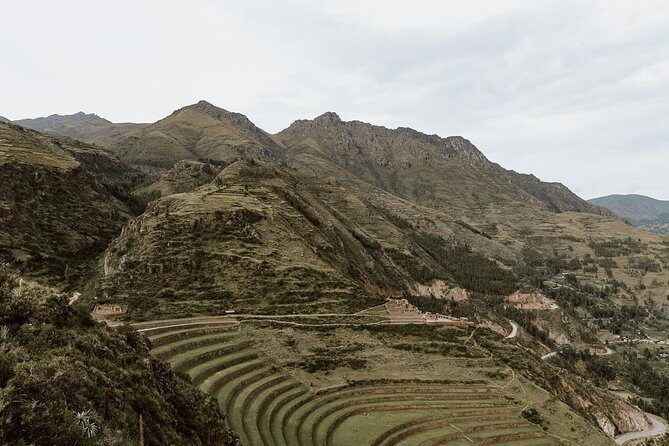
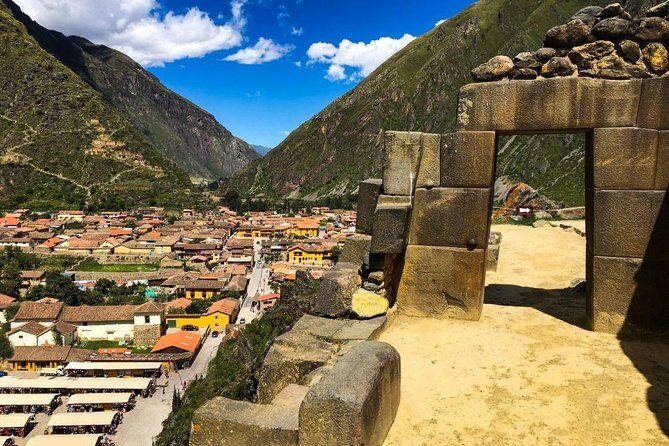
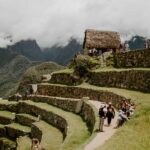
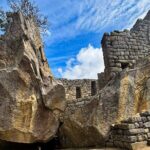
Ollantaytambo is a step up in scale. You’re around 9,160 feet here, and the village preserves Inca-style building designs in a way that feels close to how people might’ve moved through the valley long ago.
The highlights you’ll want to focus on:
- A ceremonial temple in worship of water, with terraces you climb up and across
- A fortress built between mountains, designed to guard the valley’s entrance
- The Temple of Inti (the sun god) and nearby features like the baths of the Ñustas (princesses)
The fortress idea is powerful because it explains why this site matters. You’re not just viewing ruins; you’re seeing how control of passage through the valley worked.
Ollantaytambo also connects to surrounding life. The area can include communities recognizable by red and black ponchos and hats, like the Huayruros de Willoc. Even if you don’t interact long, it adds texture to the day.
You’ll have about an hour. It’s enough to cover the big points, but bring patience for the steep bits. This is not a “flat and easy” stop.
Pisac: sun observatory, city of towers, and a legend in stone
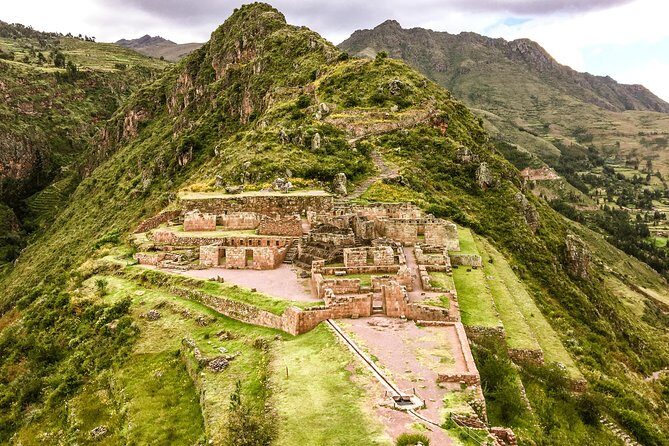
Pisac often gets the spotlight in Sacred Valley tours, and this route doesn’t waste your time getting to the most meaningful parts.
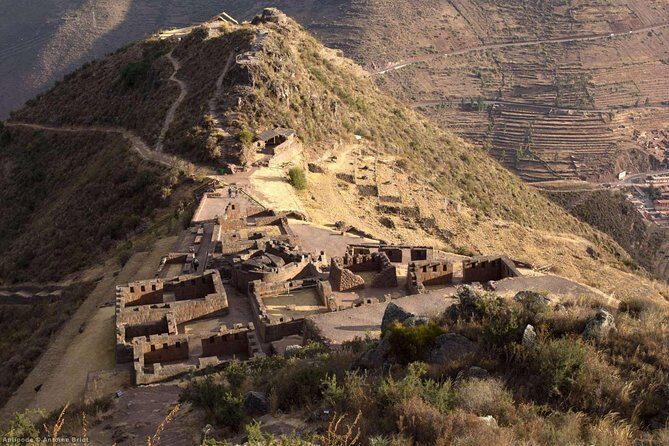
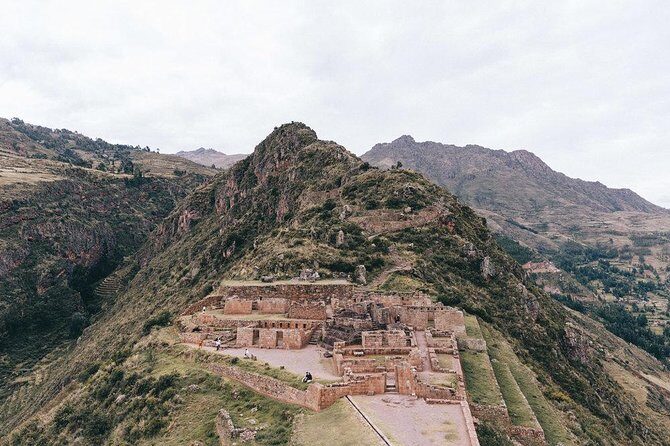
You’ll notice the stonework first: the balanced block walls with tight joints are a reminder that Inca construction was built for stress, not decoration. After that, aim for the ceremonial and astronomical centerpieces.
Intihuatana (sundial)
Intihuatana is described as Pisac’s most important ceremonial and religious site. It’s built with sedimentary rocks and sits at the top, so you get a sweep of the whole valley from there. The name translates roughly as sundial, and it’s tied to how the carved rock lines align with the sunrise around the June solstice.
Even if you don’t do astronomy math, the point lands: this place was built to track celestial timing and reinforce ritual.
City of the Towers
This part—often called the city of towers—includes structures believed to have served as water channels, with around 20 towers on the edges of the mountain. It’s easy to see why this is grouped with Intihuatana: water, timing, and power.
Ñusta Encantada (enchanted princess)
Then there’s the legend-shaped rock complex, said to resemble a woman carrying saddlebags. The story involves love, a bridge built in one night, and a warning about turning to look too soon—or both lovers turning to stone.
You’ll be here about one hour, and yes, it can feel like a fast climb and fast descent. If you’re someone who likes to linger, keep your expectations set: it’s a “cover the essentials” stop.
Urubamba lunch: good fuel and a vegan option
Lunch is handled in Urubamba via a buffet. The value here is that you’re not gambling on finding a meal that fits the group schedule. A solid buffet also means you can eat what you like without waiting forever in line for one dish.
The key detail for many people: there’s a vegan option. That’s not always standard on shared day tours, so it’s worth credit. If you’re gluten-free or have other dietary needs, you’ll still want to watch what you’re served, but at least you’re not stuck hunting alone.
One more practical angle: lunch is a reset. You’ll have been walking and adjusting to altitude. Eating well here helps you enjoy the later sites instead of feeling dragged.
The pace, the bus, and how to keep your day enjoyable
This is a long day, and your comfort will depend a lot on small choices. Expect a rushed tempo and some walking with steps. One reason is simple: the itinerary packs multiple major sites into a single circuit, and the group has to keep moving.
On top of that, the bus experience can matter more than people think. I’ve seen feedback about the bus being very loud, which can make it hard to hear announcements. If you’re sensitive to noise, pack earplugs.
Also, you might encounter shopping stops. Some people love them; others feel they interrupt the day. The pattern I’d watch for is commercial stops like alpaca processing demonstrations, salt shops, drink presentations, or jewelry/silver sales near the end. If you don’t want that side of the day, keep it simple: browse for five minutes only, use the bathroom if needed, then keep your eyes on the time.
If you’re going for history and architecture, you can still enjoy the day—you just need to manage the tempo and spend your attention where you want it.
Is the VIP part worth it?
Let’s talk about what you’re really paying for. The “VIP” label here mostly reflects a structured, guided circuit with pickup, lunch, and bilingual interpretation. The price isn’t trying to replace spending on admissions; it’s trying to reduce your planning work and keep the day moving.
Where it’s worth it:
- You want an efficient overview of Sacred Valley highlights without arranging transport between sites
- You’d rather spend time learning in the moment than reading for hours beforehand
- You like having lunch handled for you
Where it might not be:
- You hate rushed schedules and want long, slow exploring
- You feel drained by shopping stops and prefer pure site time
- You’re budgeting super tightly and want zero surprises for admissions (because you do have add-ons)
Should you book this Sacred Valley VIP day trip?
Book it if you want a one-day Sacred Valley fix. The route hits the major themes you came for—Inca agriculture at Moray, dramatic salt landscape at Maras, and the ceremonial architecture of Ollantaytambo and Pisac—while lunch and bilingual guiding make the day feel smoother than DIY.
Skip it (or consider a slower alternative) if your ideal day means fewer buses, fewer commercial stops, and more time lingering at viewpoints. Also, if you’re sensitive to loud vehicles or need quiet, bring earplugs and plan on a bus ride with distractions.
If you go in with the right expectations—plan for the Partial Tourist Ticket and Maras fee, bring some cash, wear good shoes, and keep control of the shopping time—this can be a very satisfying use of your Cusco days.
FAQ
Do I get hotel pickup in Cusco?
Yes. Pickup is included from Cusco hotels, not from private residences.
How long is the Sacred Valley (VIP) full-day trip?
It runs about 12 hours (approx.).
What’s the group size limit?
The tour has a maximum of 19 travelers.
Does the tour include lunch?
Yes. There’s a buffet lunch in Urubamba, and a vegan option is available.
Do I need a Partial Tourist Ticket?
Yes. You’ll need to purchase a Partial Tourist Ticket for an additional PEN 70 per person.
Is entrance to the salt mines of Maras included?
No. Entrance to the salt mines is not included and costs PEN 20 per person.
What languages is the guide?
The guide is bilingual in English and Spanish.
Is there free cancellation?
Yes. You can cancel for a full refund if you cancel at least 24 hours in advance.
How far in advance is this tour usually booked?
On average, it’s booked about 48 days in advance.