REVIEW · CUSCO
Classic Inca Trail To Machu Picchu 4 Days And 3 Nights 2026
Book on Viator →Operated by Action Peru Treks · Bookable on Viator
You start before dawn, and the Andes answer. This Classic Inca Trail trek runs 4 days to Machu Picchu, using a small group format that keeps things organized from the first pickup.
I like how hands-on the support is: all meals are handled, and you’re not managing camp life while you’re focused on the trail. I also like the human side of it, with porters and chefs doing the heavy lifting so you can keep your energy for the big moments.
The main drawback to weigh is the altitude and early hours. You’ll be hiking passes and long stretches, and you’ll need solid cold-weather gear since a sleeping bag is only available as a rental.
In This Review
- Quick take before you go
- Starting at 4:30 a.m.: what this trek runs on
- Day 1 to Ayapata: Wilkaraqay ruins, Hatunchaca lunch, and Patallacta
- Day 2 over Dead Woman’s Pass: cloud forest, Runcuraccay, and Chaquicocha
- Day 3 Phuyupatamarca viewpoints and Wiñay Wayna guided time
- Day 4 Sun Gate into Machu Picchu: guided tour and the return to Cusco
- Camps, porters, and camp food that feels like real travel
- What’s included in the $870 price (and what costs extra)
- Packing for altitude in the Andes: rentals, layers, and must-bring items
- Should you book this Classic Inca Trail trek to Machu Picchu?
- FAQ
- FAQ
- What time do I get picked up in Cusco?
- Where does the trek start?
- Are meals included?
- Is a sleeping bag included?
- What about hiking poles?
- How big is the group?
- Do I need to buy Machu Picchu entry separately?
Quick take before you go
- Small group (max 15 travelers) means you get more attention at stops and on timing.
- 4:30 a.m. hotel pickup gets you to Kilometer 82 before the day crowds.
- Porters and chef support: camp setup and real camp meals, not just basic fuel.
- Emergency gear included (first aid kit, oxygen, emergency radios) for peace of mind on high ground.
- Guided ruins at multiple sites, including Wiñay Wayna and Machu Picchu, so you don’t miss the good stuff.
Starting at 4:30 a.m.: what this trek runs on
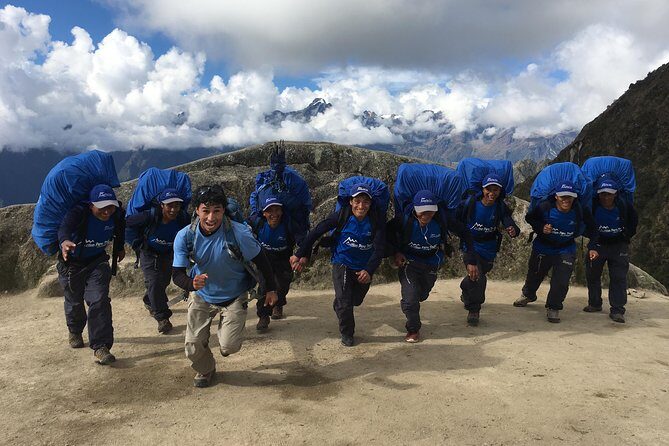
This tour is built around early mornings and steady hiking. Your pickup is at 4:30 a.m. in Cusco, then you ride out through the Sacred Valley as dawn breaks. The plan includes a brief stop in Ollantaytambo for photos and breakfast, though that part is not included, so you can grab something if you want.
What makes this timing work for you is simple: it helps you start cool, beat crowds, and reach key trail moments while the light is at its best. It also means you’ll be done thinking about logistics early, since transit, guides, safety briefings, and pickup are all included.
A heads-up: because the itinerary moves fast, you’ll feel “on” for days. If you want a slow vacation pace, this one may feel like work, even though the climbs are paced to a moderate fitness level.
You can also read our reviews of more tours and experiences in Cusco


Day 1 to Ayapata: Wilkaraqay ruins, Hatunchaca lunch, and Patallacta
Day 1 begins at Kilometer 82, where the Classic Inca Trail gets real. The first stretch is fairly easy for about 2.5 hours on more level ground until you reach Wilkaraqay. From there, you get spectacular views toward Llactapata, and your guide shares context about the Inca Trail and what you’re seeing.
Then comes a long, satisfying hiking block: about 2 more hours to Hatunchaca (2,598 m / 8,525 ft). Lunch is served here, which matters because you’ll likely be ready for real food rather than snacking your way through.
In the afternoon, you continue for around 2.5 hours to camp at Ayapata. After that, you’ll have time for a stop at Patallacta (around 30 minutes). Patallacta is tied to how travelers and pilgrims moved along the route—suggested as a rest stop and shrine—and it also connects to the farming terraces that would have helped feed people at Machu Picchu.
Where Day 1 can be tricky is not the technical hiking. It’s the timing. Between the early pickup, the long first hiking day, and the altitude climb, you’ll want to settle into your sleep strategy fast at camp.
Day 2 over Dead Woman’s Pass: cloud forest, Runcuraccay, and Chaquicocha
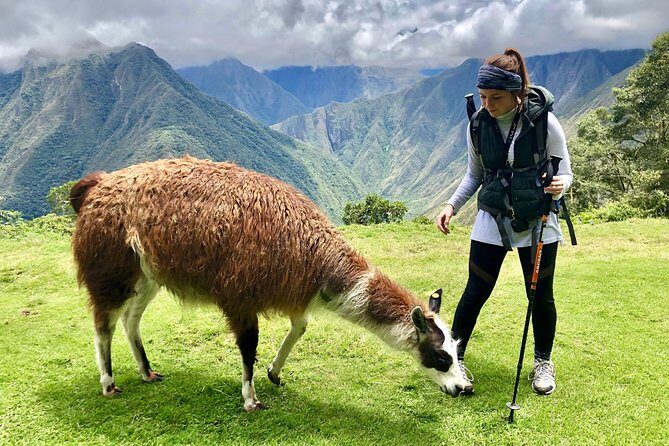
Day 2 is the classic “big line item” day: Dead Woman’s Pass plus several high-altitude ruins. After breakfast, the trail shifts into cloud forest for the first 2 hours, passing through different bio-zones (low sierra up into higher puna). This is the part many people remember because the air changes as you walk.
Next stop is Lluchapampa (3,800 m / 12,460 ft) for a 15-minute break. Then you push toward Dead Woman’s Pass at 4,215 m / 13,825 ft, with about 2 hours of hiking through dramatic mountain scenery. You pause at the top to take in the pass view—this is one of those moments where you’ll feel the altitude, even if you’re walking slowly.
From the pass, it’s a descent to Pacaymayu camp for lunch. After lunch, you climb about 45 minutes to Runcuraccay, and your guide gives you a tour of the ruin. Runcuraccay is tied to the idea of resting points for chaski messenger runners, which gives you a reason to look closely instead of just passing through.
Then you continue uphill roughly 1 more hour to the Runcuraccay pass (3,950 m / 12,959 ft), followed by a 90-minute descent to Sayacmarca (3,657 m / 12,000 ft). From Sayacmarca, it’s about 25 minutes to Chaquicocha (3,600 m / 11,800 ft) camp.
Day 2 drawback to plan for: your legs will feel it. This is where trekking poles (rentable on request) can make a real difference on steep sections and descents, and warm layers matter because temperatures tend to drop at camp.
Day 3 Phuyupatamarca viewpoints and Wiñay Wayna guided time
Day 3 starts with a 2-hour hike to Phuyupatamarca (3,680 m / 12,073 ft), often described as a “city above the clouds” type of stop. From here, the views can reach Aguas Calientes, Machu Picchu Mountain, and Huayna Picchu (when the weather cooperates). You also get a guided tour of Phuyupatamarca, so it’s not just a photo break.
After that, the trail moves into the rain forest zone. You’ll hike downhill for about 2.5 hours toward camp, with a stop at Inti Pata, which is known as one of the better photo spots along the route. Then it’s about 40 minutes to Wiñay Wayna (2,680 m / 8,792 ft) camp.
At camp, lunch comes first, then you get downtime. After relaxing, you’ll visit Wiñay Wayna, which is the largest and most prominent archaeological site along the Classic Inca Trail. You get a guided tour here, and that matters because the site is all about terraces, spatial planning, and ritual landscape logic. The name Wiñay Wayna means forever young in Quechua, which adds a nice layer to what you’re looking at as you move around.
If Day 2 is about altitude endurance, Day 3 is about balance—views, forest walking, and archaeological stops that you can actually slow down for.
Day 4 Sun Gate into Machu Picchu: guided tour and the return to Cusco
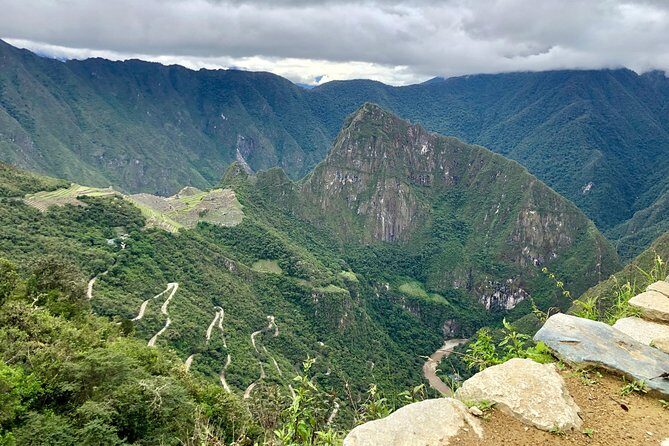
Final day is all about the entrance moment. You rise early, finish the last stretch of the trek after breakfast, and the walking is fairly gentle for about an hour to the Sun Gate. This is where you get first incredible views of Machu Picchu, and if weather cooperates you may also catch sunrise over the Andes.
After Sun Gate, the trek ends with a final 45-minute downhill walk to the city entrance gates. You’ll head to the classic photo spot for pictures, then take a short break before a 2-hour guided tour of Machu Picchu.
Here’s what I think is the practical win: a guided visit helps you read the site while you’re there. Your guide is described as bringing the mythology and historical meaning to life, which turns Machu Picchu from a big scenic stop into a place with structure—why certain areas matter and how the site was organized.
After the tour, you travel to Aguas Calientes by bus, then take the train to Poroy, where a private vehicle is waiting to return you to your Cusco hotel. Arrival is listed as 8:00 p.m.




Camps, porters, and camp food that feels like real travel
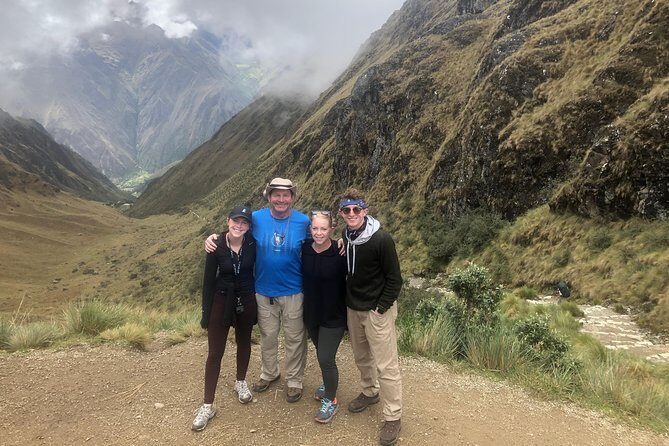
This is one of the strongest value parts of the trip. Your support staff includes professional cooks and porters, plus emergency supplies like a first aid kit, oxygen, and emergency radios. Even if you never need them, it changes how relaxed you feel when you’re high on the trail.
The porters carry the camping equipment, and you’re given sleeping tents and mattresses. The tour also notes tents as four-person tents for every two people, so you’re not packed shoulder-to-shoulder in the way some budget treks can be. Sleeping bags are not included, but you can rent one from the operator, which is important because cold nights on the trail can sneak up on you.
Food is a standout feature in the feedback you shared. Multiple chefs are praised—examples include Andres, Ruben, Alver, and more—plus the team approach of assistant cooks and porters. You’ll get breakfast, lunch, and dinner throughout, and the food is described as filling, well-prepared, and often more elaborate than you’d expect on a multi-day trek.
For guide style, several names show up with strong praise, including Ali, Christian, Nilton, and Lino. The common thread is a guide who explains what you’re seeing on the trail—ruins, pass meaning, and how the route tied into Inca travel—while also keeping your hiking timing sensible.
What’s included in the $870 price (and what costs extra)
At $870 per person, you’re paying for a lot more than “a guide and a map.” This price includes your tour guide, pre-trek briefing, support staff (cooks and porters), camping equipment setup, meals, and the private transportation from Cusco.
The big included costs that add up fast on your own are:
- All meals: breakfast (3), lunch (3), dinner (3) during the trek
- Camp gear support: tents and mattresses, plus the cooking setup
- In-trail safety: first aid kit, oxygen, emergency radios
- Admissions for key ruins and the Machu Picchu day component
- Hotel pickup in Cusco plus the transit back after the trek
What’s not included is also pretty clear:
- Sleeping bag rental (optional but practical)
- Hiking poles rental (recommended)
- Tips
- A personal porter (not included)
One more practical point: this trek is typically booked far in advance. The average booking window listed is 120 days, so if you’re targeting a specific month, plan early rather than assuming you can slide in at the last minute.
Packing for altitude in the Andes: rentals, layers, and must-bring items
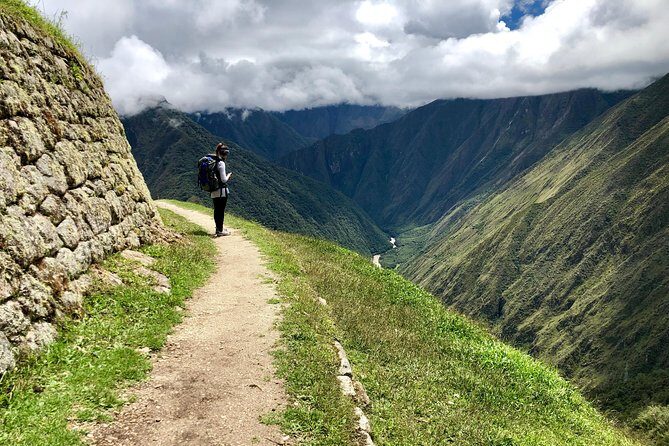
This tour gives you rentals for sleeping bag and hiking poles, but you still need to pack smart. The provided list is a good baseline, and I’d treat it like your checklist, not a suggestion.
Bring:
- Trekking boots plus warm layers (fleece, warm underwear, light long pants)
- Rain jacket (you’re in the Andes and the itinerary includes rain-forest walking)
- Gloves, sun hat, and sunglasses
- Head lamp for early mornings and camp evenings
- Sunscreen SPF 35+ and bug repellent
- Camera with spare batteries (cold and altitude can drain them faster)
- Toiletries: toilet paper, wet wipes, and a personal towel
- Original passport (and if you got a new one after booking, bring both)
Helpful add-ons:
- Binoculars for viewpoints, especially around Phuyupatamarca and Sun Gate
- A warm fleece jacket and light base layers that you can adjust as you move between cloud forest, puna, and cooler passes
Altitude note without panic: Dead Woman’s Pass is listed at 4,215 m, and you’ll also hit Runcuraccay pass at 3,950 m. That’s why oxygen, radios, and first aid are included—and why pacing and breaks matter.
If you’re deciding between pole rental and no poles, I’d lean poles. Descents can feel longer than ascents, and poles help you keep control.
Should you book this Classic Inca Trail trek to Machu Picchu?
Book it if you want the Classic Inca Trail experience without the planning headache. This tour is built for people who want to walk, look, and learn—while a small team handles the rhythm, meals, camp setup, and safety gear.
Don’t book it if you’re trying to avoid early mornings or you’re set on a very light walking day. The itinerary includes long hiking blocks and high passes, so you’ll need to show up in moderate physical condition and be ready for cold nights.
FAQ
FAQ
What time do I get picked up in Cusco?
Pickup is at 4:30 a.m. from your hotel in Cusco, then you drive to the trailhead at Kilometer 82.
Where does the trek start?
It starts at Kilometer 82 on the Inca Trail, after you’re driven from Cusco through the Sacred Valley.
Are meals included?
Yes. The tour includes breakfast (3), lunch (3), and dinner (3) during the trek.
Is a sleeping bag included?
No. Sleeping bags are not included, but you can rent one from the tour operator.
What about hiking poles?
Hiking poles are not included, but you can rent them from the operator. They’re described as recommended, especially for steep descents.
How big is the group?
The tour notes a maximum of 15 travelers.
Do I need to buy Machu Picchu entry separately?
The tour includes admission for the Machu Picchu component (listed as admission ticket included on the Machu Picchu day).