REVIEW · CUSCO
Qorikancha and Four Ruins Cuckoo City Tour
Book on Viator →Operated by WPeru-Travel · Bookable on Viator
Cusco starts talking when you walk into Qorikancha. This 5.5-hour route strings together major Inca sites with a bilingual guide, so you get the meaning behind what you’re seeing, not just photos. I especially like the Inca stonework at Qorikancha and how the Sun Temple setup (including the fasting-and-barefoot story from the chronicles) adds real context to the place. One heads-up: you’ll pay extra for archaeological site entry (PEN 70 per person), since most site tickets are not included.
The tour also makes time for a more local, hands-on cultural stop: the Hands of the Community Textile Center. You can see camelid fibers up close and learn what goes into Inca-style textiles, with garments listed as 100% baby alpaca and vicuña plus replicas of ancient and contemporary tapestries made by Peruvian artists. That mix of ruins and craft makes the day feel balanced, not just a long march of stone.
In This Review
- Key Things I’d Highlight Before You Go
- The Real Cost: Tour Price Plus Site Entry (PEN 70)
- A 5.5-Hour Half-Day Route That Moves, But Doesn’t Rush You Away
- Stop 1: Qorikancha and the Inca Sun Temple Story
- Stop 2: Sacsayhuaman’s Huge Blocks and Zigzag Terraces
- Stop 3: Q’enqo’s Labyrinth, Astronomy, and Ritual Use
- Stop 4: Puka Pukara, the Red Fortress on the Edge of Access
- Stop 5: Tambomachay and the Inca Baths Myth of Eternal Youth
- Stop 6: Hands of the Community Textile Center (Included and Actually Useful)
- What You’ll Notice Most with This Group Setup
- Who This Tour Works Best For (And Who Might Want Another Option)
- Should You Book This Tour?
- FAQ
- FAQ
- What sites are included on this tour?
- How long does the tour last?
- What’s included in the price?
- What is not included?
- Is entry to Qorikancha included?
- Is the textile center visit included?
- Where does the tour start and end?
Key Things I’d Highlight Before You Go
- Qorikancha’s lithic precision: Inca hard-stone cutting so tight that a sheet of paper can’t be inserted, and the structures still hold up despite earthquakes
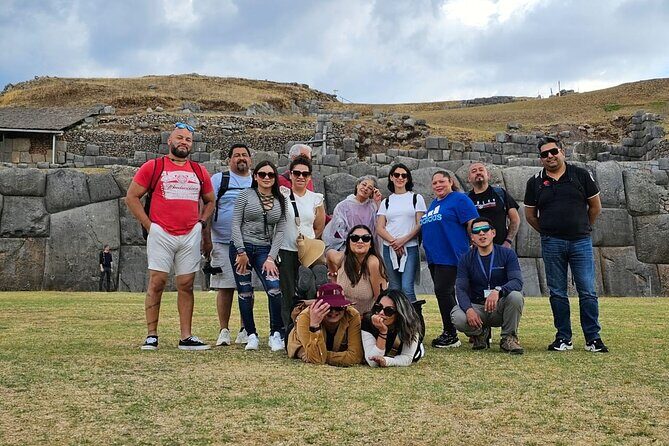
- Sacsayhuaman’s massive scale: huge limestone blocks (listed as 25 to 130 tons) arranged on three terraces in a zigzag pattern
- Q’enqo’s “labyrinth” layout: limestone construction tied to astronomical and religious uses, plus embalming or mummification studies
- Puka Pukara’s red-fortress role: a strategic point for controlling access to and exit from Cusco’s imperial zone
- Tambomachay’s constant water: fountains tied to the idea of the waters of eternal youth
- Textile Center included: admission to the textile museum is free on the tour, making the price feel more fair
The Real Cost: Tour Price Plus Site Entry (PEN 70)
The tour price is $21.50 per person, and that gets you the group experience: hotel pickup in central Cusco, a professional guide in Spanish and English, tourist transportation, and entry to the Textile Center. The “catch” is that the big archaeological stops are not covered by your tour fee.
Most importantly, access to the archaeological sites costs PEN 70.00 per person and is not included. That means you should budget a bit more if you want to step inside every stop. Practically, this is what you’re buying: organized timing, transport between sites, and interpretation from your guide—while you pay a separate entrance fee for the sites themselves.
The Textile Center part helps balance that equation. Unlike the ruins, entry there is included, and you’ll spend a full scheduled block at the museum. If you like cultural context and not just architecture, this inclusion makes the tour better value than a pure ruins circuit.
You can also read our reviews of more city tours in Cusco
A 5.5-Hour Half-Day Route That Moves, But Doesn’t Rush You Away
This is a ~5 hours 30 minutes tour with a maximum group size of 50 travelers. That matters in Cusco. Larger groups can mean more time waiting and fewer chances to ask questions, but a cap at 50 keeps it in the workable range.
You start at C. Espinar 208, Cusco 08002. The day includes hotel pickup and transfer in the center of Cusco, and the tour ends back at the meeting point. One of the stops also notes a finish in the Plaza de Armas, which is useful because it puts you back in the most convenient area for food, rest, and evening plans.
Transitions matter here: each site is timed in short visits. You’re looking at about 25 to 40 minutes per main stop, then moving on. That pacing is great if you want an efficient overview of Cusco’s Inca-era layout. If you like to linger, you may want a slower, single-site day later.
Stop 1: Qorikancha and the Inca Sun Temple Story
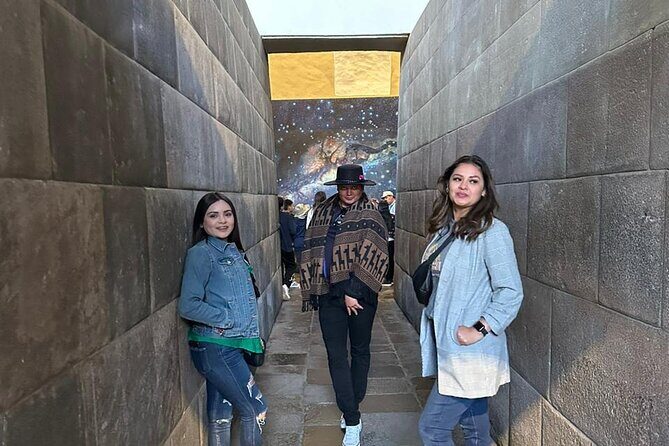
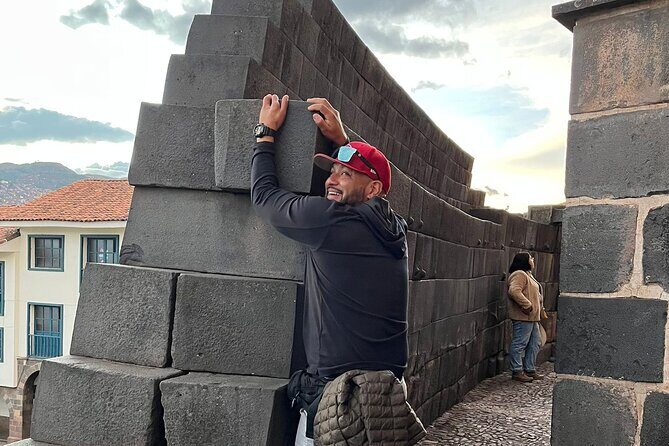
Qorikancha (often spelled Qoricancha) is the tour’s spiritual opener, and it sets the tone fast. You’re there for the Temple of the Sun, and the chronicles add a memorable detail: entering the enclosure required fasting and barefoot, because it was treated as an indigenous shrine dedicated to deities linked to the Sun, Moon, Stars, Rainbow, Thunder, and Ray.
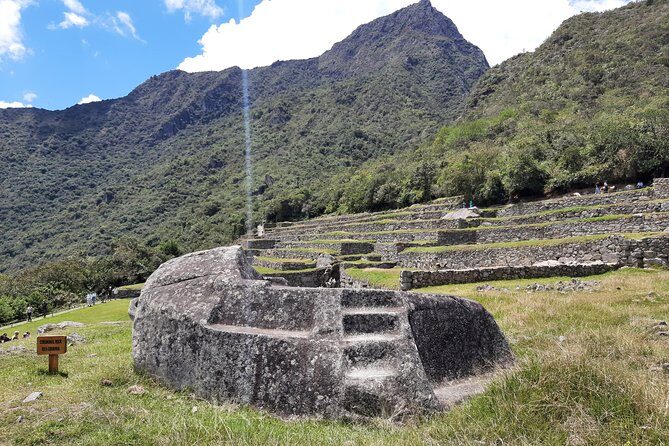
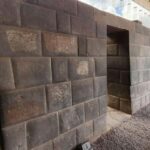
But the best “wow” here is the stonework. The tour focuses on the lithic technology—the Incas’ ability to cut hard stone with such precision that, per the description, a thin sheet of paper can’t be inserted between stones. Even better, the structures are described as still stable today despite earthquakes.
How to get more out of this stop:
- Bring your attention to the joints and edges. When you’re comparing “old ruins” to “engineering,” Qorikancha is where the difference becomes obvious.
- Listen closely to the guide’s explanation of what the symbolism (Sun and other sky forces) is doing in the space. The stone precision is impressive, but the meaning is what makes the visit stick.
Admission for Qorikancha is not included, so if you’re budgeting, remember that most of your “entering” cost comes from these archaeological stops.
Stop 2: Sacsayhuaman’s Huge Blocks and Zigzag Terraces
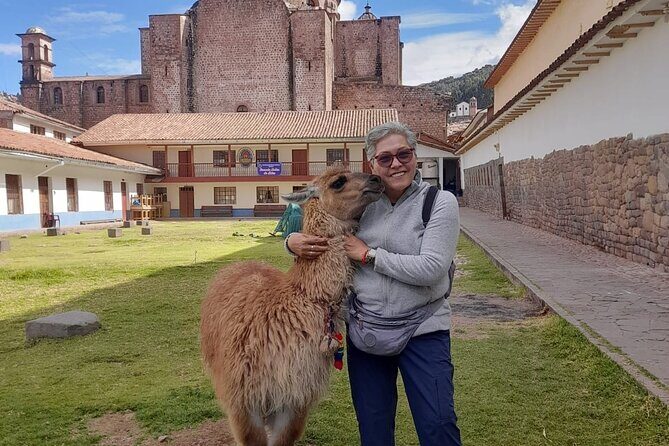
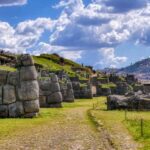
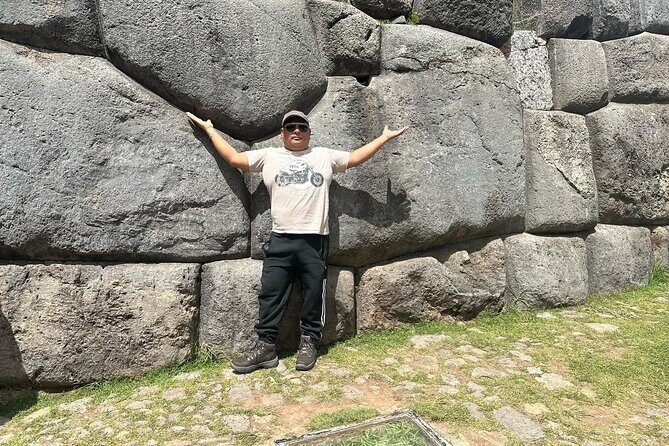
From Qorikancha, the tour moves to Sacsayhuaman, a site that’s built for scale. The description gives you a concrete sense of mass: limestone blocks weigh about 25 to 130 tons.
The structure is also arranged in a way that’s easy to grasp once you’re there: three terraces, stacked in a meandering, zigzag pattern. This is one of those places where you feel how the Incas thought about movement, crowds, and ceremonies—not just monuments.
The tour also mentions that Sacsayhuaman served as a gathering place for festivities such as Warachikuy and Inti Raymi. Even if you don’t know those names yet, that’s a useful point: you’re not just looking at walls. You’re seeing where large community events were designed to happen.
A practical tip for your expectations: because the stop is about 40 minutes, you won’t have the time for deep, slow exploration. Use that time to identify the terrace layout and let the guide connect the geometry to the ceremonies.
Again, admission is not included for this archaeological site.
Stop 3: Q’enqo’s Labyrinth, Astronomy, and Ritual Use
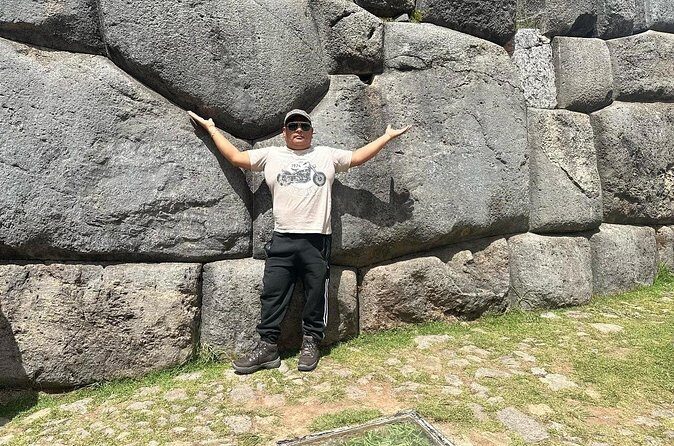
Next up is Q’enqo—its name means labyrinth, and the site’s layout matches that idea. It’s located about one kilometer from Sacsayhuaman, so the tour keeps the “Inca cluster” feel.
Here, you’ll see limestone-based construction and stone sculpture running along a stretch described as 500 meters. What makes Q’enqo more than a pretty ruin is the way historians interpret it: structures at Q’enqo may have been used for astronomical observation, religious study, and possibly embalming or mummification work.
That blend is the key value of this stop. It connects stone design to how people in Cusco measured time and meaning. If you’re the kind of traveler who likes a reason behind the placement, you’ll find Q’enqo especially satisfying.
The scheduled time here is about 30 minutes. That’s enough to take in the main features and still ask questions. If you want the most benefit, don’t just photograph the stones—ask the guide what the astronomy or ritual interpretation changes about how you view the space.
Admission is not included.






Stop 4: Puka Pukara, the Red Fortress on the Edge of Access
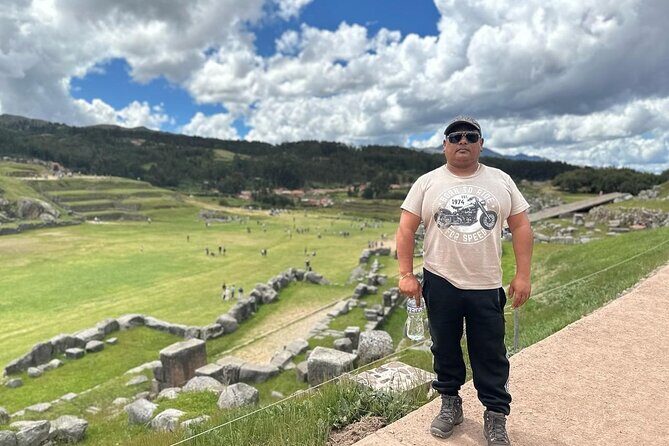
Then comes Puka Pukara, meaning red fortress in Quechua (puka = red, pukara = fortress). You’re not just touring a random viewpoint. The description frames this place as a strategic control node—used to manage access to and exit from Cusco’s imperial zone.
In other words, Puka Pukara functioned like a border point for dividing regions and controlling movement between them. That’s helpful because it gives the stop a job. You’ll likely feel that shift while you’re there: the walls and placement become less about “ruins” and more about logistics—who enters, who leaves, and where boundaries sit.
The tour time for this stop is about 25 minutes, so keep your plan simple:
- Look for the vantage and placement the guide points out
- Take notes mentally on the “control” purpose
- Move on when it’s time—don’t get stuck, because the tour’s short schedule is doing a lot of work here
Admission is not included.
Stop 5: Tambomachay and the Inca Baths Myth of Eternal Youth
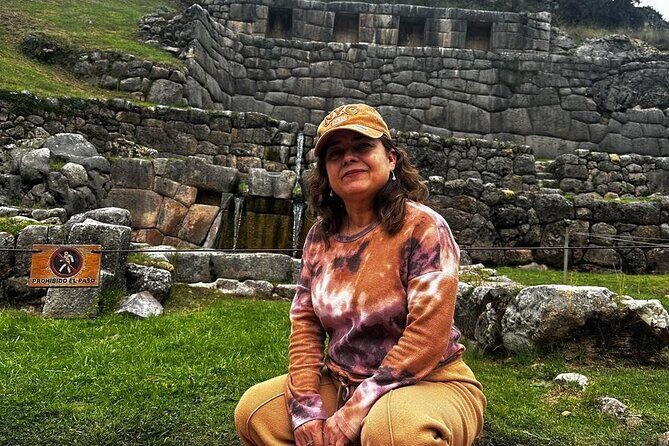
Finally, the tour reaches Tambomachay, described as a resting place about 9 km from Cusco. It’s commonly known here as the Inca baths thanks to the water fountains, and the tour also links the constant water flow to the idea of the waters of eternal youth.
This stop is a nice change from stone-heavy sites. Water adds a different kind of experience: more sound, more life, and a calmer feel. It also keeps the tour from being only about monuments and walls.
You’ll spend about 35 minutes here. That time should be enough to appreciate how the fountains are arranged and to understand the guide’s connection between water and meaning in the Inca worldview.
As with other archaeological stops, admission is not included for Tambomachay.
Stop 6: Hands of the Community Textile Center (Included and Actually Useful)
The tour’s included highlight for many people is Manos De La Comunidad, a textile center and museum focused on South American camelids and Inca textiles.
This stop stands out because the tour includes entry (not just viewing from outside). It’s listed as free and scheduled for about 40 minutes—so you’ll get a real chunk of time rather than a quick walk-through.
Here’s what the tour description emphasizes:
- You can appreciate a variety of camelids
- There are 100% baby alpaca and vicuña garments
- You can see replica versions of ancient and contemporary tapestries made by Peruvian artists
In practice, this is a strong “value” stop. It turns what you saw at the ruins—symbolism, design, planning—into material culture. And it’s a good way to take a break from standing in archaeological sun and wind.
If you’re traveling with kids or anyone who struggles with fast-paced site hopping, this is the stop that tends to feel more interactive and less exhausting.
What You’ll Notice Most with This Group Setup
The day is organized around two big strengths: transport + interpretation. Hotel pickup and tourist transportation reduce the friction of getting between these sites in Cusco. And the guide being available in both Spanish and English means you’re not stuck with silence or vague explanations.
From the positive feedback tied to the experience, you’ll likely appreciate:
- Good organization and a dynamic pace that still feels comfortable
- Guides who explain doubts (so you don’t leave with only half-understood details)
- A generally friendly, warm atmosphere
- Family-friendly energy, with the route designed so different ages can participate
- Even small details like guide presentation and dressing, which adds to the sense of occasion
This isn’t an all-night, all-day marathon. It’s a concentrated Cusco sampler with enough time at each stop to get the point.
Who This Tour Works Best For (And Who Might Want Another Option)
I think this tour is a strong fit if you:
- Want a first-time Cusco overview without needing to plan transport between ruins
- Like your history explained in plain terms, with a guide who can answer questions
- Want a day that balances archaeology with a real cultural stop at a textile center
- Prefer a schedule that keeps moving but doesn’t trap you in one spot all day
It might be less ideal if you:
- Want to spend long, slow hours at a single ruin rather than touching several in one outing
- Hate paying separate entry fees, since archaeological access isn’t included
But for most people, the structure is the point: you get the big names—Qorikancha, Sacsayhuaman, Q’enqo, Puka Pukara, Tambomachay—plus the included textile stop that makes the day feel complete.
Should You Book This Tour?
If your goal is to get oriented in Cusco fast—seeing key Inca sites and learning what they’re for—this is a good buy. The tour price isn’t outrageous, and when you factor in hotel pickup, transport, a bilingual guide, and included Textile Center entry, it feels fair for a half-day package.
The one real decision you need to make is financial and simple: budget the extra PEN 70 per person for archaeological site entry. If you can handle that, you’ll likely enjoy how the route connects stonework, ceremonies, astronomy/ruling ideas, border control, and water symbolism into one easy day.
Book it when you want momentum and clarity. Then, if something really grabs you—maybe the precision at Qorikancha or the puzzle of Q’enqo—you’ll know what to return to later with more time.
FAQ
FAQ
What sites are included on this tour?
You’ll visit Qorikancha, Sacsayhuaman, Q’enqo, Puka Pukara, Tambomachay, and the Manos De La Comunidad Textile Center.
How long does the tour last?
The duration is about 5 hours 30 minutes.
What’s included in the price?
Included are hotel pickup and transfer in the center of Cusco, a professional guide to Tourism in Spanish and English, entry to the Textile Center, and tourist transportation.
What is not included?
Archaeological site access is not included (PEN 70.00 per person). Tips and food are also not included.
Is entry to Qorikancha included?
No. Access to the archaeological sites is not included, and the stop lists admission tickets as not included.
Is the textile center visit included?
Yes. Entry to Manos De La Comunidad is included and listed as free on the tour.
Where does the tour start and end?
The meeting point is C. Espinar 208, Cusco 08002, Peru. The tour ends back at the meeting point (and you’ll also finish in the Plaza de Armas).