REVIEW · CUSCO
4 Day Inca Quarry Trail to Machu Picchu
Book on Viator →Operated by Kawsay Travel Peru · Bookable on Viator
An Andean hike that trades crowds for craft. This 4-day Inca Quarry Trail route pairs tough mountain days with hands-on Inca landmarks, then lands you at Machu Picchu with a guided walk. I like that it’s organized end to end, including camping gear, meals, and even first aid plus emergency oxygen. I also like that it’s small-group by design, with a maximum of 9 travelers. The main consideration is the altitude and the fact that some hiking days are clearly challenging, so you’ll want solid moderate fitness and a steady pace.
What makes this trek feel special is the mix of “real trail time” and specific Inca sites. You start in the Sacred Valley area, hit the first Inca settlement at Corimarca, then follow ancient routes toward the Inca Quarries where you can still see chisel marks. You’ll finish with a Machu Picchu visit that includes a guided tour and then time to wander on your own. There’s less “big-name trail crowd energy” than you might find elsewhere, and that helps the scenery and stonework feel personal instead of rushed.
The big question for you is simple: do you want Machu Picchu plus a multi-day hike that actually feels like getting there, not just seeing it? If yes, this itinerary checks a lot of boxes. If you want zero effort days or very frequent flat walking, you should look closely at your fitness and how you handle thinner air.
In This Review
- Key Things I’d Prioritize Before You Go
- Starting With a 5:00 AM Cusco Pickup and the Huarocondo Warm-Up
- Pachar to Corimarca: Your First Inca Ruins Before You Camp
- Queuñacancha High-Meadow Camping and the Cloud Forest Feeling
- Inca Quarries to Ollantaytambo: Chisel Marks With a Purpose
- Machu Picchu at Ground Level: Guided Tour, Bus Up, and Time to Wander
- The Train Back: Ollantaytambo and a Smooth Finish in Cusco
- Price and Value: What $801.29 Buys You (and What It Doesn’t)
- Who This Trek Fits Best (and Where It Might Not)
- Practical Tips to Make the 4 Days Feel Easier
- Should You Book the Inca Quarry Trail to Machu Picchu?
- FAQ
- What time does the tour start in Cusco?
- How difficult is the trek?
- What meals are included?
- What camping support is included?
- Does the Machu Picchu visit include a guide?
- Is emergency support included?
Key Things I’d Prioritize Before You Go
- A small group (max 9) helps the guide manage the pace on narrow trail sections and camp areas
- Camping setup is handled with tents, inflatable sleeping mats, and support staff carrying gear
- Inca Quarries stop is not a random photo stop; it’s tied to how the Incas sourced stone for major construction
- Machu Picchu includes guided time plus free exploration so you get context and still get to linger
- Emergency oxygen and first aid included give peace of mind on a physically demanding trek
- Train logistics are built in so you’re not juggling schedules after the hike
Starting With a 5:00 AM Cusco Pickup and the Huarocondo Warm-Up
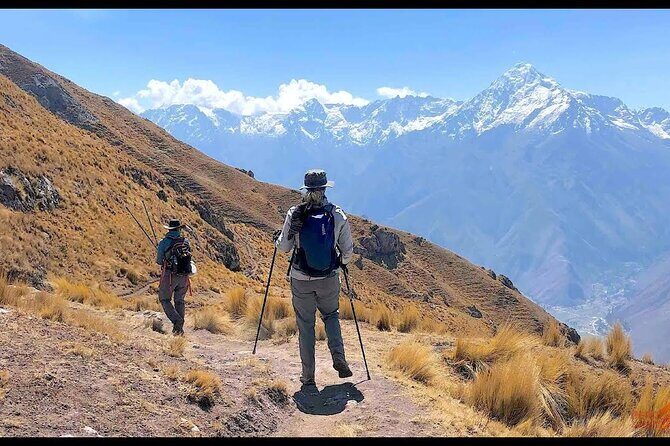
Most people feel Cusco’s altitude in their legs, not just their breathing. That’s why this trip starts early: you’re picked up at 5:00 AM in Cusco, then driven to Huarocondo. The drive takes about 2 hours and covers roughly 62 kilometers (38.5 miles), and the point isn’t just transportation. You get an early, gradual shift in scenery as the Andean terrain changes around you.
This matters because Day 1 includes real hiking right after you arrive. Even if you’ve acclimated in Cusco, that first morning matters for your rhythm. Getting on the trail before your energy fades is one reason the itinerary works. It also means you’re likely to beat heat later in the day, since higher trails can warm up fast in clear weather.
What I like here is the pacing. You’re not thrown into steep effort immediately after pickup. You drive, you absorb the views, then you step into the village of Pachar where you can settle your footing and get ready for trekking time.
A practical note: early starts usually mean early breakfasts and a tighter day plan, so you’ll want to be ready the night before. Don’t plan on running around for last-minute snacks in the morning.
You can also read our reviews of more tours and experiences in Cusco

Pachar to Corimarca: Your First Inca Ruins Before You Camp
From Huarocondo, you drive toward Pachar. The road is described as winding through villages and farmlands, and that’s a good “breathing transition” before you start walking. On arrival, Pachar works like a natural launch point. You have time to adjust to altitude, and you can enjoy breakfast before you head out.
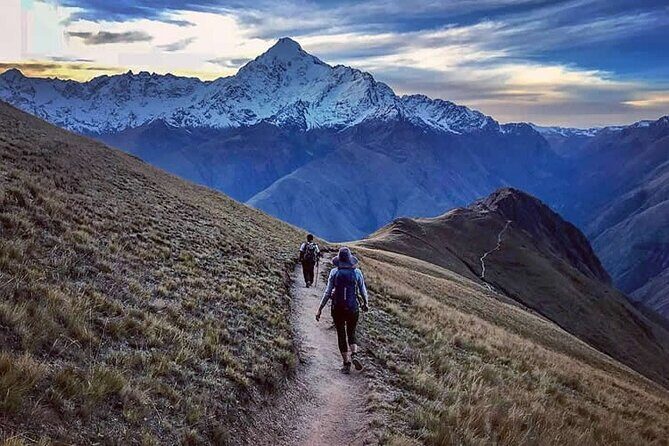
Then comes the first walking day, moving from Pachar toward Corimarca (the itinerary lists Corimarca/Colquemarca as the next stop area). You’ll see terrain shift from greener farmlands toward more rugged highland ground. The hike is called moderately challenging, which matches what you should expect for the first full day: enough effort to feel like a trek, but not a total endurance test on Day 1.
The payoff is twofold:
- You’re walking along paths tied to the Inca route network, including sections described as original Inca paths.
- You reach your first camp base near Corimarca, plus a chance to explore the first Inca ruins on the journey.
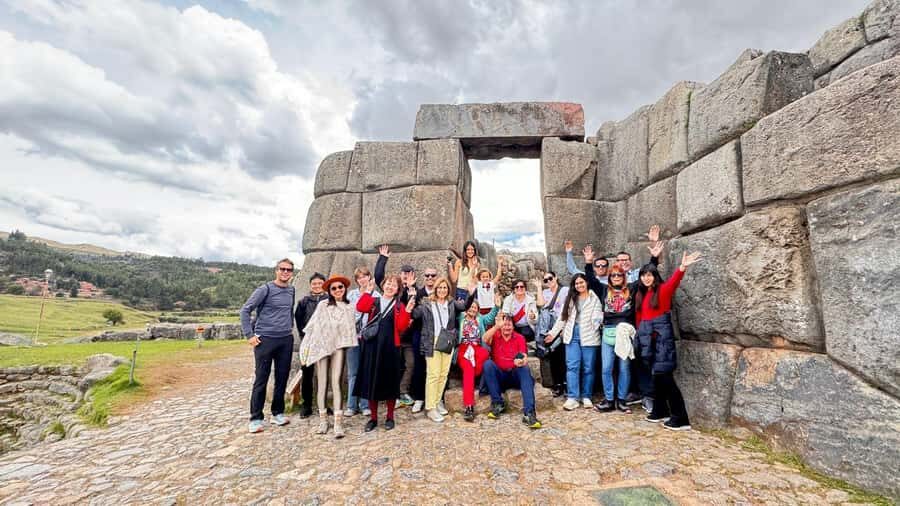
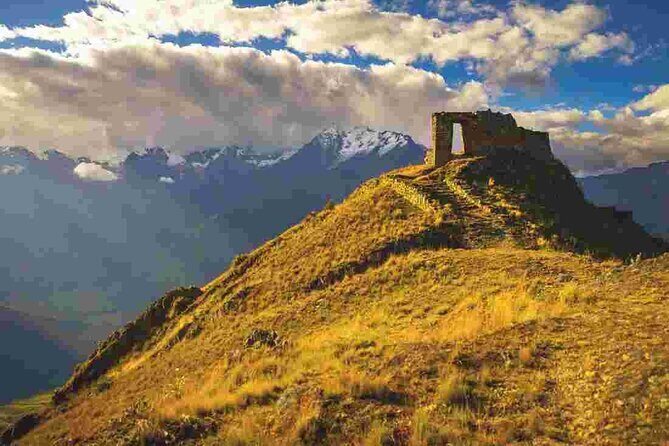
The Corimarca site is described as an ancient settlement tucked into the mountains. This is one of those stops where you can slow down because it’s small enough to feel understandable. You get to look at stone structures and imagine daily life and movement in the region before you move deeper into the trek.
Day 1 ends with camping at Corimarca. That means the “camp rhythm” is part of the experience from early on. If camping is new to you, this is where you’ll decide whether the support system (tents, mats, porters) makes it feel doable.
Queuñacancha High-Meadow Camping and the Cloud Forest Feeling
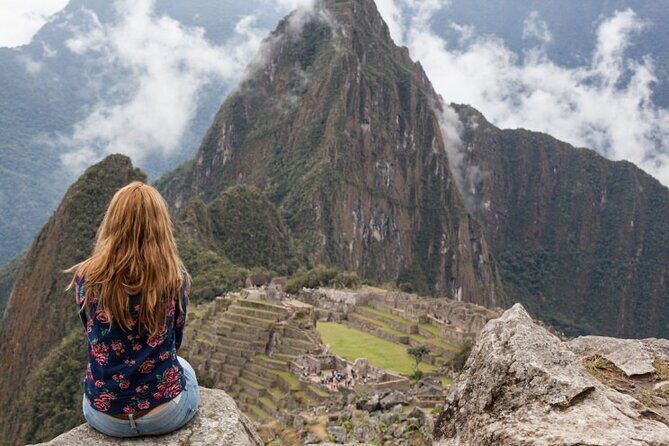
Day 2 starts after you break camp. The itinerary includes breakfast, then you set off toward Queuñacancha via Carretera Cachicata. This is the day that’s described as notably challenging, so treat it like your main fitness test.
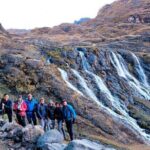
The route is framed as a mix of ecosystems: you move through areas described as cloud forest and also through rugged mountain passes. Even if you don’t know every plant name, the pattern matters. You’re getting that classic Andean experience where the environment changes with elevation and weather, and you can feel it in the air.
Along the way, you’ll encounter multiple Inca ruins, each with its own significance. This is a strong part of the trek’s value: the hike isn’t just scenery. It’s also a guided connection between walking routes and what the Incas built and used.
The day ends at Queuñacancha, described as a serene highland meadow, where you camp for the night. I like that the itinerary doesn’t end on a rushed scramble into darkness. A meadow camp often feels easier to settle in, mentally and physically, because you can see the space around you.
If you’re prone to going too fast on Day 2, this is your reminder to pace. Challenging days in thin air can punish “I’ll just push harder” thinking. Slow and steady usually keeps the hike enjoyable all the way to camp.
Inca Quarries to Ollantaytambo: Chisel Marks With a Purpose
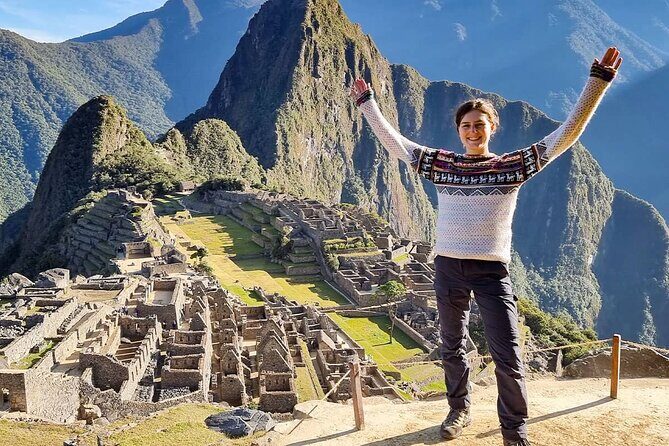
Day 3 is where the trek becomes extra “story-driven.” You wake up early in Queuñacancha, have breakfast, and then hike toward the Inca Quarries.
The Inca Quarries stop is explained clearly: the Incas carved stones here for construction of Ollantaytambo. What I’d look for on site (and what the itinerary makes possible) is the physical evidence. You can still see chisel marks on the rocks, and the stone pieces that were abandoned mid-transport down the mountain.
This is one of the most valuable parts of the whole experience because it links craftsmanship to the landscape. You’re not just visiting a ruin. You’re seeing where the material came from, which turns the construction into something you can picture in real time.
After the guided tour of the quarries, you continue hiking toward Ollantaytambo. The trek descends through lush vegetation and past scattered remnants of Inca stonework. Approaching Ollantaytambo gives you that moment where the Sacred Valley energy comes back: you see terraced hillsides and the town’s stone-built feel.
Ollantaytambo is described as one of the last standing Inca cities, with narrow cobblestone streets and preserved Inca walls. The itinerary includes time to rest and refuel, plus a chance to wander and even try local food.
Then the logistics kick in for the finale: you head to the train station and ride to Aguas Calientes. That train ride is described as offering enchanting views as it winds through the mountains, and it sets you up for Machu Picchu the next morning.
A key consideration here: Day 3 ends with train travel, not more hiking, which means it’s often mentally easier than Day 2. Still, you’ll want to protect your energy, since you’re heading up to Machu Picchu early on Day 4.
Machu Picchu at Ground Level: Guided Tour, Bus Up, and Time to Wander
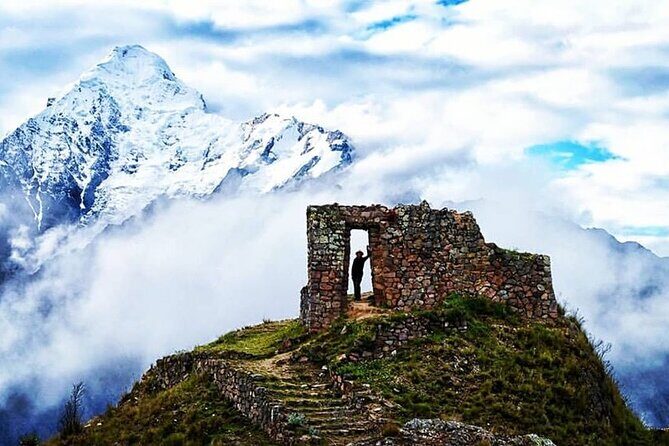
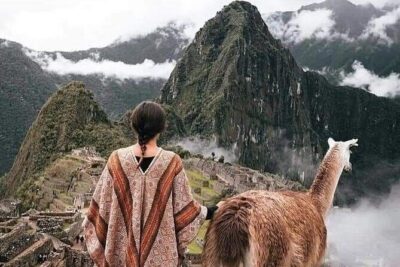
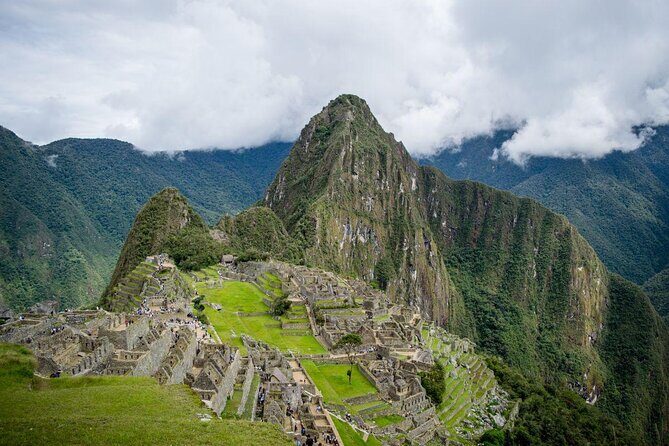
Day 4 begins with the Machu Picchu visit. You take a short bus ride up the mountainside to the entrance, then walk into the site with that classic first-view effect: Machu Picchu sits among mist-clad mountains, and the scene is the kind that makes your brain go quiet for a second.
You’ll have a guided tour of Machu Picchu with an experienced guide who explains key areas. The itinerary specifically calls out:
- Sun Temple
- Room of the Three Windows
…and other important structures
This guidance is a real advantage. Machu Picchu is complex, and a guide helps you connect where you are to what it meant. Without that context, you can end up taking photos without understanding the layout.
After the guided portion, you get free time to explore on your own. This is where you can slow down, revisit favorite viewpoints, or just sit and let the place work on you. I also like that the schedule includes space for your own pace, because Machu Picchu doesn’t do well when you treat it like a checklist.

The Train Back: Ollantaytambo and a Smooth Finish in Cusco
After Machu Picchu, you return via train. The itinerary says you head from Aguas Calientes to Ollantaytambo, then continue by private transport back to Cusco, dropping you off at your hotel.
The train ride is described as giving picturesque views along the tracks. And when you arrive in Ollantaytambo, the town’s terraced fields and quiet atmosphere come back into focus. The itinerary also notes there may be time for a brief look around if schedules allow.
This “clean finish” is part of why the trek feels like a complete package. You don’t spend your last day trying to solve transport problems after a demanding week. You also avoid the stress of coordinating Machu Picchu tickets or timing with a complicated post-hike travel day.
One more small win: the final leg includes views of the Sacred Valley as you transition back toward Cusco, so the last day feels like a closing chapter rather than a rushed exit.
Price and Value: What $801.29 Buys You (and What It Doesn’t)
At $801.29 per person, you’re paying for a lot more than entry into Machu Picchu. This price is tied to a structured, multi-day operation:
- Round-trip transport from Cusco to the trailhead and back from Aguas Calientes to Cusco
- A bilingual professional guide
- Entrance fees for the Inca Quarry Trail and Machu Picchu
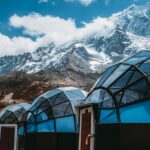
- Camping equipment (tents and inflatable sleeping mats)
- Porters or pack animals for carrying camping equipment, food, and personal items
- Meals across the days (breakfasts, lunches, and dinners as noted)
- Train tickets Ollantaytambo ↔ Aguas Calientes
- First aid and emergency oxygen
That’s the value. You’re not just buying sightseeing. You’re buying reduced decision-making. Someone else handles the hard parts: gear logistics, meal flow, route coordination, and the train schedule tied to Machu Picchu timing.
What’s not included matters too:
- Travel insurance
- Personal trekking equipment
- Additional snacks or beverages
- Optional activities
- Tips for guides and porters
So think of the price as “trek infrastructure plus guided history, plus Machu Picchu timing.” If you already own most of the gear and want to DIY the rest, that can change the math. But if you want to show up and walk, this is built for that.
Also worth noting: this tour is booked an average of 25 days in advance, so it can sell out in busy periods. If you’re planning a tight Cusco schedule, start early.
Who This Trek Fits Best (and Where It Might Not)
This experience is designed for travelers with moderate physical fitness. That doesn’t mean “easy.” The itinerary labels Day 1 as moderately challenging and Day 2 as notably challenging. You’ll be hiking multiple days with altitude at work and camp nights included early in the journey.
I’d say this fits best if you:
- Want Machu Picchu with a trek that adds real context (quarries, ruins, ancient paths)
- Prefer a smaller group, since the tour caps at 9 travelers
- Like having support: porters/pack animals, camping gear, and meals handled
- Can handle an early start at 5:00 AM without turning it into a grumpy fitness experiment
It might not fit you if you:
- Want minimal exertion beyond Machu Picchu
- Struggle with altitude and don’t have a good pacing strategy
- Are expecting a lot of downtime during trekking days (this is a hike-first itinerary)
One subtle benefit from the feedback: the trail tends to be quieter than the big-name treks, and that can make the experience feel more personal. If you’re not chasing crowds, that’s a big plus.
Practical Tips to Make the 4 Days Feel Easier
You can’t control altitude. You can control how you move through it.
- Pace like a pro on Day 2. Not slow forever, just avoid sprinting early. Thin air punishes fast starts.
- Plan for early mornings. This trip starts at 5:00 AM and includes wake-ups for active trekking days.
- Pack layers. Mountains shift temperature during the day, and mornings can feel colder than you expect.
- Carry a small personal snack stash. The tour includes meals, but you may still want extra bites during hiking breaks (snacks aren’t listed as included).
- Take guide talks seriously. The quarries and Inca ruin stops become way more interesting when you pay attention to stonework and route meaning.
- Use the support system. Porters/pack animals carry camping equipment, food, and personal items, so don’t overpack what you don’t need for your back.
Also, keep an eye on group energy. In a max-9 setup, one person struggling can affect the whole pace. It helps to stay calm, communicate, and stick with the plan.
Should You Book the Inca Quarry Trail to Machu Picchu?
Book it if you want the best kind of trade: more work now, more meaning at the end. You get guided history at multiple Inca sites, camping support that reduces gear stress, and a Machu Picchu visit that doesn’t just drop you in for a quick look.
Skip it if you only want Machu Picchu and would rather keep trekking days minimal. The hike portions are not presented as gentle, and the itinerary does require moderate fitness plus early starts.
If you’re excited by the idea of seeing how the Incas sourced stone for major construction at the Inca Quarries, plus walking along routes tied to Inca-era paths, this tour is very much aligned with that goal. For many people, that’s the difference between a great photo day and a trip that actually sticks.
FAQ
What time does the tour start in Cusco?
The start time is 5:00 AM, with an early pickup from Cusco.
How difficult is the trek?
The tour is for travelers with moderate physical fitness. Day 1 is described as moderately challenging, and Day 2 is described as notably challenging.
What meals are included?
Breakfast is included for 4 days, lunch is included 3 times, and dinner is included 2 times.
What camping support is included?
Camping equipment is included, including tents and inflatable sleeping mats, plus porters or pack animals to carry camping equipment, food, and personal items.
Does the Machu Picchu visit include a guide?
Yes. Your Machu Picchu visit includes a guided tour, followed by some free time to explore on your own.
Is emergency support included?
Yes. The tour includes first aid and emergency oxygen. Travel insurance is not included.