REVIEW · CUSCO
Private Service || City Tour in Cusco Half Day
Book on Viator →Operated by Amaru Explorer Peru · Bookable on Viator
Cusco in four focused stops feels perfect. You get a private guide who puts Cusco’s Inca-era power story into plain English, plus fast access to major sites like Qorikancha. One thing to plan for: the tour price doesn’t cover entrance fees, so you’ll want cash ready.
I also like how the route keeps you moving, not lost. When I toured with Americo, his theories about Inca central leadership made even the less-famous ruins feel purposeful, not like a checklist.
In This Review
- Key Highlights You’ll Feel During the Tour
- Why This Half-Day Cusco Circuit Works So Well
- Price and Logistics: What You’re Really Paying For
- Pickup, Timing, and Pace (With Moderate Fitness in Mind)
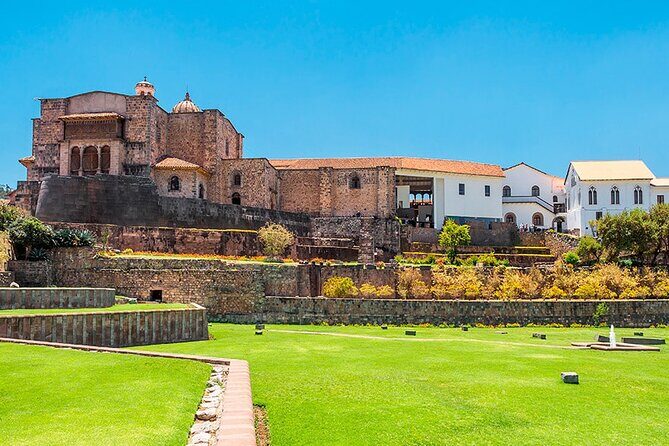
- Qorikancha (Museo De Sitio Qorikancha): Temple of the Sun First
- Sacsayhuamán: The Big Inca Statement
- Q’enqo and Puka Pukara: Smaller Stops, Better Details
- Tambomachay Water Temple: Finishing With a Different Kind of Wonder
- About the Llamas, Shopping Pitches, and How to Handle Them
- Should You Book This Private Cusco Half-Day Tour?
- FAQ
- What’s included in the Private Service City Tour in Cusco?
- How long is the Cusco half-day city tour?
- Are entrance tickets included?
- What sites are visited?
- What’s the group size limit?
- Is there free cancellation?
Key Highlights You’ll Feel During the Tour
- Private transport means less waiting and fewer logistics headaches
- Americo-style guiding (clear English, strong viewpoints) helps you read the stone
- Qorikancha starts sacred and sets the tone for the day
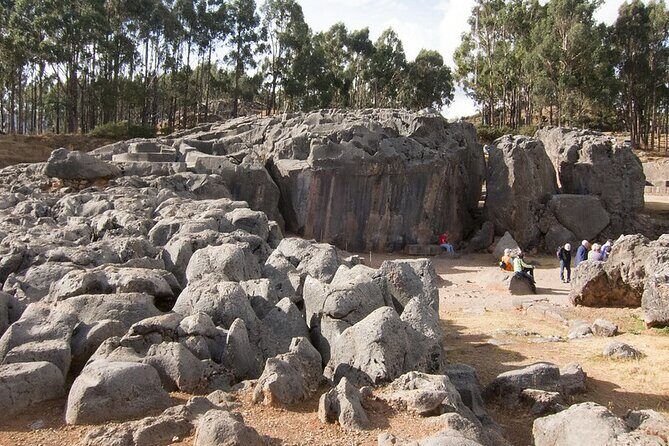
- Sacsayhuamán is the big wow with major Inca-era stonework
- Smaller stops add variety: Q’enqo, Puka Pukara, and Tambomachay each bring a different vibe
- Cash matters for entrances in practice, not just on paper
Why This Half-Day Cusco Circuit Works So Well
This tour is built for people who want the Cusco highlights without spending the whole day hiking and figuring things out. In about 4 to 5 hours, you’ll hit five classic sites, with enough time at each to look closely, ask questions, and take photos without feeling rushed.
The private format is the real advantage. You’re not sharing your guide with a huge group, and the pace can stay human—important in Cusco, where altitude makes everything feel slightly harder than it should. You also start with pickup at your accommodation, which means you don’t waste energy on transit hunting.
And this route has a smart rhythm. It starts with Qorikancha’s religious centerpiece, shifts to Sacsayhuamán’s political/military scale, then rounds out the day with smaller sites where you can notice details. By the time you reach Tambomachay, you’ll feel like you’ve seen more than just big rocks—you’ll understand how the sites connect.
You can also read our reviews of more city tours in Cusco
Price and Logistics: What You’re Really Paying For
The advertised price is $49.30 per person, and what you’re buying is a private guide plus private transport. That’s a fair way to do Cusco when you want efficiency and someone to translate the site clues into a story.
One catch: entrances are not included. You should budget PEN 90 per person for the entry fees, based on what was charged on a recent tour. Also, bring Peruvian cash—in one case, the guide confirmed you could not pay with card or digital methods, and visitors had to exchange money right before the start.
That last-minute scramble is the biggest “watch this” detail I’d tell you ahead of time. If you already know the soles situation in advance, you’ll start calm, not stressed. So if you’re budgeting, treat the tour price as the cost of people and driving, and treat entrance fees as a separate line item you handle immediately after pickup.
Pickup, Timing, and Pace (With Moderate Fitness in Mind)
Pickup happens at your accommodation at the indicated time. That matters because it keeps the schedule tight and gives you fewer moving parts to manage. Once you’re on the road, you’re looking at a steady sequence of short stays: 45 minutes at Qorikancha and Sacsayhuamán, 30 minutes at Q’enqo, Puka Pukara, and Tambomachay.
The tour is listed for travelers with moderate physical fitness. I’d interpret that as: plan for walking on uneven ground, some climbs, and stairs around archaeological areas. You don’t need to be a marathoner, but you do want to be comfortable moving at altitude for a few hours.
Group size is also capped at 15 travelers. Even with private transport, that cap can still affect how long it takes to park, wait, and move. If you care about a calm, slow experience, go in expecting a guided pace—not a solo museum visit.
Qorikancha (Museo De Sitio Qorikancha): Temple of the Sun First
Qorikancha is the kind of site that resets your expectations. You’re starting with 45 minutes in a place tied to the Sun Temple, and the atmosphere is usually different from the big open ruins later in the route. It’s not just a “look at the walls” stop. It’s where you get oriented to what Cusco meant spiritually.
Here’s what I like about starting at Qorikancha: it helps you understand why later Inca sites weren’t built randomly. When you learn the logic of the sacred center, Sacsayhuamán and the smaller hillside places make more sense.
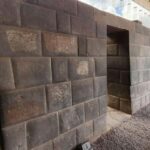
A practical tip: don’t rush your questions. The guide’s job here is to connect the physical layout to how Inca belief and authority worked. You’ll get more out of the visit if you ask what to notice—like what parts look reused, restored, or aligned—rather than just taking photos and moving on.
Sacsayhuamán: The Big Inca Statement
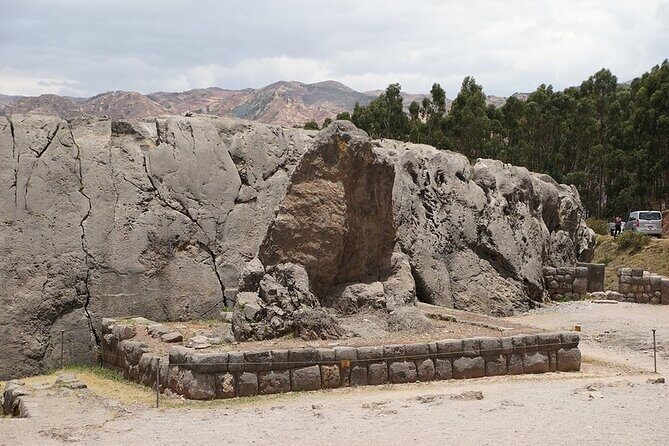
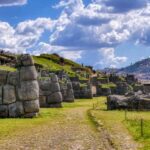
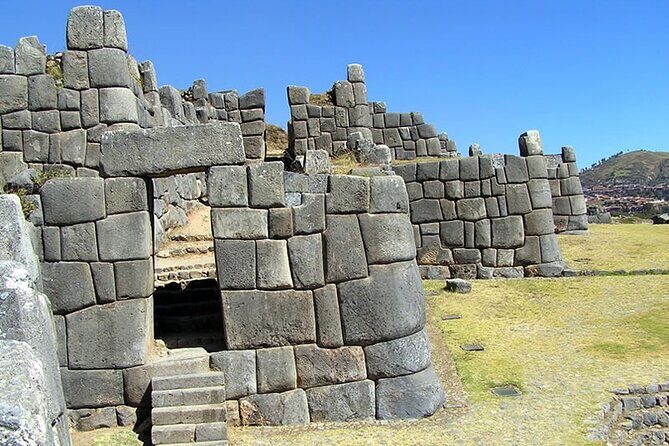
Then you move to Sacsayhuamán, another 45-minute stop, and this is the one most people picture when they think of Inca stonework. Expect massive walls and a site that feels built for power. Even without a deep background, you’ll feel the scale.
What makes Sacsayhuamán extra valuable on a half-day tour is how it gives you a contrast. Qorikancha is about sacred focus; Sacsayhuamán reads like authority made visible. If your guide has strong opinions—like Americo’s style, based on what I’ve heard from recent groups—this is the place where those ideas get tested against what you’re seeing.
One thing to keep in mind: Sacsayhuamán sits in an area where you’re likely to get more wind and more sun. Wear something you’re comfortable in for a short walk and a longer standstill.
If you’re hoping for a quiet, uncrowded moment, arrive ready to accept that this is one of the top stops. What you can control is your pace and attention—slow down when you’re near the best views, and use the time to notice the stonework patterns rather than chasing the next photo angle.
You can also read our reviews of more private tours in Cusco
Q’enqo and Puka Pukara: Smaller Stops, Better Details
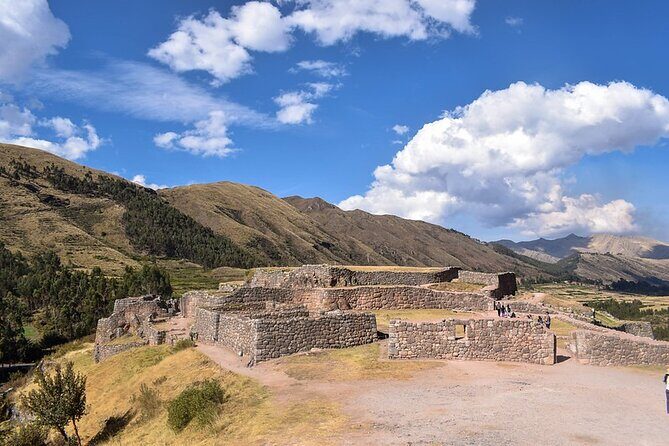
After the major hit, the tour continues with two shorter, 30-minute archaeological stops: Q’enqo and Puka Pukara. This is where you’ll either feel the day is getting repetitive—or you’ll realize it’s getting more interesting.
Q’enqo often gives you that “how did they shape this?” reaction, because it’s less about huge walls and more about carved features. If your guide is good at explaining what those shapes might have been for, you’ll leave with a better sense of how the Incas worked with the land.
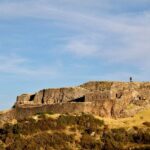
Then Puka Pukara adds a different look and feel. The name alone hints at color, and the site tends to read as a more functional, lived-in landscape rather than only ceremonial space. This stop is a great place to look away from the crowd and focus on the terrain.
If your body is tired from altitude or steps, don’t fight it. Use your 30 minutes strategically: pick one area to study, ask one question, take a few photos, and then move on. This is exactly the kind of stop where doing a little well beats doing everything.
Tambomachay Water Temple: Finishing With a Different Kind of Wonder
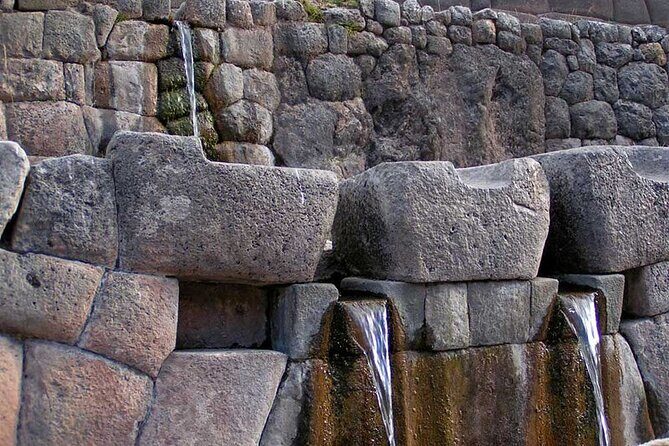
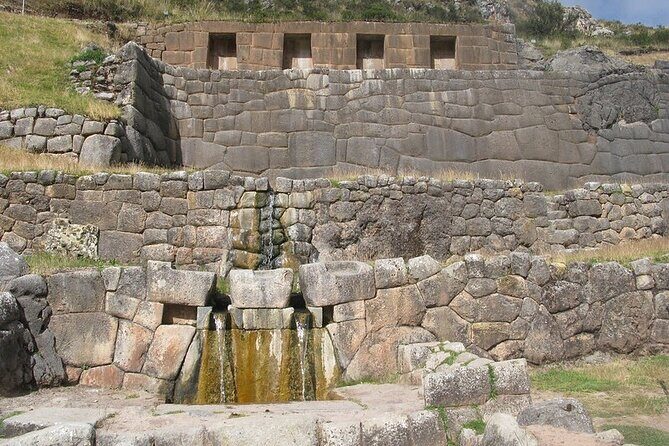
The final stop is Tambomachay, often described as a water temple, with about 30 minutes on site. This is a smart ending because it shifts your brain from stone to function. Instead of only thinking about walls and carved areas, you start noticing how water and design connect.
Even if you only catch a piece of the explanation, Tambomachay tends to feel calmer than the earlier sites. It’s a good place to reset, breathe, and let the day sink in. If your guide talks about why water mattered and how the Incas managed it, you’ll feel that the tour isn’t only “Inca ruins”—it’s also about engineering choices.
I’d also use this time to check how you’re doing physically. By now you’ve had walking time at altitude, so if you need to slow down, this is a good moment to do it.
And when you’re done, you get back with the guide and transport plan already handled. That matters because the best part of a half-day tour is not only what you see—it’s not having to solve the rest of the day after your energy is used.
About the Llamas, Shopping Pitches, and How to Handle Them
One caution I want to share clearly: not every version of this kind of Cusco tour feels purely site-focused. On at least one recent experience, there was a llama-related stop tied to garment shopping, and it didn’t feel warranted to the visitor.
Here’s how to handle that if it comes up: decide in advance what you’re willing to buy, and if the stop starts sounding like a commission-driven sales pitch, you can politely opt out. You don’t need to justify it. A simple, calm no is enough.
This doesn’t mean the whole tour is a problem. It does mean you should treat any extra non-site stop as optional and judge it on your goals. If your goal is archaeology only, ask your guide upfront what else is planned besides the sites.
Should You Book This Private Cusco Half-Day Tour?
Book it if you want a focused Cusco overview with private transport and a real guide, and you like the idea of seeing Qorikancha and Sacsayhuamán plus the smaller sites in one smooth run.
Skip or ask extra questions if:
- You don’t have easy access to Peruvian cash for entrance fees.
- You strongly dislike any extra shopping or animal-related stops that feel salesy.
- You want deep museum-style time at each site. This is a half-day format, so you’ll be more in “see and understand” mode than “linger for hours” mode.
If you’re the type who likes getting your bearings fast, this tour does that job well. You’ll leave with the big names covered, and with enough guide context to make the stone feel like a place with logic—not just a photo backdrop.
FAQ
What’s included in the Private Service City Tour in Cusco?
The tour includes private transport and a private tour guide.
How long is the Cusco half-day city tour?
It runs about 4 to 5 hours.
Are entrance tickets included?
No. Entrances are not included. The cost is listed as PEN 90.00 per person.
What sites are visited?
You’ll visit Museo De Sitio Qorikancha, Sacsayhuaman, Q’enqo, Puka Pukara, and Tambomachay.
What’s the group size limit?
The tour has a maximum of 15 travelers.
Is there free cancellation?
Yes. You can cancel for a full refund up to 24 hours before the experience starts. If you cancel less than 24 hours before, the amount paid is not refunded.