Six Cusco stops in four hours.
This Cusco city tour strings together Spanish colonial art, the former Temple of the Sun, and major Inca ruins, all with a simple 1:00 pm start that’s easy to plug into your day.
I especially like two things: first, the Cusco Cathedral admission ticket is included, so you skip one money step right away. Second, I like how the pacing gives you real time at the big hitters (around 40 minutes each at the cathedral and Qorikancha), then shorter bursts at the rock-hewn and fortress stops outside the center.
One consideration: several other sites are not included for admission, and the whole loop is time-boxed—so if you want to linger at every wall, you may feel slightly rushed.
In This Review
- Key highlights worth your attention
- A Four-Hour Cusco City Sampler From 1:00 pm
- Getting Around: Pickup, Small Groups, and Mobile Tickets
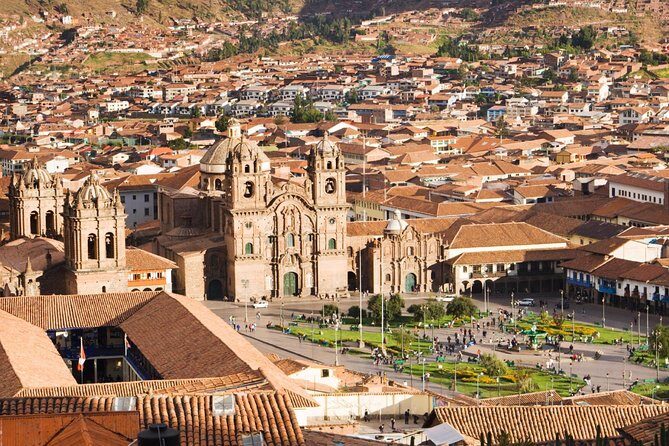
- Stop 1: Cusco Cathedral and the Art School Interiors
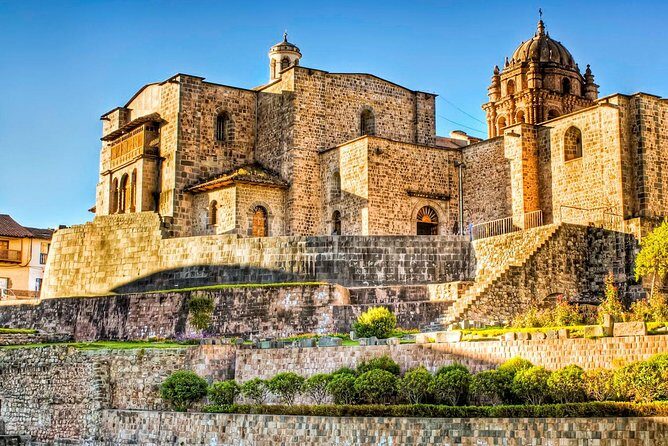
- Stop 2: Qorikancha (Inti Cancha) and the Temple of Gold Layers
- Stop 3: Tambomachay, Water Temples, and Inca Resting Places
- Stop 4: Pucapucara and the Red Fortress Control Point
- Stop 5: Q’enqo, Living Rock, and a Labyrinth-Like Feel
- Stop 6: Sacsayhuaman and the Megalithic Terraces
- Price and Value: What $80 Includes (and What It Doesn’t)
- Who This Tour Fits Best in Cusco
- Should you book this Cusco city tour?
- FAQ
- What time does the Cusco city tour start?
- How long is the tour?
- Is pickup offered?
- Is the tour offered in English?
- How many travelers are on the tour?
- Are admission tickets included?
- What is the cancellation policy?
Key highlights worth your attention
- Up to 10 people: small-group feel, with less waiting around between stops
- Cathedral ticket included: you get a major interior visit without extra hassle
- A clean “story route”: colonial art school → Inti Cancha origins → multiple Inca sites
- Out-of-center stops included: Tambomachay is about 30 minutes from the city center
- Combo of styles: church altars, gold-temple layers, water temple design, fortress control points, carved rock, and megalithic terraces
A Four-Hour Cusco City Sampler From 1:00 pm
This is a compact way to get oriented in Cusco. You start at 1:00 pm and you’ll be out for about 4 hours total. That timing works well if you already plan your mornings around altitude acclimation, markets, or just a slow coffee-and-walk day.
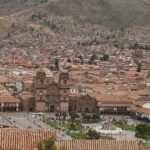
The loop is built around variety. You’re not just looking at one kind of site. You move from the Cusco Cathedral—with its major canvases and altars tied to the Cusco art school from the 16th, 17th, and 18th centuries—into the layered story of the Qorikancha, which connects pre-Inca Inti Cancha origins to the later Temple of Gold concept and then the Spanish church afterward.
Then you head into the Inca-world sites that are usually split up when you tour solo: Tambomachay, Pucapucara, Q’enqo, and Sacsayhuaman. Even with shorter time blocks, you end up with a strong “where does what fit” map in your head, which makes future self-guided wandering much easier.
The other thing to know is that the tour depends on weather. It requires good weather, and if it’s canceled due to poor conditions, you’ll be offered a different date or a full refund.
You can also read our reviews of more city tours in Cusco
Getting Around: Pickup, Small Groups, and Mobile Tickets
This tour keeps logistics simple. Pickup is offered, and you’re asked to contact the operator with your location details so they can coordinate. The tour is also listed as being near public transportation, which is helpful if pickup doesn’t line up perfectly with where you’re staying.
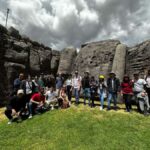
You’ll get a mobile ticket, which is practical in Cusco where you’ll likely be bouncing between sights and don’t want to manage extra paper. The tour also has a maximum of 10 travelers, so it’s not the usual big-bus scramble. That small size helps you hear the guide’s explanations clearly and move as a group without long gaps.
Language is English, and the tour is marked as suitable for most travelers. In real terms, that usually means you shouldn’t expect a super technical experience—but you should still be ready for short walking segments between sites.
One last note: the operator is Wayraq Peru. In one account linked to the experience, a guide named Mario led the tour, and an Ivan also helped arrange airport transport. That’s a good sign that their team is comfortable handling the practical parts of your trip, not only the sightseeing talk.
Stop 1: Cusco Cathedral and the Art School Interiors
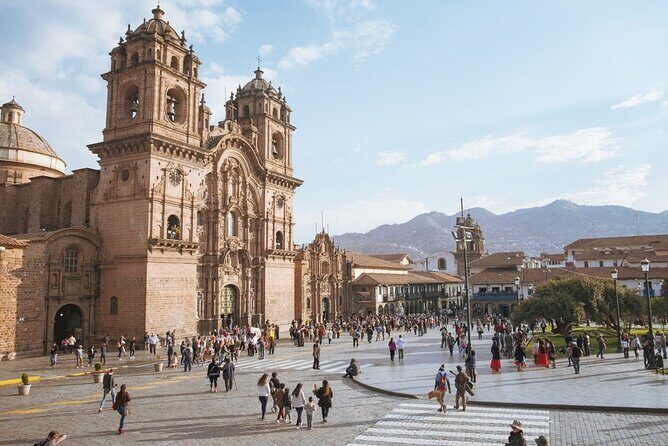
Your first major stop is Cusco Cathedral. The time block is about 40 minutes, and the admission ticket is included. That’s a smart start because it removes a common friction point: figuring out tickets right at the beginning of a tour.
What makes this cathedral visit more than a quick look is the focus on the Cusco art school from the 16th to the 18th centuries. You’ll see the cathedral holding some of the most beautiful canvases and altars from that period, and your guide will connect what you’re seeing to the larger Cusco story.
For me, the cathedral works best as a “context machine.” It sets up why Cusco feels so layered—Spanish structures and Christian traditions built over earlier realities, and the local artistic style that became famous in its own right. Even if you’re not a museum person, this stop gives you cultural grounding before you go deeper into the Inca sites.
A possible drawback is simply time. 40 minutes can feel fast if you want to read everything carefully or take slow photos. If you love interiors, arrive ready to look actively, not just glance.
Stop 2: Qorikancha (Inti Cancha) and the Temple of Gold Layers
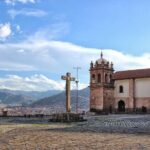
Next up: Qorikancha (also tied to the older name Inti Cancha). You get another 40 minutes, but admission is not included here. So expect that you may need to pay separately at the site.
This stop is all about transformation over time. The ancient Inti Cancha predates the Incas, and it’s described as a place where their people came to be and grow before the site was turned into the Qoricancha, the Temple of Gold. After the conquest, Spaniards built the church of Saint Domingo over the earlier setting.
That layered backstory matters because it changes how you see the place. You’re not just looking at ruins or foundations—you’re watching history explain itself. Your guide’s job here is to help you read the transitions: what stayed, what changed, and why that matters in Cusco.
If you’re trying to pick between “big ruins” and “big stories,” Qorikancha is the bridge. It’s one of the most interpretive stops on the route: the meaning is in the overlap.
Stop 3: Tambomachay, Water Temples, and Inca Resting Places
After Qorikancha, the itinerary shifts to Tambomachay. You’ll have around 20 minutes. Admission is also not included, so plan for another ticket step.
Tambomachay is described as a temple built in honor of water. It also served as a resting place and an artificial hunting center for Inca kings. And it sits about 30 minutes from the city center, which is part of why the visit is shorter—your time has to cover transit too.
This is one of those stops where the concept is the highlight. Instead of only asking what you’re looking at, you’re guided to ask why it would matter. A water temple in this context suggests ritual importance, but also a planned environment—something designed, not accidental.
Practical consideration: because this stop is farther from the center, you’ll likely feel the schedule more here than at the downtown sites. If you tend to lose focus on transit days, bring your attention back as you arrive, because the best part of Tambomachay is how it fits into the Inca ideas of water and royal use.






Stop 4: Pucapucara and the Red Fortress Control Point
Then comes Pucapucara, the “red small fortress.” This one gets about 20 minutes, and the good news: admission is free.
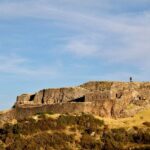
The name connects to the building material. It was built using red stones, and those stones give the Quechua name of the place, interpreted as the red fortress. The site also functioned as a control place before the entry into Cusco.
Even in a short visit, Pucapucara gives you a different angle on Inca architecture. Sacsayhuaman can feel like grand terraces; Pucapucara feels like strategy. It’s about control and preparation—who comes in, when, and why.
If you like “small but meaningful” sites, this is a good stop to anchor your mental map. It’s also a nice money win since admission is free.
Stop 5: Q’enqo, Living Rock, and a Labyrinth-Like Feel
Next: Q’enqo, an archaeological center carved in living rock. You get about 30 minutes, and admission is not included.
The description is wonderfully specific: the internal structures create the impression of a labyrinth. That matters because it tells you what to look for. Don’t just walk past shapes. Look for how the rock carving channels your eye and how the layout feels designed, not random.
This is also where the tour’s “sampler” format becomes most noticeable. 30 minutes can be enough to grasp the overall design, but not enough for full slow exploration. If you’re the kind of person who loves reading carved details, you may want to return later on your own for extra time.
Still, even as a quick stop, Q’enqo tends to stick in your memory because it’s so visually distinctive. It feels different from fortress control and different from water temple function—an almost otherworldly carved space.
Stop 6: Sacsayhuaman and the Megalithic Terraces
The final stop is Sacsayhuaman, and you get around 30 minutes. Like Qorikancha, admission is not included.
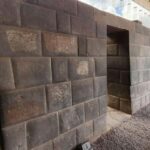
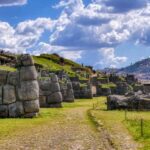
This is one of the big names for a reason: the megalithic terraces of the archaeological park are described as an “impossible work” built in honor of the greatness of the Incan gods. That wording is dramatic, but it points to something real—this place is engineered on a scale that’s hard to ignore.
Your guide’s explanations here are important because terraces can look like “just walls” unless you connect them to why they were built and what they were meant to communicate. In a tight tour, Sacsayhuaman is where you want your attention most focused.
If you’re thinking about value, Sacsayhuaman is part of why this tour works at all. You aren’t only touring one side of Cusco’s identity. You’re getting the big visual statements at the end, after you’ve already learned enough to understand them.
Price and Value: What $80 Includes (and What It Doesn’t)
The price is $80 per person, and the tour includes the guide. That’s the foundation: your time is structured, and you have someone to connect the dots between sites.
Admission is where the value becomes a mix. Cusco Cathedral includes admission ticket pricing, and Pucapucara is free. But Qorikancha, Tambomachay, Q’enqo, and Sacsayhuaman are listed as not including admission tickets. So your final spend may rise depending on ticket prices at the time you visit.
That trade-off still can be good value, because you’re paying for a guided route that hits six major locations in about four hours. You’re also traveling with a group limited to 10 people, which often means smoother timing than larger tours.
Another value angle: the tour is booked on average about 63 days in advance. That suggests it’s popular enough to sell out sometimes, especially during peak travel periods. If your dates are firm, booking ahead helps you lock in a spot instead of scrambling later.
Who This Tour Fits Best in Cusco
This works best if you want a guided “greatest hits” route without committing to a full-day itinerary. It’s also a solid choice if your time in Cusco is tight and you want your first afternoon to feel productive.
It’s also a good fit if you like cultural context as much as visuals. The route deliberately swings from cathedral interiors and art school details to Inca sites with clear themes—water honor at Tambomachay, control and entry at Pucapucara, carved labyrinth feeling at Q’enqo, and ceremonial megalithic terraces at Sacsayhuaman.
If you’re the type who enjoys slow, quiet exploration and doesn’t like time limits, you might find the 20–30 minute stops a little short. But if you treat each stop like a quick chapter—then plan to return to your favorites later—the format is very efficient.
Should you book this Cusco city tour?
I’d book it if you want a guided route that gives you instant orientation: cathedral art first, then Qorikancha’s layered story, then a run of Inca sites that cover water, fortress control, carved rock, and terraces. At $80 with the guide—and with Cusco Cathedral admission included—it’s a practical way to spend an afternoon and learn what matters.
I’d skip (or at least rethink) if you dislike extra ticket payments at multiple sites or if you’re hoping for unhurried visits. Also keep weather in mind, since the tour needs good conditions.
If you do book, your best move is to decide in advance which two sites you’ll likely want to return to later—then use this tour to learn what those sites are really about.
FAQ
What time does the Cusco city tour start?
The start time is 1:00 pm.
How long is the tour?
The duration is about 4 hours.
Is pickup offered?
Yes. Pickup is offered, and you need to contact the provider and send your location details so they can coordinate.
Is the tour offered in English?
Yes, the tour is offered in English.
How many travelers are on the tour?
The tour has a maximum group size of 10 travelers.
Are admission tickets included?
Cusco Cathedral admission is included. Qorikancha, Tambomachay, Q’enqo, and Sacsayhuaman are listed as not including admission tickets, while Pucapucara is free.
What is the cancellation policy?
You can cancel for a full refund if you cancel at least 24 hours before the experience start time. The tour requires good weather, and if it’s canceled due to poor weather, you’ll be offered a different date or a full refund.