REVIEW · CUSCO
Sacred Valley of Incas (Day Trip)
Book on Viator →Operated by Machu Picchu Kingdom · Bookable on Viator
Sacred Valley compresses a lot in one day. I like the sharp contrast between Inca engineering at Pisac and the softer, local feel of Urubamba, and I also like the careful, schedule-focused approach that keeps you moving without feeling lost. The main drawback: with about 12 hours and multiple stops, you won’t have time for slow, lingering exploration at every viewpoint.
You start at 8:30am in Cusco, with pickup offered from hotels in the historic centre. This is a small-group outing (max 15), in English, with a mobile ticket and admission marked free for the stops listed.
For $79, this is good value if you want Sacred Valley highlights plus decent time for photos and a real lunch break. It’s also a smart way to ease into the region’s altitude since the valley is lower than Cusco, which can help your body keep up.
In This Review
- Key points I’d prioritize before you go
- Why this Sacred Valley day works well from Cusco
- Pisac’s terraces, Intiwatana, and the craft-fair tradition
- Urubamba: lunch, views, and a calmer pace before the next climbs
- Ollantaytambo’s fortress feel and the water-temple terraces
- Chinchero’s market, Inca wall niches, and views toward Salkantay
- Price and logistics: what $79 buys you in real terms
- Getting the most out of the day: how to lean into the guide
- Who should book this Sacred Valley day trip
- Should you book it?
- FAQ
- What time does the Sacred Valley day trip start?
- How long is the tour?
- How much does the tour cost?
- Is pickup included, and where does it pick up from?
- What language is the tour offered in?
- Is there a mobile ticket?
- How large is the group?
- Are admission tickets included?
- Can I get a refund if I cancel?
Key points I’d prioritize before you go
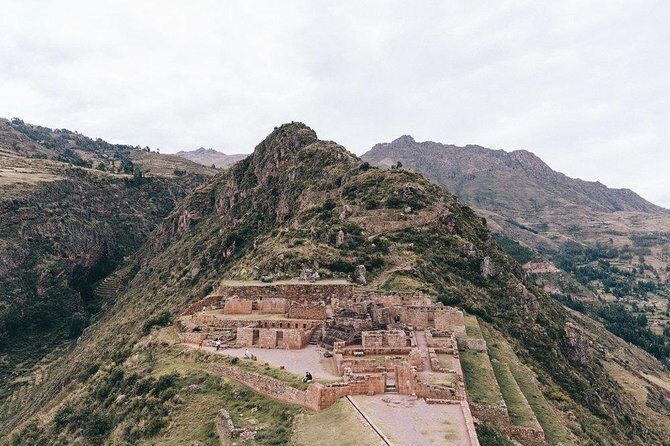
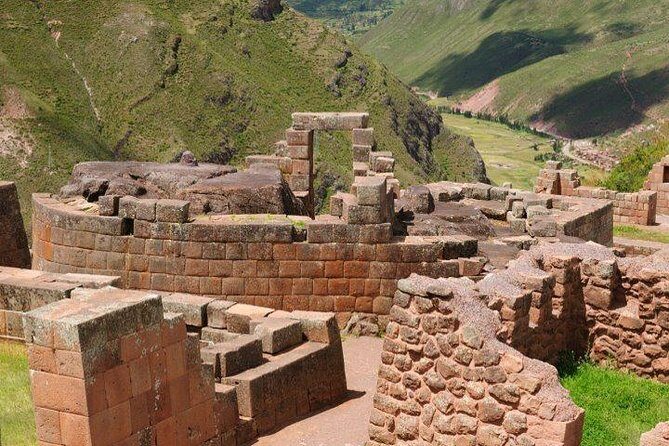
- Pisac’s Inca terraces and Intihuatana-type stonework: the kind of craft that’s hard to “get” without a guide’s context.
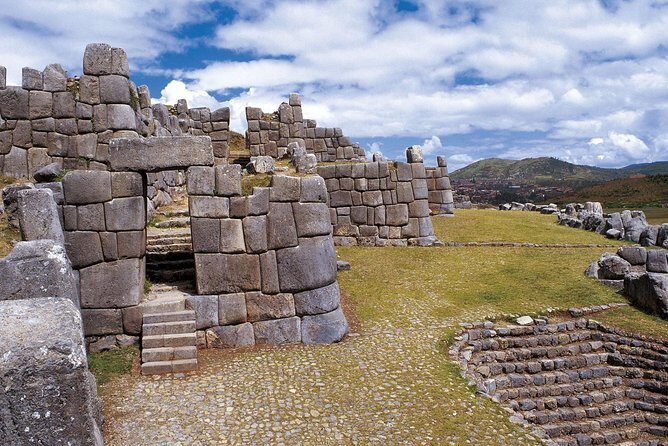
- Ollantaytambo’s steep terraces and fortress setting: this is where the valley really feels defensible.
- Urubamba as a breather: you get a real town pause, not just a parking-lot stop.
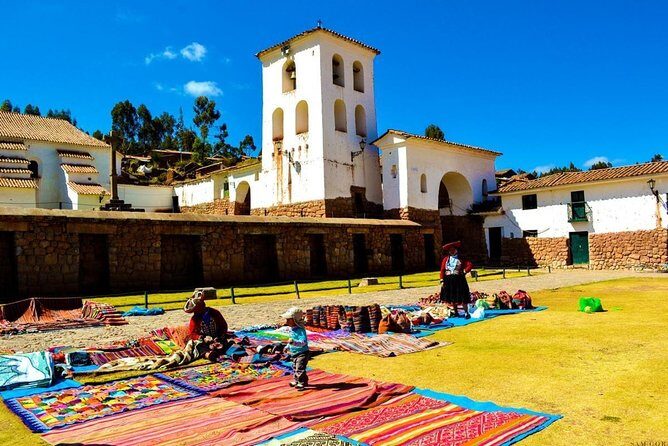
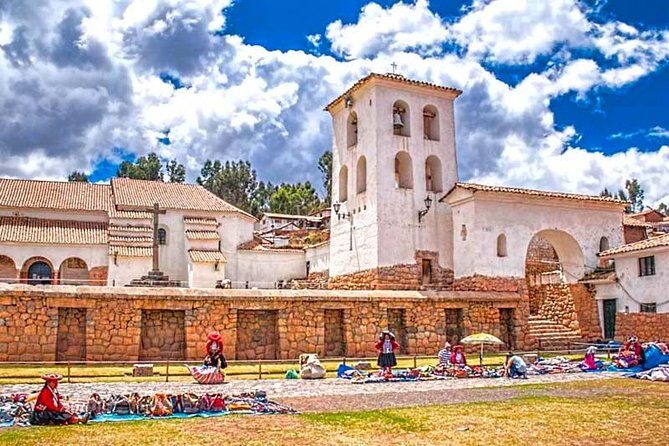
- Chinchero’s market energy and local dress: less tourist-y than Pisac, with big views over the Sacred Valley.
- Small group size (max 15): easier pacing and less chaos in crowded spots.
- $79 with admission marked free: you’re paying mainly for transport, guiding, and time.
Why this Sacred Valley day works well from Cusco
This is built for people who want the greatest hits without adding hotels in between. You start at 8:30am, and you’re out for about 12 hours total, which means a long but manageable day.
A big plus is the altitude factor. Cusco sits high, and the Sacred Valley sits lower. That doesn’t make it “easy,” but it often feels easier on your lungs than staying in Cusco all day, especially if you’re still acclimating.
One more practical note: pickup is only from hotels within the historic centre. If you’re staying farther out—common with some Airbnb-style setups—you may need to get yourself to the meeting point area.
You can also read our reviews of more tours and experiences in Cusco


Pisac’s terraces, Intiwatana, and the craft-fair tradition
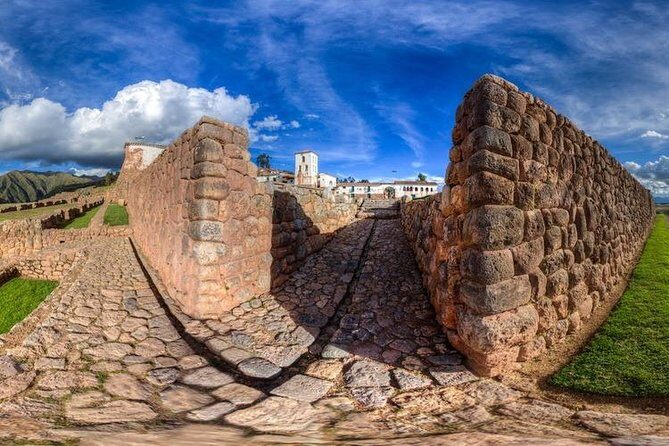
Pisac is the first stop for a reason. It has the feel of a real town layered over major archaeological remains, and it also delivers the most “wow” Inca engineering in this route.
You’ll spend about 2 hours here, and admission is listed as free for the archaeological park time window. The Inca system at Pisac includes cultivation terraces (andenes) that still function, climbing up toward dramatic drops. The stonework you’ll hear called out includes an area associated with the Intiwatana (described as the largest pre-Columbian cemetery in the continent), plus a solar-clock style feature made in stone (the Intihuatana term shows up in the description).
What makes this more than ruins is that Pisac is also a living culture. The town is known for craft fairs on Thursdays and Sundays, with a long, colorful tradition. Even if you don’t catch the exact fair moment, you’re still in a place where ceramics, textiles, and local activity are part of the landscape of daily life.
A detail worth keeping in mind: the description highlights the Varayocs (local authorities) visiting the town to attend mass in Quechua. If your guide gives the cultural meaning behind what you see, this stop clicks fast—you stop treating it like a museum and start seeing it as a functioning, inherited place.
Tip for comfort: wear shoes with solid grip. Terraces and viewpoints can be steep, and the stone surfaces can be slick depending on the weather.
Urubamba: lunch, views, and a calmer pace before the next climbs
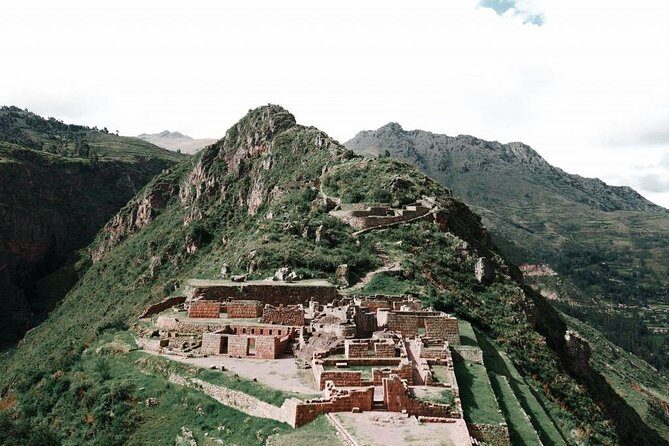
Urubamba is the reset button in the middle of the day. It sits in the heart of the Sacred Valley with tall Andean peaks around it, but the vibe is more laidback than the major ruin sites.
You have about 2 hours here, and you’ll stop for lunch. The description frames Urubamba as a place with beautiful hotels and even spa options nearby, which tells you the day won’t only be “history, history, history.” You’re meant to come up for air.
This is also where you can adjust your clothing. If you were sweating at Pisac and it turns cooler in town, you’ll be glad you brought layers. And if you’re tempted to rush your meal, resist. This part of the day gives you the energy to handle Ollantaytambo’s more intense terrain.
Ollantaytambo’s fortress feel and the water-temple terraces
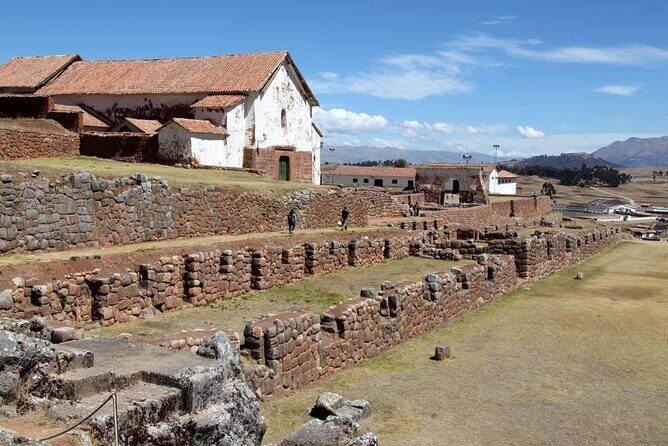
Ollantaytambo is where the Sacred Valley starts feeling like a defensive stronghold. The altitude is noted as 9160 feet, and you can feel that altitude in your pace even when you’re not sprinting.
You’ll get about 2 hours here, with admission listed as free. The standout cluster includes:
- A ceremonial temple connected to worship of water, with terraces stacked above each other and reached via a steep stairway.
- A fortress-like stone structure built between mountains to guard the valley.
There are also multiple named features: Temple of Inti (the sun god), Incamisana, the baths of the Ñustas (princesses), Cachiccata funerary towers, and tiered terraces that get very steep.
One of the most useful ways to understand Ollantaytambo is to see it as a planned entry point. The “between the mountains” fortress idea isn’t just romantic storytelling—it helps explain why this place mattered strategically.
Also, this is a meeting place for nearby communities. The description mentions Huayruros de Willoc, identified by red and black ponchos and hats. If your guide points out who wears what, you’ll notice how today’s community identity connects back to the valley’s deep roots.
Practical watch-out: time gets eaten fast on stairways and viewpoints. If you want photos, pick your photo spot early, then move on before the group bunches up.
Chinchero’s market, Inca wall niches, and views toward Salkantay
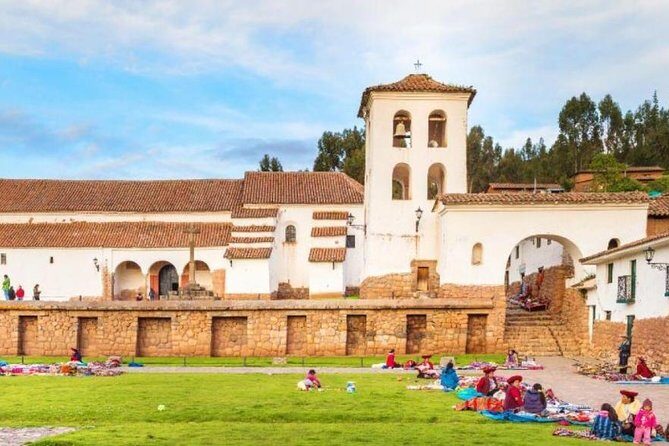
Chinchero is shorter on time—about 1 hour—but it brings variety. It’s described as an Andean village on windswept plains at 3765m, about 30km from Cusco, with sweeping views across the Sacred Valley, including the Cordillera Vilcabamba and the snow-capped Salkantay peak.
This is also where the tour leans more cultural than strictly archaeological. Chinchero is linked (in local belief and storytelling) to the mythical birthplace of the rainbow. And the main tourism draw here is the colorful Sunday market, noted as much less tourist-oriented than Pisac’s market.
Even when you don’t catch the market itself, the village fabric still delivers: mud-brick (adobe) houses, locals moving through the day in traditional dress, and Inca-era remnants in the plaza. One standout is a massive stone wall with ten trapezoidal niches in the main plaza. The description attributes the wall and other ruins and terracing to Inca Tupac Yupanqui and suggests Chinchero may have functioned as a kind of country resort.
A colonial church sits in the same plaza. The details mention it dates to the early seventeenth century, built on foundations of an Inca temple or palace, with floral and religious designs. The church is open on Sundays for mass—so timing can make a difference if you’re lucky enough to be there on a Sunday.
There’s also an option that you might fit in if you have extra time on your schedule: a half-hour walk from the village to Lake Piuri, with a longer around-the-lake walk taking about 3 hours through small villages. With only an hour at Chinchero, you likely won’t do the full loop—but it’s good to know what you’re passing by.


Price and logistics: what $79 buys you in real terms
At $79 per person for about 12 hours, the value comes from three things:
- You’re getting transport between multiple major stops without needing to self-drive.
- You’re getting guided interpretation in English through four distinct places.
- Admission is listed as free for the stops (Pisac, Urubamba stop is for lunch, Ollantaytambo, and Chinchero).
Admission being marked free matters because in Peru these fees can add up quickly if you’re planning on your own. With this kind of “high-value day,” you’re paying more for the engine of the day (driving + timing + guiding) and less for entry tickets.
Group size also affects the math. With a maximum of 15 people, you should expect less waiting around at viewpoints than you would on a larger bus tour. That directly affects your time on-site, not just the comfort level.
Getting the most out of the day: how to lean into the guide
This kind of route only works if you understand what you’re looking at. A guide helps you connect the stones to the story—Inca purpose, how Spanish conquest changed the region, and how these towns still function today.
From the experience notes you shared, the operator has strong coordination, including people like Antonio who’s described as very helpful and willing to offer pre-tour advice in Cusco. Guides such as Eric are mentioned for clear, enthusiastic explanations of Andean history and culture.
So here’s how to use that value. Ask for one thing at each stop:
- In Pisac: what does the solar-clock stonework represent, and why are the terraces important?
- In Ollantaytambo: how do the water temple and fortress fit together as a defense-and-belief site?
- In Chinchero: what’s the difference between Inca stone remnant pride and the colonial layer in the same plaza?
Even if you only remember one detail per stop, your day ends up feeling intentional.
Quick comfort checklist: layers for sun and shade, water, and shoes that handle steps and uneven stone.
Who should book this Sacred Valley day trip
This fits best if you want:
- A first-time Sacred Valley overview that hits Pisac, Urubamba, Ollantaytambo, and Chinchero.
- A guided day that helps you interpret Inca design without needing to study ahead.
- A manageable way to benefit from the valley’s lower altitude compared with Cusco.
It’s less ideal if you:
- Hate long drives or don’t handle stair-heavy sites well.
- Want deep time at one location rather than a broad sweep across four.
Should you book it?
If you’re in Cusco and want an organized, English-guided Sacred Valley day that balances big Inca sites with a more local-feeling village stop, this is an easy yes to consider. The $79 price makes sense because admission is marked free and you’re not paying to piece together transport between multiple towns.
Book it especially if you’re still acclimating. The valley is lower than Cusco, and that can make your day feel more doable. Just plan for a long day, bring good walking shoes, and let the guide handle the stories—your photos and your understanding will both be better for it.
FAQ
What time does the Sacred Valley day trip start?
It starts at 8:30am.
How long is the tour?
It runs for about 12 hours.
How much does the tour cost?
The price is $79.00 per person.
Is pickup included, and where does it pick up from?
Pickup is offered from your hotel within the historic centre of Cusco. It doesn’t include pickup from private residencies like Airbnb or hotels outside the historic centre.
What language is the tour offered in?
The tour is offered in English.
Is there a mobile ticket?
Yes, the tour uses a mobile ticket.
How large is the group?
The maximum group size is 15 travelers.
Are admission tickets included?
Admission is listed as free for the main archaeological/market stops included in the tour.
Can I get a refund if I cancel?
No. This experience is non-refundable and cannot be changed for any reason.