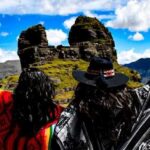
Six days, one private team, zero rush. You start in the Sacred Valley, ride the scenic train down to Aguas Calientes, then make it up to Machu Picchu with a guide who keeps the day moving at your speed.
I love the private guide and vehicle. You’re not stuck in a loud herd, and you can ask questions that actually come up as you walk. I also love that most entrance fees and the Machu Picchu transport are built in, so your main job is showing up and soaking it in.
One possible drawback: this is a higher-budget way to do Machu Picchu. And even with private pacing, the altitude and day-to-day travel still add up—so if you’re expecting a super-relaxed vacation with zero effort, you might feel the climb.
In This Review
- Quick Takeaways Before You Go
- Why This Private Setup Feels Different in Cusco
- Start With the Sacred Valley: A Better First Night Than Jumping Straight to Cusco
- Pisac and Ollantaytambo: Ruins Plus Real Local Life
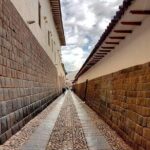
- A Full Cusco Day: From Qorikancha to Saqsaywaman
- Chinchero, Maras, and Moray: This Is Where the Trip Gets Interesting
- PeruRail to Aguas Calientes: The Ride That Makes Machu Picchu Feel Real
- Machu Picchu Day: Bus Timing, Your Own Pace, and a Guide Who Can Pivot
- Getting Back: A Simple Cusco Airport Finish
- Price and Value: What Your $1,322 Covers (and Why It Might Be Worth It)
- What’s Included vs Not: Read This Like a Checklist
- Who Should Book This Private Cusco and Machu Picchu Tour
- Should You Book It?
- FAQ
- Is this tour private or shared?
- What’s included in the price?
- Are pickups included, and where does it start?
- Are Machu Picchu entrance and transport included?
- What about hot springs in Aguas Calientes?
- What meals are included?
- If I cancel, can I get a refund?
Quick Takeaways Before You Go
- Private guides on every major block of the trip, with the flexibility to move slower for photos and altitude.
- Sacred Valley start gives you a gentler landing before the Machu Picchu day.
- Train + bus included for the Machu Picchu journey, which saves time and reduces ticket headaches.
- Cusco city archaeology as a full day: Qorikancha, Cathedral, Tambomachay, Puka Pukara, Qenqo, and Saqsaywaman.
- Salt, farming experiments, and ruins together in places like Maras and Moray—more than just sightseeing.
Why This Private Setup Feels Different in Cusco
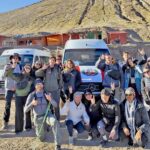
Cusco can be loud, busy, and a little chaotic at street level. The difference with this tour is that you travel with your own guide and private transportation. That means the schedule is still structured, but the experience is personal.
I like how this format handles the two big realities of the region: time and altitude. Time because you’re bouncing between the Sacred Valley, Cusco, and Aguas Calientes. Altitude because you will likely feel it on stairs, viewpoints, and any uphill walking. A private guide can slow down without making you feel like you’re holding everyone back.
In one previous experience, the Cusco and Sacred Valley guide was Edith, and the Machu Picchu guide was Irving. Having a dedicated person for each block matters. You get continuity on details like Inca engineering, local customs, and what to look for at each viewpoint instead of repeating the same basic talk all day.
You can also read our reviews of more private tours in Cusco
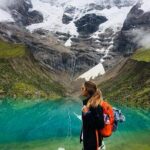

Start With the Sacred Valley: A Better First Night Than Jumping Straight to Cusco
The trip begins after you land in Cusco. You’re transferred out to the Sacred Valley for your first night. This is a smart move because it gives you less stress in your first hours.
Day-one style is simple: airport arrival, a short briefing, then transport to your hotel in the Sacred Valley. After that, you get real free time. That matters in Cusco-world, where your first day can turn into a nap-and-water test if you’re not careful.
What I’d watch for: Sacred Valley still sits at altitude. Even if the air feels easier than Cusco, you’ll want to take it slow the rest of the afternoon. Think short walks, hydration, and an early dinner rather than trying to “catch up” on exploring.
Pisac and Ollantaytambo: Ruins Plus Real Local Life
Two of the tour’s strongest early stops are Pisac and Ollantaytambo. You’re not just touring stone. You’re seeing how the region’s layout and daily life connect to Inca-era planning.
Pisac is known for both the archaeological area and the surrounding market. You’ll have time at the Parque Arqueologico Pisac and then time to browse the souvenir market. This is useful because you can pick up small, practical items—things like alpaca socks, woven gifts, and basic travel souvenirs—without doing it later on a rushed day.
Then you head to Ollantaytambo. The stop isn’t long, but it’s focused on the archaeological park. Ollantaytambo is one of those places where the terrain explains the design. The steep slopes, stacked terraces, and strong sense of purpose make more sense once you’re standing in the site.
A nice touch is that after Ollantaytambo you travel back to Cusco for your overnight. That pacing keeps you from trying to “do everything” in the Sacred Valley and then immediately repeating travel the next morning.
A Full Cusco Day: From Qorikancha to Saqsaywaman
Day three is a concentrated Cusco day, and that’s a good thing if you like structure. You’ll visit six major stops: Qorikancha, the Cusco Cathedral, Tambomachay, Puka Pukara, Q’enqo, and Saqsaywaman.
Here’s why this works as a private tour. With a group tour, you often get a quick stop-and-go format. With a private guide, you can connect the dots between sites:
- Qorikancha (Sun Temple): You’ll be able to understand how sacred spaces connect to Inca beliefs about the sun and power.
- Cusco Cathedral: This adds the colonial layer, so you’re not stuck in one timeline.
- Tambomachay and Puka Pukara: These sites help you shift from temples to engineering and water-related structure.
- Q’enqo: You get a different style of Inca design, with rock-cut forms that feel purposeful rather than decorative.
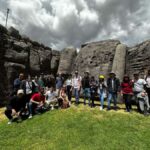
- Saqsaywaman: The grand finale. Once you’re here, the scale becomes the story.
You end the day with some free time and an overnight in Cusco. That’s important. Cusco nights are short and atmospheric, but you’ll enjoy them more if you’re not dragging from an all-day sprint.
Chinchero, Maras, and Moray: This Is Where the Trip Gets Interesting
One of my favorite blocks here is the day that mixes Chinchero, Salinas de Maras, and Moray. It’s not just ruins. It’s a mix of living craft, salt production, and Inca-style experimentation.
Chinchero gives you time at the archaeological site, then you’re set up to appreciate the region’s cultural continuity. Even if you don’t shop much, the point is that you’re in a place where traditions are still visible.
Next comes Salinas de Maras, the salt mines. This stop is memorable because it’s practical. You can see how the landscape turns into a working system. You’ll have time to walk and absorb the layout, and you’ll also likely notice why people built nearby communities here.
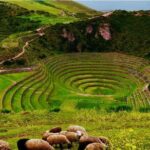
Then there’s Moray, which is the standout for people who like the “how did they think of that?” side of the Incas. The site is known for terraced circular structures that relate to agriculture and microclimates. Even with a short visit, a good guide helps you understand why it’s more than a photo stop.
Lunch is included, which saves you from having to hunt for food during a packed travel day.
You can also read our reviews of more tours and experiences in Cusco
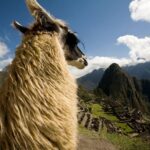
PeruRail to Aguas Calientes: The Ride That Makes Machu Picchu Feel Real
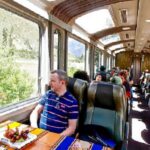
After Moray, you move toward the train segment to Aguas Calientes. This is one of the smoother parts of the trip because your transportation is handled and you’re not stuck with chaotic logistics.
You’ll take PeruRail from the Sacred Valley to Aguas Calientes, then sleep in Aguas Calientes for the night. That pause matters. It turns Machu Picchu from a single-day rush into a build-up. You’re closer to the mountain, your wake-up is easier, and you’re already in the right zone for the bus up.
In real terms, this day is about recovery and positioning. If you’re prone to travel fatigue, prioritize an easy evening. You’ll likely climb stairs, carry a bag for the next morning, and deal with cold mornings depending on the season.
Machu Picchu Day: Bus Timing, Your Own Pace, and a Guide Who Can Pivot
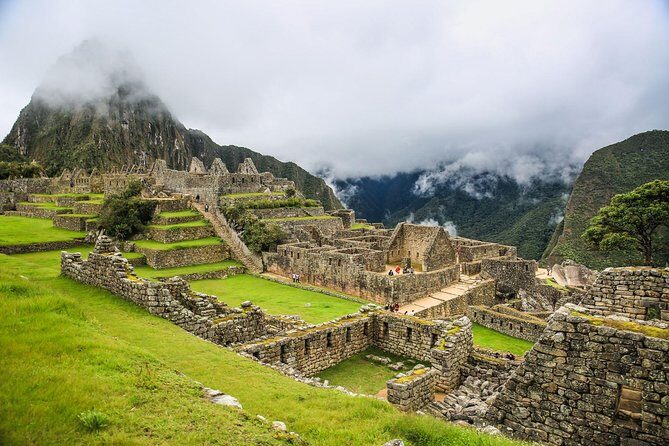
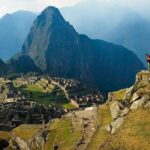
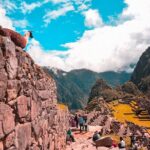
Machu Picchu is the headline. The way this tour handles it is what makes it feel worth the money.
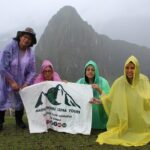
You’ll take a bus from Aguas Calientes to Machu Picchu, tour the site with your guide, and then return by bus to Aguas Calientes. That loop is all set up for you, and you also get free time in Aguas Calientes afterward.
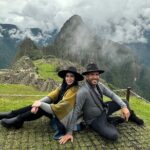
One practical thing I value: the private guide format can help you avoid the most common frustration at Machu Picchu—getting rushed. If you like photos, viewpoints, or just lingering in the best spots, a private guide gives you space. In one experience, an avid photographer couple liked being able to move at their own pace because there are steep climbs and high-altitude exertion.
What you should keep in mind:
- Plan for wind and cooler air near viewpoints. Even if the day looks bright, conditions can change.
- Wear solid shoes. Stone paths and uneven ground are real.
- Build in time for slow walking. Machu Picchu rewards attention, not speed.
Also note what’s not included: Huayna Picchu and hot springs in Aguas Calientes are separate add-ons. If those are important to you, you’ll want to decide early because these extras can affect your schedule.
Getting Back: A Simple Cusco Airport Finish
After your Machu Picchu day and overnight back in Cusco, the final step is straightforward. You’ll have transportation from your hotel in Cusco to the Cusco airport on day six.
That matters more than it seems. Cusco airport timing can be tight, and you don’t want the last day to turn into a scramble. With this tour, the end is clean: you wrap up and go.
If you’re flying out late in the day, you may still want a buffer for altitude effects and traffic patterns. But you’re not dealing with complicated onward planning for this portion.
Price and Value: What Your $1,322 Covers (and Why It Might Be Worth It)
At $1,322 per person for about six days, you’re paying for convenience and personalization. The key value drivers are:
- Private transportation throughout the trip
- Private guide throughout the trip
- Train from Ollantaytambo to Aguas Calientes (round trip)
- Bus from Aguas Calientes to Machu Picchu (round trip)
- All entrance fees (with specific exclusions)
- Accommodations included unless you choose a Hotels Exluded option
- Breakfast (5) and lunch (2) included
A group tour can look cheaper because you’re paying for shared space and shared pacing. But in Cusco and Machu Picchu, shared pacing often means you wait. Waiting doesn’t help with altitude. It also doesn’t help with photos.
This is also a tour where your guide can shape the day. When the guide is able to answer questions and explain customs, local foods, and clothing traditions as you move between sites, the stops feel connected instead of chopped into bullet points. In one account, Edith provided that kind of context, and it made the ruins easier to understand.
Where the value can shrink:
- If you already planned your own transport and you don’t want guide time, a private package can feel like overkill.
- If you’re only interested in Machu Picchu and nothing else, you may feel the Cusco and Sacred Valley days are more than you asked for.
But if you want the whole arc—from Sacred Valley breathing room to Machu Picchu day with a guide—you’re paying for a smooth, guided experience.
What’s Included vs Not: Read This Like a Checklist
Included:
- Private transportation and private guide
- Round-trip train between Ollantaytambo and Aguas Calientes
- Round-trip bus between Aguas Calientes and Machu Picchu
- Accommodations (unless you choose Hotels Excluded)
- All entrance fees (with specific exclusions)
- Breakfasts (5) and lunches (2)
Not included:
- Huayna Picchu and hot springs in Aguas Calientes
- Flights
- Tips
- Train upgrades (availability and price must be requested)
This matters because the Machu Picchu day can be made more complicated if you add extras on top. If you want Huayna Picchu or the hot springs, treat it as a deliberate add-on, not an afterthought.
Who Should Book This Private Cusco and Machu Picchu Tour
This works especially well if you:
- Want a private guide and don’t want to feel rushed through the sites.
- Prefer a planned route with train and bus handled.
- Like context—history, culture, and how Inca design relates to real geography.
- Are traveling as a couple or small group and value comfort in a private vehicle.
You might consider a different style if:
- You’re trying to keep costs as low as possible and don’t mind managing tickets and transfers yourself.
- You want only one highlight and would rather skip a long Cusco and Sacred Valley sequence.
Should You Book It?
If your ideal trip to Peru includes Machu Picchu with room to breathe, plus a guided tour through Cusco and the Sacred Valley, this private package is a strong fit. The built-in transport (train and buses) and the private guide structure reduce stress right where it matters most.
I’d book it if you value planning and want the experience tailored enough that you can slow down for altitude and photos. I wouldn’t book it if you’re strictly budget-focused or you only care about the final stop and don’t want the supporting acts.
FAQ
Is this tour private or shared?
This is a private tour/activity. Only your group participates, and you have a private guide and private transportation throughout.
What’s included in the price?
The tour price includes private transportation, a private guide, train and bus transfers for Machu Picchu, all accommodations unless you choose Hotels Excluded, entrance fees, breakfast (5), and lunch (2).
Are pickups included, and where does it start?
Pick-up is offered at Cusco Airport upon arrival, and you’ll also have transportation from your Cusco hotel to Cusco airport at the end.
Are Machu Picchu entrance and transport included?
Yes. You get the bus from Aguas Calientes to Machu Picchu (round trip) and your Machu Picchu entrance is included. Huayna Picchu is not included.
What about hot springs in Aguas Calientes?
Hot springs are not included. You can also check whether you want to add Huayna Picchu or a hiking option, since those are separate.
What meals are included?
Breakfast is included for 5 days, and lunch is included for 2 days. Your other meals are not listed as included.
If I cancel, can I get a refund?
No. The experience is non-refundable and cannot be changed for any reason, and the amount paid will not be refunded if you cancel or request an amendment.
If you tell me your travel month and whether you’re considering Huayna Picchu or extra hikes, I can help you decide what’s worth adding and what schedule pressure to avoid.